Plant These 7 Red Perennials In Pennsylvania Once And Enjoy Them Forever
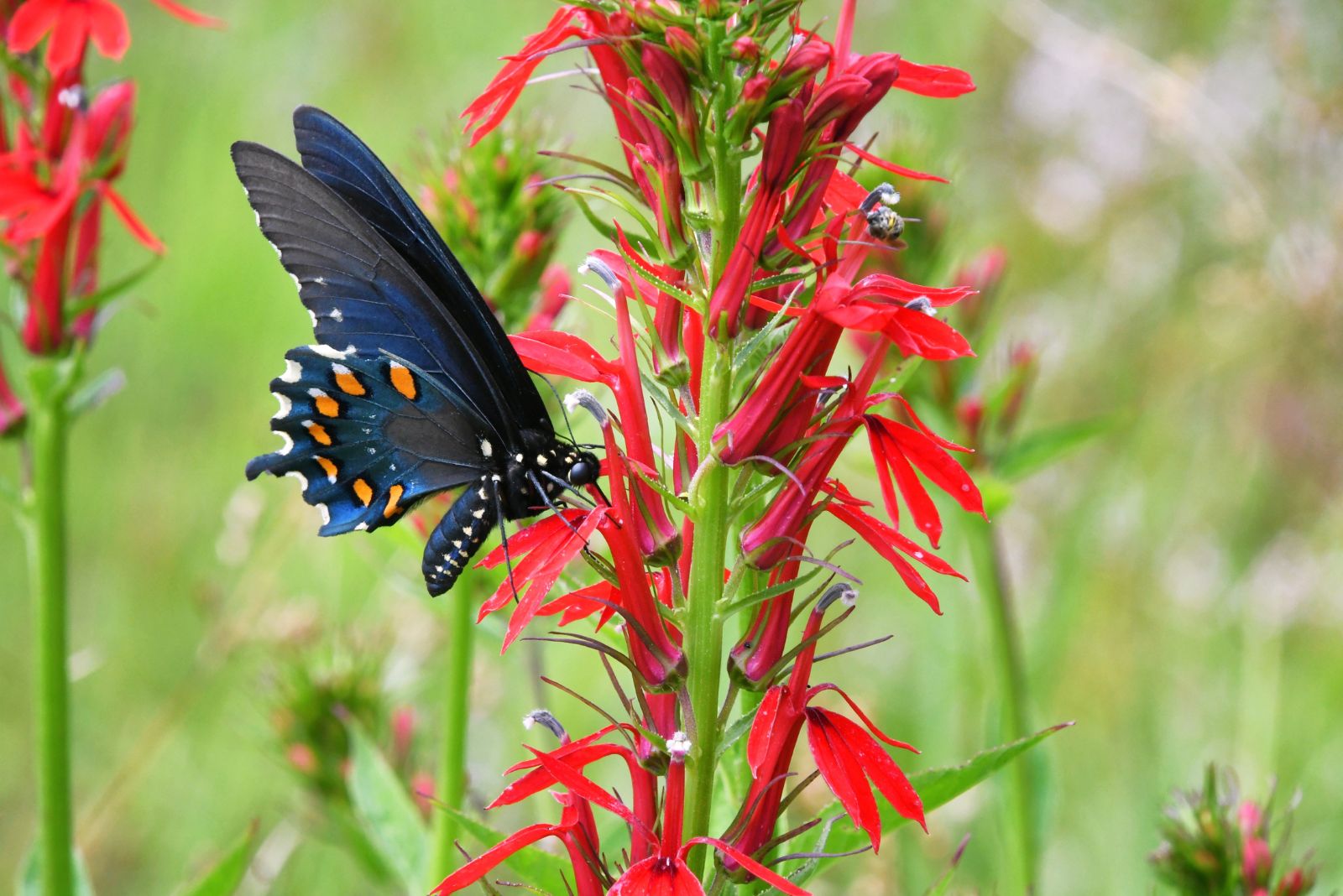
Few things make a Pennsylvania garden pop quite like rich red blooms glowing against fresh green foliage. These vibrant perennials bring warmth, energy, and striking color that instantly draws attention in beds, borders, and landscape spaces.
Even better, the right varieties return year after year, growing fuller and stronger with each passing season once established.
Pennsylvania’s changing weather can challenge delicate plants, but hardy perennials handle cold winters and warm summers with impressive resilience.
They require less replanting, need minimal care, and still deliver dependable beauty throughout the growing season. Their bold red tones pair beautifully with whites, yellows, and purples, creating a balanced and lively garden display.
Plant them once and enjoy reliable blooms, steady growth, and lasting color that keeps your Pennsylvania garden vibrant, eye catching, and full of life season after season.
1. Bee Balm
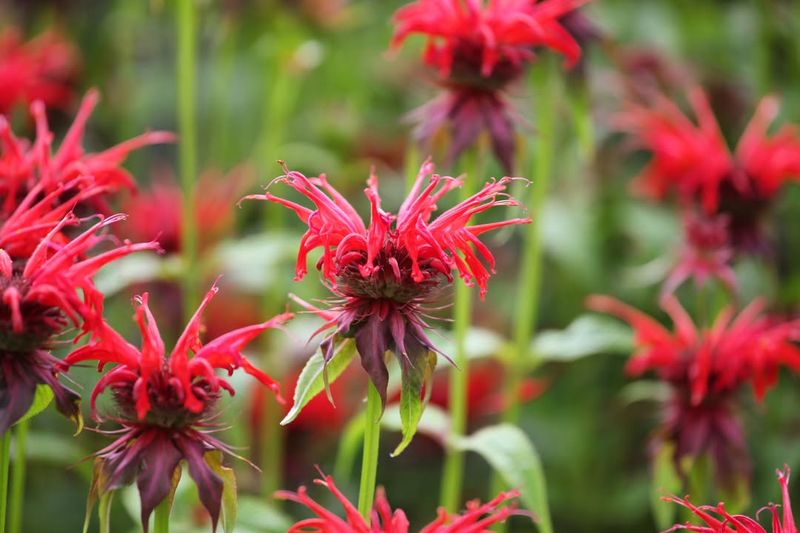
Bee balm earns its name honestly by drawing pollinators from all corners of your Pennsylvania yard. The scarlet flowers look like fireworks exploding in mid-summer, with their wild, spiky petals radiating outward.
Hummingbirds zip from bloom to bloom while bees work busily among the fragrant blossoms.
This native American plant grows 2 to 4 feet tall and spreads readily to fill garden spaces. The leaves smell like mint when you brush against them, releasing a pleasant aroma on warm afternoons.
Gardeners in Pennsylvania appreciate how bee balm tolerates both sun and partial shade, adapting to different yard conditions.
Plant bee balm in spring after the last frost passes, spacing them about 18 inches apart. They prefer moist soil but handle occasional dry periods once roots establish themselves.
The flowers appear from July through September, providing color when many spring bloomers have finished.
Powdery mildew sometimes appears on leaves during humid Pennsylvania summers, but newer varieties resist this problem better. Dividing clumps every three years keeps plants vigorous and prevents overcrowding.
The spent flowers can be deadheaded to encourage more blooms, though many gardeners leave them for seed-eating birds.
Bee balm works beautifully in cottage gardens, pollinator gardens, or naturalized areas throughout Pennsylvania.
The bright red variety ‘Jacob Cline’ shows excellent mildew resistance and produces abundant flowers. Leaves can be dried for herbal tea, adding practical value to this ornamental plant.
2. Cardinal Flower
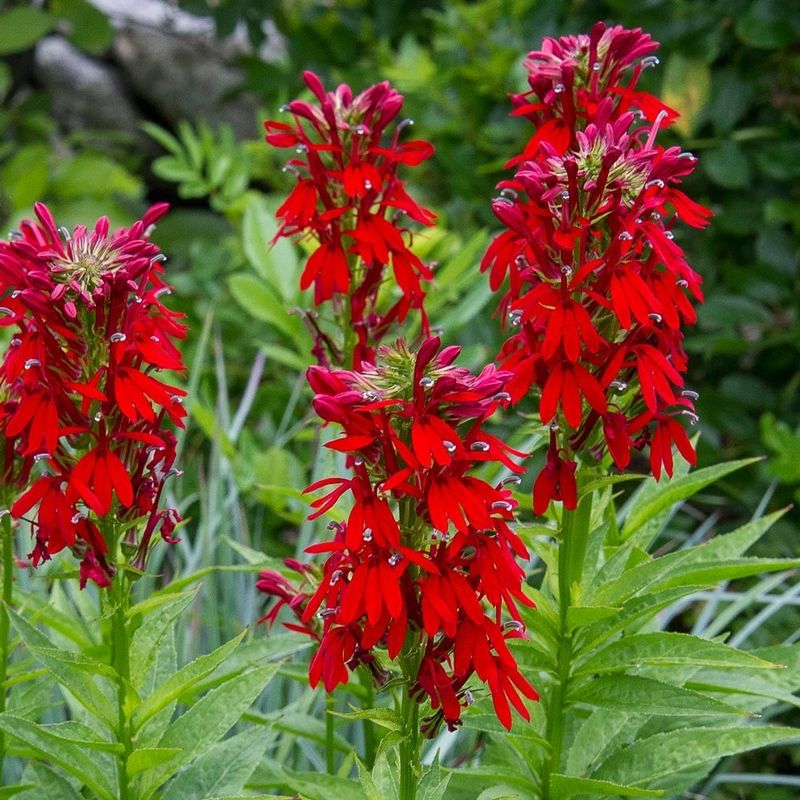
Growing wild along Pennsylvania streams and wetlands, cardinal flower brings that same brilliant red to home gardens. The color matches a cardinal bird’s plumage perfectly, which explains the fitting name.
Each stem produces a spike of tubular flowers that hummingbirds find absolutely irresistible.
Unlike many perennials, this beauty thrives in moist to wet soil conditions that challenge other plants.
Pennsylvania gardeners with boggy spots or rain gardens find cardinal flower solves difficult planting problems. The plants reach 2 to 4 feet tall with flowers clustered along the upper portion of stems.
Blooming occurs from late July through September, providing nectar when hummingbirds need fuel for migration.
The flowers open gradually from bottom to top, extending the display over several weeks. Each blossom features a distinctive tubular shape that fits a hummingbird’s beak perfectly.
Cardinal flower prefers partial shade but tolerates full sun if soil stays consistently moist. In Pennsylvania’s climate, plants growing in shadier spots often look healthier during hot summers. Rich, organic soil produces the strongest plants with the most flowers.
These short-lived perennials often reseed themselves, creating new plants to replace older ones. Small rosettes of leaves appear at the base in fall and overwinter beneath snow.
Dividing clumps in spring helps maintain vigor and creates additional plants for other garden areas.
Pair cardinal flower with ferns, astilbe, or other moisture-loving plants for stunning combinations. The intense red color shows up beautifully against darker backgrounds or near water features throughout Pennsylvania landscapes.
3. Red Hot Poker
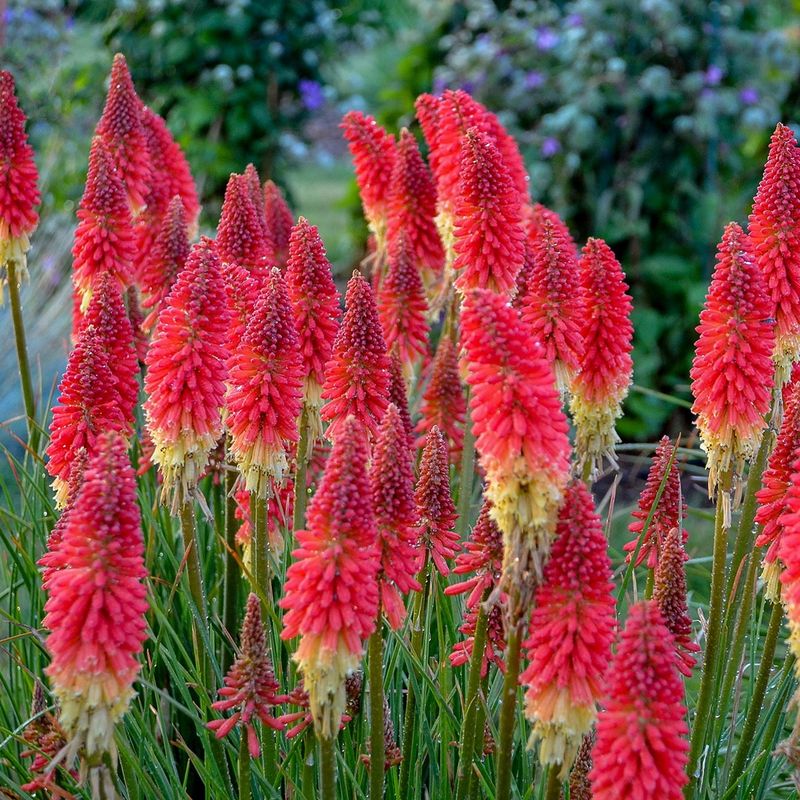
Exotic-looking red hot poker plants bring tropical flair to Pennsylvania gardens despite being hardy perennials.
The flower spikes resemble glowing torches, starting bright red at the tips and fading to yellow or orange lower down. This dramatic gradient effect catches every eye and makes neighbors stop to ask questions.
Most varieties grow 2 to 4 feet tall with grass-like foliage forming clumps at the base. The sword-shaped leaves stay green through much of winter in milder Pennsylvania areas.
Flowers appear on sturdy stalks that rise well above the foliage, creating vertical interest in garden beds.
Hummingbirds visit these flowers constantly during the June through August bloom period. The tubular florets packed tightly along each spike provide abundant nectar rewards.
As individual flowers fade from bottom to top, the changing colors create an ever-shifting display.
Pennsylvania gardeners should plant red hot poker in well-drained soil with full sun exposure. These plants tolerate drought once established, making them suitable for dry slopes or rock gardens.
Winter drainage matters more than cold temperatures for survival in Pennsylvania’s climate.
Mulching crowns lightly in late fall protects plants during harsh winters, especially in northern Pennsylvania counties.
Remove spent flower stalks to keep plants looking tidy and encourage additional blooms. Dividing clumps every four to five years maintains vigor and prevents overcrowding.
The architectural form of red hot poker adds structure to perennial borders and looks striking near ornamental grasses. These plants rarely suffer from pest or disease problems, making them low-maintenance choices for busy Pennsylvania gardeners.
4. Coral Bells
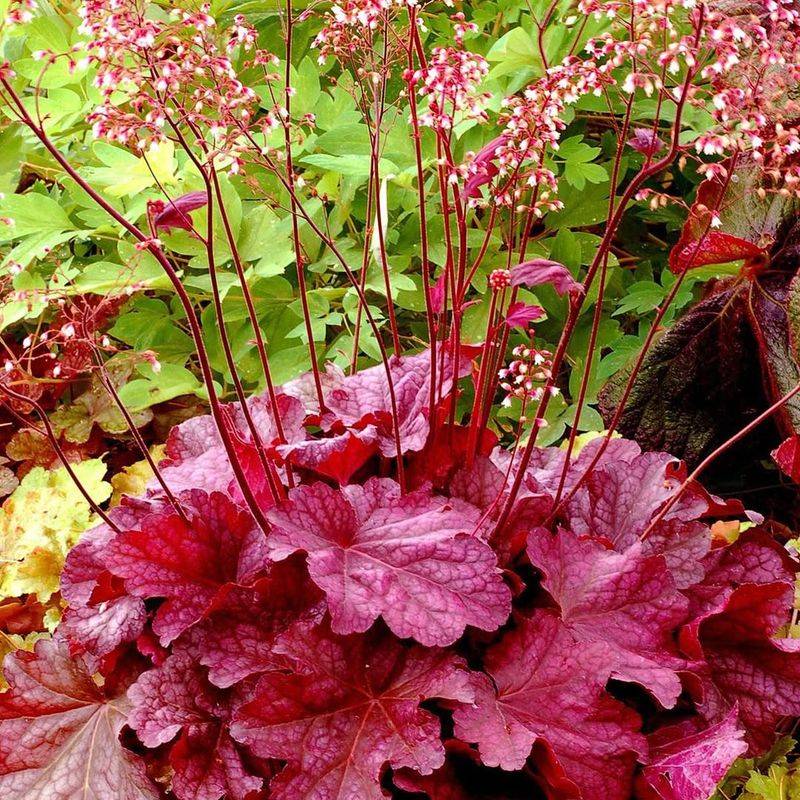
Coral bells offer Pennsylvania gardeners two seasons of interest with colorful foliage and delicate flowers.
Many newer varieties feature leaves in shades from deep burgundy to bright coral-red that persist from spring through fall. The small bell-shaped flowers dance on thin stems above the foliage like tiny wind chimes.
These compact plants grow 8 to 18 inches tall, perfect for edging paths or filling front-of-border spaces. The mounded foliage stays attractive even when flowers finish, providing months of garden color.
Pennsylvania shade gardeners especially value coral bells for brightening areas under trees where few colorful plants thrive.
Flower stems emerge in late spring or early summer, reaching 1 to 2 feet above the leaves. While blooms come in various colors, the red-leaved varieties create the boldest statements in Pennsylvania landscapes.
Hummingbirds occasionally visit the tiny flowers, though foliage remains the main attraction.
Partial shade suits coral bells best, though some varieties tolerate more sun with adequate moisture.
Pennsylvania’s humid summers can stress plants in full sun, causing leaf scorch on edges. Rich, well-drained soil produces the healthiest plants with the most vibrant leaf colors.
Dividing clumps every three to four years rejuvenates coral bells and creates new plants. Older plants sometimes heave out of soil during freeze-thaw cycles in Pennsylvania winters. Replanting crowns at proper depth in spring solves this common problem.
Pairing red-leaved coral bells with chartreuse hostas or blue fescue creates stunning color combinations. These versatile perennials work equally well in containers, rock gardens, or woodland settings throughout Pennsylvania.
5. Garden Phlox
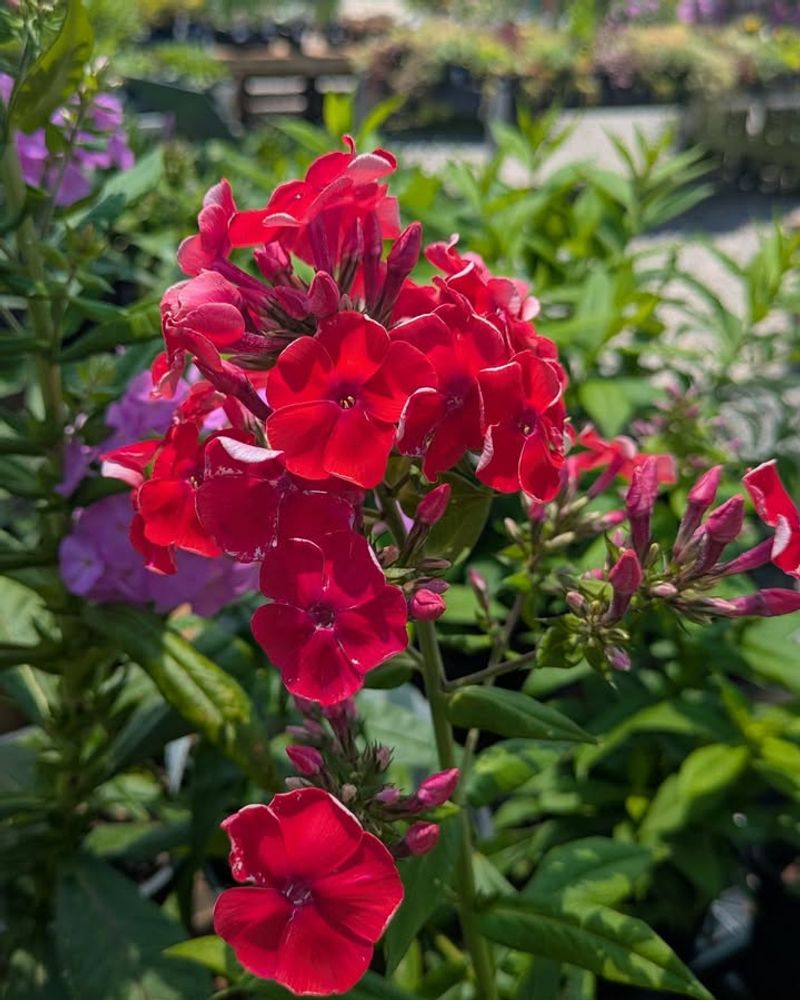
Summer evenings in Pennsylvania smell sweeter when garden phlox blooms, releasing its honey-like fragrance across the yard. Red varieties create bold masses of color that glow in late afternoon light.
Each flower cluster contains dozens of individual blooms packed tightly together, forming rounded heads 4 to 6 inches across.
Plants grow 2 to 4 feet tall with sturdy stems that rarely need staking in Pennsylvania gardens.
The lance-shaped leaves cover stems from bottom to top, creating full, bushy plants. Blooming peaks in July and August when many spring perennials have finished their show.
Butterflies and hummingbirds visit phlox flowers constantly during daylight hours, providing entertainment for Pennsylvania gardeners. The sweet scent intensifies on humid evenings, perfuming patios and outdoor sitting areas.
Cutting flowers for bouquets encourages plants to produce more blooms throughout summer.
Full sun and good air circulation help prevent powdery mildew, a common problem on older phlox varieties.
Newer cultivars bred for disease resistance perform better in Pennsylvania’s humid climate. Spacing plants 18 to 24 inches apart allows air movement that keeps foliage healthier.
Garden phlox prefers consistent moisture but tolerates short dry periods once established. Mulching around plants conserves soil moisture and keeps roots cooler during Pennsylvania’s hot summers.
Deadheading spent flowers prevents self-seeding and maintains tidy appearances.
Dividing clumps every three to four years keeps garden phlox vigorous and flowering abundantly. The variety ‘Starfire’ produces deep red flowers on mildew-resistant plants suited to Pennsylvania conditions.
Combining red phlox with white coneflowers or yellow black-eyed Susans creates classic summer color schemes.
6. Daylily
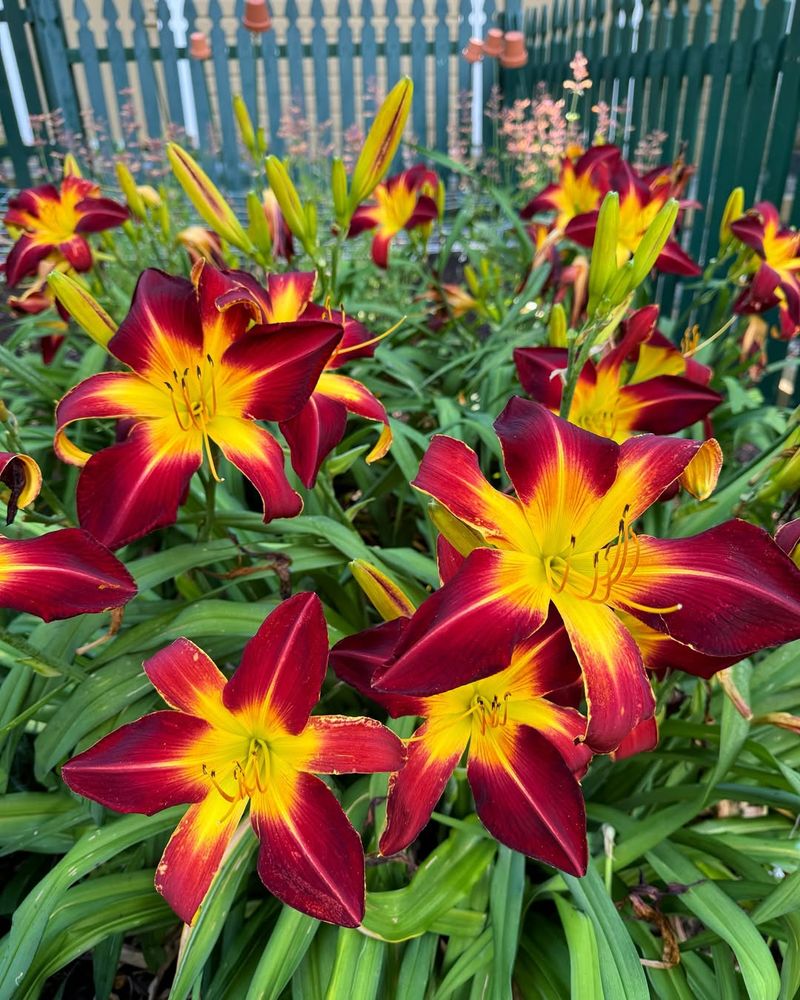
Daylilies rank among the toughest, most reliable perennials for Pennsylvania gardens, surviving neglect that would doom lesser plants. Red varieties range from bright scarlet to deep burgundy, with some showing yellow throats or ruffled edges.
Each flower lasts only one day, but plants produce so many buds that blooming continues for weeks.
The arching, grass-like foliage forms attractive clumps 1 to 4 feet tall depending on variety. Pennsylvania gardeners appreciate how daylilies tolerate a wide range of soil conditions from clay to sand.
Plants grow in full sun or partial shade, though flowering peaks with at least six hours of direct sunlight.
Bloom time varies by variety, with some flowering in June while others wait until August. Planting different cultivars extends the daylily season across most of Pennsylvania’s summer.
Each flower stem produces multiple buds that open sequentially over several days.
Daylilies spread slowly through fleshy roots, eventually forming substantial clumps that can be divided.
Pennsylvania’s cold winters never harm these hardy plants, which return reliably every spring. They tolerate drought, humidity, and temporary flooding better than most perennials.
Deer sometimes browse daylily buds and flowers, frustrating Pennsylvania gardeners in rural areas. Newer varieties bred for reblooming produce additional flower stalks after the first flush finishes.
Removing spent flower stalks keeps plants looking neat and directs energy toward new growth.
The variety ‘Pardon Me’ offers fragrant cranberry-red flowers on compact 18-inch plants perfect for smaller Pennsylvania yards. Daylilies combine beautifully with ornamental grasses, coneflowers, or Russian sage in low-maintenance perennial borders.
Their reliability and ease of care make them ideal for beginning gardeners throughout Pennsylvania.
7. Salvia
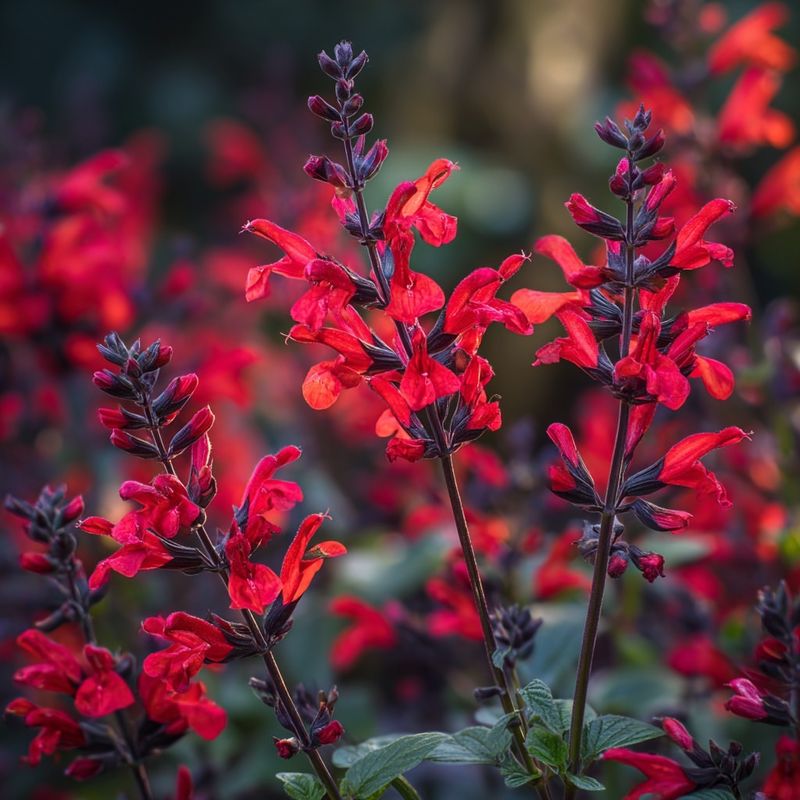
Salvia brings non-stop color to Pennsylvania gardens from early summer until frost, outlasting nearly every other perennial.
Red varieties produce vertical spikes packed with tubular flowers that hummingbirds drain of nectar daily. The flowers keep coming even during hot, dry periods that stress other plants.
Most hardy salvias grow 18 to 36 inches tall with square stems characteristic of the mint family. The aromatic foliage releases pleasant scents when brushed, though not all varieties smell strongly.
Pennsylvania gardeners value salvia’s ability to bloom continuously without deadheading or special care.
Hummingbirds prefer red salvia over almost any other flower color, making these plants essential for attracting these jeweled visitors.
The tubular flower shape fits hummingbird beaks perfectly, providing easy access to nectar. Butterflies and bees also work the flowers, creating constant activity around plants.
Full sun and well-drained soil suit salvia best, though plants tolerate light shade in Pennsylvania’s hot summers.
These drought-tolerant perennials need watering only during extended dry spells once established. Poor soil actually encourages better flowering than overly rich conditions.
Cutting plants back by one-third in mid-summer promotes bushier growth and heavier fall flowering.
Pennsylvania’s winters can damage some salvia varieties, so mulching crowns provides extra protection. Spring cleanup involves removing old stems before new growth emerges from the base.
The variety ‘May Night’ produces deep red-purple flowers on compact plants suited to smaller Pennsylvania gardens. Salvia combines well with ornamental grasses, sedums, or other drought-tolerant perennials in low-water landscapes.
Their vertical form adds height and structure to the middle or back of perennial borders throughout Pennsylvania.