Plant These 6 Trees In February In Ohio And Shape Your Garden For Decades
Step outside in an Ohio February and the air bites, the ground feels stubborn, and most yards look half asleep. Still, this stretch of cold holds real opportunity.
Trees planted now settle in before spring rains and summer heat test their strength. Many Ohio gardeners know the regret of waiting too long, then watching young trees struggle through drought or scorching sun.
The right choices handle frozen snaps, heavy clay, and wild weather swings, then return the favor year after year with shade, color, and life that fills the yard with birds and movement.
Spring brings blossoms, summer builds cool shelter, autumn lights the landscape with bold color, and winter shows the strong bones of a well planned garden.
Put a shovel in the soil this month and give your yard a head start. Years from now, tall canopies and sturdy trunks will stand as proof of work done at the right time.
1. White Oak For A Timeless Canopy
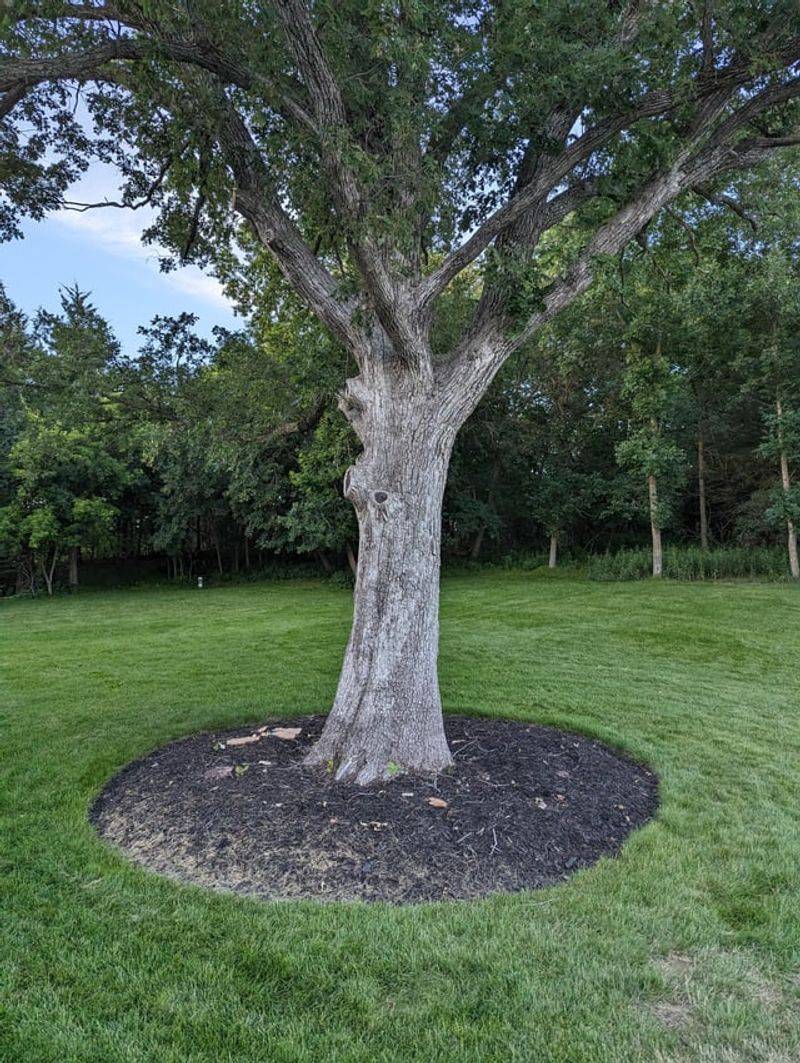
Planting a white oak in February sets the stage for a legacy tree that could easily stand for three hundred years or more. Few trees match its combination of strength, longevity, and ecological value across Ohio’s varied landscapes.
The white oak adapts to nearly any soil type, from heavy clay to sandy loam, and tolerates drought and short-term flooding once established, but performs best in well-drained soil.
Bare-root white oak saplings transplant beautifully in late winter when the tree remains dormant. Digging your planting hole now, before spring rains turn the soil to mud, makes the job easier and gives roots time to settle before leaf-out.
Choose a site with full sun and plenty of room, because this tree will eventually spread fifty feet wide or more.
White oaks grow slowly compared to maples or sycamores, but that measured pace builds incredibly dense, durable wood. The tree produces sweet acorns that feed deer, turkeys, squirrels, and dozens of bird species throughout fall and winter.
Its deeply lobed leaves turn rich shades of burgundy and brown in autumn, holding on well into winter and providing texture when other trees stand bare.
Ohio State University Extension recommends white oak as a premier shade tree for large properties, parks, and naturalized areas. The species thrives in USDA hardiness zones 3 through 9, covering all of Ohio comfortably.
Expect your tree to grow about a foot per year once established, reaching forty feet in twenty years and continuing upward for decades beyond that.
Planting white oak today means your grandchildren will picnic under its canopy, and their children might too. That kind of living investment makes every February planting day worthwhile.
2. Sugar Maple For Legendary Beauty
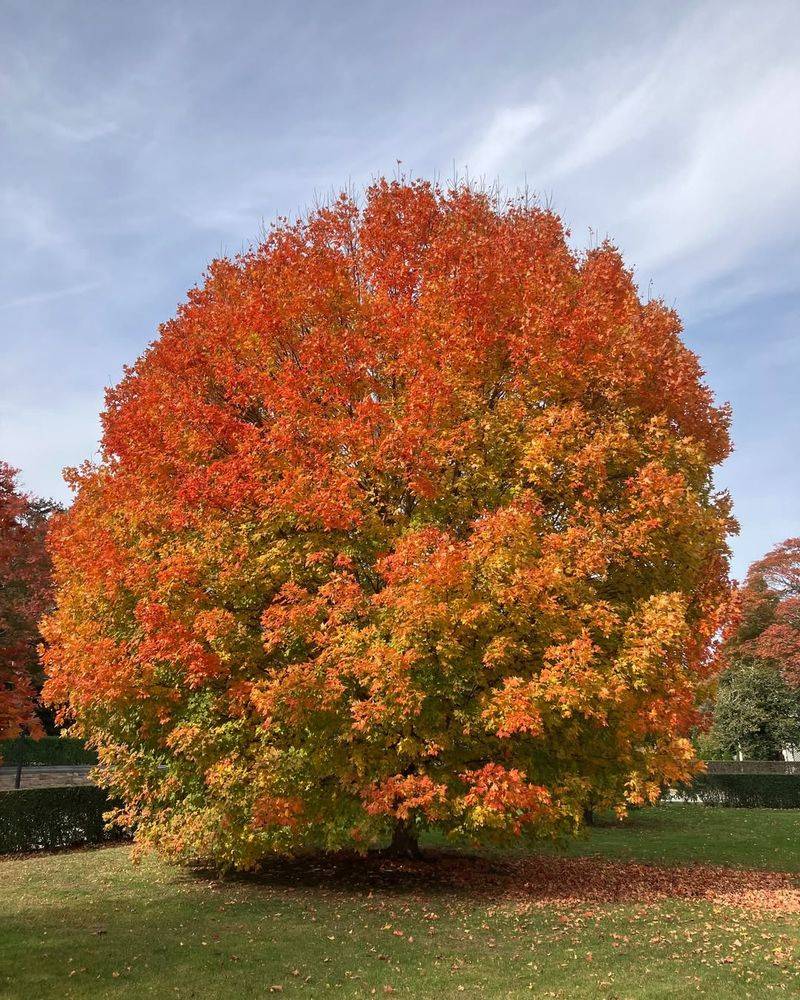
Sugar maples deliver the kind of fall color that stops traffic and fills camera rolls across Ohio every October. Their brilliant orange, red, and yellow leaves create the iconic autumn scenery that defines the Midwest.
Beyond beauty, these trees offer deep shade in summer, sweet sap in late winter, and wildlife habitat year-round.
February planting gives sugar maples a head start before spring growth begins. The tree prefers well-drained soil with a slightly acidic to neutral pH, conditions common throughout much of Ohio.
While sugar maples tolerate some clay, they perform best when planted in locations with good air circulation and protection from prolonged heat and drought stress.
Mature sugar maples can reach seventy feet tall with a spread nearly as wide, so plan accordingly when selecting your planting site. The tree grows at a moderate pace, adding about two feet per year under good conditions.
Young trees develop a narrow, upright form that gradually broadens into the classic rounded crown as they age.
Ohio’s climate suits sugar maples perfectly, and the state’s forests historically contained vast stands of these magnificent trees. They support over two hundred species of moths and butterflies, providing critical food for birds raising young in spring and summer.
Squirrels, chipmunks, and other small mammals gather the winged seeds in fall.
Planting sugar maple now means tapping your own tree for syrup in fifteen or twenty years, though strong sap production usually begins once trees are mature, often around 30–40 years old. The wood becomes valuable lumber, but most homeowners treasure these trees far more for the living beauty they bring to the landscape.
Your February planting creates shade and seasonal drama that will define your property for a century or longer.
3. American Linden For Pollinator Power
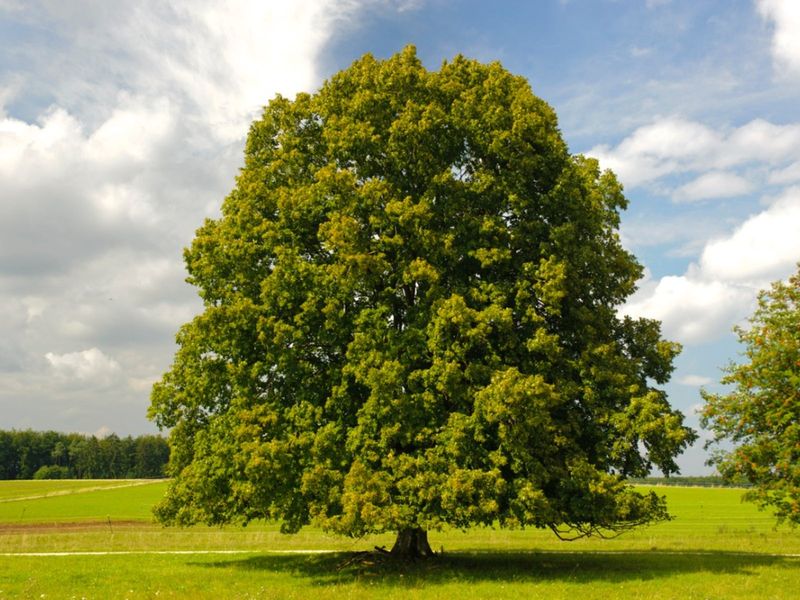
When American linden blooms in late June, the entire tree hums with bees, and the fragrance carries across your whole yard. Few native trees offer such spectacular pollinator value, making linden essential for anyone who cares about butterflies, native bees, and honeybees.
The flowers arrive after most spring blooms have faded, providing crucial nectar when many other sources have dried up.
Linden transplants easily as a bare-root tree in February, establishing quickly in Ohio’s climate. The species tolerates a wide range of soil conditions, including the heavy clay found in many Ohio yards.
It prefers moist, well-drained sites but adapts to drier conditions once the root system develops. Full sun to partial shade both work well, though flowering increases with more light.
Growth rate runs moderate to fast, with young trees adding eighteen to twenty-four inches per year. Mature American lindens reach fifty to seventy feet tall with a pyramidal to rounded crown that provides excellent shade.
The heart-shaped leaves turn soft yellow in fall, adding gentle color without the drama of maples or oaks.
Beyond pollinator value, linden offers practical benefits for Ohio landscapes. The tree tolerates urban conditions better than many natives, handling compacted soil and air pollution without significant stress.
It It generally avoids major disease problems, though Japanese beetles commonly feed on the leaves.
Ohio Division of Forestry includes American linden on its recommended species list for reforestation and landscape planting throughout the state. The tree’s dense branching and foliage create excellent screening and noise buffering along property lines.
Planting linden this February brings decades of summer fragrance, pollinator support, and reliable shade to your garden. The investment pays dividends every June when your tree becomes the neighborhood’s favorite gathering spot for every bee within half a mile.
4. Tulip Tree For Towering Elegance
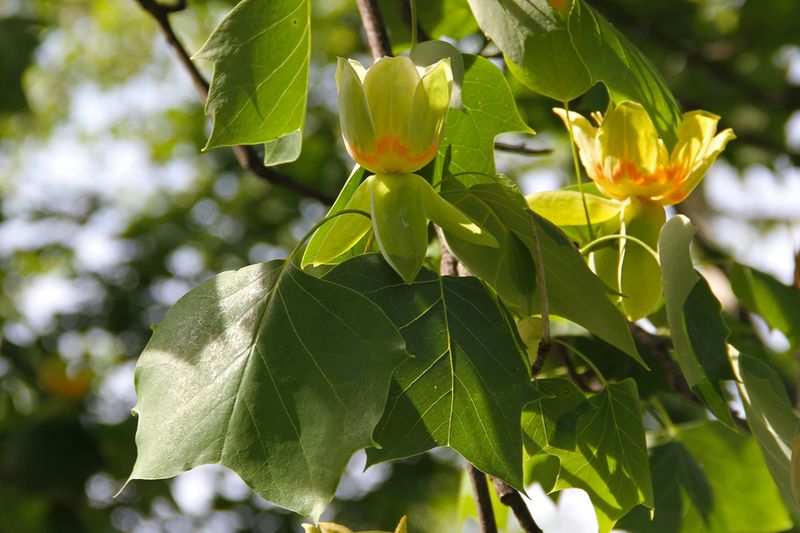
Tulip trees grow taller than almost any other hardwood in eastern North America, often reaching ninety feet or more in favorable Ohio locations. Their fast growth and impressive height make them ideal for large properties where you want dramatic vertical impact.
The distinctively shaped leaves, resembling a cat’s face or a tulip outline, create unique texture throughout the growing season.
Bare-root tulip trees establish rapidly when planted in February, can grow quickly, sometimes adding two to three feet per year under good conditions. They demand deep, moist, well-drained soil and full sun for best performance.
Tulip trees prefer deep, moist, well-drained soil and may struggle in heavy, poorly drained clay Avoid planting tulip trees in confined spaces or near structures, because their eventual size requires plenty of room both above and below ground.
The flowers that give this tree its common name appear in late May or early June, high in the canopy where you might miss them without looking up. Each blossom shows greenish-yellow petals marked with orange at the base, resembling tulips in shape and size.
Hummingbirds and various bee species visit the flowers, while the seeds feed birds and small mammals through fall and winter.
Tulip trees belong to the magnolia family, making them distant relatives of Ohio’s native cucumber magnolia. They’re among the fastest-growing native hardwoods, which makes them valuable for reforestation projects and wildlife habitat restoration.
The straight, tall trunks produce lumber prized for furniture and millwork, though most homeowners plant tulip trees purely for their landscape value.
Ohio’s rich bottomland soils suit tulip trees perfectly, and the species thrives throughout the state’s hardiness zones. Planting now gives your tree the longest possible growing season, setting it up for decades of rapid upward growth.
Your February effort creates a towering landmark that will dominate your landscape and inspire awe for generations.
5. Eastern Redbud For Spring Color
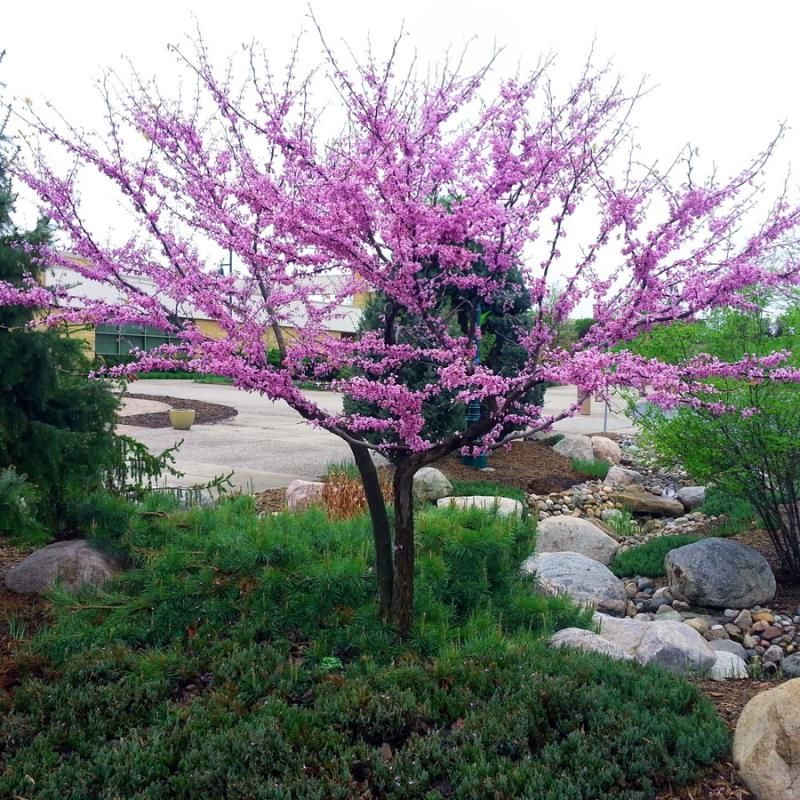
This tree redbud explodes with magenta-pink flowers in April, covering every branch before a single leaf appears. The display lasts two to three weeks and marks spring’s arrival more dramatically than almost any other native tree.
Redbuds stay relatively small, making them perfect for smaller yards, under power lines, or as understory trees beneath larger oaks and maples.
February planting works beautifully for bare-root redbuds, giving them time to establish before their early spring bloom. The tree adapts to various soil types but prefers well-drained sites with organic matter mixed in.
Redbuds naturally grow as understory trees in Ohio’s forests, so they tolerate partial shade better than most flowering trees, though bloom production increases with more sun.
Mature redbuds typically reach twenty to thirty feet tall with a similar spread, developing an irregular, spreading crown that adds character to the landscape. Growth rate runs moderate, with established trees adding about a foot per year.
The heart-shaped leaves emerge bronze-purple, mature to dark green through summer, then turn yellow in fall.
Wildlife value extends beyond the showy flowers. Early-emerging native bees rely on redbud nectar when few other food sources exist.
The flat seed pods that develop after flowering persist through winter, providing food for birds and small mammals. White-tailed deer browse the foliage and twigs, so protect young trees with fencing if deer pressure runs high in your area.
Redbuds can be short-lived if stressed and may develop canker or dieback in poor sites.
Ohio landscapes benefit enormously from redbud’s early color and manageable size. The tree works well in groupings, as a specimen near patios or entryways, or naturalized along woodland edges.
It tolerates urban conditions reasonably well, though it performs best with some protection from harsh winds and extreme heat. Planting redbud this February brings reliable spring magic to your garden typically for 20 to 40 years, depending on site conditions and stress, brightening late winter’s tail end with hope and color.
6. American Sycamore For Bold Presence
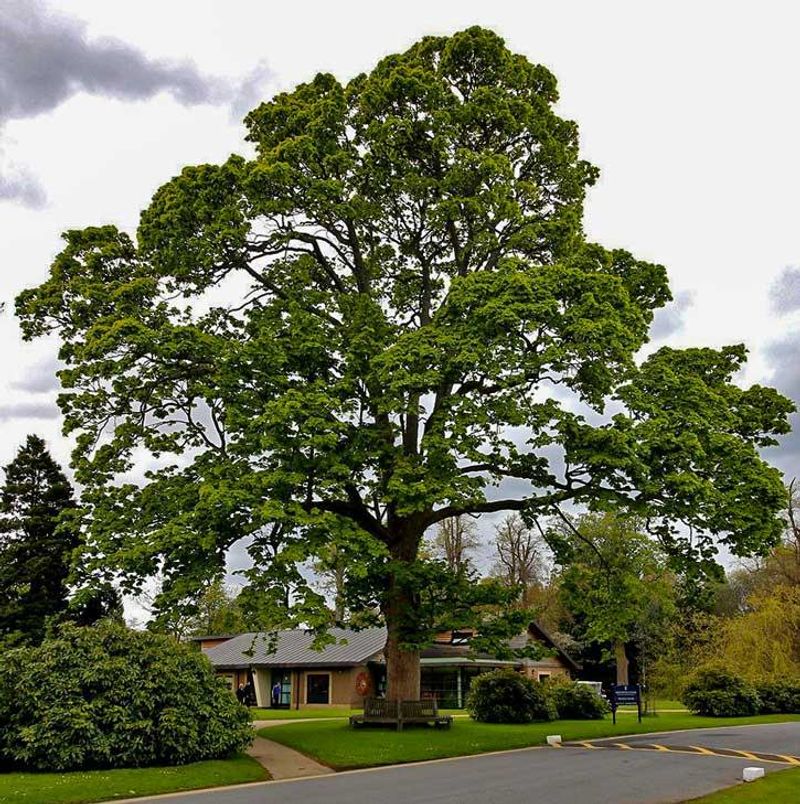
American sycamore commands attention with its massive size, distinctive bark, and bold leaves that can span ten inches across. The mottled white, tan, and brown bark peels away in irregular patches, creating year-round visual interest that few other trees can match.
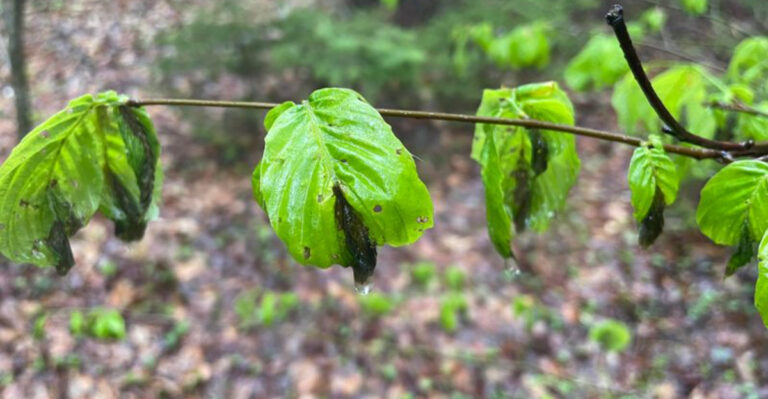
Sycamores grow faster than almost any native hardwood, reaching impressive proportions within a single human lifetime. Sycamores commonly develop anthracnose, a fungal disease that can cause early leaf drop in cool, wet springs, though mature trees usually recover.
Planting bare-root sycamores in February takes advantage of their vigorous root systems and explosive spring growth. These trees tolerate wet soils better than most species, making them ideal for low areas, stream banks, and sites with poor drainage.
They also adapt to drier upland conditions once established, though growth slows somewhat without consistent moisture.
Expect young sycamores to add three to five feet per year under good conditions. Mature trees commonly reach eighty to one hundred feet tall with equally wide spreads.
The massive trunk can grow six feet or more in diameter, creating a landscape anchor that defines entire properties. Those dimensions demand space, so plant sycamores well away from buildings, power lines, and other structures.
Wildlife flocks to sycamores throughout the year. The large leaves support numerous caterpillar species that feed baby birds in spring.
Cavities in older trees provide nesting sites for wood ducks, owls, and various woodpeckers. The distinctive seed balls persist through winter, gradually releasing seeds that feed finches and other small birds.
Ohio’s rivers and streams historically supported vast sycamore populations, and the species remains common in riparian areas throughout the state. The tree tolerates urban pollution and compacted soils better than many natives, making it valuable for challenging city sites.
Your February planting creates a bold statement that will grow into a landscape landmark, offering shade, wildlife habitat, and distinctive beauty for a century or more.