Plant These 8 Trees In February To Shape Your Michigan Garden For Decades
February might feel like the quietest month in a Michigan garden, but it is actually a smart time to plant trees that will shape your landscape for decades.
While the ground begins to thaw and trees remain dormant, new roots can settle in with less stress and better moisture.
Planting now gives young trees a strong head start before spring growth begins, helping them establish faster and grow sturdier over time. The right trees do more than fill space.
They create cooling shade, add seasonal beauty, support wildlife, and become lasting features that define your yard for years. With cooler temperatures and fewer weather extremes, February planting can set the stage for long-term success.
Let’s explore eight excellent trees Michigan gardeners are planting now to build structure, beauty, and value into their landscapes for generations to come.
1. Eastern Redbud (Cercis canadensis)
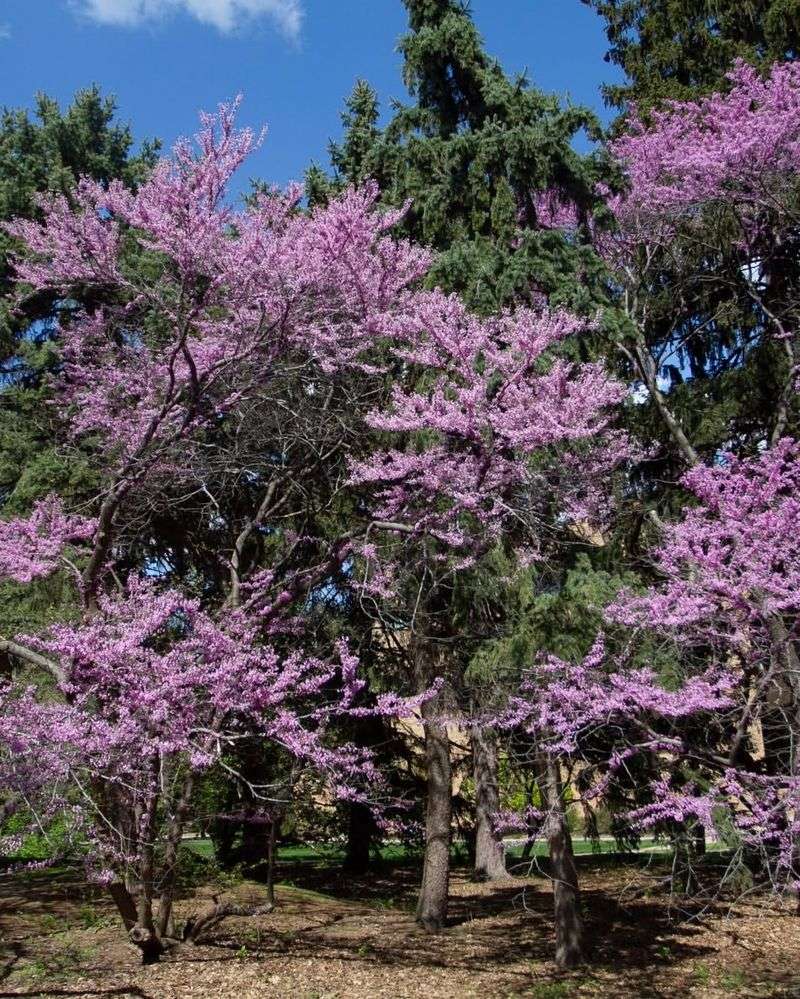
Picture a tree that transforms your yard into a pink cloud each spring, with heart-shaped leaves that follow the blooms. Eastern redbud brings that magic to Michigan gardens, standing about 20 to 30 feet tall at maturity.
Native to the region, this beauty knows how to handle our winters without complaint. February planting gives roots time to spread through cool soil before warmer weather arrives.
The tree stays dormant during this period, meaning it won’t waste energy on leaf production while establishing itself underground. You’ll want to choose a spot with partial shade or full sun, making sure drainage is decent.
Spring arrives with clusters of small pink flowers that appear directly on branches and even the trunk. Bees absolutely love these early blooms, making your garden a pollinator paradise.
The heart-shaped leaves emerge after flowering, providing shade through summer before turning golden yellow in fall.
This tree adapts well to various soil types, though it prefers slightly acidic conditions. Water regularly during the first growing season to help roots establish firmly.
Once settled, eastern redbud requires minimal maintenance, thriving for 50 years or more with proper care and positioning in your landscape.
2. Serviceberry (Amelanchier spp.)
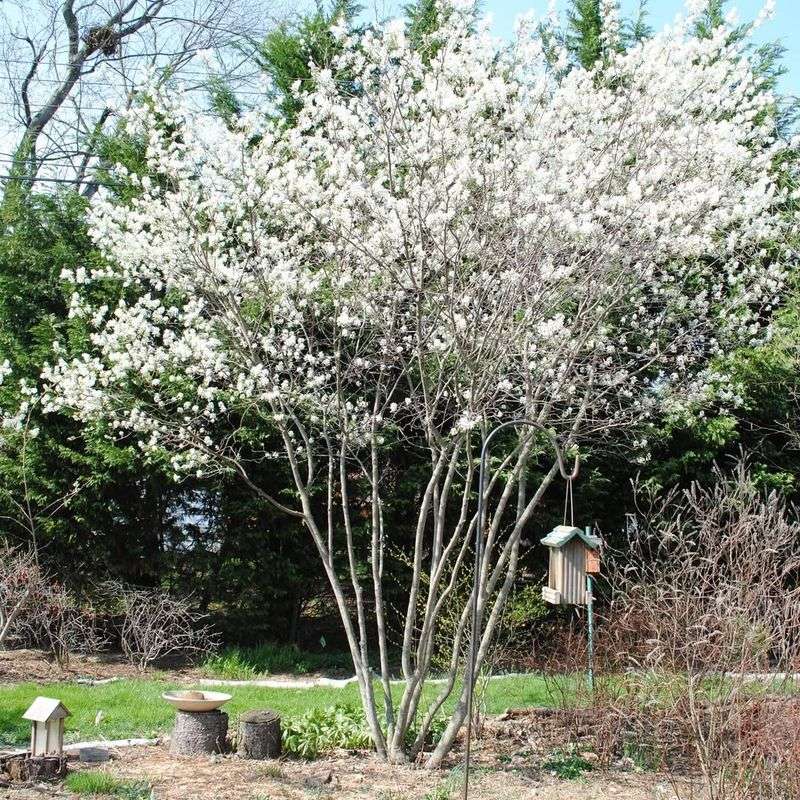
Birds will thank you for planting serviceberry, a multi-stemmed native that offers something special every season. White flowers appear in early spring, often before most trees wake up from winter slumber.
These blooms give way to small purple berries by early summer that taste like sweet blueberries with a hint of almond.
Planting in February allows this adaptable tree to develop strong roots while temperatures stay cool. The tree grows 15 to 25 feet tall, making it perfect for smaller yards or as an understory planting beneath taller trees.
It handles Michigan’s clay soils better than many ornamental trees, though it appreciates good drainage.
Summer brings lush green foliage that provides dappled shade without blocking too much sunlight. Come fall, leaves turn brilliant shades of orange, red, and yellow, creating a stunning display that rivals any imported ornamental.
The smooth gray bark adds winter interest when branches stand bare against snowy backgrounds.
Wildlife value ranks incredibly high with serviceberry, as songbirds feast on berries while pollinators visit spring flowers. You can harvest berries for pies, jams, or fresh eating if you beat the birds to them.
This tough native thrives for decades with minimal care once established in your garden.
3. Sugar Maple (Acer saccharum)
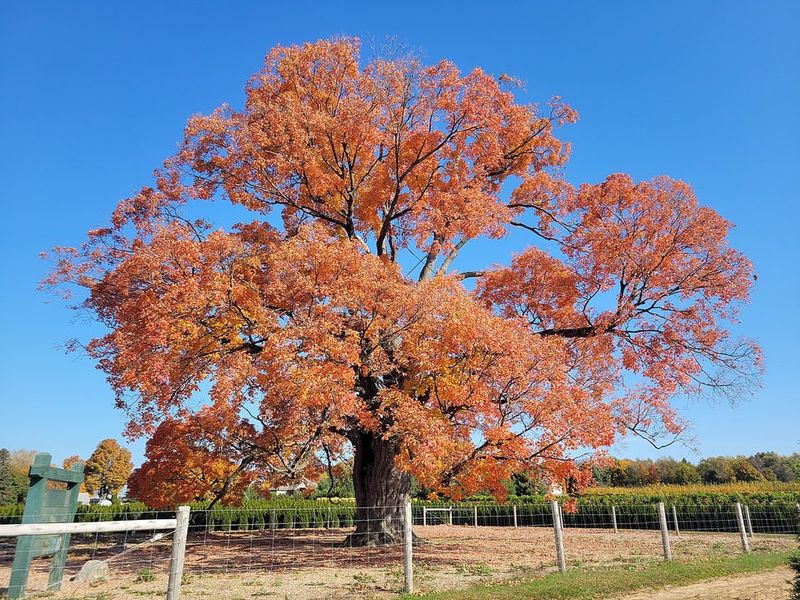
Michigan’s state tree deserves a spot in your yard, bringing legendary fall color and generations of shade. Sugar maple grows slowly but surely, eventually reaching 60 to 75 feet tall with a broad, rounded crown.
February planting happens before sap starts flowing in spring, reducing stress on the tree during transplanting.
These majestic trees prefer slightly acidic, well-drained soil but adapt to various conditions throughout Michigan. Full sun produces the best fall color, though they tolerate partial shade reasonably well.
Give them plenty of space since mature specimens spread 40 to 50 feet wide, creating massive shade canopies.
Spring brings clusters of small yellow-green flowers that dangle from branches before leaves emerge. Summer foliage stays deep green, providing dense shade that cools your home and reduces energy costs.
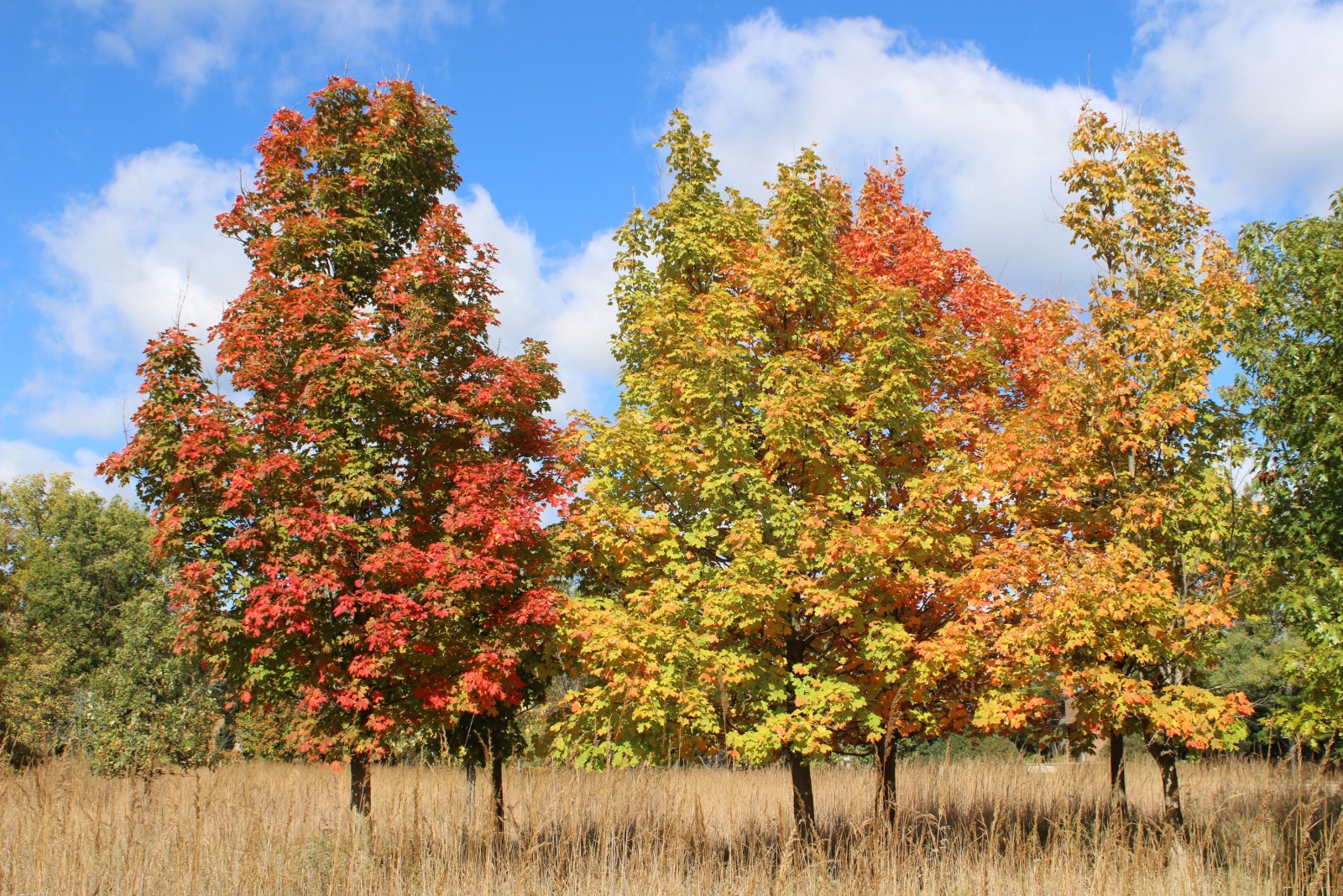
The real show begins in autumn when leaves explode into brilliant oranges, reds, and yellows that last for weeks.
Sugar maples live for 200 years or more, making them true legacy trees for future generations. The dense wood resists storm damage better than many fast-growing alternatives.
While they need consistent moisture during establishment, mature trees handle Michigan’s weather patterns with remarkable resilience and grace throughout changing seasons.
4. Red Maple (Acer rubrum)
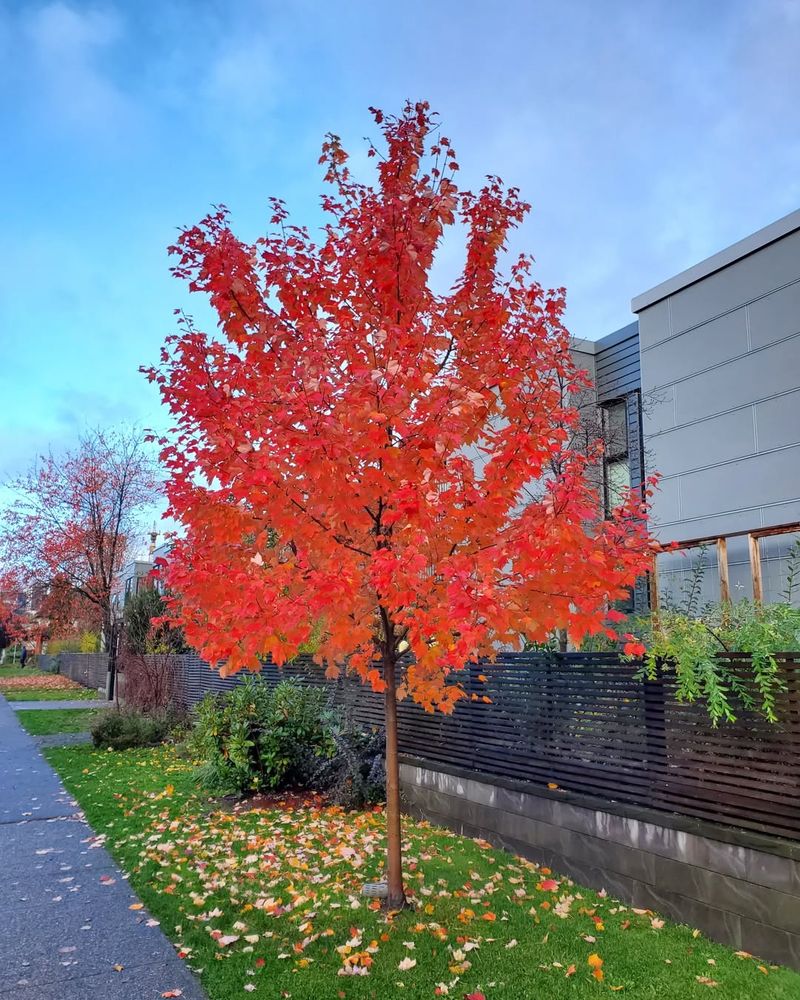
Fast growth meets spectacular color with red maple, one of Michigan’s most adaptable native trees. This species earns its name from red flowers in early spring, red leaf stems through summer, and blazing red fall foliage.
Growing 40 to 60 feet tall, it fills in landscapes quicker than sugar maple while still providing decades of beauty.
Winter planting in February takes advantage of the tree’s dormancy, allowing roots to establish before spring growth begins. Red maple tolerates wet soils better than most trees, making it perfect for low-lying areas where drainage might be poor.
It also handles clay soils common throughout Michigan without showing stress. Tiny red flowers appear in late winter or early spring, adding color when gardens still look dormant. These blooms attract early pollinators before many other food sources become available.
The leaves emerge with reddish tints before maturing to green, then returning to brilliant scarlet in autumn.
This tree grows two feet or more per year when young, quickly providing shade and privacy. It adapts to full sun or partial shade, thriving in various garden conditions.
Red maple resists most pests and withstands Michigan winters without damage, living 80 to 100 years with proper care and regular watering during establishment.
5. River Birch (Betula nigra)
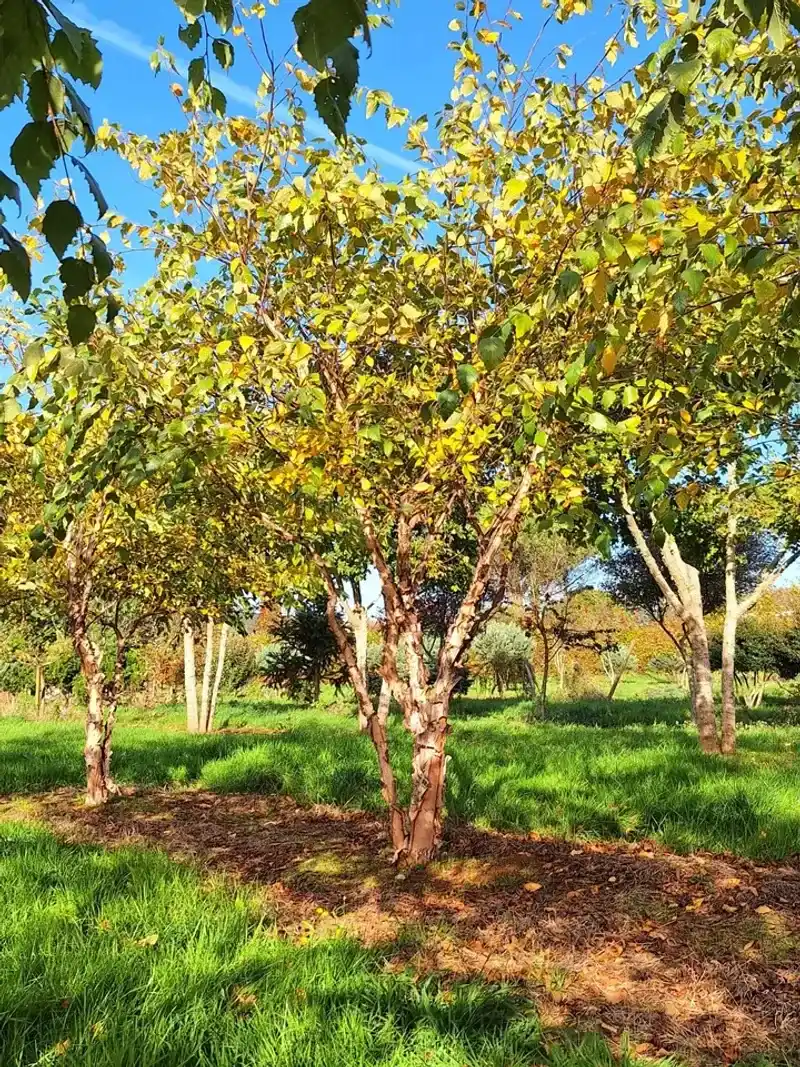
Peeling bark that looks like cinnamon paper makes river birch instantly recognizable and visually striking year-round. This fast-growing native reaches 40 to 70 feet tall, with a graceful, irregular shape that adds character to any landscape.
The exfoliating bark reveals layers of salmon, cream, and brown tones that create winter interest when other trees look plain.
February planting reduces transplant shock since the tree stays dormant during cold weather. River birch naturally grows along streams and wetlands, making it perfect for areas with poor drainage or occasional flooding.
It handles Michigan’s clay soils and temperature swings better than European white birch species.
Spring brings small catkins that dangle from branches, releasing pollen before leaves emerge. The diamond-shaped leaves flutter in breezes, creating a shimmering effect through summer.
Fall color ranges from yellow to golden brown, though the bark remains the main attraction throughout all seasons.
This tree grows quickly, adding two feet or more annually when young and properly watered. It resists bronze birch borer, the pest that plagues other birch species in Michigan.
River birch thrives in full sun to partial shade, adapting to various garden conditions while providing decades of beauty with minimal maintenance once roots establish firmly in the ground.
6. American Holly (Ilex opaca)
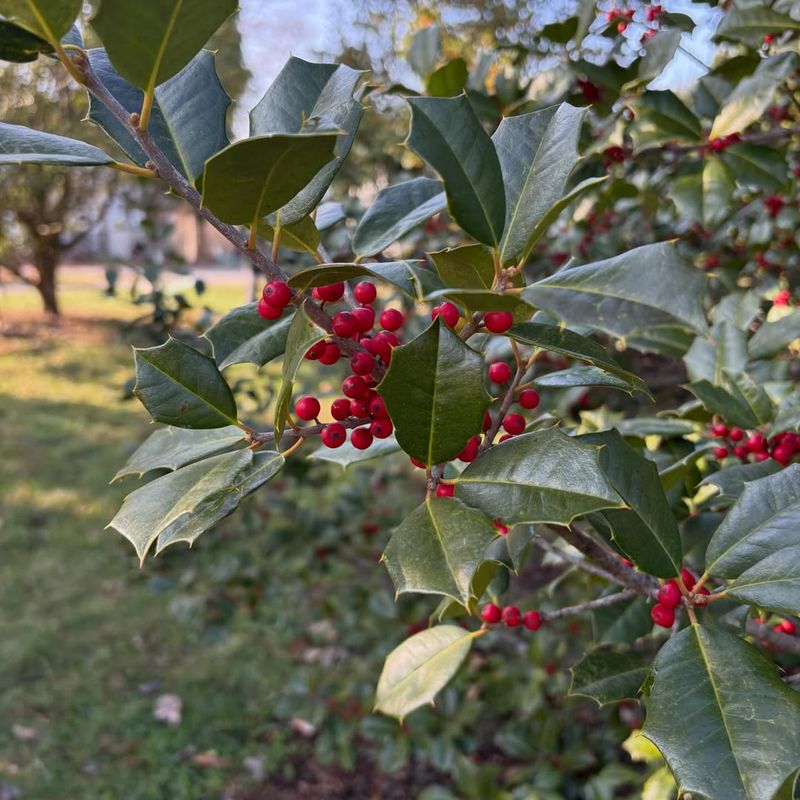
Evergreen foliage and bright red berries make American holly a four-season standout in Michigan landscapes. This pyramidal tree grows 15 to 30 feet tall, maintaining its glossy green leaves through winter when most trees stand bare.
The spiky foliage provides excellent privacy screening while adding formal elegance to garden designs.
Planting in February gives roots months to establish before summer heat arrives. American holly grows slowly but steadily, rewarding patience with decades of reliable structure and color.
You’ll need both male and female trees for berry production, with one male pollinating up to three females within a few hundred feet.
Small white flowers appear in spring, though they’re not particularly showy compared to the spectacular winter berries. Female trees produce clusters of bright red berries that persist through winter, providing food for birds during harsh months.
The berries create stunning contrast against snow and evergreen foliage.
This holly prefers slightly acidic, well-drained soil and full sun to partial shade for best growth. It handles Michigan winters in the southern half of the state, though harsh northern winters may cause some damage.
The dense foliage and pyramidal shape make it perfect for windbreaks or privacy screens that remain attractive year-round for generations.
7. White Oak (Quercus alba)
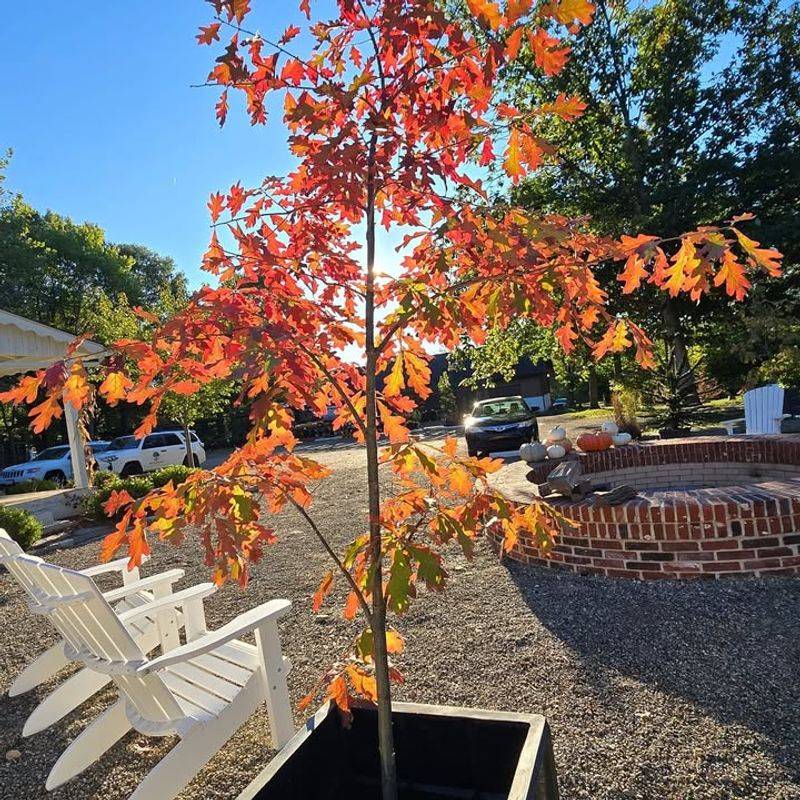
Strength, longevity, and classic beauty define white oak, a tree that can stand for 300 years or more. This mighty native grows 50 to 80 feet tall with an equally impressive spread, creating shade that benefits generations of families.
The rounded, lobed leaves turn rich burgundy to purple-red in fall, holding their color for weeks.
February planting helps roots establish before spring growth begins, though white oak grows slowly compared to maples or birches. This deliberate pace produces incredibly dense, strong wood that resists storm damage and supports massive branches.
Plant in full sun with plenty of space for the eventual mature size.
Spring brings subtle yellow-green flowers that develop into acorns by fall, providing crucial food for wildlife. Squirrels, deer, and numerous bird species depend on these nutritious nuts through winter months.
The deeply furrowed gray bark adds character and texture to winter landscapes.
White oak prefers well-drained, slightly acidic soil but adapts to various Michigan conditions once established. It tolerates drought better than many trees after roots grow deep into the ground.
This oak resists most pests and withstands harsh winters without damage, making it one of the most reliable long-term investments for your landscape and future generations.
8. Black Tupelo (Nyssa sylvatica)
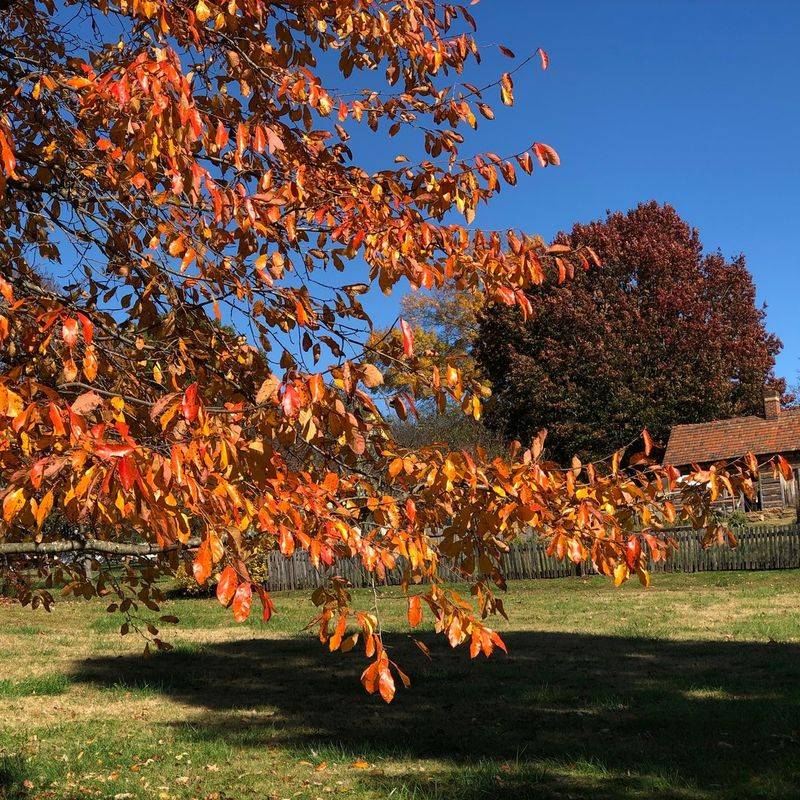
Blazing fall color that rivals any tree in Michigan makes black tupelo an underused landscape gem. This medium-sized native reaches 30 to 50 feet tall with a pyramidal to irregular shape that adds character to gardens.
The glossy green summer leaves transform into spectacular reds, oranges, purples, and yellows in autumn, often showing multiple colors simultaneously.
Planting in February allows roots to establish during dormancy, preparing the tree for spring growth. Black tupelo adapts to various soil types, from wet bottomlands to drier upland sites, making it versatile for different garden conditions.
It prefers acidic soil but tolerates neutral pH levels found throughout Michigan.
Small greenish flowers appear in spring, attracting pollinators though they’re not particularly showy to human eyes. Female trees produce small blue-black fruits in fall that birds absolutely love, making your yard a wildlife haven.
The blocky, alligator-like bark develops with age, adding winter interest and texture. This tree grows at a moderate pace, adding one to two feet annually when young and properly cared for. It handles full sun to partial shade, thriving in various light conditions.
Black tupelo resists most pests and withstands Michigan winters beautifully, living 80 to 100 years while providing reliable fall color that improves as the tree matures over decades.