Plant These 6 Trees In February To Shape Your Oregon Garden For Decades
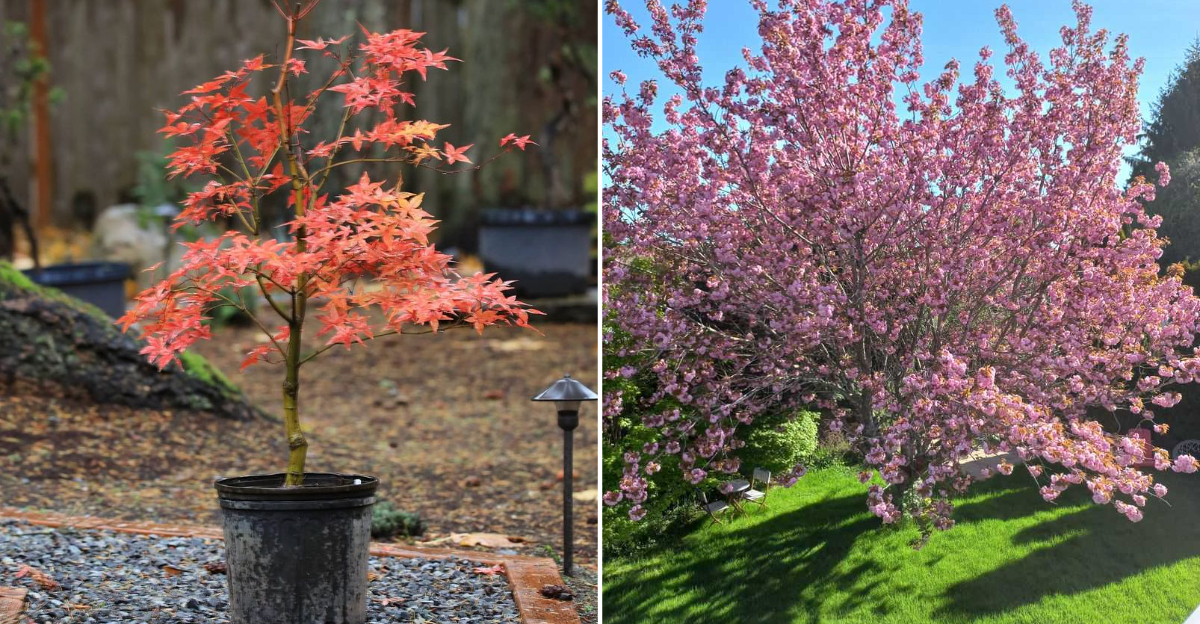
February might feel sleepy in Oregon, but your future garden is wide awake. This is the month smart gardeners plant trees that will define their landscape for decades.
Cool soil, steady rain, and mild winter days give young roots the perfect head start before spring rushes in. Imagine graceful branches, shade for summer afternoons, blossoms buzzing with bees, and fiery fall color right outside your door.
Plant now and you are not just gardening, you are building a living legacy. The right tree in the right spot grows stronger, needs less fuss, and rewards you year after year.
Grab a shovel, breathe in that crisp air, and picture the garden you will enjoy ten, twenty, even thirty years ahead. These trees are ready to settle in, stretch their roots, and grow with you through every season.
Starting today, your Oregon landscape begins a beautiful, lasting transformation for you all.
1. Flowering Cherry
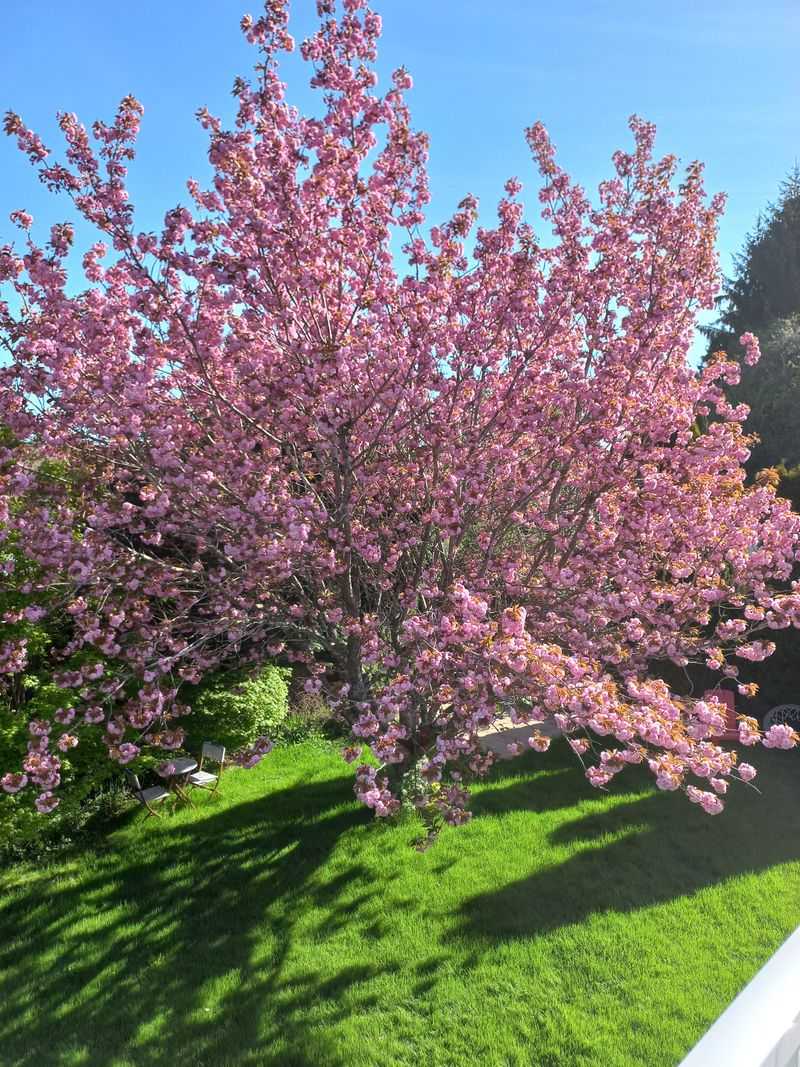
Few trees signal spring as vividly as flowering cherries, which cover bare branches in soft clouds of pink or white blossoms just as winter begins to fade.
Their dramatic display often becomes a focal point in the landscape, brightening gardens at a time when little else is in bloom.
Planting bare-root trees in late winter allows roots to begin establishing during the naturally moist season, helping young trees settle in before the demands of spring growth and warmer weather arrive.
These trees generally prefer full sun and well-drained soil, performing best in locations where excess water drains away rather than lingering around the roots after heavy rain.
One common mistake is planting too closely or in confined spaces. Adequate spacing promotes healthy air circulation, which can help reduce fungal problems that are more likely in damp climates.
Choose a site where branches can expand naturally without pressing against buildings, fences, or nearby trees, allowing foliage and flowers to dry more quickly after rainfall.
Many ornamental flowering cherries mature to roughly 15 to 25 feet tall with a similar spread, although size varies by cultivar, so planning for their mature form helps prevent overcrowding and unnecessary pruning later.
Climate differences across Oregon influence how flowering cherries perform. Coastal gardens often experience cooler temperatures and gentler seasonal transitions, which may slow growth slightly and sometimes prolong bloom time.
Inland valleys, by contrast, often see warmer spring days that can bring on a more intense burst of blossoms, though petals may fall sooner during warm or windy weather.
Choosing disease-tolerant varieties can help minimize common issues such as leaf spot, canker, or powdery mildew, particularly in regions with moist spring conditions.
2. Japanese maple (Acer palmatum)
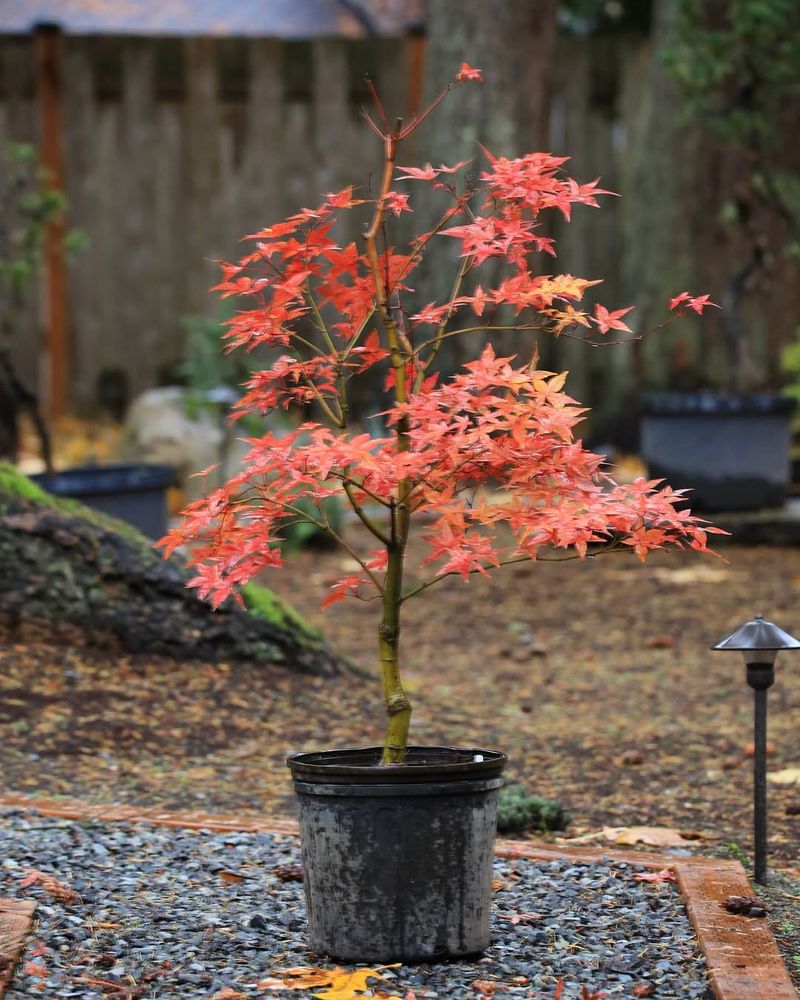
Oregon’s generally mild winters and consistent moisture can suit Japanese maples, which often perform well in cool, temperate climates.
Planting bare-root trees in late winter may allow roots to begin establishing before active spring growth, helping young trees adjust before warmer weather arrives.
Many varieties prefer some protection from intense afternoon sun, particularly in warmer inland areas where strong summer light can stress foliage.
Planting in full sun sometimes leads to leaf scorch, especially during hot, dry periods. Morning sun with afternoon shade, or filtered light beneath taller trees, often provides favorable conditions.
Good drainage is important, as prolonged waterlogging during the rainy season can harm roots, so slightly raised planting or improving soil structure may be beneficial.
Select varieties with mature size in mind, since Japanese maples range widely from small, compact forms to larger landscape trees.
Red- or purple-leafed cultivars provide lasting foliage color, while green-leafed types are often valued for bright autumn tones.
Water thoroughly during the establishment period, and once settled, many trees tolerate typical summer dryness better when given occasional deep watering during extended heat.
3. Dogwood (Cornus florida or Cornus nuttallii)
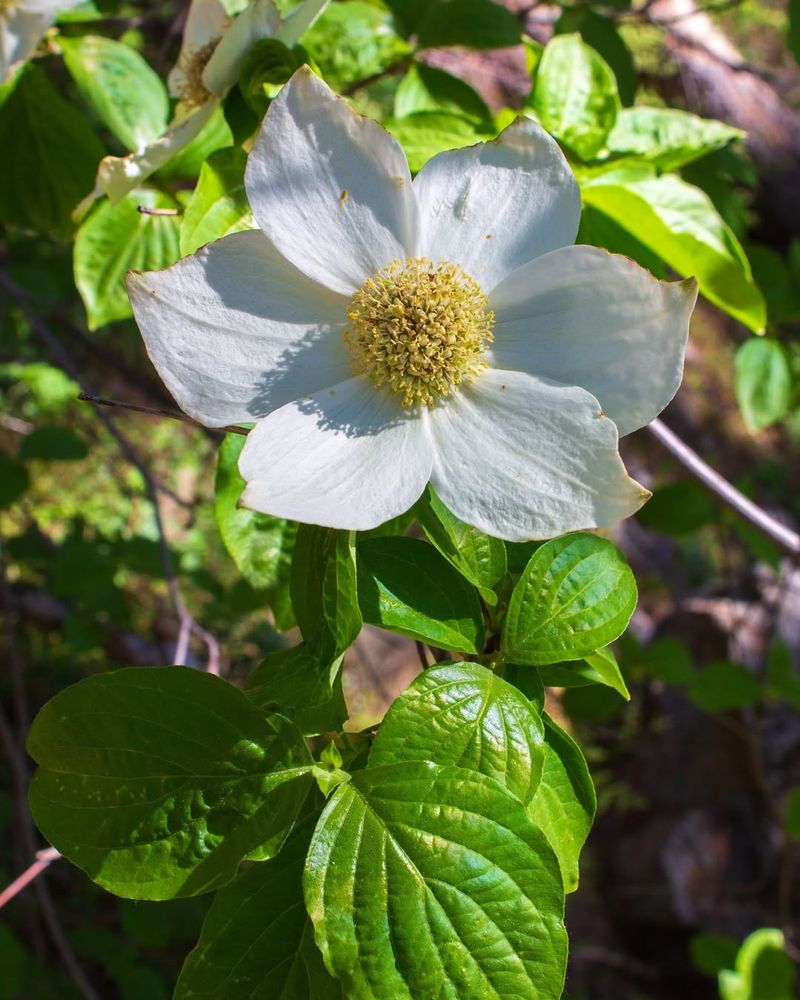
Native Pacific dogwoods are well suited to many Oregon landscapes, having adapted to local rainfall patterns and seasonal cycles.
Planting during late winter dormancy can allow roots to begin establishing in cool, moist soil before spring growth resumes.
These understory trees typically prefer dappled shade or morning sun with afternoon protection, similar to the forest conditions where they naturally occur.
Eastern dogwoods may be more susceptible to certain diseases in the Pacific Northwest, including anthracnose, which can be more prevalent in cool, wet springs.
When planting Cornus florida, selecting disease-tolerant cultivars and providing good air circulation can help reduce risk.
Native Cornus nuttallii is generally well adapted to regional conditions but can be sensitive to root disturbance, so careful planting and light mulching, kept away from the trunk, are recommended.
Dogwoods usually prefer slightly acidic, well-drained soil, conditions common in many Oregon gardens. In heavier soils, improving drainage before planting can help prevent root stress during wet periods.
Once established, dogwoods often need only limited supplemental water, particularly when grown in partially shaded sites. Their spring blossoms, autumn color, and seasonal berries provide multiple periods of interest while supporting local wildlife.
4. Apple (Malus domestica)
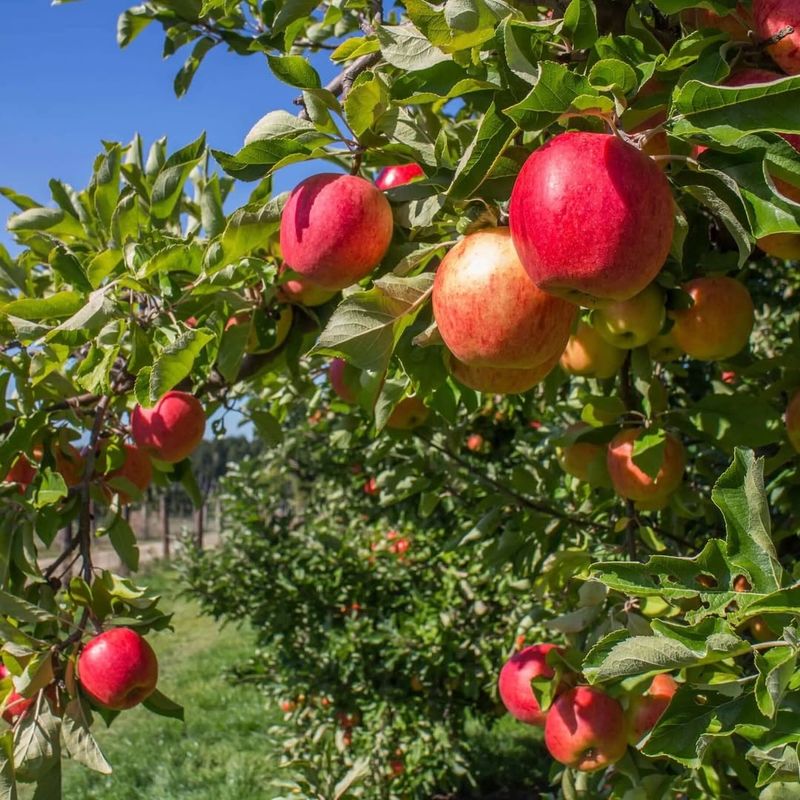
Bare-root apple trees often arrive at nurseries in late winter, offering a wide selection before the main spring planting season.
Oregon’s climate is generally favorable for many apple varieties, providing sufficient winter chill for fruiting while avoiding the extreme cold found in harsher regions.
Planting during dormancy allows roots to begin establishing before active growth resumes in spring, which can support healthy early development.
Most apple varieties benefit from cross-pollination, so planting two compatible cultivars that bloom at the same time often improves fruit set. Gardeners who plant only one tree may see limited production unless the variety is self-fertile.
Choosing cultivars with overlapping bloom periods, or selecting self-fertile types when space is limited, can help ensure more consistent yields.
Full sun and good air circulation help reduce common fungal issues such as powdery mildew, apple scab, and rust, which are more likely when foliage stays wet for extended periods. Proper spacing and regular pruning support an open canopy and better airflow.
Dwarf and semi-dwarf rootstocks are commonly used in home gardens to keep trees more compact while still producing full-size fruit.
Once established, deep, occasional watering encourages stronger root systems that cope better with summer dry periods than frequent shallow watering.
5. Pear (Pyrus communis)
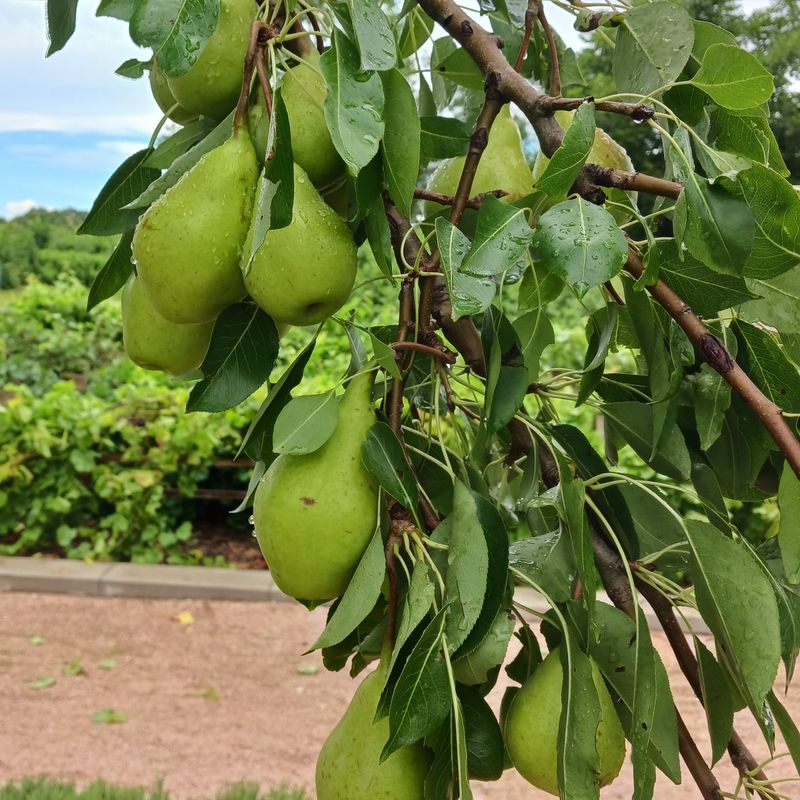
Pears are generally well adapted to Oregon’s climate and can tolerate moist winter conditions better than some other fruit trees, though they still perform best in well-drained soil rather than persistently waterlogged sites.
Late winter is a common planting period for bare-root trees, which often establish readily before spring growth begins.
With proper care and siting, pear trees can remain productive for many years.
Fire blight is a significant disease concern for pears in many regions, including parts of the Pacific Northwest, and it can spread during warm, wet weather around bloom time.
Choosing resistant varieties where available and avoiding excessive nitrogen fertilization may help reduce susceptibility.
Planting in full sun with good air circulation can also limit conditions favorable to disease development.
As with apples, many pear varieties benefit from cross-pollination by another compatible cultivar that flowers at the same time, though a few are partially self-fertile. Some Asian and European pears can pollinate one another when bloom periods overlap.
Pears are often harvested when mature but still firm and allowed to finish ripening off the tree for best quality.
Because standard trees can grow quite large, dwarfing rootstocks are frequently used in home gardens to keep trees more compact while still producing full-size fruit.
6. Plum / Prune (Prunus domestica)
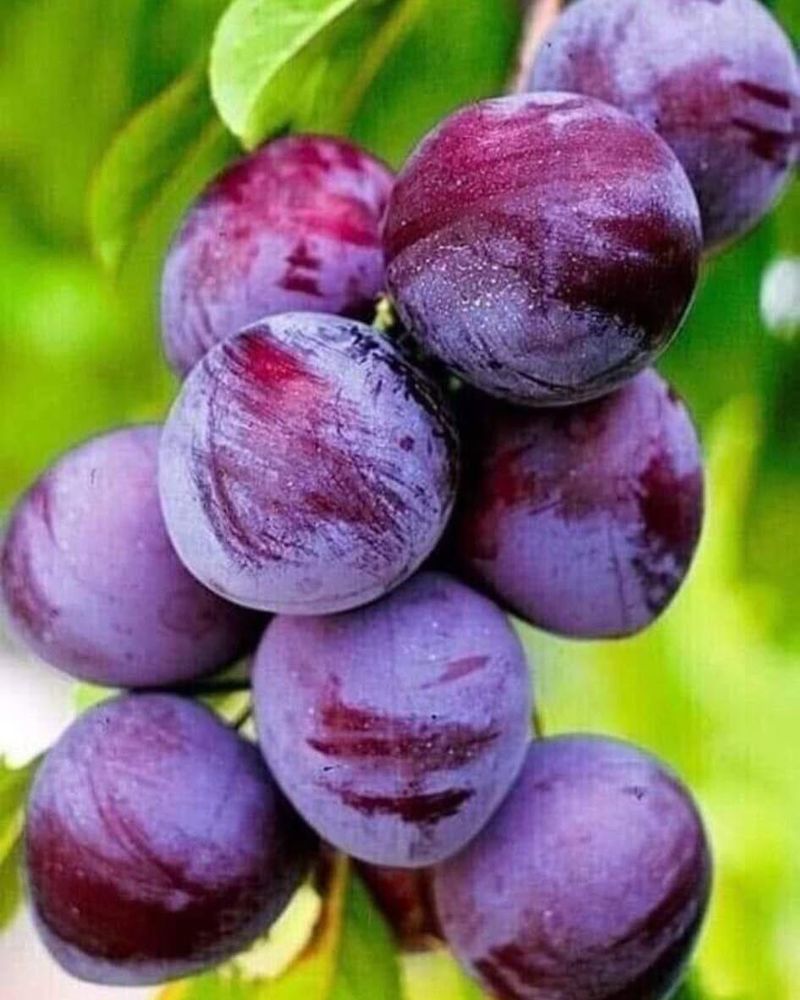
European plums grow well in many parts of Oregon and are generally reliable producers, often ripening successfully even in cooler coastal areas.
Planting bare-root trees in late winter allows roots to begin establishing before spring growth starts, making good use of seasonal moisture.
Many plum trees begin bearing within a few years under favorable conditions, though timing varies by variety and care.
Italian prune plums are widely grown in Oregon because they are typically self-fertile, fairly cold-hardy, and often productive without a second pollinator.
Their freestone fruit is suitable for drying or fresh use, and they may experience fewer disease issues than some other stone fruits.
Japanese plum varieties usually ripen earlier and offer different flavors, but many require cross-pollination and can be more vulnerable to spring frost if they bloom during unsettled weather.
Full sun and well-drained soil support healthy plum growth, though they may tolerate somewhat heavier soils than certain other stone fruits. Brown rot can affect plums during wet periods, so thinning fruit and removing diseased material may help reduce spread.
Once established, trees typically need moderate care, including periodic pruning to maintain structure and remove crowded growth. With proper siting, plum trees provide spring blossoms, summer fruit, and a manageable size suited to many home gardens.