Plant These 7 Valentine’s Flowers In Your California Garden After The Holiday
Valentine’s flowers do not have to fade away after the celebration ends. In California’s mild climate, many classic Valentine blooms can move from bouquet to garden and keep bringing color long after the holiday is over.
Instead of tossing them aside, you can give these romantic favorites a second life outdoors, where sunshine and fresh air help them grow stronger and bloom again.
Some add soft fragrance, others bring bold color, and a few even attract pollinators once established.
February through early March happens to be one of the best planting windows for flowers that thrive in our mild climate, and many of them carry that same lovely, heart-warming charm as those Valentine bouquets.
Planting now means you’ll enjoy months of color while taking advantage of our winter rains and cooler temperatures that help new plants establish strong roots before summer arrives.
1. Roses
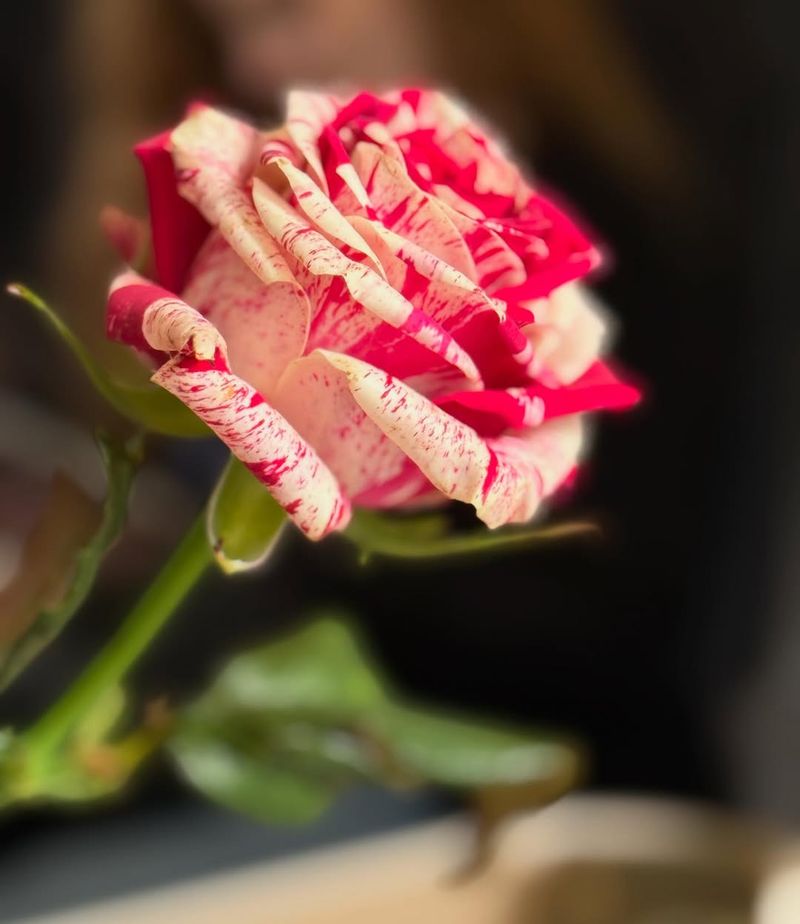
February’s cooler soil and occasional rain create nearly perfect conditions for getting bare-root roses into the ground. Nurseries stock them heavily right after Valentine’s Day, and planting during dormancy gives roots time to spread before spring growth kicks in.
Many gardeners assume roses demand constant fussing, but modern varieties bred for California tolerate heat, need less water once established, and resist common diseases better than older types.
Choose disease-resistant cultivars suited to your region, coastal gardens handle more varieties, while inland areas benefit from heat-tolerant selections.
Dig your planting hole wide and shallow rather than deep and narrow. Roses need room for roots to spread outward, and California’s clay soils compact easily.
Mix compost into native soil, but don’t create a fluffy pocket that differs drastically from surrounding ground, roots won’t venture beyond it.
Water deeply but infrequently as plants establish, encouraging roots to grow downward instead of staying shallow. Mulch around the base to conserve moisture and moderate soil temperature.
By late spring, your roses will be leafing out and setting buds, ready to bloom through summer and fall with proper care and deadheading.
2. Camellias
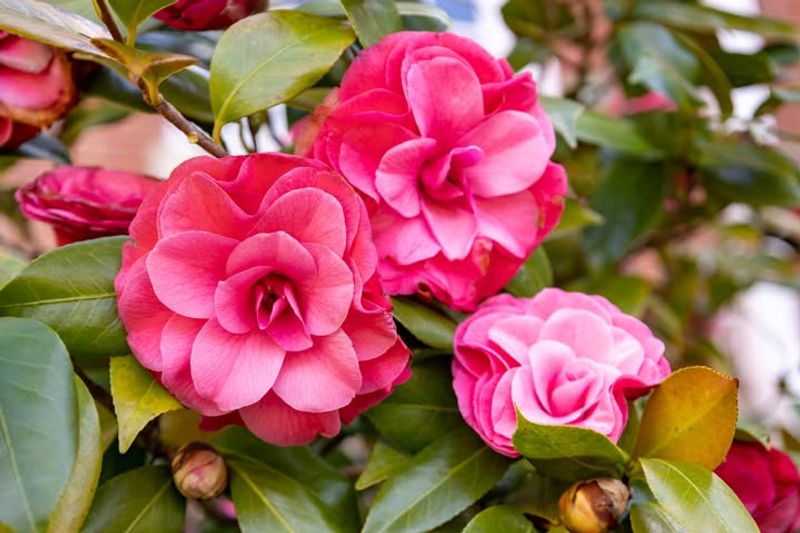
Walk past any established California garden in late winter and you’ll likely spot camellias putting on their quiet, elegant show while most other plants rest.
These evergreen shrubs bloom from fall through early spring, and late February is an ideal time to add them since they’re actively flowering, you can see exactly what color and form you’re getting.
Camellias appreciate filtered shade and consistent moisture, making them perfect for those tricky north-facing beds or spots under oak trees where full-sun lovers struggle.
They dislike hot afternoon sun, especially inland, which can scorch leaves and stress plants during summer heat waves.
Soil preparation matters tremendously. Camellias need acidic, well-draining soil rich in organic matter, California’s naturally alkaline soils require amendment with peat moss, compost, or acidic planting mix.
Avoid planting too deeply; the root crown should sit slightly above ground level to prevent rot in our occasional heavy winter rains.
Water regularly through the first year, keeping soil moist but never soggy. Established camellias handle dry spells better than expected, though they bloom more prolifically with consistent moisture.
Their glossy foliage looks handsome year-round, providing structure and greenery long after flowers fade.
3. Ranunculus
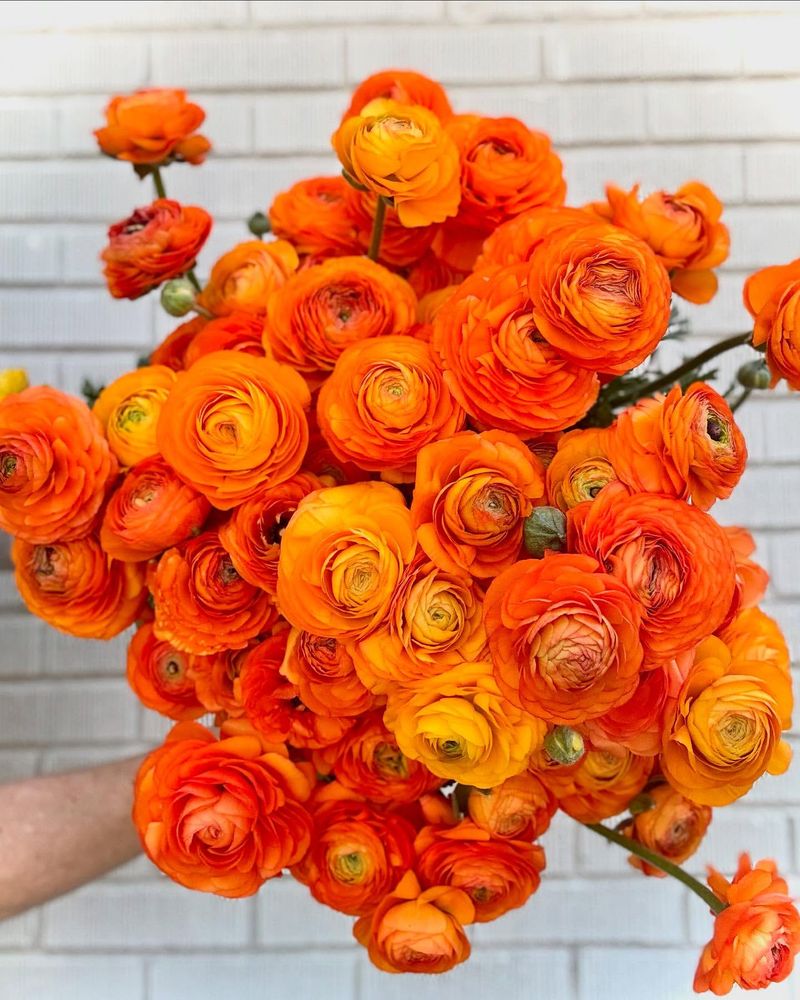
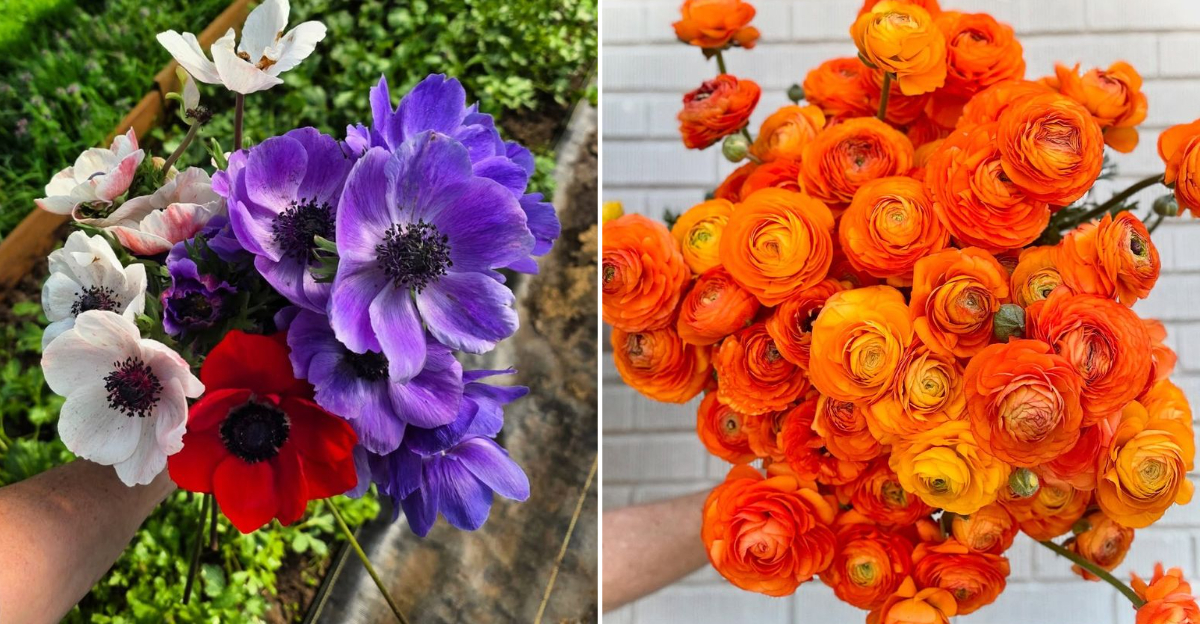
Those impossibly ruffled blooms you see at farmers’ markets and flower shops all spring? You can grow them yourself, and mid-February is your window.
Ranunculus corms need cool soil to develop properly, and California’s mild winters provide exactly that without the hard freezes that damage them elsewhere.
Soak corms overnight before planting, they look like dried brown claws and need moisture to plump up and kickstart growth. Plant them claw-side down about two inches deep in well-draining soil enriched with compost.
Spacing them four to six inches apart allows proper air circulation and room for foliage.
These flowers need consistent moisture while growing but hate soggy conditions. California’s winter rains usually provide enough water, though you’ll need to supplement if we hit a dry spell.
Once blooming starts in March or April, you’ll get weeks of cutting flowers if you deadhead regularly.
Coastal gardeners often get the longest bloom period since ranunculus prefer temperatures between 45 and 60 degrees. Inland areas see shorter flowering windows as heat arrives earlier.
Plant them where they’ll receive morning sun and afternoon shade, especially in warmer regions. After blooms finish and foliage yellows completely, you can dig and store corms or treat them as annuals.
4. Anemones
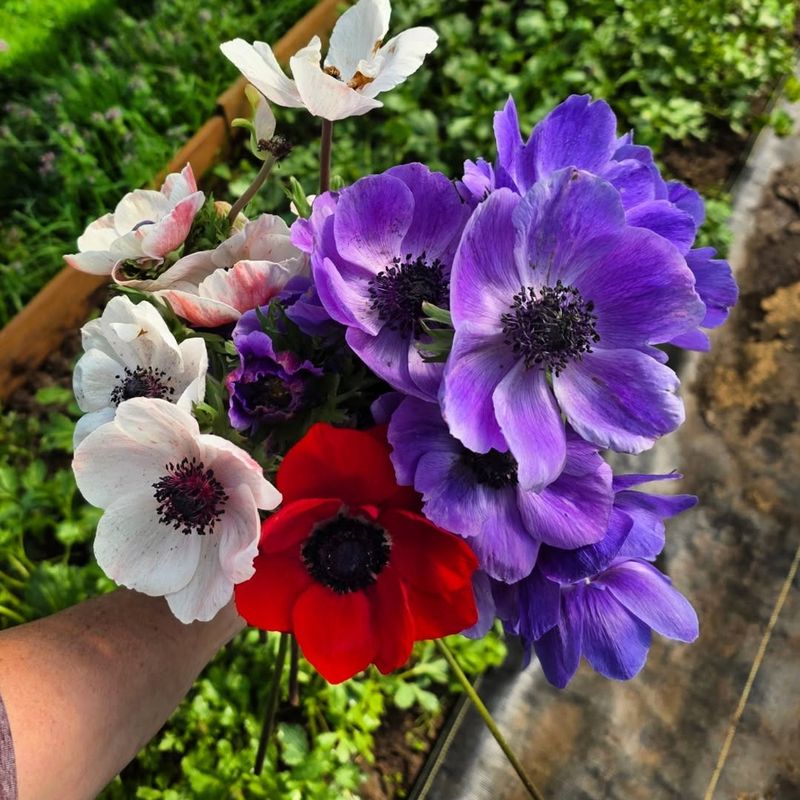
Right alongside ranunculus in nurseries, you’ll find anemone corms that deserve equal attention. These charming flowers produce papery blooms on tall stems, perfect for cutting and surprisingly hardy once established.
February planting takes advantage of cool, moist soil that helps corms settle in before spring arrives.
Anemones come in two main types, the large-flowered De Caen varieties and the semi-double St. Brigid forms. Both thrive in California’s Mediterranean climate and naturalize readily if conditions suit them, returning year after year in mild-winter areas.
They’re less fussy about soil than ranunculus but still appreciate good drainage and organic matter.
Soak corms briefly before planting them about two inches deep with the pointed end down. If you can’t tell which end is which, plant them sideways, they’ll figure it out.
Space them three to four inches apart in clusters for best visual impact rather than scattering them individually.
Morning sun and afternoon shade work beautifully, especially inland where heat builds quickly in late spring. Water regularly during growth and flowering, then taper off as foliage yellows.
In coastal and mild-winter areas, corms often overwinter successfully in the ground. Inland gardeners might need to dig and store them or simply replant each year, since they’re inexpensive and easy.
5. Sweet Peas
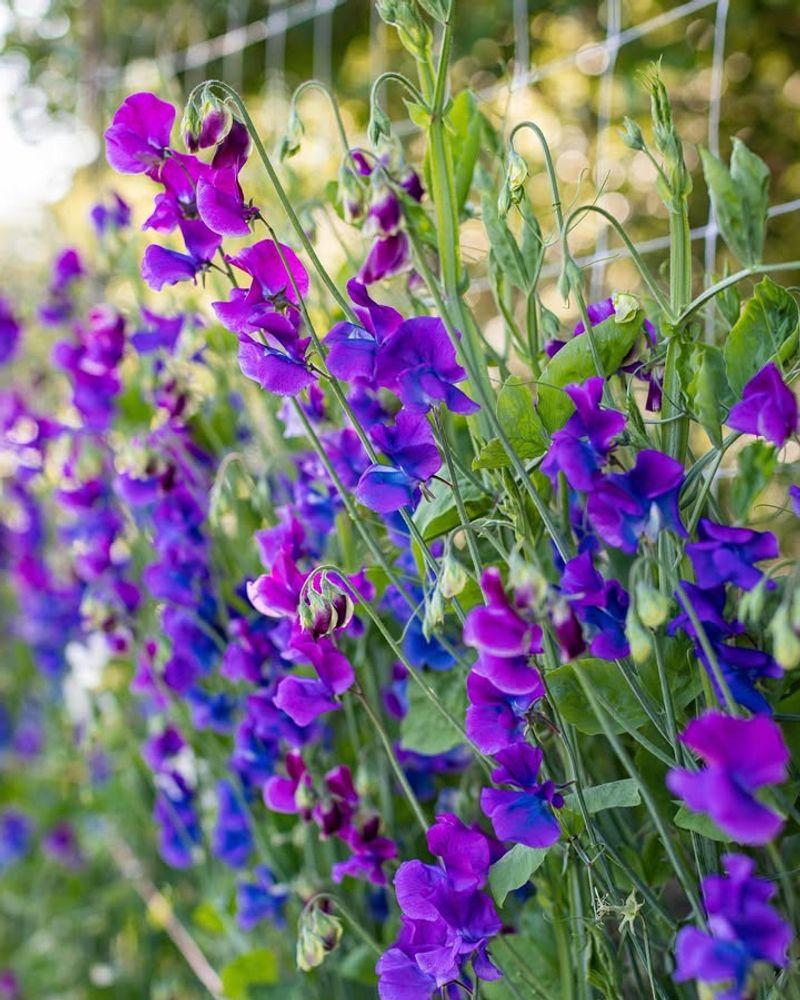
Nothing announces spring quite like the scent of sweet peas drifting through a garden on a warm morning.
These old-fashioned climbers thrive in California’s cool late-winter and spring weather, and seeds planted in February will bloom by April or May, filling your garden with fragrance and your vases with ruffled flowers.
Direct sow seeds where you want them to grow, since sweet peas dislike transplanting. They need something to climb, a trellis, fence, or even bamboo poles work perfectly.
Prepare soil deeply since sweet peas develop long roots that appreciate loose, rich earth amended with compost.
Soak seeds overnight or nick them gently with a file to speed germination. Plant them about an inch deep and two inches apart, then thin to four to six inches once seedlings emerge.
Sweet peas appreciate full sun in coastal areas but benefit from afternoon shade inland where temperatures climb earlier.
Keep soil consistently moist, especially as plants begin flowering. The more you cut blooms, the more they’ll produce, letting flowers go to seed signals the plant to stop blooming.
Heat eventually ends their season, usually by June inland and July along the coast. Enjoy them while they last, cutting armfuls for bouquets and sharing the fragrance indoors.
6. Pansies & Violas
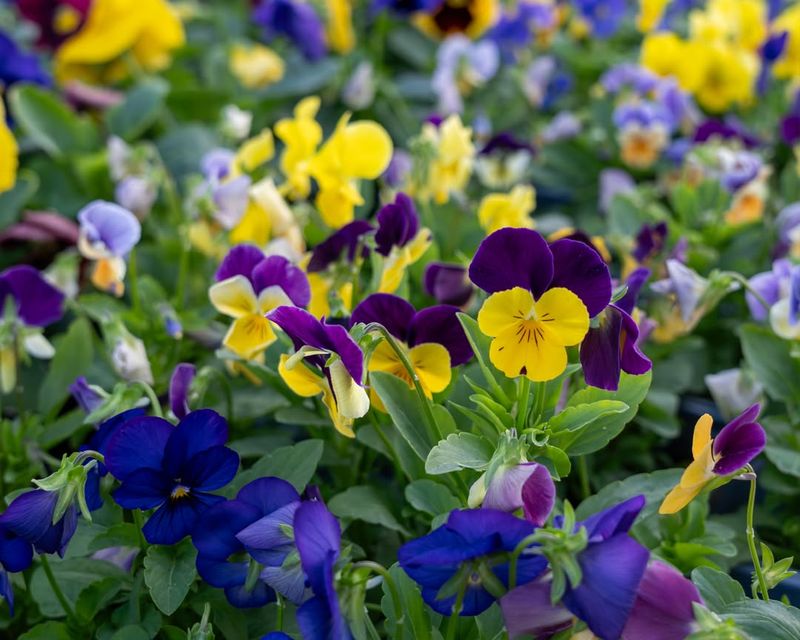
Garden centers overflow with pansies and violas all winter, and for good reason, these cheerful flowers bloom reliably through California’s coolest months and well into spring.
Their compact size makes them perfect for containers, border edges, and filling gaps between perennials, and planting them now extends their flowering season before summer heat arrives.
Pansies feature larger flowers with distinct face markings, while violas produce smaller, more abundant blooms. Both tolerate light frost and actually bloom more profusely in cool weather.
They’re technically perennials but perform best as cool-season annuals in most California climates since summer heat causes them to decline.
Plant them in well-draining soil enriched with compost, spacing them six to eight inches apart. They prefer full sun in coastal areas but appreciate afternoon shade inland, especially as spring progresses and temperatures rise.
Regular deadheading keeps them blooming continuously and prevents energy from going into seed production.
Water consistently but avoid overwatering, which can cause root rot and fungal issues. Fertilize lightly every few weeks with a balanced fertilizer to support continuous blooming.
As May and June arrive and heat intensifies, pansies and violas will start looking tired. Pull them out and replace them with summer annuals, or leave them if you’re in a coastal area where they might persist longer.
7. Dianthus
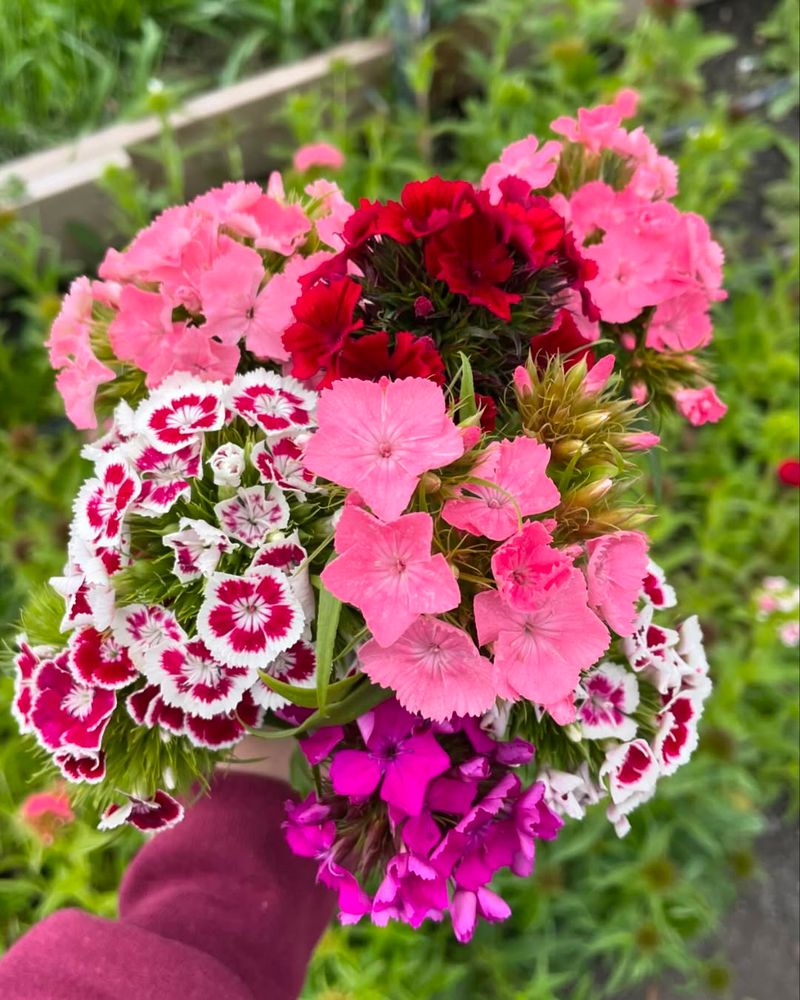
Spicy-scented and surprisingly tough, dianthus brings old-fashioned charm with modern durability. These low-growing perennials produce fringed flowers in shades of pink, red, white, and burgundy, often with contrasting eyes or edges.
February planting gives them time to establish before blooming heavily in spring and often reblooming in fall.
Dianthus thrives in California’s climate once established, tolerating heat and drought better than many flowering perennials. They need excellent drainage, soggy soil quickly kills them, especially during winter rains.
Plant them in raised beds, along slopes, or in amended soil if your garden has heavy clay.
Choose a sunny location since dianthus blooms best with at least six hours of direct sunlight daily. Space plants eight to twelve inches apart depending on variety, and avoid planting too deeply.
The crown should sit at or slightly above soil level to prevent rot.
Water regularly while plants establish, then reduce frequency once they’re growing actively. Dianthus handles dry periods well once mature, making it suitable for water-wise gardens.
Deadhead spent blooms to encourage continued flowering and shear plants lightly after the first flush finishes to promote fresh growth. Their silvery-green foliage looks attractive even when not blooming, providing year-round texture in borders and rock gardens.