Plant These 9 Vegetables Now To Beat California Summer Heat
California summers do not play around, and once the heat arrives, many vegetables struggle to keep up.
The secret to a thriving garden is getting ahead of soaring temperatures by planting smart and early.
Late winter and early spring offer a golden window when soil is cool, moisture is higher, and young plants can establish strong roots before hot days roll in. Picture crisp lettuce, sweet peas, tender carrots, and leafy greens growing happily while the weather is still mild.
A little planning now means fewer wilted plants and far more fresh harvests when neighbors are fighting the heat. Grab your seeds, prep those beds, and give your future garden a head start.
With the right choices in the ground today, you will enjoy steady growth, better flavor, and a productive patch that keeps producing even as summer turns up the temperature across sunny California gardens all season long ahead.
1. Swiss Chard
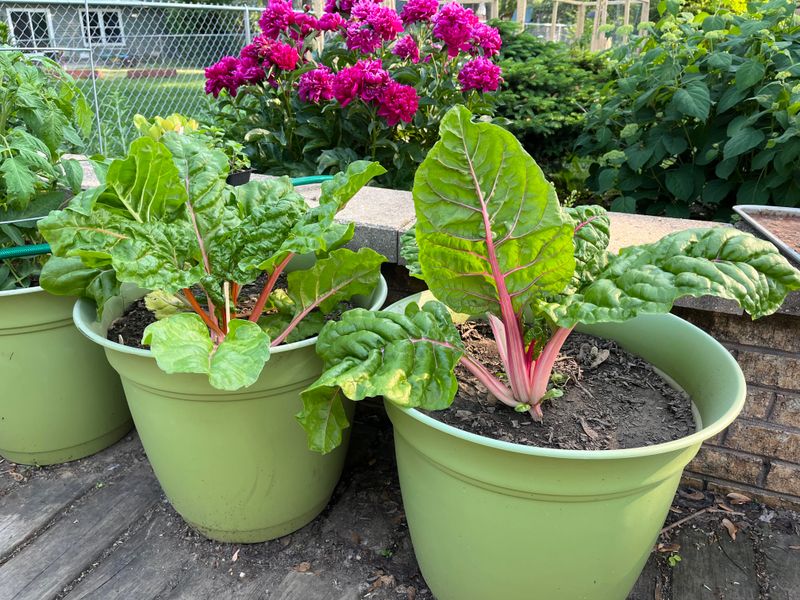
When the thermometer climbs and most leafy greens start throwing in the towel, Swiss chard keeps growing like it’s got something to prove. 3
This Mediterranean native actually welcomes California’s hot, dry summers with open leaves, making it one of the smartest choices for year-round harvests.
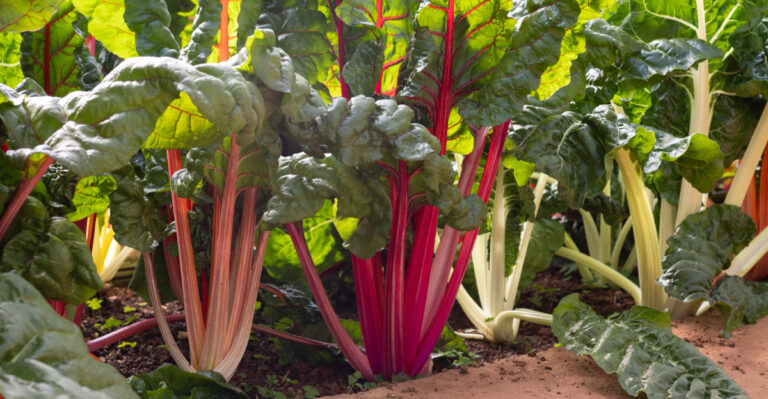
Many gardeners assume all greens need cool weather, but chard breaks that rule beautifully. Its deep roots reach down for moisture while those colorful stems, ruby red, golden yellow, bright orange, add a cheerful splash to your garden beds.
Plant it now in a spot with morning sun and afternoon shade if you’re inland, or full sun if you’re near the coast.
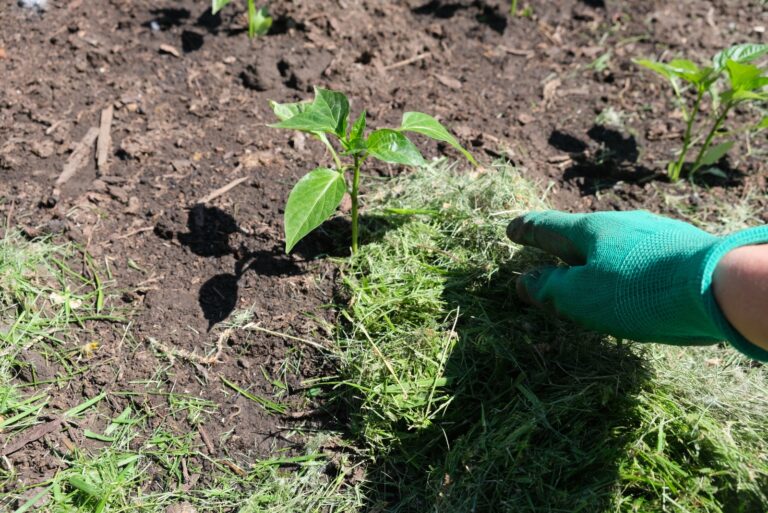
The trick with chard is keeping the soil consistently moist without drowning it. Mulch heavily around the base to retain water and keep roots cool.
Harvest outer leaves regularly, and the plant keeps producing new growth from the center for months.
Watch out for the common mistake of letting chard dry out completely between waterings, it’ll bolt straight to seed. Give it steady moisture and occasional feeding, and you’ll have fresh greens all summer while your neighbors wonder how you do it.
2. Kale
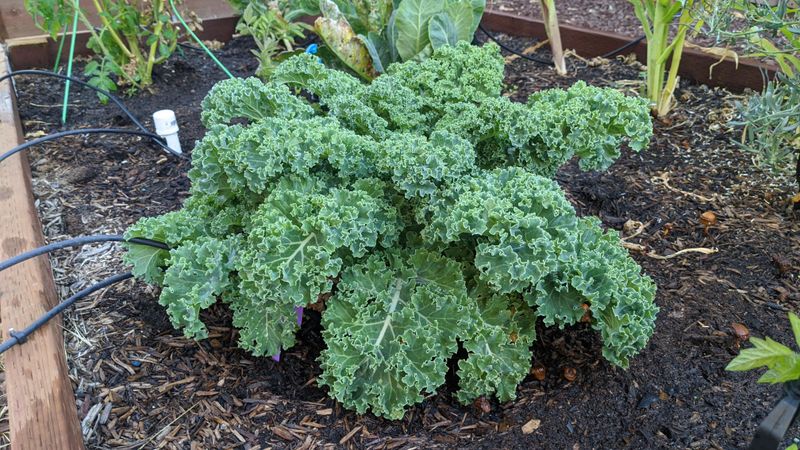
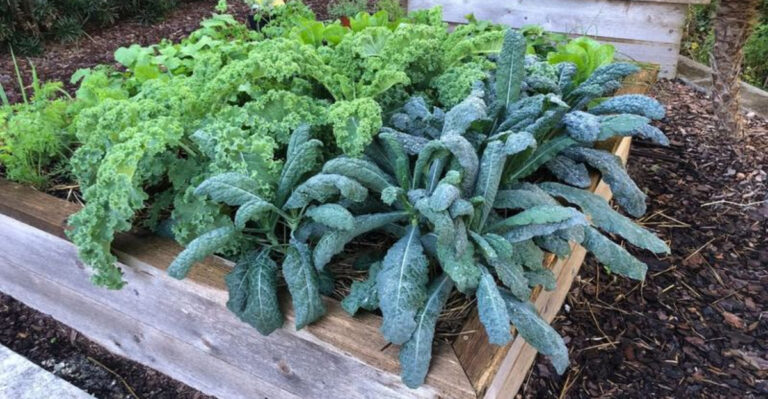
Some vegetables get sweeter after frost, but kale doesn’t need cold weather to shine in California gardens. Heat-tolerant varieties like Lacinato and Red Russian actually perform beautifully through summer if you plant them now and give them the right conditions.
The biggest misunderstanding about kale is that it’s strictly a winter crop. While it does love cooler weather, choosing the right variety and planting location makes all the difference.
Lacinato kale, with its dark blue-green leaves, handles heat better than the curly types, and Red Russian adds gorgeous purple-veined foliage to your garden.
Plant your kale where it gets some afternoon shade, especially if you’re in the Central Valley or inland areas where temperatures regularly hit the nineties. Morning sun is perfect, it energizes the plants without scorching them.
Add plenty of compost to your soil before planting, and keep it consistently moist.
The mistake many gardeners make is treating summer kale like its winter counterpart. It needs more water, more shade, and more frequent harvesting to prevent bitterness.
Pick leaves when they’re young and tender, before the heat toughens them. Mulch heavily, water deeply, and you’ll enjoy fresh kale through the hottest months.
3. Carrots
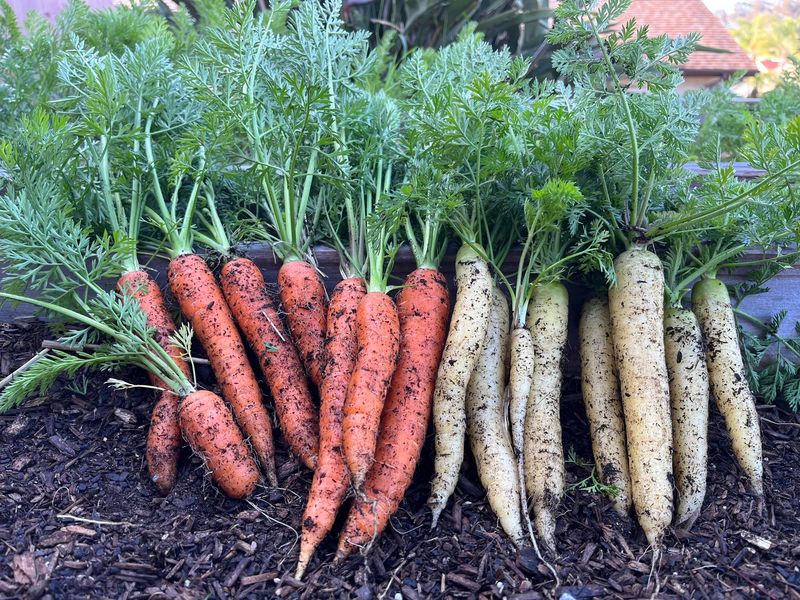
There’s something deeply satisfying about pulling a perfect carrot from summer soil, and in California’s mild climate, you absolutely can. Summer-planted carrots give you a fantastic fall harvest, and they’re surprisingly forgiving if you understand their needs.
Most people think carrots are fussy about germination, and they’re right, but only because of one common problem. Carrot seeds need consistent moisture to sprout, and California’s summer heat dries out soil surfaces fast.
The solution is simple: cover your seeded row with a board or burlap until you see green sprouts poking through, checking daily and keeping the soil damp.
Choose shorter varieties like Nantes or Chantenay types if your soil is heavy clay. These stubby carrots push through dense soil better than long, slender varieties.
Work your soil deeply, removing rocks and clumps that force roots to fork and twist.
Once your carrots are up and growing, thin them ruthlessly, crowded carrots never size up properly. Keep soil moisture even throughout the growing season; erratic watering causes split roots.
Mulch between rows to conserve moisture and keep soil temperatures down. Plant now, and you’ll be pulling sweet, crunchy carrots when autumn arrives.
4. Beets
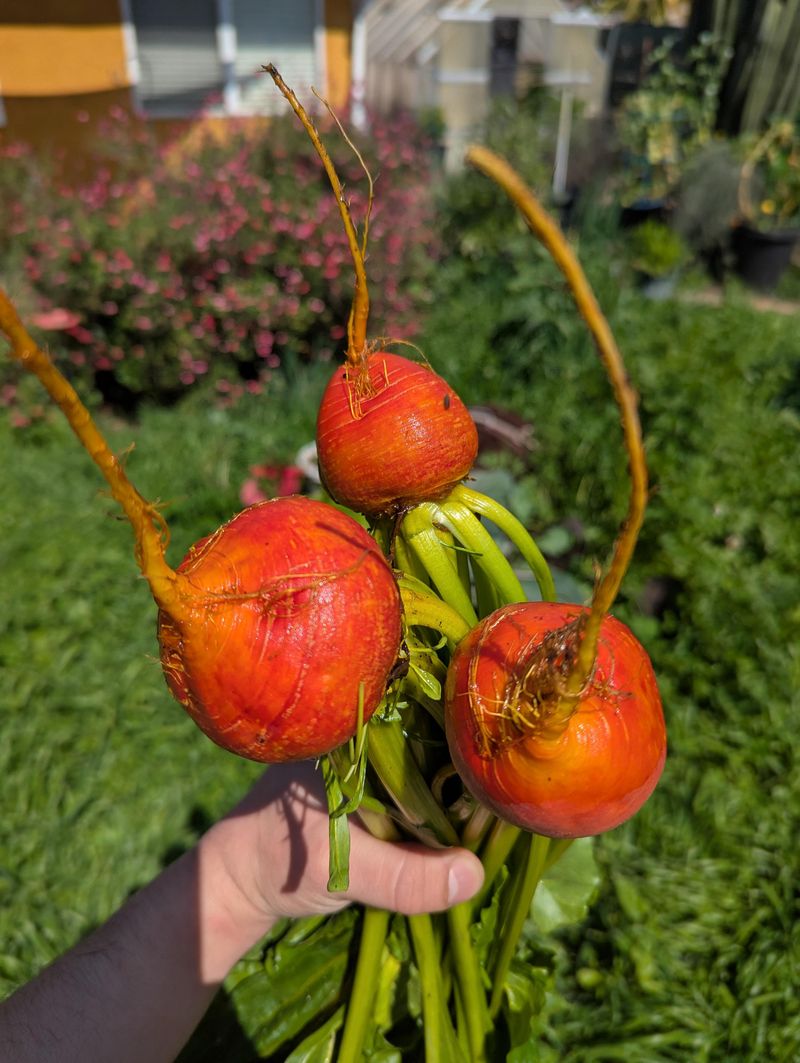
Your neighbors might raise eyebrows when you plant beets in summer, but California’s climate makes it entirely possible with smart timing.
Beets handle heat better than their cool-season reputation suggests, especially when you give them afternoon shade and consistent water.
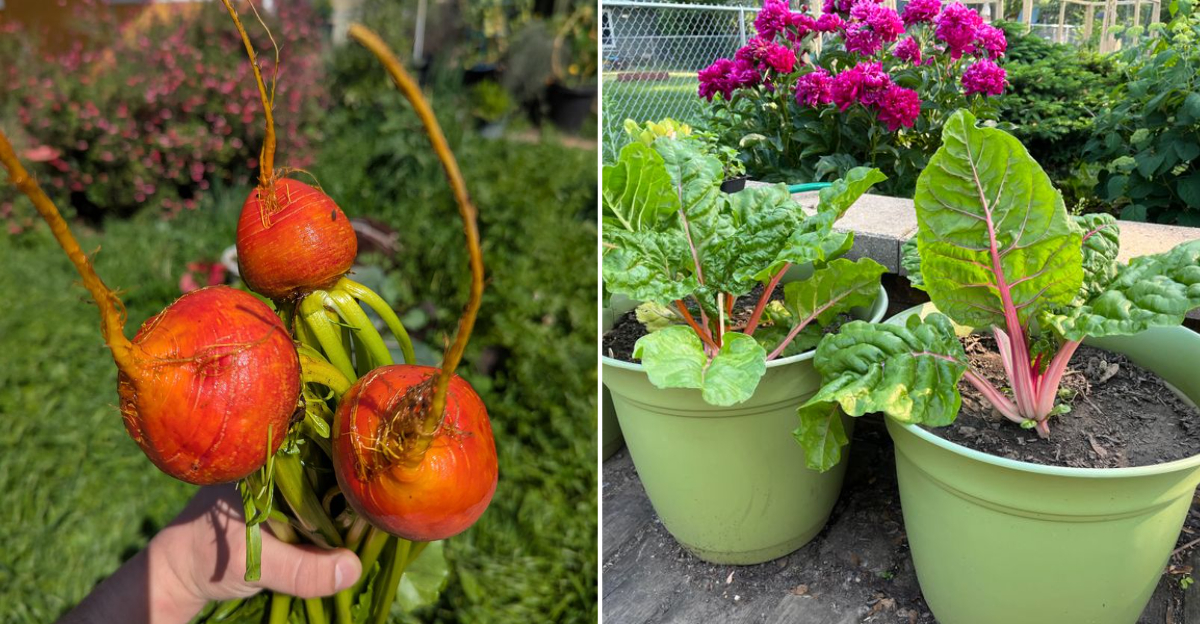
The beauty of beets is their double-duty nature, you harvest both roots and greens, making them incredibly productive in small spaces. Plant them now for a fall harvest, and you’ll enjoy tender baby beets and nutritious greens through autumn.
Many gardeners don’t realize that beet greens are actually more heat-tolerant than the roots, so you can start harvesting leaves while the bulbs develop below.
Prepare your soil with plenty of organic matter, and make sure it drains well. Beets hate soggy feet but need steady moisture to develop sweet, tender roots.
Space seeds about two inches apart, and don’t worry about thinning too much, those baby beets you pull make delicious eating.
The critical mistake is planting too deep or in compacted soil. Beet seeds need light contact with soil to germinate well, so barely cover them.
Keep the soil surface moist until seedlings emerge, then mulch to maintain even moisture and moderate soil temperature.
5. Lettuce
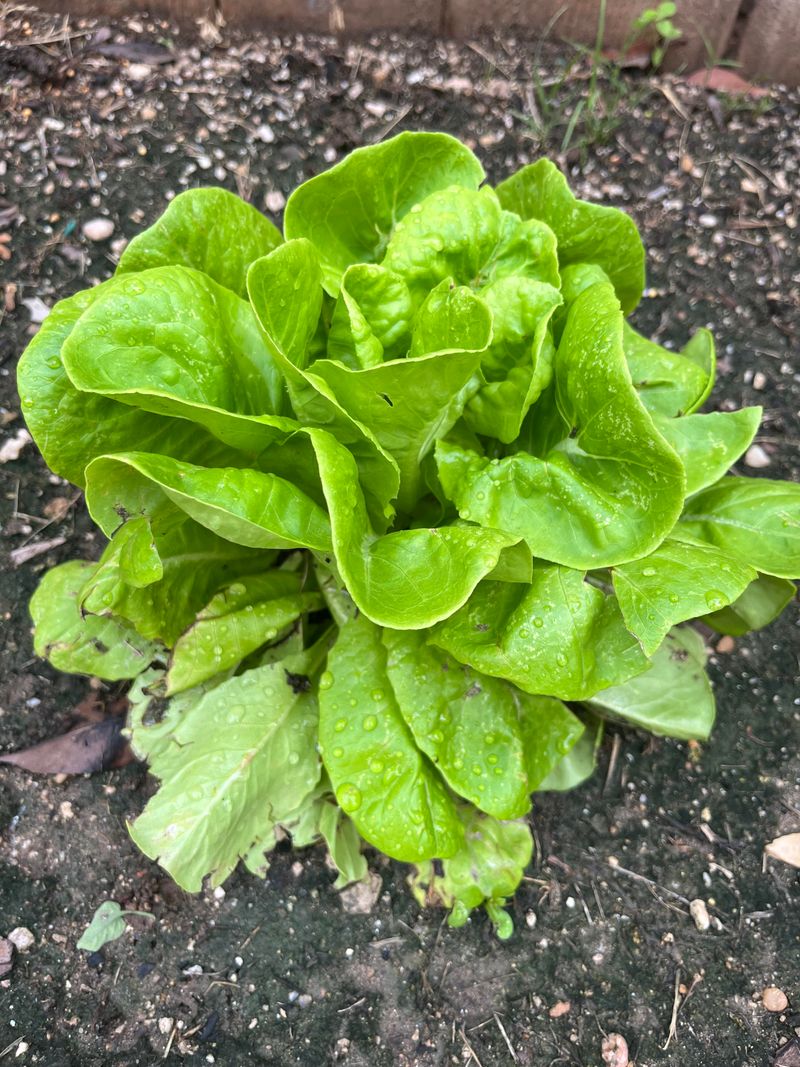
Growing lettuce in California summer sounds impossible until you discover heat-tolerant varieties and shade strategies.
While iceberg and romaine struggle in hot weather, varieties like Jericho, Summertime, and Nevada can handle the heat surprisingly well when planted in the right spot.
Location is everything for summer lettuce. Find a spot that gets morning sun but stays shaded during the hottest afternoon hours, under taller plants, on the east side of structures, or beneath shade cloth.
This simple adjustment transforms lettuce from a spring-only crop into a summer possibility.
Plant in succession every two weeks, sowing just a few seeds at a time rather than a whole row. This gives you continuous harvests of baby leaves instead of a glut of bitter, bolting plants.
Keep soil consistently moist, lettuce has shallow roots that dry out quickly in summer heat.
Many gardeners make the mistake of waiting too long to harvest summer lettuce. Pick leaves when they’re young and tender, before heat triggers bitterness and bolting.
Morning is the best time to harvest; leaves are crisp and full of moisture. Mulch heavily, provide shade, harvest young, and you’ll enjoy fresh salads even when temperatures soar.
6. Spinach
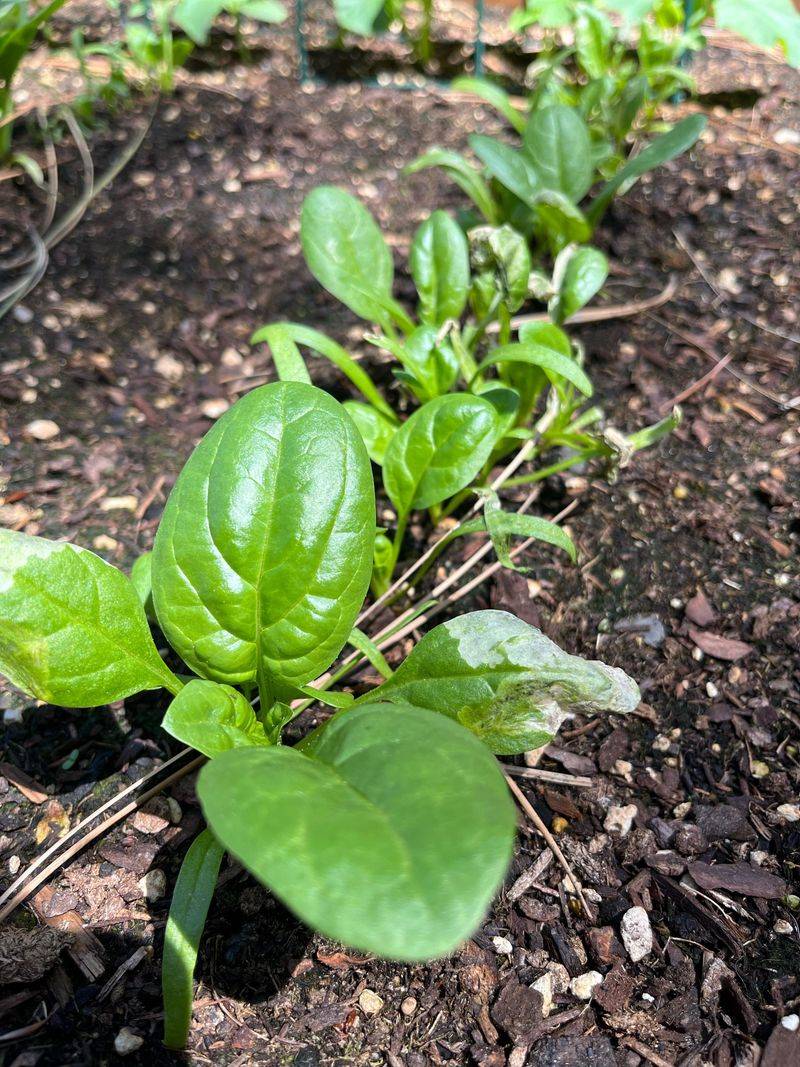
Spinach has a reputation as a cool-season diva, but newer heat-tolerant varieties are changing that story for California gardeners. Plant the right types now, give them shade and moisture, and you can enjoy fresh spinach through summer instead of waiting until fall.
Look for varieties specifically bred for heat resistance: Space, Tyee, and Summer Perfection all handle warm weather better than traditional types. These varieties are slower to bolt, giving you weeks more harvest time before they decide to flower and turn bitter.
Still, you’ll need to work with them, not against them.
Plant spinach where it receives morning light but afternoon shade, this is non-negotiable for summer success. The intense afternoon sun California dishes out will send even heat-tolerant varieties bolting if they’re exposed all day.
Amend your soil with plenty of compost to help retain moisture, and mulch immediately after planting.
The biggest mistake is treating summer spinach like spring spinach. It needs more water, cooler conditions, and faster harvesting.
Pick leaves regularly when they’re young and tender, don’t wait for full-sized plants. Water deeply in the morning so plants enter the heat of the day fully hydrated.
With proper care, summer spinach rewards you with fresh greens when you’d least expect them.
7. Bush Beans
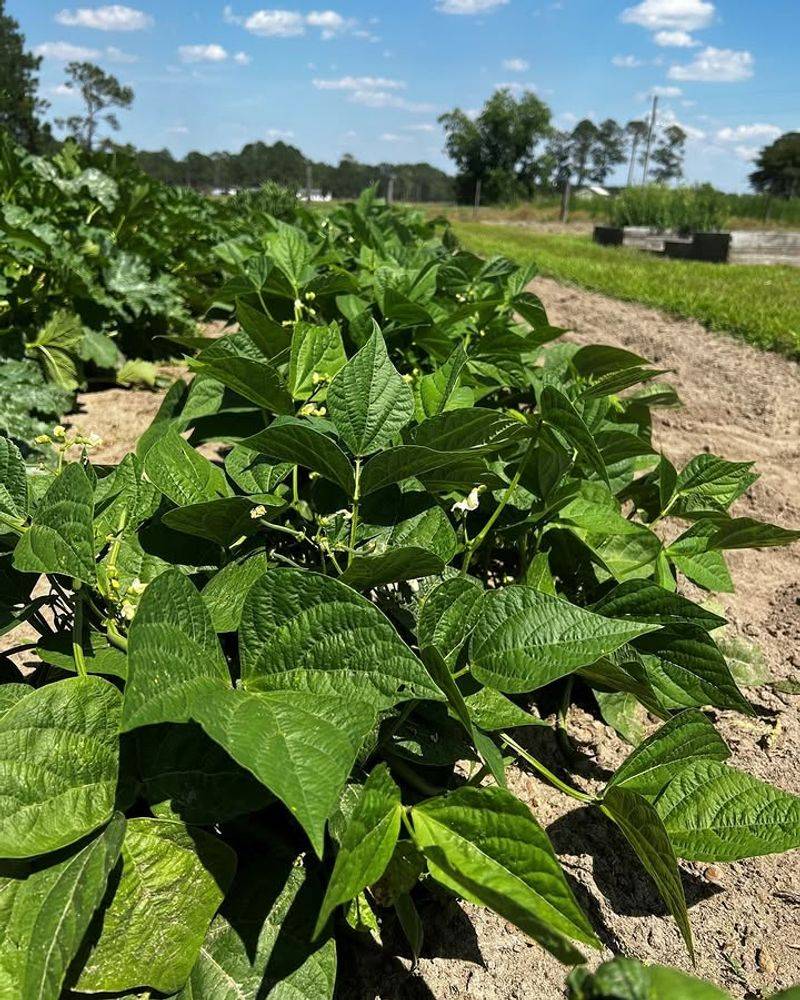
Few vegetables love California summer heat quite like bush beans do. These warm-season champions actually need heat to thrive, making them perfect for planting right now.
Unlike their pole bean cousins, bush varieties stay compact and produce heavily without requiring trellises or complicated support systems.
Bush beans are incredibly straightforward, they germinate quickly in warm soil, grow fast, and start producing pods in about fifty days. Many gardeners don’t realize that beans actually fix nitrogen in the soil through their roots, improving your garden while they grow.
This makes them excellent companions for heavy feeders planted later.
Plant seeds directly in the ground about an inch deep and three inches apart. Don’t start them indoors; beans hate transplanting and do much better when sown where they’ll grow.
Wait until soil temperatures reach at least sixty degrees, cold soil causes seeds to rot instead of sprout.
The common mistake is overwatering beans, especially young plants. They need regular moisture once flowering and producing pods, but too much water before that encourages leaf growth at the expense of beans.
Water at the base of plants rather than overhead to prevent disease. Plant a new row every two weeks for continuous harvests all summer long.
8. Zucchini
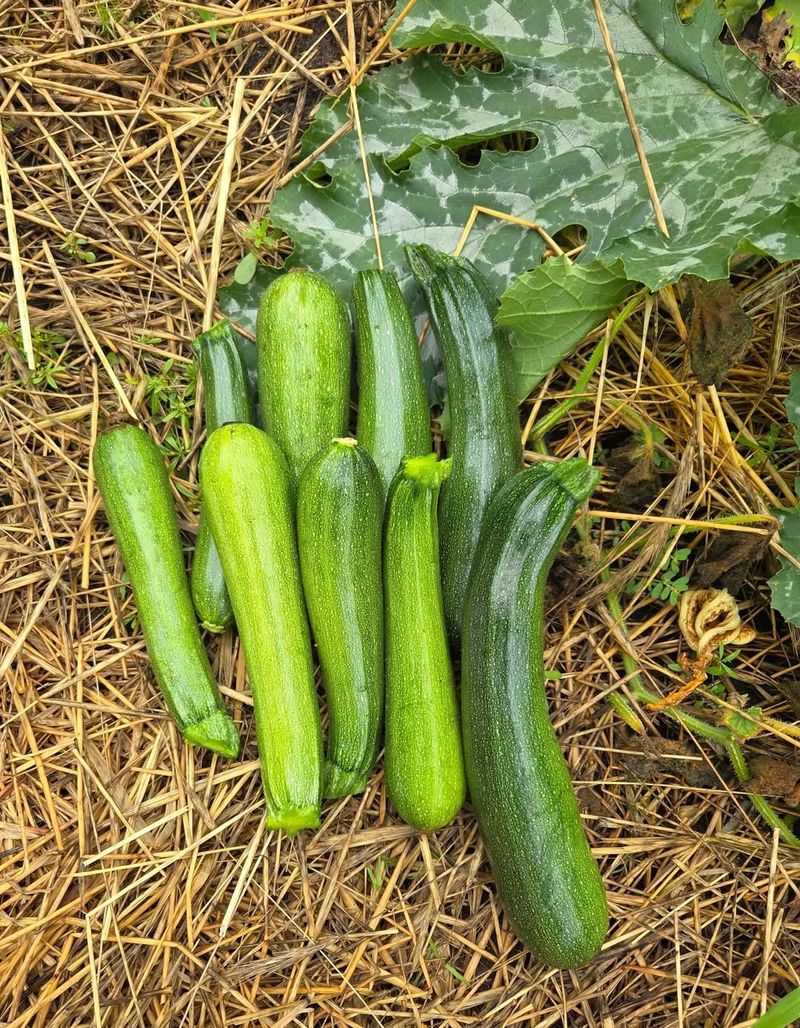
California summer was practically designed for zucchini. This heat-loving squash thrives in hot weather, producing so abundantly that you’ll be giving away extras to anyone who’ll take them.
Plant now, and you’ll be harvesting tender squash throughout summer and into fall.
Zucchini needs space, those compact-looking seedlings grow into sprawling plants with leaves the size of dinner plates. Give each plant at least three feet in all directions, and prepare the soil with plenty of compost.
Zucchini are heavy feeders that need rich soil to support their prolific production.
Plant seeds directly in small hills or mounds, which improve drainage and warm up faster than flat ground. Put three seeds per hill, then thin to the strongest seedling once they’re established.
Zucchini germinate quickly in warm soil, so you’ll see sprouts within a week.
The biggest mistake gardeners make is inconsistent watering, which causes blossom end rot and bitter fruit. Keep soil evenly moist, especially once plants start flowering and setting fruit.
Water deeply at the base of plants early in the day. Harvest zucchini when they’re six to eight inches long, waiting for enormous squash reduces overall production and gives you tough, seedy vegetables nobody wants to eat.
9. Cucumbers
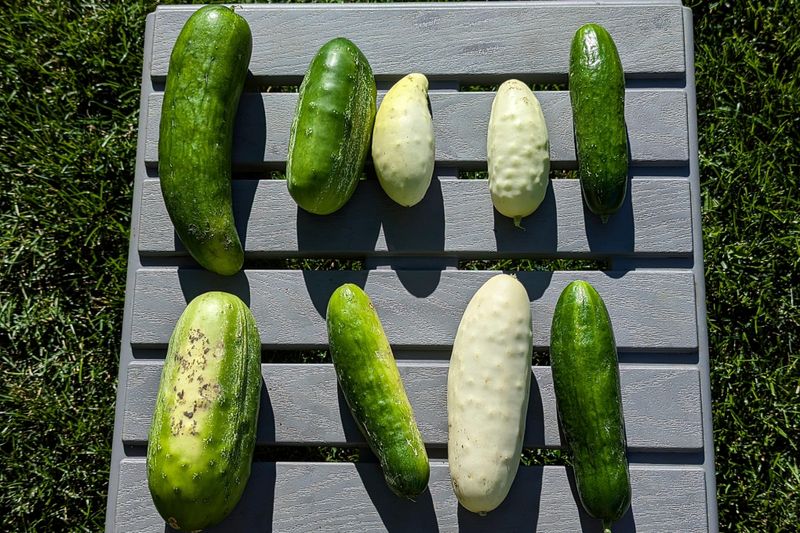
Nothing beats a crisp, cool cucumber on a hot California afternoon, and summer is prime time for growing them. These heat-loving vines produce abundantly when temperatures soar, giving you fresh cucumbers for salads, pickles, and snacking throughout the season.
Cucumbers grow two ways: bush varieties that stay compact and vining types that climb enthusiastically. For small spaces, choose bush types, but if you have room, vining cucumbers on a trellis produce more fruit and keep them clean and straight.
Either way, they need warm soil, full sun, and consistent moisture to thrive.
Plant seeds directly in the ground after all danger of frost has passed and soil is thoroughly warm. Like beans, cucumbers hate transplanting and cold soil.
Create small mounds enriched with compost, plant three to four seeds per mound, and thin to the two strongest seedlings.
The critical mistake is letting cucumber plants dry out, which causes bitter fruit and reduces production. Water deeply and regularly, keeping soil consistently moist but not waterlogged.
Mulch heavily around plants to conserve moisture and keep roots cool. Harvest cucumbers frequently when they’re still young and tender, leaving oversized fruits on the vine signals the plant to stop producing.
Pick regularly, water consistently, and you’ll have more cucumbers than you can handle.