Plant These 10 Vegetables Right Now For Success In Oregon Gardens
If you garden in Oregon, timing makes a big difference. Planting at the right moment often leads to stronger plants and better harvests.
And right now is one of the better windows to get started.
I’ve missed planting windows before, and it usually showed later in the season. Smaller harvests.
Slower growth. More frustration.
That’s why I pay close attention to what can go in the ground at this time of year.
Some vegetables actually prefer cooler weather. They grow faster in mild conditions, handle light frost better than warm-season crops, and set roots before summer heat arrives.
When planted now, they often require less maintenance later on.
These vegetables are well suited for current Oregon conditions. They’re reliable, beginner friendly, and commonly grown in local gardens.
A little effort now can lead to a much more rewarding season ahead.
1. Lettuce
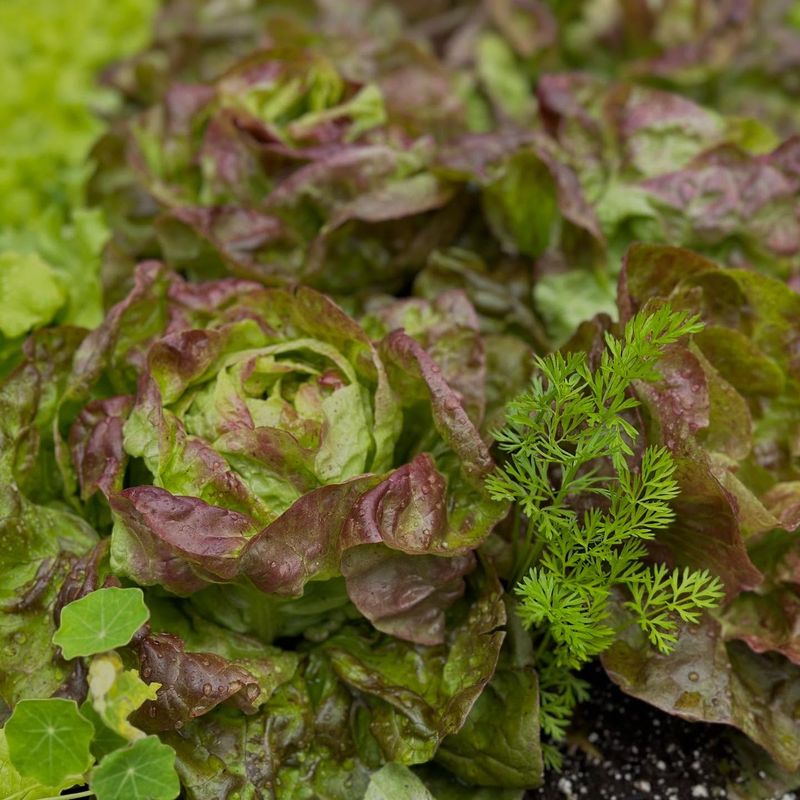
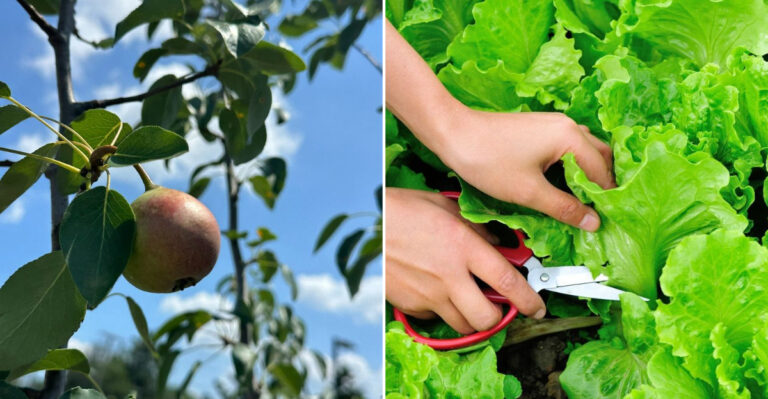
Cool mornings and damp garden beds often signal a good time to plant one of the easiest and most popular garden crops. Lettuce performs well in Oregon’s spring climate, growing best in temperatures between 45 and 65 degrees.
It tolerates light rain well and grows fast enough to provide fresh salads within a few weeks under good conditions.
Plant seeds about a quarter-inch deep in rows spaced 12 to 18 inches apart. You can also scatter seeds in a wide bed and thin them as they grow.
Lettuce prefers loose, well-draining soil with plenty of organic matter mixed in. If your garden has heavy clay, adding compost helps roots spread more easily and reduces waterlogging.
Light is important but doesn’t need to be intense. Lettuce grows well in partial shade, especially as days get longer and warmer.
Too much heat encourages bolting, where the plant sends up a flower stalk and becomes bitter. To reduce this risk, plant early and harvest leaves regularly.
Watch for slugs, which often target tender lettuce leaves in wet conditions. Hand-picking in the evening or using organic slug bait helps keep populations under control.
Succession planting every two weeks can provide a steady harvest through late spring and early summer.
2. Spinach
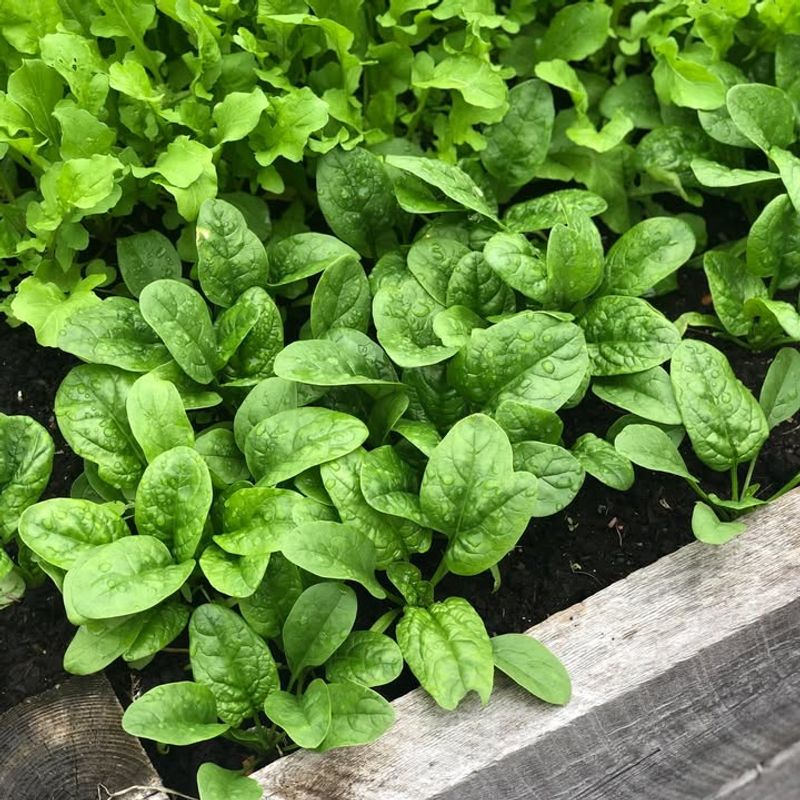
When garden soil still feels cool and frost is mostly behind you, spinach seeds are ready to sprout. This leafy green is among the more cold-tolerant vegetables, handling temperatures near freezing under mild conditions.
Oregon’s spring weather provides the cool, moist environment spinach prefers.
Sow seeds half an inch deep and space them about two inches apart in rows. Once seedlings emerge, thin them to four to six inches apart to allow full leaf development.
Spinach grows best in nitrogen-rich soil, so mixing compost or aged manure into the bed before planting supports strong growth.
Sunlight needs are moderate. Spinach tolerates full sun during cooler months but benefits from afternoon shade as temperatures rise.
Consistent moisture is important, so water regularly if rainfall decreases.
Harvest outer leaves when they reach usable size, allowing the center to continue producing. Spinach tends to bolt once warm weather arrives, so planting early helps extend the harvest window.
Aphids sometimes cluster on new growth, but a strong spray of water usually reduces infestations.
3. Kale
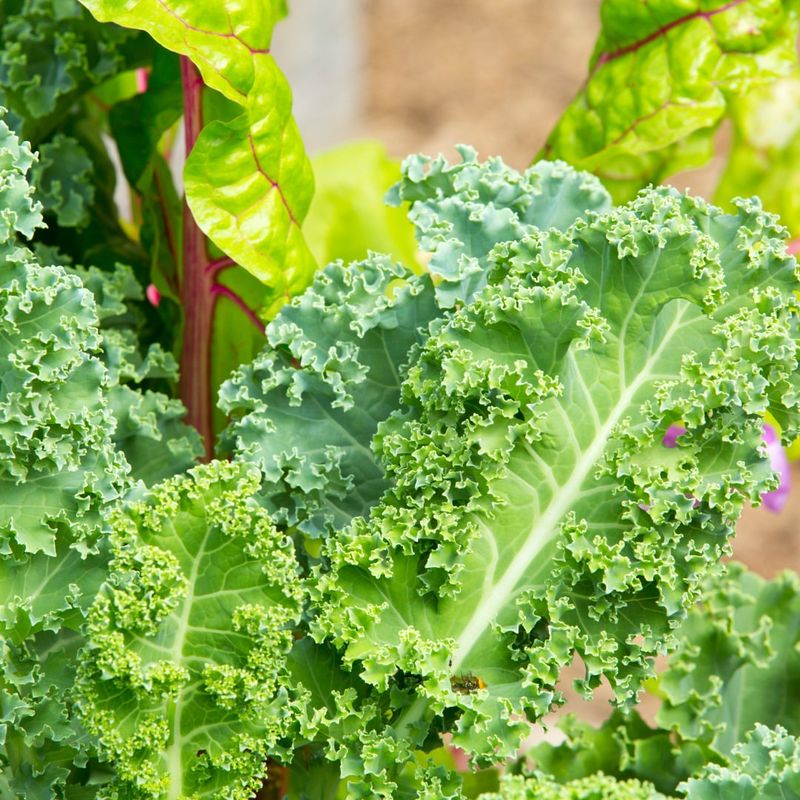
Few vegetables perform as reliably in Oregon gardens as kale. This leafy crop grows well in cool, wet conditions and often develops sweeter flavor after light frost exposure.
Planting now gives you tender leaves ready to harvest in about six to eight weeks, with plants continuing to produce into fall in many gardens.
Start seeds about half an inch deep and space them 12 to 18 inches apart. Kale needs room to grow, so avoid crowding plants.
It grows best in soil with good drainage and plenty of organic matter. If your garden contains heavy clay, compost improves structure and fertility.
Full sun is ideal, but kale tolerates partial shade better than many vegetables. Water consistently during dry spells to maintain leaf quality.
Mulching around plants helps retain moisture and suppress weeds.
Harvest outer leaves first, allowing the center to continue producing. This method extends harvest time significantly.
Cabbage worms and aphids can appear, but row covers and regular inspection help prevent serious damage. Kale also works well in crop rotation with legumes like peas and beans.
4. Radishes
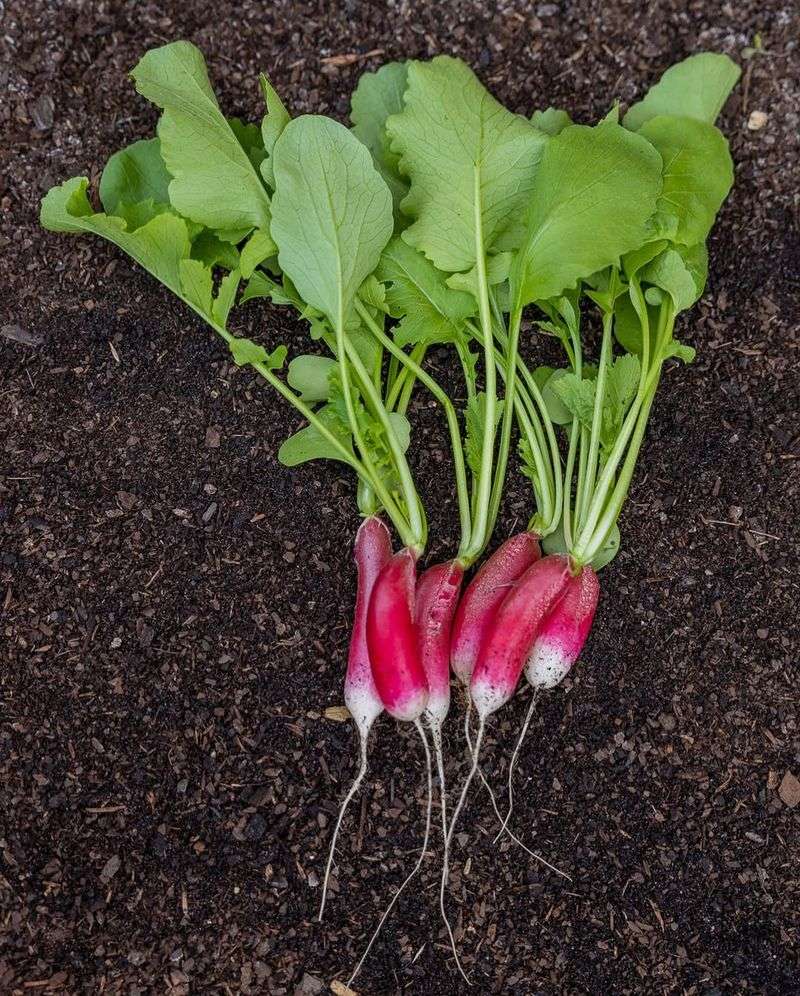
If you want quick results, radishes are an excellent choice. These fast-growing roots are often ready to harvest within three to four weeks, making them satisfying for gardeners eager to see progress.
Oregon’s cool spring temperatures help radishes stay crisp and mild instead of developing woody texture from heat stress.
Plant seeds half an inch deep and about an inch apart in rows spaced six to eight inches apart. Thin seedlings to two inches apart once sprouted.
Radishes prefer loose, rock-free soil to prevent misshapen roots.
Full sun is ideal, though light shade is tolerated. Keep soil consistently moist to support even growth.
Dry conditions can make radishes spicy or tough, so watering regularly is important when rain decreases.
Harvest promptly once roots reach usable size. Leaving them in the ground too long often reduces quality.
Succession planting every one to two weeks provides continuous harvests through spring.
5. Carrots
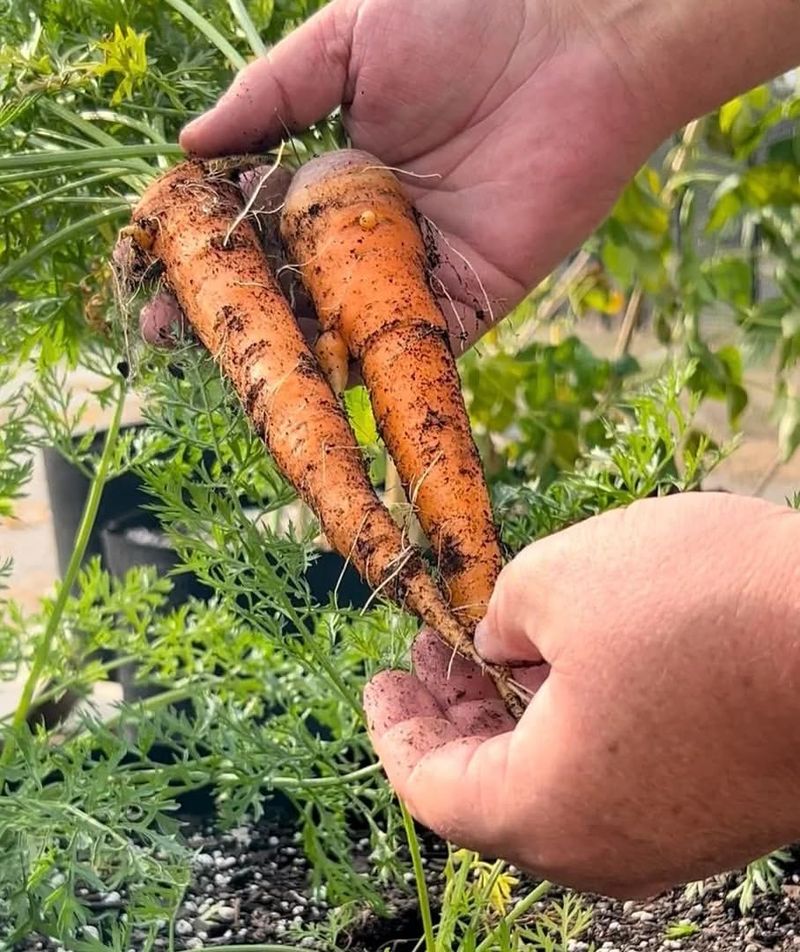
Pulling carrots from cool spring soil is rewarding, and Oregon’s climate supports strong root development. Carrots grow best in mild temperatures and develop sweeter flavor with steady, slow growth.
Planting now allows a long growing window before summer heat becomes intense.
Sow seeds about a quarter-inch deep in rows spaced 12 to 18 inches apart. Mixing seeds with sand improves spacing.
Thin seedlings to two to three inches apart once established.
Carrots need deep, loose soil without rocks. Compost and sand improve heavy clay conditions and reduce root deformation.
Full sun works best, though light shade is acceptable.
Keep soil moist during germination, which can take up to two weeks. Mulch helps maintain moisture and moderate soil temperature.
Harvest when roots reach desired size, usually within 60 to 80 days. Monitoring regularly helps prevent pest issues such as carrot rust fly in affected areas.
6. Beets
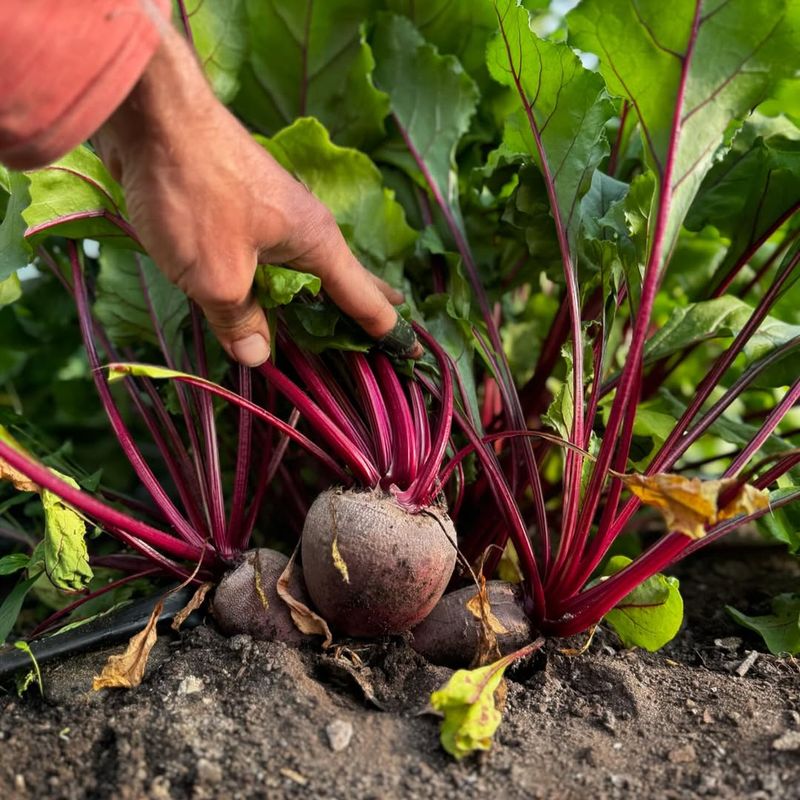
Beets provide two harvests in one plant: roots and greens. Both grow well in Oregon’s cool spring climate.
They perform best when temperatures stay between 50 and 65 degrees and tolerate light frost during early growth stages.
Plant seeds half an inch deep and two inches apart. Thin seedlings to three to four inches apart and use young greens as salad additions.
Beets prefer well-draining soil rich in organic matter. Full sun is ideal, though partial shade is tolerated.
Water consistently to promote smooth root development.
Harvest roots when they reach two to three inches wide for best texture. Larger roots can become fibrous.
Leaf miners may appear on foliage, so removing affected leaves helps reduce spread.
7. Peas
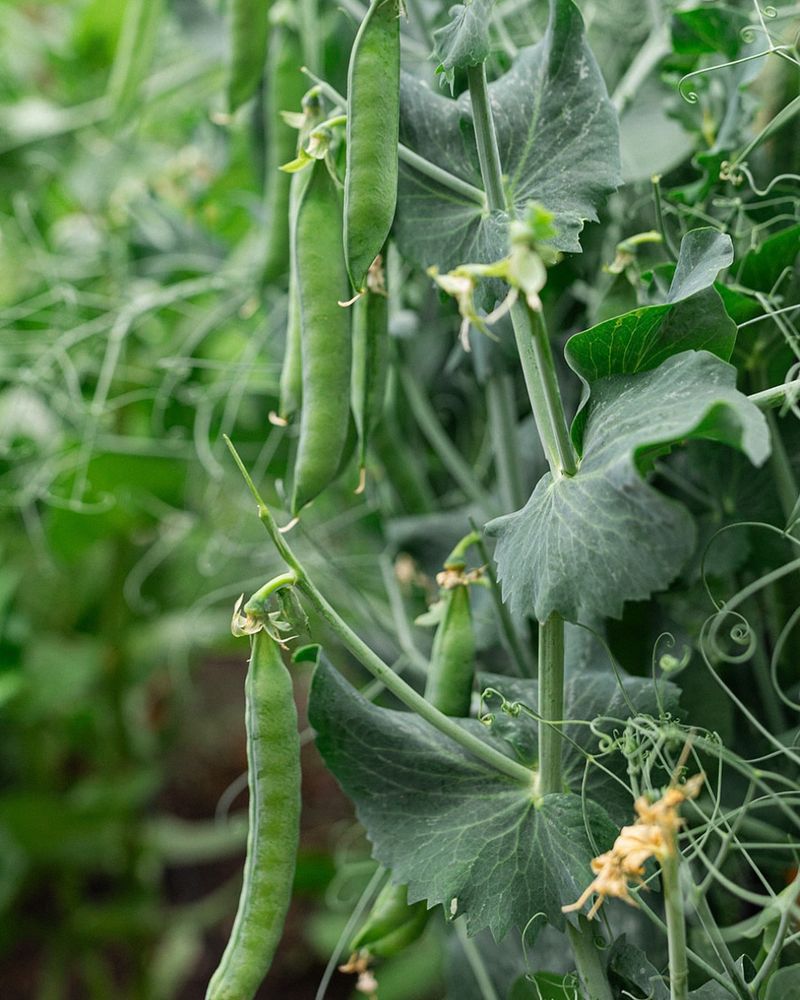
Once garden soil becomes workable in early spring, peas are ready to plant. They thrive in Oregon’s mild, moist spring weather and tolerate light frosts without major damage, making them one of the earliest crops you can safely put in the ground.
Planting peas early gives them time to establish strong roots and produce heavily before summer heat arrives.
When temperatures rise too quickly, pea plants tend to slow down or stop producing altogether, so early planting makes a noticeable difference in overall yield.
Sow seeds about one inch deep and two inches apart along a trellis, fence, or support structure. Peas climb naturally and benefit from vertical space, which improves airflow and makes harvesting easier later on.
Space rows about 18 to 24 inches apart to prevent crowding.
Peas prefer well-draining soil enriched with compost, but they don’t require heavy fertilization since they naturally fix nitrogen into the soil. This also benefits crops planted after peas in rotation.
Full sun produces the strongest growth, though peas tolerate light shade, especially in warmer parts of Oregon. Keep soil evenly moist during flowering and pod development to avoid tough or poorly filled pods.
Mulching helps regulate soil temperature, reduce weeds, and conserve moisture.
Harvest peas frequently once pods begin filling out. Regular picking encourages plants to continue producing instead of slowing down.
Good spacing and airflow also help reduce powdery mildew, which can appear during humid spring weather.
8. Broccoli
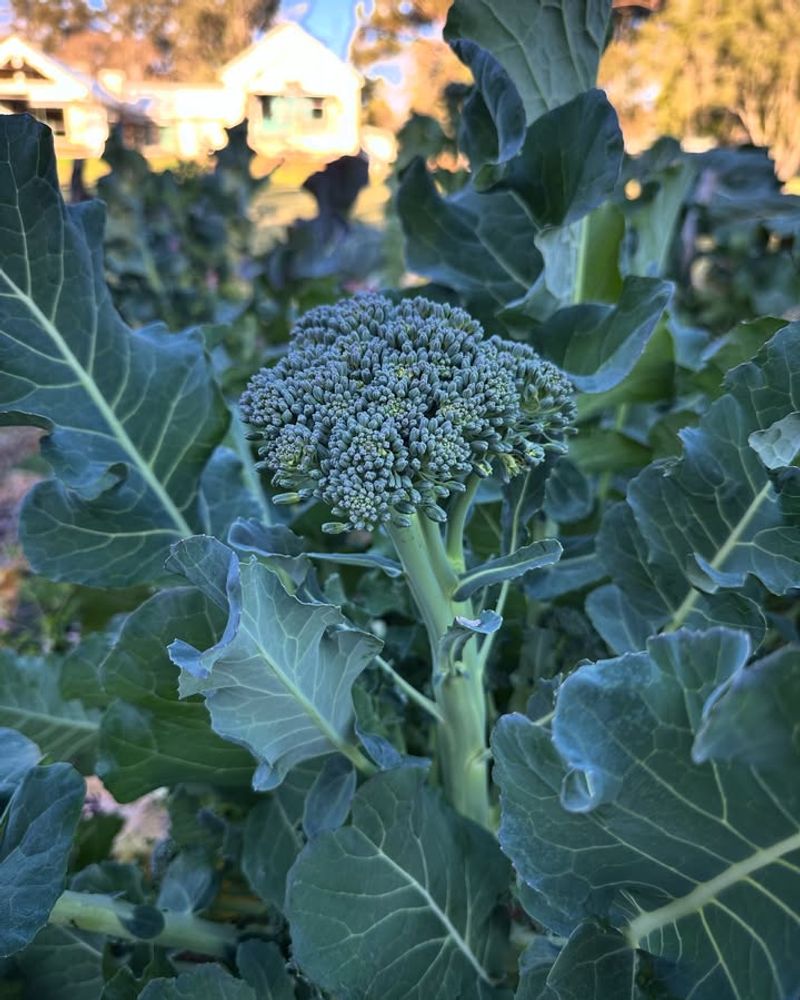
Broccoli responds especially well to early planting. This cool-season vegetable thrives in Oregon’s spring climate and produces large, flavorful heads when grown under moderate temperatures.
Planting now allows broccoli to mature before hot weather arrives, which can cause plants to bolt or produce loose, bitter heads. Early planting also encourages steady growth and stronger root development.
If starting from seed indoors, plant seeds about six to eight weeks before your last frost date. Transplant seedlings outdoors once they develop several true leaves and nighttime temperatures stabilize.
Space plants 18 to 24 inches apart in rows spaced about three feet apart. Broccoli needs plenty of room to spread out and form full heads.
Broccoli prefers rich soil with plenty of organic matter. Mixing compost or aged manure into the planting bed improves nutrient availability and drainage.
Since broccoli is a heavy feeder, applying organic fertilizer at planting time and again mid-season supports continued growth.
Full sun produces the best results. Consistent moisture is important, especially as heads begin forming.
Uneven watering can lead to stressed plants and smaller harvests.
Harvest the main head while it is tight and firm. After cutting the main head, side shoots usually continue producing smaller florets for several weeks, extending your harvest window.
Cabbage worms and aphids are common pests. Using row covers early and checking plants regularly helps prevent major infestations.
9. Chard
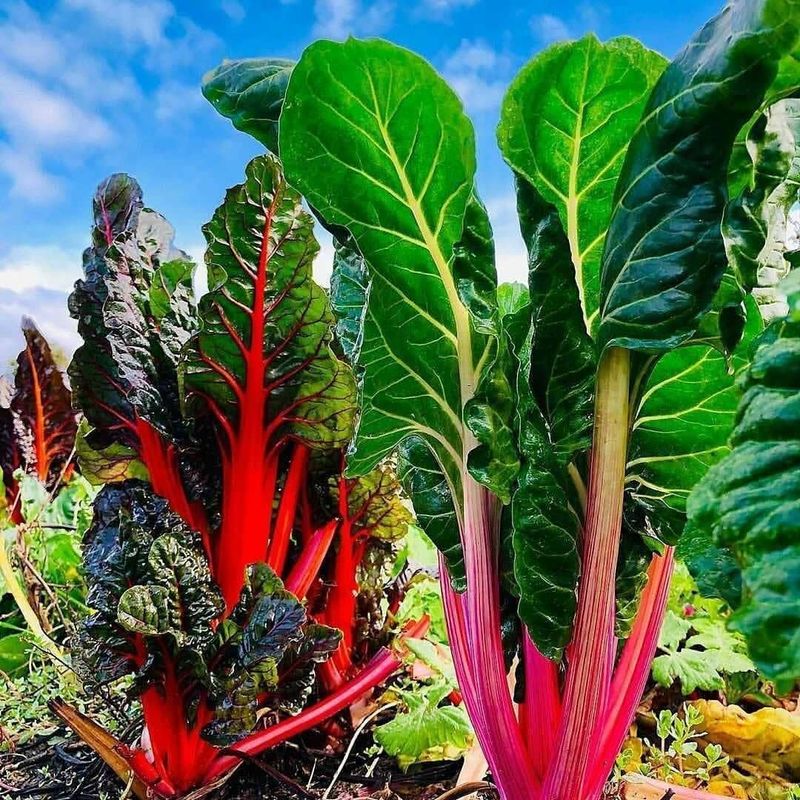
Bright, colorful stems and glossy green leaves make chard both productive and visually appealing in Oregon gardens.
This leafy green grows well in cool spring weather and often continues producing well into summer and fall when properly maintained.
Chard adapts to a wide range of soil types and tolerates variable weather conditions, making it a dependable option for gardeners with less-than-perfect soil. It also handles cooler temperatures better than many warm-season greens.
Plant seeds about half an inch deep and space four to six inches apart in rows spaced 12 to 18 inches apart. Because chard seeds are clusters, thinning is important once seedlings emerge.
Use thinnings in salads or sautés rather than discarding them.
Chard grows best in full sun but tolerates partial shade, especially during warmer months. It prefers soil rich in organic matter, but remains productive even in average garden soil with regular watering.
Water consistently to keep leaves tender and prevent bitterness. Uneven moisture can lead to tough or stressed leaves.
Mulching around plants helps conserve moisture and suppress weeds.
Harvest outer leaves first, allowing the center of the plant to continue producing. This cut-and-come-again method provides steady harvests over many months.
Leaf miners can tunnel through foliage, but removing damaged leaves and using row covers early in the season helps reduce problems.
10. Green Onions
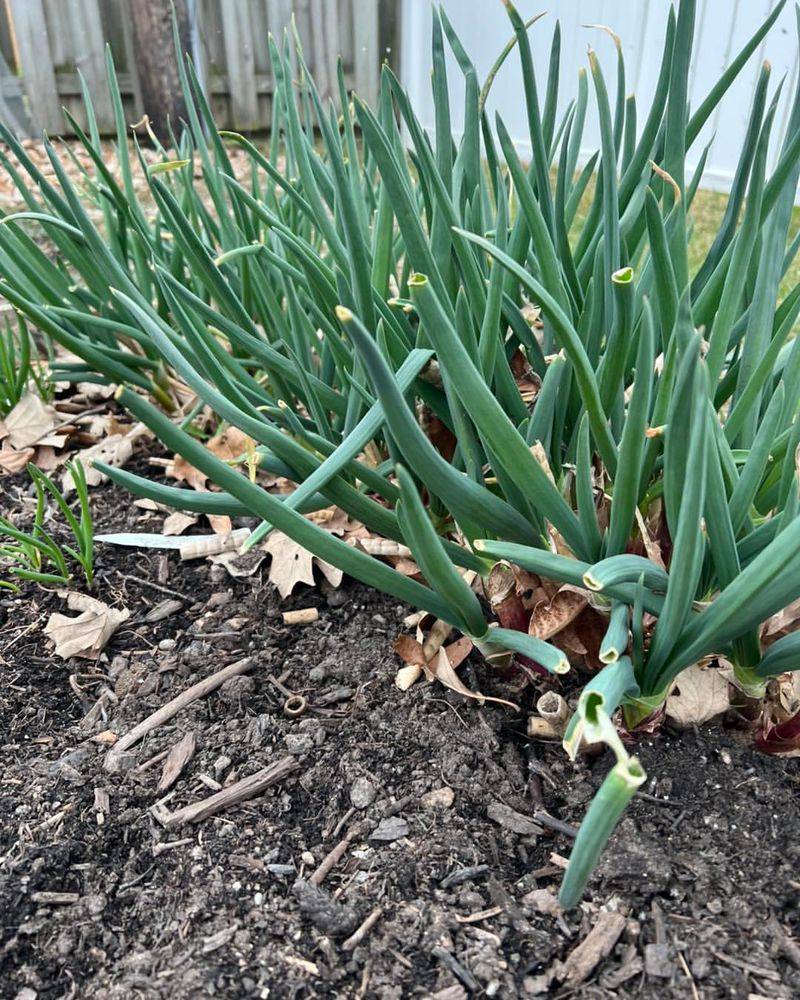
Many Oregon gardens benefit from growing green onions. They take up very little space, grow quickly, and provide fresh flavor for cooking throughout the growing season.
They also work well in small gardens, raised beds, and containers.
Green onions thrive in cool spring weather and can be planted from seeds or sets. Under good conditions, harvest usually begins within six to eight weeks, making them one of the faster crops to mature.
Plant seeds about a quarter-inch deep and one inch apart in rows spaced six to eight inches apart. If using sets, gently press them into the soil so the root end sits just below the surface.
Green onions prefer loose, well-draining soil enriched with organic matter. They grow best in full sun but tolerate partial shade, especially during warmer periods.
Because green onions have shallow roots, consistent watering is important. Allowing soil to dry out completely can slow growth and reduce flavor quality.
Mulching helps retain moisture and keeps weeds under control.
Light fertilization with a balanced organic fertilizer midway through the growing season supports steady leaf production.
Harvest when tops reach six to eight inches tall. You can pull entire plants or cut them at soil level to allow regrowth for additional harvests.
Green onions experience relatively few pest and disease problems in most Oregon gardens, making them one of the more dependable and low-maintenance vegetables to grow.