5 Plants Arizona Gardeners Should Trim In March And 4 To Skip
Pruning season can feel confusing in Arizona gardens, especially once plants begin pushing fresh growth in early spring.
It is easy to assume everything needs a trim after winter, but cutting at the wrong time can sometimes remove flower buds or slow a plant’s growth just as the season is getting started.
Some plants actually benefit from a careful trim in March. Removing old or damaged growth helps them grow stronger, look tidier, and handle the warmer months ahead.
Others, however, are already preparing their spring blooms and should be left alone for now.
Knowing which plants welcome a March trim and which ones need a little patience can make a real difference in how healthy and vibrant an Arizona garden looks as the growing season moves forward.
1. Lantana Benefits From A Hard Spring Cutback
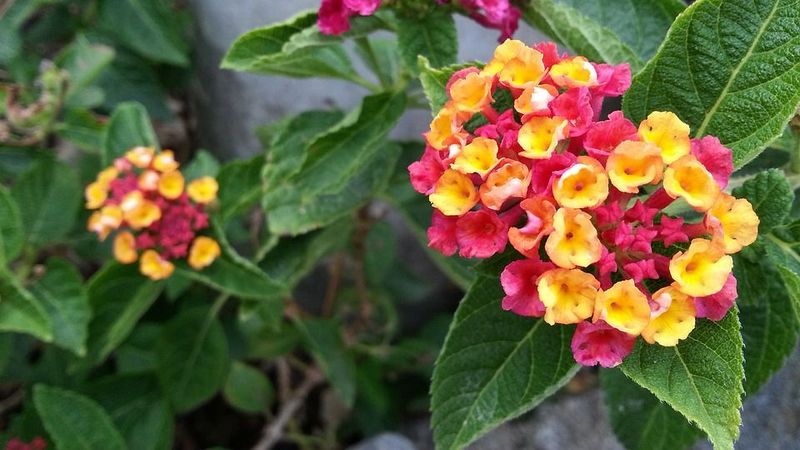
Lantana looks rough by late winter, and that’s your cue to act. By March in Arizona, most lantana has turned into a woody, tangled mess of old stems with little life showing at the surface.
Cutting it hard, down to about six to twelve inches from the ground, is exactly what it needs to come back full and strong.
Skip the hesitation here. Lantana is tough and bounces back fast once the warm weather locks in.
A hard cutback removes all that dry and weakened growth and gives new green shoots the room and energy to push through without competition.
Use a sharp pair of loppers or pruning shears and cut cleanly above a node if you can spot one. Don’t worry too much about perfection since the plant will figure it out.
Leaving old growth in place tends to produce weak, spindly stems that never quite fill in the way you want.
Arizona’s heat arrives quickly after March, so getting this done early gives lantana the best possible head start before temperatures climb into the 90s and beyond.
Within a few weeks, fresh green shoots usually start pushing up from the base as the soil warms. By late spring, that hard cutback often turns into a dense mound covered with bright blooms that handle Arizona’s heat with ease.
2. Roses Respond Well To Early Spring Pruning
Roses in Arizona don’t follow the same rules as roses in colder climates. Up north, gardeners wait until forsythia blooms to signal pruning time.
Here in Arizona, February through mid-March is your window, and if you wait too long, you’ll miss it.
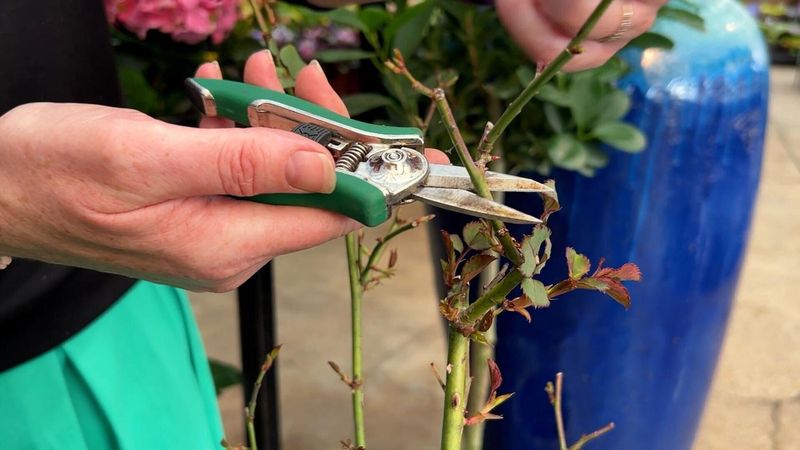
Cut hybrid tea and grandiflora roses back by about one-third to one-half of their height. Remove any canes that cross through the center of the plant, any that look shriveled or discolored, and anything thinner than a pencil.
Angling your cuts at about 45 degrees just above an outward-facing bud gives you the best shape going forward.
Climbing roses are a different story and generally need less aggressive pruning. After pruning any rose, clean up all fallen leaves and debris around the base since that material can harbor fungal issues.
Arizona’s dry air helps, but good cleanup habits help even more. Feed your roses right after pruning with a balanced fertilizer and water them in well to kick off the growing season strong.
New growth usually begins appearing within a couple of weeks as temperatures start warming across Arizona. Those fresh canes quickly lead to the first strong flush of spring blooms before the intense summer heat arrives.
3. Ornamental Grasses Should Be Cut Back Before New Growth
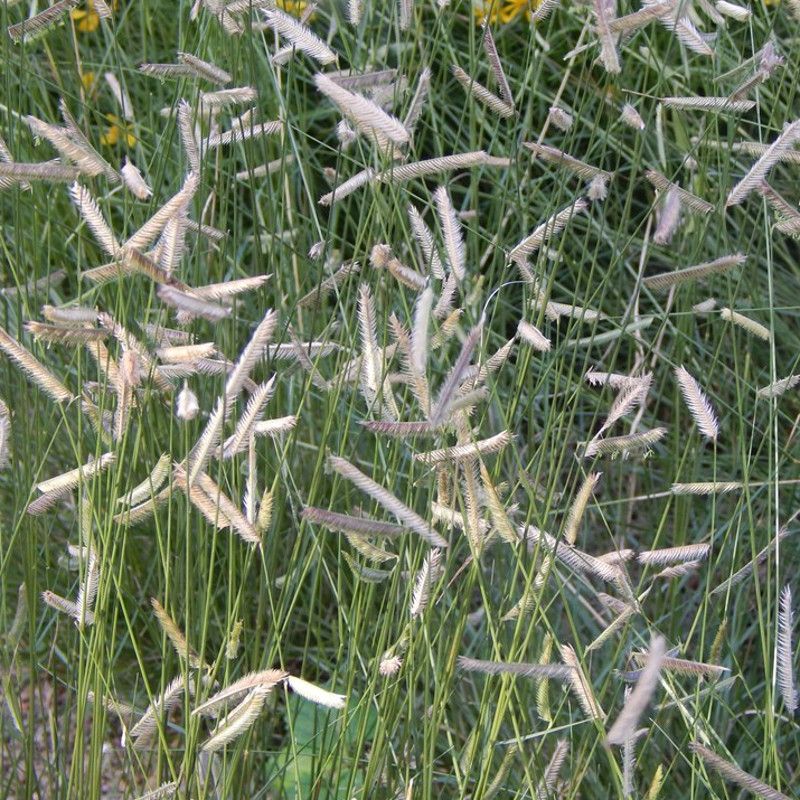
Old ornamental grass looks like a bad haircut that never got fixed. By March in Arizona, those tan, floppy blades from last season are doing nothing for the plant or your yard.
Cutting them back before new growth pushes through is one of the most satisfying tasks you can do in the garden this time of year.
Tie the clump together with a bungee cord or rope before you cut. It makes the job much cleaner and keeps all that dry material from scattering across your yard.
Cut the whole clump down to about four to six inches from the ground using loppers or even a reciprocating saw for larger varieties.
Timing matters here more than most people realize. Once new green shoots start emerging from the center of the clump, cutting becomes trickier because you risk removing the fresh growth along with the old.
Get out there in early to mid-March before that happens. Deer grass and blue grama are common in Arizona landscapes and both benefit from this annual reset.
Cutting back the old growth clears the way for fresh green blades to emerge in spring. After pruning, a light layer of compost around the base can help support healthy new growth as temperatures begin to warm.
4. Summer Blooming Shrubs Grow Better After Early Spring Pruning
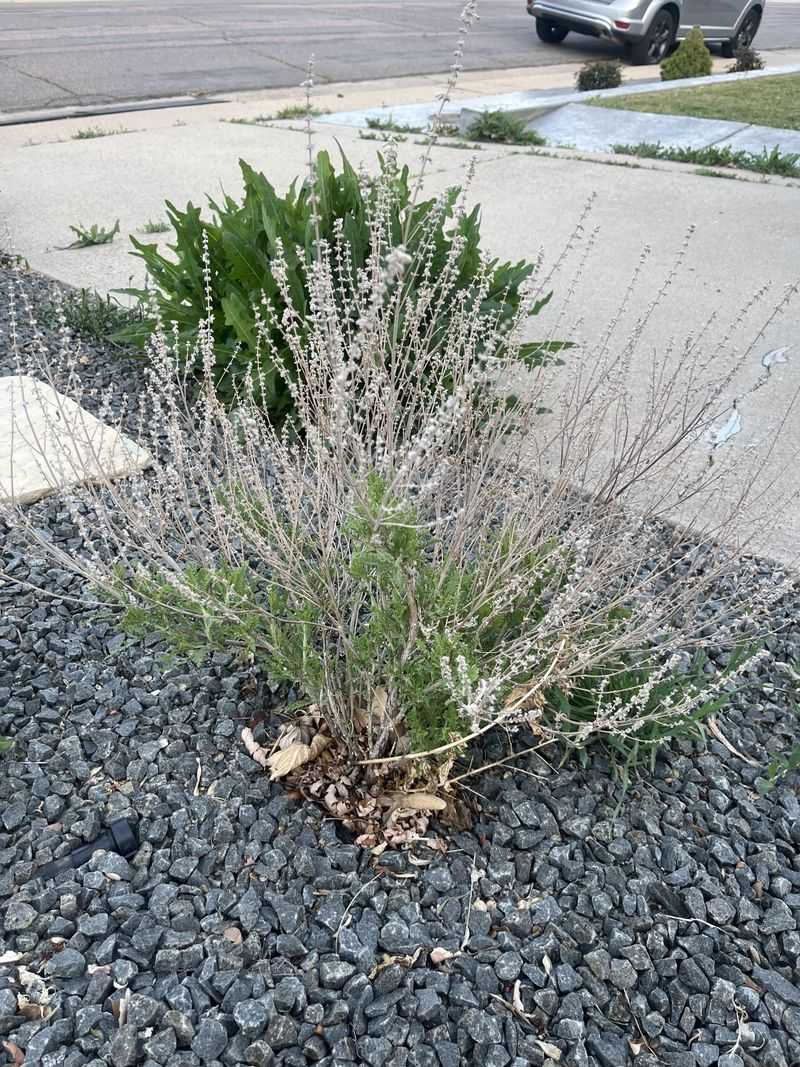
Shrubs that bloom in summer set their flower buds on new wood, meaning growth that hasn’t happened yet.
Pruning them now in March removes old, tired stems and forces the plant to push out fresh growth, which is exactly where those summer blooms will come from.
Russian sage, Texas sage, and yellow bells are classic examples. In Arizona, these plants can look pretty rough after winter even without hard freezes.
Cut them back by about one-third and remove any stems that are dry, crossing, or just generally cluttering up the plant’s structure.
Don’t be shy about it. Gardeners in Arizona sometimes hesitate because the plants still look alive, but hesitating usually means smaller, less impressive blooms later in the season.
A clean, purposeful pruning in March sets the plant up for a much better summer performance.
After cutting, water the shrubs deeply and consider working in a slow-release fertilizer around the base to support the growth surge that follows.
By May or June, you’ll see the payoff with fuller, more vigorous plants loaded with blooms instead of a sparse, leggy mess that barely flowers.
The warmer temperatures in Arizona push these shrubs to grow quickly once pruning is done.
Fresh shoots fill in fast, creating a fuller shape that supports stronger, more abundant blooms as summer arrives.
5. Autumn Sage Stays Fuller With A Light Spring Trim
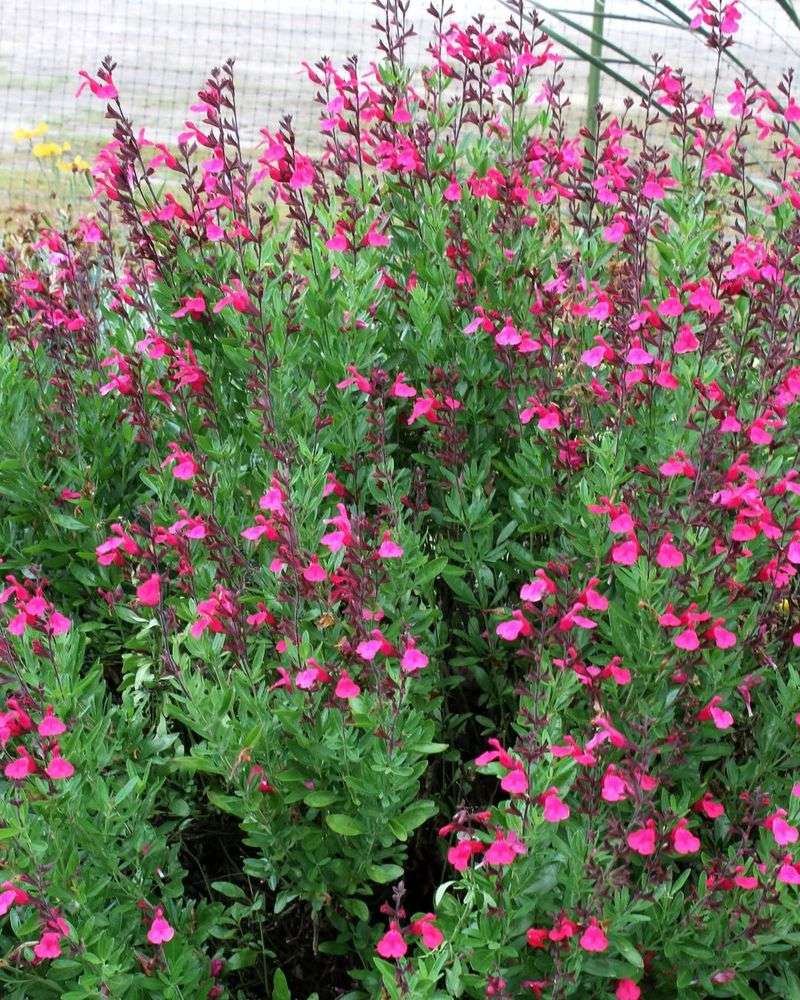
Autumn sage is one of those plants that rewards you for paying attention to it. Left alone year after year, it gets woody at the base, opens up in the center, and starts to look more like a tangle than a shrub.
A light trim in March keeps it compact and productive.
You don’t need to go heavy-handed here. Cutting back about one-third of the overall growth is usually enough.
Focus on removing the oldest, woodiest stems at the base and trimming back any branches that are crossing or growing outward in an awkward direction. Shaping it into a tighter mound while you’re at it pays off through the rest of the year.
Autumn sage blooms from spring all the way through fall in Arizona, which is part of why it’s so popular in Tucson and Phoenix landscapes.
Keeping it trimmed and tidy encourages more of those bright red tubular flowers instead of letting the plant put energy into maintaining old woody growth.
After trimming, give it a good deep watering and let it dry out before watering again. It handles Arizona’s heat well but appreciates a little attention at the start of the season.
6. Citrus Trees Face Damage When Pruned Too Early
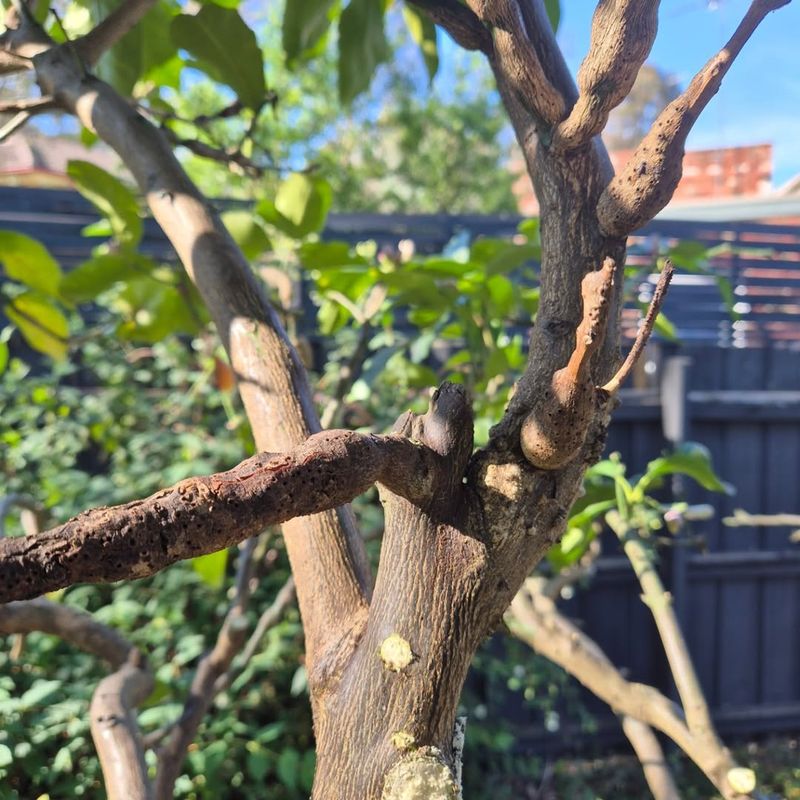
Citrus trees are one of the most common backyard plants across Arizona, and one of the most commonly over-pruned. March feels like the right time to grab the loppers and start shaping things up, but for citrus, that instinct can cause real problems.
Pruning citrus in early spring stimulates a flush of tender new growth right when late frost events are still possible in many parts of Arizona, especially in higher elevation areas like Prescott or Flagstaff.
That soft new growth is highly vulnerable to cold snaps, and a late frost in March or early April can set the tree back significantly.
Hold off on any significant citrus pruning until the frost risk has genuinely passed, which in most of Arizona means waiting until late April or May.
If you have dry or crossing branches that are clearly causing issues, you can remove those carefully, but save any structural shaping or size reduction for warmer months.
The trees are also still finishing up their fruit cycle in March, so the timing just doesn’t line up well for aggressive work. Patience here pays off with healthier trees and better fruit production down the road.
7. Spring Blooming Shrubs Lose Flowers If Cut Too Soon
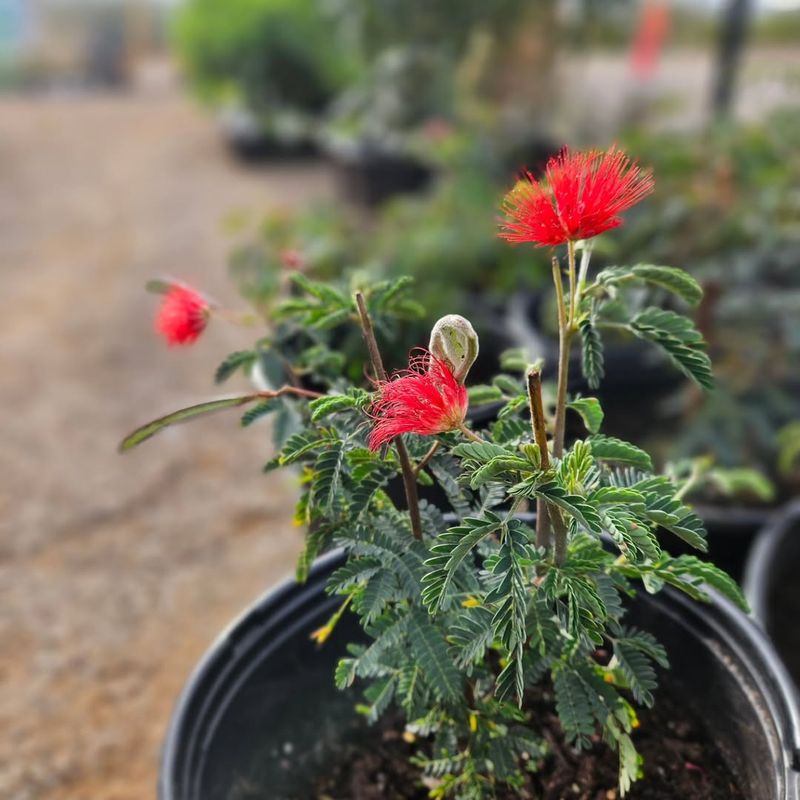
Cutting a spring blooming shrub in March is like canceling a party you already sent invitations for. Those flower buds were set last fall, and they’re sitting on the old wood right now, ready to open.
Prune now and you remove everything before it gets a chance to bloom.
Shrubs like fairy duster, chuparosa, and emu bush fall into this category. In Arizona, many of these can begin blooming in late winter or early spring depending on the weather and location.
If they’re already flowering, absolutely do not prune. If buds are forming but haven’t opened yet, leave the plant alone and wait until the bloom period finishes.
The right time to trim these plants is right after they finish flowering, usually by late March or April depending on the variety and the year. That window gives the shrub time to set new buds for next spring before summer heat arrives.
Pruning at that point also allows you to shape the plant while you can still see its natural structure clearly.
Arizona gardeners sometimes get impatient in spring because the season moves fast, but with spring bloomers, a few extra weeks of waiting makes all the difference between a spectacular display and a shrub full of bare stems.
8. Bougainvillea Needs Time To Recover From Frost Damage
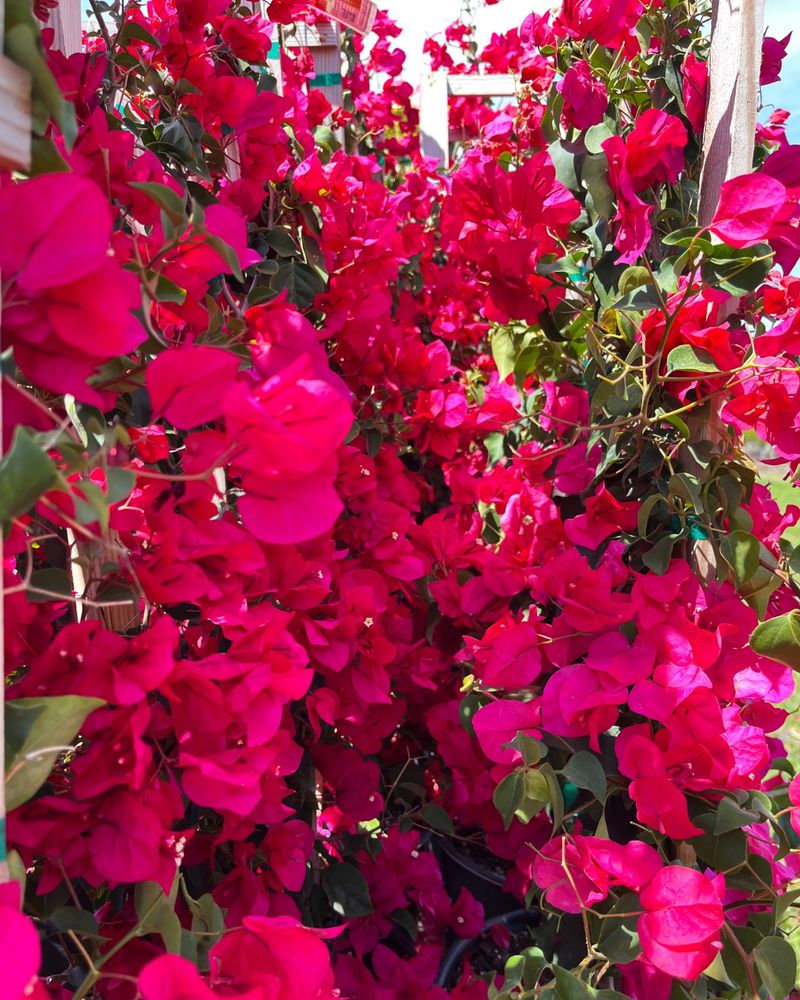
Few plants in Arizona get more confusing treatment than bougainvillea after a cold winter. Homeowners see all that brown, dried-out growth and immediately want to cut it off.
The urge makes sense, but acting too fast is a mistake you’ll regret by summer.
Bougainvillea holds onto frost-damaged stems for a reason. That dry outer growth actually acts as a buffer, protecting the living wood underneath from any additional cold that might still arrive in late February or early March.
Cut it too soon and you expose healthy tissue right when a late frost could still hit parts of the Phoenix metro area or southern Arizona valleys.
Wait until mid to late March at the earliest, and ideally until you see consistent new green growth emerging from the stems. At that point you can assess what’s truly gone and what’s coming back.
Cut back to just above where you see live growth, and don’t rush the process. Bougainvillea is a strong plant and often surprises people with how much comes back after a cold winter.
Giving it time before making cuts means you won’t accidentally remove stems that were on the verge of leafing back out.
9. Desert Willow Should Avoid Heavy Pruning In Early Spring
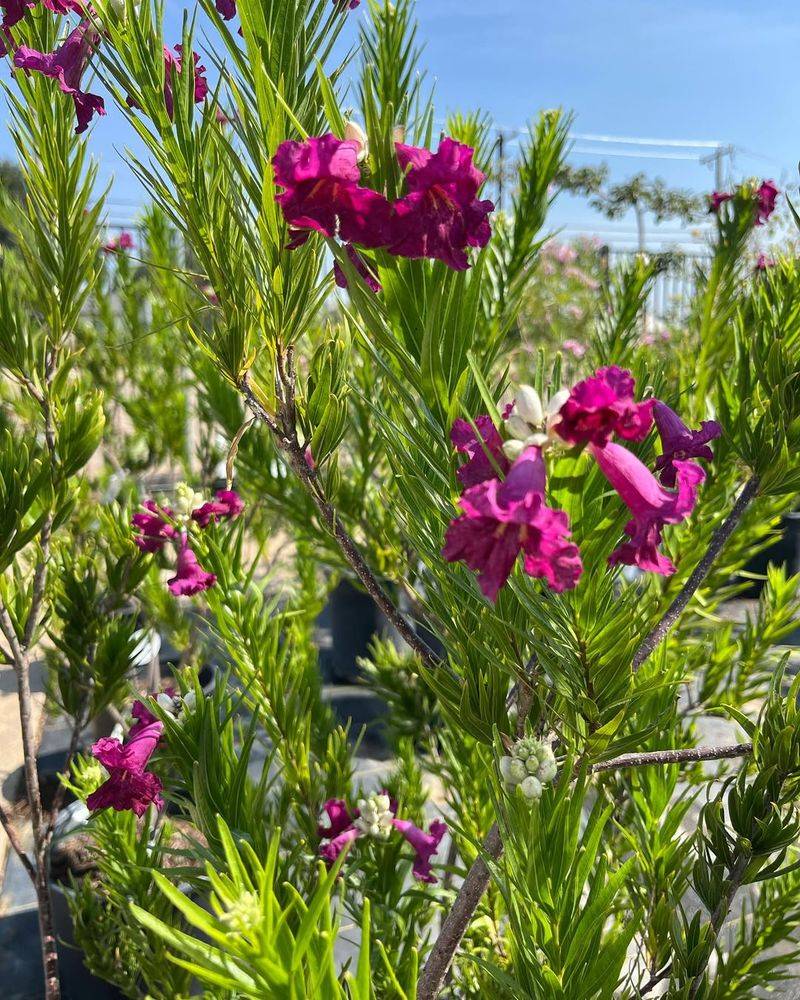
Desert willow produces trumpet-shaped blooms from late spring through summer, but heavy pruning in early spring can reduce flowering. In March, many desert willows are just beginning to wake up and prepare for their growing season.
Cutting branches at this stage can remove developing growth that would soon produce flowers. Instead of rushing to prune, give the tree time to leaf out and show where healthy growth is forming.
In many Arizona gardens, the better time to prune desert willow is after the first flush of growth or once flowering slows later in the season.
At that point, it becomes much easier to see the tree’s structure and remove any dry, damaged, or crossing branches.
If the tree has winter damage, you can remove clearly dry wood, but avoid major shaping in March. Waiting a little longer helps the tree keep its natural form and ensures the coming bloom season is not accidentally reduced.
With patience, desert willow rewards Arizona gardeners with months of color and a graceful canopy that attracts hummingbirds and pollinators throughout the warmer months.