8 Plants California Gardeners Can Grow To Attract Dragonflies
Many gardeners reach a point where the plants themselves are only part of the joy. After years of tending beds, watering containers, and watching seasons change, the garden begins to feel like a small world of its own.
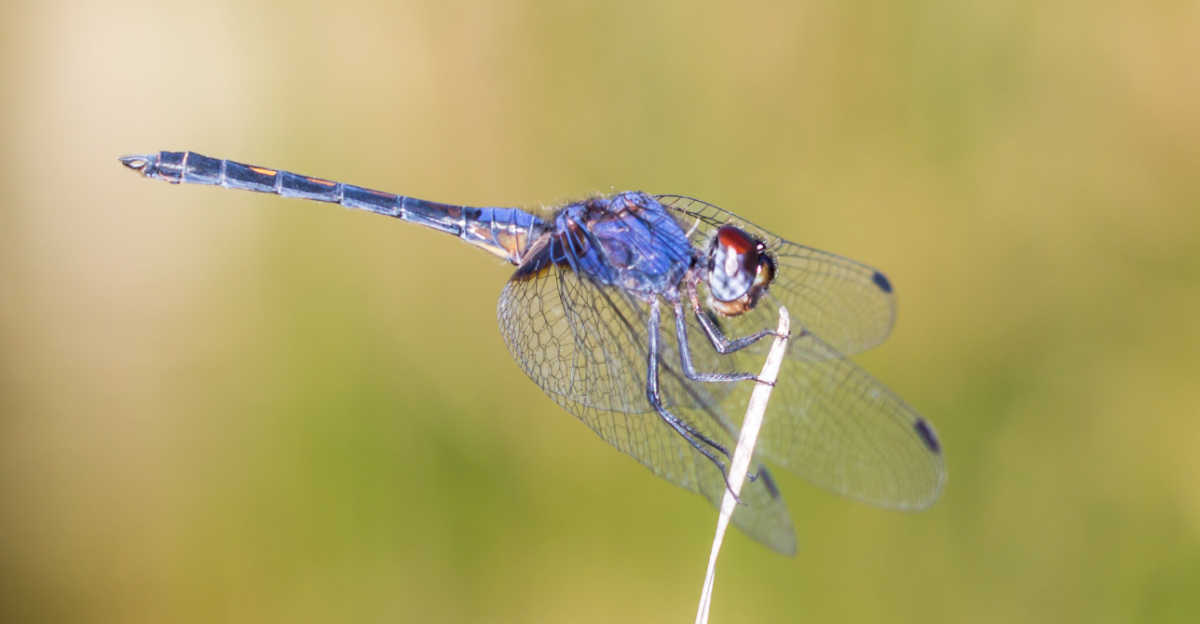
Bees drift through the flowers, butterflies pause on bright blooms, and every once in a while a dragonfly sweeps across the yard like a tiny helicopter on patrol.
In California gardens, dragonflies often appear when the space provides what they need. They hunt small insects and are drawn to areas where pollinators gather, especially where moisture or water is nearby.
The right mix of flowers, native plants, and leafy shelter can quietly turn an ordinary garden into a place they return to again and again.
Some plants seem to invite dragonflies more than others. Once those plants are in the ground, the garden begins to change in small but noticeable ways.
1. Pickerelweed And Its Bold Purple Flower Spikes
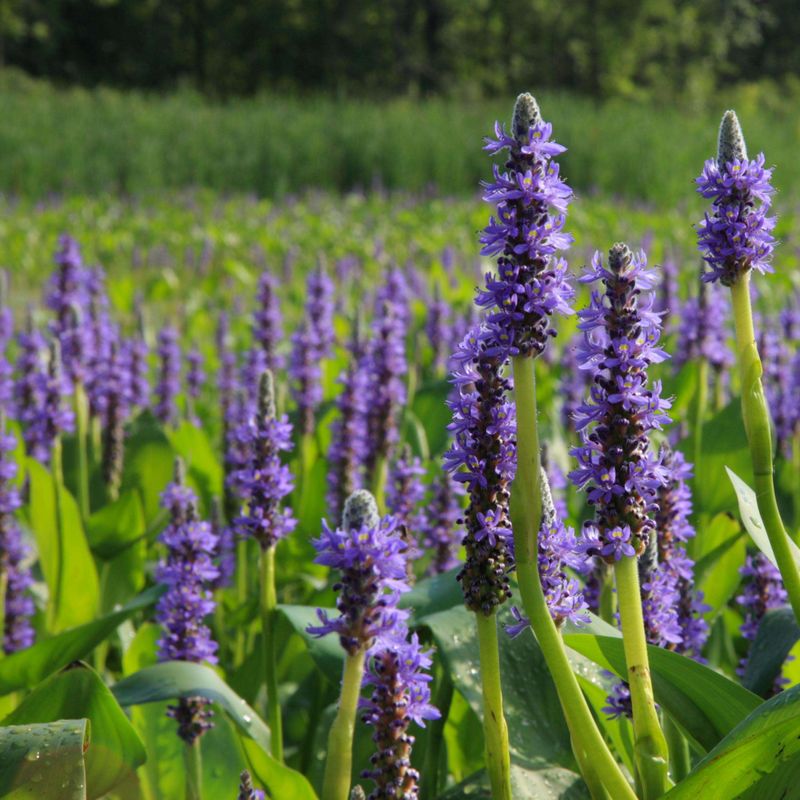
Few water plants are as visually striking as Pickerelweed, and its structure near water often provides useful perching spots for dragonflies. With its bold purple-blue flower spikes rising above heart-shaped leaves, this aquatic plant is a standout in any California water garden.
Dragonflies are drawn to it for both its structure and its location near the water, which is where they prefer to hunt, rest, and reproduce. Its blooms also attract bees, and the plant can form clumps that help soften pond edges with a natural look.
Pickerelweed grows best in shallow water, making it a perfect fit for pond edges, rain gardens, or large container water features. In California, it thrives in full sun and can handle the warm summers that many parts of the state experience.
The tall flower stems give dragonflies a great perching spot, and the dense leaves near the waterline offer shelter for dragonfly larvae.
Planting Pickerelweed is simple. Place it in a mesh aquatic planting basket filled with heavy garden soil or clay, then set it in water no deeper than about 12 inches.
It spreads slowly over time, creating a fuller habitat. Bees and butterflies also visit the blooms, so your garden becomes a buzzing, fluttering ecosystem.
For California gardeners looking to build a healthy water garden, Pickerelweed is an excellent starting point.
2. Arrowhead With Its Classic Arrow-Shaped Leaves
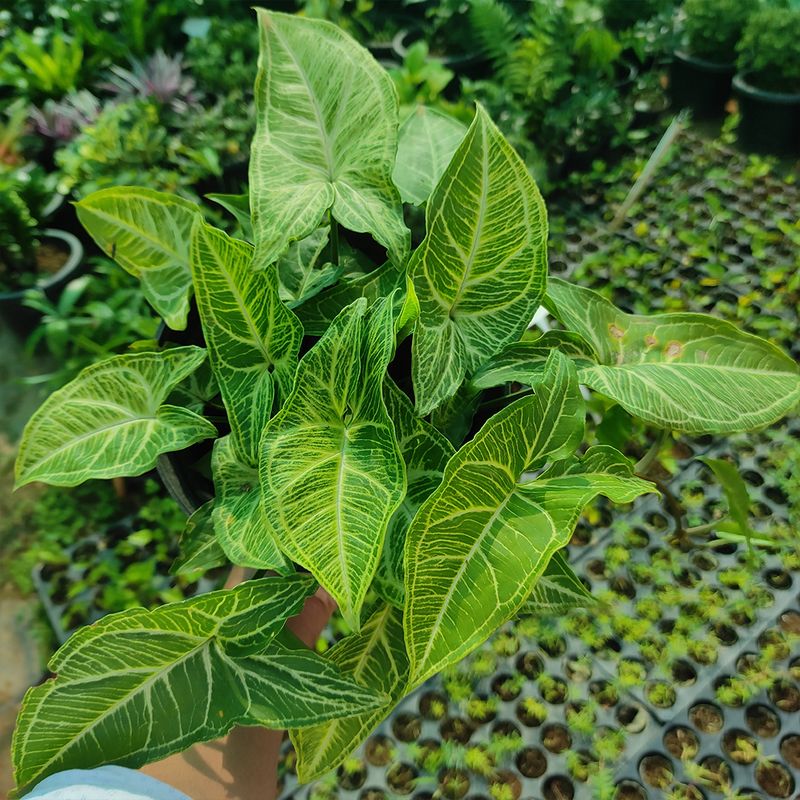
Named for its unmistakable arrow-shaped leaves, Arrowhead is an aquatic plant often used by California gardeners to beautify ponds and water features. Beyond its good looks, it plays a real role in supporting dragonfly populations.
The broad leaves sit close to the water surface, giving adult dragonflies a reliable place to land, warm up in the sun, and scan for prey. Native Sagittaria species occur naturally in California marshes and slow water, which helps explain why this plant looks at home.
Arrowhead grows well in shallow water or consistently wet soil, making it ideal for pond margins, stream banks, or boggy garden beds. It produces delicate white flowers on tall stalks throughout summer, adding a light, airy look to the garden.
The plant is well-suited to California’s warm climate and can handle both heat and occasional drought once it is established near a water source.
One thing California gardeners appreciate about Arrowhead is how low-maintenance it is. Once planted in the right spot, it spreads naturally and fills in gaps along the water’s edge.
Its underground tubers also provide food for waterfowl, which adds even more wildlife activity to your garden. If you already have a small pond or wet area in your yard, adding Arrowhead is one of the smartest moves you can make for dragonfly attraction.
3. Soft Rush Creating Perfect Dragonfly Perches
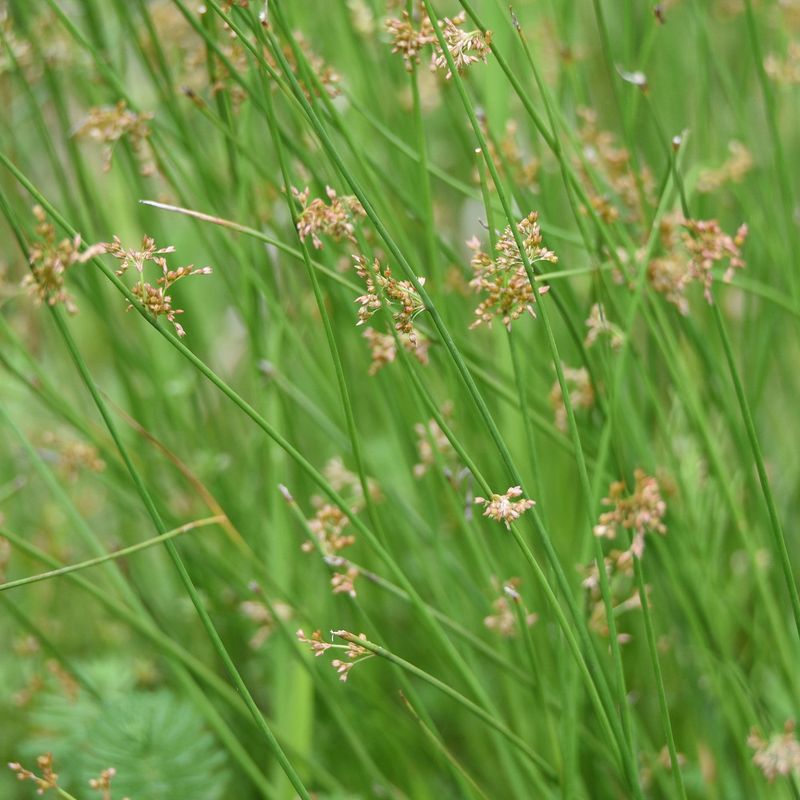
Soft Rush might not have the flashiest flowers, but dragonfly enthusiasts know it is one of the most valuable plants you can grow near water in California. This graceful, grass-like plant forms dense clumps of smooth, cylindrical green stems that sway gently in the breeze.
Adult dragonflies love to perch on those tall stems, using them as lookout posts while they wait to spot their next meal. Its stems stay upright through much of the season, and established clumps can help stabilize edges around ponds and swales.
In California, Soft Rush is a native plant found naturally along stream banks, pond edges, and wet meadows. That means it is already adapted to the local climate and soil conditions, making it incredibly easy to grow.
It thrives in full sun to partial shade and does best in moist to wet soil. You can plant it right at the edge of a pond or in a spot that stays consistently damp.
Soft Rush also plays an important role in the dragonfly life cycle. Female dragonflies often lay their eggs on aquatic plants or directly in the water near vegetation like Soft Rush, where the larvae develop underwater.
Beyond dragonflies, the plant also supports native birds and other beneficial insects. For California gardeners who want a functional, wildlife-friendly plant that asks for very little in return, Soft Rush is a wonderful choice.
4. Western Blue Flag Iris With Striking Blue-Violet Flowers
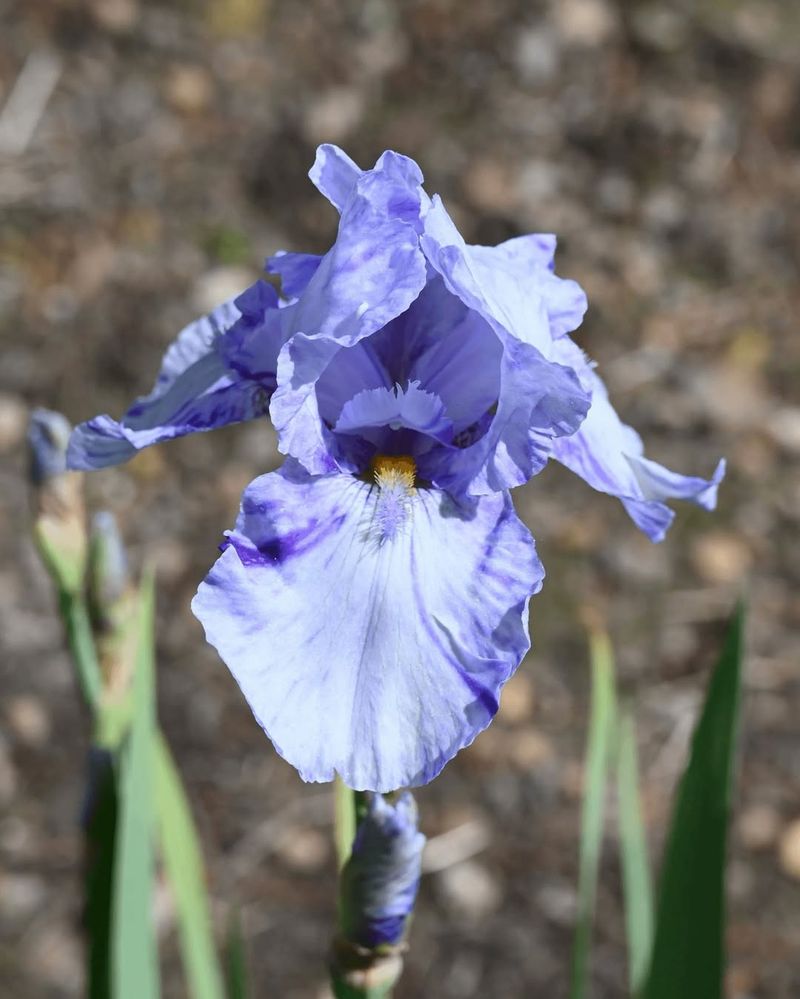
There is something almost regal about the Western Blue Flag Iris. Its tall, sword-like leaves and stunning blue-violet blooms make it one of the most eye-catching plants you can add to a California water garden.
Native to the western United States, including many parts of California, this iris is perfectly suited to the local environment and requires very little fussing once it gets established. Its flowers can range from pale blue to deep violet, and clumps widen as rhizomes branch beneath the soil surface.
Dragonflies are attracted to the Western Blue Flag Iris for a couple of reasons. The upright leaves and sturdy stems offer excellent perching spots, and the plant typically grows in or near moist soil and water, which is prime dragonfly territory.
The blooms appear in late spring to early summer, bringing a burst of color right when dragonfly activity starts picking up in California’s warmer months.
Planting this iris along the edge of a pond or in a consistently moist garden bed gives it the conditions it loves most. It spreads gradually through underground rhizomes, slowly forming a lush clump over time.
California gardeners will appreciate that it can adapt to garden settings as long as the soil stays consistently moist, especially near ponds or irrigated beds. Pairing it with other water-loving plants creates a layered, natural habitat that dragonflies find hard to resist.
5. Buttonbush And Its Whimsical Button-Like Blooms
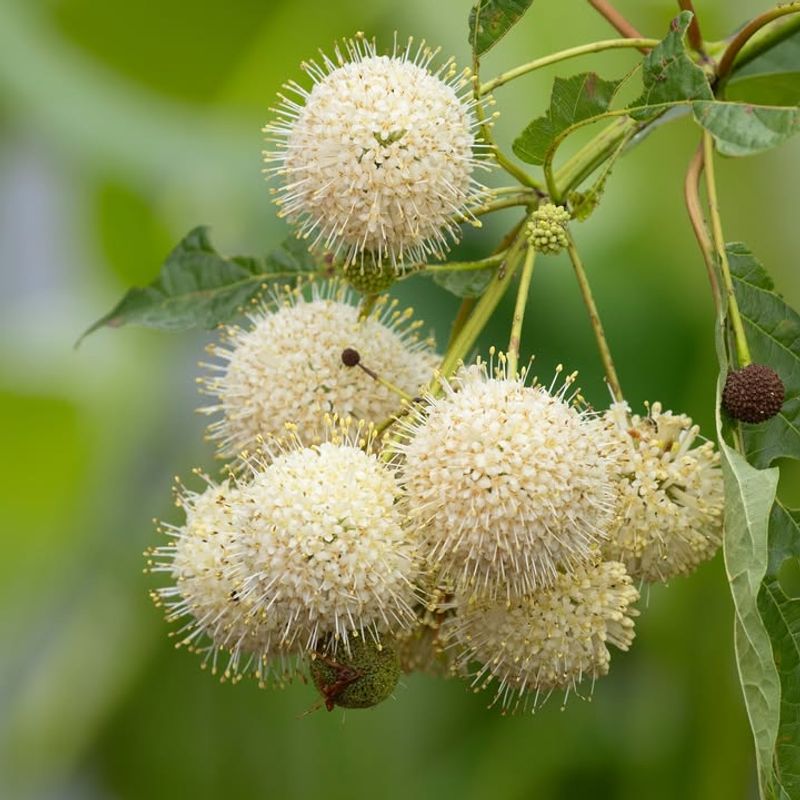
With its round, pincushion-like white flower clusters, Buttonbush gets a quirky name that almost feels pulled from a fairy tale. But there is nothing make-believe about how effective this native shrub is at attracting dragonflies to California gardens.
The flowers are packed with nectar, which draws in all kinds of insects, and where insects gather, dragonflies follow close behind to hunt. It is also native to much of North America, tolerates full sun to part shade, and supports pollinators beyond dragonflies, including bees and butterflies visiting those distinctive spherical blooms regularly.
This shrub is a natural fit for wet areas, pond edges, and rain gardens throughout California. It can even grow with its roots submerged in shallow water, which makes it one of the few woody plants that truly thrives in waterlogged conditions.
Buttonbush can grow anywhere from three to twelve feet tall, providing plenty of vertical structure for dragonflies to perch on and survey their territory.
Buttonbush blooms in midsummer, filling a gap when many other plants have already finished flowering. The blooms are followed by round, reddish-brown seed clusters that attract birds into the fall season.
California gardeners who have a low-lying or flood-prone area of their yard will find that Buttonbush turns a problem spot into a productive wildlife habitat. It is one of those plants that works hard for your garden without requiring much effort from you.
6. Santa Barbara Sedge For Natural Pondside Texture
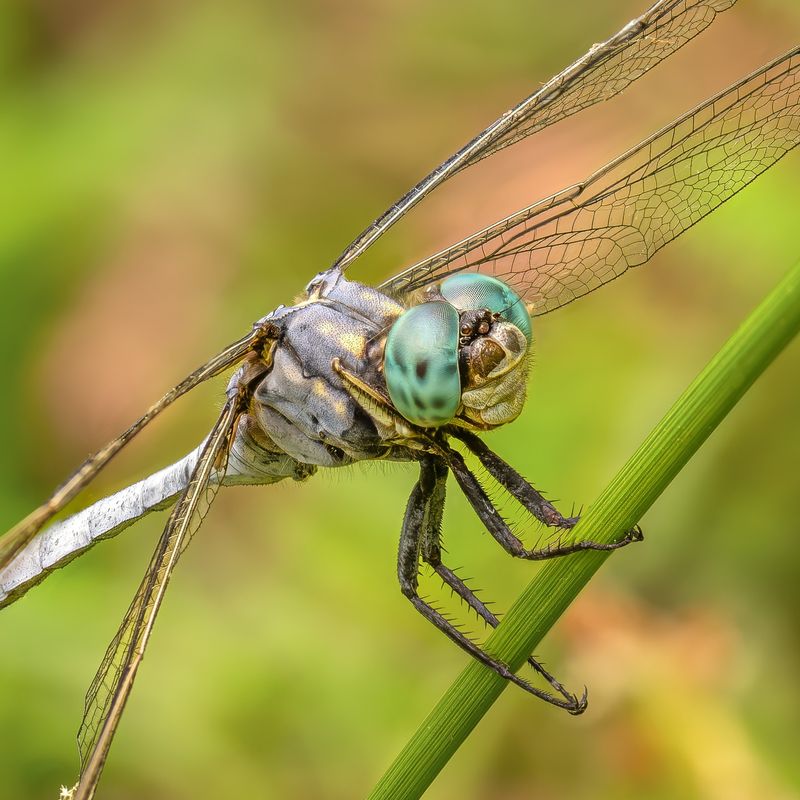
If you live in California and want a plant that is both beautiful and practical for attracting dragonflies, Santa Barbara Sedge deserves a top spot on your list. This native sedge forms graceful, arching clumps of long, bright green leaves that give any garden a soft, flowing look.
It is named after Santa Barbara, California, and it genuinely belongs in the state’s gardens, thriving in the coastal and inland conditions found across the region.
Santa Barbara Sedge grows best in moist to wet soil and does well in both full sun and partial shade, which makes it versatile enough to fit into many different garden spots. Its dense clumps add helpful structure around pond edges, creating habitat conditions that support insects and other wildlife around the water where dragonfly larvae develop.
The plant stays green through much of the year in California’s mild climate, offering year-round habitat value.
Another reason California gardeners love Santa Barbara Sedge is its ability to control erosion along pond edges and stream banks. It roots deeply and holds soil in place, which helps keep water features clean and stable.
It also pairs beautifully with other native plants like Western Blue Flag Iris and Soft Rush, creating a layered, naturalistic garden that supports dragonflies and a wide range of other beneficial wildlife.
7. Common Spikerush Standing Tall At The Water’s Edge
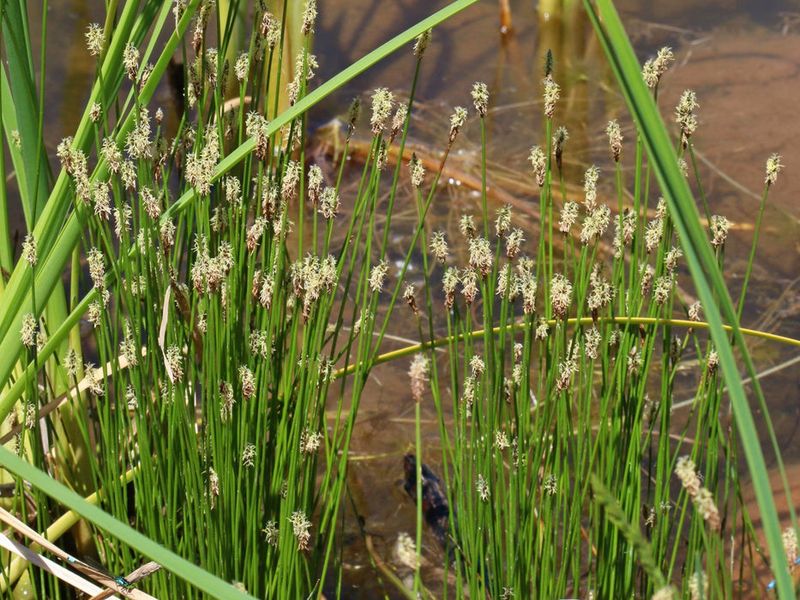
This native aquatic plant may have a humble name, but Common Spikerush plays a starring role in any dragonfly-friendly California garden. This native aquatic plant grows in dense clusters of thin, bright green stems that rise straight up from shallow water or saturated soil.
The look is clean and architectural, and dragonflies absolutely love it, using the upright stems as perches while they rest or watch for passing insects. Mature clumps can also help slow erosion, trap sediment, and soften pond edges with a more natural, finished appearance overall.
Found naturally in marshes, pond edges, and seasonal wetlands throughout California, Common Spikerush is incredibly well-adapted to the state’s varied climate. It handles both heat and occasional cold with ease and does not need much attention once it is planted in the right spot.
It spreads through underground rhizomes, gradually filling in along pond margins and creating a thick, wildlife-friendly border.
What makes Common Spikerush especially valuable for dragonfly gardening is its role in the insect’s life cycle. The submerged portions of the stems provide surfaces where dragonfly eggs can be deposited, and the shallow water around the plant is where dragonfly larvae spend their early lives.
California gardeners who add this plant to a pond or rain garden may help create habitat conditions that support dragonflies and other aquatic insects. It is low-maintenance, ecologically important, and a smart addition to any water feature in the state.
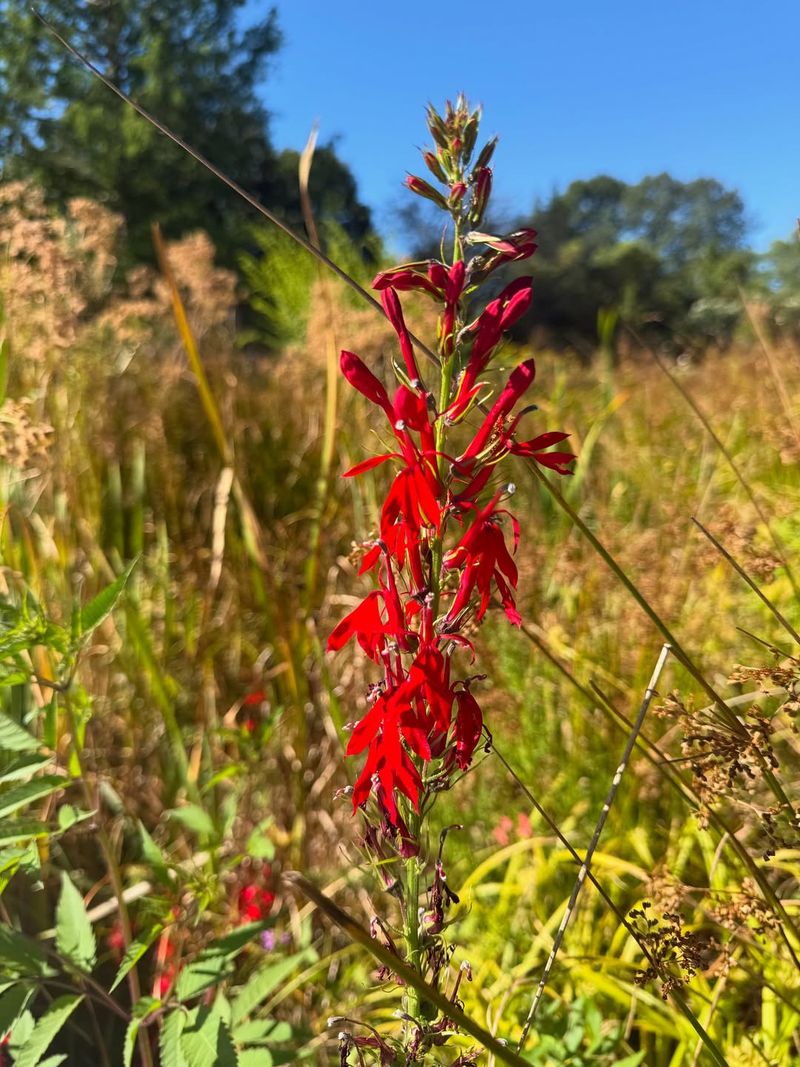
8. Cardinal Flower With Brilliant Red Summer Blooms
Few water plants are as visually striking as Pickerelweed, and its structure near water often provides useful perching spots for dragonflies. With its bold purple-blue flower spikes rising above heart-shaped leaves, this aquatic plant is a standout in any California water garden.
Dragonflies are drawn to it for both its structure and its location near the water, which is where they prefer to hunt, rest, and reproduce. Its blooms also attract bees, and the plant can form clumps that help soften pond edges with a natural look.
Pickerelweed grows best in shallow water, making it a perfect fit for pond edges, rain gardens, or large container water features. In California, it thrives in full sun and can handle the warm summers that many parts of the state experience.
The tall flower stems give dragonflies a great perching spot, and the dense leaves near the waterline offer shelter for dragonfly larvae.
Planting Pickerelweed is simple. Place it in a mesh aquatic planting basket filled with heavy garden soil or clay, then set it in water no deeper than about 12 inches.
It spreads slowly over time, creating a fuller habitat. Bees and butterflies also visit the blooms, so your garden becomes a buzzing, fluttering ecosystem.
For California gardeners looking to build a healthy water garden, Pickerelweed is an excellent starting point.