8 Plants California Gardeners Should Prune In January For Better Blooms And Yields
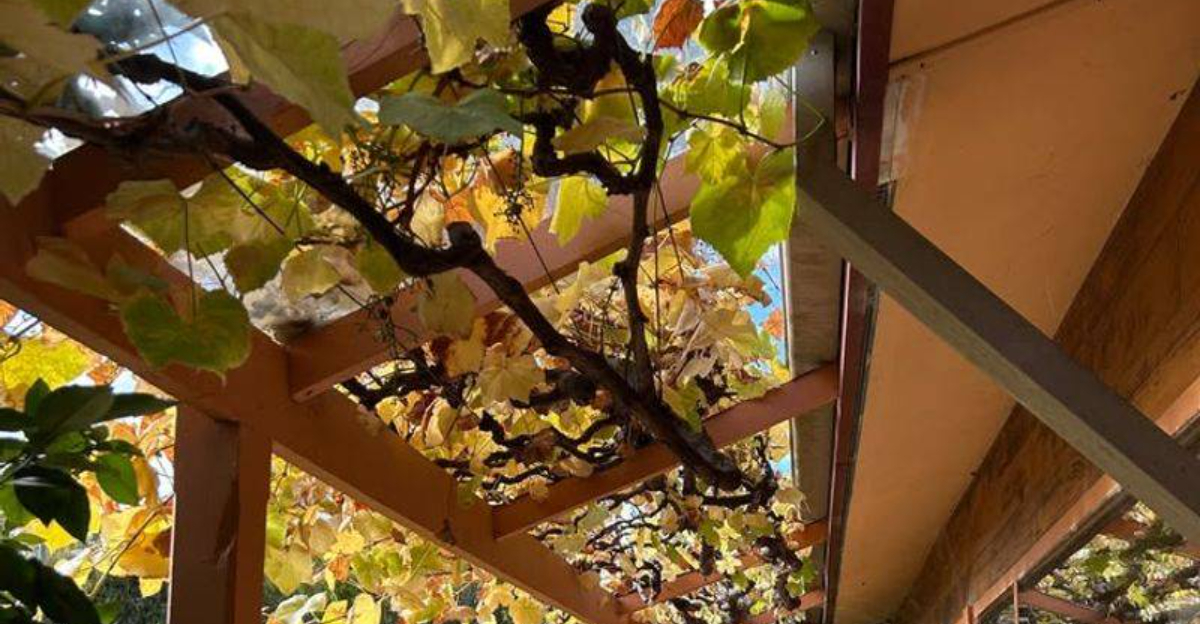
January in California offers a rare gift: mild weather and a window of opportunity.
While other regions wait out the cold, California gardeners can roll up their sleeves and fine-tune their plants for the year ahead.
Pruning now isn’t about cutting back—it’s about setting up success.
The right January cuts can redirect energy, shape growth, and significantly improve flowering and fruiting later on.
But timing matters. Some plants thrive with winter pruning, while others need restraint to avoid disappointing results.
These eight plants are ideal candidates for January pruning in California gardens.
When trimmed thoughtfully, they reward gardeners with better blooms, higher yields, and healthier growth throughout the season.
A little attention now goes a long way, turning winter maintenance into spring and summer abundance.
1. Rose Bushes
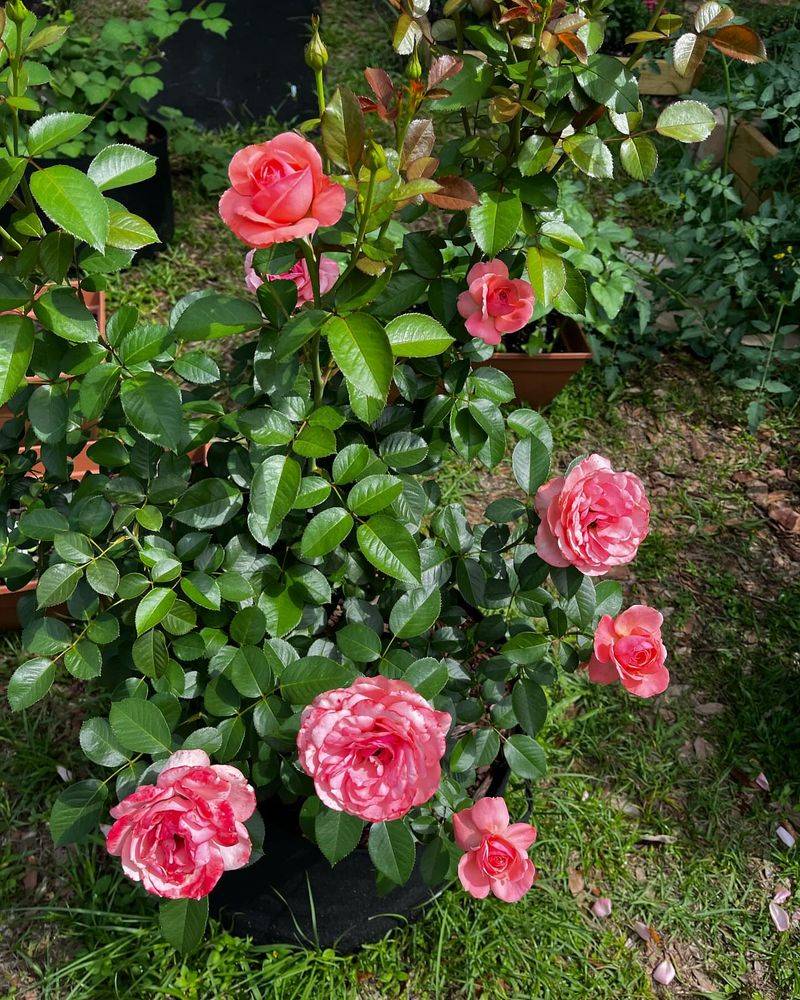
Rose bushes absolutely thrive when you give them a good haircut during their winter rest period.
California’s mild January weather lets you prune without worrying about harsh frost damage that gardeners in colder regions face.
Start by removing any canes thinner than a pencil, since these weak stems rarely produce quality blooms anyway.
Look for canes that cross over each other and rub together, creating wounds that invite problems later.
Your goal is creating an open, vase-shaped structure that allows air to circulate freely through the center.
Cut each remaining cane back to about 18 inches tall, making your cuts at a 45-degree angle just above an outward-facing bud.
This angled cut helps water run off instead of pooling on the cut surface.
Hybrid teas, floribundas, and grandifloras all benefit from this aggressive pruning approach.
Climbing roses need gentler treatment—just remove old, unproductive canes and shape the rest.
Clean your pruning shears with rubbing alcohol between plants to prevent spreading any diseases.
After pruning, your roses might look sparse and stubby, but trust the process.
Come spring, they’ll explode with vigorous new growth and reward you with an abundance of gorgeous flowers that last throughout the season.
2. Fruit Trees
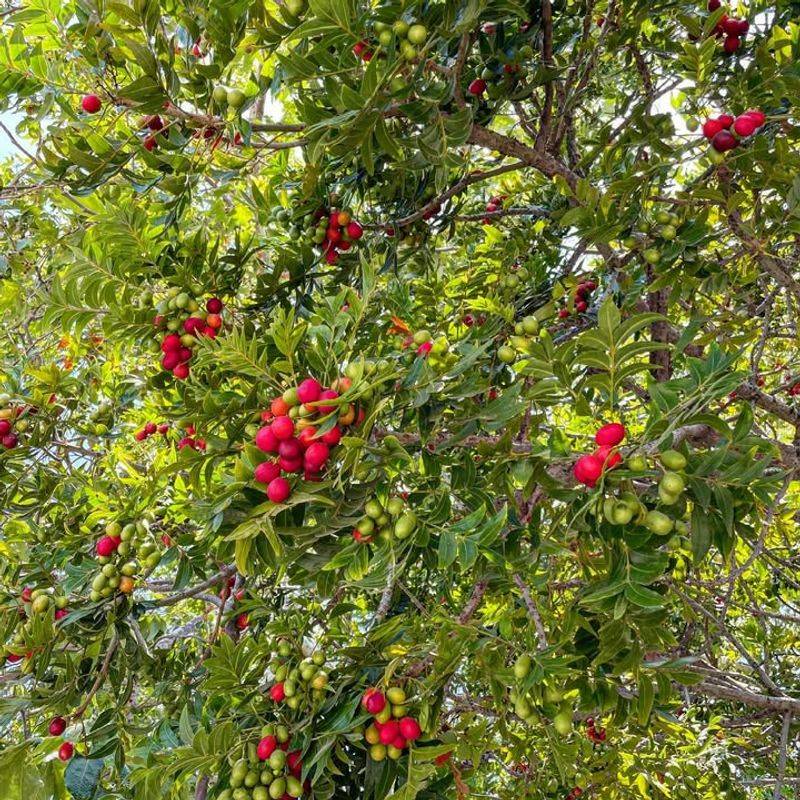
Apples, peaches, plums, and other deciduous fruit trees enter their dormant phase by January, making this the golden window for pruning.
Without leaves blocking your view, you can easily see the tree’s natural structure and identify which branches need attention.
Begin by stepping back and observing the overall shape before making any cuts.
Remove branches that grow straight up or straight down, since these rarely produce fruit and steal energy from productive limbs.
Focus on creating an open center that resembles a wine glass, allowing sunlight to reach all parts of the tree.
Thin out crowded areas where branches compete for the same space and resources.
Cut away any branches that grow inward toward the trunk rather than outward.
For peaches and nectarines, you can prune quite heavily—removing up to 40 percent of last year’s growth encourages larger, sweeter fruit.
Apples and pears prefer lighter pruning, around 20 percent of their canopy.
Always make clean cuts just outside the branch collar, that slightly swollen area where branches meet.
Properly pruned fruit trees channel their energy into developing strong fruiting wood and producing bigger, more flavorful harvests instead of wasting resources on unnecessary growth.
3. Grape Vines
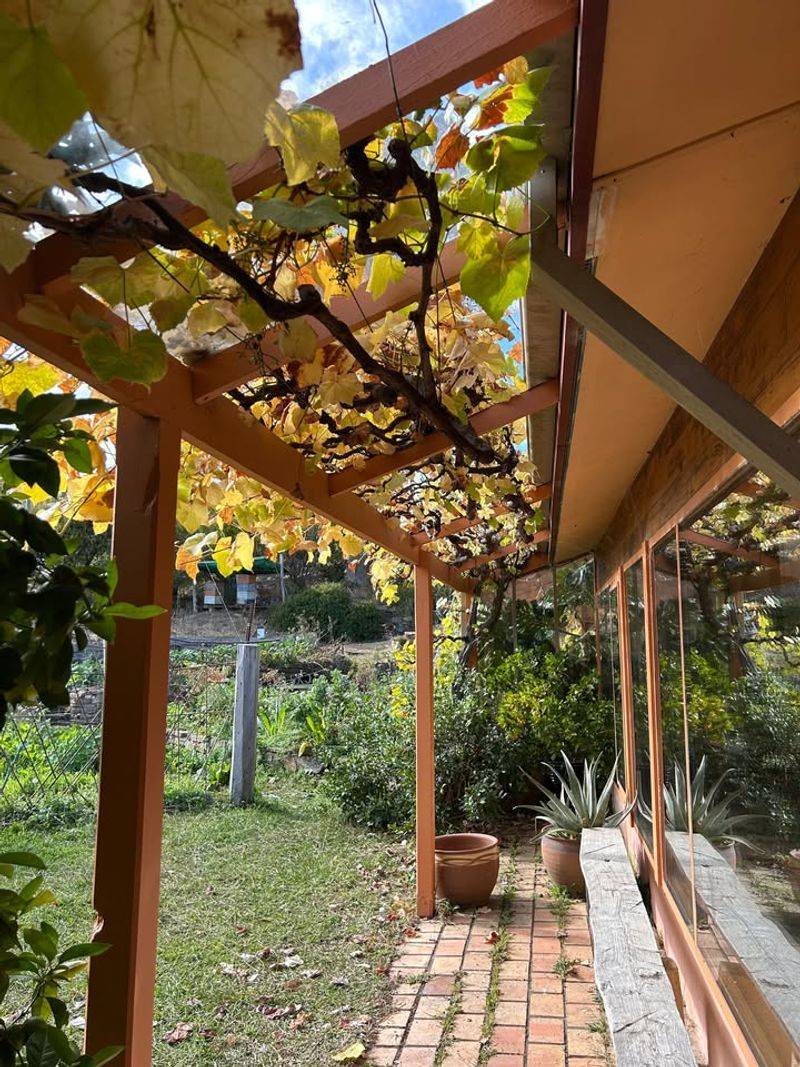
Did you know that grape vines require some of the most dramatic pruning of any garden plant?
You’ll remove up to 90 percent of last year’s growth, which sounds extreme but produces the best fruit.
January pruning takes advantage of the vine’s dormancy when sap flow has slowed considerably.
Select one or two strong canes from last season to keep as your main fruiting wood.
These canes should be about pencil-thick with tight spacing between buds, indicating healthy, productive growth.
Cut each cane back to leave only 5 to 10 buds, depending on your vine’s vigor and your desired harvest size.
Remove all the other canes completely, cutting them back to the main trunk or cordon.
This severe pruning forces the vine to concentrate its energy into fewer clusters, resulting in larger grapes with more concentrated flavors.
Leave a couple of renewal spurs—short stubs with just two buds—near the base of your fruiting canes.
These spurs will produce next year’s fruiting canes, continuing the cycle.
Unpruned or lightly pruned vines produce tons of tiny, flavorless grapes on tangled, messy growth.
Properly pruned vines reward you with manageable plants and delicious, plump grapes perfect for eating fresh or making wine.
4. Wisteria
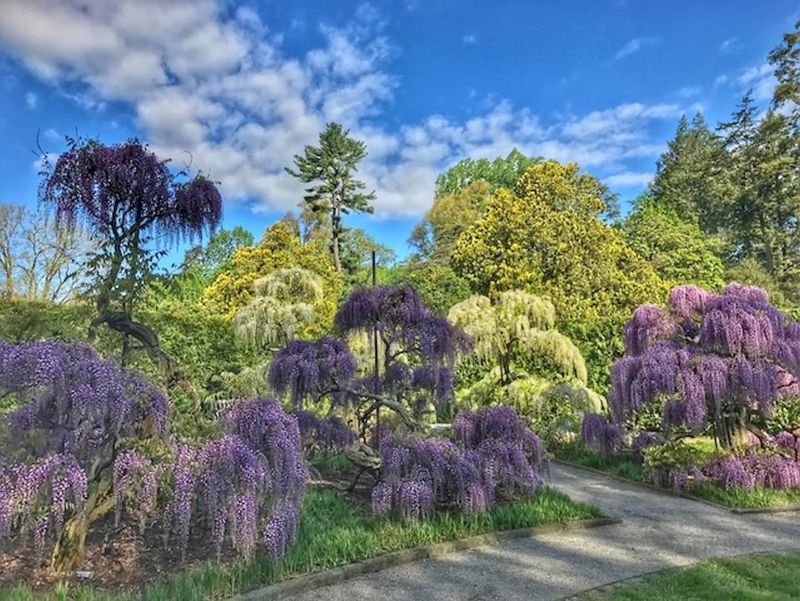
Wisteria’s spectacular cascading blooms make it a California garden favorite, but without proper pruning, it becomes an unruly monster.
Many gardeners wonder why their wisteria produces masses of leaves but few flowers—the answer usually lies in inadequate pruning.
January represents the second pruning session for wisteria, following the summer trim you should have done in August.
Look for the long, whippy shoots that grew last season, often extending several feet from the main framework.
Cut these shoots back dramatically, leaving just two or three buds from the base.
These shortened spurs will develop into the flowering shoots that produce those gorgeous purple or white flower clusters in spring.
Maintain your wisteria’s main structural framework while removing excessive growth that would otherwise shade out flower buds.
If your wisteria has grown beyond its intended space, January is also the time to cut back major limbs.
Some gardeners worry about cutting away potential flowers, but wisteria blooms on short spurs, not long shoots.
Your aggressive pruning actually promotes more flowering by redirecting the plant’s energy.
After a few years of consistent January and summer pruning, your wisteria will settle into a predictable pattern of abundant blooming rather than rampant leafy growth.
5. Lavender

Lavender fills California gardens with fragrance and beauty, but it needs regular pruning to prevent becoming woody and sparse.
Many people make the mistake of cutting lavender back into old, brown wood, which often won’t regenerate new growth.
Instead, trim your lavender plants back by about one-third their height in January, staying within the green, leafy growth.
Shape each plant into a rounded mound, cutting just above where you see green leaves emerging from the stems.
This moderate pruning encourages fresh, compact growth from the base and prevents that hollow, leggy appearance that plagues neglected lavender.
English lavender varieties tolerate harder pruning than their Spanish and French cousins, which prefer gentler treatment.
Remove any frost-damaged tips you spot, cutting back to healthy tissue.
While lavender is quite drought-tolerant once established, it responds beautifully to pruning by producing fuller foliage and more flower spikes.
Young lavender plants under three years old need lighter pruning—just remove spent flower stalks and shape gently.
Older plants benefit from more aggressive trimming to rejuvenate their growth habit.
Your January pruning session sets up lavender for a spectacular summer display, with multiple flower stalks emerging from each pruned stem, creating that classic lavender hedge look that makes California gardens so enchanting.
6. Hydrangeas
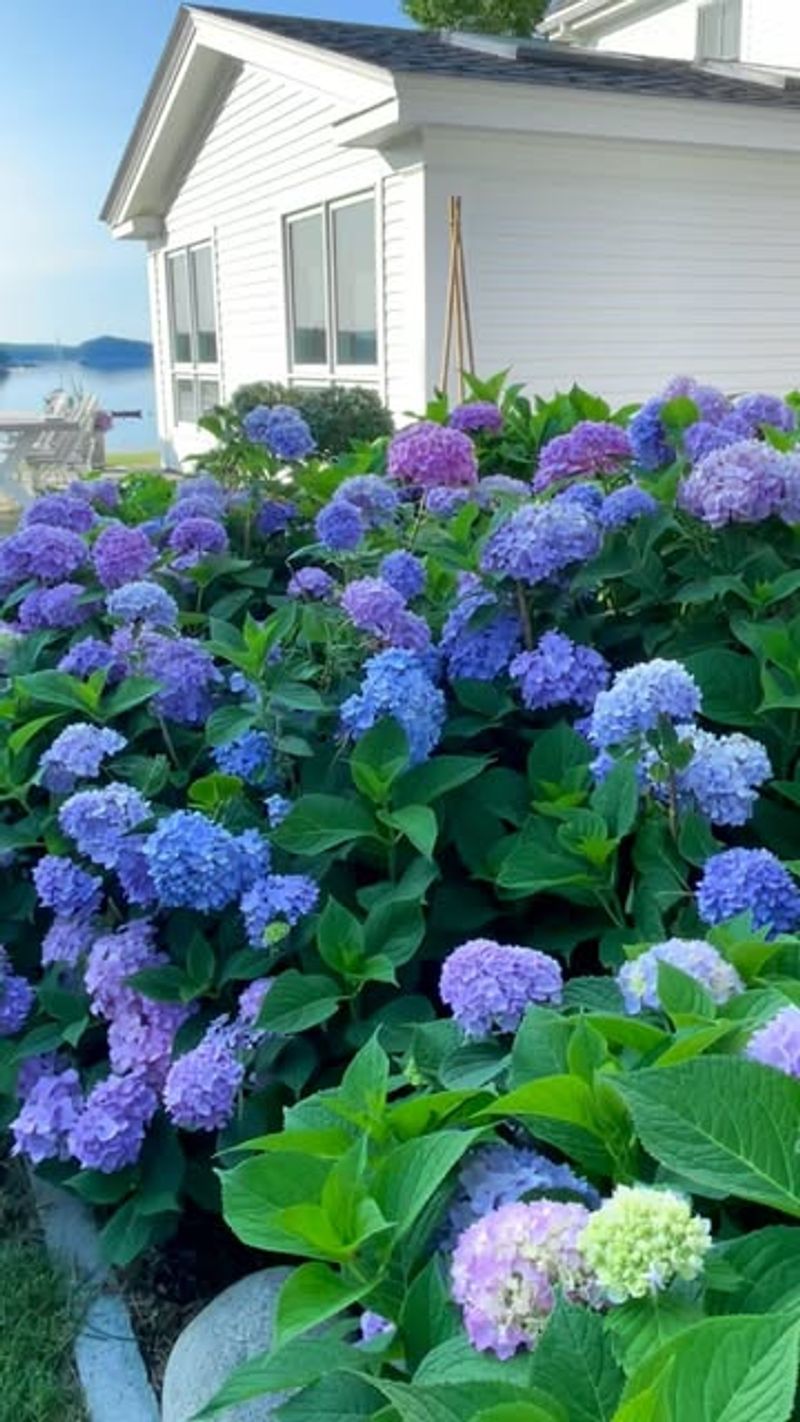
Here’s where things get interesting—not all hydrangeas appreciate January pruning, so knowing your variety matters tremendously.
Smooth hydrangeas and panicle hydrangeas bloom on new wood, meaning they flower on the current season’s growth.
These varieties love aggressive January pruning, and you can cut them back to about 18 inches from the ground.
This hard pruning produces strong new stems that carry large, showy flower clusters throughout summer and fall.
Bigleaf hydrangeas and oakleaf hydrangeas bloom on old wood from last season, so heavy winter pruning removes your flower buds.
For these varieties, limit your January work to removing spent flower heads and any damaged or crossing branches.
Save major shaping for right after they finish blooming in summer.
Climbing hydrangeas also bloom on old wood and need minimal winter pruning—just tidy up wayward shoots.
If you’re uncertain about your hydrangea type, observe when it blooms and how the flowers form.
Summer and fall bloomers generally tolerate winter pruning well, while spring bloomers set their buds the previous year.
Proper pruning timing makes the difference between a hydrangea covered in magnificent blooms and one with lots of leaves but disappointing flowers, so take a moment to identify your variety before making cuts.
7. Blueberry Bushes
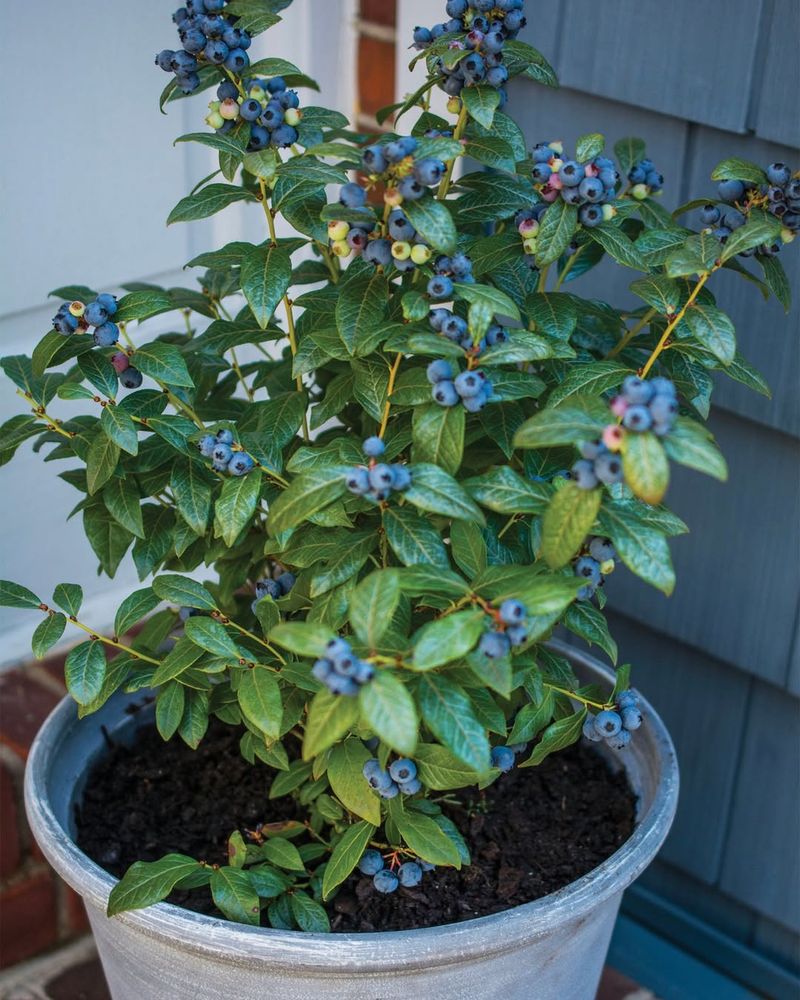
Blueberry bushes produce their sweetest, plumpest berries when you give them thoughtful January pruning attention.
California’s climate suits both southern highbush and rabbiteye varieties, and both types benefit from dormant-season trimming.
Start by examining the base of your blueberry bush for thin, twiggy growth that won’t produce much fruit.
Remove these weak shoots entirely, cutting them off at ground level to redirect energy toward stronger canes.
Blueberries fruit best on wood that’s between two and six years old, so identifying and removing canes older than six keeps production high.
Older canes appear darker and thicker with peeling bark, while younger wood looks smoother and lighter in color.
Cut out one or two of the oldest canes each year, allowing new shoots to replace them gradually.
Thin the center of the bush to improve air circulation and light penetration, which helps berries ripen evenly.
Shorten any extra-long canes by about one-quarter to encourage branching and more fruiting spurs.
Young blueberry plants under three years old need minimal pruning—just remove any flower buds that form to help the plant establish strong roots instead of fruiting.
Mature bushes pruned properly in January will reward you with larger berries, easier harvesting, and healthier plants less prone to issues that affect crowded, unpruned bushes.
8. Fuchsias
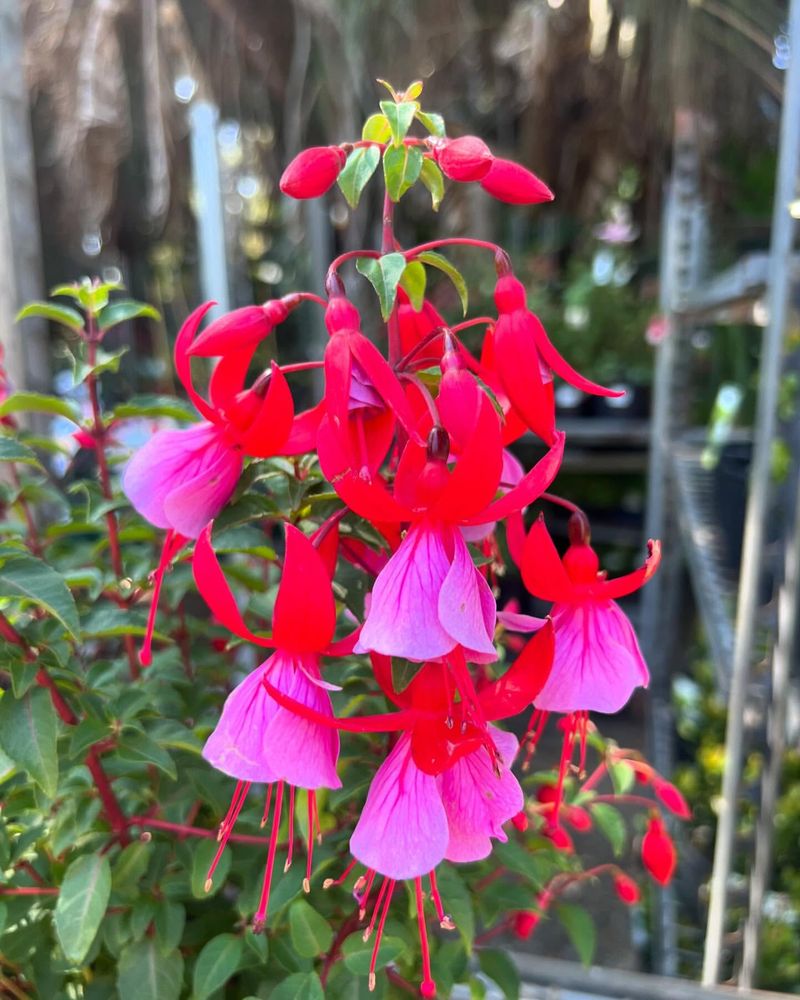
Fuchsias bring tropical elegance to California gardens with their distinctive dangling flowers that resemble tiny ballerinas.
January pruning helps these beauties maintain compact, bushy growth rather than becoming leggy and sparse.
Cut your fuchsias back by about half their size, which might seem drastic but produces spectacular results.
Make your cuts just above a node where leaves emerge, angling your shears to promote outward growth.
This heavy pruning stimulates multiple new shoots to grow from below each cut, creating that full, lush appearance everyone loves.
Remove any branches that look weak, damaged, or grow toward the center of the plant.
Fuchsias bloom on new growth, so your January pruning directly translates to more flowers throughout the growing season.
Hardy fuchsias growing in the ground tolerate more aggressive pruning than tender varieties in containers, which prefer slightly gentler treatment.
After pruning, clean up all fallen leaves and debris around the base to prevent fungal issues.
Some fuchsia enthusiasts pinch out the growing tips of new shoots once or twice in spring to encourage even bushier growth.
Your pruned fuchsias might look bare and stubby for a few weeks, but patience pays off beautifully.
By late spring, they’ll burst forth with vibrant new foliage and countless pendant blooms that attract hummingbirds and admiring glances from everyone who passes by your garden.