9 Plants Californians Love To Plant By The Moon
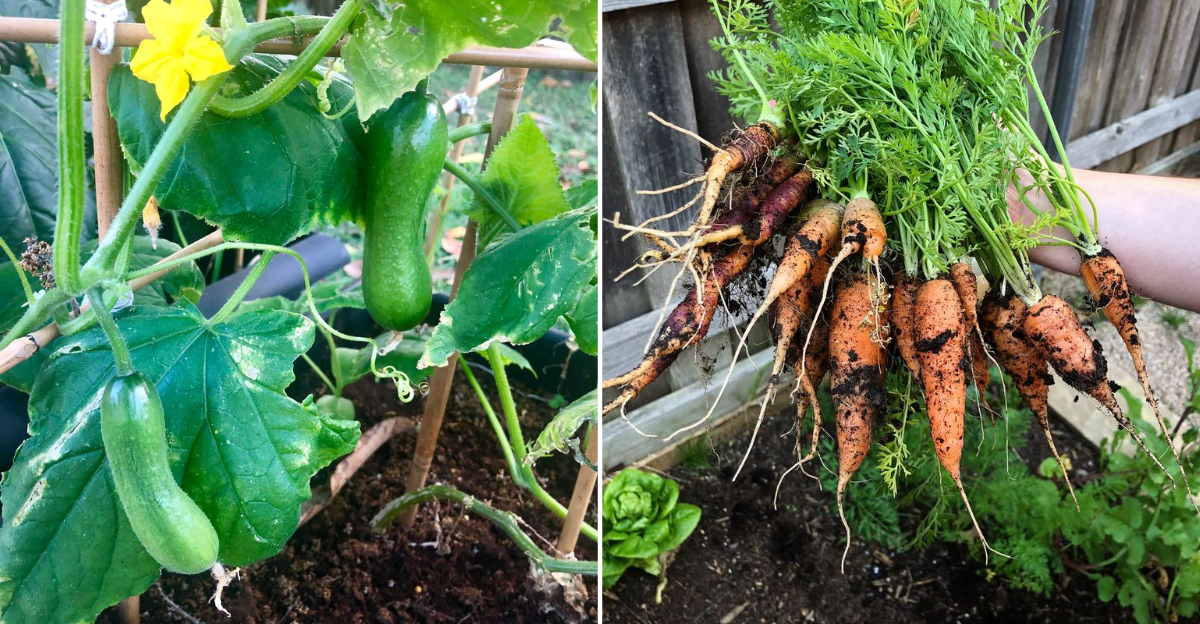
Gardening by the moon might sound a little mysterious at first. Planting seeds based on lunar phases?
Really? But plenty of gardeners in California swear by it, and this old-school planting method has been around for generations.
The idea is simple. Just like the moon influences ocean tides, many gardeners believe it also affects moisture in the soil and how plants grow.
Certain phases of the moon are thought to encourage strong root development, while others help plants focus on leafy growth or fruit production. Pretty fascinating, right?
In California, where gardening happens nearly year-round, many growers use the moon as a natural planting calendar. And some plants seem to respond especially well to this timing.
Curious which ones gardeners love to plant this way? These are some of the plants Californians often sow when the moon says the timing is just right.
1. Tomatoes
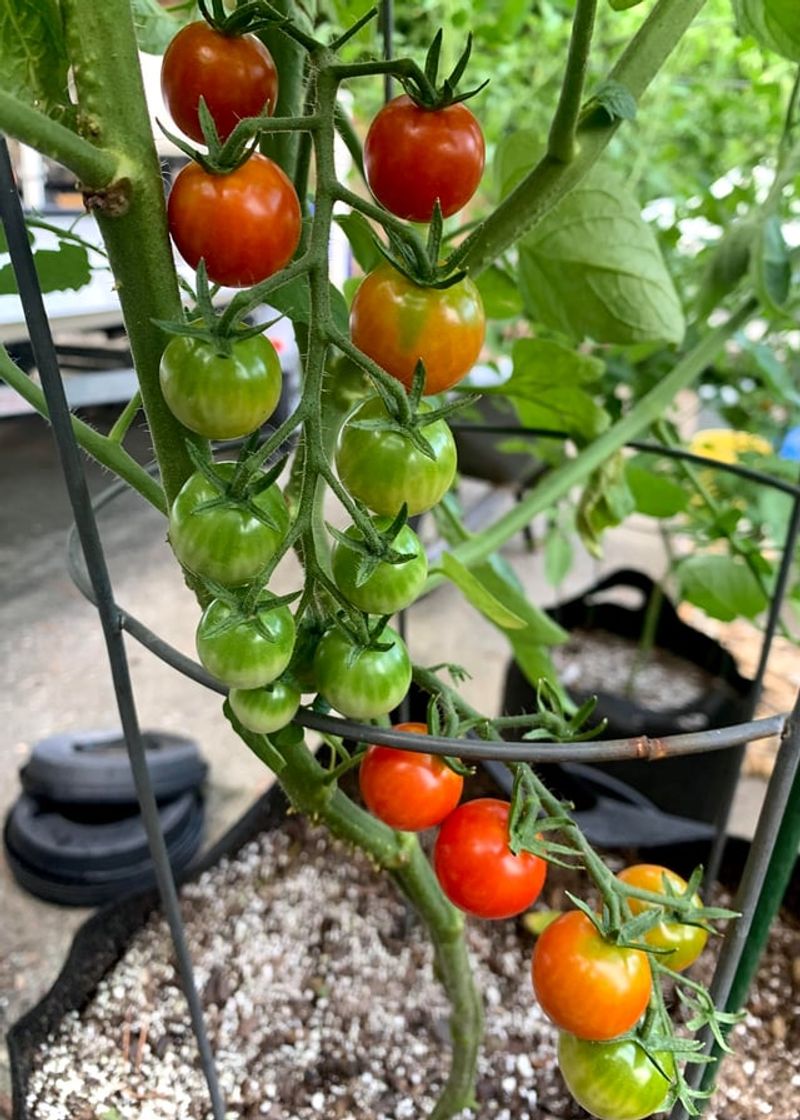
Ask any California gardener what they love growing most, and tomatoes are almost always at the top of the list. There is something deeply satisfying about pulling a sun-warmed tomato right off the vine.
When you plant tomatoes during the waxing moon, the gravitational pull draws moisture upward through the soil, helping seeds sprout faster and stems grow stronger.
The waxing phase happens between the new moon and the full moon. During this time, sap flows upward in plants, which is perfect for fruiting crops like tomatoes.
California gardeners in places like Fresno, Sacramento, and the San Fernando Valley have been timing their tomato planting this way for generations.
Start your tomato seeds indoors during the new moon, then transplant seedlings outside as the moon continues to wax. Make sure your soil is well-draining and gets at least six hours of sunlight daily.
Water deeply but not too often. Tomatoes grown with lunar timing often produce earlier and more abundantly.
It is a small shift in planning that can make a noticeable difference in your harvest.
2. Peppers
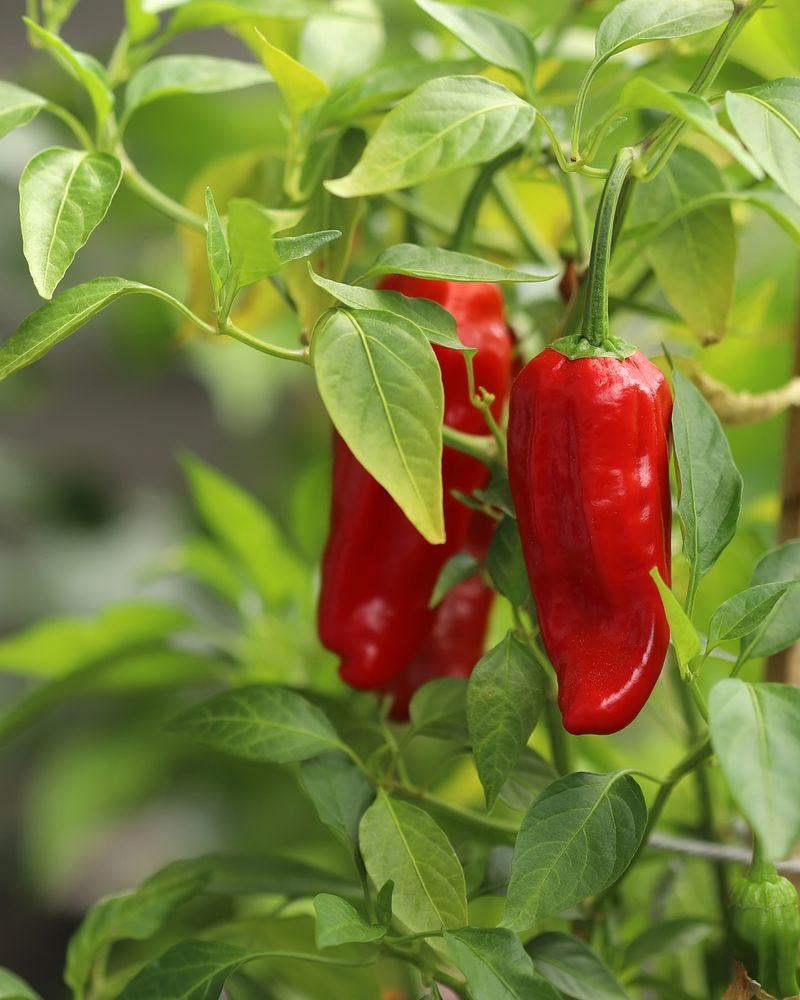
Peppers love California’s long, hot summers, and they love the waxing moon even more. Planting pepper seeds or transplants during the first or second quarter of the moon gives them a head start.
The increased moisture movement in the soil during this phase encourages strong root anchoring and vigorous above-ground growth right from the start.
Southern California gardeners especially swear by this method. In areas like San Diego and Los Angeles, where the growing season can stretch nearly year-round, timing pepper planting with the lunar calendar helps maximize each cycle.
Bell peppers, jalapeños, and serranos all respond well to waxing moon planting.
Choose a spot that gets full sun, ideally six to eight hours per day. Peppers prefer slightly acidic soil with good drainage.
Water them consistently, but let the soil dry out a little between waterings. Avoid planting during the full moon or waning phase for fruiting crops like peppers, as that energy is better suited to root vegetables.
A little lunar planning goes a long way when you want a pepper harvest that fills up your whole kitchen counter.
3. Beans
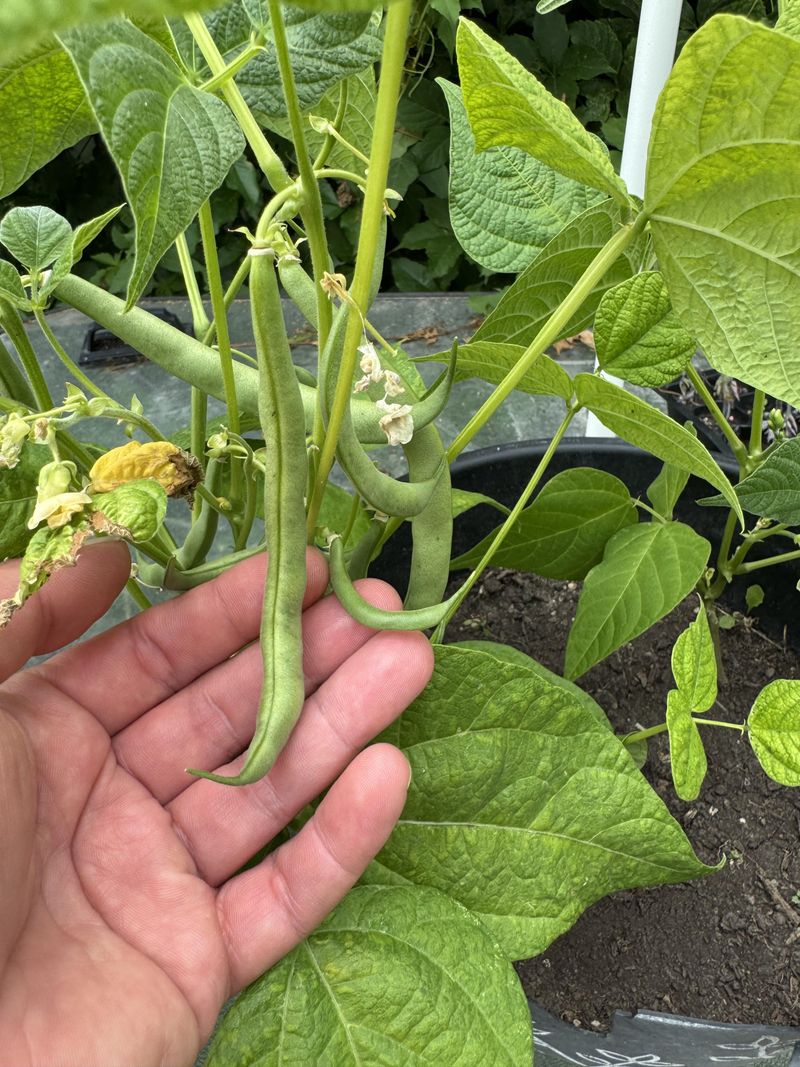
Beans are one of the easiest crops to grow in California, and planting them with the moon makes the process even smoother. Both pole beans and bush beans do best when planted during the second quarter of the waxing moon.
At this point in the lunar cycle, moisture levels in the soil are rising, and seeds tend to absorb water more readily, which speeds up germination.
Gardeners across Northern California, including those in the Sacramento area, have found that moon-timed bean planting leads to more uniform sprouting.
Instead of a scattered patch with some seeds taking longer than others, the beans tend to come up together and grow at a similar pace.
That makes harvesting much easier and more rewarding.
Beans do not need much fertilizer since they fix nitrogen right in the soil. Plant seeds about an inch deep and two to three inches apart.
Keep the soil moist until they sprout, then ease back on watering once the plants are established. Pole beans will need a trellis or stake to climb.
With good timing and a little care, a single planting can give you weeks of fresh beans to enjoy.
4. Squash
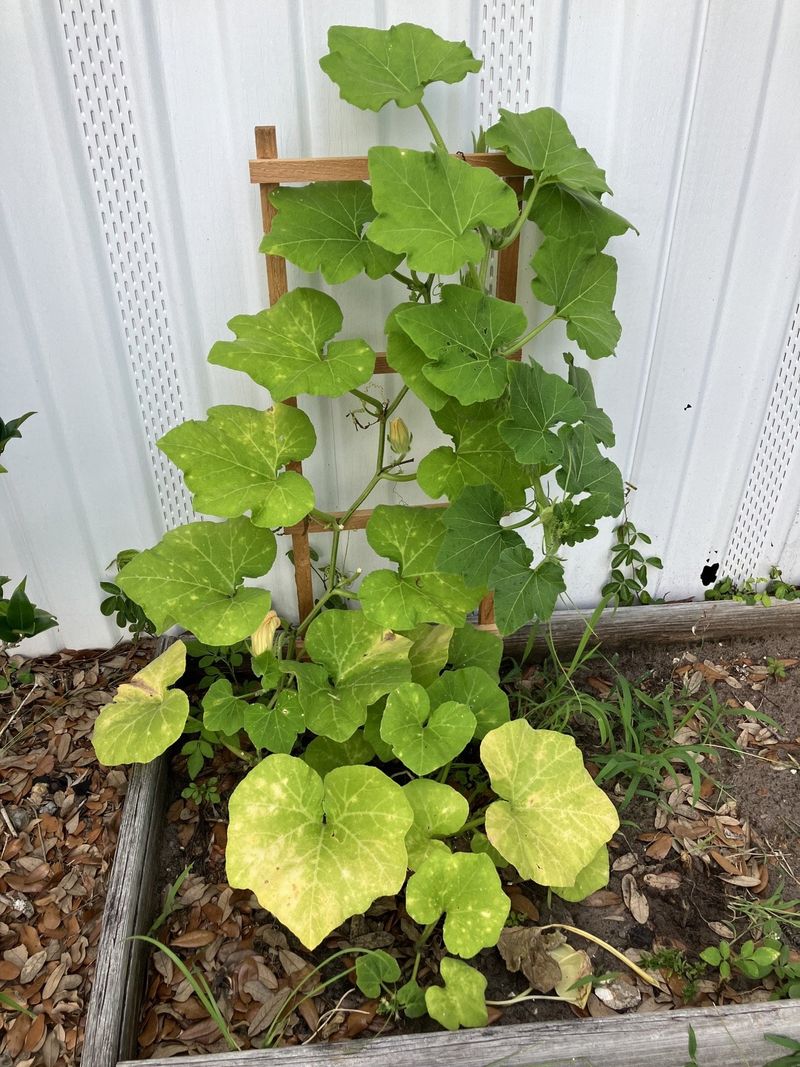
Few vegetables grow as enthusiastically as squash, and California’s warm climate makes it a natural fit. Zucchini, butternut, and acorn squash all thrive when planted during the waxing moon, especially in the first and second quarters.
The upward movement of moisture during this phase encourages the rapid vine growth that squash is famous for.
Gardeners in the Central Valley and the Inland Empire often plant squash in late spring, timing it with the lunar calendar for the best results. Squash plants grow fast, so giving them a lunar boost right at the start means they hit the ground running.
You can go from seed to harvest in as little as fifty days with good timing and California sunshine on your side.
Plant squash seeds directly in the ground rather than transplanting, since they do not love having their roots disturbed. Give each plant plenty of room, at least three feet apart, because the vines spread wide.
Squash needs full sun and consistent watering, especially while the fruit is forming. Watch out for powdery mildew on the leaves, which is common in humid coastal areas of California.
Catching it early keeps your plants productive all season long.
5. Cucumbers
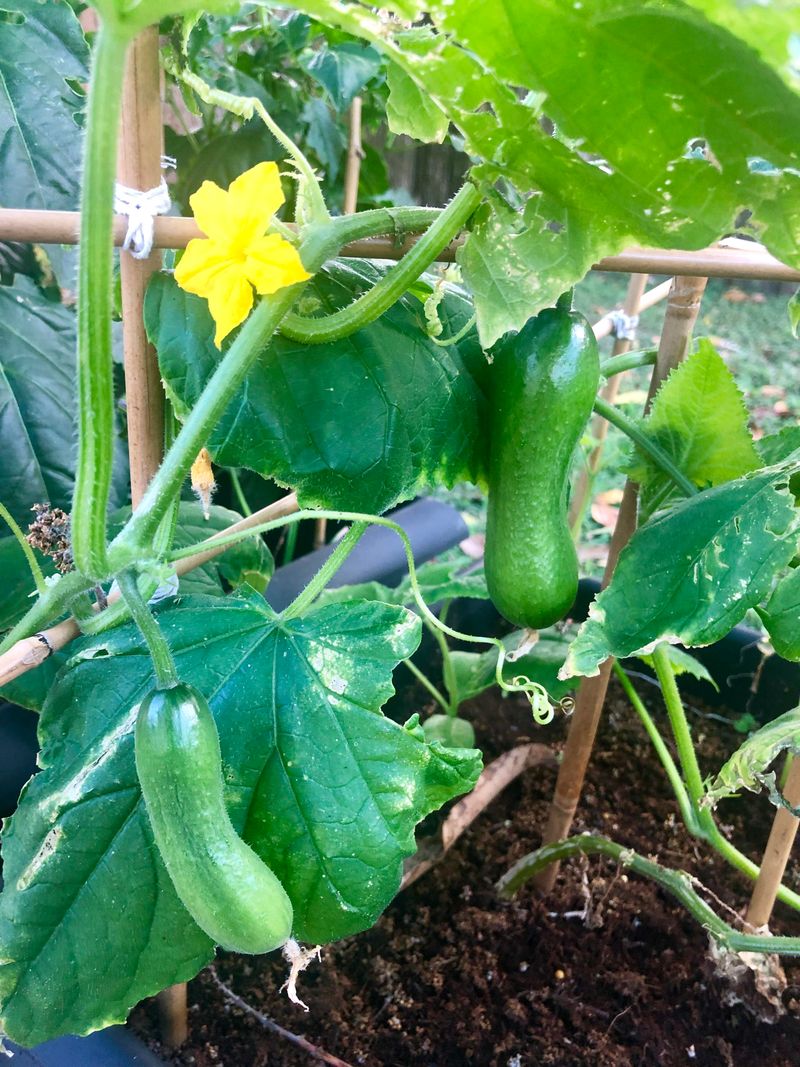
Like other fruiting vegetables, cucumbers benefit most from being planted during the waxing moon. The gravitational pull increases sap flow toward the upper parts of the plant, which pushes strong vine growth and helps the flowers form faster.
In the Bay Area and along the Central Coast, cucumber plants tend to do especially well during the late spring and early summer months. Pairing that natural growing window with a first or second quarter moon planting gives the seeds the best possible start.
Many California gardeners report noticeably faster germination when they follow the lunar calendar.
Cucumbers need warm soil to sprout, so wait until the soil temperature is at least sixty degrees before planting. A trellis helps keep the vines off the ground, which improves air circulation and reduces issues with rot.
Water consistently and deeply, especially once the cucumbers start forming. Pick them young for the crispest flavor.
Leaving them on the vine too long makes them bitter and seedy. With a good lunar planting schedule and steady care, you can expect a generous harvest throughout the summer.
6. Lettuce
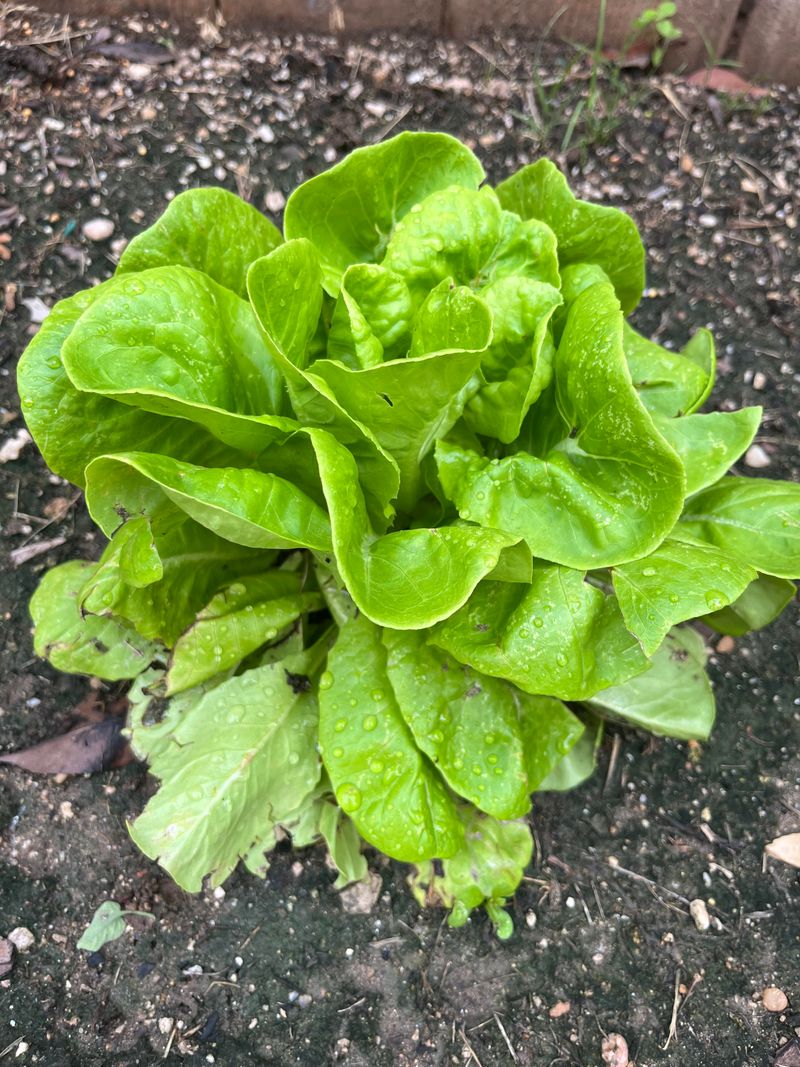
Lettuce is one of the most popular crops among California home gardeners, and for good reason. It grows quickly, takes up little space, and can be harvested over and over again.
Planting lettuce during the waxing moon, particularly in the first quarter, encourages lush, leafy growth. The upward pull of moisture during this phase is perfect for leafy greens that grow above the soil.
Coastal California gardeners in places like Santa Barbara and Monterey find that lettuce practically grows itself during the cooler months. When you add lunar timing into the mix, the leaves tend to be more tender and flavorful.
Many gardeners in California plant lettuce every two to three weeks for a continuous harvest, always timing each new planting with the first quarter moon.
Lettuce prefers cooler temperatures and can bolt, meaning it goes to seed quickly, in summer heat. In warmer inland areas of California, try planting in a spot with afternoon shade.
Keep the soil consistently moist, since dry soil causes bitterness in the leaves. Loose-leaf varieties like oak leaf and butterhead are the most forgiving for beginners.
With a bit of planning and moon-aware timing, fresh salad greens can be a regular part of your California table.
7. Carrots
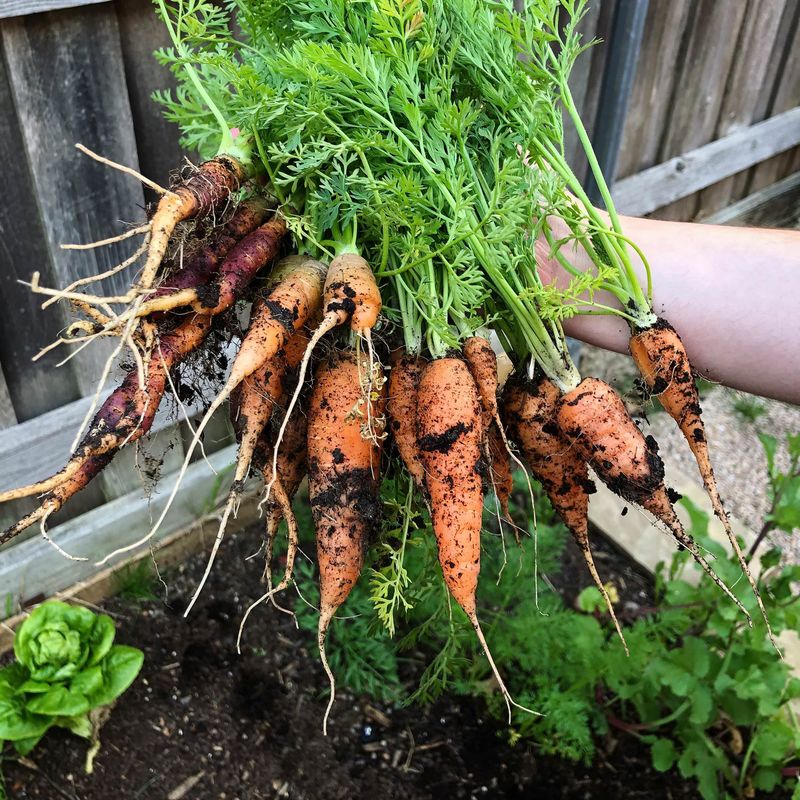
As a root vegetable, they do their best work underground, which means the waning moon is actually the better choice for planting them. During the waning phase, the moon’s gravitational pull shifts downward, drawing energy and moisture toward the roots.
That is exactly what carrots need to develop long, sweet, well-formed roots.
California gardeners in the cooler coastal regions and higher elevation areas like the Sierra Nevada foothills find that carrots grow especially well in the fall and winter months.
Timing those fall plantings with the third quarter of the waning moon can lead to noticeably better root development.
The carrots end up fuller, sweeter, and more uniform in shape.
Loose, sandy soil works best for carrots since compacted or rocky soil causes the roots to fork or grow crooked. Raised beds work really well in California’s clay-heavy areas.
Plant seeds thinly and thin the seedlings to about two inches apart once they sprout. Carrots are slow to germinate, sometimes taking two weeks or more.
Be patient and keep the soil evenly moist during that waiting period. The payoff of a beautiful carrot harvest is absolutely worth it.
8. Radishes
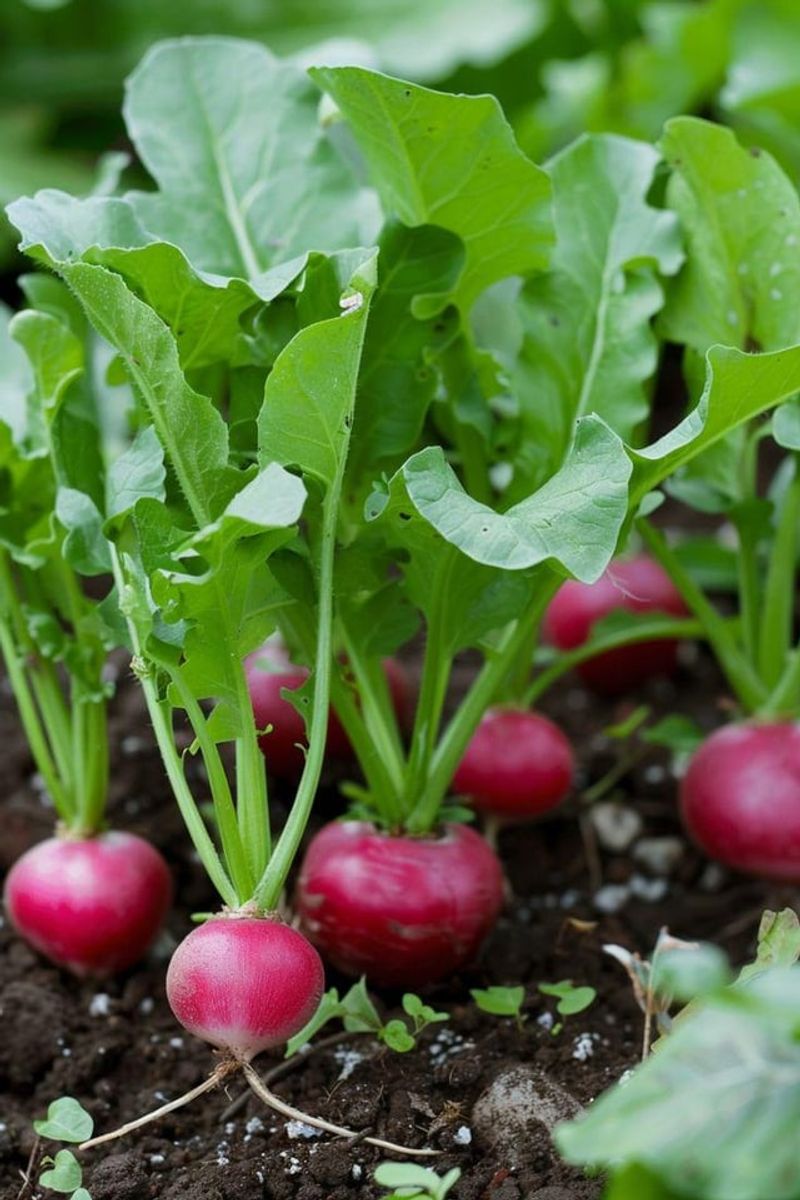
Some varieties are ready to harvest in as little as three weeks from planting! Just think about how quick that is!
Because radishes are root vegetables, they follow the same lunar logic as carrots. Plant them during the waning moon, especially in the third quarter, to encourage strong, well-rounded root growth underground.
For California gardeners who are just starting out with lunar planting, radishes are the perfect practice crop. The turnaround is so quick that you can actually observe the difference between moon-timed and randomly planted batches within the same season.
Gardeners in Southern California often grow radishes as a cool-season crop in the fall and early spring, which lines up nicely with the quieter periods of the lunar calendar.
Radishes prefer cool soil and can turn pithy or overly spicy in summer heat. In warmer parts of California, stick to fall and winter planting.
Sow seeds directly in the ground about half an inch deep and an inch apart. They need consistent moisture but not soggy soil.
Harvest them promptly once they reach full size, or they quickly become woody and hollow. Radishes also make excellent companion plants, helping to deter pests from neighboring crops in your California garden.
9. Basil
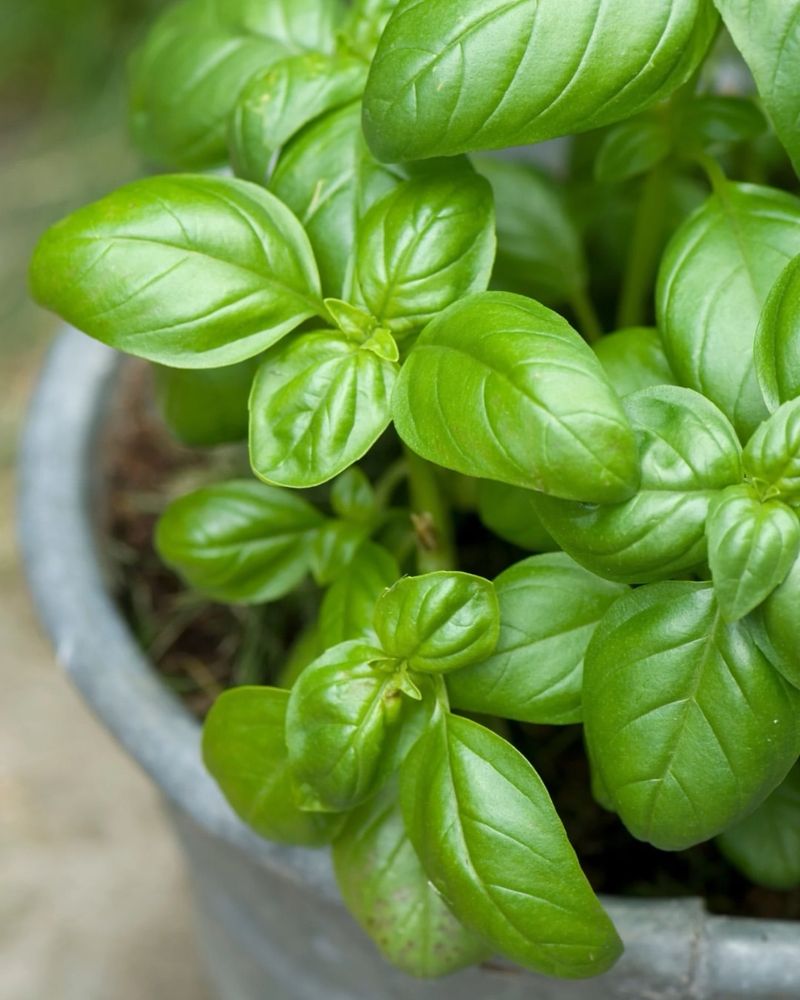
This is the herb that smells like summer, and California’s warm climate makes it incredibly easy to grow. As an above-ground leafy herb, basil responds beautifully to waxing moon planting.
The upward energy during the first and second quarter phases encourages bushy, leafy growth, which is exactly what you want from a basil plant you plan to harvest regularly.
Gardeners across California, from the wine country in Napa to the urban gardens of Los Angeles, keep basil growing all season long. Timing each new planting or transplanting with the waxing moon seems to give basil a noticeably stronger start.
The leaves come in fuller and more aromatic, which makes a real difference in the kitchen.
Basil needs warm temperatures and does not tolerate frost at all. In cooler coastal parts of California, wait until the soil has warmed up before planting outside.
Full sun is a must, at least six hours a day. Pinch off flower buds as soon as they appear to keep the plant focused on leaf production.
Regular harvesting actually encourages more growth, so do not be shy about picking leaves often. Pair basil with tomatoes in the garden and on your plate for a classic California summer combination.