10 Plants Every California Gardener Is Choosing For A No-Fuss Yard This Year
If your dream yard involves less watering, less pruning, and way less weekend regret, you are not alone.
California gardeners are getting smarter about what they plant, and the big goal is simple: a yard that looks great without acting like a full-time job.
That means more people are skipping fussy, high-maintenance plants and choosing varieties that can handle heat, dry spells, and a little neglect without falling apart. And honestly, who can blame them?
A no-fuss yard saves time, cuts water use, and still delivers plenty of color, texture, and curb appeal. The best part is you do not have to settle for a boring landscape just because you want something easy.
There are plenty of plants that bring beauty without the drama. The ones topping gardeners’ lists right now are tough, stylish, and perfectly suited to California living. Lazy? Maybe. Smart? Absolutely.
1. Autumn Sage
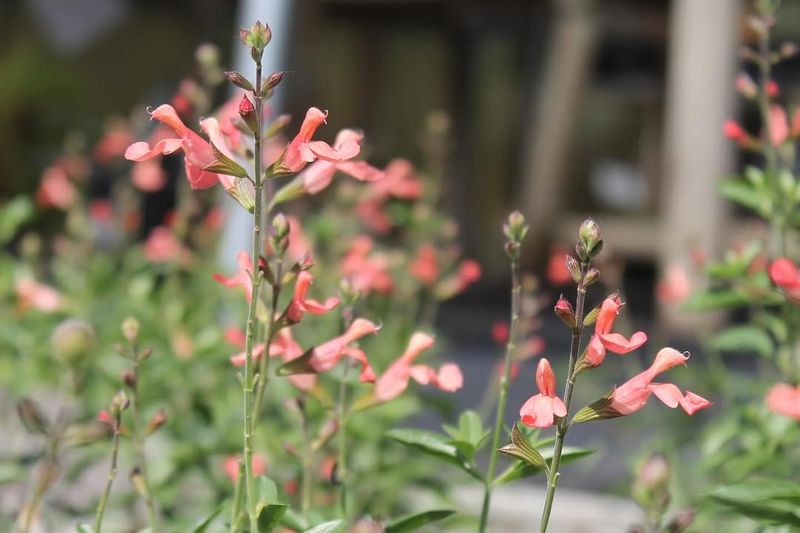
Few plants put on a show quite like Autumn Sage. Its cheerful red, pink, or coral blooms pop against green foliage and keep coming back from spring all the way through fall.
In California, where warm temperatures stick around longer than most places, this plant feels right at home.
Autumn Sage is native to the borderlands of Texas and northern Mexico, so it is built for heat and dry spells. Once it settles into your garden, it barely needs extra watering.
A little trimming after each bloom cycle helps keep it looking tidy and encourages fresh flowers.
Hummingbirds absolutely love this plant. If you want to bring more wildlife into your California yard without adding a lot of work, planting Autumn Sage is a smart move.
It grows well in containers too, so even small patios can enjoy its color. Plant it in full sun with well-drained soil and watch it reward you season after season with very little effort on your part.
2. Ceanothus
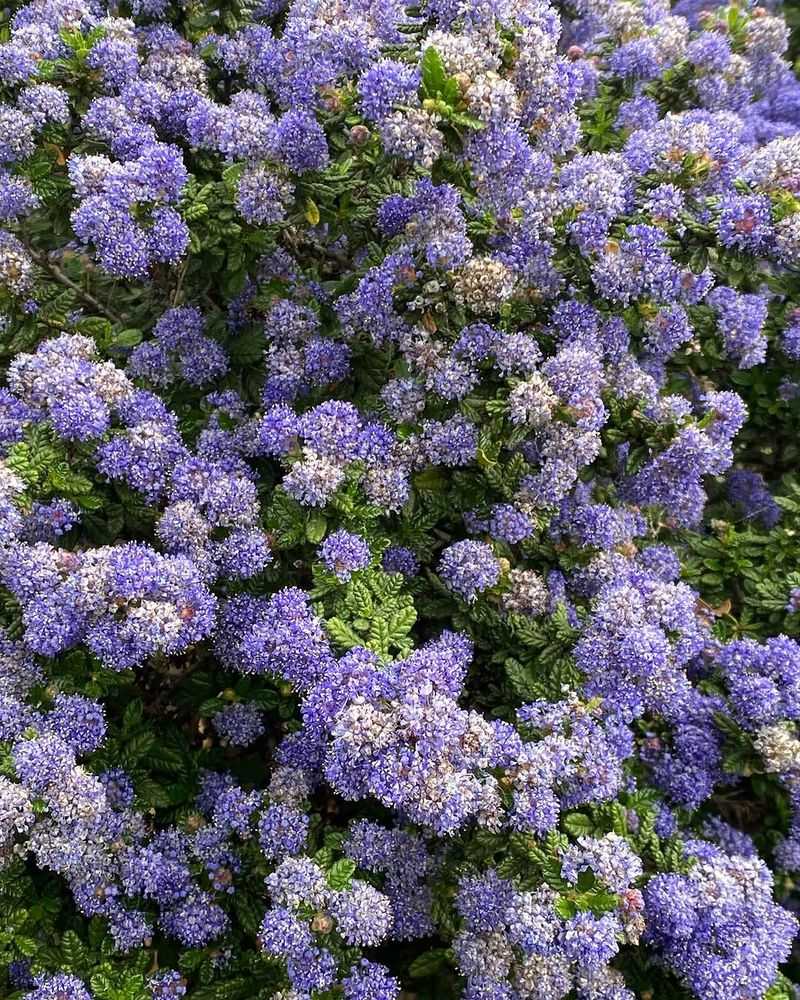
Walk through any California hillside in spring and you will likely spot a burst of blue or purple that almost looks like a small cloud hugging the ground. That is Ceanothus, and gardeners across the state are falling in love with it for good reason.
It is one of the most stunning native shrubs you can add to your yard.
Also called California Lilac, this plant thrives in poor, dry soil and does not need much attention once it gets established. It is deeply adapted to California’s wet winters and dry summers, which makes it a natural fit for low-water landscaping.
Overwatering is actually one of the few ways to cause problems with this plant, so less really is more.
Bees and butterflies flock to its blossoms, making your yard a little ecosystem all on its own. Ceanothus comes in many sizes, from low ground covers to tall shrubs, so there is a variety for almost every space.
Plant it in full sun, give it room to spread, and let California’s natural climate do most of the work for you.
3. Manzanita
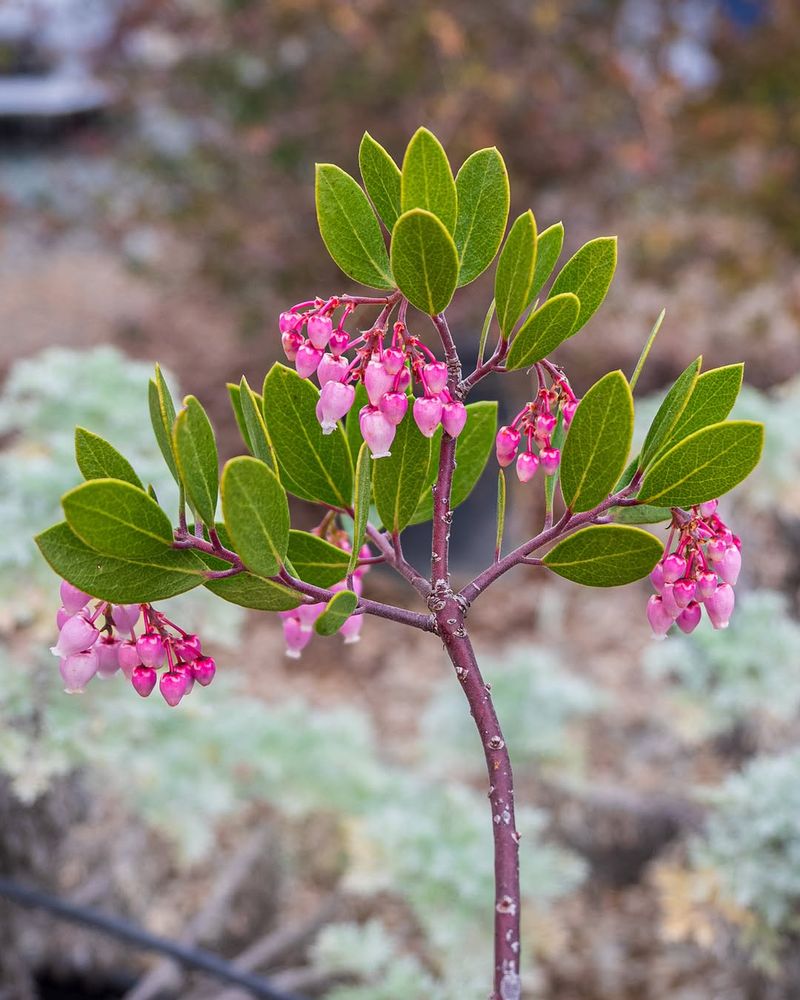
There is something almost magical about Manzanita. Its smooth, reddish-brown bark looks like it was polished by hand, and the twisted branches create a sculptural look that makes any garden feel like a piece of living art.
No wonder so many California gardeners are choosing it this year.
Manzanita belongs to the genus Arctostaphylos, and dozens of species are native to California. That means this plant already knows how to handle the state’s long dry summers and unpredictable winters.
It asks for very little once planted. Good drainage, full sun, and the occasional deep watering during extreme drought are really all it needs.
In late winter and early spring, small white or pink bell-shaped flowers appear and attract native bees before most other plants even wake up. Birds enjoy the small berries that follow.
If you are trying to build a yard that works with California’s natural environment rather than against it, Manzanita is a top-tier choice. Pick a species suited to your local climate zone, plant it right, and enjoy years of beauty with almost no fuss.
4. California Buckwheat
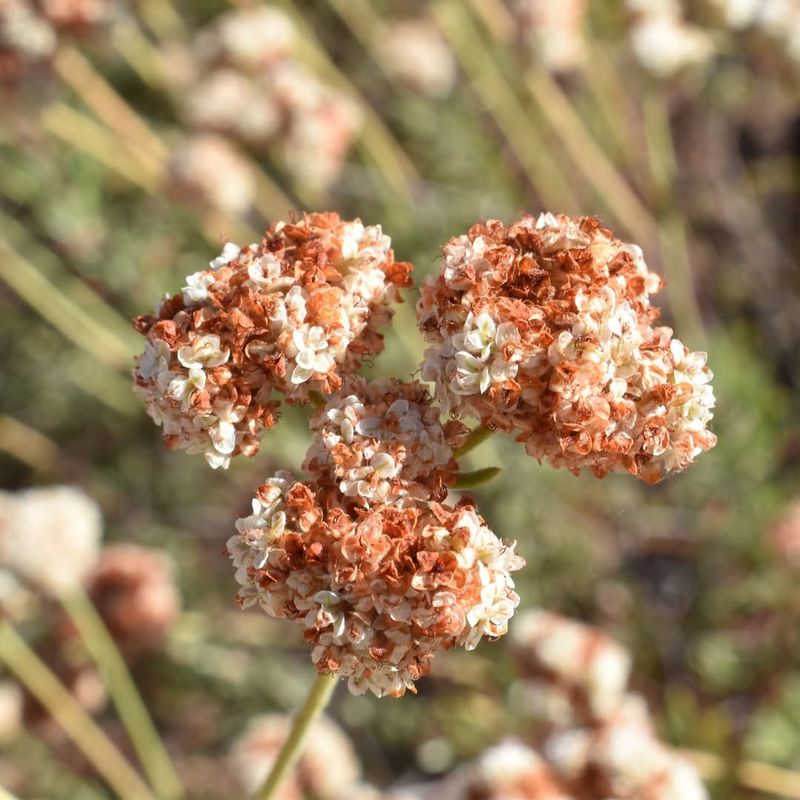
Tough, reliable, and wildly attractive to pollinators, California Buckwheat is one of those plants that makes experienced gardeners wonder why they waited so long to add it.
The clusters of tiny white flowers age into a warm rusty-red color and hold on through the dry season, giving your yard texture and interest even when other plants fade.
Native to coastal and inland areas of California, this plant is built for the state’s dry summers. Once established, it rarely needs watering at all.
It handles poor, rocky, or sandy soil without complaint and does not require fertilizer to look good. That kind of easy-going attitude is rare and valuable in a garden plant.
Butterflies, bees, and birds are drawn to California Buckwheat throughout the year. It serves as a host plant for several butterfly species, making it a favorite among gardeners who want to support local wildlife.
It looks great massed together on a slope or mixed into a native plant border. Pair it with other California natives for a yard that practically takes care of itself while looking naturally beautiful all year long.
5. Coffeeberry
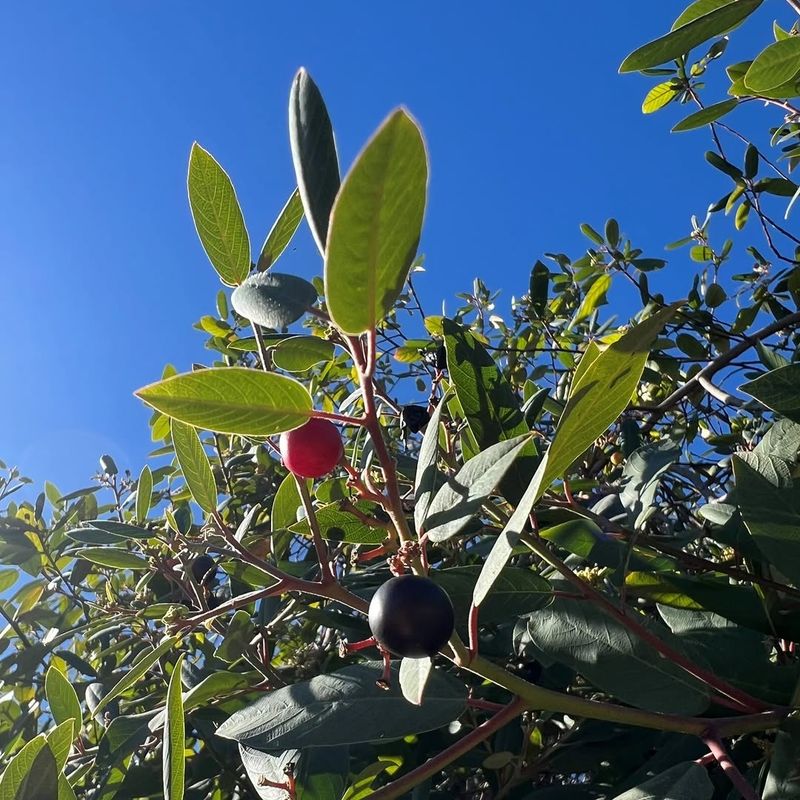
Not every California garden gets full blazing sun all day, and that is exactly where Coffeeberry earns its reputation.
This native shrub handles shade better than most drought-tolerant plants, making it a go-to for spots under trees or along north-facing fences where other plants struggle to survive.
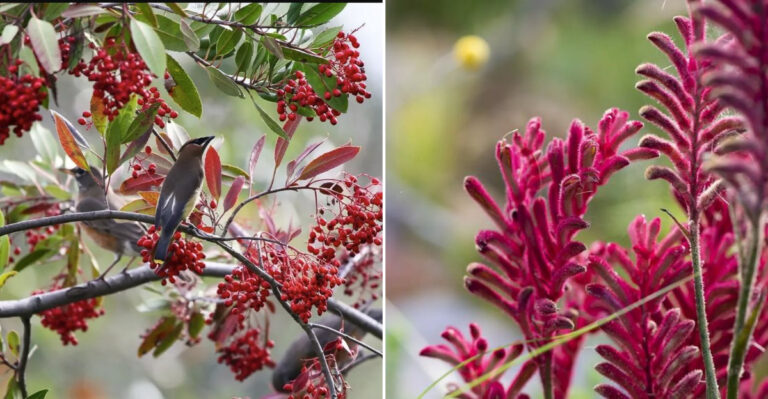
Coffeeberry, known scientifically as Frangula californica, produces small berries that shift from green to red to deep purple-black as the seasons change. The berries attract birds, which makes the yard feel alive and active.
The glossy green leaves stay on the plant year-round, giving you consistent structure even in the quieter months of the garden calendar.
Once established, Coffeeberry is remarkably self-sufficient. It tolerates both dry shade and occasional summer water, which gives it flexibility that few native shrubs can match.
Gardeners across California use it as a hedge, a backdrop plant, or a naturalistic screen. It grows at a moderate pace and does not need much pruning to stay attractive.
If your yard has a tricky shaded corner that always seems bare, Coffeeberry might be exactly the plant you have been searching for.
6. Deer Grass
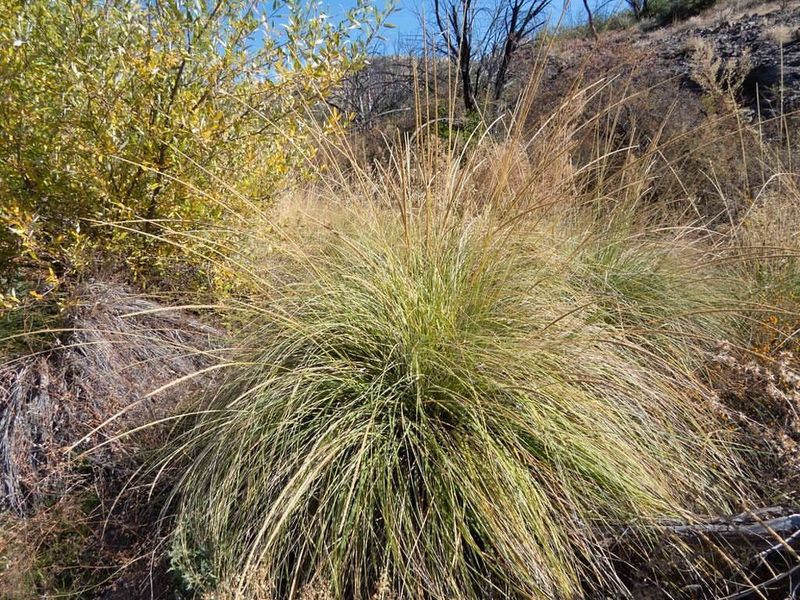
Graceful, golden, and genuinely hard to mess up, Deer Grass is one of the most beloved ornamental grasses among California gardeners.
Its soft, arching blades form a rounded mound that sways gently in the breeze, and the tall slender seed stalks that rise above it in summer add a lovely vertical accent to any yard.
Known botanically as Muhlenbergia rigens, this grass is native to California and thrives in the state’s dry, sunny conditions. It handles poor soil, needs very little water once established, and does not require fertilizing.
Cutting it back once a year in late winter keeps it looking fresh and encourages new growth in spring.
Deer Grass works beautifully in many garden styles. Use it to line a pathway, anchor a native plant border, or create a soft transition between garden beds.
It pairs especially well with bold plants like Agave or California Buckwheat. Birds use the seed heads as a food source, adding another layer of life to your outdoor space.
For a low-maintenance California yard that looks polished and natural at the same time, Deer Grass is a must-have on your planting list.
7. Yarrow
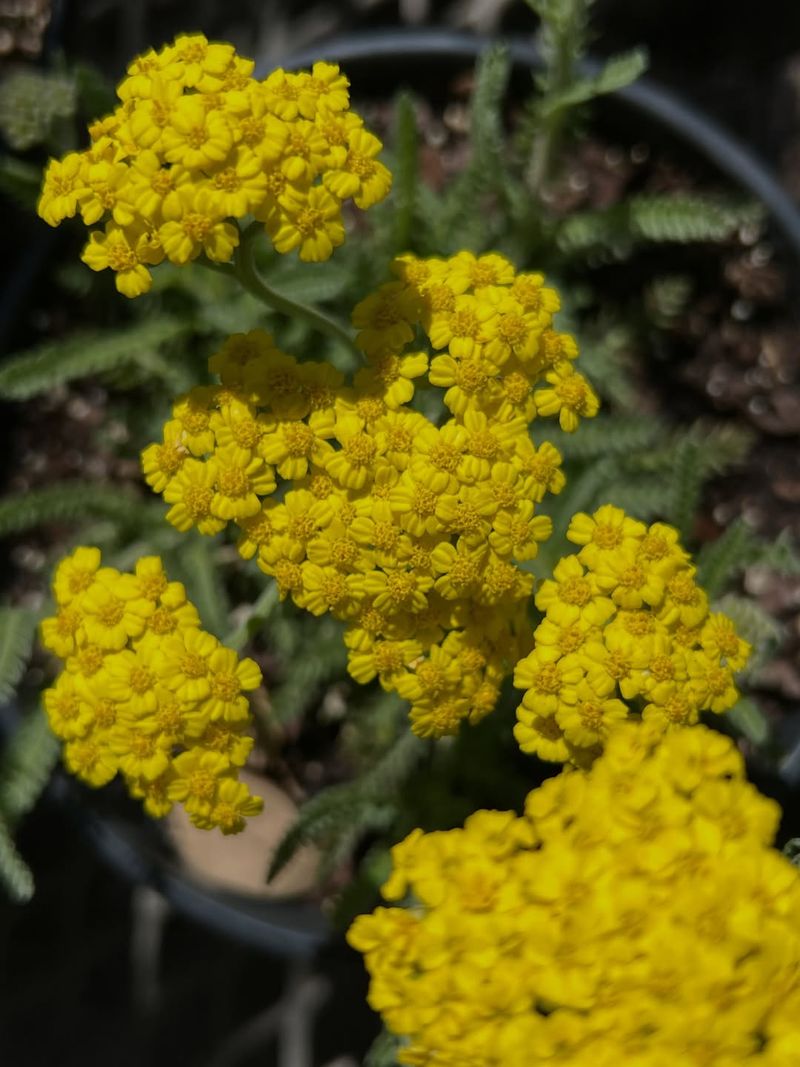
Yarrow has been growing wild across California for centuries, and gardeners have been smart enough to bring it into their yards for just as long.
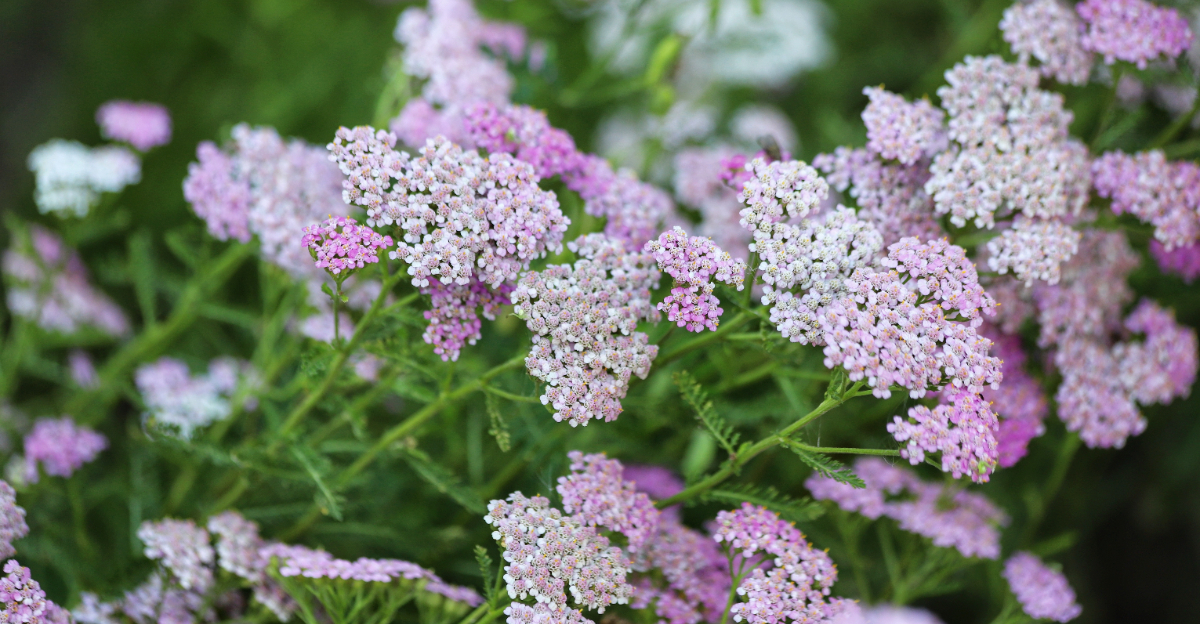
Its flat-topped clusters of flowers in yellow, white, or pink sit above feathery, aromatic foliage that smells wonderful when brushed against.
It is the kind of plant that looks intentional without requiring much intention at all.
One of Yarrow’s best qualities is its ability to spread gently and fill in bare spots over time. It handles drought well, tolerates poor soil, and does not need regular fertilizing.
Full sun is where it performs best, and in California that is rarely hard to find. Cut the spent flower heads back to encourage a second flush of blooms later in the season.
Pollinators are wild about Yarrow. Butterflies and native bees visit it constantly during the bloom season.
It also has a long history as a medicinal herb, which makes it a fun plant to talk about with curious visitors to your garden. Whether you are in coastal Northern California or the warm inland areas of the south, Yarrow adapts well and keeps your yard looking colorful with minimal effort from you.
8. California Fuchsia
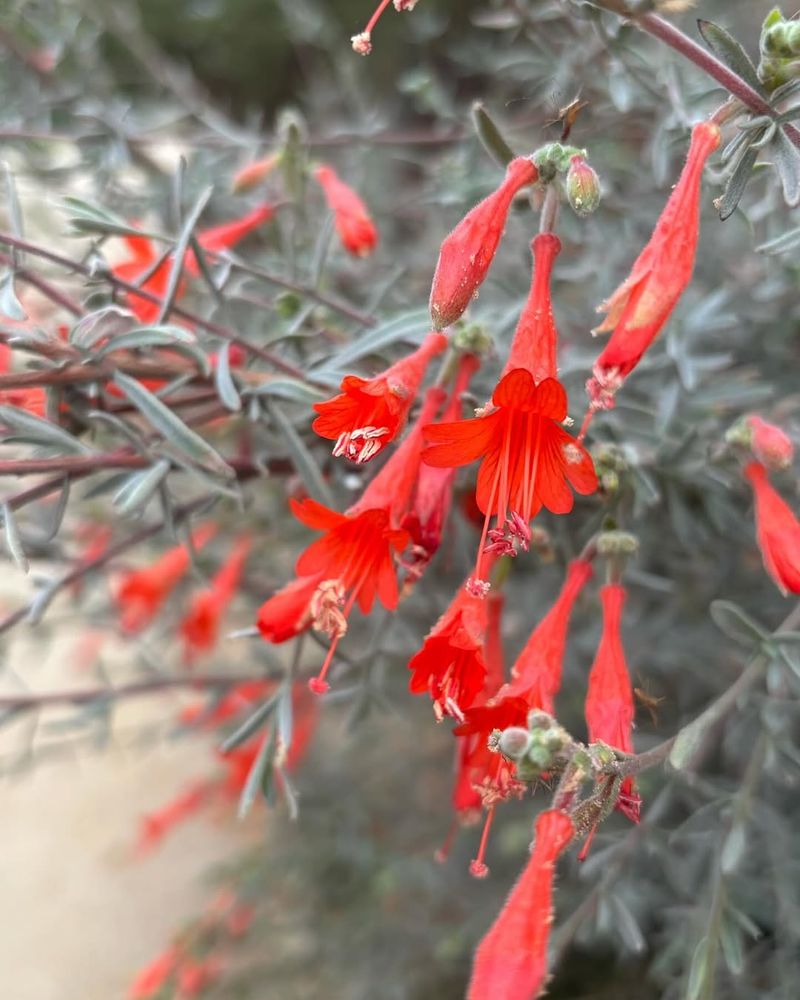
When most summer flowers start to fade and the garden looks a little tired, California Fuchsia steps up and steals the show. Its brilliant scarlet-orange tubular flowers blaze through late summer and fall, exactly when color is hardest to come by in a California yard.
Hummingbirds treat it like a favorite diner they visit every single day.
California Fuchsia, or Epilobium canum, is native to dry slopes and chaparral throughout the state. That background makes it perfectly suited for the long, rainless summers California is known for.
It spreads by underground runners and can form a flowing ground cover that looks lush even without regular irrigation. Trim it back hard in late winter and it bounces back fuller than before.
The silvery-gray foliage is attractive even when the plant is not in bloom, giving your garden a soft, textural quality throughout the year. It works beautifully on slopes where erosion can be a concern, and it softens the edges of pathways and borders with its relaxed, sprawling habit.
For California gardeners looking for a late-season burst of color that practically takes care of itself, California Fuchsia is an easy and exciting answer.
9. Foothill Sedge
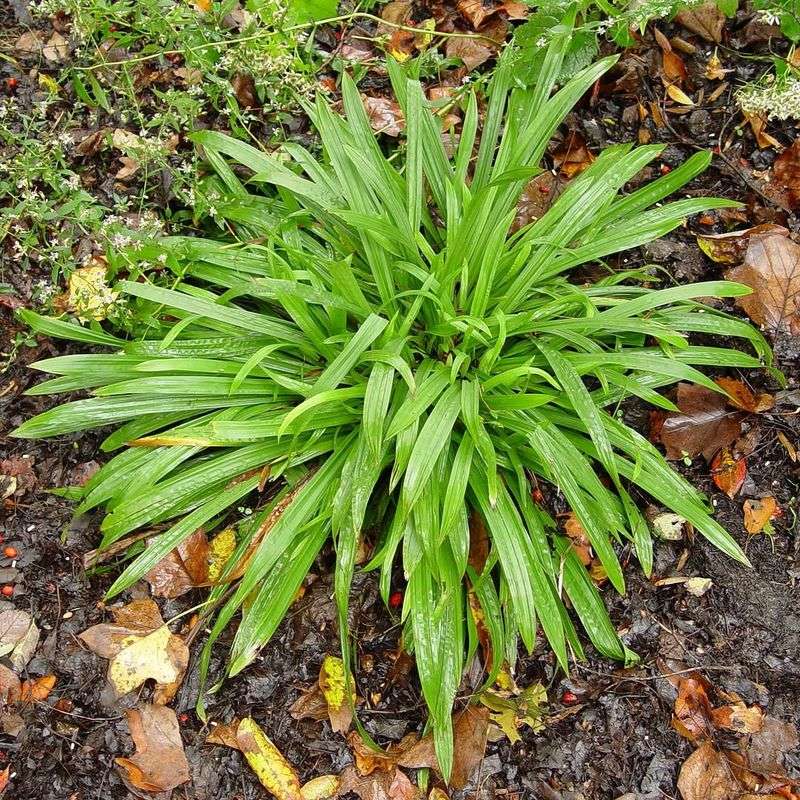
Finding a ground cover that looks lush in dry shade is one of gardening’s trickier challenges, especially in California. Foothill Sedge solves that problem with quiet confidence.
Its fine, arching green blades form a soft, dense mat that stays green through dry summers without needing much water at all.
Native to the foothills and woodlands of California, this sedge is completely at home under oaks, along creek edges, or in the shaded corners of a backyard. It tolerates foot traffic better than many ornamental grasses, which makes it a practical choice for areas that get occasional use.
Mow or cut it back once a year if you want a cleaner look, or simply let it grow naturally for a more relaxed style.
Foothill Sedge pairs beautifully with other shade-loving California natives like Coffeeberry and native ferns. It does not spread aggressively, so it stays where you put it without taking over.
Gardeners in Northern and Central California especially appreciate how well it handles the region’s oak woodland conditions. If your yard has a shady patch that always looks bare and dry, planting Foothill Sedge is one of the smartest and simplest fixes you can make.
10. Agave
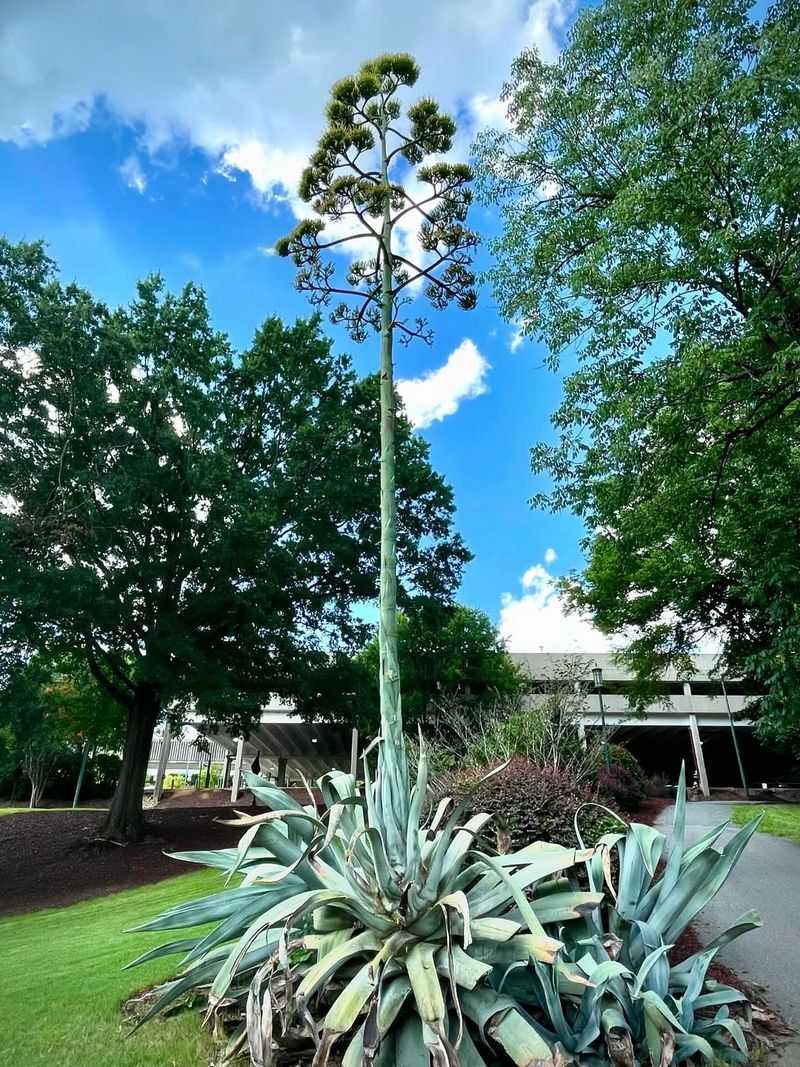
Bold, architectural, and practically indestructible, Agave is having a serious moment in California yards right now. Its thick, pointed leaves form dramatic rosettes that look incredible whether you plant one as a statement piece or group several together for a striking desert-inspired display.
It brings a sculptural quality that few other plants can match.
Agave is built for dry climates. It stores water in its thick leaves, which means it can go weeks or even months without irrigation once established.
California’s warm, dry summers are exactly the conditions this plant loves. Sandy or rocky, well-drained soil suits it best, and it asks for almost nothing in return for years of beauty and structure in your landscape.
There are many Agave species to choose from, ranging from compact varieties perfect for containers to large specimens that become dramatic focal points in the ground. Some produce spectacular flowering stalks after many years of growth.
Pair Agave with Deer Grass, California Fuchsia, or ornamental gravel for a yard that looks polished and modern while staying completely water-wise.
For California gardeners who want maximum visual impact with minimum maintenance, Agave is one of the smartest plants you can put in the ground this year.