13 Plants Georgia Gardeners Should Not Prune In Winter
Winter gardening in Georgia requires careful planning because some plants need their branches left completely alone during cold months ahead.
Cutting certain shrubs and trees at the wrong time can reduce spring blooms or even damage the plant’s overall health significantly.
Understanding which plants to skip during winter pruning sessions will help your garden thrive beautifully when warmer weather finally returns again.
Smart gardeners know that patience during colder months often leads to more colorful and healthier landscapes throughout the growing season ahead.
1. Azaleas
Azaleas set their flower buds during late summer and fall, which means winter pruning will remove all those precious blooms before spring.
Georgia gardeners adore these colorful shrubs because they transform landscapes into vibrant displays when temperatures warm up each year consistently.
Trimming branches during cold months eliminates the flower buds that have been patiently waiting to open since last growing season.
Instead of winter cutting, wait until right after the blooms fade in late spring to shape your azalea bushes properly.
This timing allows the plant to develop new flower buds throughout summer and fall for next year’s spectacular show ahead.
Azaleas thrive in Georgia’s climate, making them a favorite choice for homeowners seeking reliable color and beauty in their yards.
Proper timing ensures maximum blooms and keeps your shrubs looking full, healthy, and absolutely stunning throughout every growing season without fail.
Remember that patience with pruning schedules rewards you with breathtaking floral displays that neighbors will admire and compliment every single spring.
2. Camellias
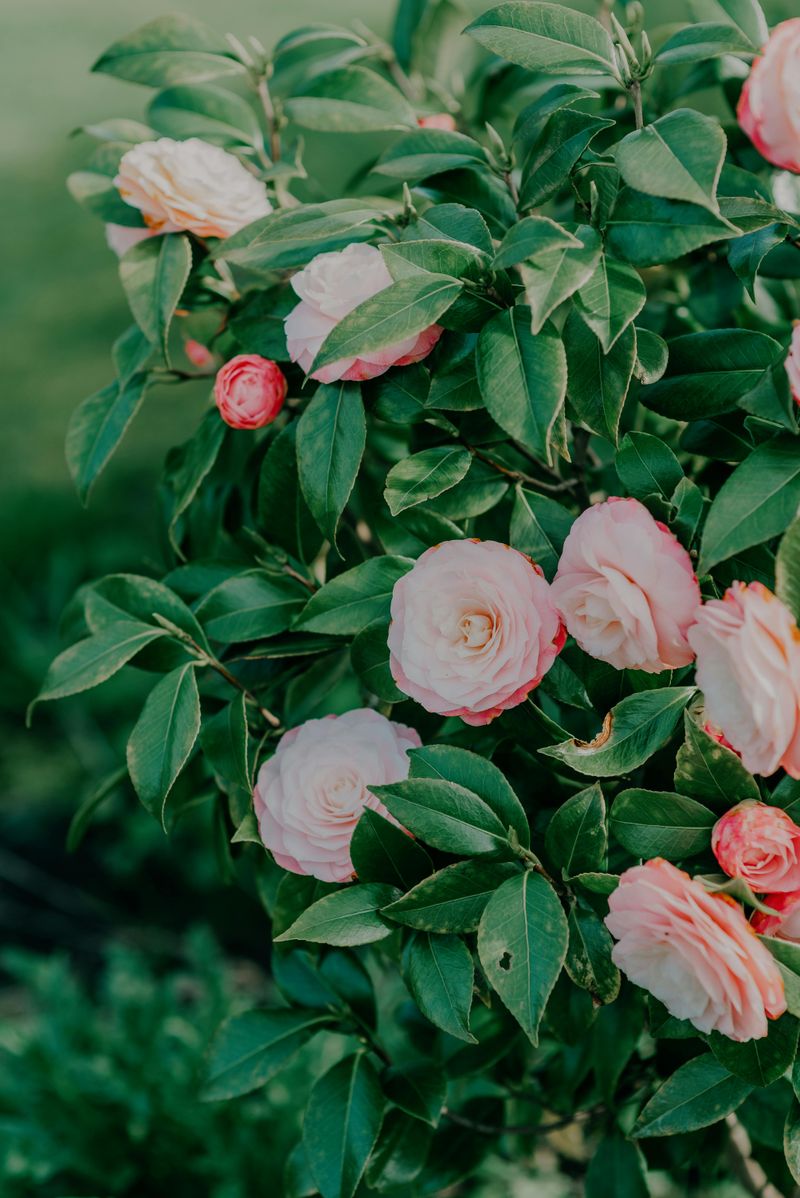
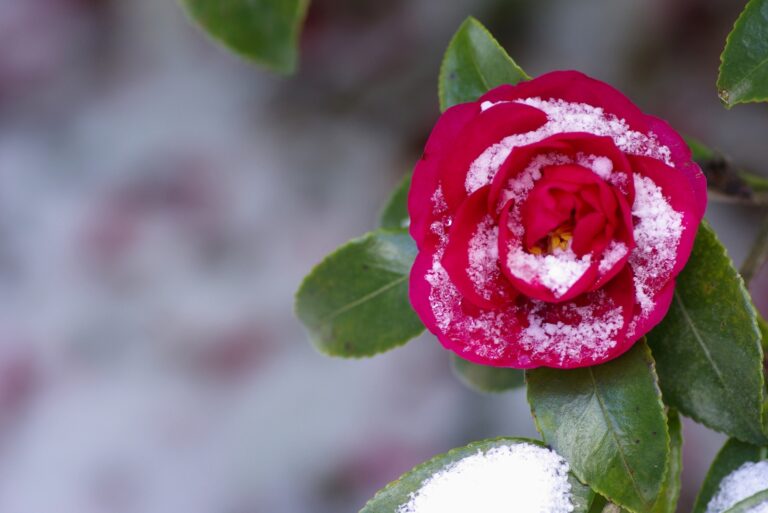
Camellias bloom during winter months in Georgia, providing rare color when most other plants remain dormant and completely bare outdoors.
Cutting these beauties back during their flowering period removes the gorgeous blossoms that brighten up cold, dreary days across the state.
Many varieties produce stunning pink, red, or white flowers from late fall through early spring, depending on the specific cultivar chosen.
Pruning should wait until after the blooming period ends completely, typically in late spring when new growth begins emerging naturally.
This approach protects the current season’s flowers while allowing you to shape the plant before it sets next year’s buds.
Camellias are beloved throughout Georgia for their glossy evergreen foliage and reliable winter blooms that add elegance to any landscape design.
Timing your pruning correctly ensures you enjoy every single flower while maintaining the plant’s attractive shape and overall structural health.
Smart scheduling means more beauty in your garden during months when color is scarce and greatly appreciated by everyone who visits.
3. Forsythia
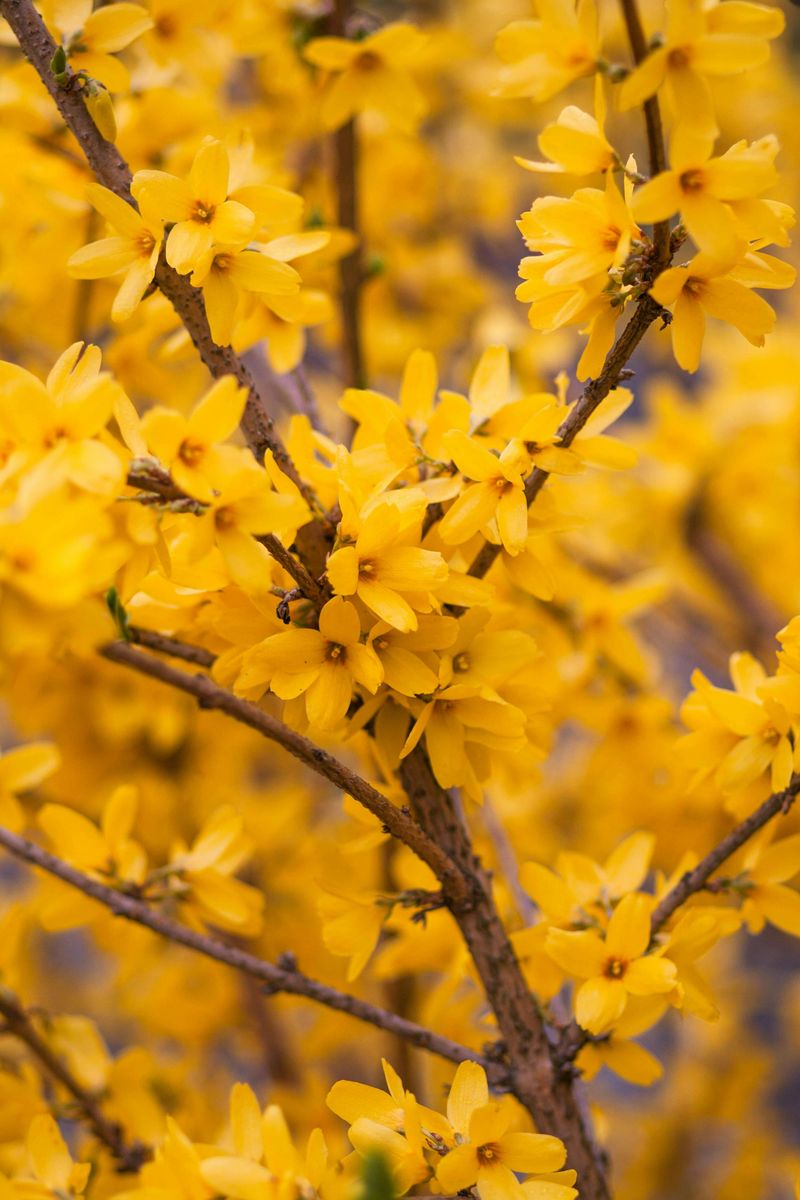
Forsythia’s brilliant yellow flowers arrive in early spring, signaling the end of winter and bringing cheerful color to Georgia landscapes everywhere.
These shrubs form their flower buds on old wood during the previous growing season, making winter pruning a blooming disaster.
Trimming branches before spring removes the buds that would have created that spectacular golden display everyone looks forward to seeing.
Wait until immediately after the flowers fade to prune forsythia, giving the plant time to develop new buds for next year.
This timing preserves the current season’s show while allowing you to control size and shape effectively throughout the growing period.
Forsythia is incredibly easy to grow in Georgia, tolerating various soil conditions and requiring minimal care beyond proper pruning timing.
The dramatic burst of yellow blooms makes this shrub a favorite for gardeners wanting early season color and reliable performance.
Proper pruning schedules ensure your forsythia continues producing abundant flowers year after year without ever missing a spectacular spring display ahead.
4. Hydrangeas
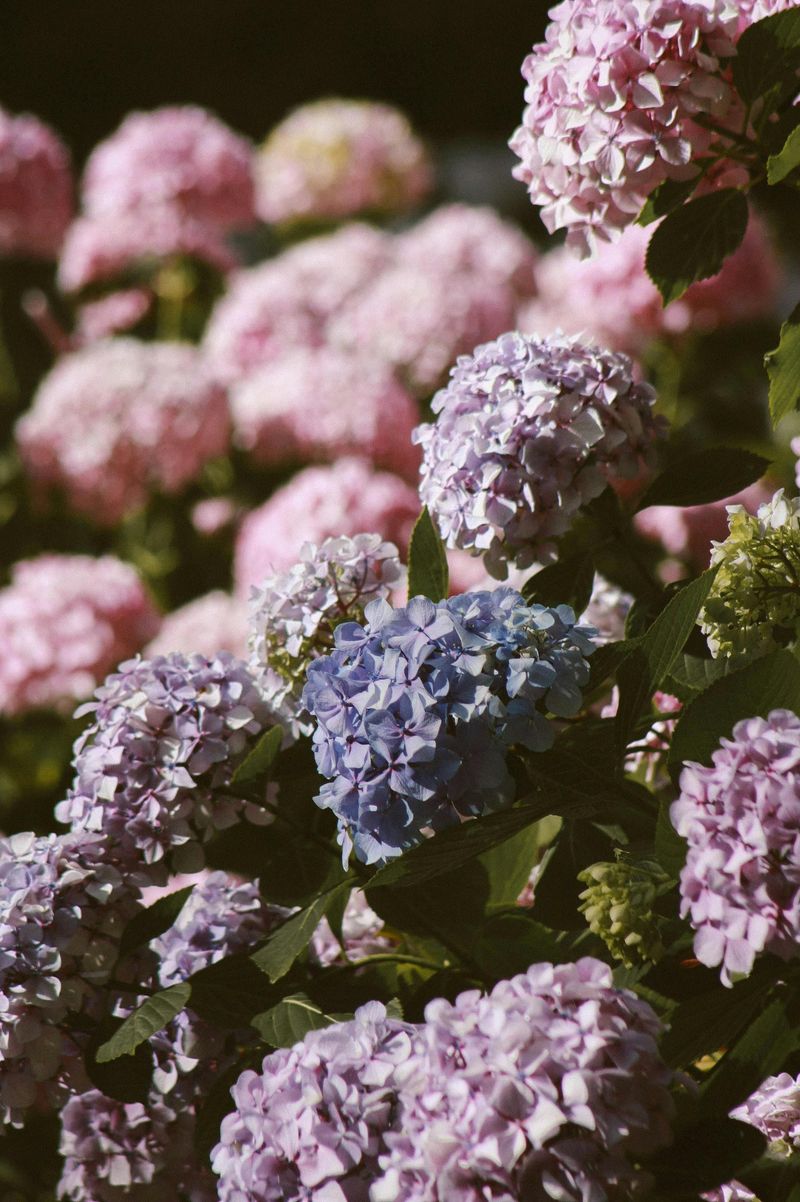
Hydrangeas are tricky because different varieties bloom on old wood, new wood, or both, requiring specific pruning schedules for success.
Many popular types like bigleaf and oakleaf hydrangeas bloom on old wood, meaning winter pruning removes next summer’s flower potential.
Georgia’s mild winters tempt gardeners to tidy up these shrubs early, but patience pays off with spectacular blooms come summer.
Identifying your hydrangea type is essential because pruning at the wrong time can leave you with green bushes but zero flowers.
For old-wood bloomers, wait until after flowering finishes in summer to remove withered or damaged branches as needed carefully.
Hydrangeas thrive in Georgia’s climate with proper care, producing massive flower clusters that range from blue to pink to white.
Leaving branches intact during winter protects developing buds and ensures your shrubs deliver the stunning floral show you’re expecting next season.
Understanding your specific variety’s blooming habit makes all the difference between a flower-filled summer and a disappointing, bloom-free disappointment later.
5. Lilacs

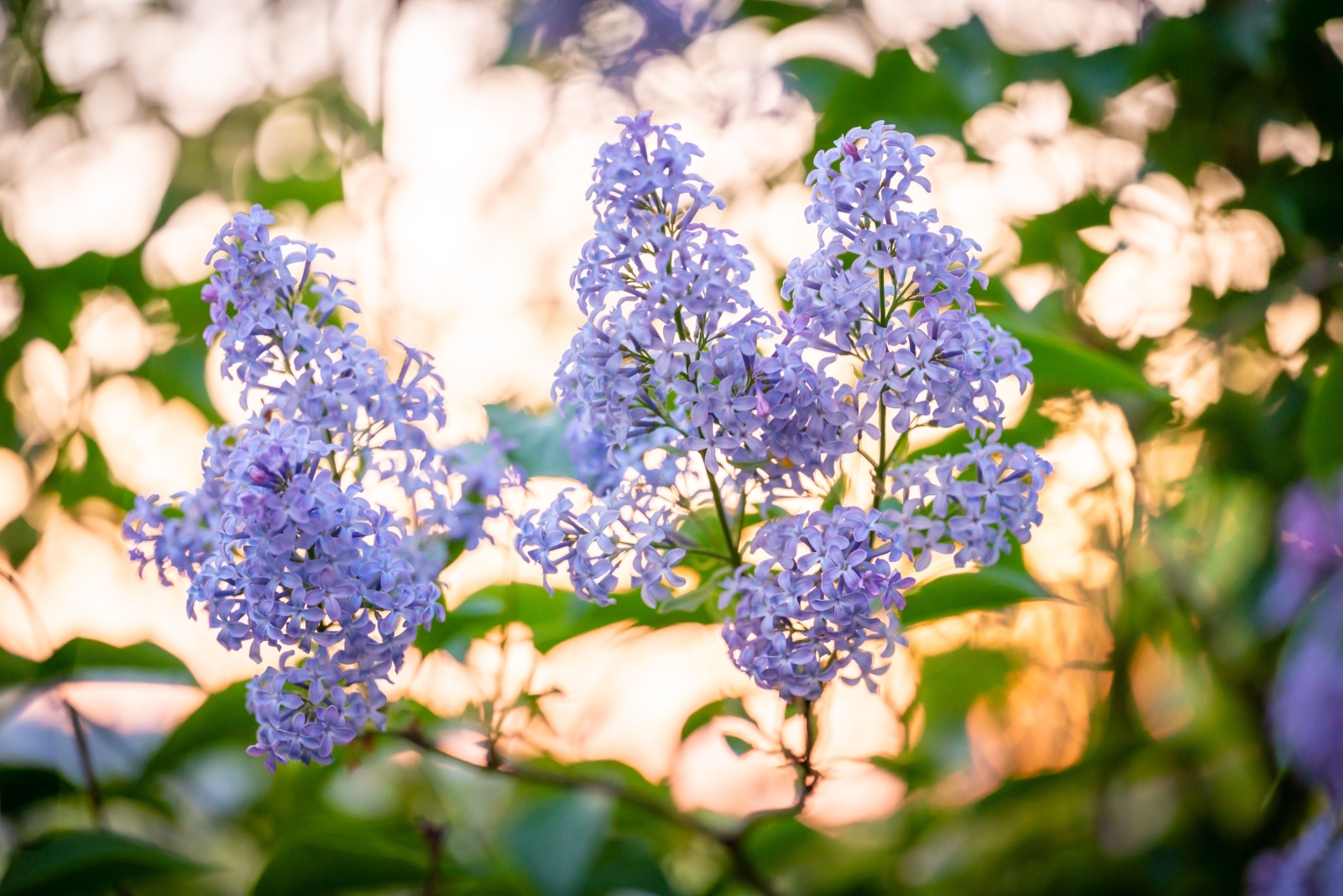
Lilacs bloom on old wood, developing their flower buds during late summer and fall after the current season’s blooms fade away.
Winter pruning removes these precious buds, leaving you with a nicely shaped bush but absolutely no fragrant flowers come springtime.
While lilacs prefer cooler climates, some varieties perform reasonably well in northern Georgia where temperatures drop consistently during winter months.
Timing is everything with these fragrant favorites, so mark your calendar to prune immediately after the spring blooming period ends.
This narrow window allows the plant to develop new flower buds throughout summer without sacrificing next year’s spectacular floral display.
Lilacs are cherished for their intoxicating fragrance and nostalgic appeal, reminding many gardeners of childhood memories and simpler times past.
Proper pruning timing ensures you maximize both blooms and fragrance while keeping the shrub at a manageable size for your space.
Skipping winter pruning might seem like a small detail, but it makes an enormous difference in your lilac’s performance each spring.
6. Rhododendrons

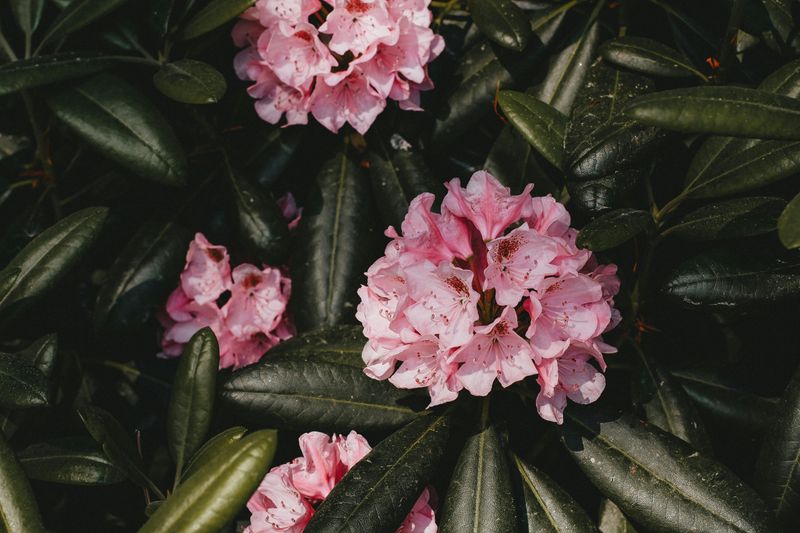
Rhododendrons set their impressive flower buds during late summer and fall, making winter pruning a guaranteed way to lose blooms.
These evergreen shrubs are prized for their large, showy flower clusters that appear in spring, creating stunning focal points in landscapes.
Georgia gardeners in mountainous regions have the best success with rhododendrons, where cooler temperatures and acidic soil conditions prevail naturally.
Cutting branches during winter removes the swollen buds that have been developing for months, sacrificing your spring floral display entirely.
Wait until immediately after flowering finishes to prune rhododendrons, allowing new growth to emerge and set buds for next season’s show.
These plants require minimal pruning overall, mostly needing only deadheading of spent blooms and removal of damaged branches as necessary.
Rhododendrons add year-round structure with their evergreen foliage and deliver spectacular color bursts when their flowers open in spring months.
Respecting their blooming cycle through proper pruning timing ensures your rhododendrons reward you with maximum beauty and minimal disappointment each year.
7. Flowering Quince
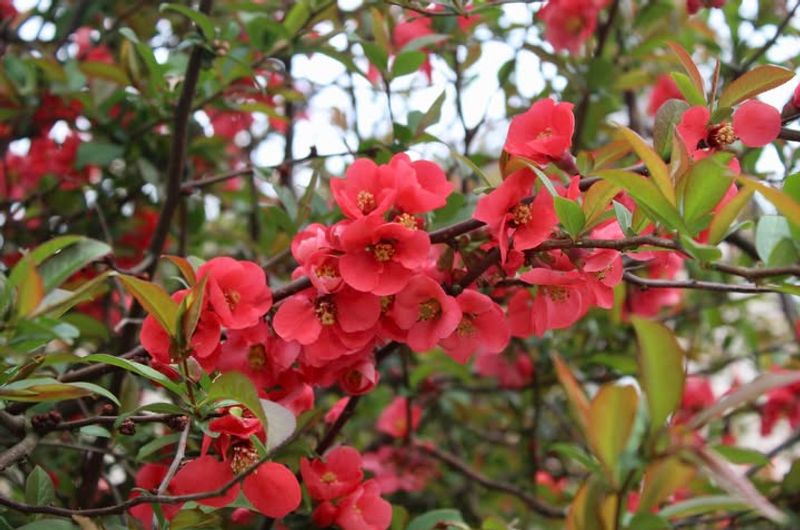
Flowering quince produces vibrant red, orange, or pink blooms on bare branches in early spring before leaves even start emerging.
These tough shrubs set flower buds on old wood during the previous growing season, making winter pruning a bloom-destroying mistake.
The dramatic early season color makes flowering quince a valuable addition to Georgia gardens seeking interest before most plants wake up.
Pruning should happen right after the flowers fade in late spring, giving the plant ample time to develop next year’s buds.
Flowering quince tolerates poor soil and tough conditions, making it an excellent choice for challenging spots where other shrubs struggle miserably.
The bright blooms appear on leafless branches, creating a striking architectural display that captures attention from everyone passing by your property.
Winter pruning removes those carefully formed buds, leaving you with a tidy shrub but zero early spring color to enjoy outdoors.
Timing your pruning correctly preserves the spectacular floral show while allowing you to control the plant’s size and shape effectively.
8. Weigela
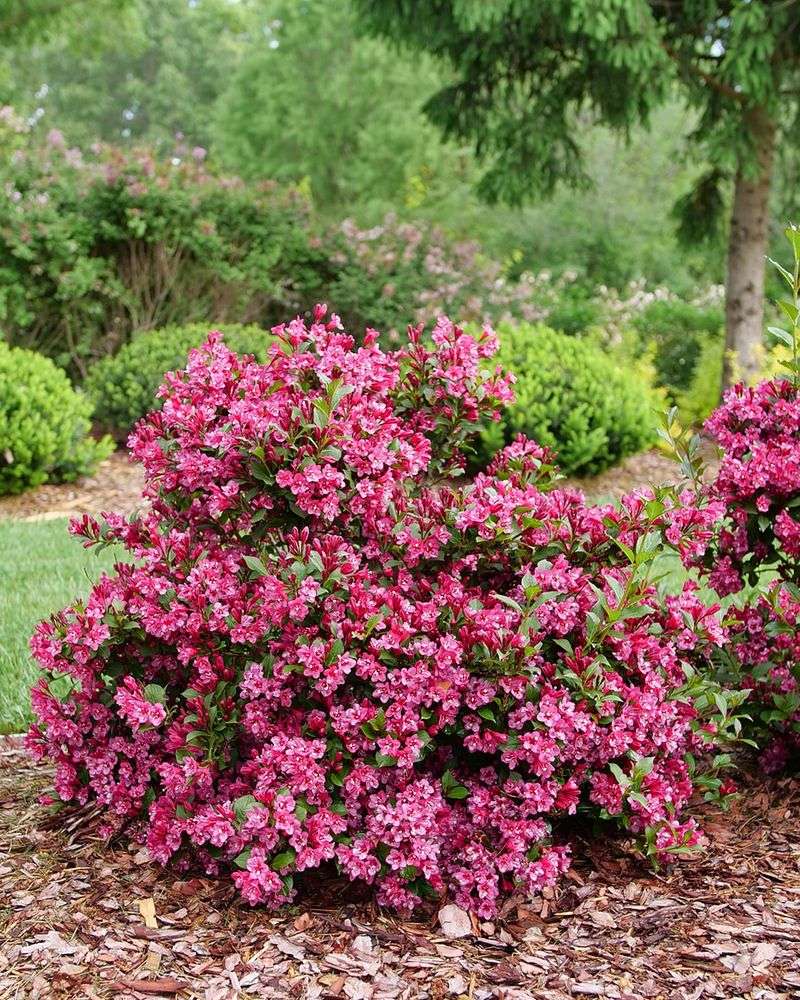
Weigela produces tubular flowers in shades of pink, red, or white during late spring, attracting hummingbirds and adding cheerful color.
This deciduous shrub blooms primarily on old wood, meaning winter pruning sacrifices the flower buds formed during the previous season.
Georgia’s climate suits weigela perfectly, providing the chill hours needed for proper bud development and subsequent blooming in spring months.
Pruning should occur immediately after the main flowering period ends, typically in early summer when blooms begin fading from branches naturally.
This timing allows the shrub to produce new growth that will carry next year’s flowers while maintaining an attractive shape.
Weigela is relatively low-maintenance, requiring only occasional pruning to remove damaged wood and control size in smaller garden spaces effectively.
The abundant flowers and attractive arching branches make this shrub a favorite for gardeners wanting reliable color and easy care combined.
Skipping winter pruning ensures your weigela delivers the spectacular floral display and hummingbird activity you’re hoping to see each spring season.
9. Mountain Laurel

Mountain laurel is Georgia’s state flower, producing stunning clusters of pink and white blooms in late spring throughout mountainous regions.
This evergreen native shrub sets flower buds during late summer and fall, making winter pruning a surefire way to eliminate blooms.
The intricate star-shaped flowers and glossy foliage make mountain laurel a prized addition to shaded woodland gardens across northern Georgia areas.
Pruning should wait until after flowering finishes completely, typically in early summer when you can assess the plant’s shape accurately.
Mountain laurel requires minimal pruning overall, mostly needing only removal of spent flower clusters and occasional shaping for aesthetic purposes alone.
This native beauty thrives in acidic soil and partial shade, making it perfect for areas where other flowering shrubs struggle considerably.
Winter pruning removes the carefully developed buds that would have created Georgia’s signature floral display come late spring each year.
Respecting the plant’s natural blooming cycle through proper timing ensures you enjoy the spectacular flowers that make this shrub so special.
10. Deutzia
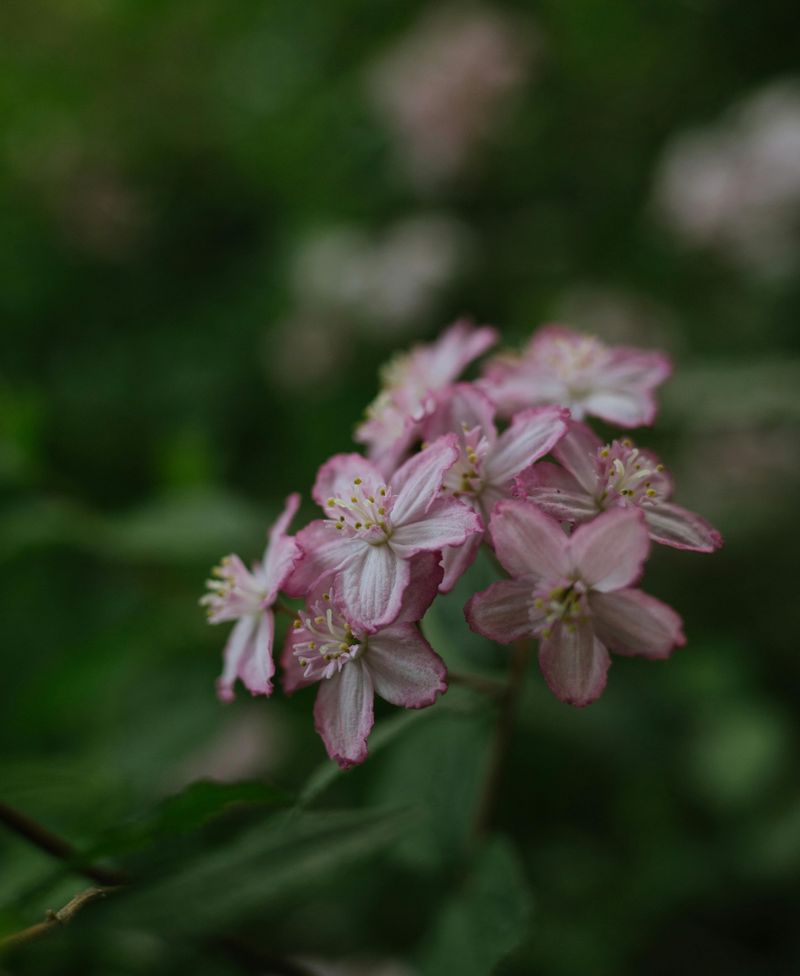
Deutzia produces masses of delicate white or pink flowers along arching branches in late spring, creating a fountain-like display outdoors.
This underappreciated shrub blooms on old wood, developing flower buds during the previous growing season before winter arrives each year.
Winter pruning removes these buds, leaving you with an attractive shrub structure but zero flowers when spring finally arrives in Georgia.
Wait until immediately after flowering ends to prune deutzia, allowing new growth to emerge and set buds for next season’s show.
Deutzia tolerates Georgia’s heat and humidity reasonably well, making it a reliable choice for gardeners seeking something different from standard options.
The cascading flower-covered branches create a romantic, cottage-garden aesthetic that adds softness to landscape designs throughout the growing season ahead.
Minimal pruning is needed overall, with most maintenance involving removal of old canes and light shaping after blooming finishes completely.
Proper timing ensures your deutzia delivers the abundant floral display that makes this graceful shrub worth including in your garden landscape.
11. Kerria
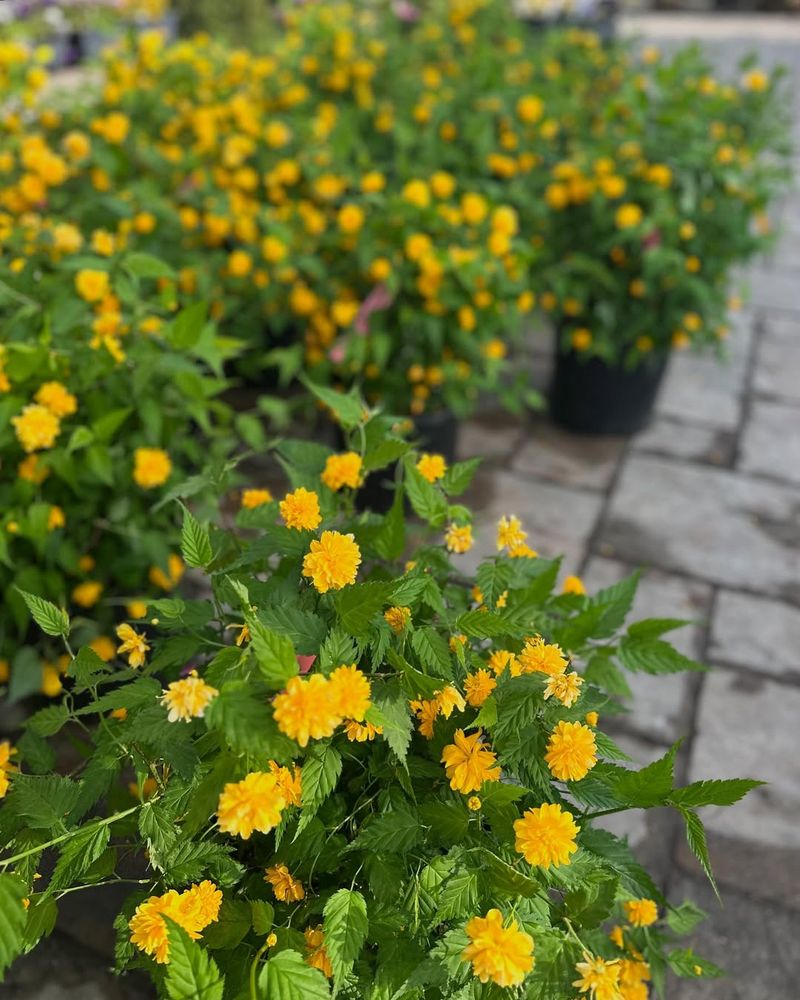
Kerria produces cheerful yellow pompom-like flowers in spring on bright green stems that provide year-round interest in garden landscapes.
This deciduous shrub blooms on old wood, meaning winter pruning removes the flower buds formed during the previous growing season.
The bright green stems remain attractive even in winter, adding color to the garden when most other plants look dormant and bare.
Pruning should occur right after flowering finishes in late spring, allowing you to remove old canes while preserving next year’s blooms.
Kerria tolerates shade better than many flowering shrubs, making it valuable for brightening up darker areas where other plants struggle significantly.
The double-flowered varieties produce especially showy blooms that resemble tiny yellow roses, adding cottage-garden charm to any landscape design chosen.
Winter pruning sacrifices the spring flower show that makes this shrub special, leaving you with attractive stems but missing floral color.
Timing your pruning correctly ensures you maximize blooms while maintaining the plant’s natural arching form and manageable size in your space.
12. Mock Orange

Mock orange produces intensely fragrant white flowers in late spring, filling Georgia gardens with a heavenly scent reminiscent of orange blossoms.
This old-fashioned shrub blooms on old wood, developing flower buds during the previous season before winter temperatures arrive each year.
Winter pruning removes these precious buds, sacrificing both the beautiful flowers and the incredible fragrance that makes this plant so beloved.
Wait until immediately after flowering ends to prune mock orange, giving the plant time to develop new growth and buds properly.
The powerful fragrance makes this shrub perfect for planting near patios, walkways, or windows where you can enjoy the scent fully.
Mock orange tolerates Georgia’s climate well, requiring minimal care beyond occasional pruning to control size and remove older, less productive canes.
The combination of attractive white flowers and outstanding fragrance makes this shrub a nostalgic favorite for many Southern gardeners today.
Proper pruning timing ensures you experience both the visual beauty and incredible scent that make mock orange a garden treasure worth growing.
13. Spirea
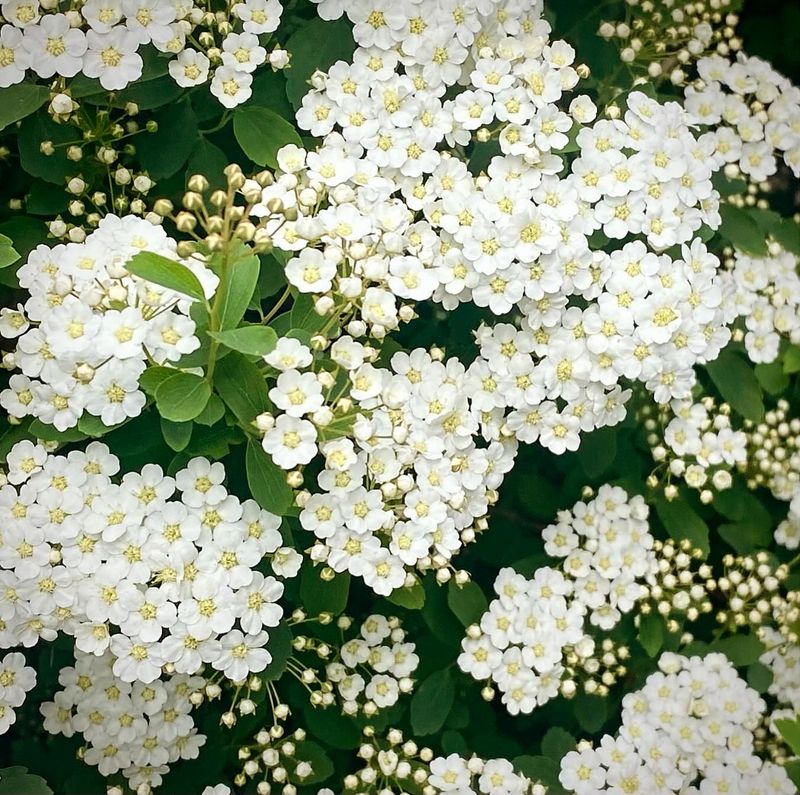
Spirea comes in many varieties, with spring-blooming types producing flowers on old wood and requiring careful pruning timing for success.
Bridal wreath spirea and similar varieties bloom on last year’s growth, meaning winter pruning eliminates the graceful flower-covered branches expected.
These shrubs create stunning displays when their arching branches become completely covered in white or pink flower clusters each spring season.
Pruning should wait until after flowering finishes, typically in late spring when you can clearly see which branches need attention.
Summer-blooming spirea varieties bloom on new wood and can be pruned in late winter, but spring bloomers require different treatment.
Identifying your spirea type is essential for proper pruning timing, as cutting at the wrong time leaves you with foliage but no flowers.
Spring-blooming varieties are especially popular in Georgia for their reliable performance and spectacular floral displays that arrive like clockwork annually.
Respecting each variety’s blooming habit ensures your spirea delivers maximum beauty without disappointing you when flowering season arrives each year.