7 Plants Georgia Gardeners Should Prune In April
There’s always that moment in April when everything in the yard starts growing at once. Shrubs fill out, new shoots appear, and plants that looked quiet just weeks ago suddenly need attention.
It’s easy to grab the pruners and start cutting, but this is where timing really matters.
Some plants respond well to an April trim and come back fuller, stronger, and more balanced. Others can lose flowers or struggle if they’re cut at the wrong time.
Knowing which is which makes a noticeable difference as the season moves forward.
A careful approach now can shape how your garden looks for months to come. Instead of guessing, it helps to focus on the plants that actually benefit from a spring cut.
Coming up next are the ones that handle April pruning well and respond with healthy, steady growth.
1. Crepe Myrtle Encouraging Strong, Clean New Growth
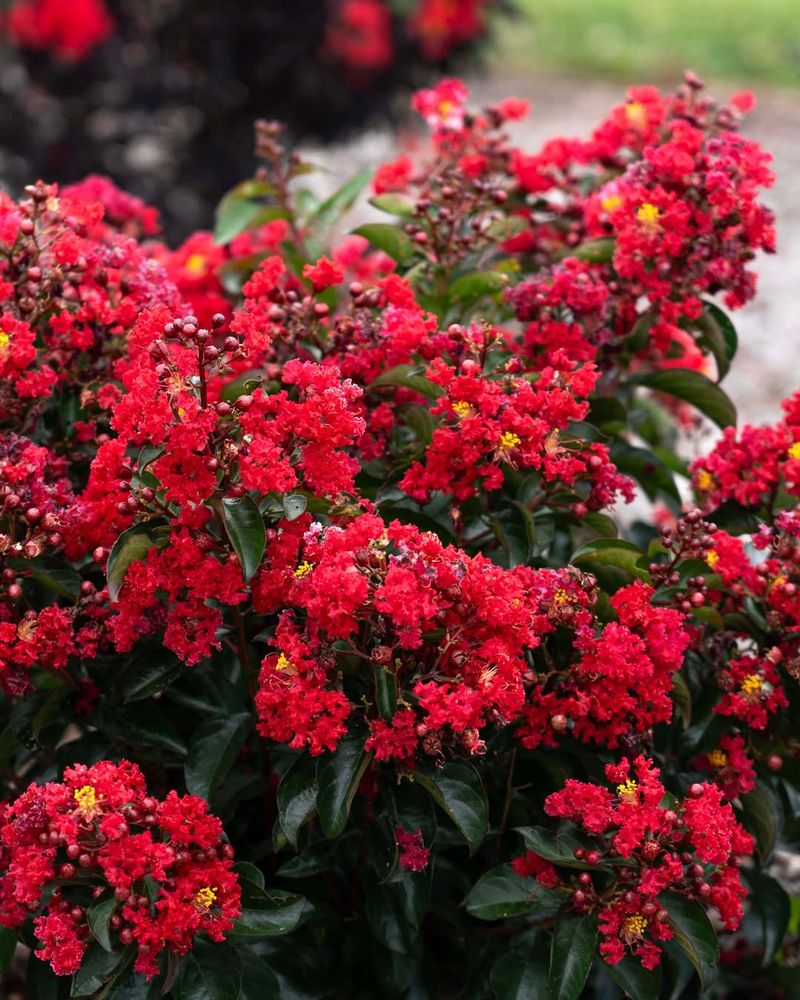
Few trees say “Southern garden” quite like the crepe myrtle. Drive through any Georgia neighborhood in summer and you will spot those stunning clusters of pink, red, white, or lavender blooms lighting up the landscape.
April is your window to prune these beauties before they fully wake up from dormancy, and doing it right sets the stage for an incredible bloom season ahead.
One of the biggest mistakes Georgia gardeners make is something called “crepe murder” — chopping the tops off completely to leave stubby, flat-headed trunks. Please avoid this.
It weakens the tree over time and produces a mess of weak, overcrowded shoots that never quite look right. Instead, focus on removing any crossing branches, dead wood, and small twiggy growth from the base and interior of the tree.
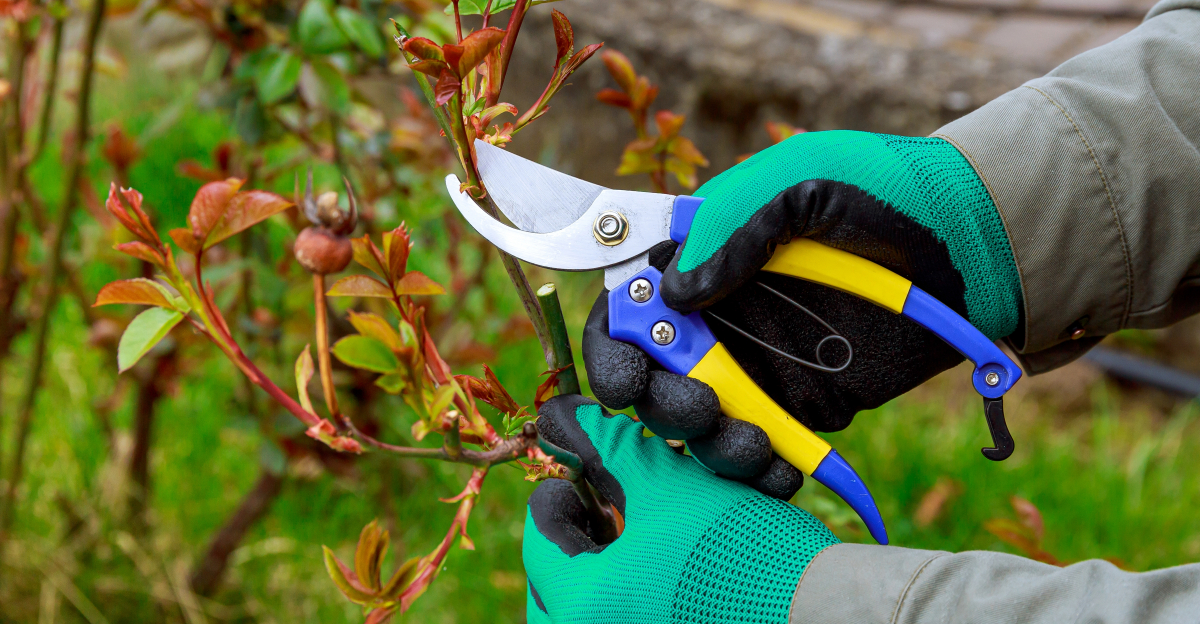
Use clean, sharp pruning shears or loppers, and make smooth cuts just above a bud or branch junction. If you have a larger crepe myrtle, a pruning saw may come in handy for thicker limbs.
Removing only what needs to go keeps the tree’s natural vase shape intact, which is honestly one of its best features.
In Georgia, crepe myrtles tend to leaf out a little earlier than in cooler states, so do not wait too long into April. Once you see green buds swelling on the branches, get your pruning done quickly.
A well-pruned crepe myrtle will reward you with stronger branches that hold up blooms without drooping, better air circulation that reduces disease, and a fuller, more graceful canopy. It truly is one of the most satisfying pruning jobs in the Georgia garden all year long.
2. Butterfly Bush Boosting Bigger Summer Blooms
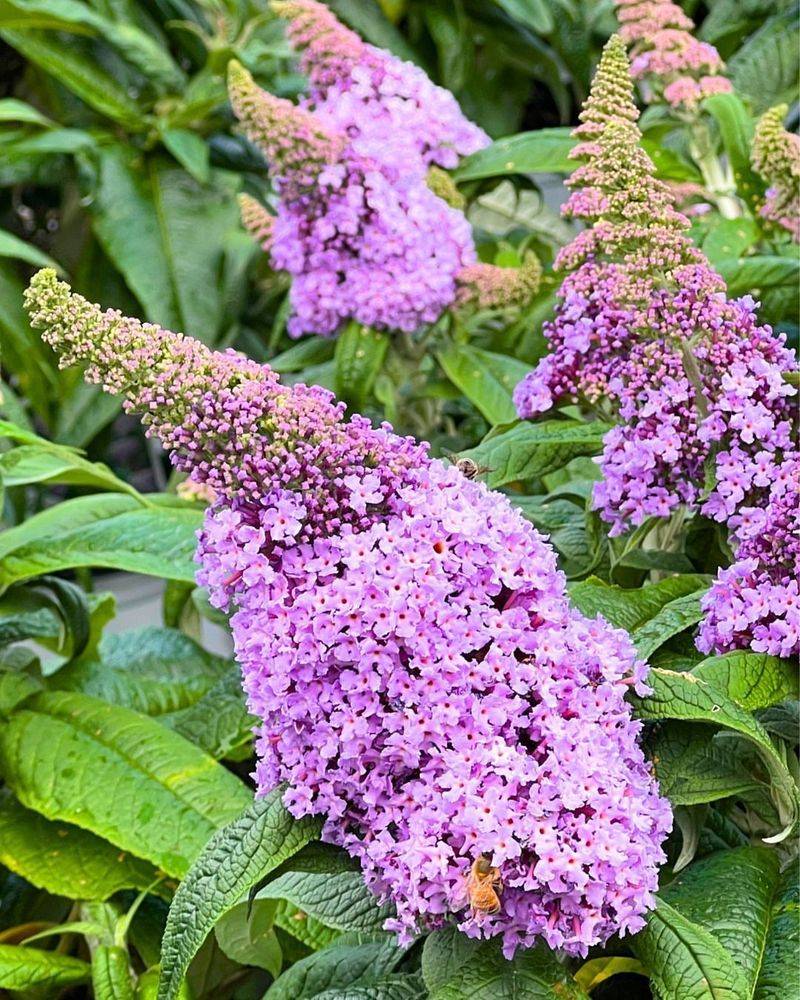
If you want a plant that practically begs butterflies and hummingbirds to visit your Georgia yard, the butterfly bush delivers every single time. Those long, cone-shaped flower spikes in purple, pink, white, and deep magenta are irresistible to pollinators from summer straight through fall.
But here is the thing: butterfly bush blooms on new wood, which means the more aggressively you cut it back in April, the better it performs later in the season.
By April in Georgia, you may already notice some green shoots poking up from the base of the plant. That is your signal that it is the perfect moment to act.
Cut the entire shrub back hard, ideally down to about 12 to 18 inches from the ground. Yes, it will look a little dramatic at first, but trust the process.
That hard cutback pushes the plant to send out vigorous new stems that will carry big, fragrant blooms by midsummer.
Always use clean, sharp loppers or pruning shears when working on butterfly bush. Ragged cuts invite disease, and Georgia’s warm, humid summer air is already a breeding ground for fungal problems if you are not careful.
Removing old, woody canes all the way to the base is also a smart move, since those older stems tend to produce fewer flowers anyway.
One fun fact: butterfly bush was originally introduced from China and has naturalized so well in warm climates like Georgia’s that it can spread aggressively. Deadheading spent blooms throughout the summer will help keep it from self-seeding too freely.
A little April pruning and some summer maintenance keeps this showstopper looking spectacular without taking over your entire yard.
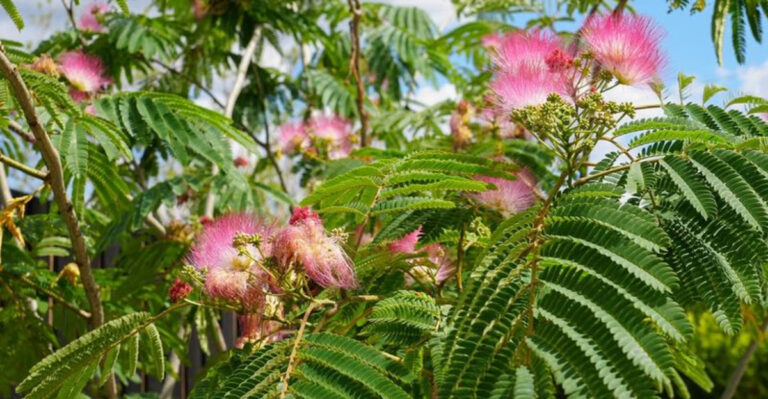
3. Rose Of Sharon Promoting Fuller Flowering Branches
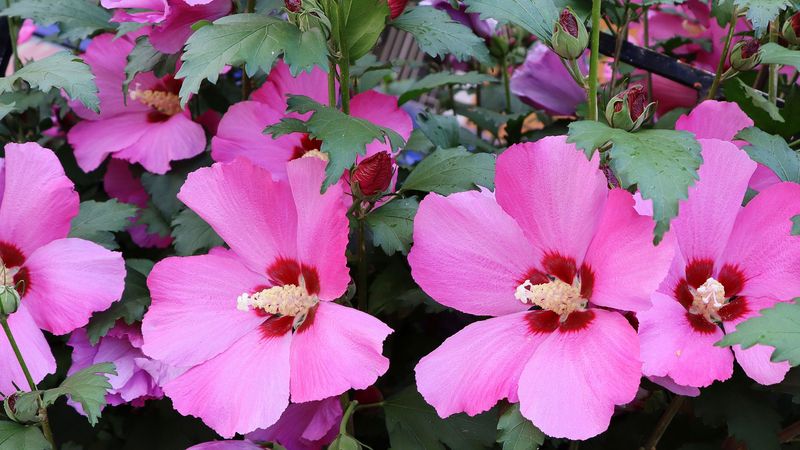
Rose of Sharon is one of those reliable, old-fashioned shrubs that Georgia gardeners have counted on for generations. It blooms late in the season, usually from midsummer well into fall, filling the garden with hollyhock-like flowers in shades of white, pink, lavender, and deep purple.
Because it flowers on new growth produced in the current season, pruning in April is exactly the right call.
Wait until you can see the tiny green buds beginning to swell along the branches before you start cutting. In Georgia, this typically happens in early to mid-April as temperatures consistently warm up.
Pruning at this point lets you clearly see which branches are healthy and which ones did not make it through winter. Cut back the previous year’s growth by about one-third to one-half, and remove any dead, damaged, or crossing branches entirely.
If your Rose of Sharon has gotten a bit out of hand over the years, April is also a great time to do a more aggressive renewal pruning. You can cut the whole shrub back to about 12 inches from the ground to encourage a fresh flush of strong, upright growth.
It sounds drastic, but this plant is remarkably resilient and bounces back with enthusiasm in Georgia’s warm growing conditions.
One thing worth knowing about Rose of Sharon is that it self-seeds freely, sometimes a little too freely. If you want to keep seedlings from popping up all over your Georgia garden beds, make sure to deadhead the spent blooms throughout summer and fall.
Keeping up with that simple task, combined with your April pruning routine, will keep this classic shrub looking tidy, healthy, and full of gorgeous blooms year after year.
4. Abelia Keeping A Neat Shape And Steady Growth
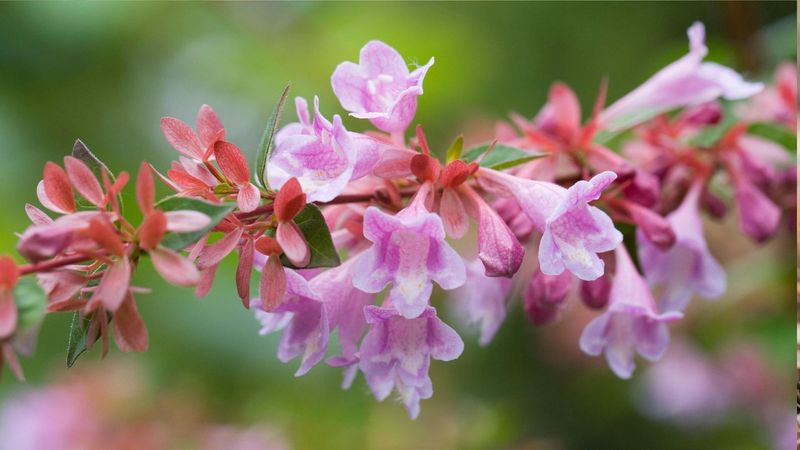
One of the most underappreciated shrubs in the Georgia landscape, abelia deserves far more attention. It offers something for almost every season: delicate white or pink tubular flowers from late spring through fall, attractive bronzy-green foliage that shifts to reddish-purple in cooler weather, and a graceful arching growth habit that looks beautiful in borders, foundation plantings, and naturalized areas.
April pruning helps keep all of that charm in check.
Unlike some shrubs that need a hard cutback, abelia responds best to a lighter approach in April. Start by removing any stems that were damaged over winter, cutting them back cleanly to healthy wood or all the way to the base.
Next, take out about one-third of the oldest, woodiest canes to encourage fresh growth from the center of the plant. This kind of selective thinning keeps the shrub from getting too dense and promotes better air circulation, which matters a lot in Georgia’s humid summers.
You can also lightly shape the outer edges of the plant to maintain a neat, rounded form if it is growing in a formal spot. For a more relaxed, cottage-style garden, a lighter touch that preserves those naturally arching branches tends to look more organic and appealing.
Either way, avoid shearing abelia into a tight ball shape, since that tends to remove the flowering tips and reduces blooms.
Abelia is wonderfully low-maintenance once it is established, making it a favorite among Georgia gardeners who want beauty without a lot of fuss. A quick April pruning session, combined with a light feeding of slow-release fertilizer, sets this shrub up for months of reliable color and pollinator activity throughout the long Georgia growing season.
5. Shrub Roses Driving Healthier, Repeat Blooms
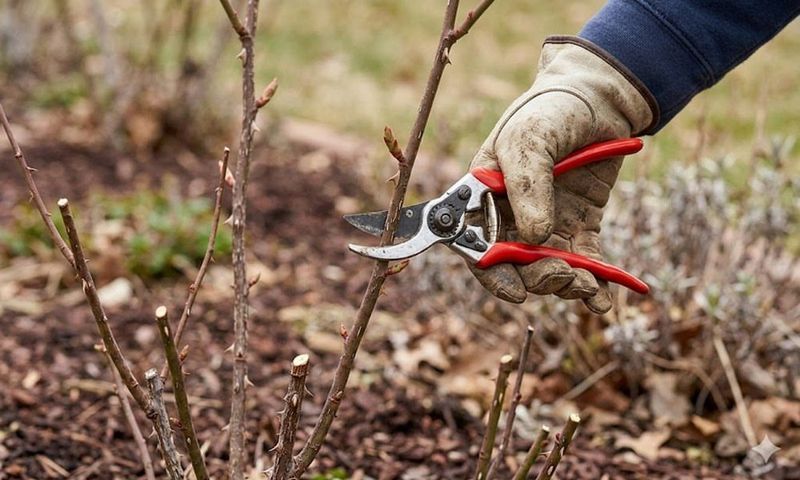
Despite a reputation for being fussy, shrub roses are genuinely tough, forgiving plants that thrive in Georgia’s climate with just a little seasonal attention. April is prime time to give them the pruning they need to produce an abundance of blooms from late spring right through fall.
Getting this step right early in the season pays off in a big way once the flowers start opening.
By early April in Georgia, shrub roses are usually pushing out fresh red or green new growth from their canes. Use that new growth as your guide.
Cut back each cane to just above an outward-facing bud, which encourages the plant to grow outward and open rather than crowding inward. Aim to reduce the overall height of the shrub by about one-third, and remove any canes that are thinner than a pencil, since those rarely produce quality blooms.
Dead wood is easy to spot at this time of year because it will be brown, dry, or shriveled while healthy canes stay green or show signs of new bud activity. Cut dead canes all the way back to the base or to where you find healthy, white-centered wood inside the stem.
Cleaning up dead material also reduces the risk of disease and pest problems, both of which can be real challenges in Georgia’s warm, humid environment.
Always wipe your pruning blades with rubbing alcohol between cuts if you suspect any disease on your roses. Sharp, clean tools make a noticeable difference in how quickly cuts heal over.
A handful of rose fertilizer worked into the soil after pruning gives your shrub roses the fuel they need to reward you with wave after wave of gorgeous blooms all across Georgia’s long growing season.
6. Ornamental Grasses Clearing Way For Fresh New Blades
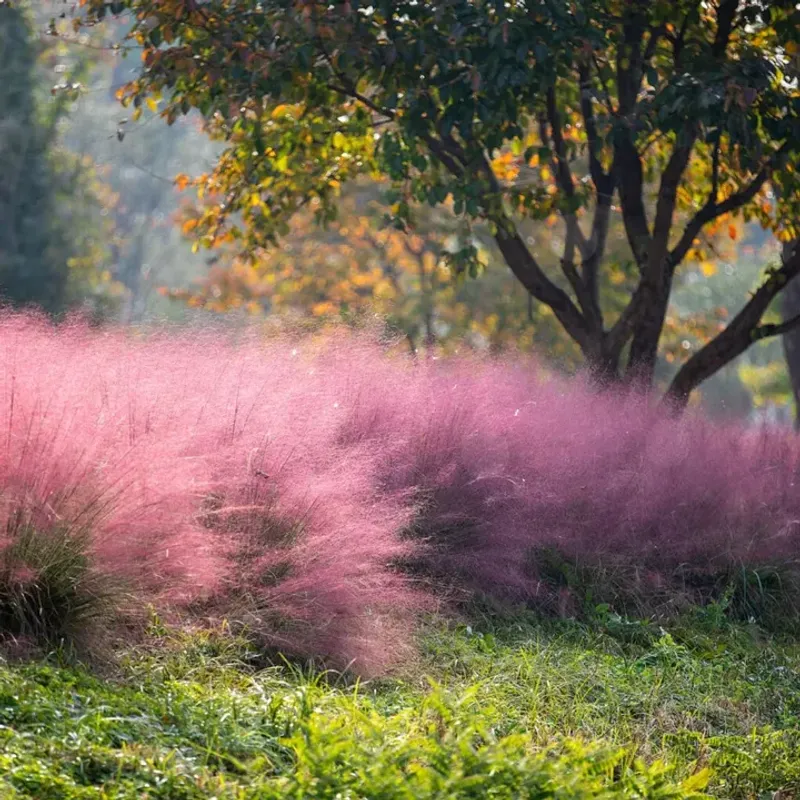
Ornamental grasses are some of the hardest-working plants in any Georgia garden. They add texture, movement, and year-round interest to borders and landscape beds, and their feathery seed heads look absolutely stunning through fall and winter.
But come April, those old golden stalks have done their job, and cutting them back is one of the most satisfying garden tasks of the season.
The goal is simple: cut the entire clump down to about four to six inches above the ground before new green growth emerges from the center. In Georgia, April is right on time for this job.
If you wait too long and new shoots are already several inches tall, you risk cutting off the fresh growth, which sets the plant back. Use sharp hedge shears or a reciprocating saw for large clumps, and consider tying the grass into a bundle before cutting to make cleanup much easier.
Warm-season ornamental grasses like muhly grass, miscanthus, and pampas grass are all popular choices for Georgia landscapes, and all of them benefit from this annual April cutback. It removes the old, weather-beaten foliage and gives the new growth room to emerge cleanly, producing a fuller, more attractive clump by midsummer.
Cold-season grasses like blue fescue are a little different and may only need a light trim to remove dead tips rather than a full cutback.
After cutting back your ornamental grasses, take a moment to check whether any clumps have gotten too large or developed a dead center, which is common in older plantings. April is the ideal time in Georgia to divide overgrown clumps, replanting healthy outer sections to refresh the planting and share extras with neighbors or other spots in your garden.
7. Evergreen Shrubs Maintaining Structure And Dense Growth

The backbone of most Georgia landscapes, evergreen shrubs provide structure, privacy, and year-round greenery even when everything else has gone dormant. Plants like boxwood, holly, cherry laurel, and wax myrtle fall into this category, and April is a smart time to give them some attention before the heat of summer arrives and growth really kicks into high gear.
Light shaping and selective pruning in April helps evergreens maintain a tidy appearance and encourages a flush of fresh new growth that quickly fills in any thin or uneven areas. Start by walking around each shrub and looking for any winter-damaged branches, which may appear brown, brittle, or discolored compared to the healthy green growth around them.
Cut those damaged sections back to healthy wood, making your cut just above a leaf node or side branch.
For formal hedges or shaped topiaries, April is also a great time to do your first light shearing of the season. New growth is soft and easy to shape at this stage, and trimming early encourages the shrub to branch out more densely, producing a thicker, more uniform appearance by summer.
Avoid cutting into old, bare wood on plants like boxwood, since it can be slow to re-sprout in those areas.
Georgia gardeners should also keep an eye out for boxwood blight and other fungal issues when pruning evergreens in spring. Always sanitize your tools between plants to avoid spreading any potential pathogens.
A light application of slow-release fertilizer after pruning gives your evergreen shrubs the nutrients they need to push out strong new growth and look their absolute best throughout Georgia’s warm, lush growing season ahead.