8 Plants Georgia Gardeners Should Prune In January
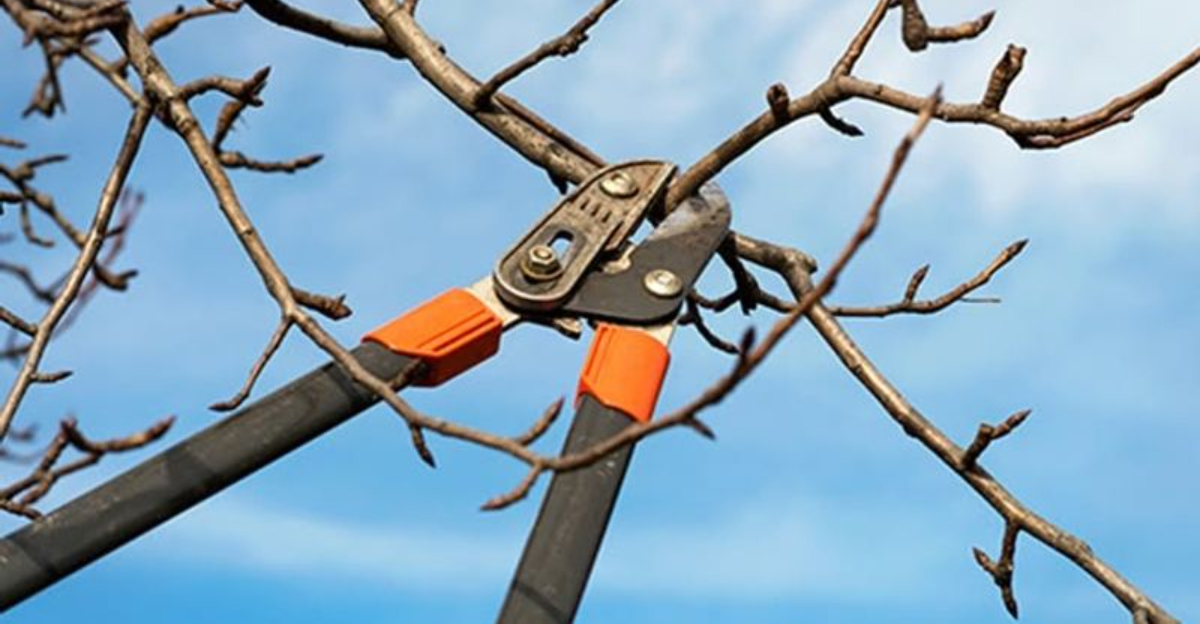
In Georgia, January brings a quiet pause to the garden, but it is far from a dormant time for gardeners who like to stay a step ahead.
Pruning in the heart of winter sets the stage for healthy growth, vibrant blooms, and tidy landscapes come spring.
Cutting back at the right time can make the difference between a tangled, overgrown mess and a garden that bursts with life and color when warmer days arrive.
Pruning helps plants focus their energy where it matters most.
Removing dry, weak, or crowded branches encourages stronger stems and healthier flowers.
It also improves air circulation, reduces the risk of disease, and keeps shrubs and trees looking their best.
In Georgia’s mild winters, gardeners have a window to shape ornamental shrubs, fruit trees, and flowering perennials without stressing the plants.
For home landscapes, pruning in January is like laying the groundwork for success.
A few careful snips now pay off in months of beauty and easier maintenance.
Garden beds feel organized, trees look structured, and flowers thrive.
For gardeners who want strong, healthy plants and a picture-perfect yard, winter pruning is a small effort with a big payoff.
1. Peach Trees
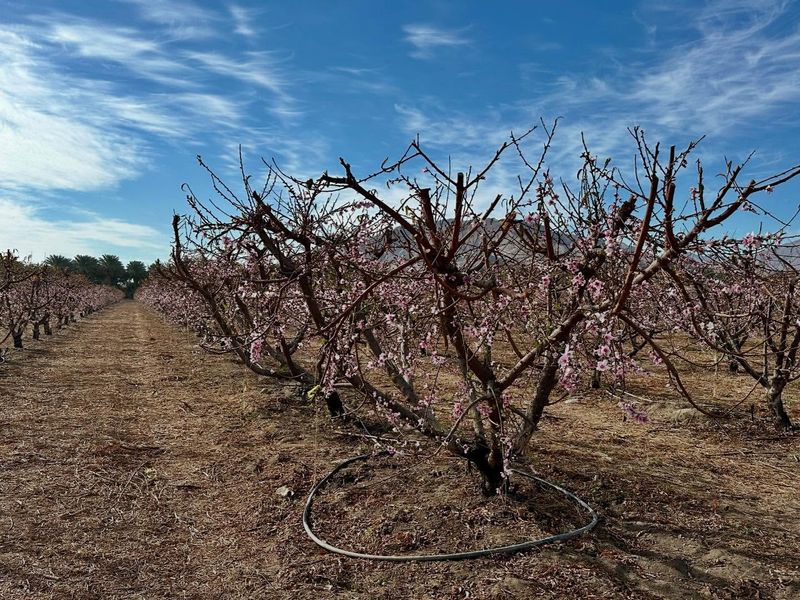
Georgia’s famous peach trees actually demand more pruning attention than most other fruit trees in the state.
These southern favorites produce fruit on one-year-old wood, meaning last year’s new growth is where this summer’s peaches will form.
Without proper January pruning, peach trees become overcrowded and produce smaller, less flavorful fruit.
Begin by removing any dry, damaged, or diseased branches you can spot.
Then thin out the interior branches to create that essential open-vase shape peach trees love.
This shape allows Georgia’s strong summer sun to reach developing fruit and helps air move through the canopy.
Peach trees grow vigorously in Georgia’s climate, so don’t be afraid to prune heavily.
Removing up to 40 percent of the previous year’s growth isn’t uncommon for mature peach trees.
Cut back long, whiplike branches to encourage shorter, sturdier growth that can support heavy fruit loads.
Space your remaining branches about six inches apart to prevent crowding as they leaf out.
January timing is critical because pruning too late can remove flower buds that formed last fall.
Clean cuts made now heal quickly before the spring growth flush begins across Georgia gardens.
Proper pruning also reduces the risk of peach tree borer damage by eliminating weak, stressed wood these pests prefer.
2. Apple Trees
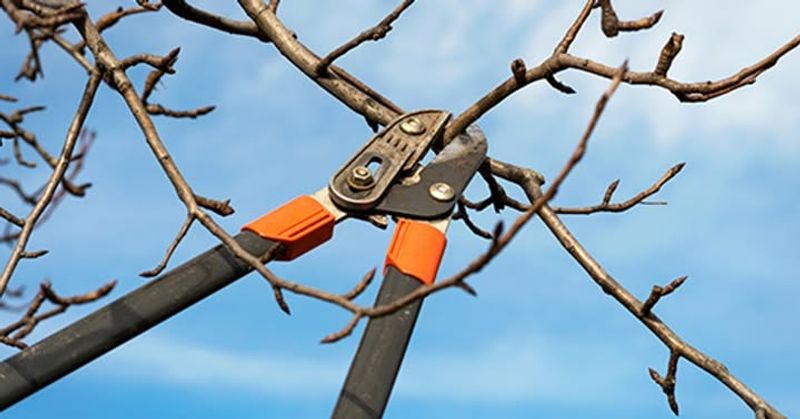
Apple trees grown throughout Georgia orchards and backyards need their annual haircut during January’s dormant period.
Pruning while the tree sleeps allows you to see the branch structure clearly without leaves blocking your view.
This visibility makes it much easier to identify problem branches, crossed limbs, and areas where sunlight can’t penetrate the canopy.
Start by removing any branches that grow straight up or straight down, as these won’t produce quality fruit.
Next, look for branches that rub against each other since this friction creates wounds where diseases can enter.
Georgia’s humid climate makes disease prevention especially important for fruit trees.
Focus on creating an open center that allows air circulation and sunlight to reach all parts of the tree.
This open structure helps fruit ripen evenly and reduces moisture buildup that leads to fungal problems.
Remove about 20 to 30 percent of last year’s growth to encourage strong new fruiting wood.
Make your cuts at a 45-degree angle just above an outward-facing bud to promote growth away from the tree’s center.
January pruning also removes overwintering pest eggs and disease spores hiding in dry wood.
Your apple trees will reward this winter attention with better fruit production and healthier growth when Georgia’s spring warmth arrives.
3. Blueberry Bushes

Blueberry bushes thrive in Georgia’s acidic soils and benefit tremendously from thoughtful January pruning.
These productive shrubs can live for decades when properly maintained through annual winter trimming.
January represents the perfect time because the plants are fully dormant and you can easily assess their structure.
Start your pruning by removing any canes that are more than six years old, as these produce fewer and smaller berries.
Older canes look grayer and thicker than younger, more productive brown stems.
Next, cut away any weak, spindly growth that won’t support heavy berry clusters.
Blueberries produce their best fruit on vigorous canes that are two to four years old.
Remove low-growing branches that will drag on the ground when loaded with fruit.
These low branches are more susceptible to soil-borne diseases common in Georgia’s humid environment.
Thin out crowded centers to improve air circulation and light penetration throughout the bush.
Good airflow helps prevent fungal diseases that love Georgia’s warm, moist growing season.
For mature bushes, remove about one-third of the oldest canes each year to maintain productivity.
Young bushes under three years old need minimal pruning, just remove any dry tips or damaged branches.
This January maintenance ensures your Georgia blueberry harvest will be abundant and easy to pick come summer.
4. Muscadine Grapevines
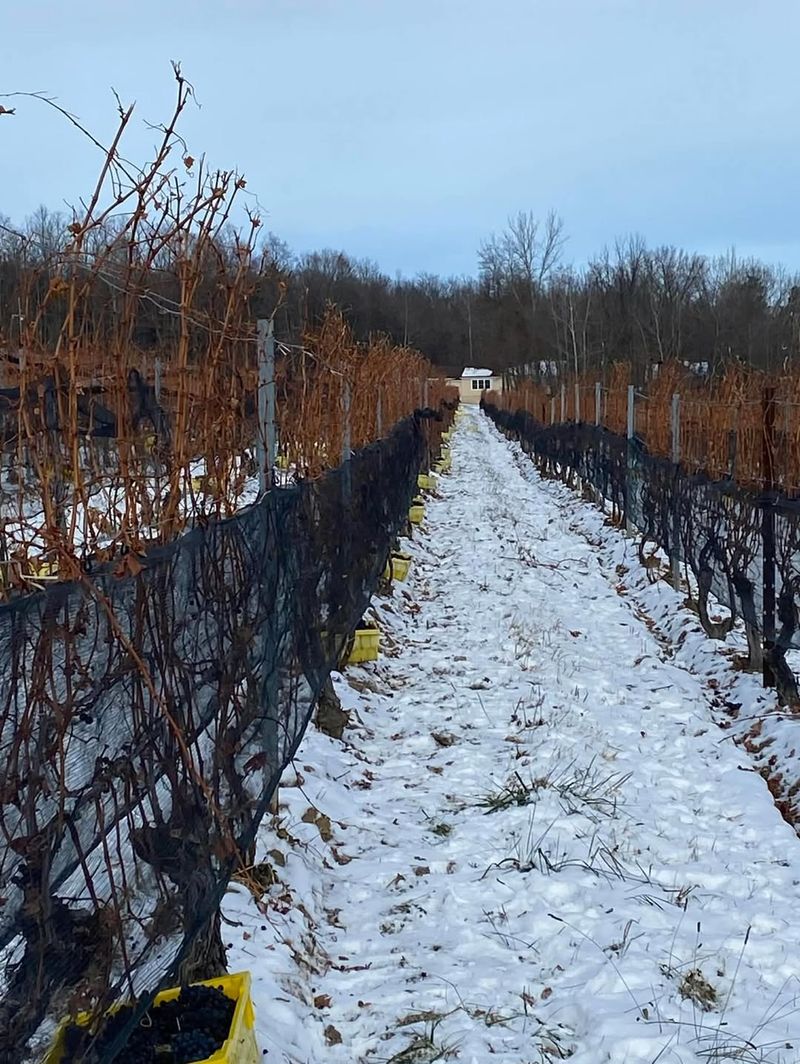
Muscadine grapes are native to the southeastern United States and absolutely flourish in Georgia’s climate.
These vigorous vines require significant pruning each January to keep them productive and manageable.
Without annual pruning, muscadines quickly become tangled masses that produce tiny, sparse grape clusters.
Muscadines fruit on new growth that emerges from last year’s wood, so your pruning strategy affects this year’s harvest.
Remove about 90 percent of last year’s growth, which sounds extreme but is necessary for these enthusiastic vines.
Leave short spurs with two to four buds along the main cordons or arms of the vine.
These spurs will produce the new shoots that bear the new season’s grapes.
Cut away any shoots growing from the main trunk below the cordons, as these drain energy from productive parts.
Georgia’s long growing season means muscadines can easily overgrow their trellises without firm pruning.
Remove tangled or crossing vines that prevent sunlight from reaching all parts of the plant.
Good light exposure helps grapes ripen evenly and develop their characteristic sweet flavor.
January pruning also eliminates places where insects and diseases can hide during Georgia’s winter months.
Make clean cuts close to the main vine to promote quick healing when spring growth begins.
Your muscadines will respond to this aggressive winter pruning with vigorous spring growth and heavy fruit production.
5. Crape Myrtles
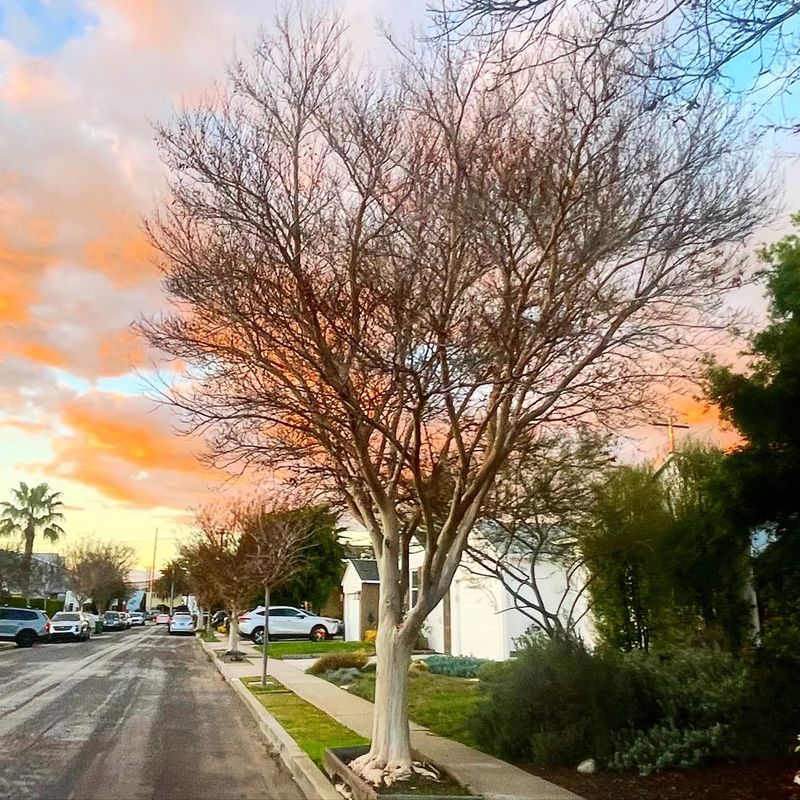
Few plants define Georgia landscapes quite like crape myrtles with their stunning summer blooms and attractive bark.
January offers an excellent opportunity to prune these beloved trees, though they require a lighter touch than many people realize.
The practice called crape murder, where trees are topped with severe cuts, actually harms these plants and creates ugly growth.
Instead, focus on selective pruning that maintains the tree’s natural, graceful shape.
Remove any suckers growing from the base of the trunk, as these drain energy from the main tree.
Cut away crossing branches and any limbs growing toward the center of the canopy.
Crape myrtles bloom on new wood, so you won’t sacrifice flowers by pruning in January.
Trim back any small twiggy growth to encourage larger, more vigorous flowering branches.
Remove seed pods left from last summer’s blooms to direct energy into new growth rather than seed production.
Georgia gardeners should also cut away any branches smaller than a pencil in diameter from the interior.
This thinning improves air circulation, which helps prevent powdery mildew during humid Georgia summers.
For multi-trunk specimens, remove any trunks that disrupt the overall symmetry or crowd other trunks.
Keep your cuts above a lateral branch or bud to avoid leaving ugly stubs.
Proper January pruning enhances crape myrtles’ natural beauty while promoting the spectacular flower displays that make them Georgia favorites.
6. Fig Trees
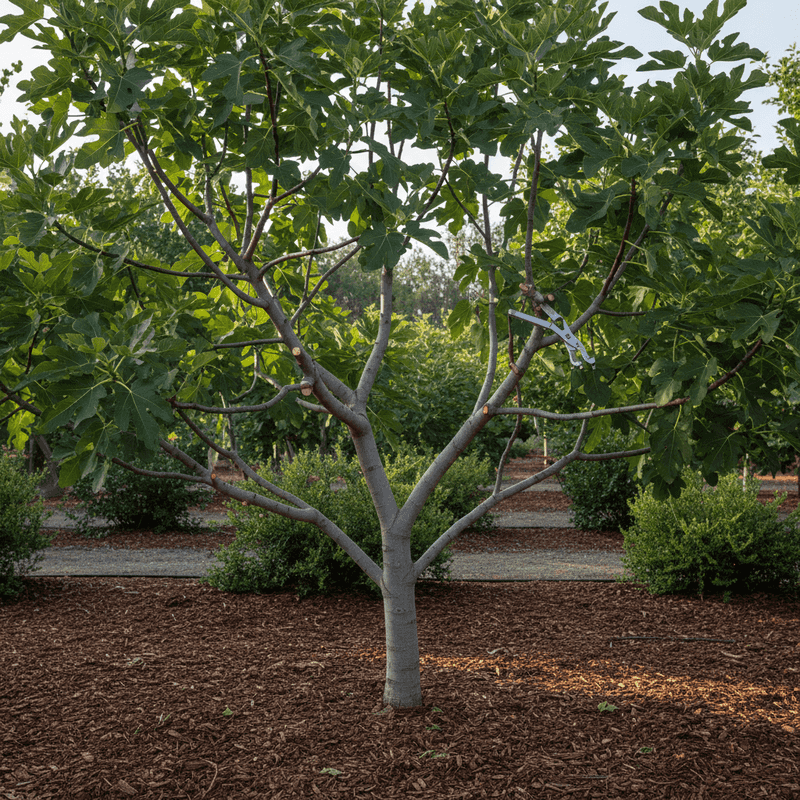
Fig trees have been growing in Georgia gardens for generations, providing delicious fruit with minimal fuss.
These Mediterranean natives adapt beautifully to Georgia’s climate and benefit from strategic January pruning.
Figs produce fruit on new wood as well as on last year’s growth, depending on the variety.
Common figs grown in Georgia typically produce their main crop on current season’s growth.
January pruning helps control the size of these vigorous trees and improves fruit quality.
Start by removing any branches damaged by winter weather or showing signs of disease.
Fig trees in Georgia sometimes experience frost damage on tender tips during cold snaps.
Cut back these damaged areas to healthy wood where you can see green tissue beneath the bark.
Remove suckers that emerge from the roots or base of the trunk, as these compete with the main tree.
Thin out crowded branches in the center to allow sunlight to reach developing fruit.
Better light penetration also helps figs ripen more evenly during Georgia’s hot summers.
For trees that have grown too tall for easy harvesting, cut back the tallest branches to a lower lateral branch.
This keeps fruit within reach and encourages the tree to put energy into existing branches rather than height.
Avoid heavy pruning that removes more than one-third of the tree, as this can delay fruiting and stress the plant.
7. Roses
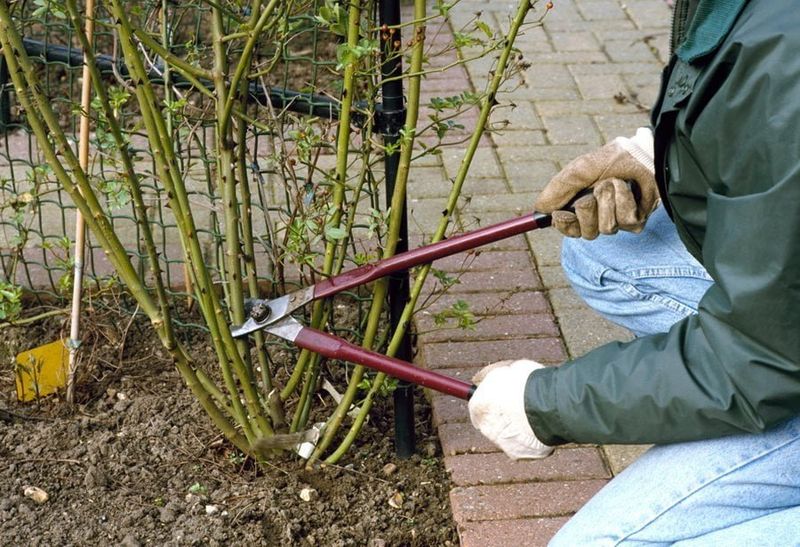
Rose bushes throughout Georgia gardens need their annual January pruning to produce the spectacular blooms they’re famous for.
Winter pruning removes old, unproductive wood and shapes plants for maximum flower production.
Different rose types require slightly different approaches, but January works well for most varieties grown in Georgia.
Hybrid tea roses, floribundas, and grandifloras should be cut back to about 18 to 24 inches tall.
Make your cuts at a 45-degree angle about one-quarter inch above an outward-facing bud.
This angled cut sheds water and encourages growth away from the plant’s center.
Remove any canes that are thinner than a pencil, as these won’t produce quality blooms.
Cut away all dry wood, which appears brown or black inside rather than green or white.
Georgia’s humid climate makes disease prevention critical, so also remove any canes showing dark spots or lesions.
Open up the center of each bush to improve air circulation and reduce fungal disease problems.
Climbing roses need less severe pruning, just remove dry wood and trim back lateral branches.
Shrub roses require only light shaping and the removal of damaged canes.
After pruning, clean up all fallen leaves and trimmings around your roses, as these can harbor diseases over winter.
This thorough January pruning sets the stage for healthy growth and abundant blooms throughout Georgia’s long growing season.
8. Butterfly Bush
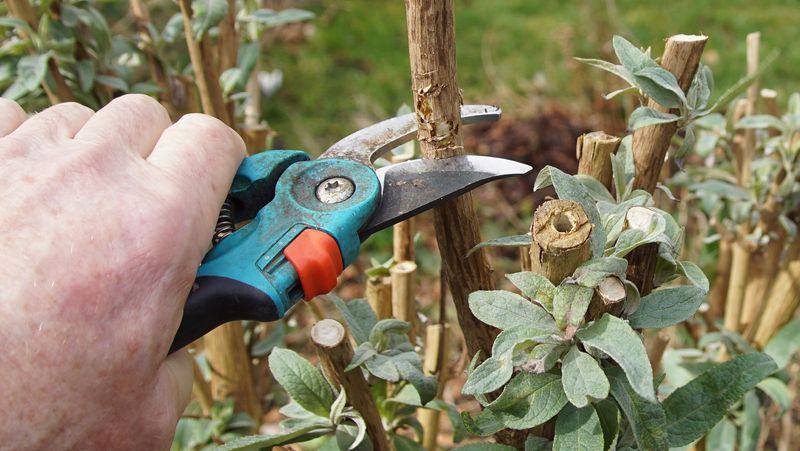
Butterfly bushes bring color and pollinator activity to Georgia gardens from spring through fall.
These fast-growing shrubs bloom on new wood, making January the ideal time for aggressive pruning.
Many Georgia gardeners are surprised to learn that butterfly bushes can be cut back to just 12 inches from the ground.
This severe pruning might look drastic, but it’s exactly what these vigorous plants need.
Without hard pruning, butterfly bushes become leggy with flowers only at the tips of tall, bare stems.
January’s dormant period is perfect because you can see the plant’s structure clearly.
Cut all stems back to about 12 to 18 inches above the ground, making cuts just above a set of buds.
This hard pruning forces the plant to produce numerous new shoots from the base.
These new shoots will be covered with flowers from late spring through fall across Georgia.
Remove any dry stems completely, cutting them back to the crown at ground level.
Butterfly bushes can spread aggressively in Georgia’s favorable climate, so also remove any unwanted suckers.
Some Georgia counties actually restrict butterfly bush planting because certain varieties self-seed readily.
Pruning off old flower heads in January prevents seed formation and reduces unwanted spread.
The dramatic January cutback also rejuvenates older plants that have become woody and less productive.
Your butterfly bush will respond with vigorous spring growth and masses of fragrant flowers that attract butterflies all season long.