13 Plants Georgia Homeowners May Not Be Allowed To Grow Much Longer
I still remember walking through a neighbor’s Georgia garden and spotting a row of beautiful, lush plants I had never paid much attention to. A quick check revealed a surprise, some of those species are now facing increasing restrictions.
Many homeowners don’t realize that plants once considered harmless are under scrutiny for environmental, agricultural, or neighborhood reasons.
From invasive species to plants that disrupt local ecosystems, knowing what may soon be off limits helps gardeners plan ahead.
Understanding the rules prevents fines, forced removal, and wasted effort while letting you enjoy a thriving, legal garden. Acting now could save your garden from unexpected headaches before it’s too late.
1. Kudzu
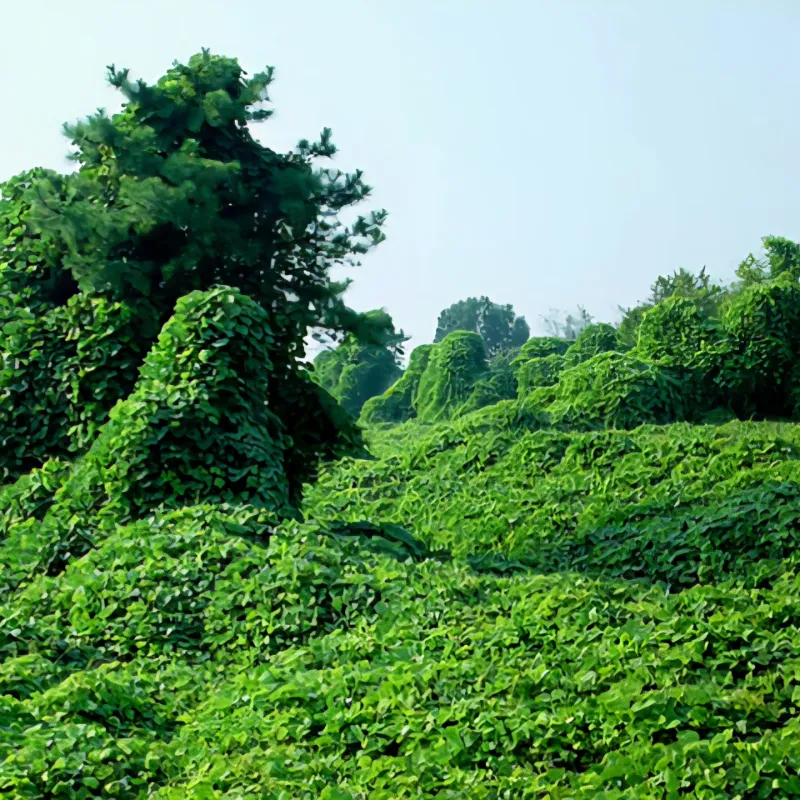
Infamously dubbed “the vine that ate the South,” kudzu continues to invade Georgia landscapes at an alarming pace.
This fast-growing climber can grow up to a foot per day in summer, smothering native trees, shrubs, and even man-made structures under its dense canopy. Its massive roots spread underground, making eradication extremely difficult once established.
Georgia authorities have long warned homeowners that planting kudzu is not only an ecological concern but also a legal risk, as municipalities enforce rules to prevent its spread.
While some have explored medicinal or forage uses for the plant, the overwhelming damage to forests, power lines, and infrastructure outweighs any benefits.
Kudzu invades natural areas by shading out native plants, disrupting soil nutrients, and creating monocultures that reduce biodiversity.
Homeowners who spot the vine on their property are encouraged to remove it promptly, using proper protective equipment, and report infestations to local extension offices. Failure to control kudzu can result in fines and mandatory removal.
Educating neighbors, choosing native alternatives for landscaping, and following state guidelines are crucial steps to prevent this notorious invader from further overtaking Georgia’s ecosystems.
2. Chinese Privet
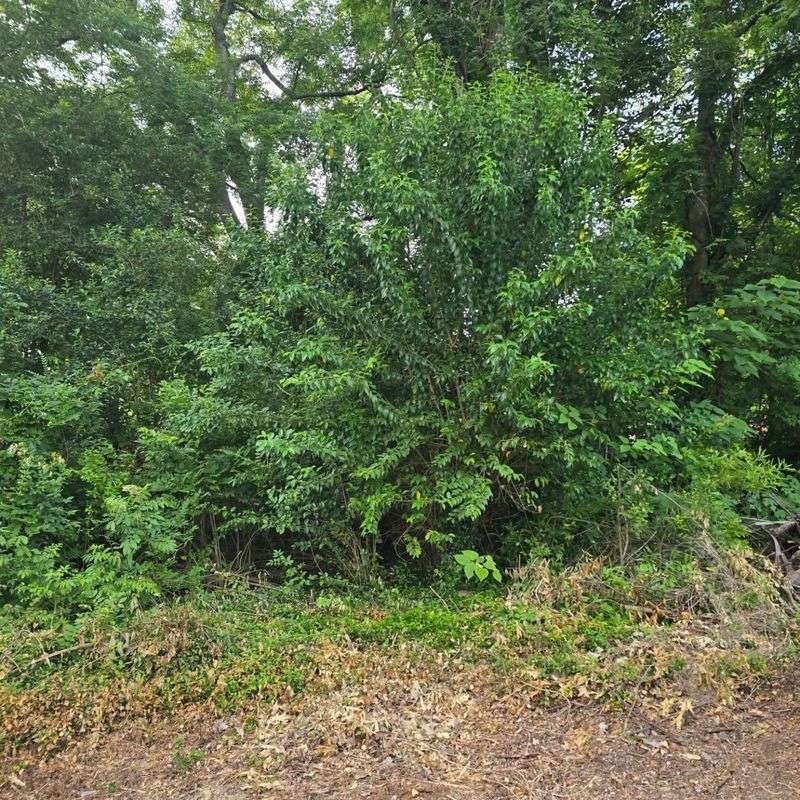
Chinese privet, a shrub commonly seen in Georgia yards, is deceptively aggressive. Birds relish its berries, spreading seeds far beyond cultivated gardens into natural areas, where privet forms dense, nearly impenetrable thickets.
These thickets outcompete native understory plants, reduce biodiversity, and diminish habitat quality for wildlife.
Georgia conservationists have documented that Chinese privet invasions can choke streams, alter soil chemistry, and create environments inhospitable to native flora.
Once established, the shrub’s extensive root system makes removal labor-intensive and costly. Homeowners may plant it for hedges or privacy, unaware of the ecological consequences, but the state increasingly scrutinizes its sale and propagation.
Many municipalities are considering restrictions or outright bans to prevent further spread. Effective control requires consistent cutting, herbicide treatments in coordination with local guidelines, and ongoing monitoring to prevent regrowth.
Planting native alternatives like viburnum, hollies, or native dogwoods can provide the same aesthetic appeal while supporting local wildlife.
Educating communities about privet’s ecological impact ensures coordinated management efforts and helps protect Georgia’s native plant communities and woodland habitats from long-term degradation.
3. English Ivy
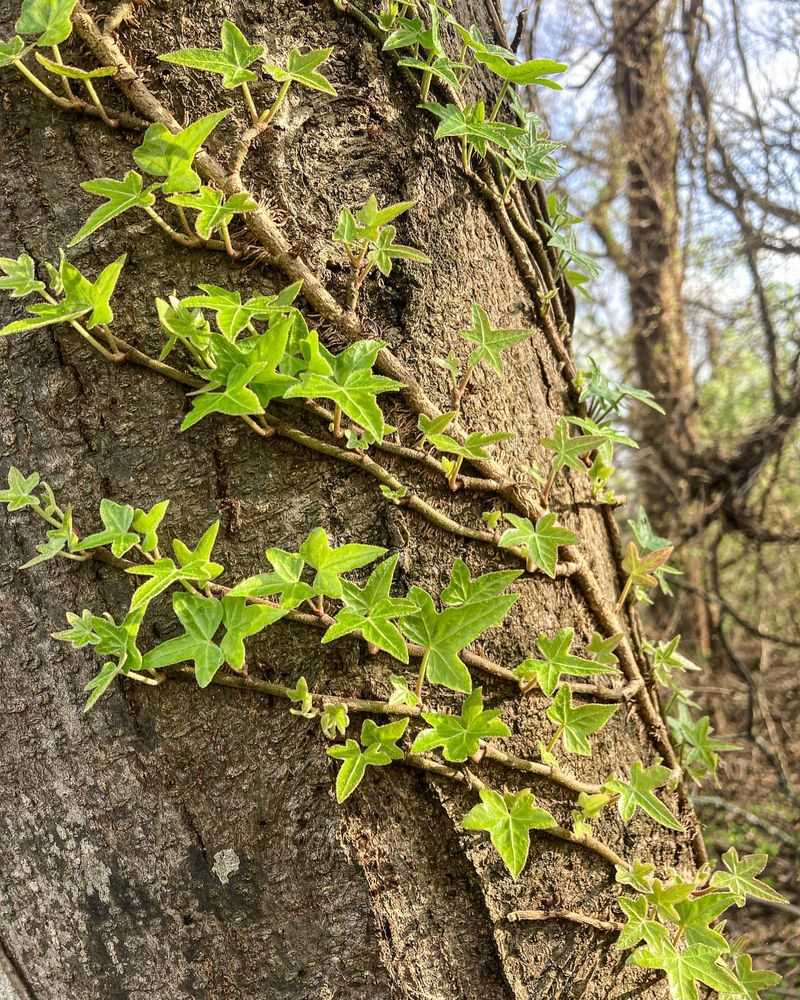
That charming vine climbing brick walls and fences in Georgia hides a destructive side when it escapes cultivation. English ivy can rapidly cover forest floors and tree trunks, eventually killing host trees by blocking sunlight and adding excessive weight.
Its dense mats prevent native plant regeneration, alter soil moisture, and reduce habitat quality for insects, birds, and other wildlife. Georgia conservationists have found that even small patches can expand aggressively, making early detection and removal critical.
The vine’s tenacity and resistance to standard control measures have placed it on potential regulatory watchlists, and planting it may soon be restricted in certain areas.
Homeowners who appreciate ivy’s aesthetic appeal are encouraged to plant contained, non-invasive alternatives or use climbing native species such as trumpet creeper or virginia creeper.
Regular monitoring, physical removal, and proper disposal of cuttings prevent accidental spread into natural areas.
Coordinated efforts between residents, municipalities, and conservation groups can curb the spread of English ivy while protecting Georgia’s forests, stream corridors, and biodiversity from this subtle but highly invasive European transplant.
4. Japanese Honeysuckle
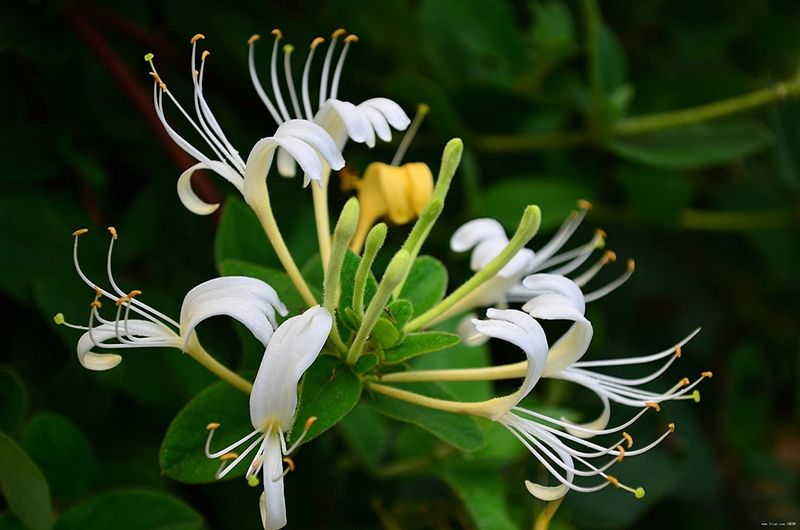
Japanese honeysuckle is a sweet-smelling vine that many Georgia gardeners have fond memories of, but it hides a destructive side. This Asian import spreads aggressively, climbing over trees and shrubs, eventually strangling or shading out native vegetation.
Its rapid growth and dense ground cover prevent young plants from establishing, reducing biodiversity and altering soil chemistry. Birds and other wildlife easily spread its seeds, allowing the plant to invade forests, fields, and even suburban landscapes.
Georgia conservationists have documented significant ecological damage, including displacement of native wildflowers and interference with pollinator habitats.
Once established, eradication requires persistent effort, including cutting, herbicide treatment, and removal of root systems to prevent regrowth.
Planting native vines like trumpet creeper or Carolina jessamine can provide similar ornamental beauty without the ecological risks.
Homeowners should monitor their gardens regularly, remove seedlings promptly, and educate neighbors about the environmental hazards of Japanese honeysuckle.
Restricting this vine’s sale and cultivation is increasingly discussed among Georgia municipalities to preserve native plant communities and maintain forest and riparian ecosystem health.
Ignoring these recommendations can result in long-term ecological damage and costly removal efforts.
5. Bamboo
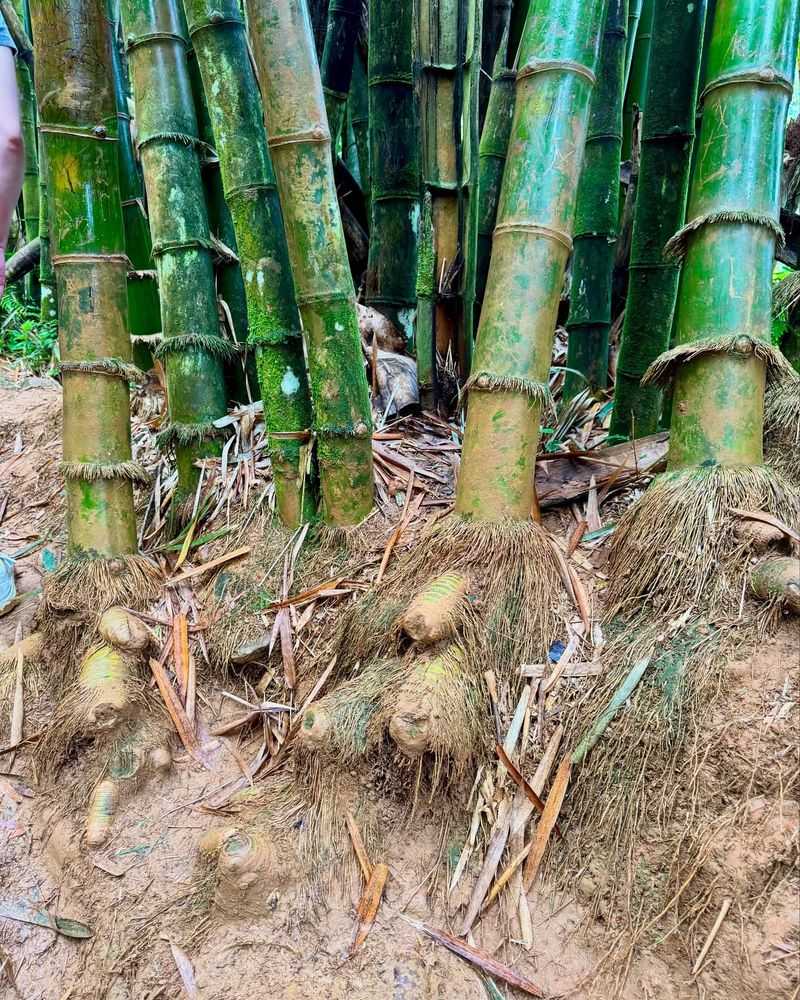
Bamboo can be charming in Georgia landscapes, with its fast-growing stalks and lush foliage, but certain running varieties are highly invasive.
Underground rhizomes spread rapidly, sometimes more than 30 feet in a single season, popping up in neighboring yards, gardens, and even breaking through concrete or asphalt.
Once established, containment is extremely difficult and labor-intensive, requiring physical barriers, root pruning, and chemical control.
Georgia neighborhoods increasingly report disputes over invasive bamboo crossing property lines, prompting local authorities to consider restrictions on certain aggressive species.
Despite its popularity for privacy screens, hedges, and decorative use, planting running bamboo without proper containment can lead to legal liabilities for property damage or nuisance complaints.
Homeowners seeking bamboo should choose clumping varieties, which grow in place and are far easier to manage.
Regular monitoring, barrier installation, and quick removal of unwanted shoots are essential.
Educating residents about the ecological impact of invasive bamboo prevents accidental spread into forests and wetlands, where it displaces native vegetation and reduces wildlife habitat.
Proper planning ensures the beauty of bamboo is enjoyed without contributing to long-term environmental or legal problems.
6. Bradford Pear
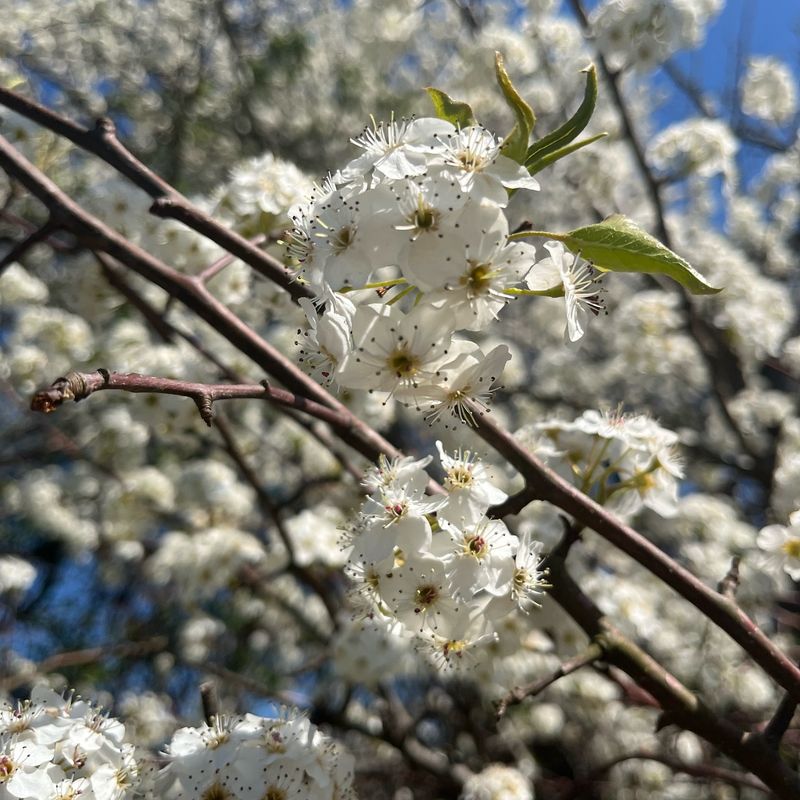
The Bradford pear tree is a common ornamental in Georgia suburbs, celebrated for its rapid growth and abundant white spring flowers. However, its apparent beauty masks a serious ecological concern.
Bradford pears readily cross-pollinate with other pear varieties, producing viable seeds that disperse easily and form dense thickets in fields, forests, and riparian zones.
These thickets crowd out native vegetation, reduce biodiversity, and create monocultures that fail to support local wildlife.
Additionally, the trees’ brittle wood makes them prone to breaking in storms, causing property damage. Georgia authorities are increasingly discouraging new plantings and some municipalities are considering outright bans to prevent further ecological harm.
Homeowners who already have Bradford pears should monitor seed dispersal and consider gradual removal, replacing them with native trees such as dogwoods, redbuds, or oaks.
Educating neighbors and participating in local conservation programs helps prevent the uncontrolled spread of these aggressive non-native trees.
Maintaining awareness about the long-term impacts of ornamental plantings ensures that Georgia’s landscapes remain resilient, diverse, and supportive of native ecosystems.
7. Autumn Olive
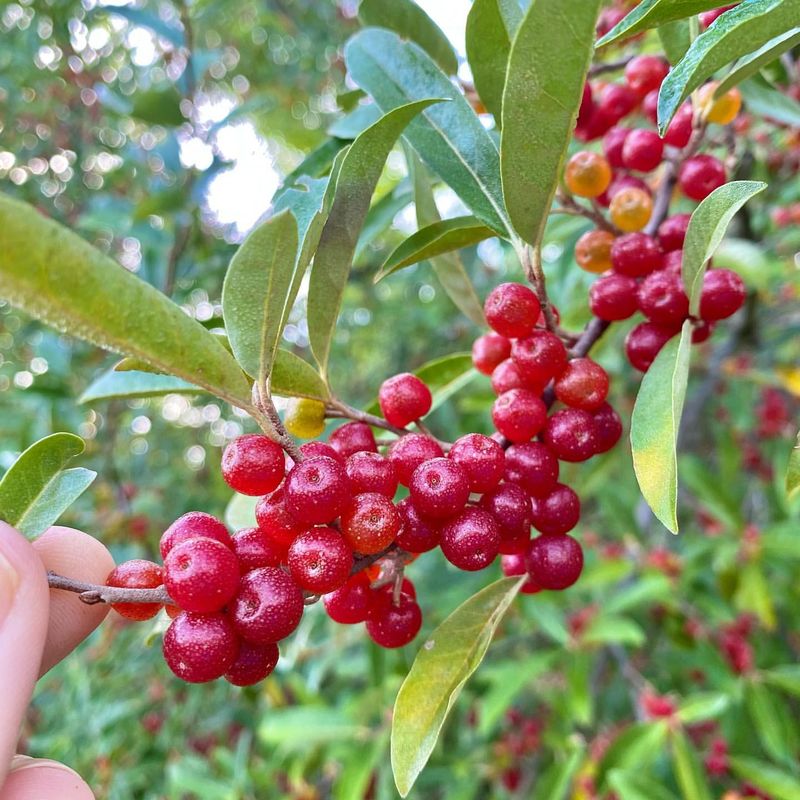
Autumn olive (Elaeagnus umbellata) may seem like a charming addition to Georgia gardens with its silvery leaves, fragrant flowers, and abundant red berries, but this Asian import is a serious ecological threat.
Birds readily consume the berries, dispersing seeds across forests, fields, and riparian zones, allowing the plant to establish dense thickets that crowd out native vegetation.
Its nitrogen-fixing ability alters soil chemistry, giving it a competitive advantage over indigenous plants while reducing soil suitability for native wildflowers and grasses.
These dense thickets diminish habitat quality for local wildlife, including pollinators and ground-nesting birds.
Once established, autumn olive is extremely difficult to remove because of its extensive root system and prolific seeding. Georgia conservationists recommend immediate removal of seedlings and careful management of existing plants to prevent further spread.
Homeowners should consider replacing autumn olive with native alternatives such as spicebush, native viburnums, or American beautyberry, which provide similar visual appeal without ecological harm.
Early detection, regular monitoring, and community education are critical to protecting Georgia’s natural ecosystems from this invasive, nitrogen-fixing shrub.
8. Chinese Wisteria
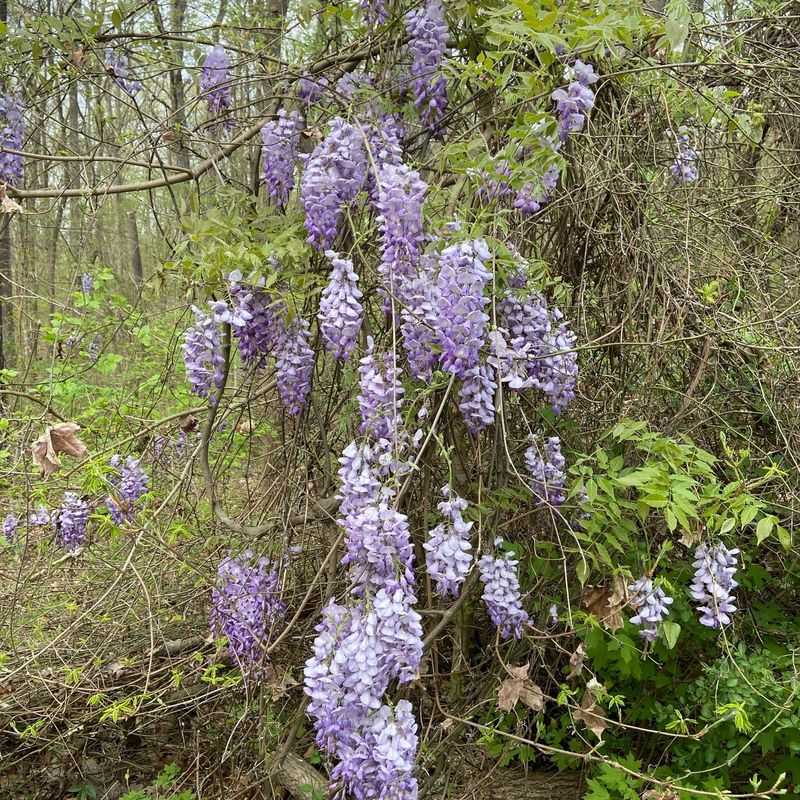
Chinese wisteria (Wisteria sinensis) is widely admired for its stunning purple flower clusters in Georgia gardens, yet it has a highly destructive side.
Its woody vines can grow over ten inches in diameter, climb trees, poles, and structures, and eventually strangle mature trees.
It spreads both by seeds and runners, forming dense mats that prevent native plant regeneration and reduce biodiversity in forests and riparian areas.
Once established, removal is labor-intensive, often requiring repeated cutting and herbicide treatments to kill underground roots.
Georgia conservationists warn that planting Chinese wisteria near natural areas accelerates forest invasion, where it competes with native vines like trumpet creeper or coral honeysuckle.
Homeowners can enjoy the beauty of wisteria without contributing to ecological harm by selecting native wisteria species or controlling vine spread rigorously.
Monitoring growth, pruning regularly, and preventing seed dispersal are essential for containment. Given its aggressive habit, Georgia authorities increasingly encourage restrictions on cultivation in home landscapes.
Educating gardeners about Chinese wisteria’s invasive potential helps protect native ecosystems, maintaining habitat quality for pollinators, birds, and understory plants.
9. Nandina
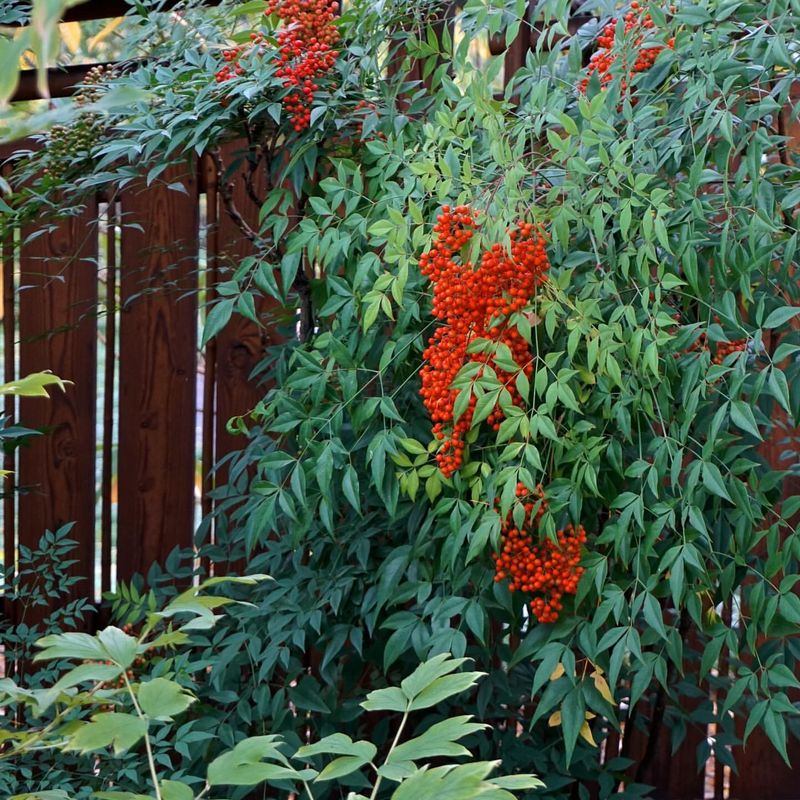
Nandina domestica, commonly known as heavenly bamboo, is a staple in many Georgia landscapes for its bright evergreen foliage and red berries.
However, its berries contain cyanogenic compounds that are toxic to birds, particularly cedar waxwings, which often consume them in large quantities.
Beyond toxicity, birds disperse Nandina seeds widely, allowing this Asian shrub to invade forests, fields, and natural wetlands. Once established, it forms dense stands that displace native plants and alter ecosystem dynamics.
In Georgia, wildlife agencies and conservationists are increasingly concerned about Nandina’s ecological impacts, which include reduced native habitat for pollinators, understory birds, and small mammals.
Homeowners can mitigate these effects by replacing Nandina with native shrubs like Virginia sweetspire, American holly, or spicebush, which offer similar aesthetic appeal while supporting local wildlife.
Removal of mature Nandina requires careful root system management, as plants readily resprout. Education about the plant’s ecological consequences is essential, as many gardeners are unaware of the risks.
Responsible landscaping choices help preserve biodiversity, protect native species, and maintain healthy ecosystems across Georgia’s urban and suburban environments.
10. Japanese Stiltgrass
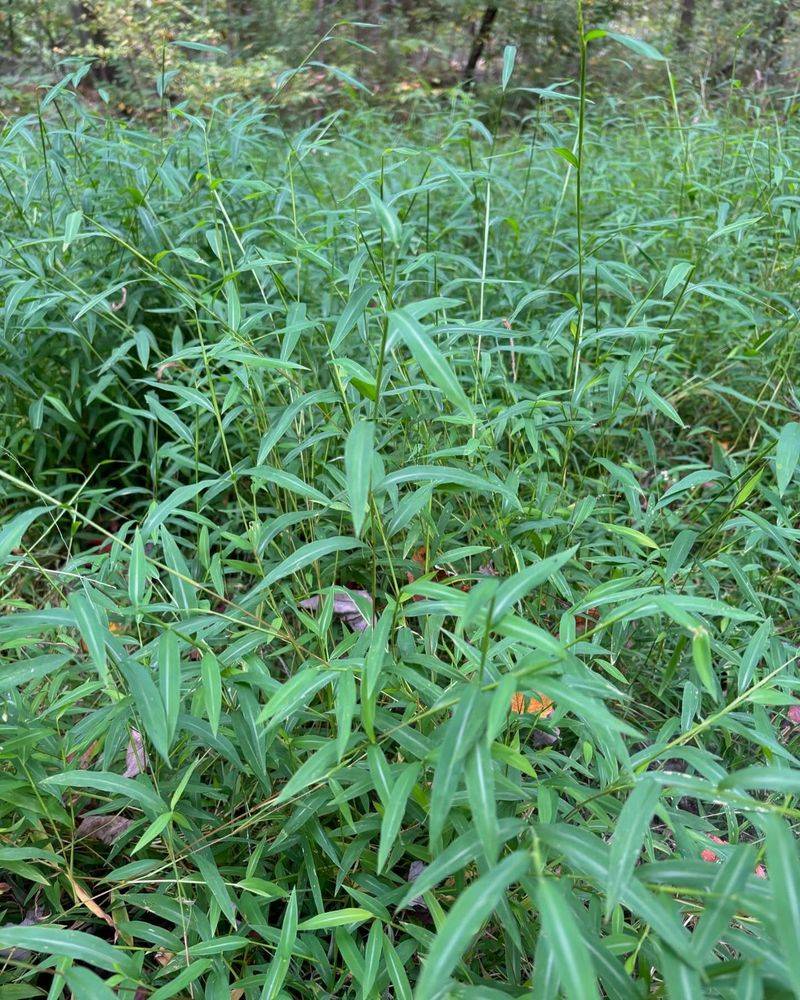
Japanese stiltgrass (Microstegium vimineum) appears innocuous with its delicate leaves, yet it is one of Georgia’s most aggressive invasive grasses. Originating in Asia, stiltgrass spreads rapidly through seeds that remain viable in soil for years.
Deer rarely graze it, giving it a competitive advantage over native grasses and wildflowers. It forms dense monocultures that suppress native plant growth, reduce biodiversity, and alter forest floor ecology.
Even small infestations can expand dramatically over a few seasons if left unchecked. Georgia conservationists warn that stiltgrass changes soil moisture and nutrient cycling, further disadvantaging indigenous vegetation.
Control requires persistent effort, including manual removal, mowing, or carefully timed herbicide applications. Planting native grasses and avoiding transport of soil containing seeds helps prevent spread.
Property owners should monitor shaded yards, forest edges, and trails, removing stiltgrass promptly before seed production. Educating gardeners and community groups about Japanese stiltgrass is crucial to protecting Georgia’s forests and natural areas.
Maintaining native groundcover not only supports pollinators and wildlife but also preserves ecosystem resilience against invasive plant invasions.
11. Mimosa Tree
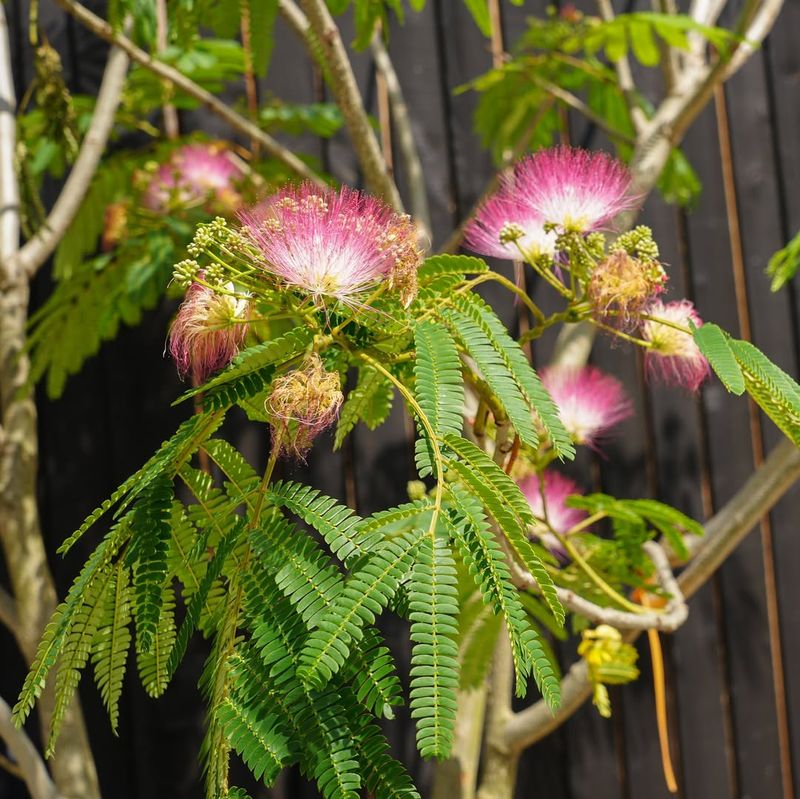
The mimosa tree (Albizia julibrissin), often admired for its feathery foliage and fragrant pink puffball flowers, has become a problematic invasive in Georgia landscapes.
Originally introduced for its ornamental appeal, the tree produces abundant seed pods that scatter easily, allowing it to rapidly colonize roadsides, riparian areas, and disturbed fields.
Once established, mimosa trees form dense thickets that outcompete native vegetation, alter soil chemistry through nitrogen fixation, and reduce habitat quality for local wildlife.
Their shallow root systems and brittle branches also make them prone to storm damage, creating safety hazards and increasing maintenance costs for homeowners.
Eradication is challenging because cut stumps can resprout, requiring repeated removal and careful herbicide application to fully control the population.
Georgia conservationists recommend planting native alternatives such as American smoke tree, fringe tree, or Eastern redbud to maintain aesthetic appeal while protecting ecosystems.
Educating gardeners about mimosa’s invasiveness and monitoring for volunteer seedlings on properties helps limit its spread.
Responsible landscaping choices are crucial for preserving Georgia’s native plant communities, supporting pollinators, and maintaining healthy forests and wetlands.
12. Porcelain Berry
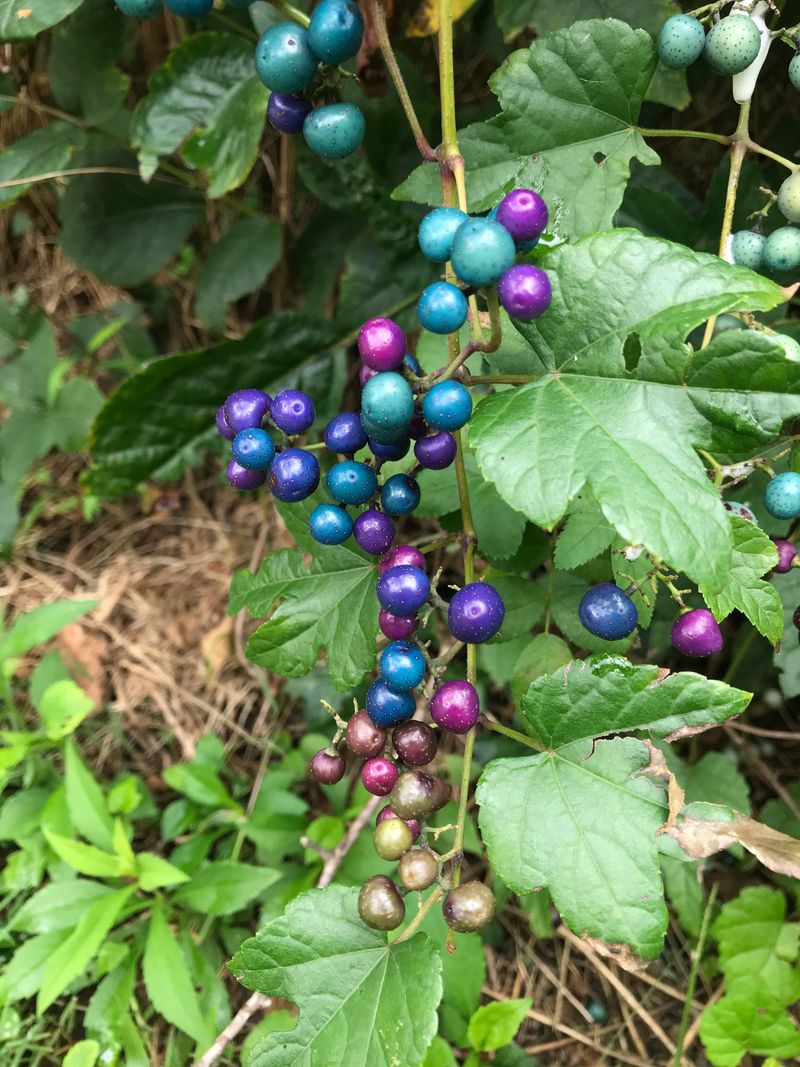
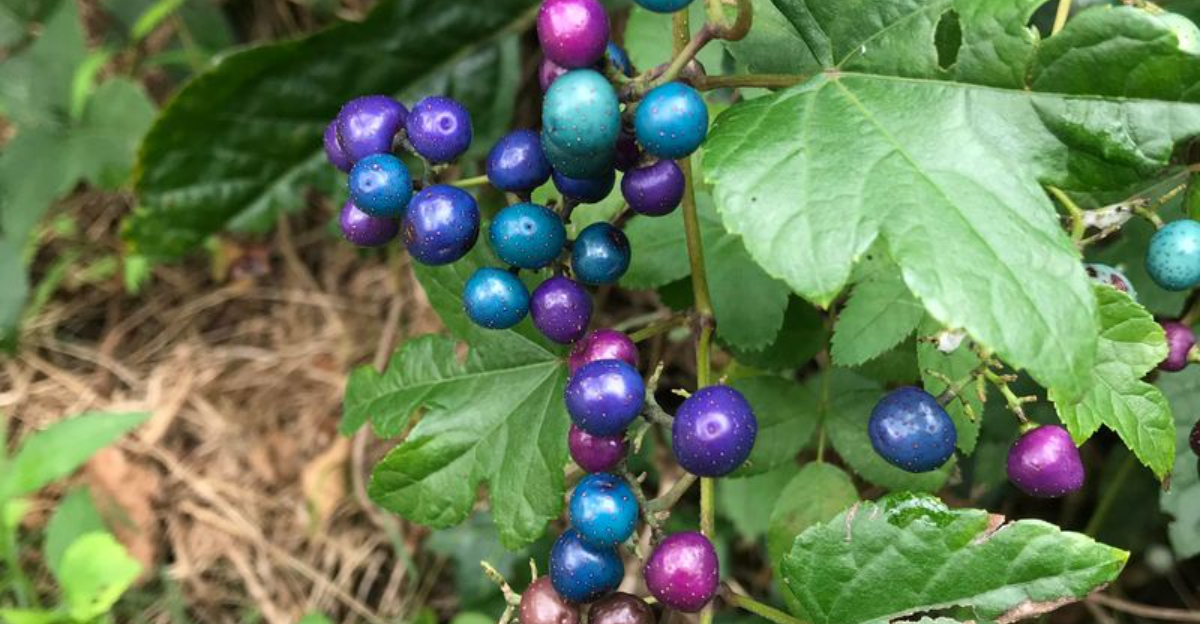
Porcelain berry (Ampelopsis brevipedunculata) is a colorful climbing vine popular for its striking, multicolored berries, but it is a significant invasive threat in Georgia. Birds readily consume the berries, dispersing seeds across forests, fields, and urban areas.
Once established, porcelain berry climbs trees, fences, and structures, forming dense mats that block sunlight, overwhelm native vegetation, and prevent forest regeneration.
Its aggressive growth allows it to smother shrubs and young trees, creating monocultures and reducing biodiversity.
Control is difficult: manual removal requires careful root extraction, and repeated herbicide treatments are often necessary to prevent resprouting.
Georgia natural resource agencies caution homeowners to avoid planting porcelain berry near natural areas and recommend replacing it with native vines such as trumpet creeper or Virginia creeper for similar aesthetic appeal without ecological harm.
Monitoring for seedlings, removing volunteer plants promptly, and educating neighbors about its invasiveness are essential steps for preventing spread.
By prioritizing native plants and controlling invasive vines like porcelain berry, Georgia residents can protect wildlife habitat, support pollinators, and maintain healthy forest and riparian ecosystems.
13. Tree of Heaven
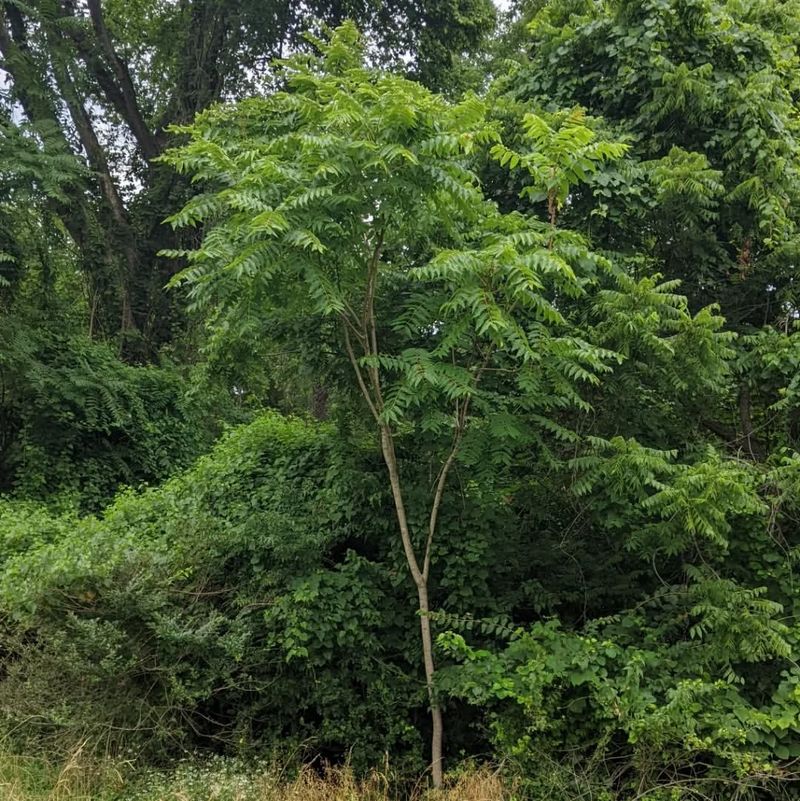
The tree of heaven (Ailanthus altissima) is notorious for its rapid growth, prolific seed production, and aggressive root suckering, making it a serious invasive threat in Georgia.
Despite its ornamental use in urban landscapes, this Asian import produces allelopathic chemicals that inhibit the growth of surrounding plants, reducing biodiversity and altering soil chemistry.
It thrives in disturbed sites, roadsides, and abandoned lots, spreading quickly through seeds dispersed by wind and root sprouts. Tree of heaven also serves as the preferred host for the invasive spotted lanternfly, which threatens agriculture and native ecosystems.
Once established, eradication is extremely challenging; cutting without herbicide treatment often leads to resprouting, and extensive root networks can damage pavement, foundations, and underground utilities.
Georgia conservationists strongly advise homeowners to remove existing trees carefully and replace them with native alternatives such as black walnut, red maple, or sweetgum.
Public education about the ecological and infrastructural impacts of tree of heaven is critical to slowing its spread. By controlling this invasive, Georgia residents protect forests, urban green spaces, and the health of local wildlife.