8 Plants Ideal For Growing Near Bird Feeders In Pennsylvania
Bird feeders bring plenty of action to Pennsylvania yards, but the right plants can turn that busy spot into a true backyard haven.
When feeders sit among thoughtful plantings, birds feel safer, linger longer, and return again and again.
The area shifts from a simple feeding station to a lively hub where feathers flash, songs carry, and nature feels close enough to touch.
Plants near bird feeders do more than look good.
They offer cover from predators, sturdy perches for quick landings, and natural food that fills in the gaps between seed refills.
Shrubs, grasses, and flowering plants help birds move in and out with ease, keeping the space calm instead of chaotic.
At the same time, these plants soften the look of feeders and blend them into the landscape.
In Pennsylvania, plant choices need to handle changing seasons while still supporting local birds.
When the right plants and feeders work together, yards stay active year-round.
It is a win-win setup that brings beauty, balance, and nonstop birdwatching right outside the window.
1. Eastern Red Cedar
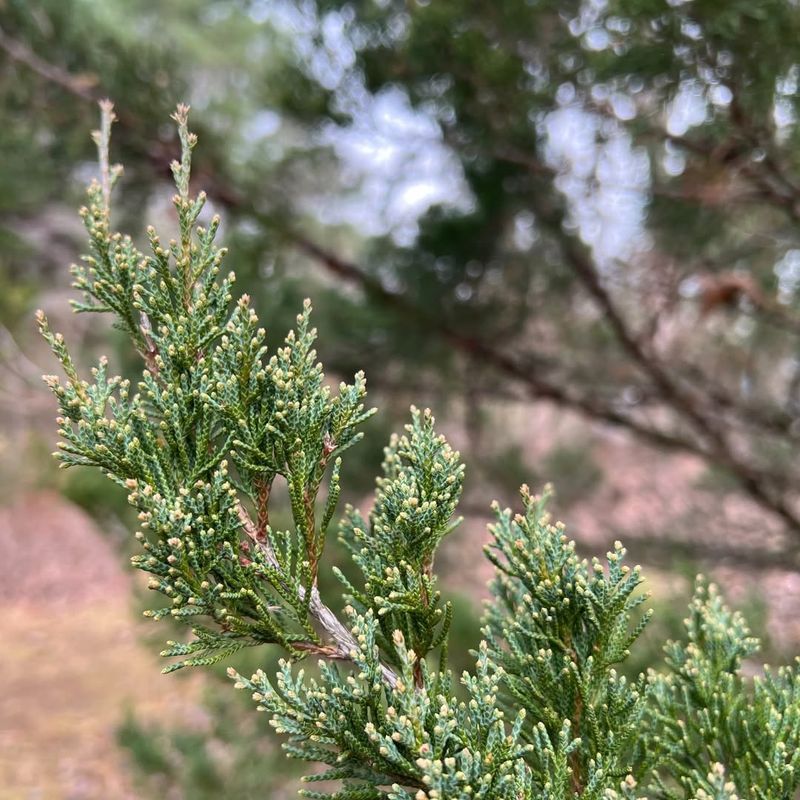
Evergreen trees bring year-round value to any bird feeding area, and Eastern Red Cedar stands out as one of the best choices for Pennsylvania gardens.
This native conifer provides dense shelter that birds absolutely love, especially during harsh winter months when other trees have lost their leaves.
The thick branches create perfect hiding spots from hawks and other predators, making nervous birds feel safe enough to visit your feeders regularly.
What makes this tree extra special is its blue berry-like cones that appear on female trees during fall and winter.
These berries attract cedar waxwings, robins, and many other species that might not visit traditional seed feeders.
The berries stay on the tree for months, providing reliable food when natural sources become scarce across Pennsylvania.
Eastern Red Cedar grows well in most Pennsylvania soil types and handles both sun and partial shade without complaint.
It reaches about 40 feet tall at maturity but grows slowly, so you can enjoy it for years without it taking over your yard.
The tree also serves as a nesting site for songbirds in spring and summer.
Planting one near your feeding station creates a natural rest stop where birds can perch between feeder visits.
The evergreen foliage also blocks wind, making your feeding area more comfortable during Pennsylvania’s cold winters.
Birds often roost in these trees overnight, staying close to their favorite food source.
2. Black-Eyed Susan
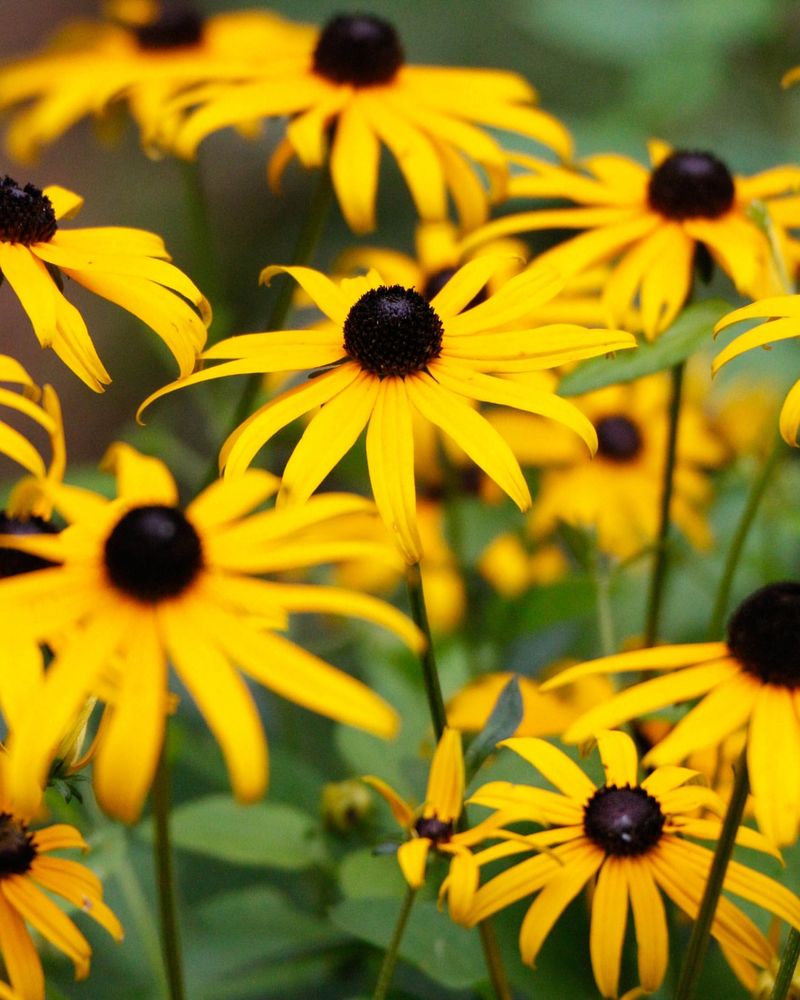
Bright yellow petals with dark centers make Black-Eyed Susan one of Pennsylvania’s most cheerful native wildflowers.
Goldfinches go absolutely crazy for the seeds these flowers produce in late summer and fall, often clinging to the dried seed heads and feasting for hours.
Watching these colorful birds work over the flower heads provides entertainment that rivals any feeder activity.
Black-Eyed Susans bloom from June through September across Pennsylvania, creating a long season of bright color in your garden.
After the petals fade, leave the seed heads standing instead of cutting them down.
This simple choice gives birds a natural food source that they prefer over many commercial seed mixes.
These tough flowers handle Pennsylvania’s variable weather like champions, tolerating both drought and occasional flooding without missing a beat.
They spread gradually through self-seeding, creating larger patches over time that attract even more birds.
The flowers also bring beneficial insects to your yard, which insect-eating birds appreciate.
Plant Black-Eyed Susans in full sun around your feeder area for best results.
They grow 2-3 feet tall and work beautifully in informal garden settings or naturalized areas.
The flowers require almost no maintenance once established, making them perfect for busy gardeners who want maximum bird attraction with minimal effort.
3. Serviceberry
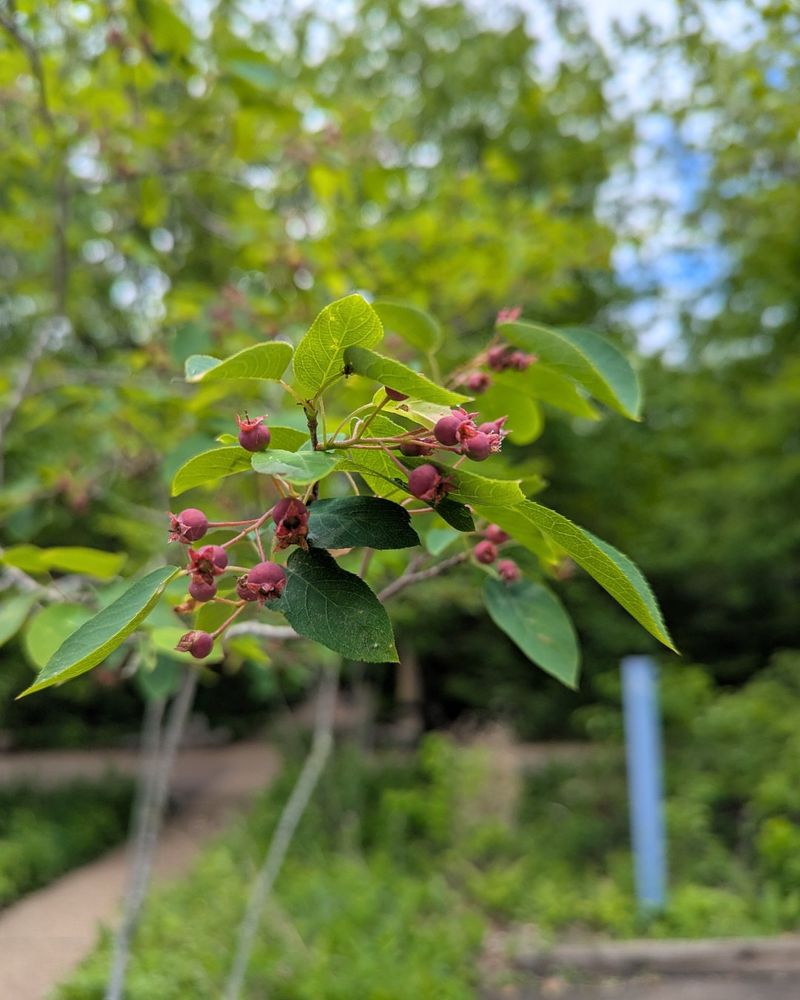
Few plants deliver as much seasonal interest as Serviceberry while also being a bird magnet throughout the year.
This Pennsylvania native shrub bursts into clouds of white flowers each April, signaling spring’s arrival and attracting early migrating birds.
The blossoms give way to small berries that ripen to deep purple by June, and birds devour them almost instantly.
More than 40 bird species feast on serviceberries, including robins, catbirds, and thrushes that might not visit seed feeders.
The berries appear right when many birds are raising hungry nestlings, providing protein-rich food at a critical time.
If you’re lucky enough to get any berries before the birds do, they’re delicious in pies and jams.
Serviceberry works beautifully as a large shrub or small tree, reaching 15-25 feet tall in Pennsylvania gardens.
It tolerates various soil types and grows well in both sun and partial shade, making it adaptable to different yard situations.
The plant’s multi-season appeal includes stunning fall foliage in shades of yellow, orange, and red.
Position Serviceberry where you can watch it from windows, as the berry-eating activity happens quickly and you won’t want to miss the show.
The branching structure also provides nesting sites for smaller songbirds.
In winter, the smooth gray bark and elegant branch pattern add visual interest to your landscape.
4. Purple Coneflower

Garden centers across Pennsylvania stock Purple Coneflower because it combines stunning beauty with incredible toughness and bird appeal.
The distinctive pink-purple flowers with spiky orange centers bloom from July through September, creating a prairie-like feel in any garden setting.
Butterflies visit the fresh blooms, while finches wait eagerly for the seeds to ripen.
Once flowering finishes, the cone-shaped seed heads become feeding stations for goldfinches, chickadees, and other small birds.
These birds perform acrobatic moves while extracting seeds, often hanging upside down or balancing on swaying stems.
Leaving the seed heads standing through winter provides food during Pennsylvania’s harshest months when birds need extra calories.
Purple Coneflower thrives in full sun and handles drought better than most garden flowers, making it ideal for spots that dry out quickly.
The plants grow 2-4 feet tall and spread slowly into attractive clumps.
They’re also native to parts of Pennsylvania, so local birds recognize them as a reliable food source.
Plant these flowers in groups near your feeders to create natural feeding zones that complement your seed offerings.
The combination of feeder seeds and natural flower seeds keeps birds in your yard longer.
Purple Coneflower requires virtually no care once established and comes back stronger each year, gradually forming impressive patches that support more birds.
5. Winterberry Holly
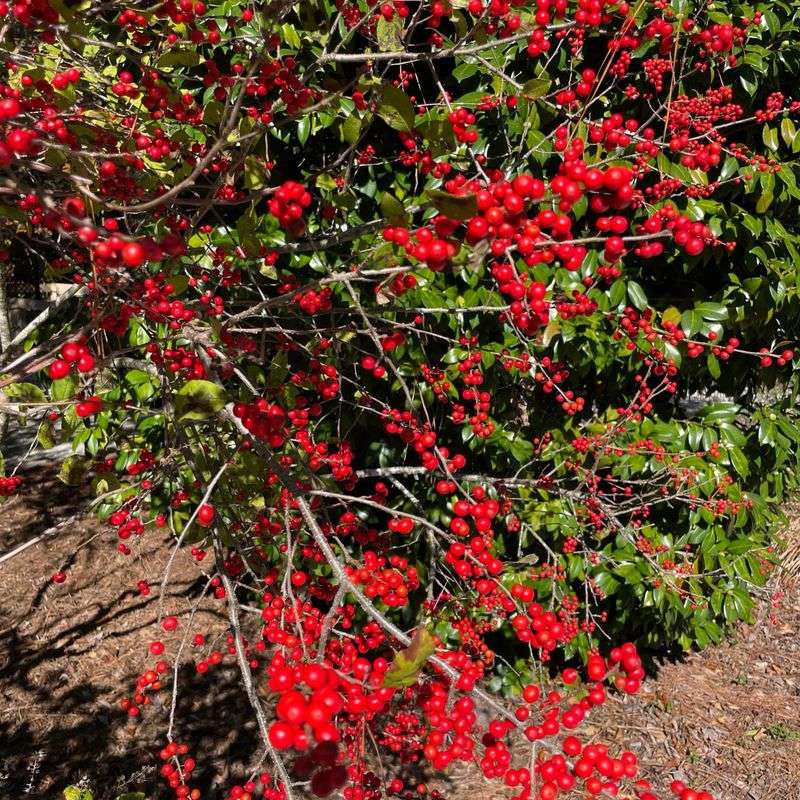
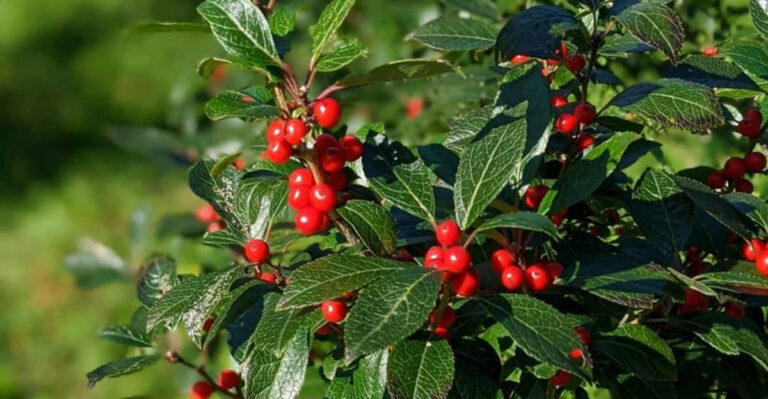
Nothing brightens Pennsylvania’s gray winter landscape quite like Winterberry Holly loaded with brilliant red berries.
This deciduous holly loses its leaves in fall, which actually makes the berries even more visible and accessible to hungry birds.
The berries persist well into winter, providing critical food when snow covers ground-feeding areas and natural food becomes scarce.
Robins, bluebirds, and cedar waxwings flock to Winterberry Holly once cold weather arrives, often descending in groups to strip branches clean.
The timing is perfect because the berries become more palatable to birds after several freeze-thaw cycles.
Watching these feeding frenzies from your warm house while snow falls makes winter bird watching truly special.
Winterberry grows 6-10 feet tall in Pennsylvania gardens and prefers moist soil, though it adapts to average conditions once established.
You’ll need both male and female plants for berry production, with one male pollinating several females.
Plant them in full sun to partial shade near your feeding area for best berry production.
The shrub’s dense branching provides excellent cover for birds year-round, even after leaves drop.
In spring and summer, the foliage serves as nesting habitat for various songbirds.
Winterberry handles Pennsylvania’s cold winters without any protection, making it a truly low-maintenance addition to your bird-friendly landscape that delivers when birds need it most.
6. Oak Trees
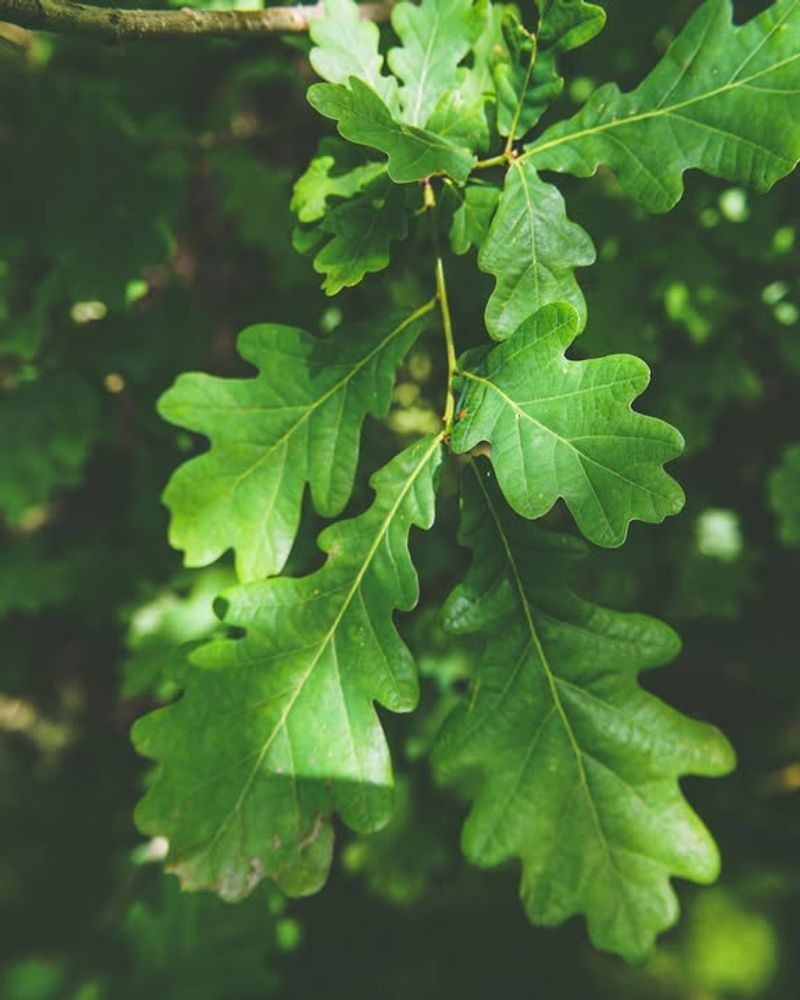
Planting an oak tree near your Pennsylvania bird feeders represents a long-term investment in wildlife habitat that pays dividends for decades.
These mighty trees support more insect species than any other North American tree, which means insect-eating birds like warblers and vireos find abundant food in the branches.
Acorns feed jays, woodpeckers, nuthatches, and even some ground-feeding birds throughout fall and winter.
Pennsylvania is home to several native oak species, including White Oak, Red Oak, and Pin Oak, all of which attract birds.
Jays cache thousands of acorns each fall, hiding them in the ground for winter food.
Many of these cached acorns sprout into new trees, making jays important forest planters across Pennsylvania.
Oak trees grow slowly but eventually reach impressive sizes, providing shade and structure to your property.
Even young oaks offer value, with their branches serving as perches where birds can survey your feeders before approaching.
The thick bark develops crevices that shelter overwintering insects, which woodpeckers eagerly hunt during cold months.
Choose an oak species suited to your specific Pennsylvania location and soil type for best results.
Plant it where it has room to grow without eventually crowding your house or power lines.
The tree will outlive you and continue supporting birds for generations, creating a lasting legacy of wildlife support in your community.
7. Sunflowers
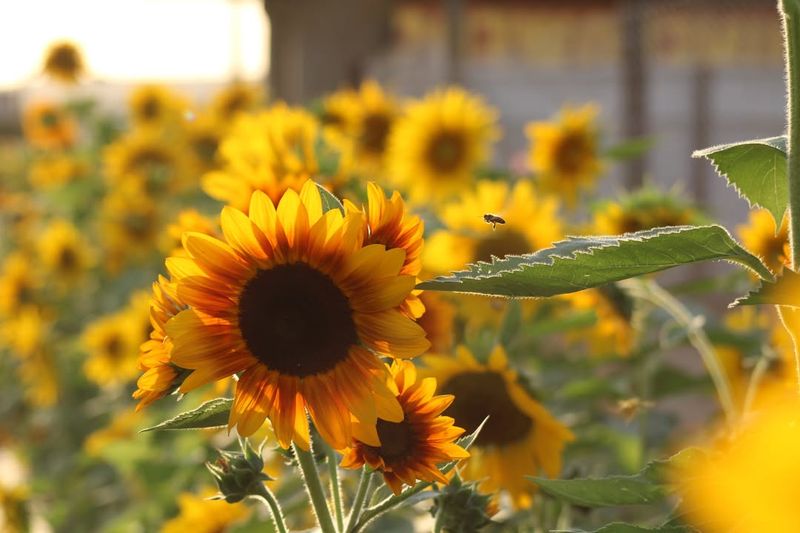
Growing sunflowers near your Pennsylvania bird feeders creates a natural buffet that birds find irresistible.
These towering plants produce massive seed heads packed with the same black oil sunflower seeds you probably buy for your feeders.
Cardinals, chickadees, nuthatches, and finches all feast on sunflower seeds, often preferring them straight from the plant.
Sunflowers grow quickly from seed planted directly in Pennsylvania gardens after the last spring frost.
They shoot up through summer, reaching 6-12 feet tall depending on variety, and bloom in late summer with cheerful yellow flowers.
Once the petals fade, the seed heads ripen and birds begin their feeding frenzy.
You can cut mature seed heads and hang them near feeders for easier bird access, or leave them standing for birds to work on naturally.
Watching birds balance on swaying sunflower stalks while extracting seeds provides endless entertainment.
The plants also attract beneficial insects during their blooming period, adding another food source for insect-eating birds.
Plant sunflowers in full sun in loose, well-drained soil for best results across Pennsylvania.
They tolerate heat and drought once established, making them low-maintenance additions to your bird garden.
Consider planting several varieties with different maturity dates to extend the harvest season and keep birds coming back for weeks.
8. American Cranberrybush
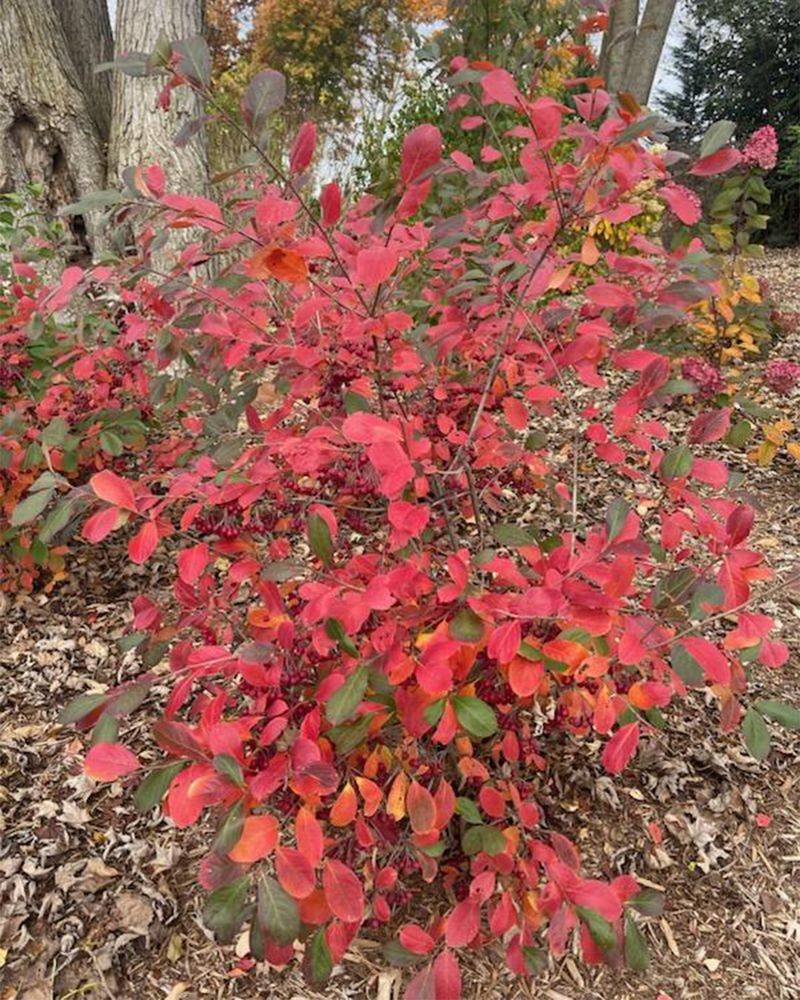
American Cranberrybush offers Pennsylvania gardeners a native shrub that works beautifully near bird feeders while providing year-round interest.
The plant produces flat-topped clusters of white flowers in late spring that give way to bright red berries by fall.
These berries hang on the shrub well into winter, though birds often start nibbling them earlier if other food sources run low.
Waxwings, thrushes, and robins particularly enjoy cranberrybush berries, which become sweeter after frost touches them.
The shrub’s dense branching creates excellent cover where birds can hide from predators between feeder visits.
Many birds also nest in the protected interior of mature shrubs during Pennsylvania’s breeding season.
This viburnum grows 8-12 feet tall and wide, creating a substantial presence in the landscape.
It handles Pennsylvania’s variable weather conditions without complaint, tolerating both wet and dry periods once established.
The shrub prefers full sun to partial shade and adapts to most soil types found across the state.
Fall brings another show when the foliage turns shades of yellow, orange, and red before dropping.
The berries become even more prominent after leaf fall, glowing like tiny ornaments against winter’s bare branches.
Plant American Cranberrybush where you can enjoy both the berry-eating birds and the shrub’s multi-season beauty from indoor viewing spots.