8 Plants In Arizona That Lose Their Blooms When Pruned In Spring
Spring in Arizona feels like the right moment to clean things up outside. Growth starts picking up, the weather shifts, and a quick trim can seem like the easiest way to get everything looking neat again.
It feels simple, and it often feels like the right move.
But some plants are already set up for their next round of blooms, even if it is not obvious yet.
Cutting them too early can quietly change how they perform, and that usually shows later when something feels off and the expected color never really shows up.
In Arizona landscapes, timing matters more than most expect. A small change in when pruning happens can shape how a plant looks for the rest of the season, and it often comes down to knowing which ones react differently.
1. Wisteria Loses Most Blooms If Pruned Before Spring Flowering
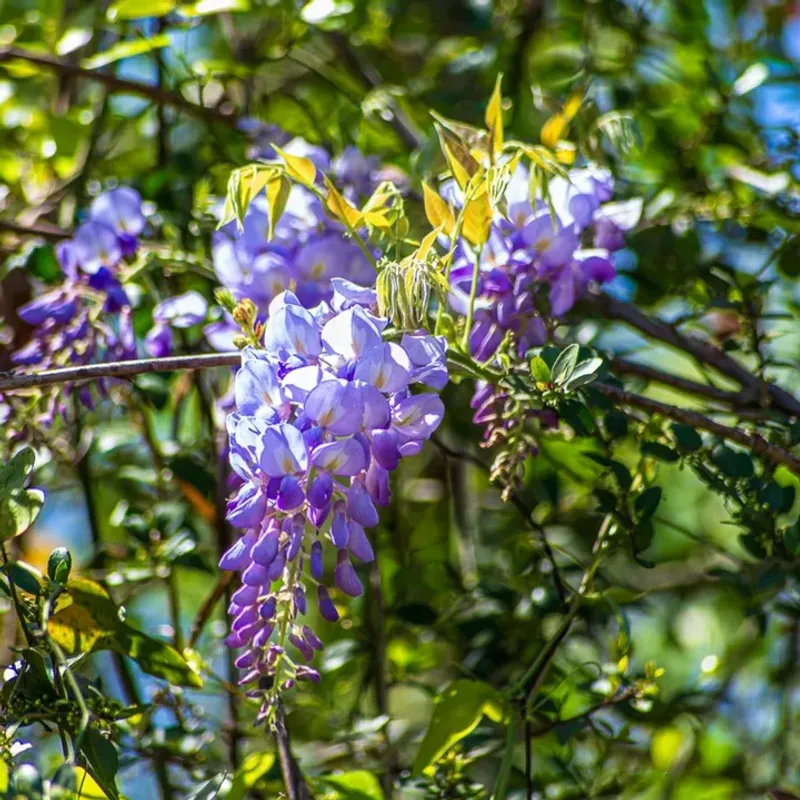
Cut wisteria in early spring and you might as well wave goodbye to the whole flower show. Wisteria sets its buds on old wood — the stems that grew the previous year — so anything you remove before it blooms is taking flower potential with it.
In Arizona, wisteria typically blooms between late February and April depending on elevation and location. Pruning during that window, even lightly, strips away the buds that have been developing since late summer.
You end up with a healthy-looking vine and absolutely nothing to show for it come bloom time.
Wait until the flowers have fully dropped before picking up the shears. After blooming, you can cut back the long, whippy shoots aggressively without any risk.
Summer pruning actually helps shape the plant and keeps it from overtaking structures. A second light trim in late winter — just shortening the side shoots to two or three buds — is fine as long as flowering has already finished the season before.
Arizona gardeners with wisteria on pergolas or fences should mark the bloom date each year so they know exactly when it is safe to prune without sacrificing next spring’s display.
Hard winter pruning can also trigger a flush of leafy growth, which often makes the vine look vigorous while leaving it with far fewer flowers.
That is why wisteria is usually pruned right after blooming rather than before, since cutting it in late winter or early spring removes the buds already set on older stems.
2. Texas Mountain Laurel Drops Flower Buds When Cut Too Early
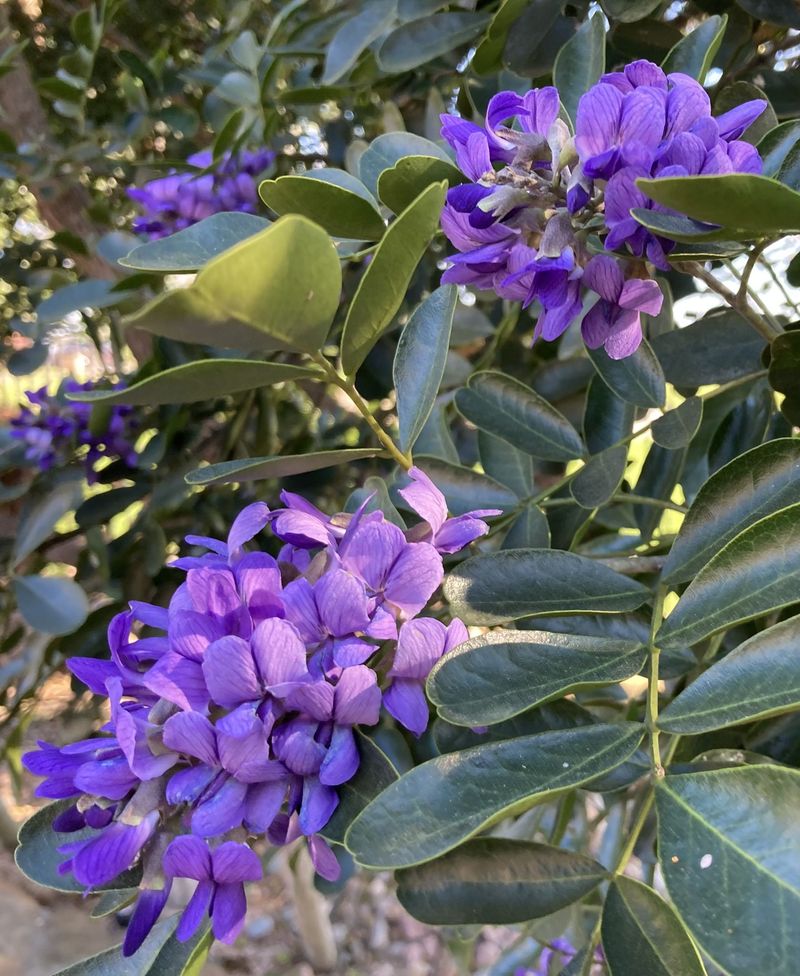
Few plants in Arizona smell as incredible as Texas Mountain Laurel in bloom. Those dense purple clusters carry a scent that stops people in their tracks, and losing them to an ill-timed pruning is genuinely frustrating.
Buds begin forming on old wood in late summer and sit there quietly through fall and winter, waiting for the right moment.
Prune in early spring and those buds disappear. What looks like a routine cleanup ends up pushing the plant into a full year without flowers.
In Phoenix and Tucson landscapes, Texas Mountain Laurel is a slow grower, so losing a season of blooms feels even more significant.
Blooming typically wraps up by March or early April in most Arizona locations. Right after the flowers fade is your window.
Avoid heavy pruning overall since this plant grows slowly and takes time to recover. Keeping pruning minimal and well-timed means you’ll enjoy those fragrant purple blooms reliably every year.
If you notice buds forming in fall, treat that as a clear sign to keep the shears away until spring flowering is completely finished.
Because it blooms on older wood, even a small spring trim can remove flower clusters long before they open. Heavy cuts can also leave Texas Mountain Laurel looking sparse for a long time, since it puts on new growth much more slowly than many other Arizona landscape shrubs.
3. Indian Hawthorn Misses Its Spring Bloom If Pruned At The Wrong Time
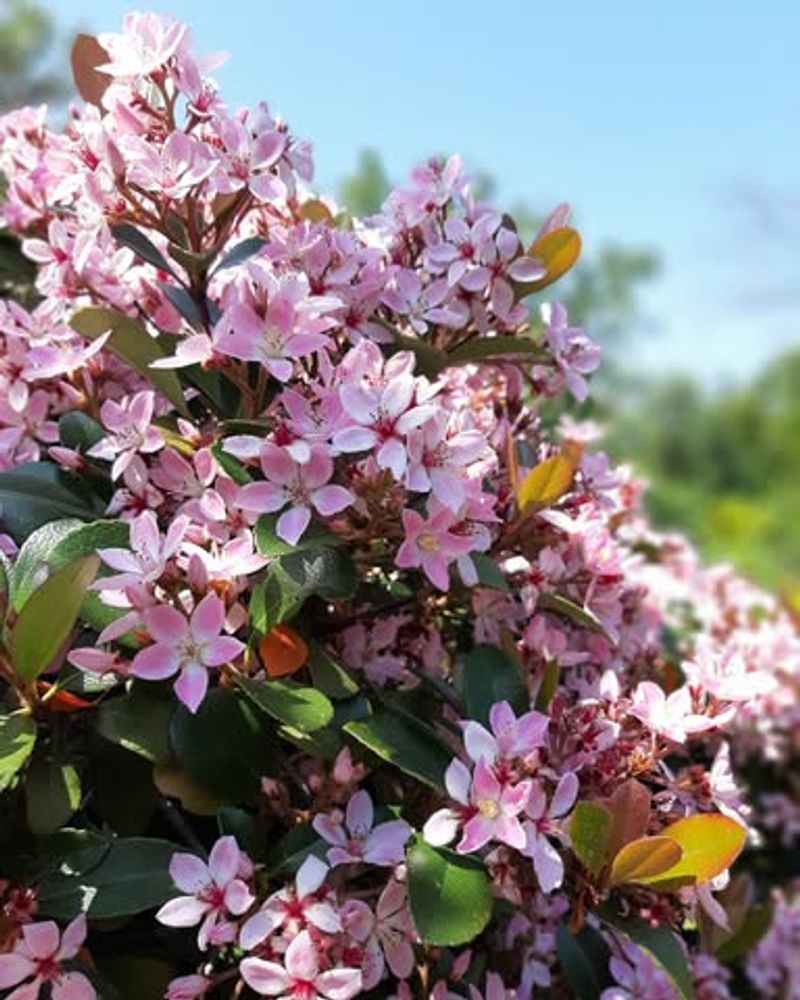
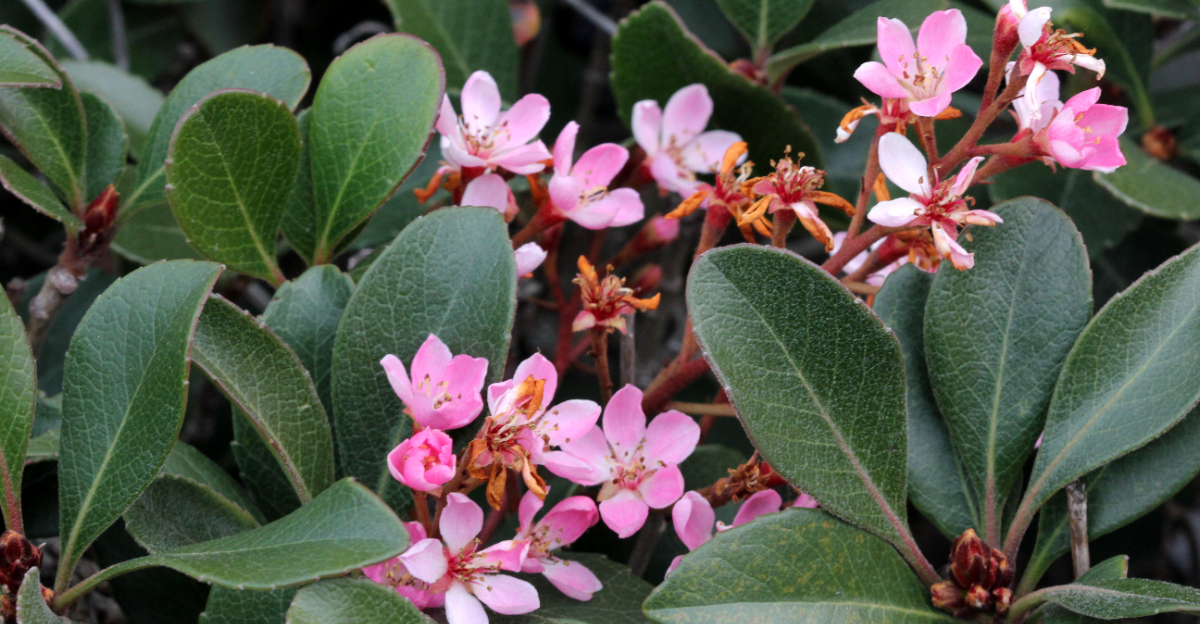
Indian Hawthorn is one of those plants that quietly earns its place in Arizona yards by delivering a reliable flush of pink or white flowers every spring. Compact, tidy, and dependable — until someone prunes it at the wrong time and wonders why it didn’t bloom.
Flower buds develop on last season’s wood during late summer and fall. By the time February rolls around in Arizona, those buds are fully formed and just waiting for warm temperatures to trigger opening.
A spring trim before that happens removes the buds cleanly, and the plant spends the rest of the season putting out leaves instead of flowers.
Blooming usually runs from late February through April across most of Arizona. Let the flowers finish completely before doing any shaping or size control.
A light trim right after bloom — removing spent flower clusters and tidying the outer shape — encourages dense new growth that will carry next year’s buds. Avoid hard pruning in fall, which is another common mistake.
Indian Hawthorn responds best to gradual shaping rather than aggressive cuts. In low-desert Arizona gardens, sticking to a post-bloom pruning schedule keeps this shrub looking sharp and flowering consistently season after season without much fuss.
Because it flowers on old wood, even a light trim at the wrong time can wipe out most of the spring display before it ever opens.
4. Lilac Vine Stops Flowering When Pruned Before Bloom Cycle
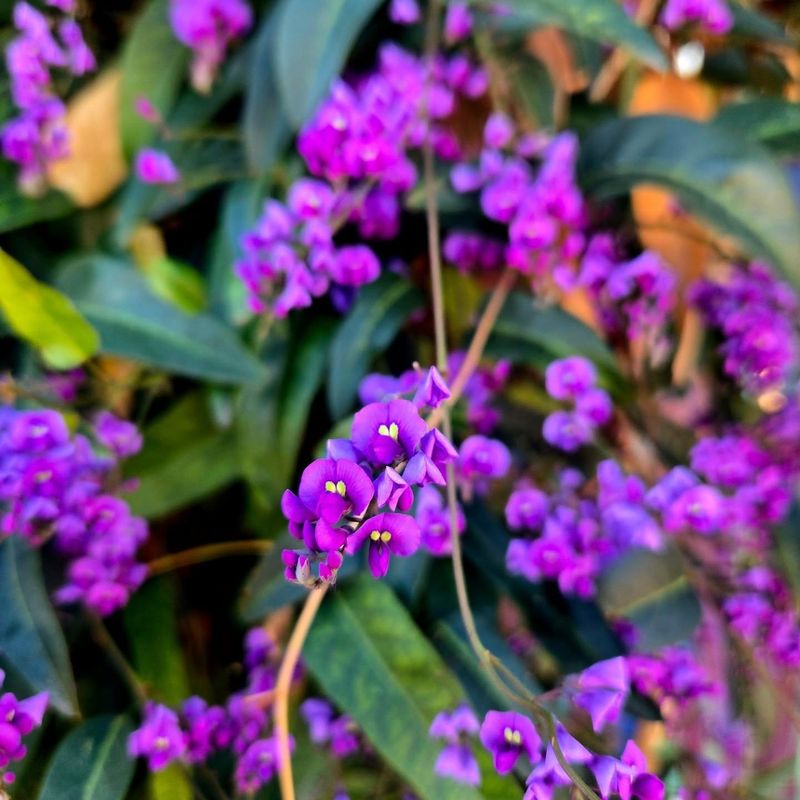
Lilac vine is one of the more underappreciated flowering vines in Arizona, and gardeners who finally get it established are not thrilled when a spring pruning wipes out the entire bloom.
Unlike true lilacs, this vine thrives in the desert heat, but it shares the same old-wood blooming habit that makes early pruning so damaging.
Buds set on mature stems from the previous growing season. Cutting those stems back in early spring — even just to clean things up — removes exactly where the flowers were going to come from.
The vine pushes out new growth just fine, but new growth doesn’t bloom the same year it forms.
Across Arizona, lilac vine typically blooms in spring, sometimes with a second flush in fall. Prune only after the spring flowering has fully finished.
At that point, you can cut back long runners, remove tangled stems, and shape the vine to fit its support structure. Save any heavier renovation pruning for right after bloom rather than before.
If you’re growing lilac vine on a trellis or fence in a Scottsdale or Tempe yard, patience is the main tool here. Let it bloom first, enjoy the purple clusters, then clean it up.
Timing is everything with this one.
A hard spring cut can also leave lilac vine with lots of fresh green growth but very few flowers, which is why shaping is usually saved for after the main bloom has finished.
5. Lady Banks Rose Won’t Flower If Pruned In Early Spring
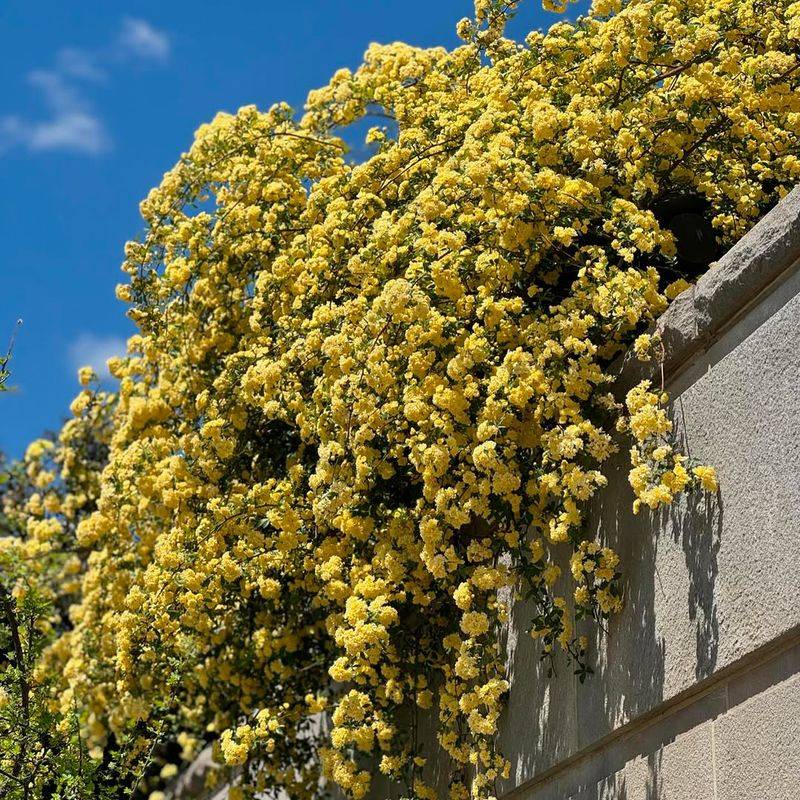
Lady Banks Rose explodes into bloom in Arizona like almost nothing else — thousands of tiny yellow or white flowers covering every inch of the canes in a show that lasts for weeks. Prune it in early spring and you cut that show short before it ever starts.
All those flowers come from old wood, specifically canes that are at least a year old. New canes that grew last summer are carrying this year’s buds right now.
Cutting them back removes the bloom entirely. In Arizona’s low desert, Lady Banks Rose often starts flowering as early as late February, which means any early spring pruning is dangerously close to ruining the display.
Hold off completely until the flowers have dropped. After bloom, remove canes that are three or more years old since those older canes produce fewer flowers over time.
Trimming right after bloom also gives new canes the whole growing season to mature and set buds for next year. Lady Banks Rose grows fast in Arizona — it can easily cover a large fence or pergola in a few seasons.
That vigor makes timing even more critical because there’s a lot of flowering wood at stake. Prune smart, prune late, and this rose rewards you every single spring.
6. Star Jasmine Loses Blooms If Pruned Before Spring Flowering
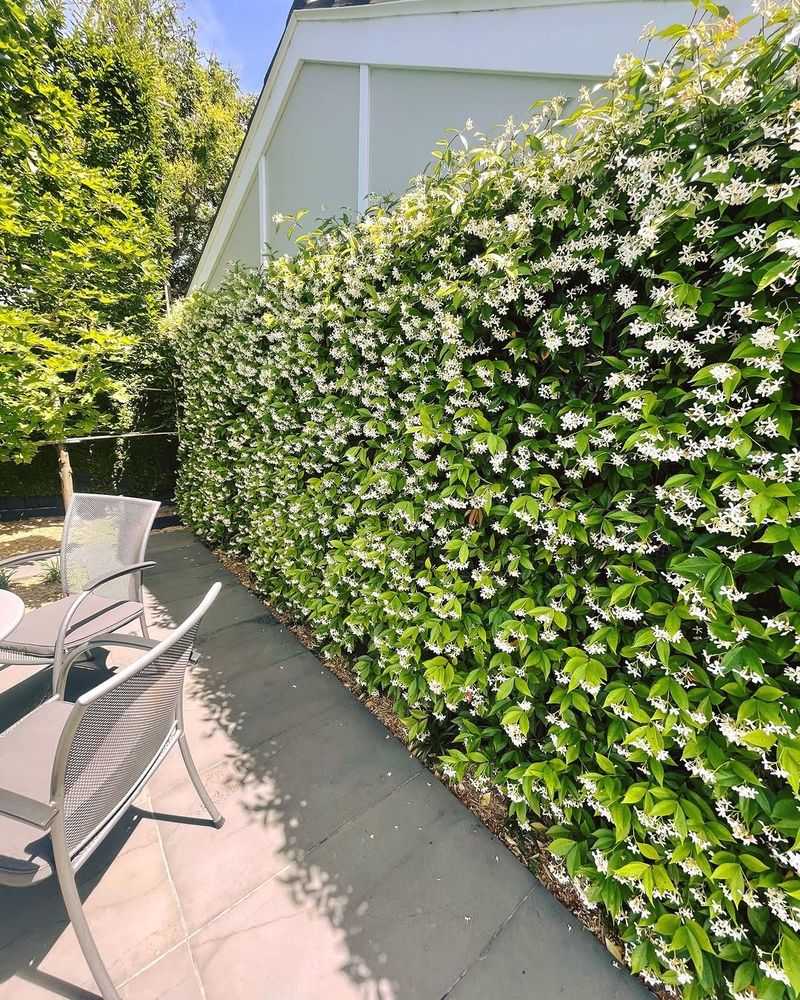
Star jasmine often looks like it needs a quick trim once spring growth begins, but cutting it back at that moment removes the very blooms most people are waiting for. This vine forms its flower buds on mature stems from the previous growing season, which means those buds are already in place before any new spring growth becomes obvious in Arizona landscapes.
Pruning too early strips those buds away without any clear warning. The plant responds by pushing fresh green growth, and while it may look healthy and full, the expected flush of fragrant white flowers never appears.
That is where the mistake becomes noticeable later in the season.
In Phoenix and similar low desert areas, star jasmine usually begins blooming in mid to late spring. By the time new growth starts to show, the plant is already prepared to flower.
Cutting it at that stage interrupts the entire bloom cycle.
The best timing comes right after flowering has finished. Once blooms fade, trimming longer runners and shaping the vine will not affect future flowering.
Sticking to that post-bloom window keeps star jasmine controlled, dense, and consistently covered in flowers each year without sacrificing its strongest seasonal display.
7. Carolina Jessamine Drops Buds When Pruned Before Spring Bloom
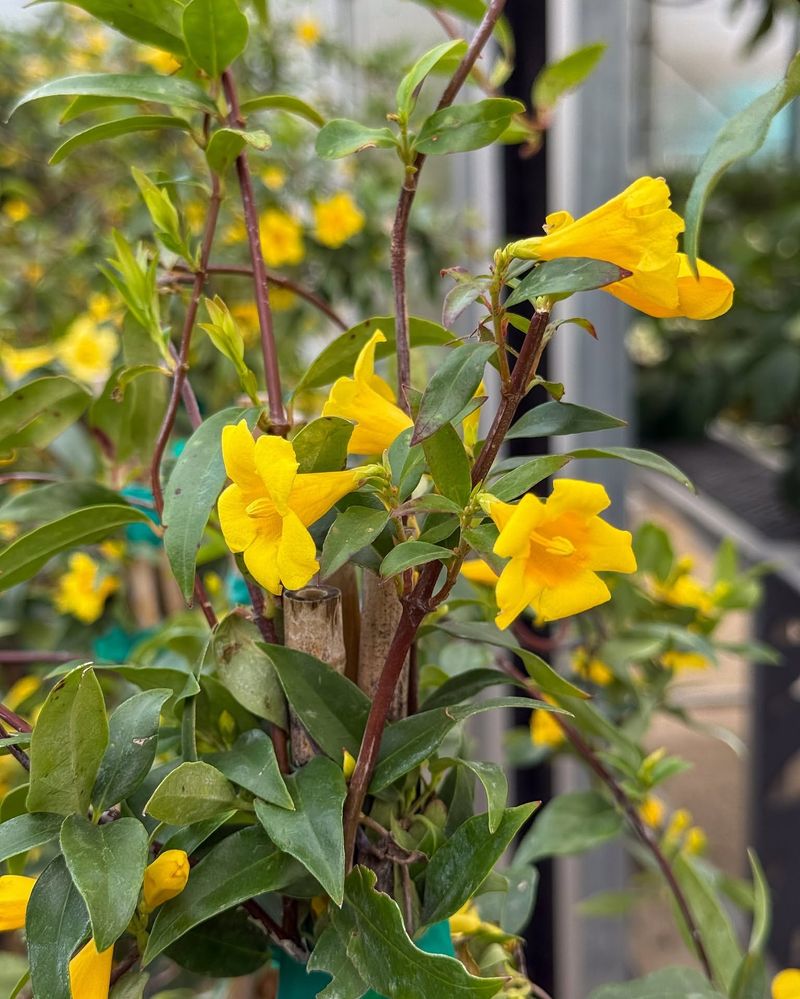
Bright yellow and slightly fragrant, Carolina Jessamine is one of the earliest signs of spring in Arizona gardens. It rushes into bloom before most other plants even wake up, covering fences and trellises in a cheerful yellow flush.
Prune it before that happens and you lose the whole display — no second chances until next year.
Buds develop on old wood through fall and winter, sitting tight until temperatures warm in late winter or early spring. Cutting the vine back in February or early March — which feels like a perfectly reasonable time to tidy up — removes those buds before they ever open.
The vine grows back without any trouble, but flowers are gone for the season.
Pruning right after bloom is ideal, usually in March or April depending on your Arizona location. At that point, cut back as aggressively as needed to control size and shape.
Carolina Jessamine can get dense and tangled quickly, especially in Tucson and Phoenix yards where it gets plenty of sun. Post-bloom pruning keeps it manageable while giving it maximum time to push out new growth and set buds for next spring.
Avoid cutting it again in fall. One clean trim after flowering is all it takes to keep this vine in great shape year after year.
8. Mock Orange Produces Fewer Flowers If Pruned At The Wrong Time
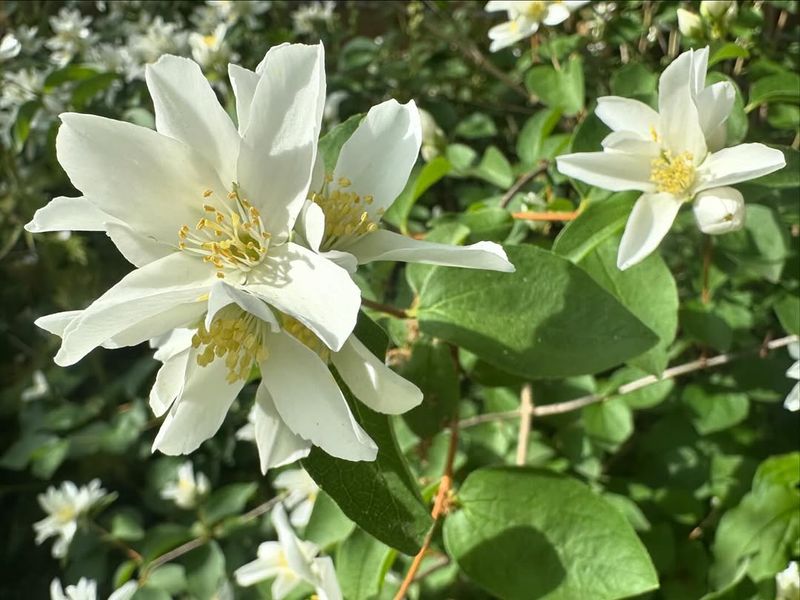
Mock Orange shows up in cooler or more protected parts of Arizona gardens by producing clouds of white flowers with a scent that genuinely resembles orange blossoms.
Prune it at the wrong time and that fragrant display shrinks dramatically — sometimes disappearing almost entirely for the season.
It blooms on old wood, and that simple fact changes everything about how you should treat it in spring.
Flower buds are already sitting on last year’s stems by the time spring arrives. Early spring pruning removes those stems and takes the buds with them.
You might get a few stray flowers on untouched wood, but the full bloom that makes Mock Orange worth growing just doesn’t happen.
In Arizona, blooming typically runs from late April into May in most locations, a bit earlier in the low desert around Phoenix. Wait until the flowers have finished completely, then prune.
Removing one-third of the oldest stems at the base each year after bloom keeps the shrub vigorous and prevents it from getting too woody over time. Avoid the temptation to shape it in fall or early spring — that’s the mistake most people make the first year they grow it.
Consistent post-bloom pruning in Arizona keeps Mock Orange dense, floriferous, and fragrant without ever sacrificing a season of those beautiful white blooms.