5 Plants In Arizona Yards That Benefit From A March Trim And 4 To Skip For Now
March can make it feel like everything in Arizona yards needs a trim, but cutting at the wrong time can do more harm than good.
Some plants are just starting to push new growth and respond well to a light prune, while others are already setting buds and should be left alone for now.
This is where timing really matters. The right trim can shape growth, encourage fuller plants, and keep things looking clean without slowing anything down.
But stepping in too early on the wrong plants can mean fewer blooms or weaker growth as the season moves forward.
In Arizona, knowing what to prune and what to leave alone in March helps avoid setbacks that are easy to miss at first. A few well-timed cuts now can set up stronger, healthier plants without creating extra work later.
1. Lantana Responds Well To A Hard Cutback
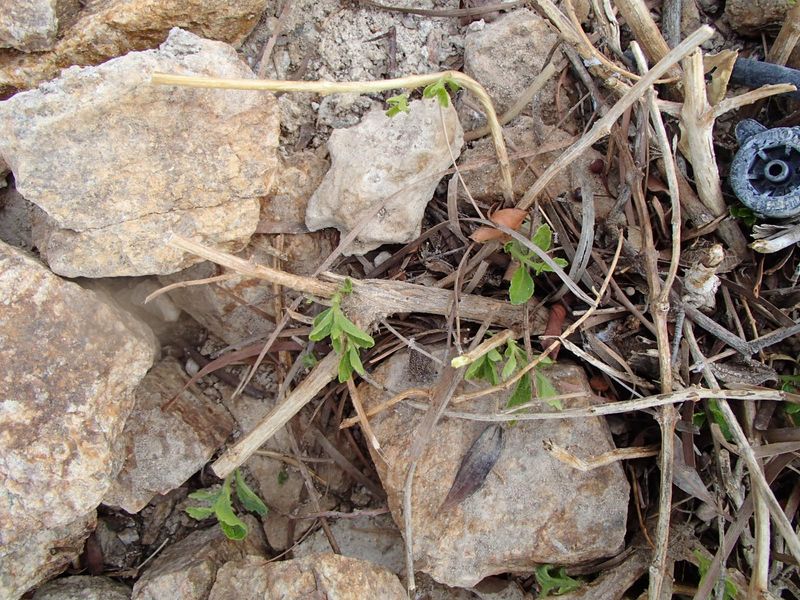
Woody, tangled, and looking a little rough after winter? That is exactly what lantana looks like in most Arizona yards by the time March rolls around, and that is perfectly fine.
A hard cutback is exactly what this plant needs right now. Cut it down to about 6 to 12 inches from the ground and do not be shy about it.
People often hesitate because the plant looks big and established, but that overgrown mass of old stems is actually holding it back.
Removing it encourages the plant to push out fresh, vigorous growth from the base, which leads to way more blooms through the summer heat.
Lantana thrives in Arizona heat once the temperatures climb, and it rewards a good March trim with dense, colorful flower clusters that attract butterflies and hummingbirds all season long.
Use clean, sharp pruners and cut just above a node or a set of leaves if you can spot them.
After cutting, a light layer of compost around the base gives it a nice boost heading into spring. Skip this trim and you will likely end up with sparse blooms on a leggy, tired-looking plant by June.
New growth comes on fast once temperatures warm up, so do not worry if it looks bare at first because it fills back in quickly.
2. Red Yucca Benefits From Removing Old Flower Stalks
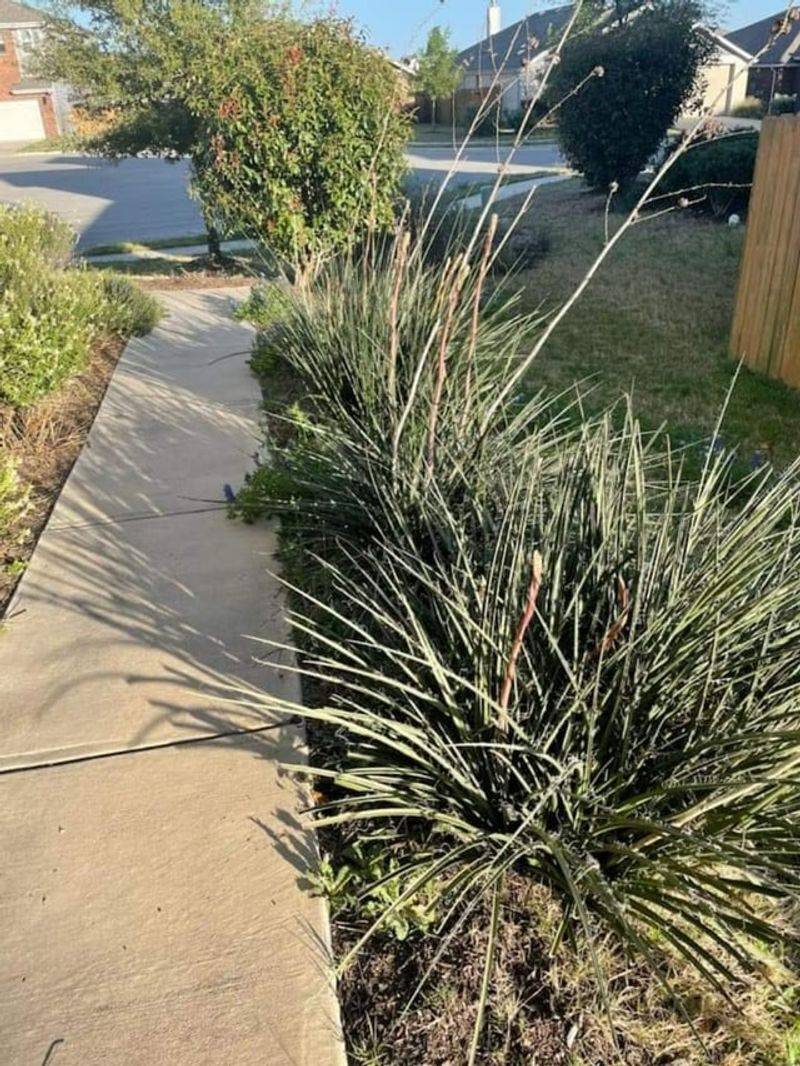
Those tall, dried-out stalks left over from last year are not doing your red yucca any favors at this point. Removing them in March is one of the simplest and most effective things you can do to prepare this plant for a strong season ahead.
Grab a pair of loppers and cut each old stalk as close to the base as you can without damaging the surrounding leaves.
Red yucca is a tough, drought-tolerant plant that handles Arizona summers without much fuss, but clearing out spent stalks helps redirect its energy toward producing new blooms.
Left in place, those old stalks can trap debris and slow the plant down heading into its active growing period.
In Arizona, red yucca typically blooms from spring into early summer, sending up arching stalks lined with coral-red tubular flowers that hummingbirds absolutely love. Giving it a clean slate in March means more room and more energy for fresh flower stalks to emerge.
You do not need to cut back the leaves unless they are brown or damaged. Just focus on the old stalks and let the plant do the rest on its own timeline.
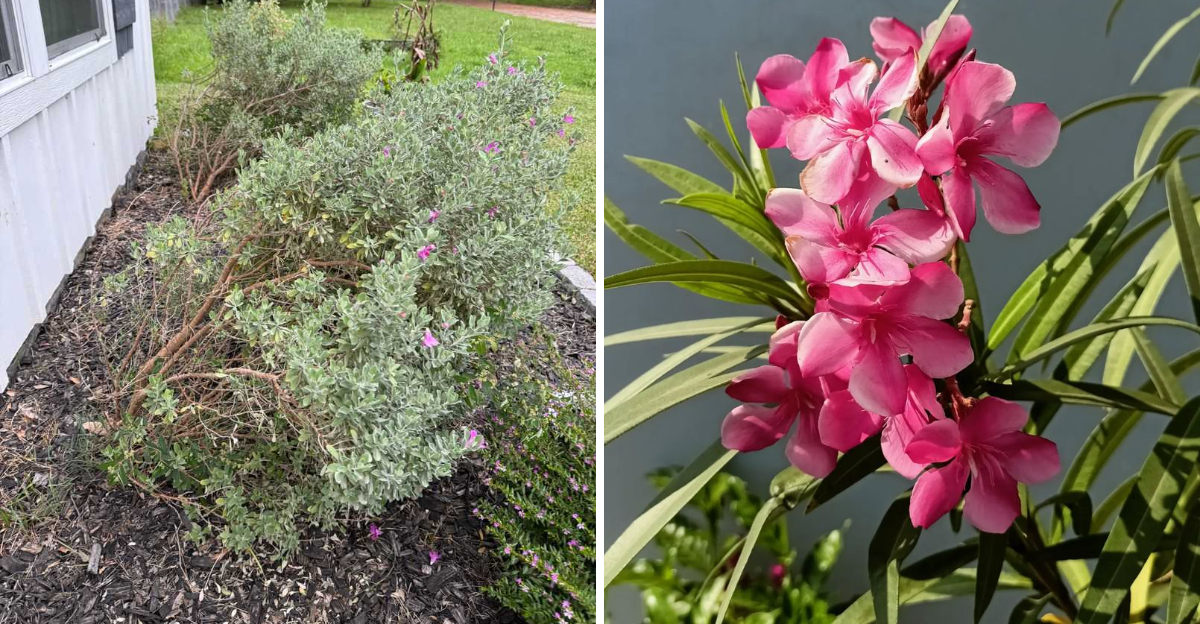
3. Texas Sage Handles Light Shaping Before Growth Starts
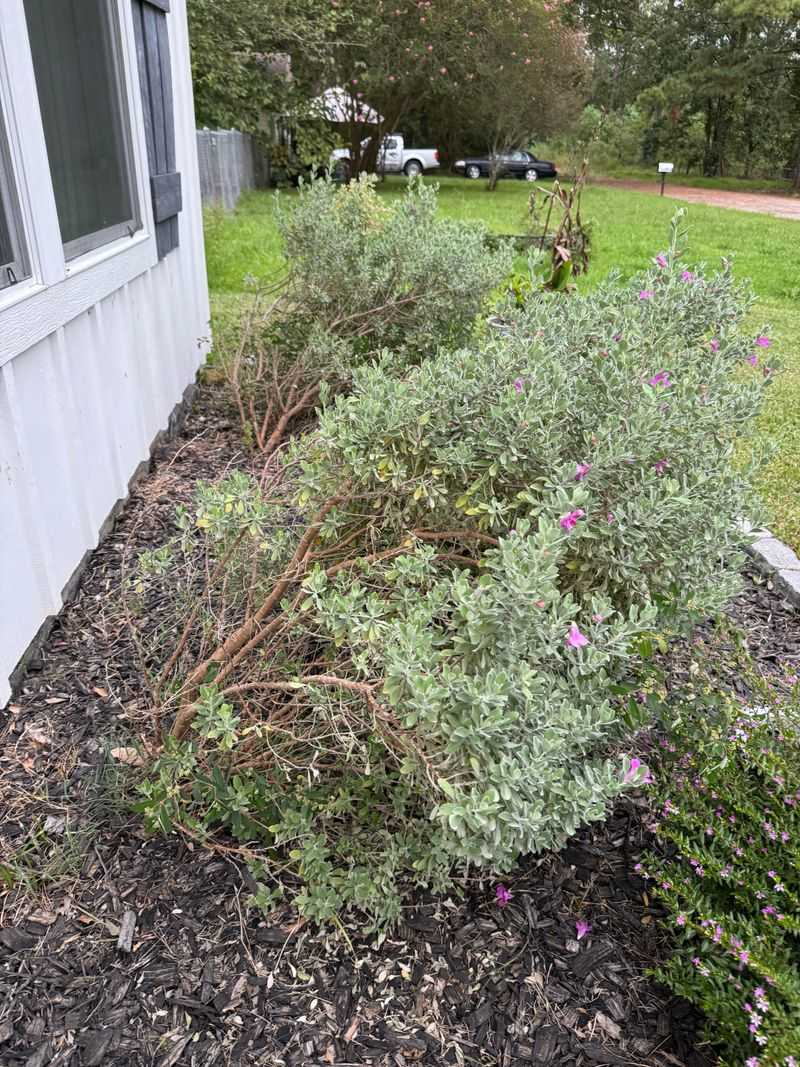
Right before new growth kicks in is actually the sweet spot for shaping Texas sage, and March in Arizona lands right in that window. A light trim now helps tighten up the shape and removes any crossing or weak branches before the shrub puts energy into new growth.
You are not taking off much, just cleaning up the edges and opening up the center a bit.
Texas sage, also called cenizo or purple sage, is a staple in Arizona yards because it handles heat and drought without complaint.
After a few years, it can get a little leggy or lopsided, and a strategic trim in early spring keeps it looking full and intentional rather than overgrown.
Avoid cutting into thick, woody stems too aggressively since Texas sage does not always bounce back well from severe pruning.
Stick to removing about a third of the outer growth and targeting any branches that are rubbing against each other or growing in odd directions.
Sharp hand pruners work better than hedge trimmers here because you get more control.
In a few weeks, you will see fresh silver-green growth filling in, and by late spring the plant will be primed for those iconic purple blooms Arizona gardeners look forward to every season.
4. Yellow Bells Can Be Cut Back Before Active Growth
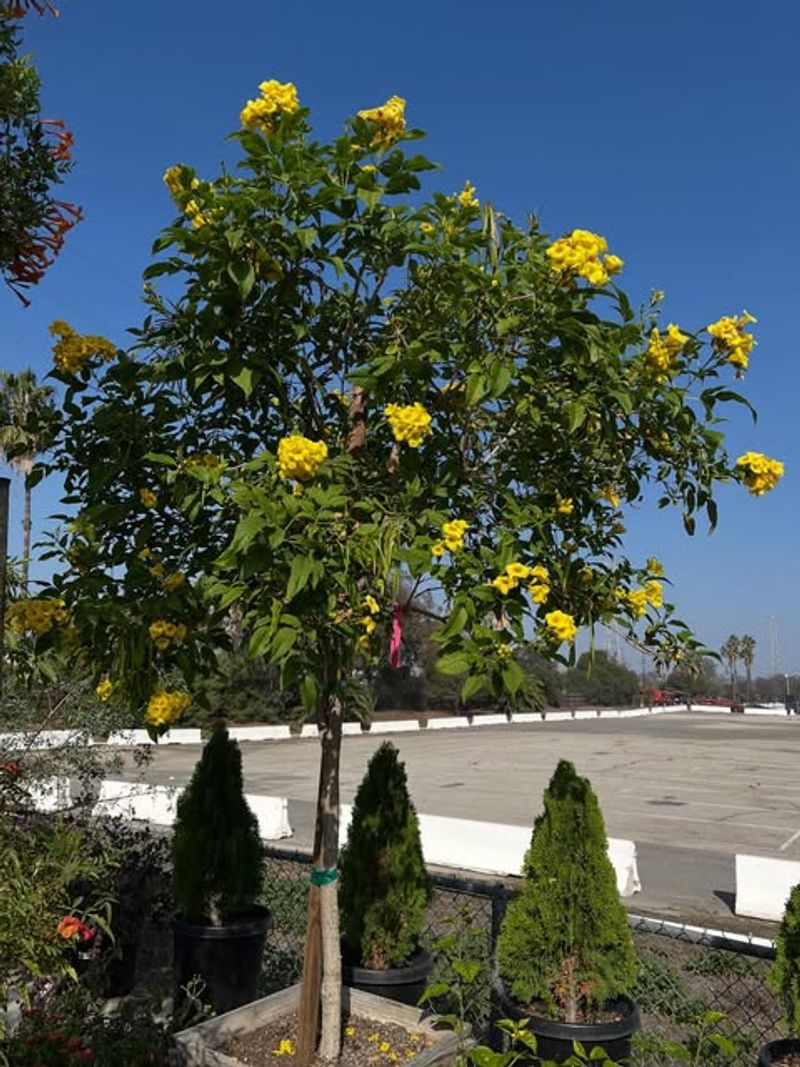
Yellow bells, or Tecoma stans, can get surprisingly large and sprawling after a few seasons in an Arizona yard.
Cutting it back in March, before it leafs out fully, is one of the best ways to keep it manageable and encourage a flush of fresh growth that will eventually be covered in bright yellow trumpet-shaped flowers.
Remove about a third of the overall height and thin out any crowded or crossing stems from the center. Old woody growth at the base can also come out at this stage.
The goal is to give the plant a cleaner framework so new stems have room to develop properly.
One thing worth knowing is that yellow bells blooms on new growth, which makes a March trim especially useful. You are not cutting off future flowers, you are actually setting the stage for more of them.
Across Arizona, this shrub starts pushing growth fast once temperatures climb, so trimming now while it is still relatively dormant gives you more control over the shape. By midsummer, a well-pruned yellow bells can look spectacular, covered in blooms from top to bottom.
Skip the trim and you often end up with a tall, floppy plant that leans awkwardly and blooms mainly at the tips.
5. Ornamental Grasses Should Be Cut Back Before New Growth
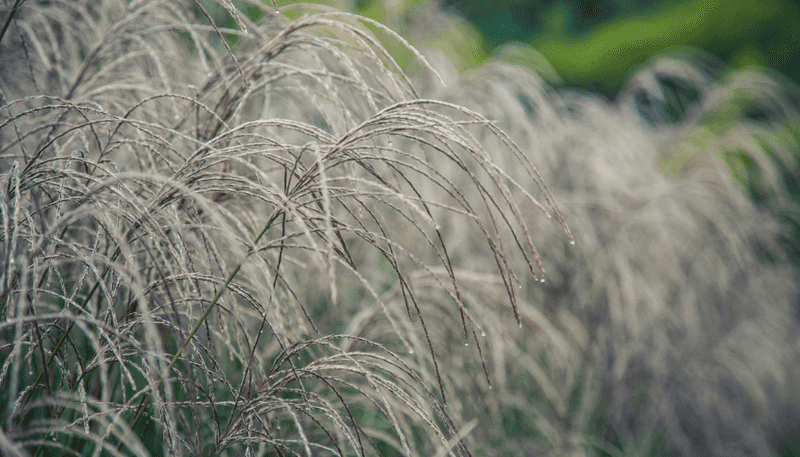
Cutting back ornamental grasses before new growth pushes through is one of those garden tasks that feels almost too simple, but the results speak for themselves.
By March in Arizona, most ornamental grasses are holding onto a season’s worth of dry, brown, and floppy blades that need to come off.
Leaving them in place crowds out the fresh growth trying to emerge from the center.
Cut the entire clump down to about 4 to 6 inches above the ground. A sharp pair of hedge shears or even a reciprocating saw works well for larger clumps.
Bundle the blades with a bungee cord before cutting to make cleanup much easier.
Across Arizona, ornamental grasses like deer grass and muhly grass are popular landscape choices because they move beautifully in the breeze and need very little water once they are established.
A March cutback keeps them looking clean and encourages the dense, lush regrowth that makes these grasses so appealing in the first place.
Within a few weeks of cutting, you will start to see bright green blades emerging from the base. By late spring, the clump will look full and fresh again, ready to handle the intense Arizona summer ahead without skipping a beat.
6. Citrus Trees Should Not Be Pruned Before Flowering And Fruit Set
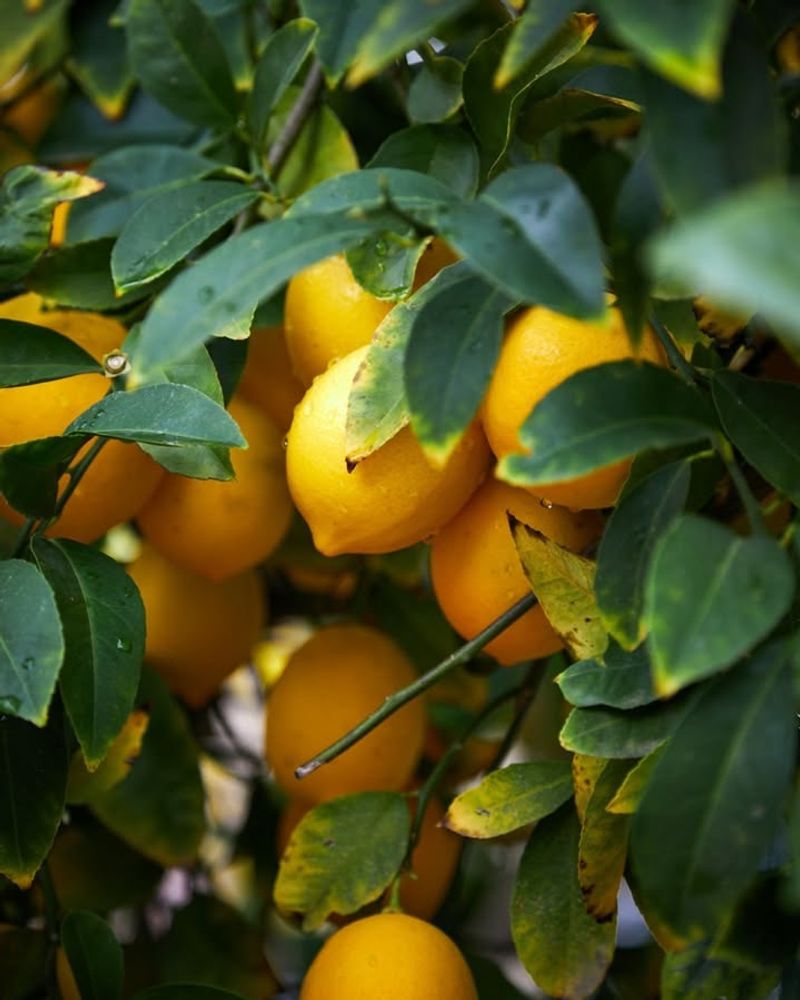
Citrus trees across Arizona are loaded with potential in March, and the worst thing you can do right now is pick up your pruners. Most citrus varieties are either just starting to flower or gearing up to do so, and pruning at this stage directly cuts into that process.
Fewer flowers means fewer fruit, and that is not a trade-off worth making.
Beyond the bloom timing issue, pruning citrus in early spring stimulates tender new growth that is still vulnerable to late cold snaps. Arizona can still throw a chilly night at you in March, especially in higher elevation areas around Flagstaff and Prescott.
That soft new growth is much more cold-sensitive than mature wood.
Hold off on any significant pruning until late April or May, once flowering is complete and small fruit has set on the branches. Light cleanup like removing suckers from the base is fine year-round, but save the real structural work for later.
Arizona citrus is one of the best things about growing in this climate, and a little patience in March pays off with a much better harvest come fall and winter.
7. Oleander Is Better Pruned After Blooming
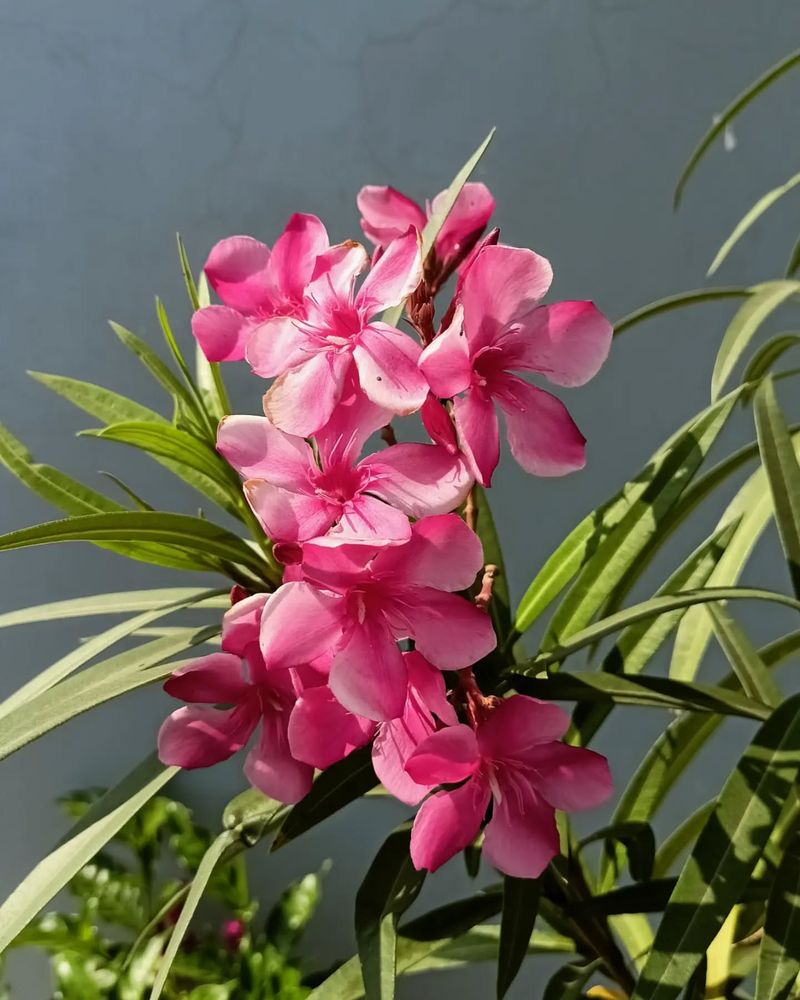
Oleander is everywhere in Arizona, lining streets, filling medians, and anchoring backyard borders across the state.
In March, a lot of people feel the urge to shape it up before the heat arrives, but cutting it back now means cutting off the flower buds that are already forming on last year’s wood.
Oleander blooms on old growth, so pruning too early costs you the show.
Wait until after the first big bloom cycle wraps up, which typically happens in late spring to early summer depending on your location in Arizona. Once flowering slows down, that is your window to shape, reduce height, or remove old canes from the base.
The plant will push fresh growth quickly and may even rebloom later in the season.
If your oleander has frost damage from a cold winter, resist the temptation to cut it all back at once in early March. Give it a little more time to show you where the live wood actually is.
Green just under the bark means the stem is still viable. Cutting prematurely can remove wood that would have recovered and bloomed just fine.
Patience is the right move here, and oleander in Arizona rewards that patience with a spectacular display of color heading into the warmer months.
8. Bougainvillea Should Not Be Pruned Before Spring Growth
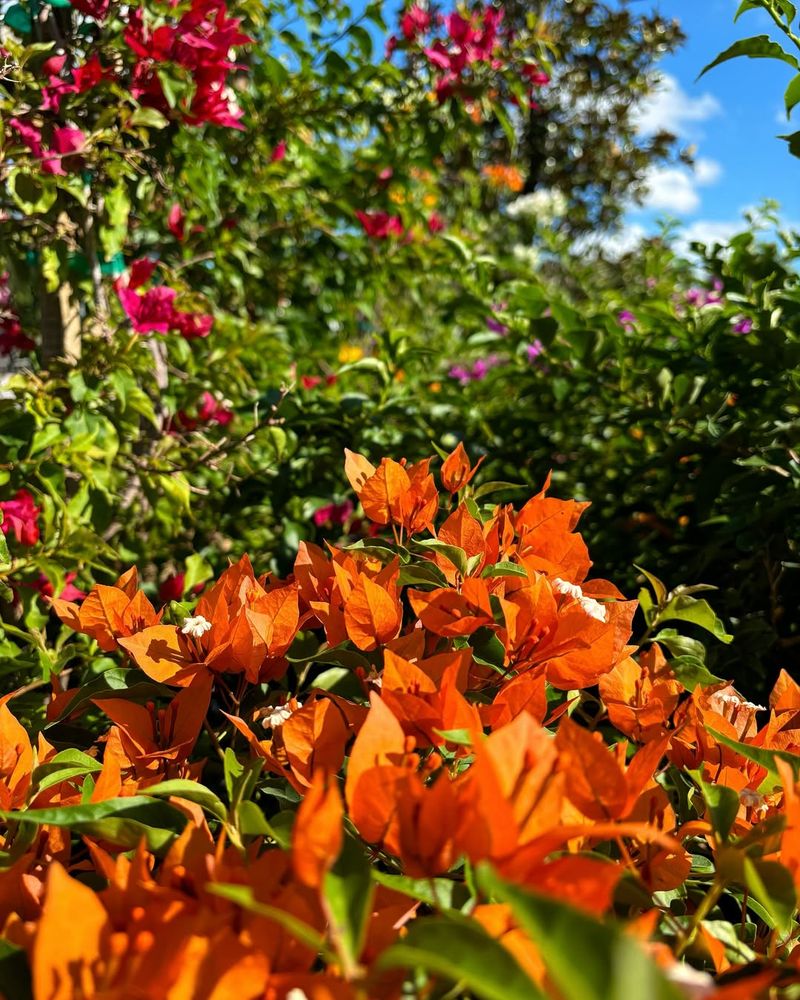
Bougainvillea might look a little rough coming out of winter in Arizona, but reaching for the pruners too early is one of the easiest ways to cut back your own bloom show.
Those thin, tangled stems often hold the first round of color once temperatures warm up, and removing them in early spring means fewer bracts when the plant should be starting strong.
In March, bougainvillea is just beginning to wake up. New growth has not fully pushed yet, and the plant is still relying on existing stems to fuel that first flush.
Cutting at this stage slows things down and delays blooming right when you want it most.
Waiting until you see steady new growth makes a big difference. Once the plant is actively growing, it responds much better to pruning and fills back in quickly without losing momentum.
In Arizona’s heat, that timing matters because bougainvillea thrives once temperatures rise and daylight increases.
If shaping is needed, hold off until after the first bloom cycle or once new shoots are clearly established.
A light trim at that point encourages branching and leads to a fuller, more colorful display through the hotter months without setting the plant back early in the season.
9. Palo Verde Should Not Be Pruned In Early Spring
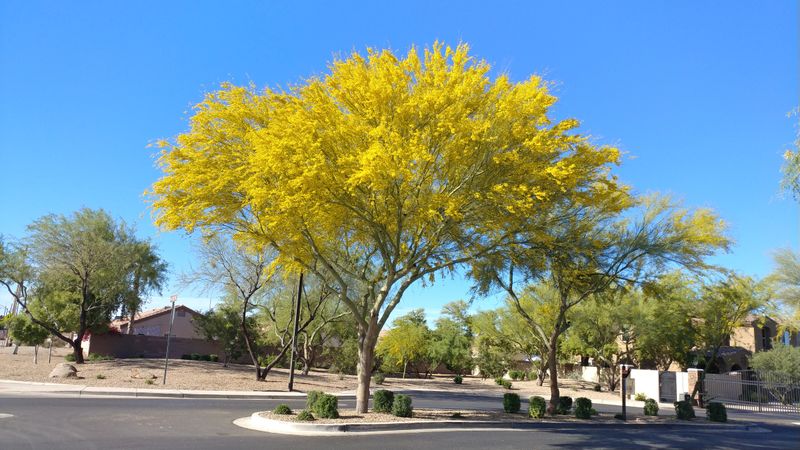
Palo verde trees put on one of the most stunning shows in all of Arizona each spring, turning entire neighborhoods yellow with their blooms. Pruning in early March puts that display at risk.
Flower buds are already developing on the branches, and cutting now removes them before you ever get to enjoy them.
Beyond the bloom issue, palo verde is a tree that prefers minimal pruning in general. Its natural form is part of its appeal, and heavy shaping often leads to dense, twiggy regrowth that looks nothing like the airy, graceful canopy the tree produces on its own.
Early spring pruning also triggers new growth at a time when the tree is already putting significant energy into flowering.
If you have branches that are crossing, rubbing, or posing a safety issue, note them now but wait until after bloom season to address them. Late spring, once the flowers have dropped and the tree is in full leaf, is a much better time for any structural work on palo verde.
Letting this tree do its thing in March is genuinely the best garden decision you can make.