10 Plants In Maine That Can Benefit From Adding Wood Ash To Soil
Wood ash is one of those old garden habits that sounds questionable until you actually see what it does in a Maine garden.
After a long winter, that pale powder left behind from the wood stove starts to feel less like waste and more like potential.
Maine soils often run acidic, especially after snow and rain slowly strip nutrients from the ground.
That’s where wood ash quietly steps in, nudging pH upward while supplying calcium and potassium plants rely on.
I noticed early on that the right amount can lead to sturdier growth, darker leaves, and more confident blooming.
It doesn’t work like a quick fertilizer fix, but more like restoring balance beneath the surface.
Some plants respond almost immediately, while others clearly want nothing to do with it.
Knowing the difference saves time, prevents damage, and makes every handful count.
Once you understand how wood ash interacts with your soil, it stops feeling risky and starts feeling intentional.
These ten Maine plants are the ones that tend to respond best when wood ash is used thoughtfully.
1. Tomatoes
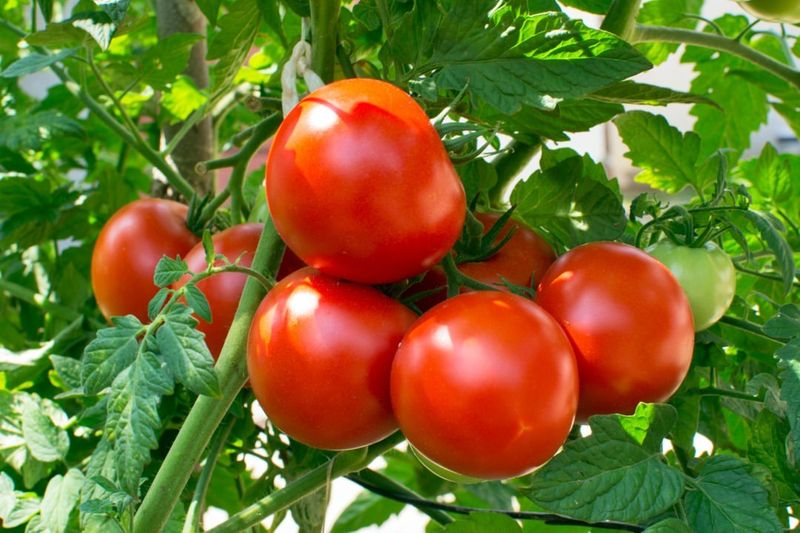
A small pile of leftover fireplace ash can quietly turn an average harvest into something worth bragging about by changing how soil behaves beneath your plants.
In Maine gardens, wood ash works behind the scenes by raising acidic soil just enough to create conditions many summer crops crave.
Once mixed in properly, the added calcium helps prevent blossom end rot, one of the most frustrating problems gardeners face midseason.
Potassium from wood ash also strengthens plant cell walls, helping crops stand up better to diseases that commonly appear during Maine’s humid stretches.
A light sprinkle around plants during the growing season often leads to firmer fruit, richer color, and more consistent development.
Timing matters, and spring applications before planting work best when the ash is blended into the top six inches of soil.
Moderation is key, since too much ash can throw soil balance off, so sticking close to one pound per ten square feet keeps things safe.
Soil testing takes the guesswork out, especially because some Maine beds already sit near the ideal pH range.
Pairing wood ash with finished compost creates a balanced, nutrient-rich base that supports steady growth all season long.
When used thoughtfully, this simple byproduct can turn an ordinary garden bed into one that produces deep red, juicy harvests year after year.
2. Beets
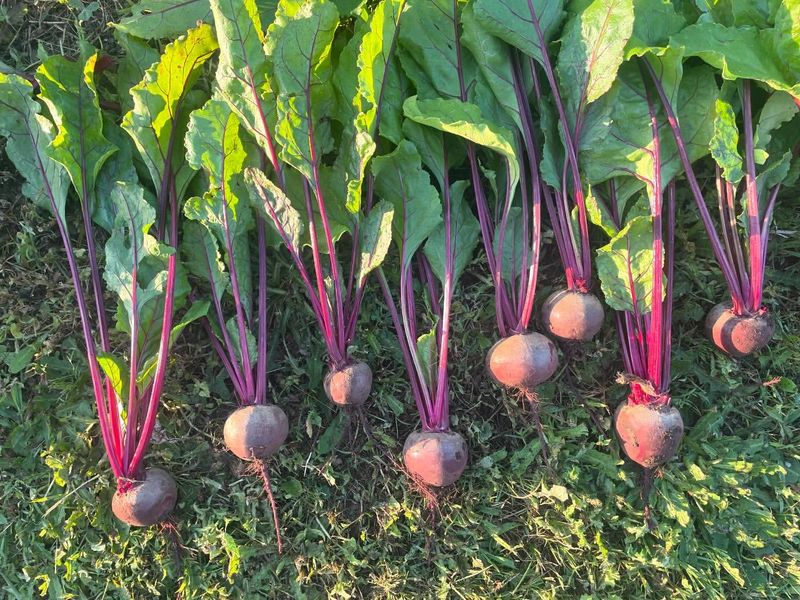
Root vegetables that struggle in acidic soil often perform much better once wood ash is mixed into Maine garden beds before planting.
Beet roots develop smoother shapes and more consistent sizing when soil pH is balanced with small, well-timed wood ash applications.
Slightly alkaline conditions allow beets to absorb nutrients more efficiently, helping plants grow stronger and produce fuller roots throughout the season.
Potassium from wood ash enhances beet flavor and color, leading to sweeter harvests with deeper, richer tones by the time pulling begins.
Calcium in wood ash supports steady root formation and reduces the risk of misshapen or stunted beets in heavy or compacted soils.
Maine gardeners see the best results when wood ash is worked into beet beds several weeks before sowing, giving the soil time to stabilize.
About one pound of wood ash per twenty square feet is enough to improve growing conditions without pushing soil pH too far.
Fresh wood ash should never touch young seedlings directly, since concentrated ash can stress tender plants and slow early growth.
3. Cabbage
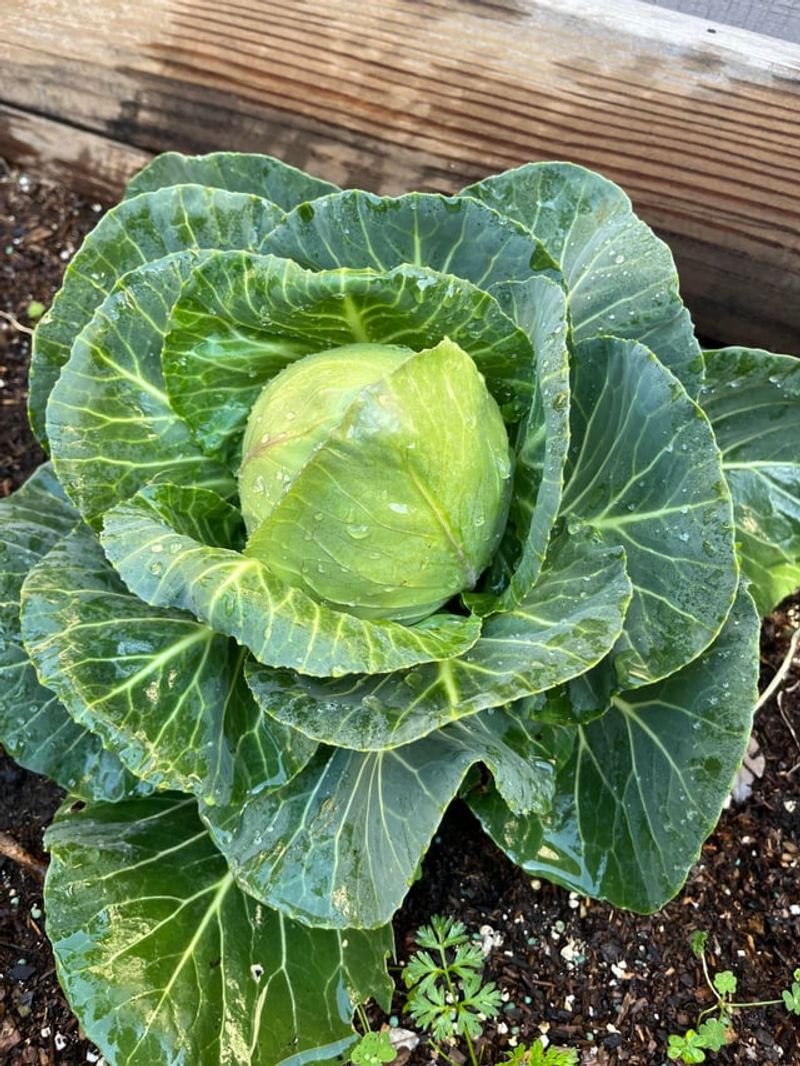
Cold spring soil can make or break an early harvest, and a simple amendment often makes the difference before seedlings ever go into the ground.
In Maine gardens, wood ash quietly improves soil structure and balance, setting the stage for stronger growth once cabbage plants get established.
Worked in before planting, the added calcium helps prevent splitting and cracking later on, a problem that frustrates gardeners as heads mature.
Wood ash also creates conditions that discourage certain soil pests, offering natural protection right where young roots are most vulnerable.
Its mild alkalinity helps plants absorb nutrients more efficiently, leading to darker green leaves and steadier overall development.
Early spring applications work best, ideally about two weeks before transplanting seedlings into prepared beds.
Blending wood ash with aged manure creates a rich, supportive soil mix that consistently produces larger, denser heads.
During the growing season, about half a cup per plant is usually enough to keep benefits going without overdoing it.
Soil testing remains important, since balance matters just as much as nutrients in Maine’s variable garden soils.
Other cool-weather crops in the same family, including broccoli, Brussels sprouts, and kale, respond just as well to these thoughtful applications.
4. Lilacs
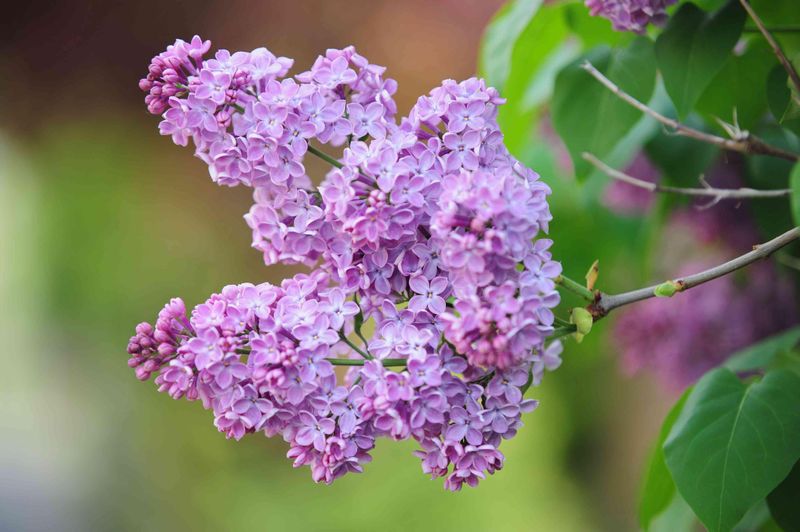
In many Maine gardens, spreading wood ash around the base each year leads to noticeably heavier spring blooms once lilacs come into season.
These fragrant shrubs prefer slightly alkaline soil, making wood ash a perfect natural amendment for encouraging spectacular spring flower displays in Maine.
Potassium from wood ash promotes stronger stems and more abundant flower clusters, filling Maine yards with that classic lilac scent everyone loves.
Spreading wood ash around established lilac bushes in fall or early spring helps prepare them for their upcoming bloom season across Maine.
Maine gardeners should apply about two cups of wood ash around the drip line of each mature lilac bush annually for best results.
Combining wood ash with a layer of compost provides lilacs with balanced nutrition that keeps them healthy and blooming for decades in Maine.
Younger lilac bushes benefit from smaller wood ash applications, starting with just one cup per plant during their first few growing seasons.
Testing soil pH near your lilac bushes helps determine if wood ash will benefit them since some Maine locations already have alkaline soil.
Used carefully, wood ash improves flowering without pushing excessive leafy growth that can reduce bloom quality.
This approach works best when applications stay light and consistent rather than heavy or frequent.
5. Garlic
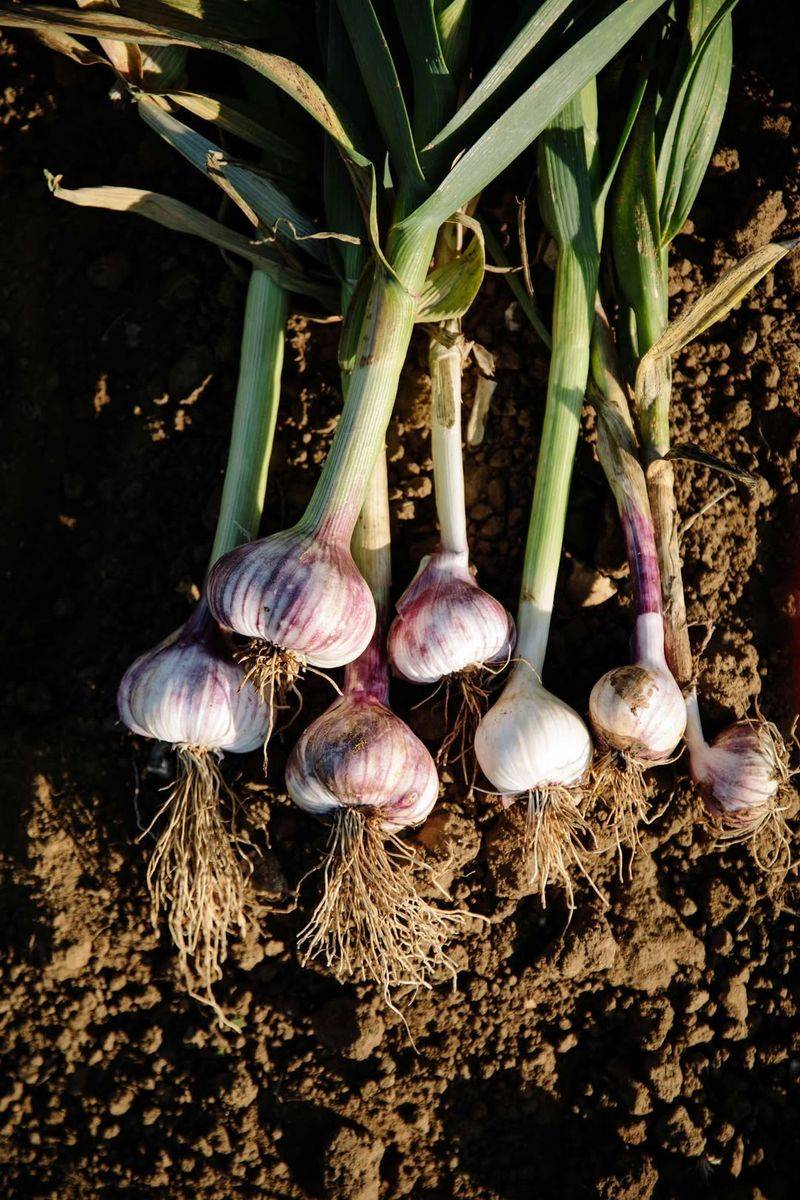
Under Maine’s long winters, small soil tweaks made in fall often decide how strong plants look when spring finally shows up.
Mixed into beds ahead of planting, wood ash helps set up conditions that lead to noticeably larger bulbs once garlic finishes its growing cycle.
Potassium from wood ash strengthens garlic plants, helping them survive harsh Maine winters and emerge vigorously when spring weather finally arrives here.
Wood ash raises soil pH to levels garlic prefers, creating ideal growing conditions that produce the biggest, most flavorful bulbs in Maine.
Spreading a thin layer of wood ash over garlic beds in early spring gives plants a nutrient boost just when they start growing.
Maine gardeners should work about one cup of wood ash into every ten square feet of garlic bed before planting cloves each fall.
Combining wood ash with well-rotted compost creates rich soil that produces garlic with excellent flavor and long storage life after harvesting in Maine.
Garlic scapes grow thicker and more tender when plants receive adequate potassium from wood ash applications throughout the Maine growing season here.
Avoid over-applying wood ash to garlic beds since too much can create nutrient imbalances that reduce bulb size and overall plant health.
Light, well-timed applications tend to deliver better results than heavy doses applied all at once.
Soil testing before fall planting helps ensure wood ash improves conditions rather than pushing pH beyond what garlic prefers.
6. Peonies
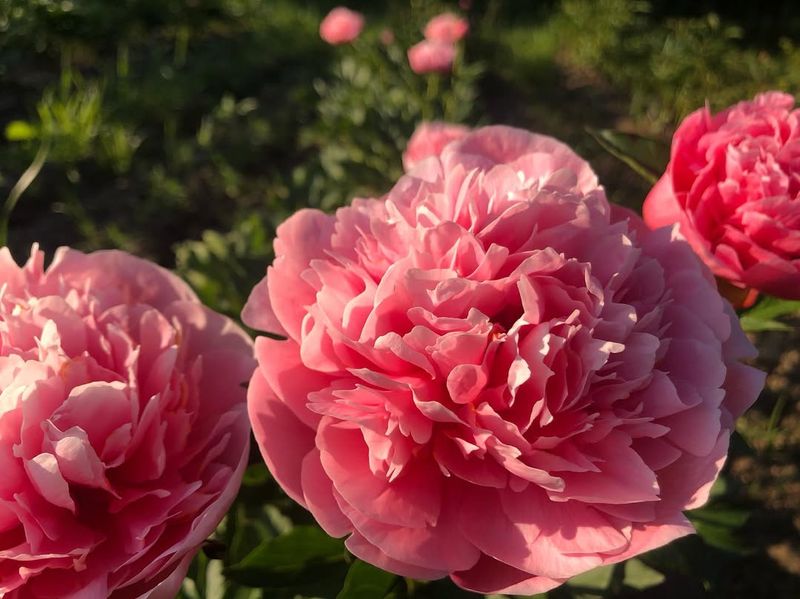
After a long winter, few sights signal spring more clearly than oversized blooms pushing up through still-cool soil.
Those dramatic flowers don’t happen by accident, and small seasonal habits often make the biggest difference.
Peony plants produce more spectacular blooms when wood ash gets worked into the soil around their roots each spring in Maine gardens.
These long-lived perennials thrive in slightly alkaline soil, making wood ash an ideal amendment for established peony beds throughout Maine landscapes.
Calcium from wood ash strengthens peony stems, helping them support those massive flower heads without flopping over during Maine spring rains.
Maine gardeners should spread about one cup of wood ash around each mature peony plant in early spring before new growth emerges.
Wood ash applications encourage peonies to produce more flower buds, resulting in breathtaking displays that last for weeks in Maine gardens.
Combining wood ash with bone meal provides peonies with balanced nutrition that promotes both healthy foliage and abundant flowering throughout the season.
Younger peony plants benefit from lighter wood ash applications, starting with just half a cup per plant during their first few years.
Spreading wood ash around peonies in fall helps prepare them for winter dormancy and sets them up for vigorous growth next spring.
7. Carrots
Loose, well-balanced soil makes all the difference once cool-season crops begin settling in during early spring.
Small adjustments made before planting often determine how straight, sweet, and uniform the harvest turns out later.
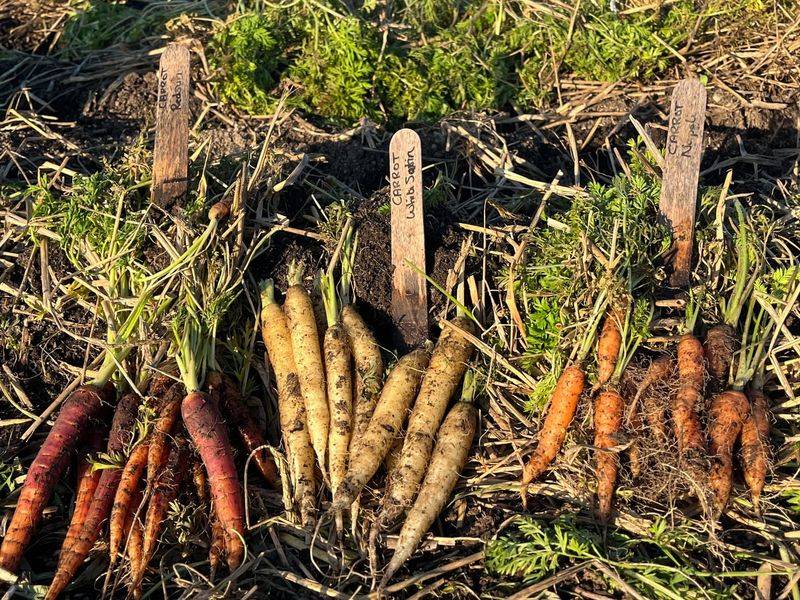
Carrot seeds germinate better and roots grow straighter when wood ash gets incorporated into Maine garden beds before planting begins each spring.
Potassium from wood ash improves carrot sweetness and texture, producing crisp, flavorful roots that taste amazing fresh from Maine gardens everywhere.
Wood ash helps prevent certain root diseases that commonly affect carrots growing in cool, damp Maine soil conditions throughout the growing season.
Maine gardeners should work wood ash into carrot beds several weeks before planting, allowing it to blend thoroughly with existing garden soil.
Spreading about one pound of wood ash per twenty square feet of carrot bed creates ideal growing conditions in Maine vegetable gardens.
Combining wood ash with sand improves soil drainage for carrots, preventing misshapen roots that sometimes develop in heavy Maine clay soils.
Wood ash applications also provide trace minerals that carrots need for developing their characteristic orange color and sweet flavor in Maine.
Avoid applying fresh wood ash directly to carrot seeds since it can inhibit germination rates and reduce your overall harvest in Maine.
8. Apple Trees
Heavy harvests don’t happen by chance, especially in regions where soil balance and long winters shape how trees perform year after year.
Simple annual habits around the base of established trees often decide whether a season ends with scattered fruit or overflowing baskets.
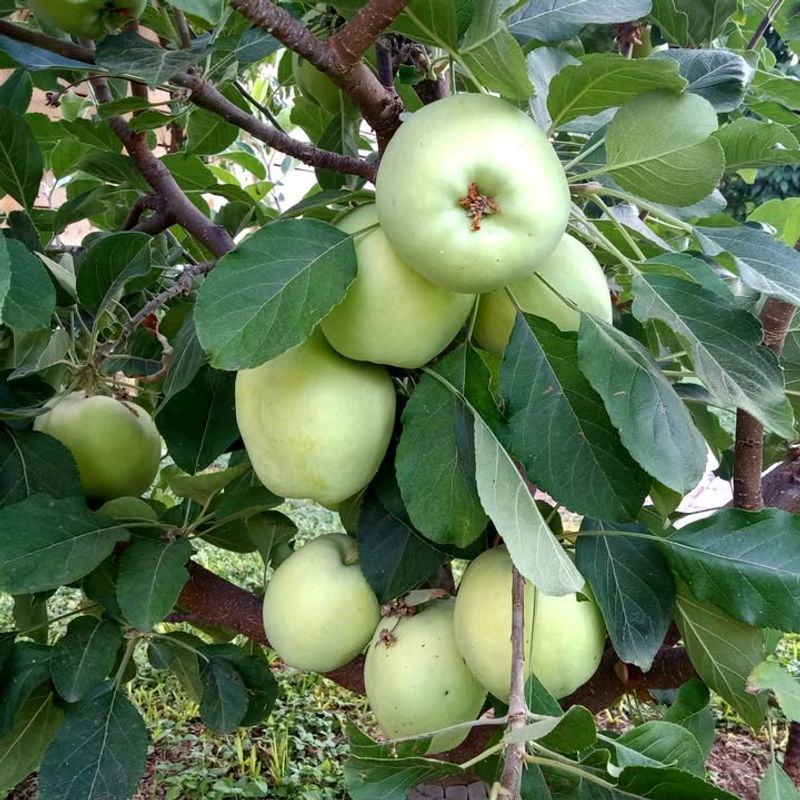
Apple trees produce more abundant fruit crops when wood ash gets spread around their root zones each year in Maine home orchards.
Potassium from wood ash improves apple flavor, texture, and color, resulting in crisper, sweeter fruit that stores better through long Maine winters.
Wood ash raises soil pH to levels apple trees prefer, helping them absorb nutrients more efficiently from Maine soils throughout the growing season.
Maine orchardists should spread about five pounds of wood ash around the drip line of each mature apple tree annually for best results.
Calcium from wood ash strengthens apple tree cell walls, reducing issues with bitter pit and other disorders that affect fruit quality in Maine.
Combining wood ash with aged manure provides apple trees with balanced nutrition that promotes healthy growth and consistent fruiting in Maine orchards.
Young apple trees benefit from smaller wood ash applications, starting with just two pounds per tree during their first few growing seasons.
Spreading wood ash in early spring allows nutrients to penetrate the soil before apple trees break dormancy and begin active growth here.
9. Roses

Few garden plants respond as clearly to small soil tweaks as those grown for repeat blooms and long-season color.
When nutrients and balance line up early, the payoff shows up week after week instead of fading fast.
Rose bushes develop stronger canes and produce more vibrant blooms when wood ash gets worked into the soil around them in Maine.
Potassium from wood ash enhances rose flower color and fragrance, creating stunning displays that brighten gardens throughout Maine all summer long here.
Wood ash helps roses resist common diseases like black spot and powdery mildew that often plague plants growing in humid Maine conditions.
Maine gardeners should spread about one cup of wood ash around each rose bush in spring, keeping it away from direct contact.
Combining wood ash with compost creates nutrient-rich soil that produces the healthiest, most beautiful roses you will ever grow in Maine gardens.
Calcium from wood ash strengthens rose stems, helping them support heavy blooms without drooping or breaking during Maine summer storms and winds.
Established rose bushes benefit from additional wood ash applications in midsummer, encouraging continued blooming through fall in Maine growing zones here.
Avoid over-applying wood ash to roses since excessive amounts can create nutrient imbalances that reduce flowering and overall plant vigor significantly.
10. Asparagus
Long-lived garden beds reward steady care, especially when small yearly habits support growth over many seasons.
A simple soil amendment applied at the right time can make a noticeable difference in both texture and yield.
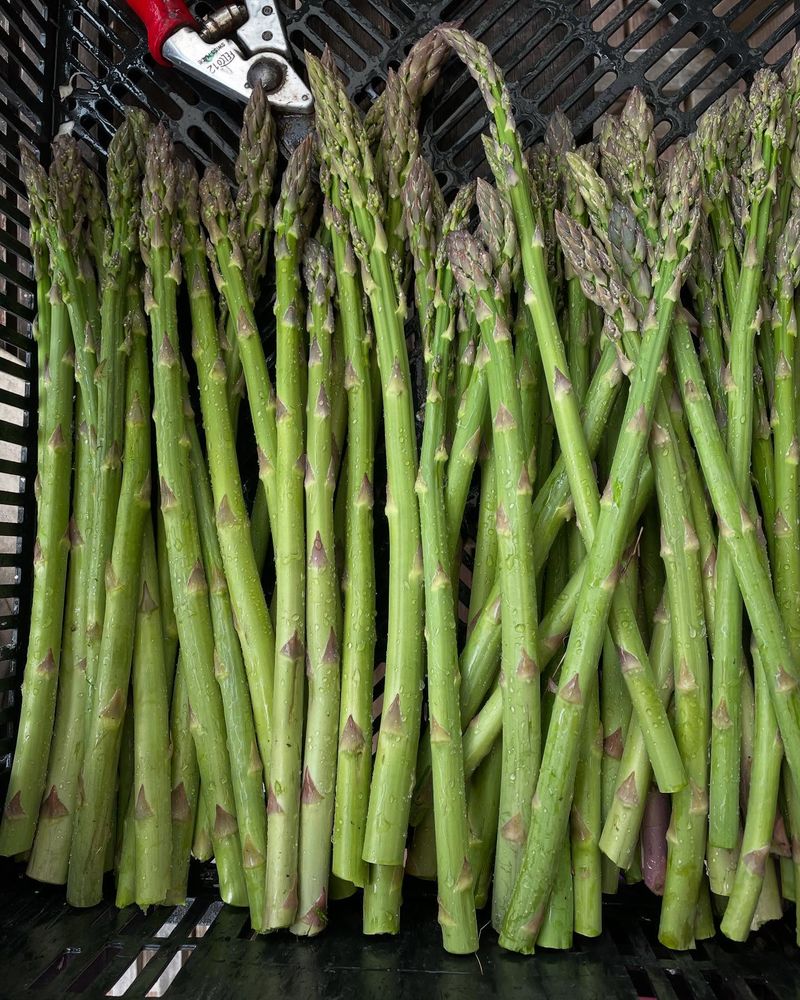
Asparagus beds produce thicker, more tender spears when wood ash gets spread over them each year in Maine home vegetable gardens.
These perennial vegetables thrive in alkaline soil, making wood ash an essential amendment for maintaining productive asparagus patches throughout Maine for decades.
Potassium from wood ash strengthens asparagus crowns, helping them survive harsh Maine winters and emerge vigorously when spring weather finally arrives.
Maine gardeners should spread about two pounds of wood ash per ten square feet of asparagus bed annually for maximum spear production.
Wood ash applications in early spring give asparagus plants a nutrient boost just when they begin their active growth period in Maine.
Combining wood ash with aged manure creates ideal soil conditions that produce asparagus spears with excellent flavor and tender texture throughout the season.
Established asparagus beds benefit from fall wood ash applications too, which help prepare crowns for winter dormancy in cold Maine climates.
Avoid applying wood ash directly to emerging asparagus spears since it can damage tender tips and reduce the quality of your Maine harvest.