9 Plants Michigan Gardeners Should Prune In Late Winter
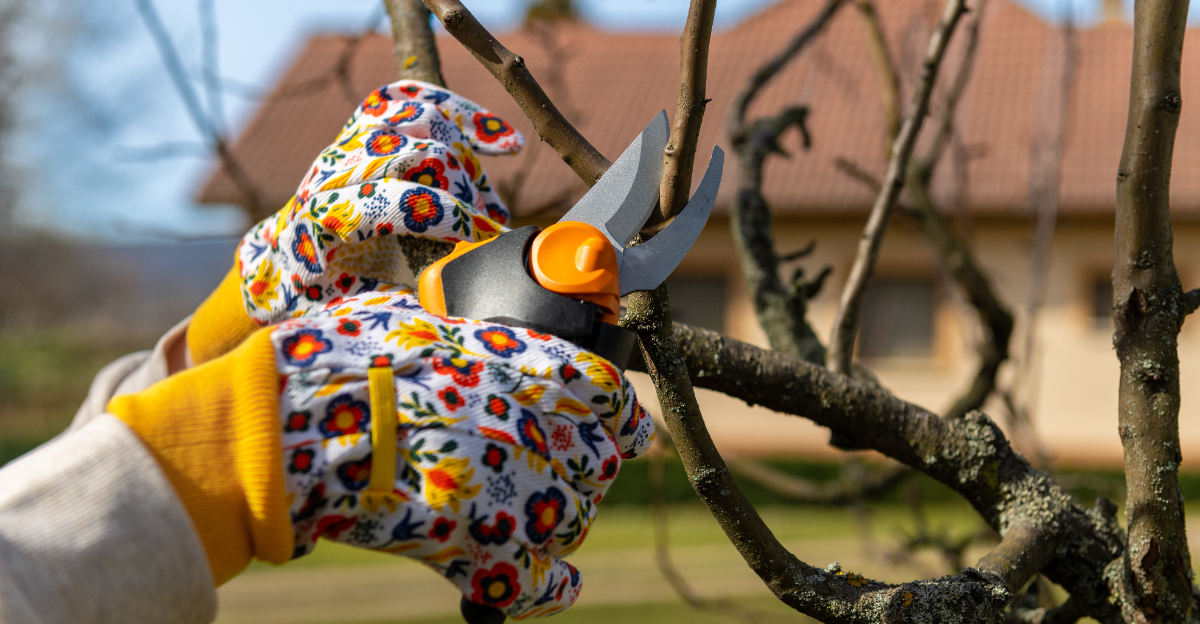
While most of Michigan still looks frozen and quiet, late winter holds one of the most powerful opportunities of the entire gardening year. Before buds swell and new growth begins, there is a brief window when careful pruning can shape the entire season ahead.
February and March offer ideal timing for many trees and shrubs because plants remain dormant, making it easier to see structure and remove weak or crowded branches.
Strategic cuts now encourage stronger stems, better air flow, and more impressive blooms or fruit production once spring fully arrives.
Michigan’s cold climate makes timing especially important, since pruning too late can stress plants or reduce flowering potential. Stepping outside with pruners during this golden period may not feel dramatic, but the results will be.
When done correctly, late winter pruning sets the stage for healthier growth and a more beautiful landscape, giving Michigan gardeners a meaningful head start before the season truly begins.
1. Apple Trees
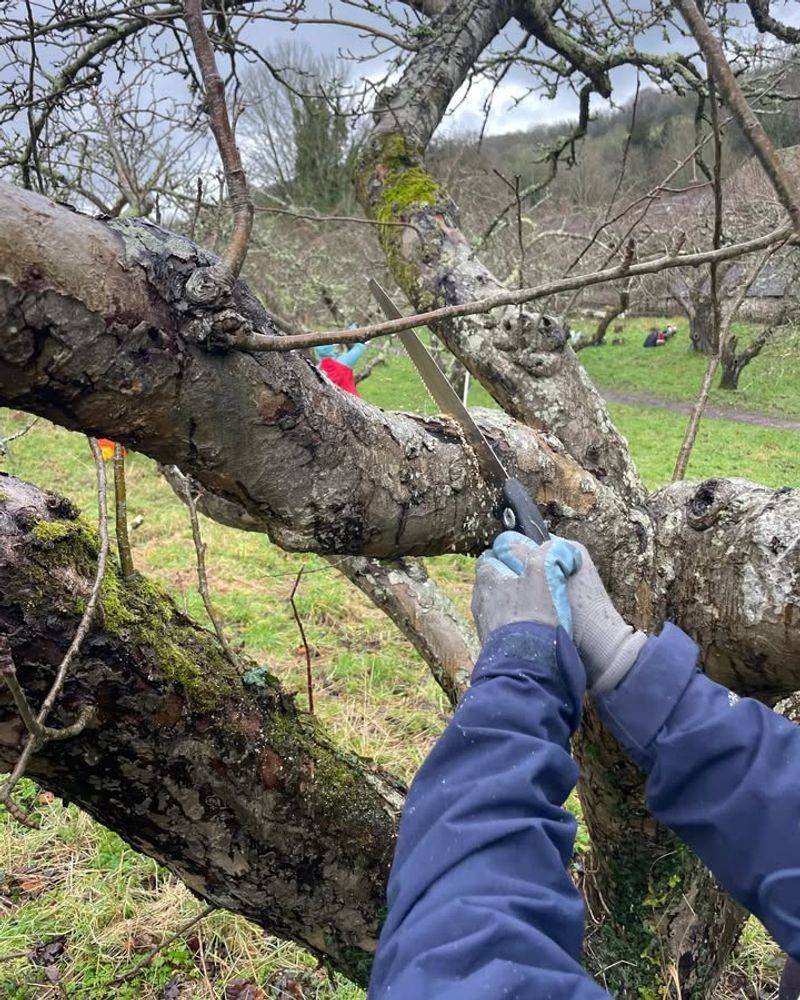
Walk into any Michigan orchard in late February and you will likely spot someone up a ladder, carefully snipping branches from a bare apple tree. That is not an accident.
Apple trees thrive when pruned during dormancy, before any buds begin to swell and sap flow picks back up. This timing gives the tree its best chance to heal cleanly and redirect energy toward strong new growth.
Pruning while the tree is dormant also makes it much easier to see the branch structure clearly. Without all the leaves in the way, you can spot crossing branches, weak crotches, and crowded limbs that need to go.
Removing these problem areas improves airflow through the canopy, which helps reduce fungal issues when warm, wet weather arrives in spring.
Better airflow means healthier leaves and, most importantly, better fruit. Apple trees that get a good late-winter pruning tend to produce larger, higher-quality apples because the tree focuses its energy more efficiently.
Aim to remove about one-quarter of the canopy each year, focusing on upward-shooting water sprouts and inward-growing branches.
In Michigan, late February through mid-March is the sweet spot for most of the Lower Peninsula, while gardeners further north should wait until late March to avoid harsh cold snaps damaging fresh cuts.
2. Pear Trees
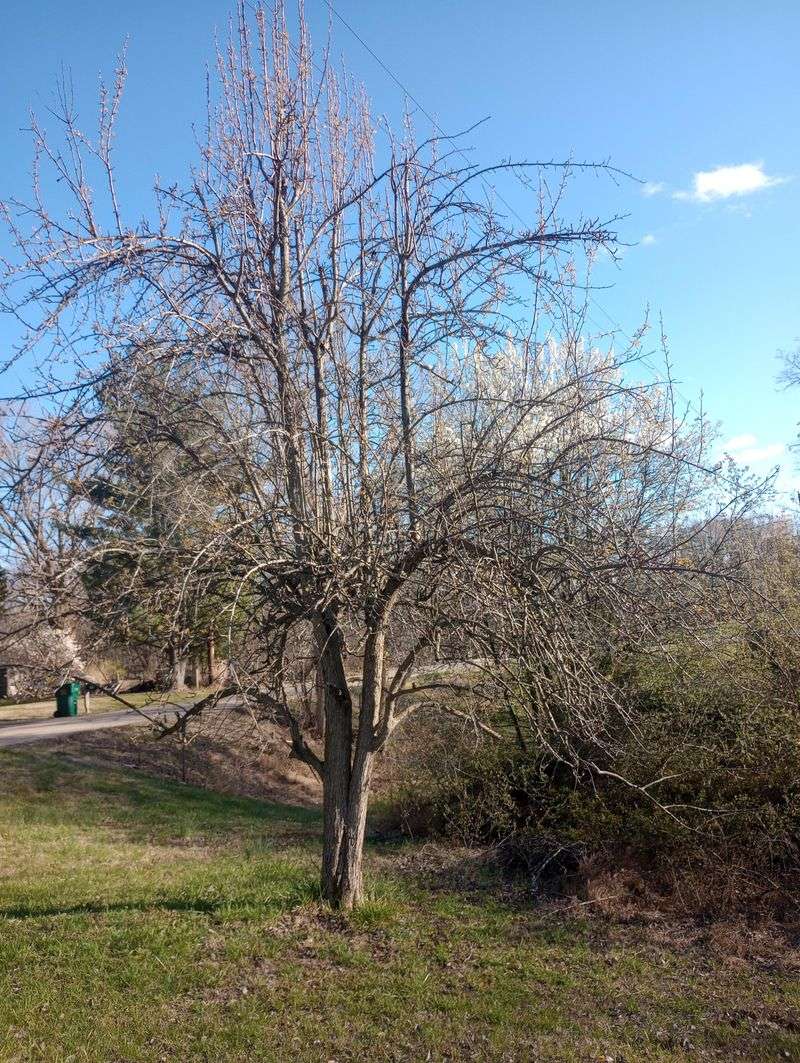
Pear trees and patience go hand in hand, but late winter is actually the moment when action pays off. Like their apple cousins, pears are best pruned while fully dormant, right before the first signs of bud break appear.
Catching them at this stage means the tree can seal over pruning wounds quickly once the growing season begins, keeping it strong and productive for years to come.
One thing that makes pear pruning a little different is the need to be cautious about fire blight, a bacterial disease that loves fresh wounds during warm, wet springs.
Pruning in late winter, when temperatures are still cold and bacteria are not yet active, significantly lowers that risk.
Always use clean, sharp tools and make smooth cuts just outside the branch collar to encourage the fastest healing possible.
Shaping a pear tree for good light penetration is the main goal of late-winter pruning. A well-shaped pear tree allows sunlight to reach the inner branches, which improves fruit set and ripening across the whole tree.
Focus on removing any branches that cross each other, grow straight up, or crowd the center of the tree.
Michigan gardeners in Zones 5 and 6 can typically start pear pruning in late February, while those in colder northern zones should aim for mid to late March when the worst cold has passed.
3. Grapevines
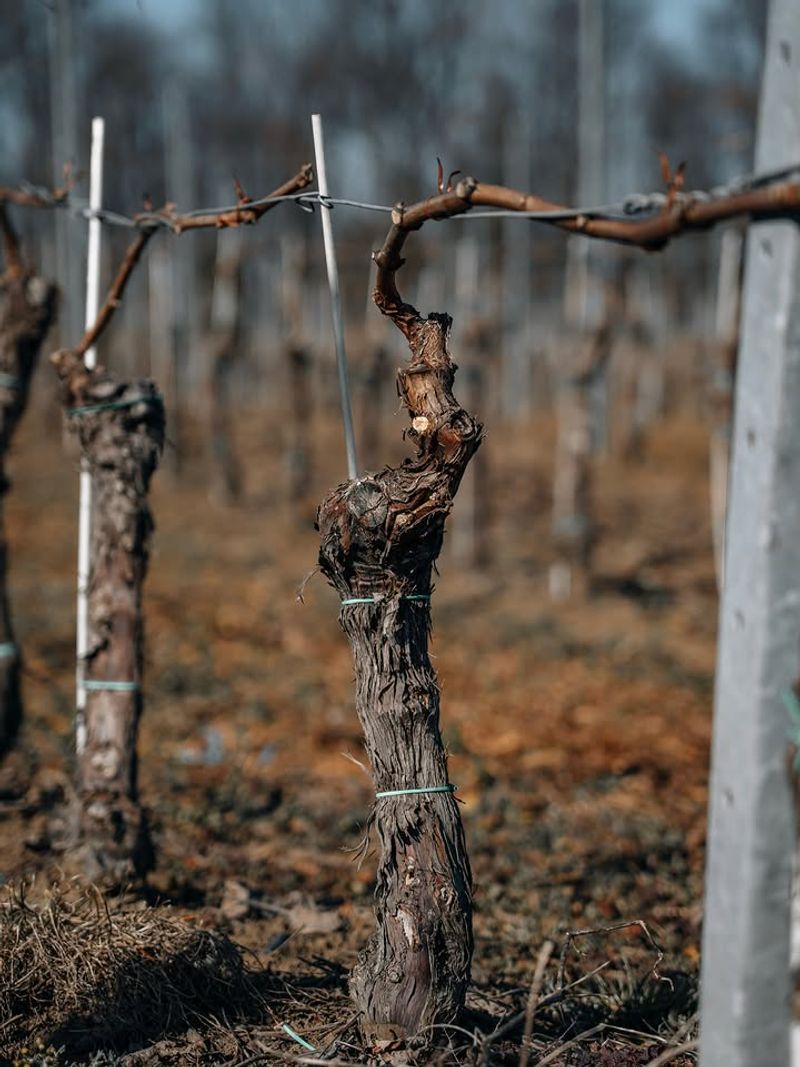
Few garden tasks feel as satisfying as pruning grapevines in late winter, when the whole structure of the vine is laid out bare and every decision feels deliberate.
Grapes are heavy producers, and without annual pruning they quickly turn into a tangled mess of unproductive wood.
Pruning during dormancy is not just recommended for Michigan growers, it is absolutely essential for a good harvest.
Grapevines bloom and fruit on new growth that sprouts from one-year-old wood, so the goal is always to preserve the right canes while removing older, less productive ones.
Most home gardeners use either the Kniffen system or a simple cane pruning method, both of which involve cutting back the previous season’s growth quite aggressively.
It might feel bold to remove so much at once, but this is exactly what pushes the vine to produce vigorous new shoots loaded with fruit clusters.
Timing matters more with grapes than almost any other plant on this list. Prune too early and a late cold snap can damage the tender buds that develop soon after.
Prune too late and you risk the vine bleeding sap heavily from the cuts, which weakens it heading into spring. In Michigan, aiming for late February in the south and mid-March further north hits that ideal window perfectly.
Sharp bypass pruners and a little knowledge of your vine’s structure are all you really need to get started.
4. Summer-Blooming Hydrangeas
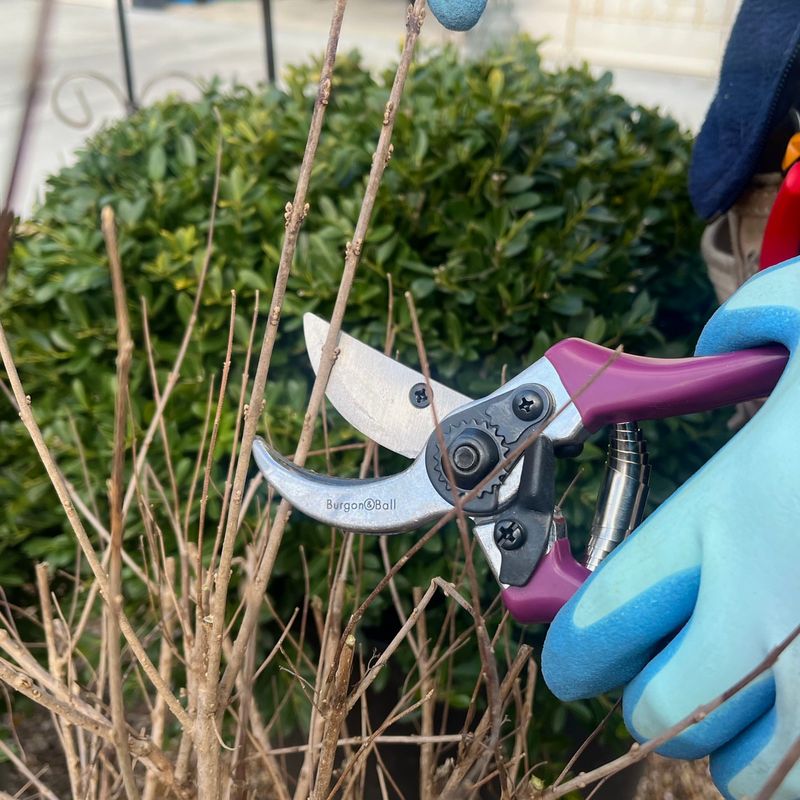
Not all hydrangeas are created equal when it comes to pruning, and this is where a lot of gardeners get tripped up. Panicle hydrangeas, like Limelight and Bobo, along with smooth hydrangeas like Annabelle, bloom on new wood that grows each spring.
That means you can prune them back in late winter without losing a single bloom, which makes them some of the most forgiving shrubs in the Michigan garden.
Cutting these hydrangeas back in late February or March actually encourages stronger, sturdier stems. Many gardeners have experienced the frustration of watching their Annabelle flop over under the weight of giant flower heads by midsummer.
Pruning stems back by about one-third to one-half their height in late winter produces thicker, more upright growth that holds those big blooms up much better through the season.
For panicle types like Limelight, a harder prune encourages fewer but much larger flower heads, while a lighter trim results in more blooms of a smaller size. You get to choose your look based on how much you cut.
One thing worth mentioning is to avoid confusing these types with bigleaf or oakleaf hydrangeas, which bloom on old wood and should never be pruned in late winter.
Check your variety before reaching for the pruners, and when in doubt, wait to see where the buds appear before making any cuts.
5. Hardy Shrub Roses
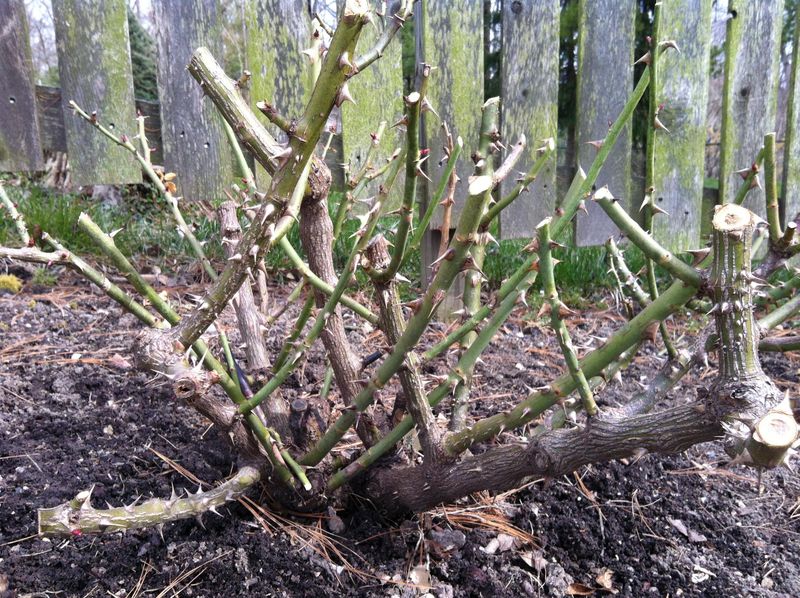
Hardy shrub roses are some of the toughest plants in the Michigan garden, built to handle brutal winters and still come back blooming beautifully every summer.
But even tough plants benefit from a little attention, and late winter is the ideal moment to give these roses a proper cleanup and shaping.
Waiting until the worst cold has passed, usually late February in southern Michigan and March further north, protects the plant from stress right after cutting.
The process is more straightforward than many beginners expect. Start by removing any canes that look weak, thin, or damaged from winter weather.
Then step back and look at the overall shape of the shrub, removing branches that cross through the center or grow in awkward directions.
Most hardy shrub roses, including popular varieties like Knock Out and Canadian Explorer types, respond beautifully to being cut back by about one-third of their total height.
One of the great joys of pruning roses in late winter is how quickly they respond once temperatures rise.
Within just a few weeks of pruning, you will start seeing fresh red or green growth pushing out from the remaining canes, a genuinely exciting sight after a long Michigan winter.
Sharp, clean bypass pruners make the job much easier and reduce the risk of tearing the canes. Heavy gloves are a must, because even the friendliest rose varieties have thorns that mean business.
6. Shrub Dogwood
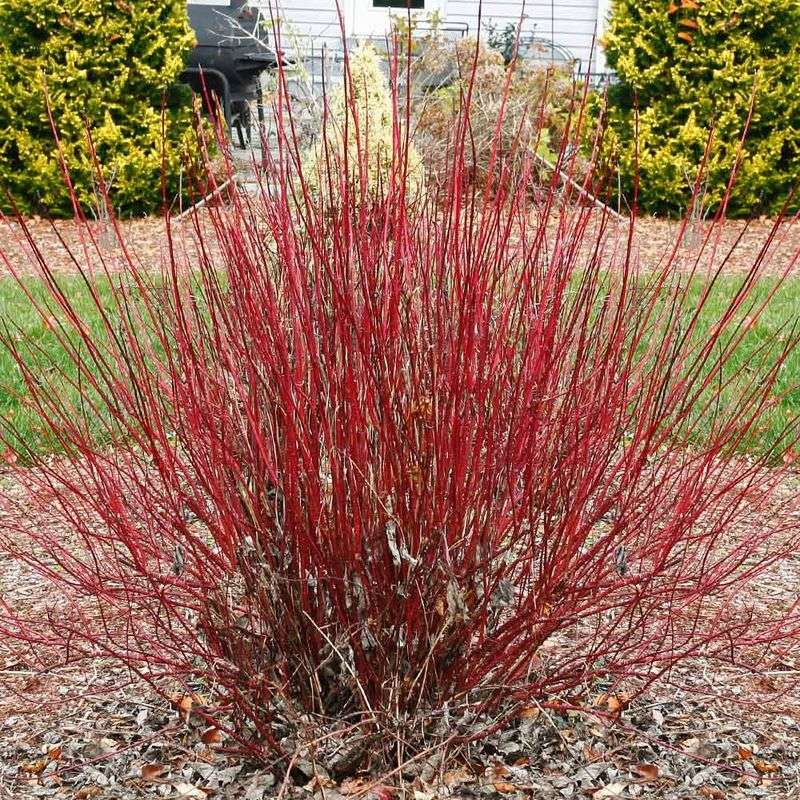
Red twig and yellow twig dogwoods are grown almost entirely for their spectacular stem color, which lights up the winter landscape like nothing else in the garden. Here is the catch though: that brilliant color only appears on young stems.
Older stems gradually fade to dull brown or gray, which means regular pruning is the secret to keeping these shrubs looking their most vibrant year after year.
Late winter, just before new growth begins, is the perfect time to cut these shrubs back hard. Many experienced Michigan gardeners practice a renewal approach, removing roughly one-third of the oldest, darkest stems all the way down to the ground each year.
Over a three-year cycle, the entire shrub gets refreshed with young, colorful growth. Others prefer a more dramatic approach, cutting the whole shrub back close to the ground every few years for a complete reset.
Either method works well, and the shrub recovers with impressive speed once spring arrives. New stems shoot up quickly and develop that rich red or golden yellow color by the following winter.
One bonus of late-winter pruning is that the bare stems are easy to assess before any leaves emerge, making it simple to spot which ones have the most faded color.
Shrub dogwoods are also extremely cold-hardy in Michigan, so there is no need to worry about timing too carefully as long as you get the job done before bud break.
7. Ninebark
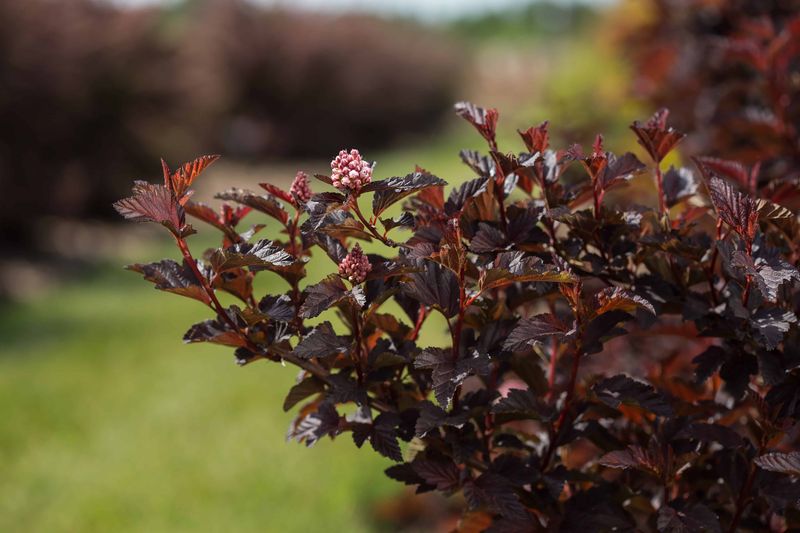
Ninebark is one of those plants that earns its place in the Michigan garden through sheer toughness and good looks.
With its peeling, layered bark, arching branches, and colorful foliage varieties ranging from deep burgundy to bright gold, ninebark adds year-round interest to any landscape.
It is also incredibly cold-hardy, which makes it a go-to choice for gardeners across all of Michigan’s climate zones.
Late winter is a great time to tackle ninebark, especially for shrubs that have grown too large or lost their attractive shape over the years. Because ninebark technically blooms on old wood, you do want to be thoughtful about how much you remove.
Light shaping and removal of the oldest, woodiest stems in late winter will not cause much bloom loss, and the fresh growth that follows tends to be more vigorous and better colored than the stems it replaces.
For a full rejuvenation, cutting the entire shrub back to about twelve inches from the ground in late winter is a proven approach that works surprisingly well.
The plant pushes back with strong, healthy new canes that develop the best foliage color and natural arching form.
This kind of renewal pruning is especially useful for older ninebark plants that have become dense and twiggy in the center.
Michigan gardeners should aim to complete this pruning by mid-March at the latest, before new buds begin actively swelling and growth is already underway.
8. Summer-Blooming Spirea
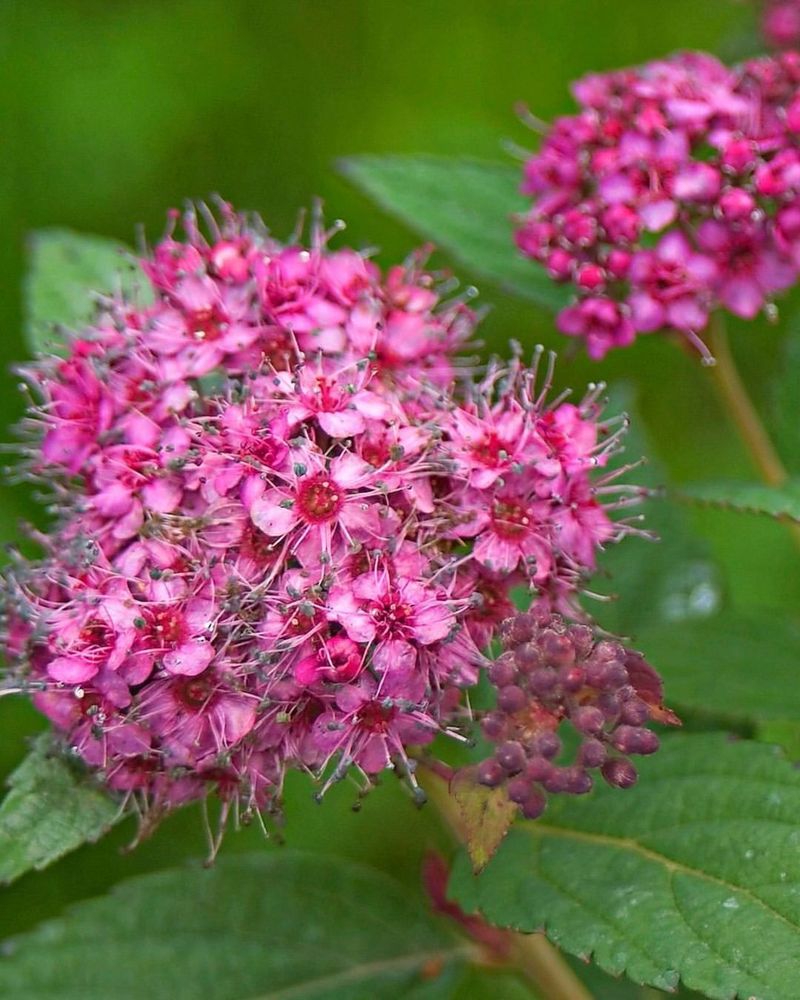
Compact, colorful, and nearly effortless to grow, summer-blooming spirea is a staple in Michigan gardens for good reason.
Varieties like Little Princess, Magic Carpet, and Goldflame offer months of color from both their foliage and their fluffy pink or white flower clusters.
The best part for busy gardeners is that these spireas bloom on new wood, which means late winter pruning is not just safe, it actively makes them perform better.
Cutting summer-blooming spirea back hard in late February or March encourages a flush of fresh, densely branched new growth that results in more flowers and tidier mounding form.
Without annual pruning, these shrubs tend to develop a woody, open base with weaker flowering over time.
A good late-winter trim essentially resets the clock, giving you a compact, vigorous plant that looks great from early spring all the way through fall.
The technique is simple enough for any level of gardener. Cut the whole shrub back to about six to eight inches from the ground, removing all the old stems cleanly.
Some gardeners use hedge shears for speed, while others prefer bypass pruners for more precision, and honestly both work fine. Within a few weeks of pruning, bright new growth emerges quickly and fills in the mound shape naturally.
By early summer, the shrub will be covered in blooms, looking as good as it did the very first year you planted it in your Michigan garden.
9. Shade Trees
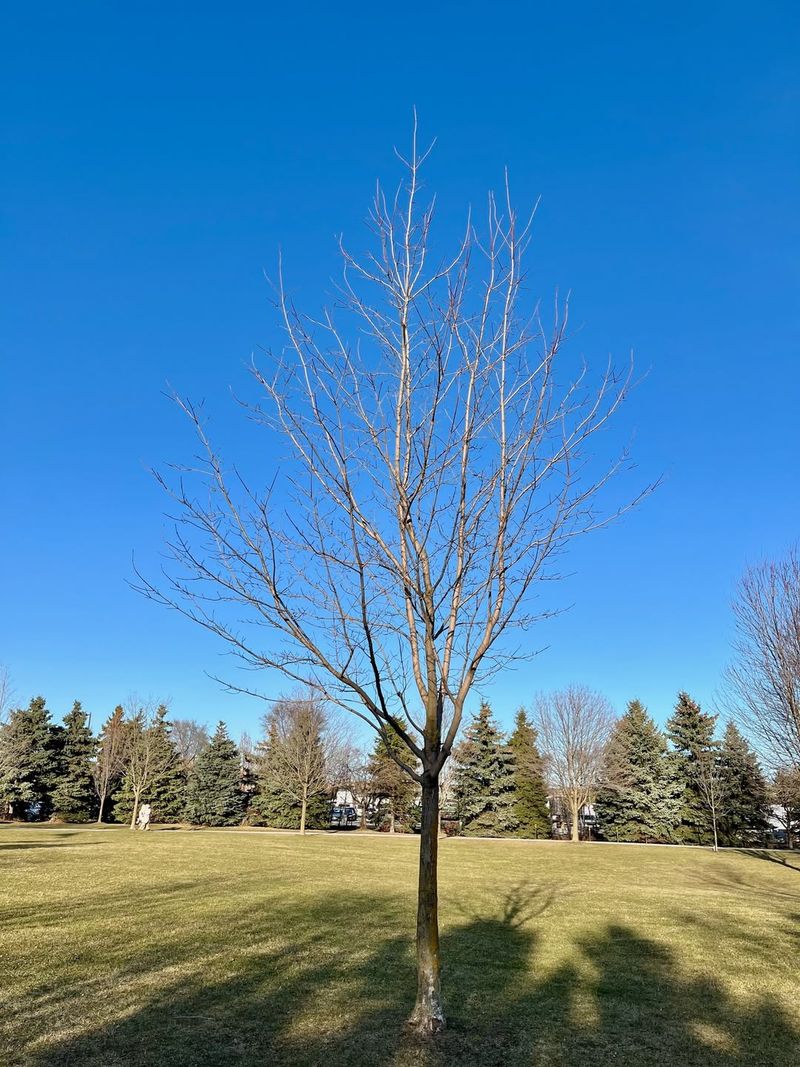
Big shade trees like maples, lindens, and oaks are the backbone of many Michigan landscapes, and structural pruning while they are fully dormant in late winter is the smartest way to keep them safe and healthy for decades.
Without leaves blocking the view, you can clearly see the entire branch structure and make decisions about which limbs need to go before they become a hazard or begin competing with each other.
Pruning wounds on shade trees close most efficiently when the work is done just before the burst of spring growth, which floods the tree with energy for healing. Waiting until summer means slower wound closure and more exposure to insects and pathogens.
Late winter structural pruning also avoids the stress of removing large limbs when the tree is actively pumping resources into new leaves and shoots.
One important note for oak tree owners specifically: avoid pruning oaks between April and July in Michigan, when the risk of oak wilt transmission through fresh wounds is at its highest.
Late winter, when that fungal threat is essentially dormant along with the tree, is the safest window for any oak pruning work.
For maples and lindens, the main concern is simply timing before heavy sap flow begins in early spring. Focus on removing crossing branches, weak or narrow branch attachments, and any limbs growing toward structures or power lines.
For large trees, hiring a certified arborist is always the wisest and safest choice.