13 Plants Native To Michigan That Attract Local Birds
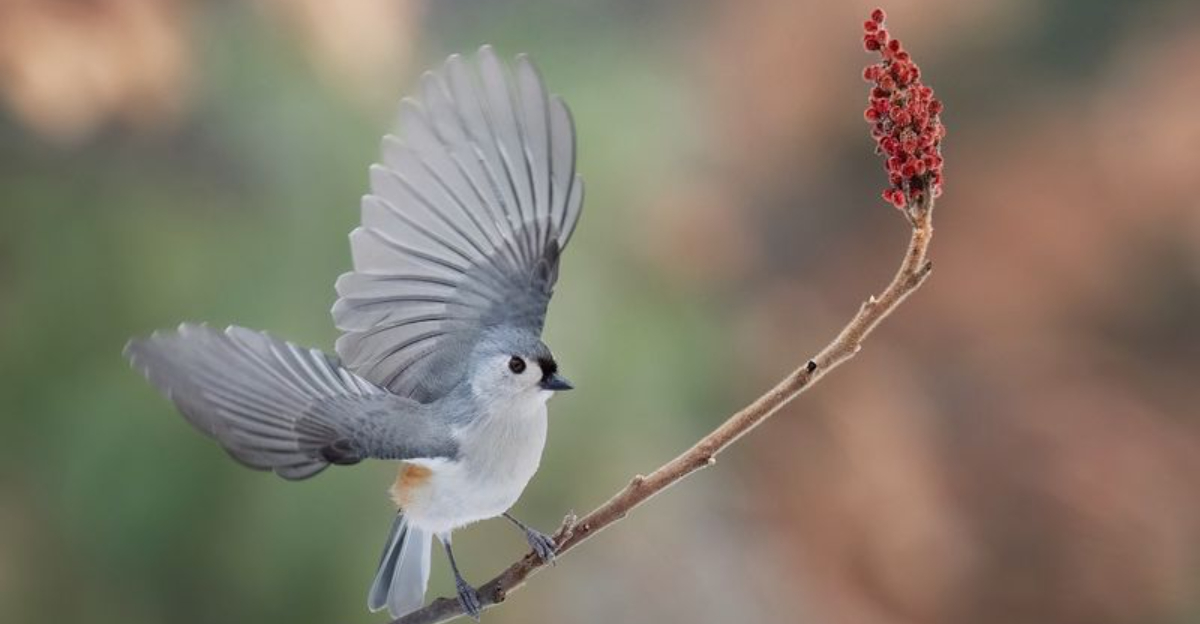
Michigan yards hum with wingbeats when native plants take root.
Goldfinches flash, robins patrol, and warblers drop by like clockwork.
The secret sits in plain sight: flowers, shrubs, and grasses born of local soil.
These plants match beaks, seasons, and weather, so birds find food and cover without fuss.
Berries ripen on cue, seeds hold through snow, and stems offer shelter when storms roll.
A yard built on natives turns into a rest stop on long routes and a safe harbor close to home.
Neighbors notice color and song; birds reward care with loyalty.
Each pick earns trust through nectar, fruit, or seed, and each thrives with less water and fewer worries.
Plant smart, stack the deck for wildlife, and watch your yard become the place birds choose when the chips fall at dusk.
1. Wild Black Cherry
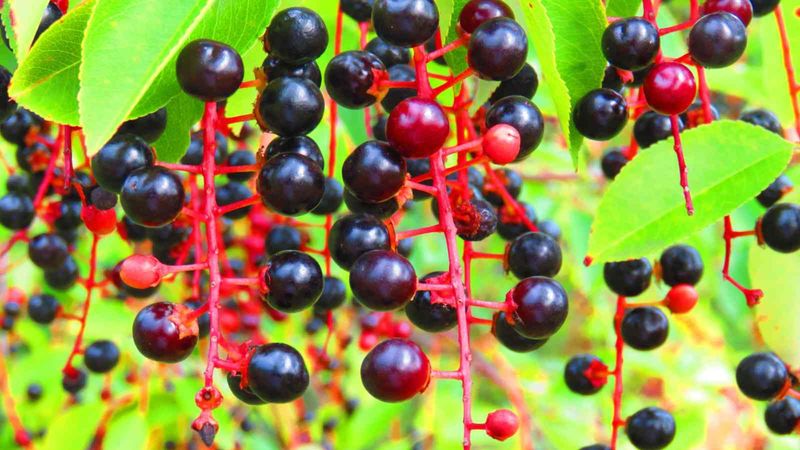
Over 40 species of birds feast on the small, dark fruits that dangle from wild black cherry branches during late summer.
Cedar waxwings, robins, and woodpeckers flock to these trees when the cherries ripen.
The tree can grow quite tall, reaching heights of 50 to 80 feet in the right conditions.
Wild black cherry blooms with fragrant white flowers in spring, creating a stunning display that also attracts pollinators.
Birds appreciate not just the fruit but also the insects that gather around the tree.
Cardinals and blue jays often perch on sturdy branches while searching for their next meal.
This native tree adapts well to various soil types and grows throughout Michigan’s forests and open areas.
Plant it in a sunny spot with plenty of room to spread.
Young trees establish quickly and begin producing fruit within a few years.
The bark has a distinctive dark color with horizontal lines that become more prominent as the tree matures.
Many songbirds also use the dense foliage for nesting sites during breeding season.
Wild black cherry stands as one of the most valuable native plants for supporting Michigan’s bird populations year after year.
2. Red-Osier Dogwood
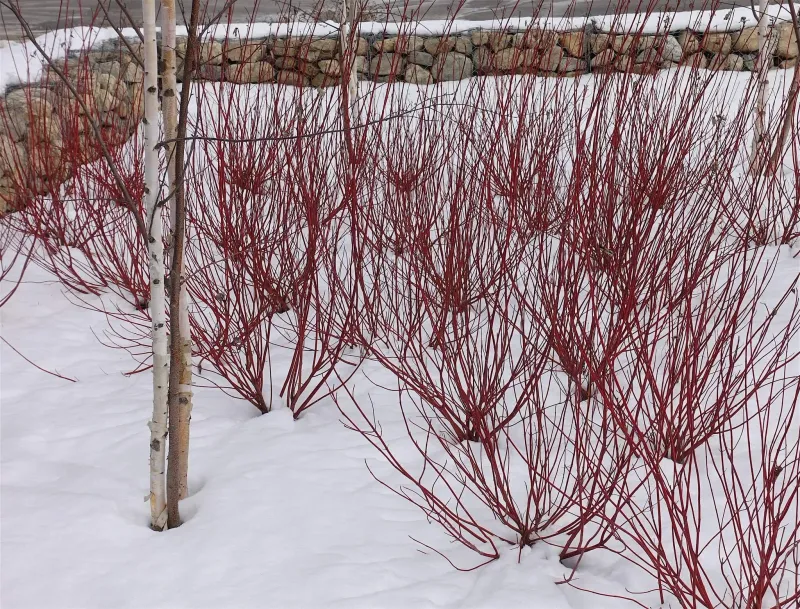
Bright red stems make this shrub easy to spot, especially during winter when snow covers the ground.
Red-osier dogwood produces clusters of white berries that over 18 bird species consider a favorite snack.
Thrushes, waxwings, and grosbeaks visit these shrubs throughout fall and winter months.
The shrub thrives in moist soil near streams, ponds, or wetland edges where many birds naturally gather.
Small white flowers appear in late spring, attracting insects that insect-eating birds love to catch.
Dense branching provides excellent cover for smaller birds seeking protection from predators.
Red-osier dogwood grows between 6 to 9 feet tall and spreads to form attractive thickets.
Multiple stems emerge from the base, creating a bushy appearance that birds find perfect for nesting.
Plant several together to create a living fence that benefits wildlife.
This hardy shrub tolerates cold Michigan winters without any special care.
The vibrant stem color adds visual interest to winter landscapes when most other plants look dormant.
Pruning older stems encourages brighter red growth that stands out beautifully against white snow while continuing to support hungry birds searching for food during harsh weather.
3. Common Elderberry
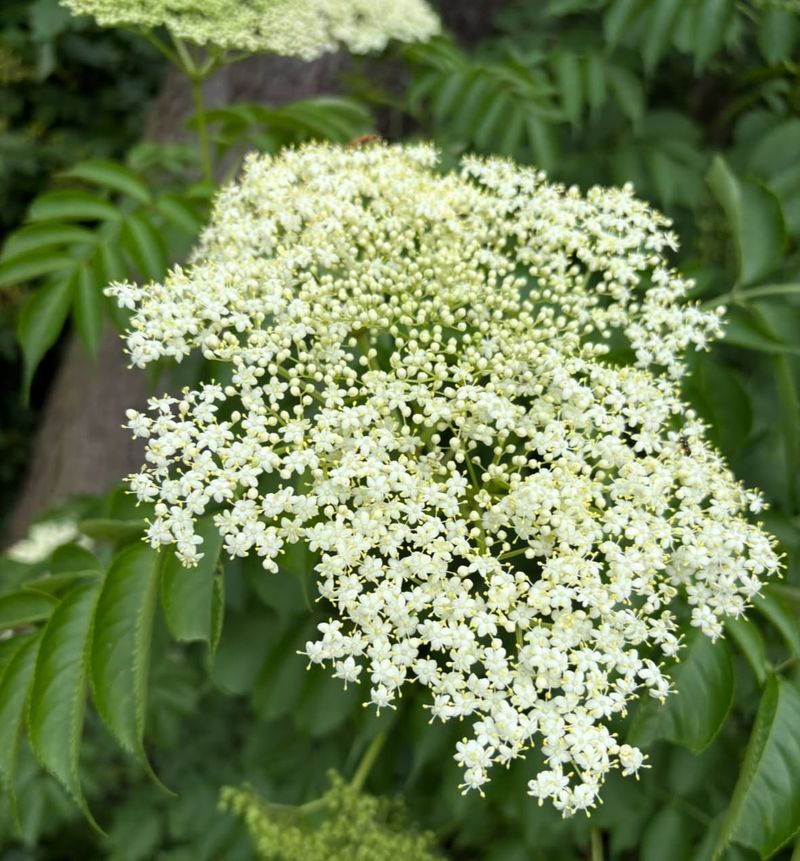
Massive clusters of dark purple berries hang heavy on elderberry branches by late summer, creating an irresistible buffet for migrating birds.
Catbirds, orioles, and tanagers gobble up these nutritious fruits before their long journeys south.
The berries ripen over several weeks, providing an extended feeding period.
Flat-topped white flower clusters bloom in early summer, measuring up to 10 inches across.
These fragrant blossoms attract numerous insects that flycatchers and warblers hunt with enthusiasm.
Elderberry shrubs grow quickly, reaching 8 to 12 feet in height with a similar spread.
Plant elderberry in moist, rich soil where it receives full sun to partial shade.
The compound leaves have a distinctive appearance with 5 to 9 leaflets arranged along each stem.
Birds also use the dense foliage as safe hiding spots from hawks and other predators.
Multiple stems create a thick, multi-trunked form that works well as a natural screen or border planting.
Elderberry tolerates wet conditions better than many other fruiting shrubs, making it ideal for low-lying areas.
Some gardeners harvest a portion of the berries for jams and syrups while leaving plenty for their feathered visitors to enjoy throughout the season.
4. Serviceberry
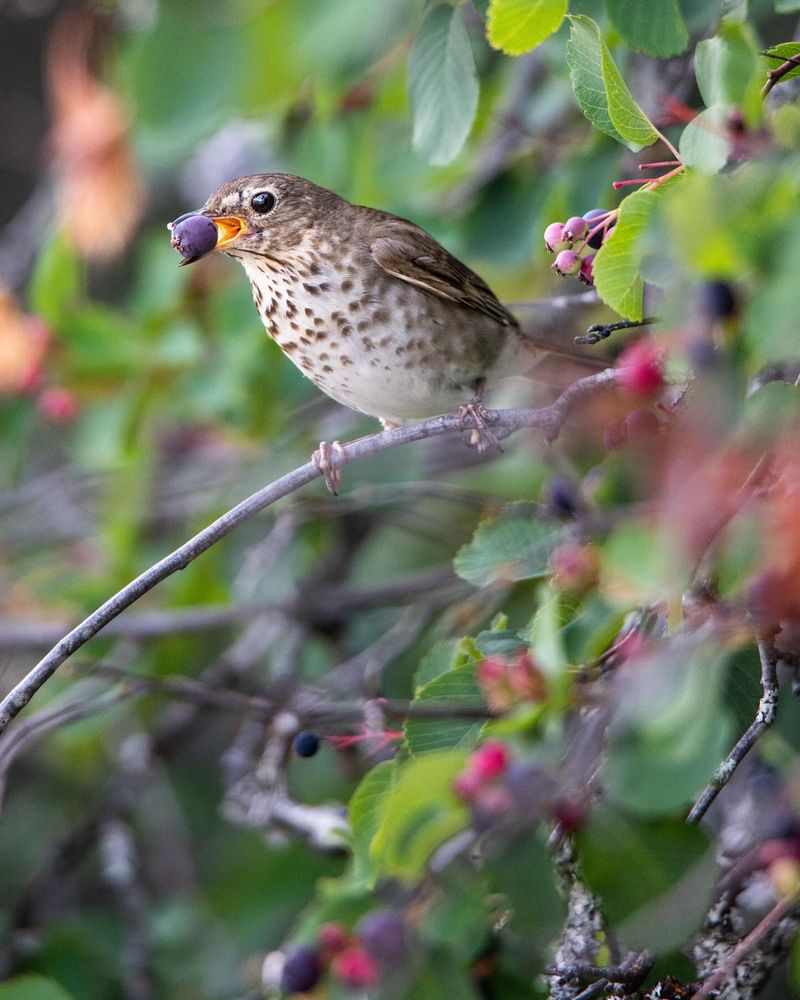
Few native plants match serviceberry’s four-season appeal and value to birds.
Delicate white flowers emerge in early spring before most trees leaf out, creating a cloud-like display.
By June, sweet purplish-red berries ripen, and birds waste no time devouring them.
More than 40 bird species feast on serviceberry fruits, including bluebirds, thrashers, and towhees.
The berries taste similar to blueberries and often disappear within days of ripening.
Serviceberry grows as either a large shrub or small tree, typically reaching 15 to 25 feet tall.
Smooth gray bark and graceful branching create an attractive silhouette during winter months.
Fall foliage turns brilliant shades of yellow, orange, and red, adding seasonal color to landscapes.
This adaptable plant grows well in various soil types and light conditions from full sun to partial shade.
Birds also appreciate the insects that gather around serviceberry’s flowers and foliage.
Warblers and vireos often hunt for caterpillars among the leaves during breeding season.
Plant serviceberry as a specimen tree, in groups, or as an understory plant beneath taller trees.
Its manageable size makes it perfect for smaller yards where homeowners want maximum wildlife benefit without overwhelming the space.
5. Staghorn Sumac
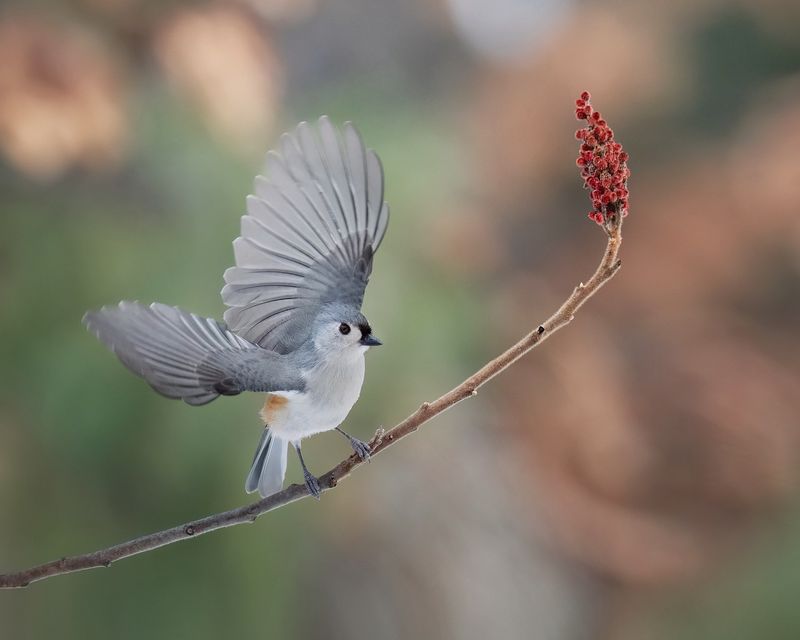
Fuzzy red berry clusters stand upright like torches atop staghorn sumac branches, persisting through winter when food becomes scarce.
Chickadees, woodpeckers, and wild turkeys rely on these tart fruits during cold months.
The common name comes from the velvety branches that resemble deer antlers in velvet.
Compound leaves with 11 to 31 leaflets create a tropical appearance during summer months.
Come autumn, the foliage transforms into spectacular shades of orange, red, and purple.
Staghorn sumac spreads through underground runners, forming attractive colonies that provide extensive cover for ground-feeding birds.
This tough plant tolerates poor soil, drought, and urban pollution better than most native species.
It grows quickly, reaching 15 to 25 feet tall with an irregular, spreading form.
The dense thickets offer excellent nesting sites for catbirds, thrashers, and other shrub-nesting species.
Male and female flowers grow on separate plants, so both types are needed for berry production.
The greenish-yellow flower clusters appear in early summer and attract various pollinators.
Staghorn sumac works well on slopes or disturbed sites where erosion control is needed.
Some people worry about its spreading habit, but this characteristic actually creates more habitat for birds and other wildlife in naturalized areas.
6. Gray Dogwood
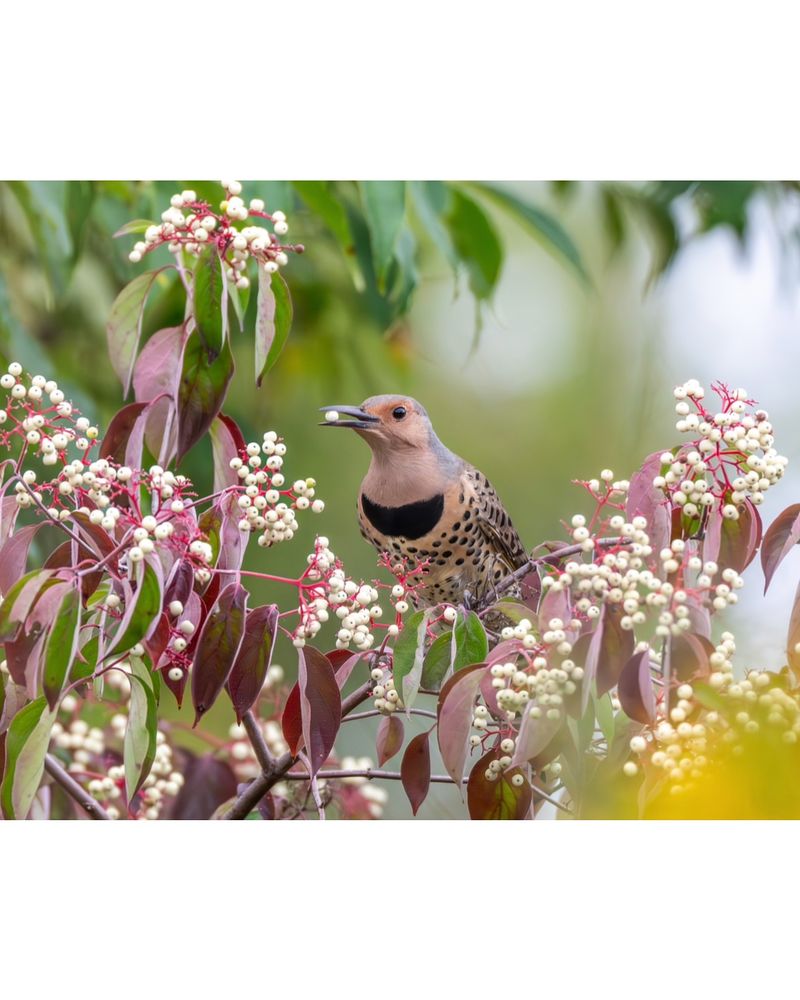
White berries perched on bright red stalks create a striking color combination that catches both human and avian attention.
Gray dogwood produces these distinctive fruits in late summer, attracting over 20 bird species.
Robins, thrushes, and mockingbirds visit frequently to snack on the high-fat berries.
The shrub grows 8 to 15 feet tall with a rounded, spreading form that works well in naturalized areas.
Creamy white flower clusters bloom in late spring, providing nectar for butterflies and other pollinators.
Gray dogwood tolerates a wide range of soil conditions, from dry to moist, making it highly adaptable.
Dense branching creates excellent cover where smaller birds can hide from predators and harsh weather.
The shrub spreads through underground stems, forming colonies that provide even more habitat value.
Gray bark and reddish twigs add winter interest to the landscape.
Birds also hunt for insects among the leaves during spring and summer months.
Warblers and flycatchers often perch on outer branches while scanning for their next meal.
This native shrub requires minimal maintenance once established and rarely suffers from serious pest problems.
Plant it along property borders, in wildlife gardens, or anywhere you want to create a natural screen that benefits birds throughout the year.
7. Virginia Creeper
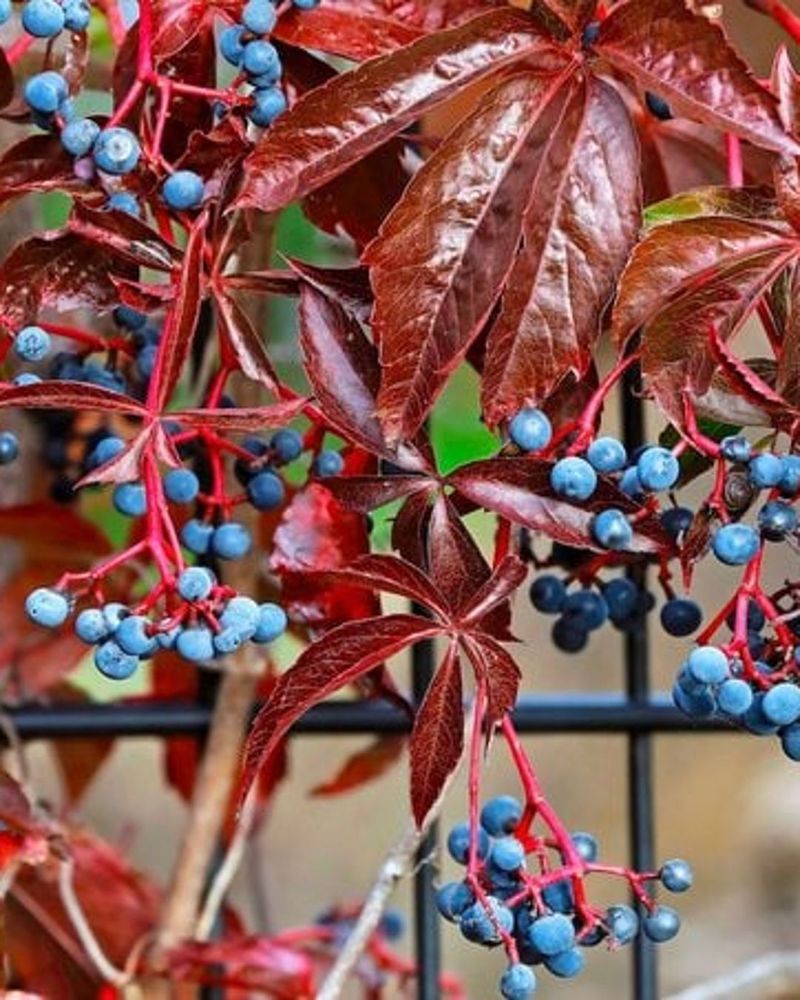
Five-leafed clusters make Virginia creeper easy to identify as it climbs fences, trees, and walls throughout Michigan.
Dark blue berries appear in late summer, providing important food for migrating birds preparing for their journeys.
Woodpeckers, nuthatches, and chickadees eagerly consume these high-energy fruits.
The vigorous vine can cover large areas quickly, creating vertical habitat where space is limited.
Small greenish flowers bloom in early summer but often go unnoticed among the lush foliage.
Birds appreciate the dense leaf cover that offers protection from predators and weather.
Brilliant red fall color makes Virginia creeper one of autumn’s most spectacular native plants.
The vine attaches to surfaces using small adhesive disks rather than damaging roots.
It grows well in sun or shade and tolerates various soil types.
Many insects feed on Virginia creeper leaves, which in turn attracts insect-eating birds like warblers and vireos.
The tangled stems provide excellent nesting sites for robins and other birds that prefer some elevation.
Virginia creeper can grow 30 to 50 feet long, so give it plenty of room to spread.
Some people confuse it with poison ivy, but Virginia creeper always has five leaflets per leaf cluster while poison ivy has three.
8. Winterberry Holly
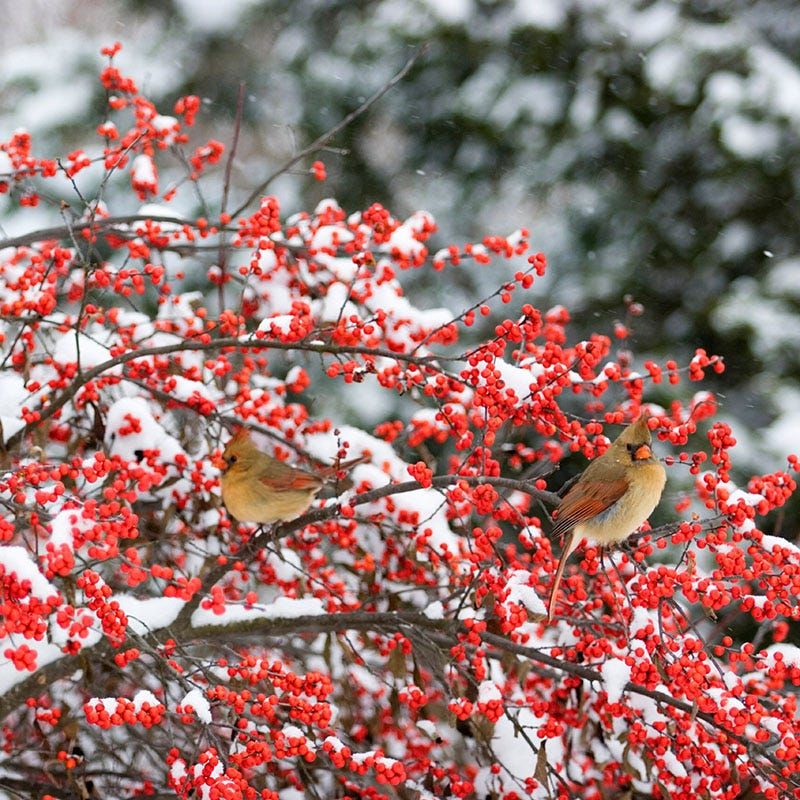
Bright red berries glow like tiny lanterns on bare winter branches, creating one of nature’s most cheerful cold-season displays.
Winterberry holly drops its leaves in fall, unlike most hollies, which makes the berry clusters even more visible.
Bluebirds, robins, and cedar waxwings depend on these persistent fruits during lean winter months.
The berries actually taste quite bitter when they first ripen in fall, so birds often ignore them initially.
As winter progresses and the fruits freeze and thaw repeatedly, they become sweeter and more palatable.
This timing ensures food remains available when other sources have been consumed.
Winterberry grows 6 to 10 feet tall and thrives in moist to wet soil conditions.
Plant it near ponds, rain gardens, or low spots where water collects.
Both male and female plants are needed for berry production, with one male pollinating up to five females.
Small white flowers appear in early summer but are not particularly showy.
The real show begins in fall when female plants become covered with berries.
Winterberry tolerates partial shade but produces more fruit in full sun.
Cut branches make excellent holiday decorations while leaving plenty of berries for birds.
This native holly provides critical winter food that helps many species survive Michigan’s harshest months.
9. Wild Plum
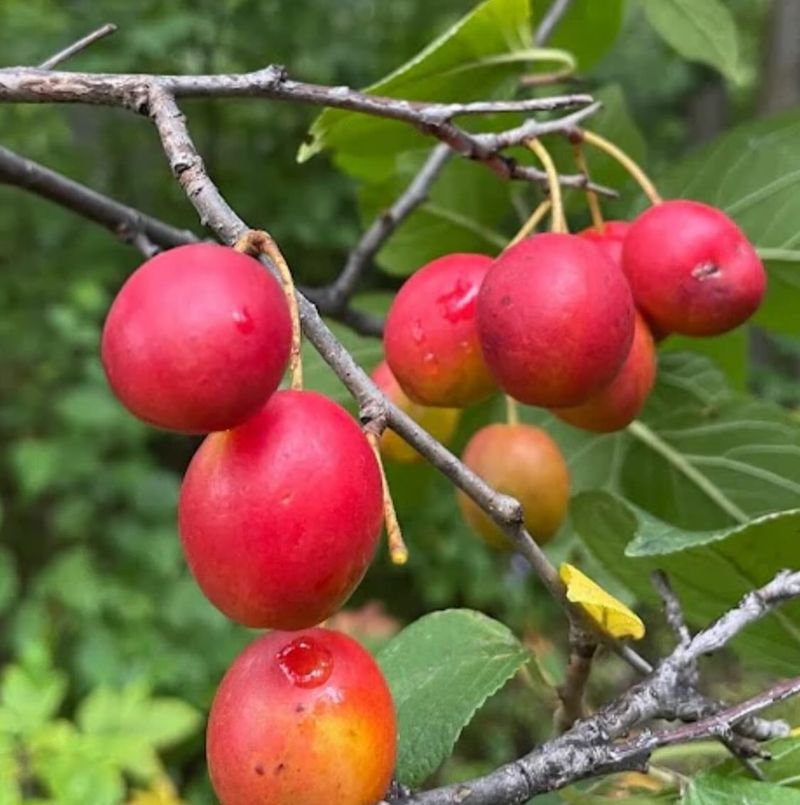
Fragrant white blossoms cover wild plum branches in early spring, creating a stunning display that signals winter’s end.
The flowers appear before leaves emerge, making the show even more dramatic.
Small red to yellow fruits ripen in late summer, attracting grosbeaks, jays, and woodpeckers.
Wild plum forms thickets through suckering, creating dense colonies that provide excellent habitat.
The tangled branches offer safe nesting sites for catbirds, thrashers, and other shrub-nesting species.
Sharp thorns on some branches provide additional protection from predators.
Trees grow 12 to 20 feet tall with a spreading, irregular form that adds character to naturalized areas.
The fruits measure about one inch in diameter and have a tart flavor that wildlife finds appealing.
Many mammals also eat the fallen plums, which birds sometimes feed on insects attracted to the fermenting fruit.
Dark bark develops interesting fissures and patterns as trees mature.
Wild plum tolerates various soil types but prefers sunny locations with good drainage.
The tree requires minimal care once established and rarely suffers from serious problems.
Plant wild plum along borders or in wildlife gardens where its spreading habit can be accommodated.
Some gardeners harvest a portion of the fruits for jams and jellies while sharing the rest with their feathered neighbors.
10. Nannyberry Viburnum
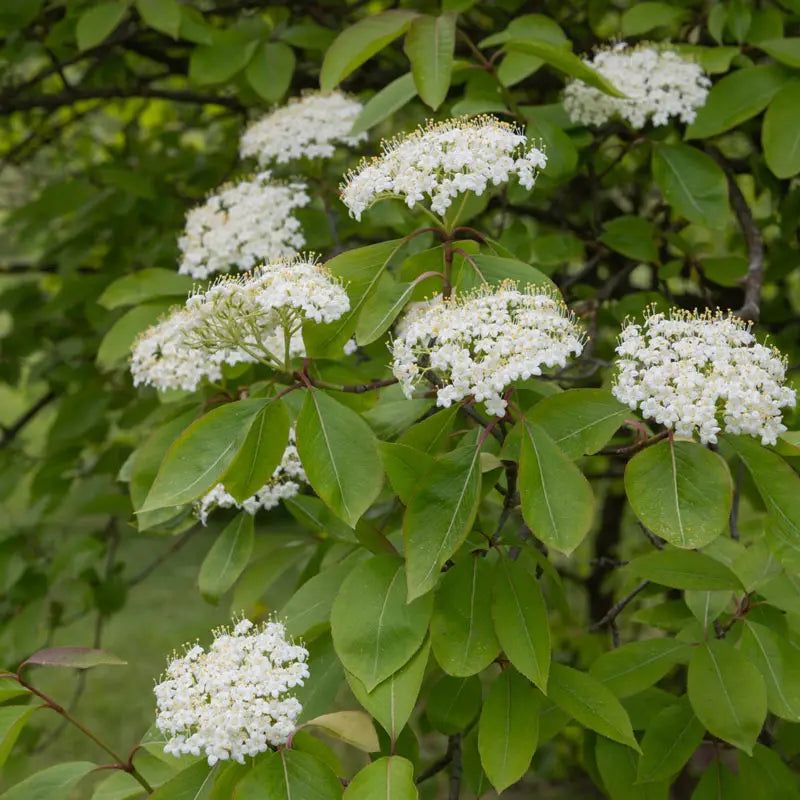
Sweet, edible berries start out green, turn pink, then ripen to dark blue-black by fall on this attractive native shrub.
The fruits hang in drooping clusters that birds can easily access while perched on sturdy branches.
Cedar waxwings, thrushes, and grosbeaks visit nannyberry frequently during migration and throughout winter.
Creamy white flower clusters measuring 3 to 5 inches across bloom in late spring, attracting numerous pollinators.
The flowers have a pleasant fragrance that carries on warm breezes.
Nannyberry grows 14 to 16 feet tall, forming either a large shrub or small tree depending on pruning.
Glossy dark green leaves turn beautiful shades of red and purple in autumn.
The shrub tolerates partial shade but produces more flowers and fruit in full sun.
Nannyberry adapts to various soil types and handles urban conditions reasonably well.
Dense branching provides excellent cover where birds can hide and nest.
The berries persist into winter, offering food when other sources become scarce.
Some people enjoy eating the sweet fruits fresh or cooked into preserves.
Nannyberry makes an excellent hedge or screen plant that serves both ornamental and wildlife purposes.
Its manageable size and attractive appearance throughout the seasons make it a smart choice for yards of various sizes.
11. Pagoda Dogwood
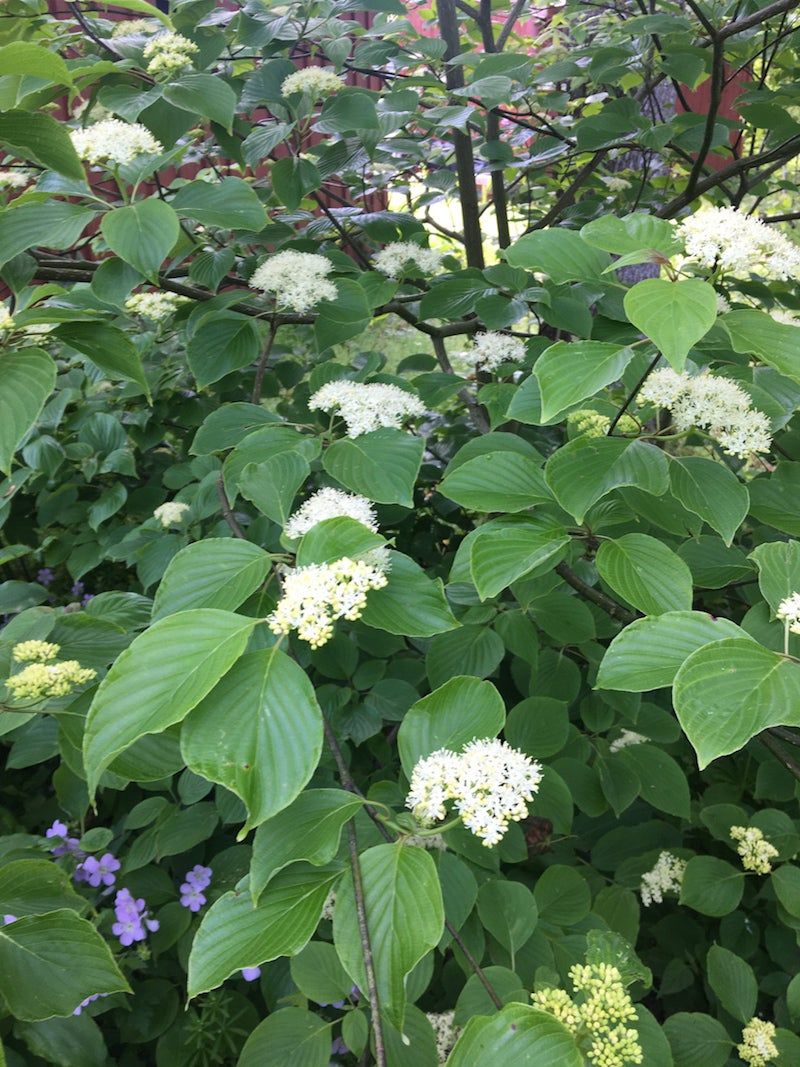
Horizontal branches arranged in distinctive tiers give pagoda dogwood its memorable name and elegant appearance.
This unique branching pattern creates multiple feeding levels that different bird species prefer.
Dark blue berries ripen in late summer on bright red stalks, creating an attractive color contrast.
Over 30 bird species feed on pagoda dogwood fruits, including vireos, tanagers, and thrushes.
The berries have high fat content that helps birds build energy reserves for migration or winter survival.
Creamy white flower clusters bloom in late spring, attracting insects that warblers and flycatchers hunt enthusiastically.
Pagoda dogwood grows 15 to 25 feet tall with a spread nearly as wide.
It naturally occurs in Michigan’s understory forests where dappled shade prevails.
The tree tolerates shade better than many other dogwood species but also grows well in partial sun.
Alternate leaf arrangement sets this species apart from other native dogwoods that have opposite leaves.
Fall foliage turns reddish-purple, adding seasonal interest to landscapes.
Birds also appreciate the insects that feed on pagoda dogwood leaves and bark.
The distinctive branching structure provides numerous perching spots and nesting sites.
Plant this native tree in naturalized areas, woodland gardens, or as an understory specimen beneath taller trees where its graceful form can be appreciated.
12. American Hazelnut
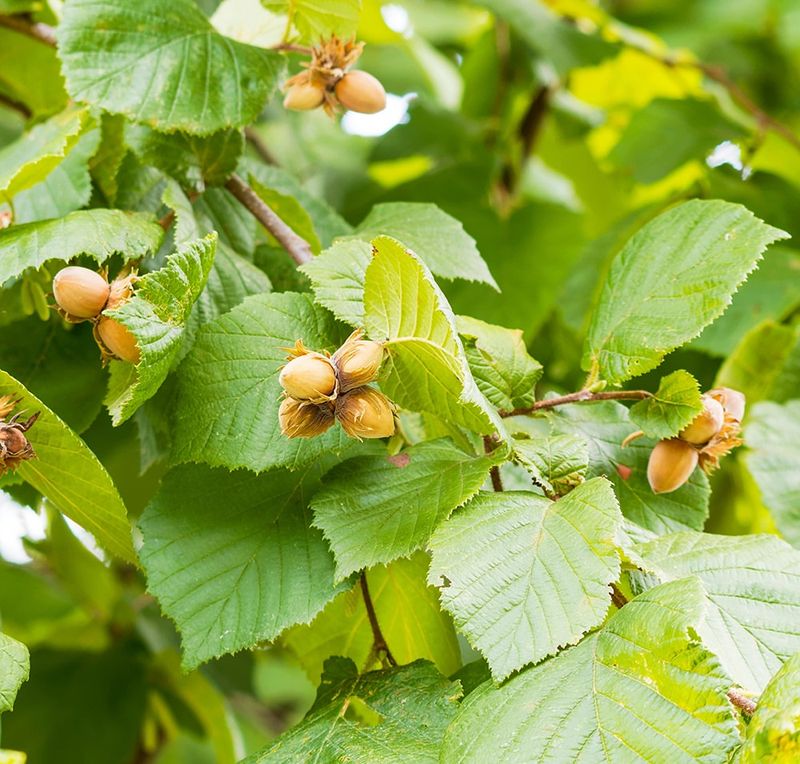
Edible nuts enclosed in distinctive fringed husks provide valuable food for jays, woodpeckers, and nuthatches during fall and winter.
American hazelnut produces these protein-rich nuts reliably most years, creating an important food source when other options dwindle.
The shrub grows 8 to 12 feet tall with a rounded, spreading form.
Long male catkins dangle from branches in early spring, releasing pollen before leaves emerge.
These catkins add ornamental interest during an otherwise drab season.
Dense, multi-stemmed growth creates excellent cover where birds can hide from predators and harsh weather.
American hazelnut spreads through underground stems, forming colonies that provide extensive habitat.
It tolerates various soil types and grows well in partial shade to full sun.
The shrub works well in naturalized areas, hedgerows, or wildlife gardens.
Rounded leaves turn yellow to orange in fall, adding seasonal color.
Birds often perch on hazelnut branches while cracking open nuts or watching for insects.
Many caterpillar species feed on hazelnut leaves, which attracts insect-eating birds during breeding season.
Squirrels and other mammals also compete for the nuts, sometimes burying them and inadvertently planting new shrubs.
If you want to harvest some nuts for yourself, gather them early before wildlife claims the entire crop, though sharing with nature provides more enjoyment for most wildlife enthusiasts.
13. Arrowwood Viburnum
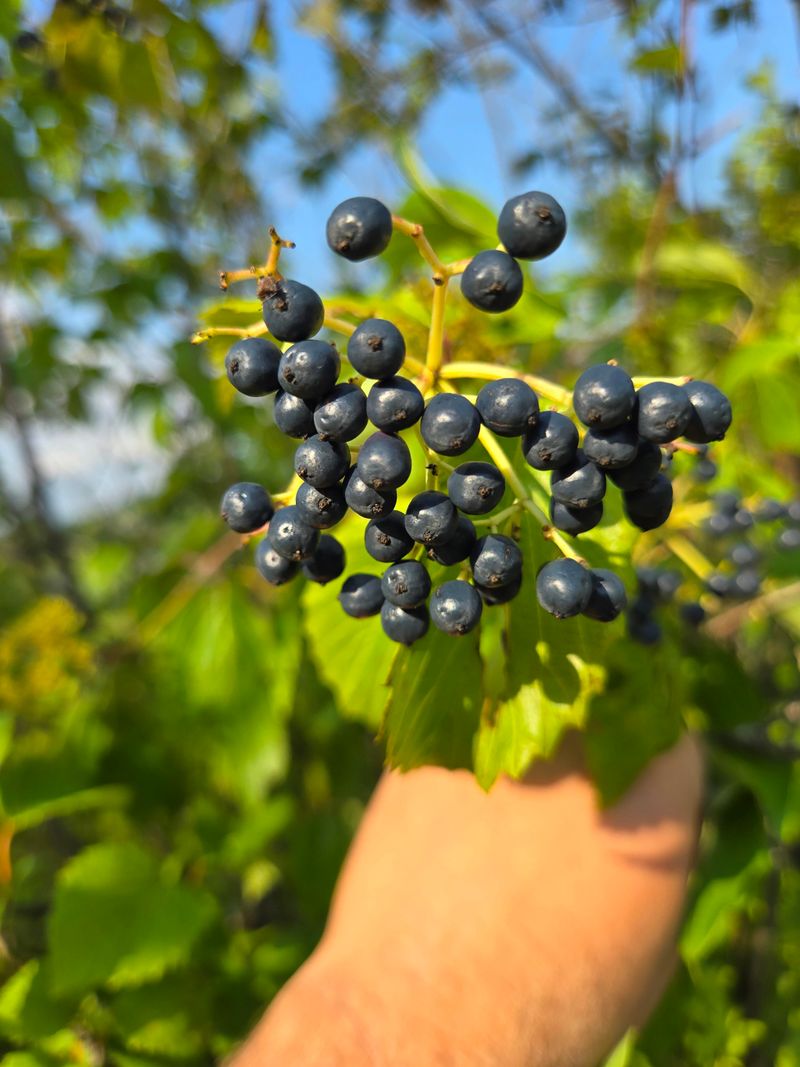
Straight stems once served as arrow shafts for Native Americans, giving this viburnum its descriptive common name.
Dark blue berries appear in flat-topped clusters during fall, attracting bluebirds, cardinals, and robins.
The fruits provide important nutrition during migration when birds need high-energy food sources.
White flower clusters measuring 2 to 4 inches across bloom in late spring with a subtle fragrance.
These flowers attract numerous pollinators that in turn attract insect-eating birds.
Arrowwood viburnum grows 6 to 10 feet tall with a rounded, dense form.
Glossy green leaves have prominent veins and toothed edges that create interesting texture.
Fall foliage turns shades of yellow, orange, and red, sometimes all on the same plant.
The shrub tolerates various growing conditions, including clay soil and urban pollution.
Dense branching provides excellent nesting sites and protective cover for smaller bird species.
Arrowwood viburnum grows well in full sun to partial shade and handles both wet and dry conditions.
Multiple stems create a thick, impenetrable appearance that birds find attractive for shelter.
The shrub requires minimal maintenance once established and rarely suffers from serious pest problems.
Plant arrowwood viburnum in groups to create a natural hedge or use individual specimens in mixed borders where its multi-season interest enhances the landscape while supporting local bird populations year-round.