10 Plants North Carolina Gardeners Grow Beside Dill For Better Results
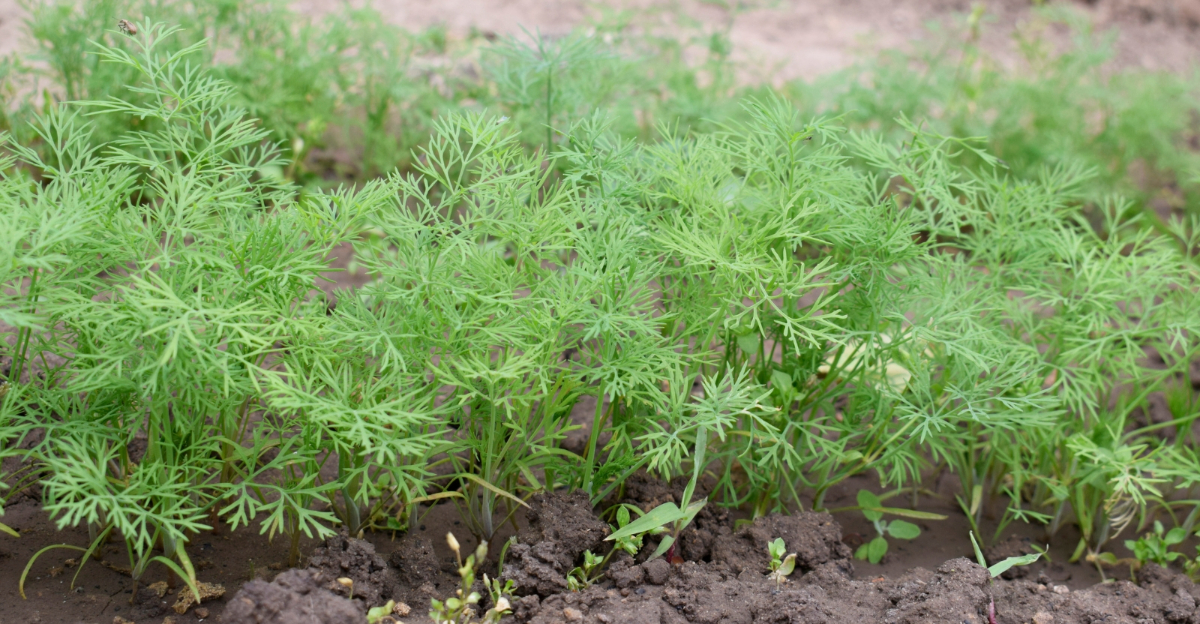
Dill grows easily in North Carolina gardens, but what you plant beside it can quietly influence how strong, flavorful, and productive it becomes.
The state’s warm days, humid air, and fast growing conditions mean companion choices matter more than many gardeners expect.
Some plants naturally support dill by improving growth balance, reducing stress, or making better use of shared space.
Others compete for resources or disrupt how dill develops, even when everything looks fine on the surface.
North Carolina gardens benefit when dill is paired with plants that share similar water needs and growth timing. That balance helps all plants settle in without fighting each other.
Certain companions also help attract beneficial insects that dill responds well to as the season progresses.
Planting dill beside the wrong neighbors often leads to weaker stems, slower growth, or inconsistent results.
Choosing compatible plants turns dill beds into more cooperative, productive spaces instead of isolated plantings that struggle to keep pace.
1. Basil
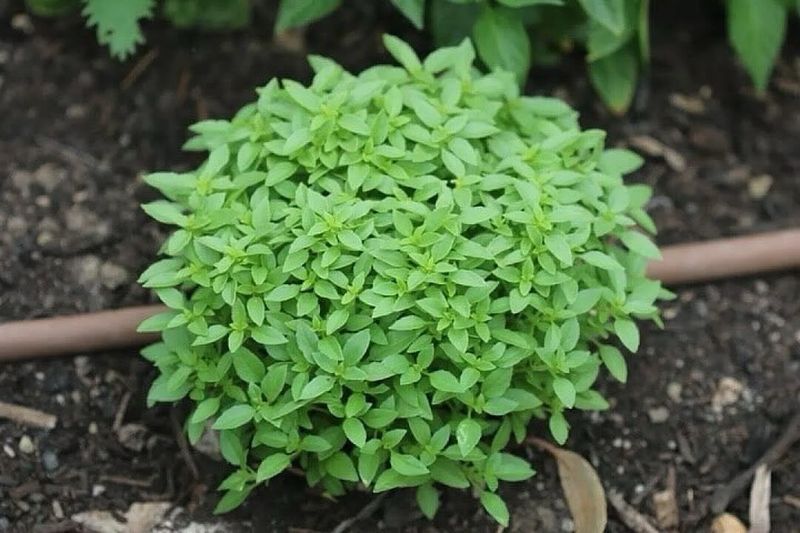
Aromatic herbs often share similar growing conditions, making them natural partners in garden beds across North Carolina. When you plant basil near dill, both herbs benefit from the same warm soil temperatures and consistent moisture levels that our state’s climate provides during spring and summer months.
The combination creates a fragrant corner of your garden that attracts beneficial insects while keeping certain pests at bay.
Basil grows lower to the ground than dill, which means these two herbs use vertical space efficiently without competing for sunlight.
Your basil plants get protection from the afternoon sun under dill’s feathery foliage, especially during those hot July and August days when temperatures soar. This natural shading helps prevent basil leaves from developing that bitter taste they sometimes get in extreme heat.
Both plants enjoy regular watering schedules, which simplifies your garden maintenance routine considerably. North Carolina gardeners appreciate how easy it becomes to care for multiple plants when their needs align so perfectly.
You can harvest both herbs at the same time, making meal preparation more convenient.
The strong scents from both basil and dill confuse common garden pests that rely on smell to locate their preferred host plants. Aphids and spider mites often bypass these aromatic combinations entirely.
Your vegetables nearby also benefit from this protective shield of fragrance.
Planting these herbs together maximizes flavor diversity in a compact space, perfect for smaller gardens or raised beds. Many North Carolina gardeners use this pairing in containers on patios and decks with excellent results.
The visual contrast between basil’s broad leaves and dill’s fine texture adds aesthetic appeal to your planting scheme.
2. Lettuce
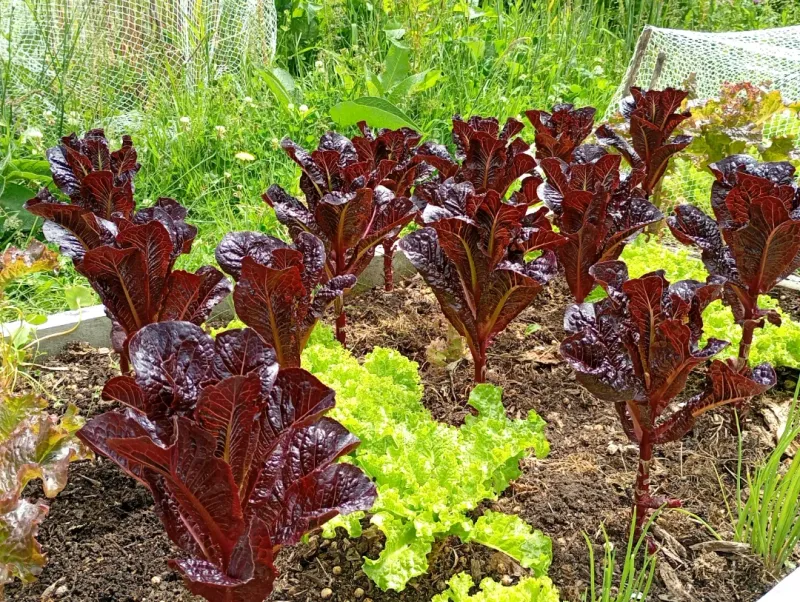
Cool-season greens thrive when given partial shade during warmer months, and dill provides exactly that kind of protection in North Carolina gardens. Lettuce planted alongside dill receives filtered sunlight through the herb’s delicate fronds, preventing the bitter flavor that develops when leaves get too much direct sun exposure.
This partnership extends your lettuce harvest well into late spring when temperatures start climbing.
The shallow root system of lettuce doesn’t compete with dill’s deeper roots for nutrients and water. Each plant occupies a different soil layer, making efficient use of available resources without starving each other.
North Carolina’s clay-rich soil benefits from this layered root approach, which helps improve soil structure over time.
Dill attracts ladybugs and lacewings, which patrol your lettuce leaves for aphids and other soft-bodied pests. These beneficial predators keep your greens clean without requiring chemical interventions.
Your lettuce stays healthier and more productive throughout the growing season.
Spring planting works beautifully for this combination since both crops prefer cooler weather for establishment. You can succession plant lettuce every two weeks while your dill grows taller, creating a continuous harvest.
Fall gardening in our state also suits this pairing perfectly.
The quick maturity of lettuce means you can harvest it before dill reaches full size and needs more space. This timing works out naturally without requiring much planning.
Many gardeners in North Carolina use this strategy to maximize spring garden productivity before summer crops take over.
3. Spinach
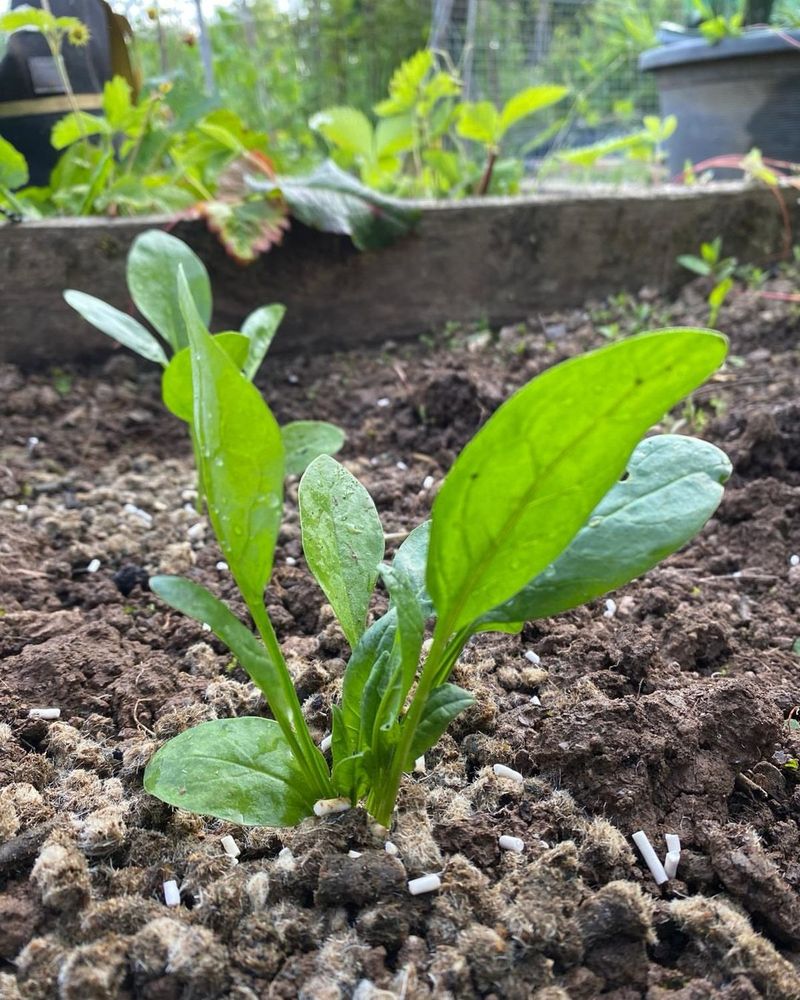
Leafy greens that prefer cooler temperatures find an ideal microclimate when grown in the shadow of taller herbs. Spinach benefits tremendously from the light shade that mature dill provides, especially during those unpredictable warm spells that hit North Carolina in early spring and late fall.
The protection helps prevent premature bolting, which is when spinach sends up flower stalks and becomes too bitter to eat.
Both plants appreciate rich, well-amended soil with plenty of organic matter worked in before planting. North Carolina gardeners often add compost to beds where they plan this combination, feeding both crops simultaneously.
The nitrogen-rich environment supports healthy leaf production in spinach while giving dill the nutrients it needs for robust growth.
Spinach matures quickly, usually within 40 to 50 days, allowing you to harvest it before dill spreads out and needs additional room. This natural timing prevents overcrowding issues that sometimes plague companion plantings.
Your garden space gets used twice within a single season.
The deep green color of spinach contrasts beautifully with dill’s yellow-green feathery leaves, creating visual interest in your garden beds. Aesthetic appeal matters when you spend time tending your plants.
Many North Carolina gardeners photograph these combinations for garden journals and social media.
Beneficial insects attracted to dill flowers also pollinate nearby plants and hunt for pests among spinach leaves. This creates a balanced ecosystem where natural pest control happens without your intervention.
Your spinach harvest increases when plants stay healthy and pest-free throughout their growth cycle.
4. Onions
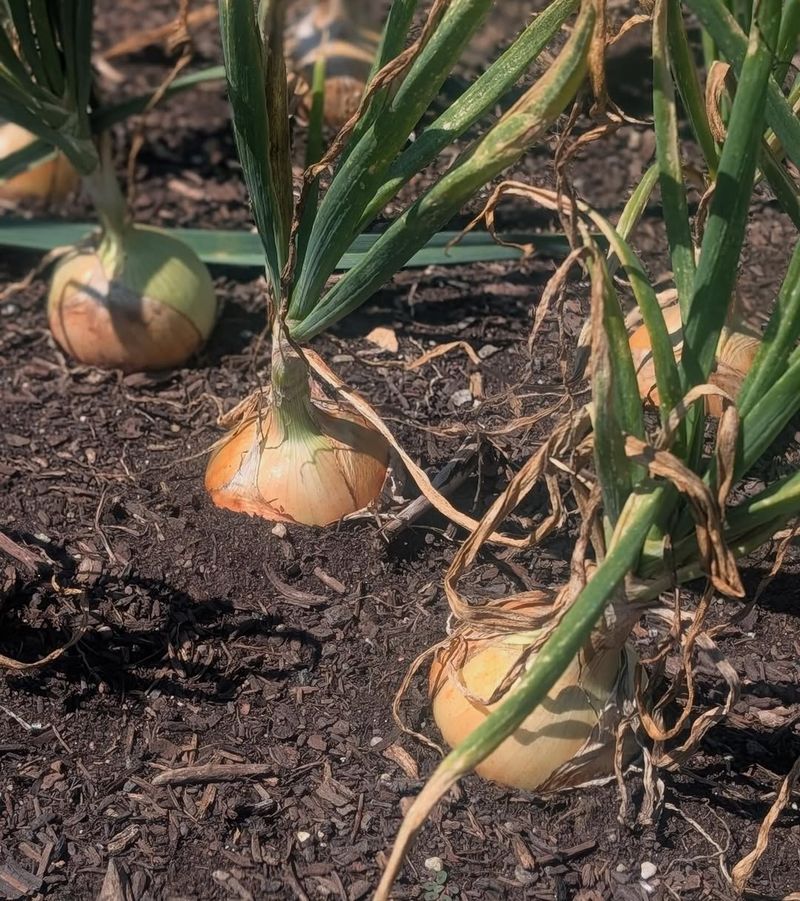
Allium family members naturally repel many common garden pests through their pungent sulfur compounds. When you grow onions beside dill in North Carolina gardens, the combination creates a powerful deterrent against aphids, spider mites, and various beetles that might otherwise damage your crops.
The dual protection from both plants’ natural defenses keeps your garden healthier with minimal effort.
Onions have a vertical growth habit with thin, upright leaves that don’t shade out dill or compete for light. Both plants can grow close together without interfering with each other’s development.
North Carolina’s long growing season allows onions planted in fall to mature alongside spring-planted dill perfectly.
The root zones of these two plants occupy different soil depths, with onion bulbs forming near the surface while dill roots extend deeper. This layered approach to soil use means both crops access different nutrient reserves.
Your garden becomes more productive per square foot when plants use space efficiently.
Dill attracts beneficial wasps and hoverflies that prey on onion thrips, a common pest in our region. These tiny predators patrol your onion tops, keeping populations of harmful insects under control.
Healthier onions produce larger bulbs with better storage quality.
Many North Carolina gardeners interplant onion sets between dill seedlings in early spring for a beautiful and functional garden design. The contrasting textures and growth patterns create visual appeal while maximizing harvest potential.
This traditional pairing has been used in kitchen gardens for generations with consistently good results.
5. Chives
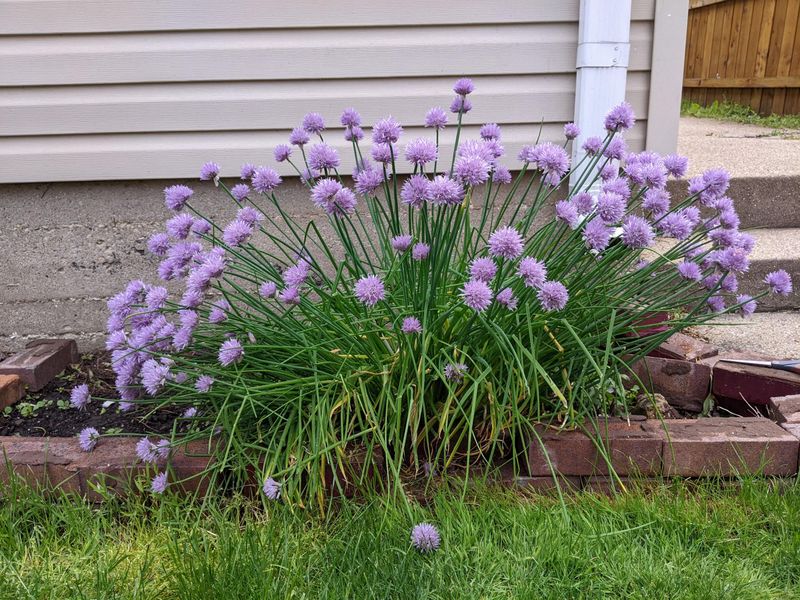
Perennial herbs that return year after year offer long-term benefits to garden ecosystems in North Carolina. Chives establish permanent clumps that get larger each season, providing consistent pest-repelling properties right next to your annual dill plantings.
The mild onion scent from chives combines with dill’s aroma to create a protective barrier that confuses and repels many common garden insects.
Purple chive blossoms appear in late spring, attracting pollinators just as dill begins its early growth phase. Bees and beneficial insects drawn to chive flowers stick around to visit other plants in your garden.
North Carolina’s native pollinators especially appreciate these early nectar sources when other flowers might not yet be blooming.
Both herbs prefer similar soil conditions with good drainage and moderate fertility, making them easy to grow together without special amendments. You can plant chives once and enjoy their company for dill crops year after year.
This reduces your annual planting workload while maintaining effective companion planting benefits.
The grass-like foliage of chives provides textural contrast against dill’s fine, feathery leaves in garden designs. Visual diversity makes your herb garden more interesting and attractive to look at throughout the growing season.
Many gardeners in our state use this combination in decorative edible borders along pathways.
Harvesting chives regularly encourages fresh growth and prevents flowering if you prefer continuous leaf production. This frequent cutting doesn’t disturb nearby dill plants at all.
Both herbs can be snipped as needed for fresh use in cooking, making them practical companions in kitchen gardens.
6. Cabbage
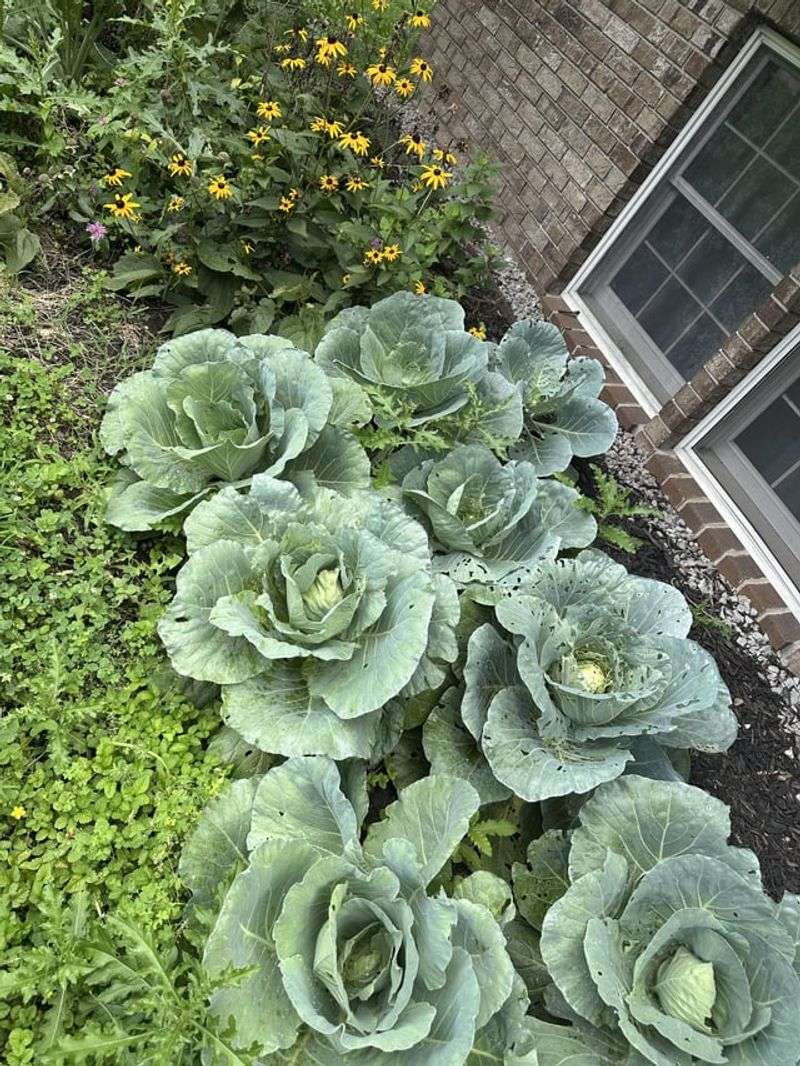
Brassica crops face constant pressure from cabbage worms, loopers, and other caterpillars that can devastate a harvest. Dill attracts parasitic wasps that lay eggs inside these pest larvae, providing natural biological control without chemical sprays.
North Carolina gardeners who plant dill near their cabbage often notice significantly fewer holes in leaves and healthier plants overall.
The tall, airy structure of dill doesn’t compete with cabbage’s low, spreading leaves for sunlight or space. Both plants can grow side by side without crowding issues.
Your garden layout becomes more efficient when you combine plants with different growth habits.
Cabbage needs consistent moisture and fertile soil to form tight, heavy heads, conditions that dill also appreciates during its growth phase. North Carolina’s spring and fall seasons provide ideal temperatures for both crops.
Planting them together simplifies your watering and fertilizing schedule considerably.
Dill flowers attract hoverflies whose larvae consume aphids that often cluster on cabbage leaves. These tiny predators can eat hundreds of aphids during their development.
Your cabbage stays cleaner and healthier when beneficial insects patrol the area regularly.
Many traditional gardens in our state have included this pairing for decades with consistently good results. The combination represents time-tested wisdom from generations of gardeners.
Modern research confirms what experienced growers have always known about these companion planting benefits.
Harvesting cabbage heads doesn’t disturb nearby dill plants, and you can let dill go to seed after cabbage harvest to attract even more beneficial insects. This sequential timing works naturally without requiring careful planning.
7. Broccoli
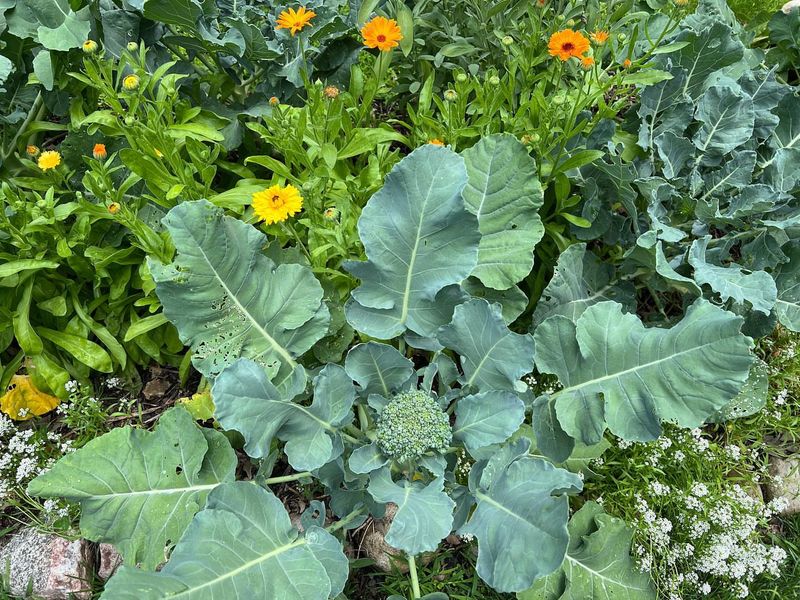
Cole crops require protection from numerous pests that can reduce yields and damage developing flower heads. Growing broccoli alongside dill brings beneficial predatory insects into your garden that specifically target caterpillars and aphids.
North Carolina’s climate supports multiple broccoli plantings throughout the year, giving you several opportunities to use this effective companion planting strategy.
Broccoli plants develop large leaves that shade the soil around their base, helping retain moisture that both crops need. Dill’s deeper roots don’t compete with broccoli’s root system for water and nutrients.
This complementary relationship means both plants thrive without one dominating the other.
The timing of broccoli maturity aligns well with dill’s growth cycle in spring and fall gardens across our state. You can harvest side shoots from broccoli plants while dill continues growing and attracting beneficial insects.
Extended harvest periods make your garden more productive overall.
Dill’s flowers provide nectar for adult parasitic wasps that need sugar for energy before laying eggs in pest larvae. Without this nectar source, these beneficial insects might not establish populations in your garden.
Your broccoli receives better protection when dill is present and flowering.
Many North Carolina gardeners report fewer cabbage loopers on broccoli when dill grows nearby, likely due to the confusion caused by mixed scents. Pests that rely on smell to locate host plants often bypass areas with strong aromatic herbs.
This natural deterrent effect reduces the need for organic pesticides.
The visual combination of broccoli’s blue-green leaves and dill’s bright green foliage creates an attractive garden display that’s both functional and beautiful.
8. Cauliflower
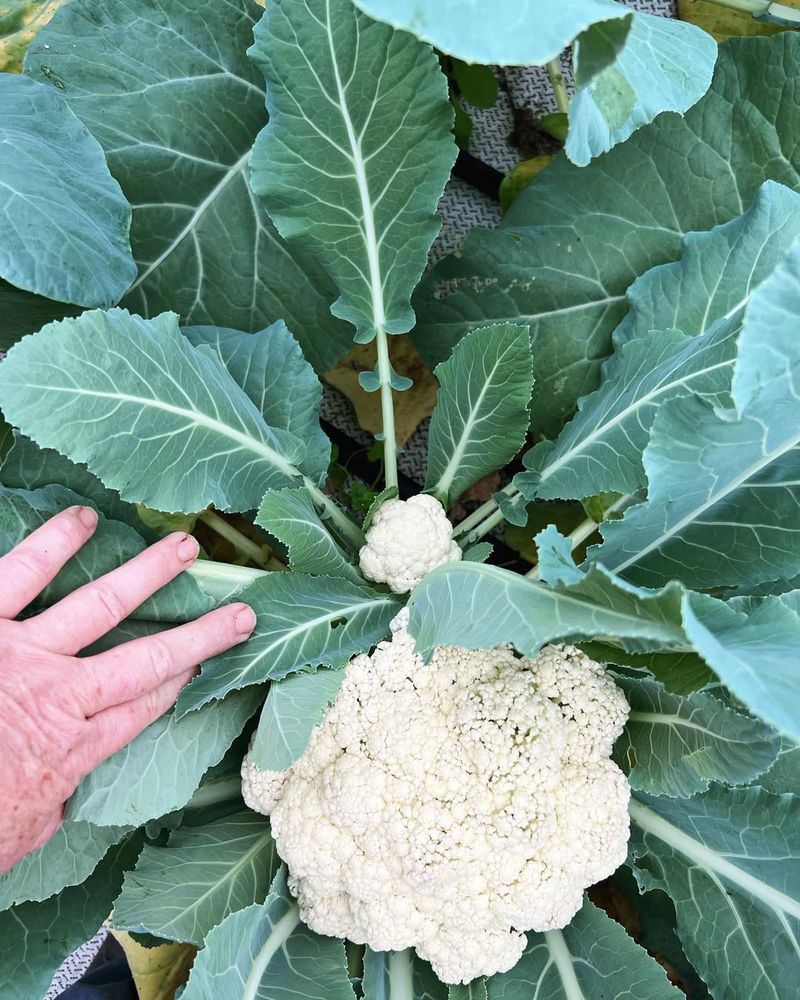
White-headed brassicas need extra care to develop properly, including protection from pests that find them particularly attractive. Cauliflower benefits enormously from having dill nearby because the herb attracts predatory insects that control cabbage worms and aphids naturally.
North Carolina gardeners who use this pairing often achieve better-quality heads with fewer blemishes and pest damage.
Both plants prefer cooler weather, making them perfect partners for spring and fall gardens in our state. The temperature requirements align so well that you can plant them at the same time and manage them together.
This synchronization simplifies your gardening schedule and reduces the complexity of crop planning.
Cauliflower requires rich, fertile soil with consistent moisture to form tight, white curds, conditions that also support healthy dill growth. Adding compost to beds where you plan this combination feeds both crops adequately.
North Carolina’s clay soil improves dramatically with organic matter additions that benefit multiple plantings.
Dill’s feathery foliage doesn’t shade cauliflower excessively, allowing the brassica to receive the full sun it needs for proper development. The upright growth of dill actually helps mark garden rows and makes harvesting easier.
Your garden organization improves when taller plants serve as natural markers.
Beneficial insects attracted to dill flowers pollinate other nearby plants and hunt for pests among cauliflower leaves continuously. This ongoing patrol keeps pest populations under control without requiring your constant attention.
Healthier cauliflower plants produce larger, more marketable heads.
Many experienced gardeners in North Carolina consider this pairing essential for successful cauliflower cultivation, especially in organic gardens where chemical pest control isn’t used.
9. Corn
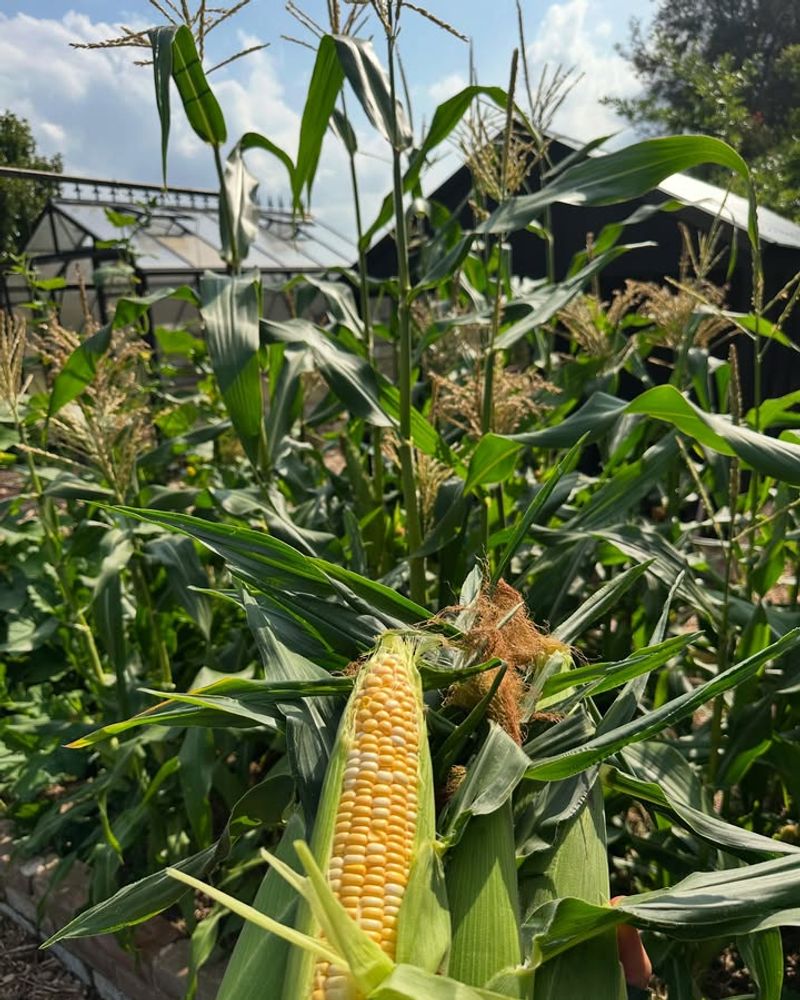
Tall grain crops create microclimates beneath their leaves that can benefit smaller companion plants significantly. When you grow dill between corn rows in North Carolina gardens, the corn provides wind protection for the more delicate herb while dill attracts beneficial insects that prey on corn earworms and aphids.
This mutual support system improves yields for both crops without additional inputs.
Corn’s extensive root system grows deep into the soil, while dill roots occupy the upper soil layers primarily. This vertical separation means both plants access different nutrient reserves without competing.
Your garden soil gets used more efficiently when root zones don’t overlap.
The nitrogen-fixing bacteria sometimes present in soil benefit both corn and dill, though corn is a heavy feeder that appreciates extra fertilization. North Carolina gardeners often side-dress corn with compost or organic fertilizer, which also feeds nearby dill plants.
Shared fertilization reduces labor and material costs.
Dill flowers attract parasitic wasps that target corn earworm larvae, one of the most damaging pests for corn crops in our region. These beneficial insects can significantly reduce ear damage, leading to better quality corn at harvest time.
Natural pest control saves money and protects beneficial insect populations.
Many traditional Native American and heritage gardens used aromatic herbs among corn plantings for exactly these pest control benefits. Modern North Carolina gardeners continue this practice with excellent results.
The combination represents agricultural wisdom that spans centuries.
Harvesting corn doesn’t disturb dill plants, and you can allow dill to self-seed after corn harvest to provide ground cover and attract beneficial insects for next season’s crops.
10. Cucumbers
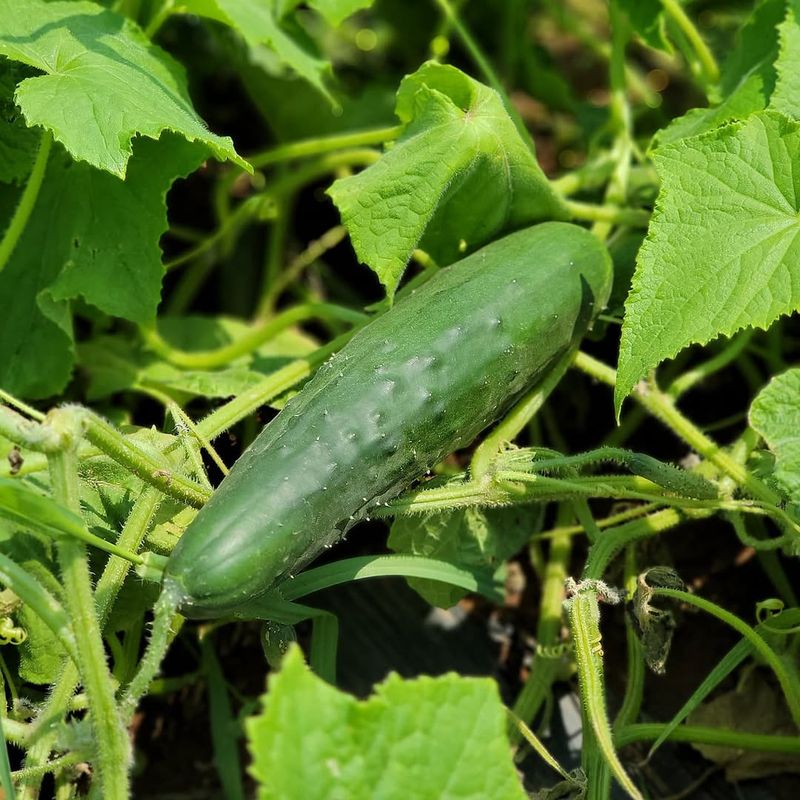
Vining crops that spread across garden beds face challenges from beetles, aphids, and various other pests throughout the growing season. Cucumbers planted near dill receive protection from beneficial insects that the herb attracts, including ladybugs and lacewings that consume aphids voraciously.
North Carolina gardeners appreciate how this partnership reduces pest pressure on cucumber vines naturally.
The sprawling growth habit of cucumbers fills horizontal space while dill grows vertically, making them excellent companions for maximizing garden productivity. Neither plant shades the other excessively when positioned properly.
Your garden yields more food per square foot with this efficient use of three-dimensional growing space.
Both plants need consistent watering during North Carolina’s hot summers, simplifying your irrigation schedule when they grow together. Mulching around both crops helps retain soil moisture and keeps cucumber fruits clean.
Shared cultural requirements reduce the complexity of garden management.
Dill flowers provide nectar for cucumber beetle predators and parasites, helping control these damaging pests organically. Cucumber beetles can vector bacterial wilt disease, so reducing their populations protects plant health.
Healthier vines produce cucumbers for longer periods.
Many gardeners in our state plant dill at the ends of cucumber rows or interspersed among hills for maximum benefit. The combination works in both traditional row gardens and raised bed systems.
Flexibility in planting arrangements makes this pairing adaptable to various garden designs.
Harvesting cucumbers regularly doesn’t disturb dill plants, and the herb continues attracting beneficial insects throughout the cucumber production period. This sustained benefit extends from early summer through fall in North Carolina gardens.