6 Plants North Carolina Gardeners Should Leave Alone After Late Frost Damage
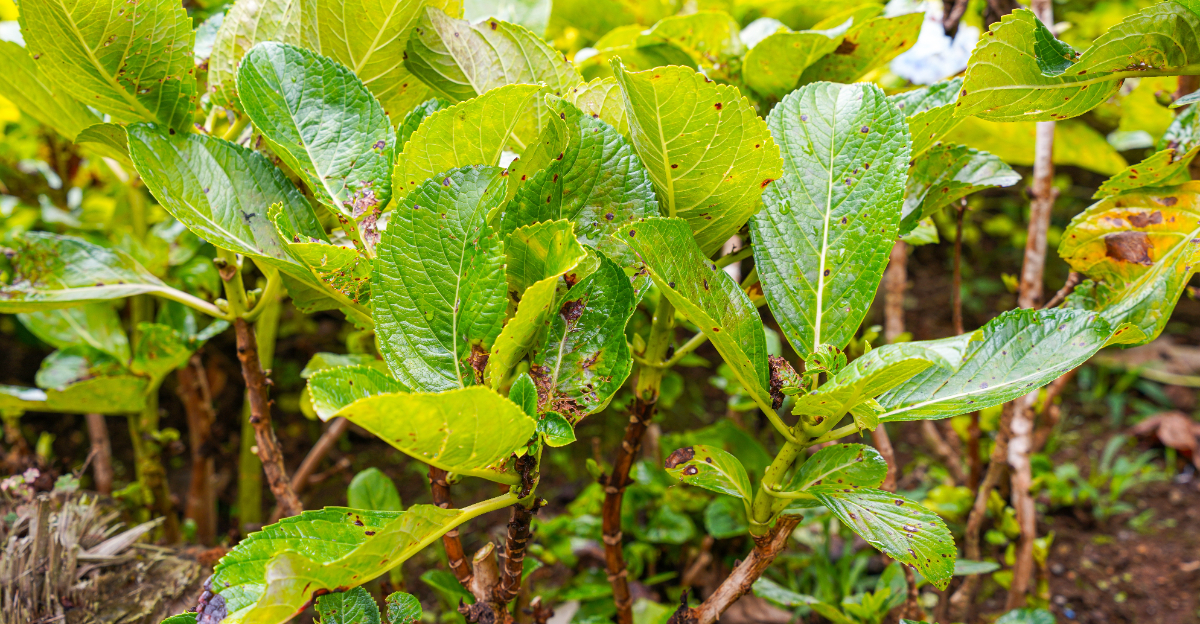
Late frost can make a North Carolina garden look worse than it really is. Leaves turn black, stems droop, and once healthy plants can seem finished overnight.
That is when many gardeners reach for the pruners too fast and make a bad situation even worse. Some plants may look badly damaged after a cold snap, but their roots are still strong and new growth is often just waiting to appear.
Cutting too soon can remove living tissue, slow recovery, and reduce flowers later on. In spring, patience is often the smartest move.
A plant that looks ruined in one week can surprise you with fresh growth soon after temperatures settle down. Knowing which plants need time instead of quick action can save part of your garden from unnecessary harm.
In North Carolina, these are the plants that often recover best when gardeners simply step back and wait.
1. Crape Myrtle (Lagerstroemia indica And Hybrids)
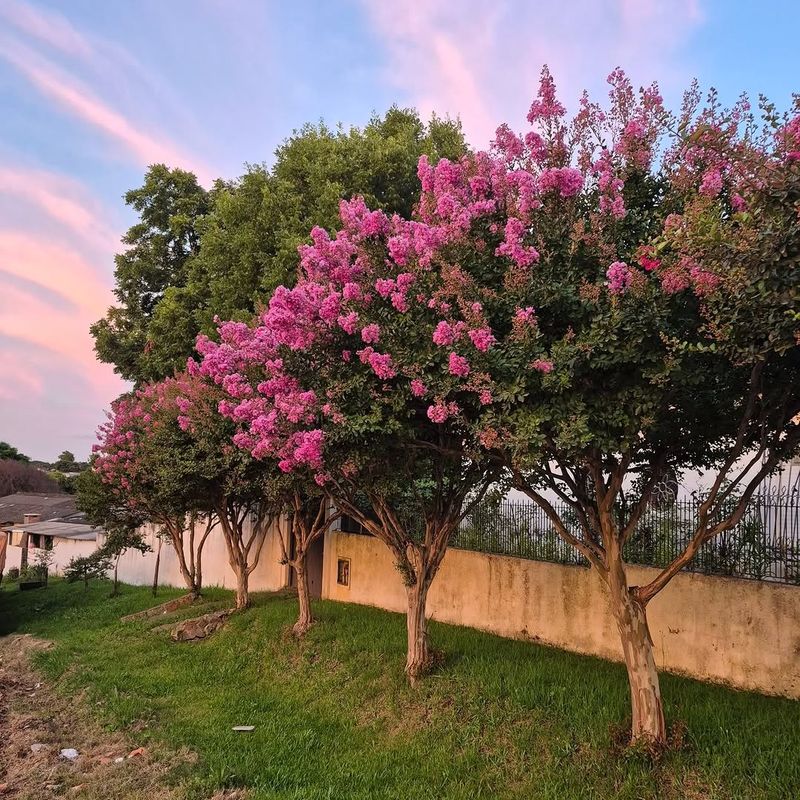
Crape Myrtles are practically a symbol of Southern gardening, and North Carolina yards are full of them. When a late frost rolls through in March or April and catches a Crape Myrtle that has already started leafing out, the damage can look pretty alarming.
Blackened or brown leaves hanging off the branches tend to send gardeners straight for their pruning tools.
Hold off on that instinct. Crape Myrtles are genuinely tough plants with a strong built-in ability to push new growth from dormant buds along their stems.
Even when the outer leaves look completely ruined, the woody structure underneath is usually perfectly fine and ready to rebound as soon as consistent warmth returns. Cutting too early can remove healthy bud tissue and delay the whole recovery timeline.
The smartest approach for North Carolina gardeners is to wait until daytime temperatures are reliably staying warm before assessing what actually needs trimming.
Scrape a tiny section of bark with your thumbnail: green or white tissue underneath means the branch is still viable and worth keeping.
Watering gently at the base of the plant and applying mulch around the root zone also supports recovery. Crape Myrtles that look rough in April often look completely normal and full by June, so patience really does pay off in a big way with these resilient Southern favorites.
2. Fig (Ficus carica)
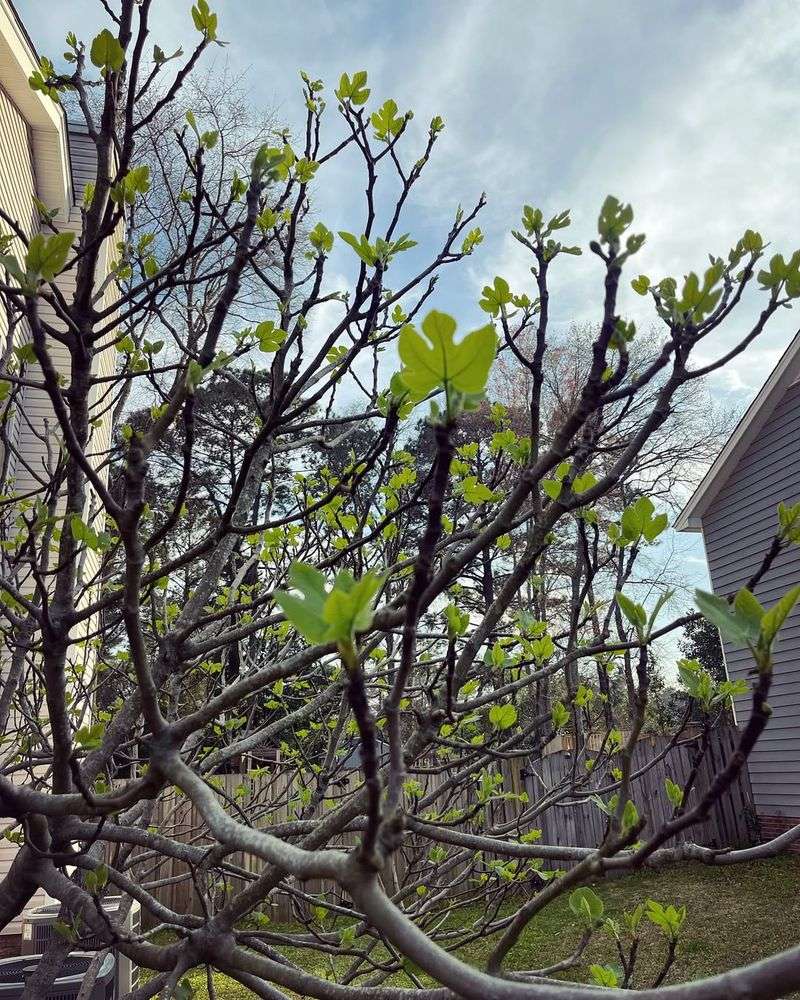
Fig trees bring something almost Mediterranean to North Carolina gardens, and many gardeners have grown deeply attached to their established trees over the years. When a late frost hits a Fig that has already pushed out its first tender leaves, the damage can look severe.
Branch tips go brown, leaves collapse, and the whole tree can appear like it has given up entirely.
Here is the encouraging truth: Figs are remarkably stubborn in the best possible way. New shoots frequently emerge from lower sections of stems and sometimes right from the base of the tree, even when the upper portion looks completely finished.
The root system of an established Fig is strong enough to fuel a solid recovery, but only if you give it the time and space to do so without interference.
North Carolina gardeners should resist trimming Fig trees until they can clearly see where new growth is emerging. Cutting too early based on appearances alone can remove stems that are still alive internally.
The bark scrape test works well here too: green tissue under the bark means the branch is still worth keeping. Once new shoots are a few inches long and actively growing, you can carefully remove only the portions that show zero signs of recovery.
Mulching around the base helps retain soil warmth and moisture, giving your Fig the best possible foundation to rebuild through the season.
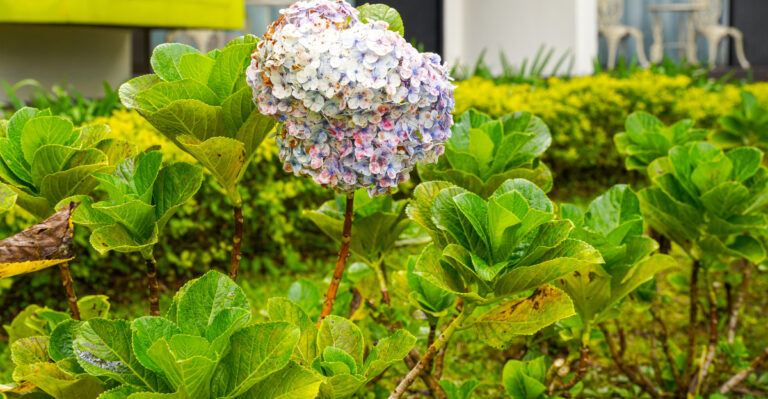
3. Bigleaf Hydrangea (Hydrangea macrophylla)
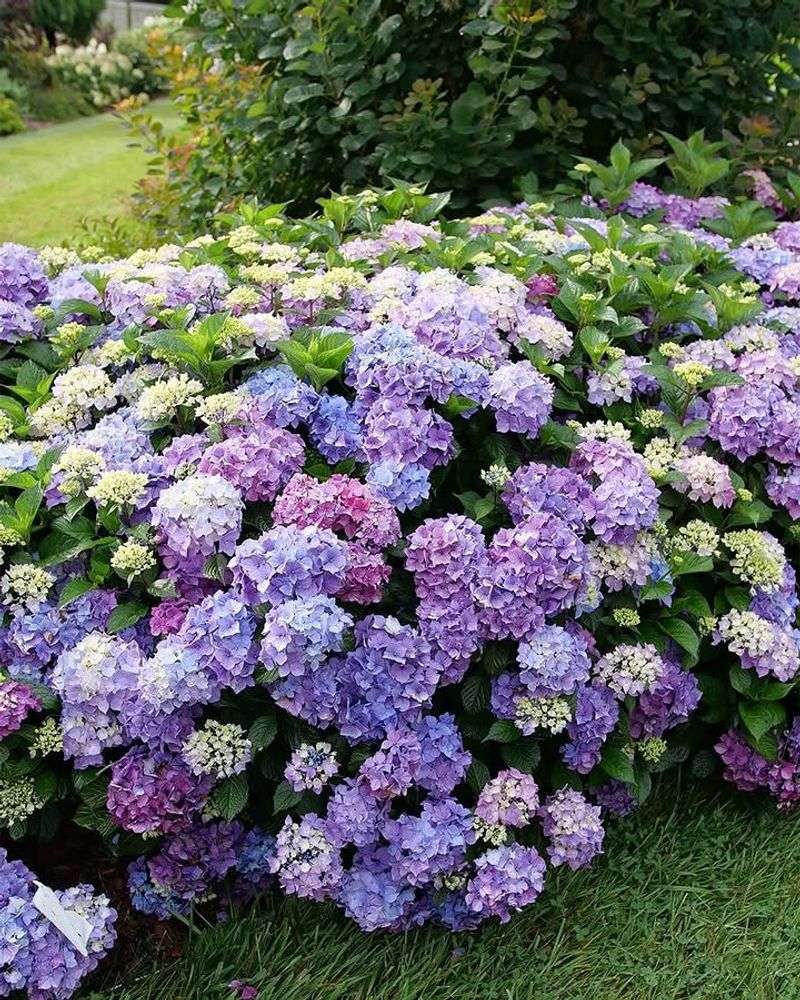
Few plants cause more gardening heartbreak in North Carolina than the Bigleaf Hydrangea after a surprise late frost. Those big, beautiful blooms depend entirely on buds that formed the previous year, and when frost hits the tender early growth, it can look like the whole shrub is finished.
But looks are seriously deceiving here. Frost damage on Bigleaf Hydrangea mostly affects the outermost, newest tissue. Lower down on the stems, viable buds are often still alive, quietly waiting for warmer temperatures to push forward.
Cutting the plant back immediately after frost damage can remove exactly those hidden buds, meaning you accidentally wipe out your entire bloom season in one afternoon.
North Carolina gardeners in the Piedmont and Coastal regions should hold off trimming until they see clear signs of new green growth emerging. Once fresh shoots appear, you can carefully remove only the tips that show no signs of life.
Gently scraping a small section of stem bark is a reliable way to check: green tissue underneath means the plant is still very much on its way back. A little patience now means a full, gorgeous display of blooms later in the season.
4. Hosta (Hosta spp.)
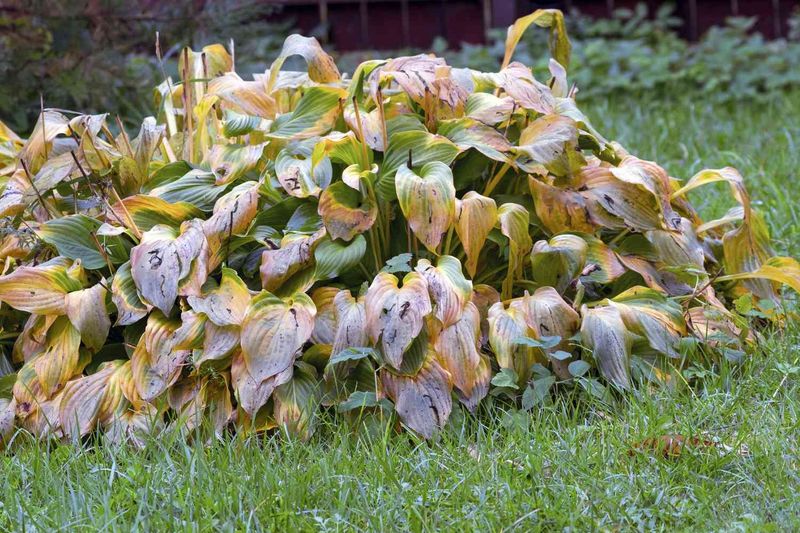
Hostas have a dramatic flair when frost hits them. One morning they look lush and promising, and the next they are a collapsed, mushy mess on the ground.
For North Carolina gardeners seeing this for the first time, it can feel alarming, but the reality is actually pretty reassuring once you understand what is happening underground.
The crown of a Hosta sits below the soil surface, and that is where the real action is. Frost might wreck every single leaf that has emerged, but the crown itself stays protected and fully capable of sending up a fresh flush of new foliage once temperatures stabilize.
The damaged leaves on top are essentially a natural shield, helping to insulate the crown during any additional cold nights that might follow.
Resist pulling off or cutting away frost-damaged Hosta leaves right away. Leave them in place until you see new green tips pushing up from the center of the plant, which is usually a clear sign that recovery is well underway.
Once that fresh growth appears, you can gently remove the old damaged leaves. Adding a thin layer of mulch around the plant after the frost event helps keep the soil temperature consistent, giving the crown the best possible environment to bounce back quickly.
Hostas are wonderfully forgiving plants for North Carolina gardens.
5. Banana (Musa basjoo, Hardy Banana)
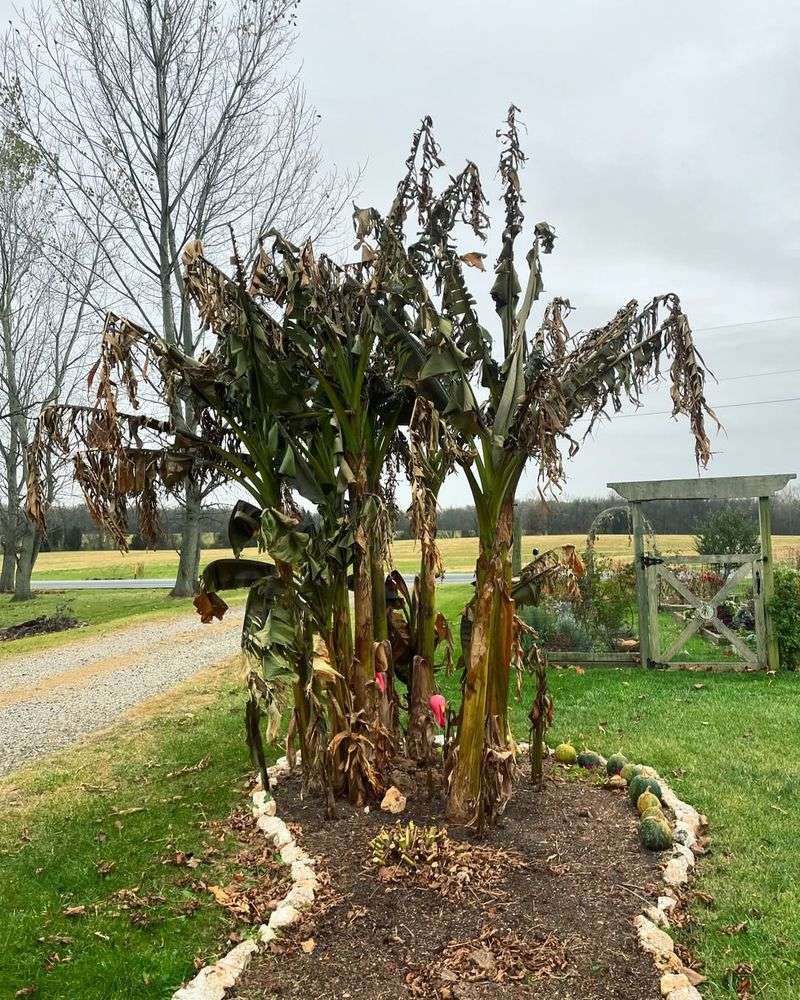
Hardy Bananas bring a bold, tropical feel to North Carolina gardens, and Musa basjoo handles cold better than most people expect. Still, when a late frost sweeps through, those enormous leaves take a hit fast.
They turn brown, go limp, and droop dramatically, making the whole plant look like it belongs in a completely different story than the lush, green vision you had in mind.
What most gardeners do not realize is that the central growing point of a Hardy Banana sits low, protected near the base of the plant. As long as that growing point survives the frost, the plant is fully capable of pushing out fresh new leaves once warm weather settles back in.
The damaged outer foliage actually acts as a layer of natural insulation, helping to shield that vulnerable central core from any additional cold snaps that might follow.
For North Carolina gardeners, the rule is simple: leave the foliage in place until the weather warms consistently and new leaves begin to unfurl from the center. Removing the damaged leaves too early exposes the growing point to further cold, which is the one thing you want to avoid.
Once new growth is actively emerging and temperatures are stable, you can peel away the old brown leaves. A thick layer of mulch around the base adds extra protection and encourages faster, stronger regrowth through the season.
6. Japanese Maple (Acer palmatum)
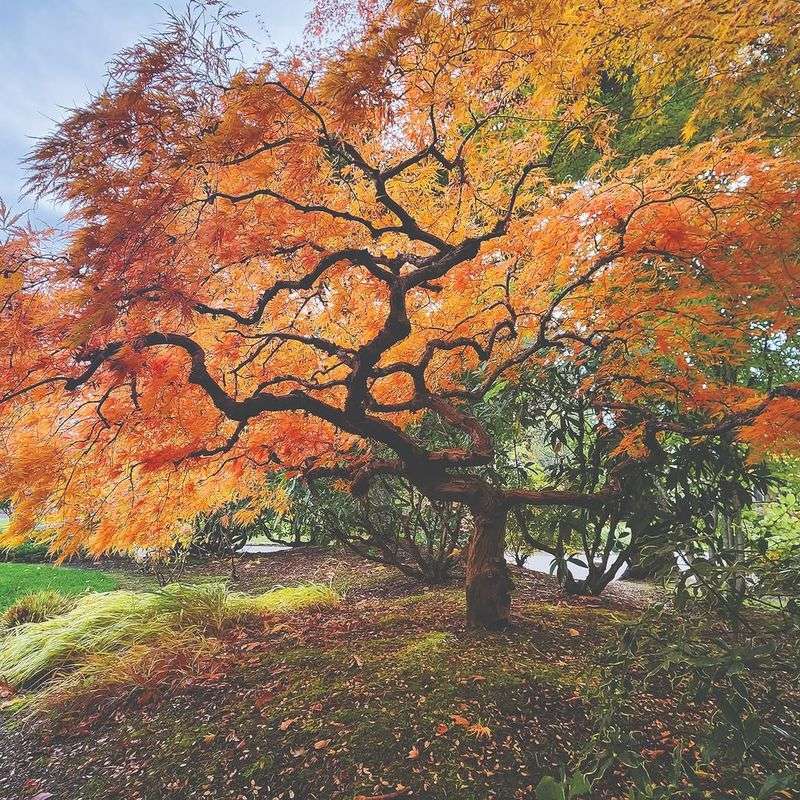
Japanese Maples are some of the most stunning trees in any North Carolina garden, with their delicate, feathery leaves and rich colors that shift beautifully through the seasons.
When a late frost catches one right after it has leafed out in spring, the sight is genuinely heartbreaking. Those tender new leaves turn brown, curl up, and drop, leaving the tree looking sparse and struggling.
What gives gardeners real hope here is the fact that Japanese Maples often produce a second flush of leaves from dormant buds that were not affected by the frost.
These backup buds sit quietly along the branches and are triggered into action when the first set of leaves is lost.
It is a natural survival response that works remarkably well, especially in established trees that have strong root systems built up over several years.
North Carolina gardeners should absolutely resist the urge to prune immediately after frost damage appears. Wait patiently until you see clear signs of new growth pushing out along the branches, which can take anywhere from two to four weeks depending on temperatures.
Once that regrowth is visible, you can remove only the branch tips that show no signs of recovery.
Keeping the soil moist and applying a layer of mulch around the base helps support the tree through this recovery period. Japanese Maples are worth every bit of the patience they ask for.