Plants North Carolina Homeowners Cut Back Before New Year’s For Spring Growth
Late season pruning can feel risky, yet I’ve learned that certain plants in North Carolina actually benefit from a careful cut back before the new year arrives.
I’ve seen stronger spring growth happen simply because homeowners timed this task before winter fully settled in.
When the right plants are trimmed now, spring growth tends to come back fuller, cleaner, and far more predictable.
1. Butterfly Bush
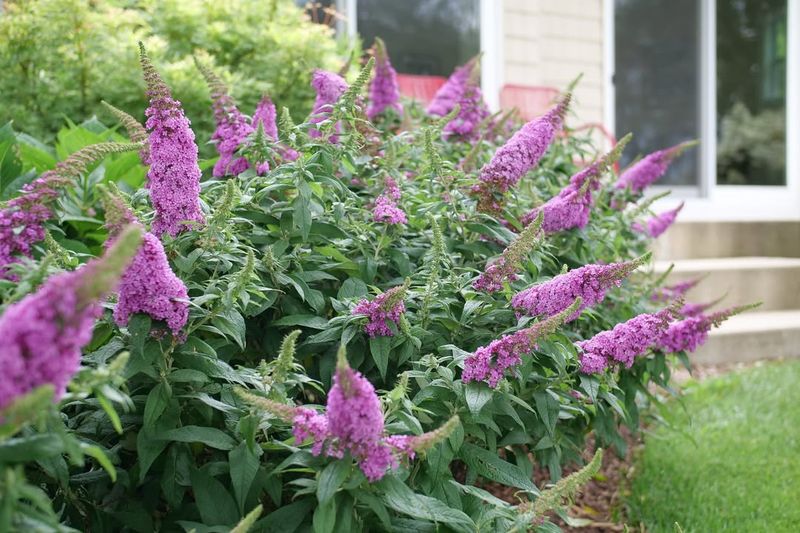
Butterfly bushes produce masses of fragrant blooms that attract pollinators throughout summer, but they need serious trimming before spring arrives in North Carolina gardens.
Gardeners should cut these fast-growing shrubs down to about twelve inches from the ground, removing all the previous season’s woody growth completely.
This aggressive pruning might seem harsh, but it encourages vigorous new shoots that will produce the most flowers when warm weather returns to the state.
Without proper cutting, butterfly bushes become leggy and produce fewer blooms on weak stems that can’t support the weight of flower clusters properly.
Late December or early January provides the perfect window for this task when plants have gone fully dormant across North Carolina’s varied climate zones.
New growth emerges quickly once temperatures rise, and pruned bushes often reach four to six feet tall by midsummer with abundant flowering branches.
Homeowners appreciate how this simple winter maintenance creates fuller, more attractive shrubs that become hubs of activity for butterflies, bees, and hummingbirds throughout the season.
2. Russian Sage
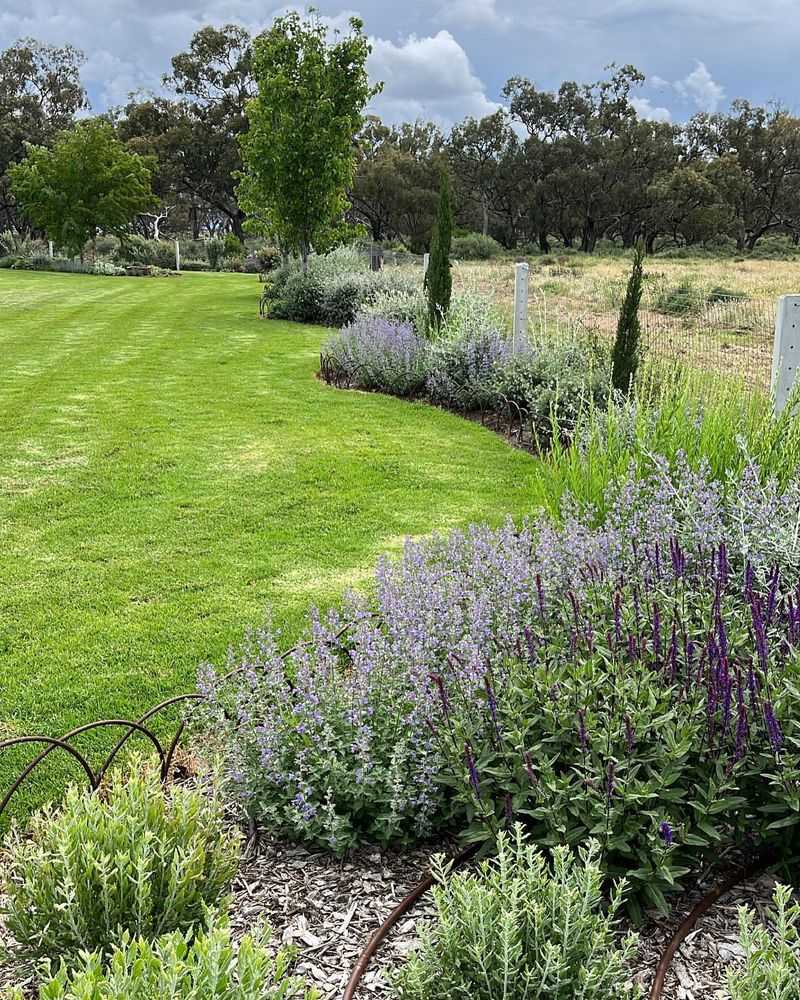
Russian sage brings airy purple blooms and aromatic silver foliage to sunny gardens, but its stems turn brown and brittle once cold weather settles over Carolina.
Cutting this perennial back to ground level before the new year prevents the dead stems from breaking off and creating a messy appearance in beds.
Many North Carolina gardeners wait until late December to perform this task, allowing the dried seed heads to provide winter interest and food for birds.
Removing old growth also eliminates hiding places for pests and diseases that might otherwise overwinter in the dead plant material throughout the cold months.
This hardy perennial sends up fresh shoots from its roots once soil temperatures warm in spring, quickly growing into a bushy mound of fragrant foliage.
Pruned plants often grow more compactly and produce more flowering stems than those left untrimmed, creating a better display throughout the entire growing season.
The task takes only minutes with sharp pruning shears, and homeowners across the state find that this simple step dramatically improves their garden’s appearance come springtime.
3. Sedum
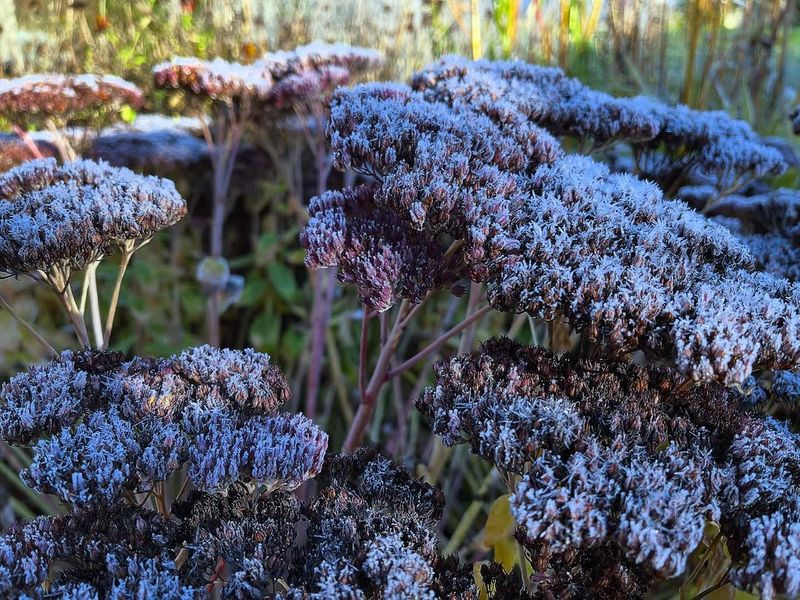
Sedum varieties like Autumn Joy develop thick, fleshy stems topped with flat flower clusters that turn rusty brown after frost hits North Carolina gardens each fall.
Some gardeners leave these architectural seed heads standing through winter for visual interest, but cutting them back before January promotes healthier spring growth patterns.
Trimming sedum to about two inches above the soil line removes old stems that can rot and spread fungal diseases when spring rains arrive.
This succulent perennial stores energy in its roots during dormancy, and removing dead top growth helps redirect resources toward developing strong new shoots underground.
North Carolina’s mild winters sometimes cause sedum to start growing too early, and pruning helps reset the plant’s growth cycle for better timing with seasonal conditions.
Fresh stems emerge quickly once temperatures stabilize in spring, creating compact mounds that fill in rapidly and produce abundant flowers by late summer months.
Homeowners find that annual cutbacks keep sedum clumps vigorous and prevent the centers from becoming woody or dying out over time across the state’s gardens.
4. Coneflower
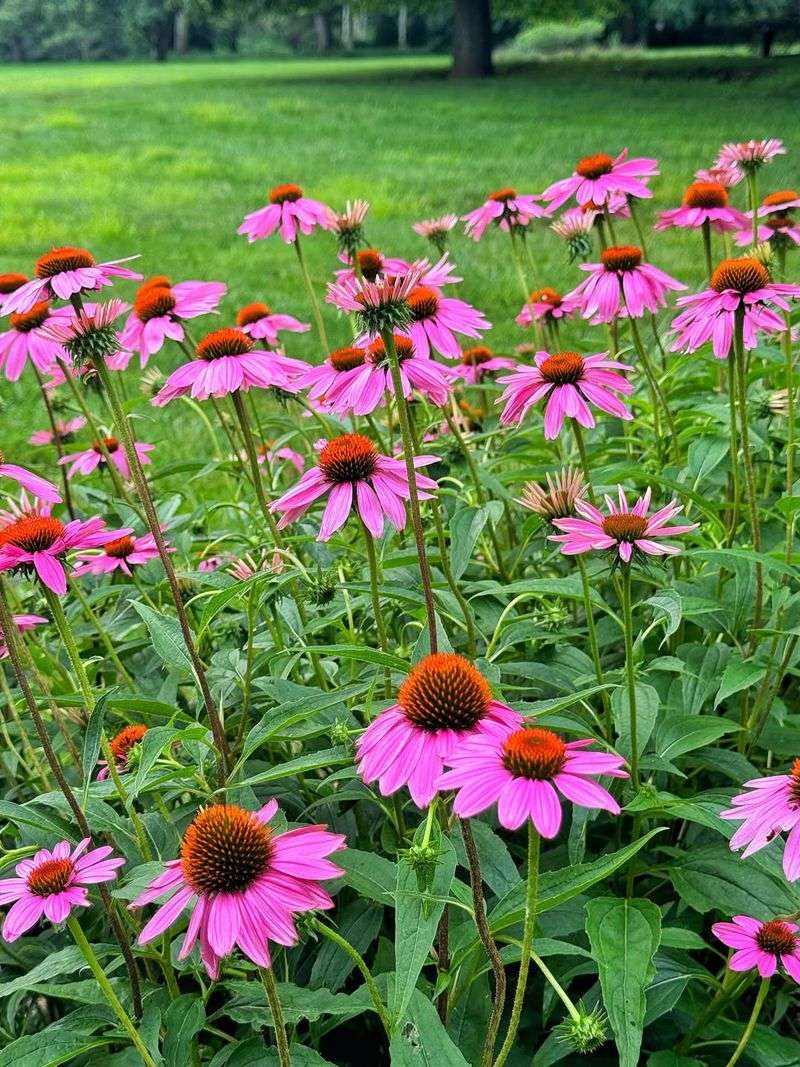
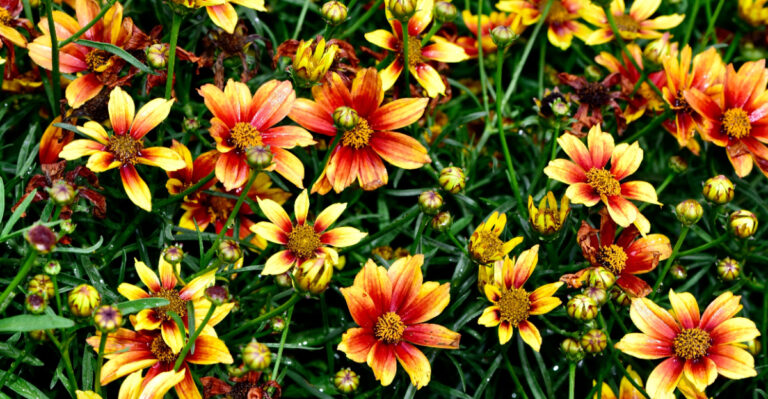
Coneflowers rank among the most popular perennials in North Carolina landscapes, offering bold blooms and excellent drought tolerance once established in sunny garden beds.
While their seed heads provide valuable winter food for finches and other birds, cutting them back before the new year offers several important benefits.
Removing old stems to about three inches above the ground eliminates potential disease problems and prevents self-seeding that can lead to overcrowded garden spaces.
This native perennial responds beautifully to winter pruning, sending up fresh basal leaves early in spring that quickly develop into strong flowering stems by summer.
North Carolina gardeners who prune their coneflowers often notice more vigorous growth and increased flower production compared to plants left standing through the entire winter season.
The task requires only basic pruning shears and takes minimal time, making it an easy addition to year-end garden maintenance routines across the state.
Cleaned-up coneflower beds look neater through winter and give homeowners a head start on spring preparation when gardening time becomes more limited with busier schedules.
5. Salvia
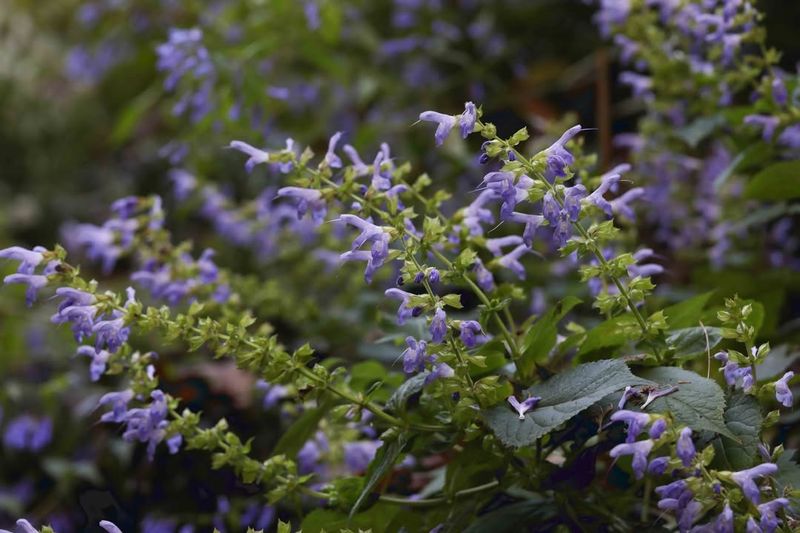
Salvia varieties bring vertical interest and vibrant colors to North Carolina gardens, with species ranging from compact groundcovers to tall, architectural specimens that reach several feet.
Most salvias benefit from cutting back to about six inches above the ground before the new year, removing all the season’s flowering stems completely.
This pruning prevents the woody base from becoming too thick and encourages fresh growth that emerges from lower on the plant when spring warmth arrives.
North Carolina’s unpredictable winter weather can damage tender new growth if plants break dormancy too early, and proper pruning helps regulate this timing more effectively.
Gardeners should wait until plants have dropped their leaves and gone fully dormant before cutting, usually in late December when frost has thoroughly chilled the soil.
Pruned salvias develop bushier habits with more flowering stems, creating fuller displays that last longer throughout the summer months across the state’s varied growing conditions.
Regular annual cutbacks keep these perennials productive for many years, preventing the center from becoming hollow or the stems from getting too leggy and weak.
6. Ornamental Grasses
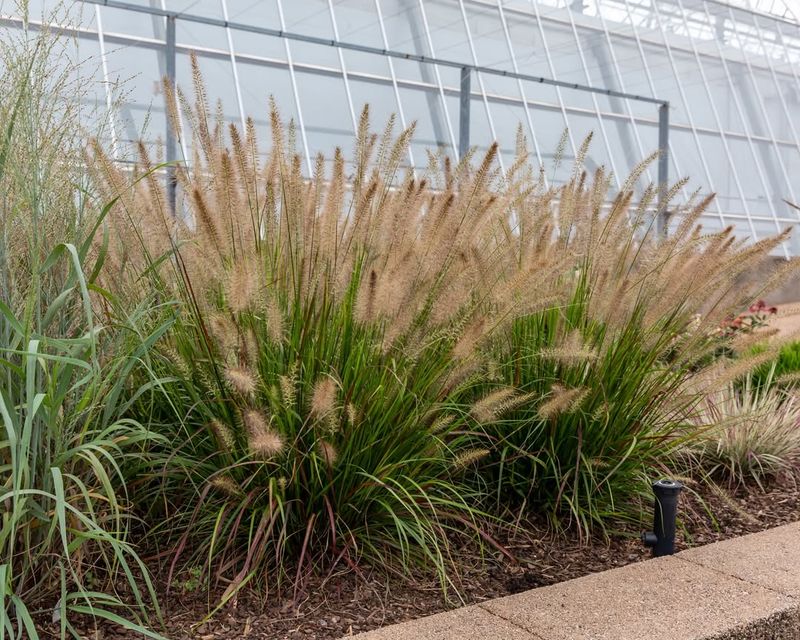
Ornamental grasses provide movement and texture in North Carolina landscapes, but their dried foliage needs removal before new blades start emerging from the crown in spring.
Homeowners should cut most grass varieties down to about four to six inches above the ground, removing all the previous season’s growth in one session.
Tying the foliage together with rope before cutting makes the job easier and creates less mess, allowing for quick cleanup of the removed material afterward.
Late winter pruning prevents new growth from getting tangled in old blades, which can create an unsightly appearance and reduce the overall vigor of the clump.
Many North Carolina gardeners wait until late February or early March for this task, but cutting before the new year works equally well for most species.
Fresh green blades emerge rapidly once temperatures warm, and properly pruned grasses often grow more densely than those left uncut through multiple seasons across the state.
This annual maintenance keeps grass clumps looking their best and prevents the centers from dying out, extending the lifespan of these valuable landscape plants for many years.
7. Lantana
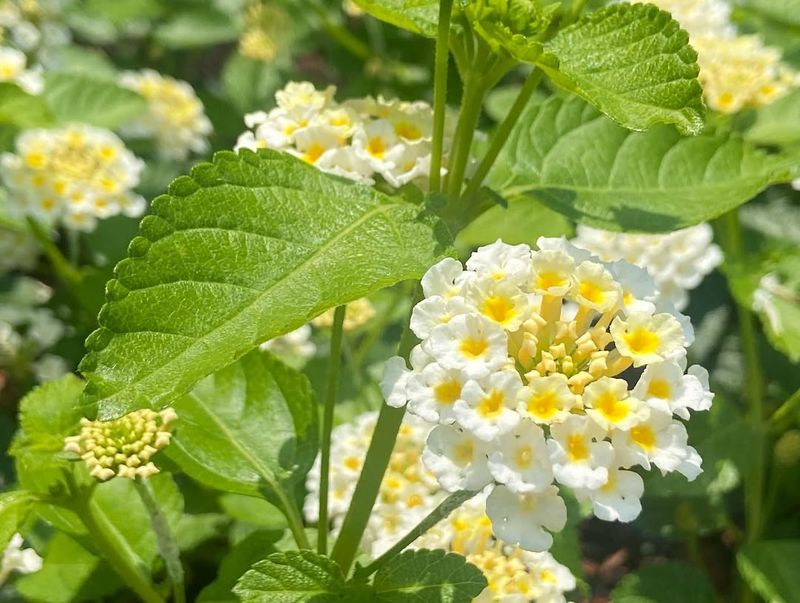
Lantana thrives in North Carolina’s hot summers, producing clusters of multicolored flowers that attract butterflies from early summer until frost finally stops the show each fall.
This tropical plant often survives mild winters in the southern parts of the state, but it needs severe cutting back before the new year begins.
Gardeners should remove about two-thirds of the plant’s height, cutting it down to the woody framework that will support vigorous new growth in spring.
Without proper pruning, lantana becomes leggy and produces flowers only at the tips of long stems, creating an unattractive appearance throughout the entire growing season.
North Carolina’s variable winter temperatures can damage tender growth, and cutting back before cold snaps arrive protects the plant’s woody base from excessive stress and damage.
New shoots emerge quickly once soil warms in spring, and pruned lantana develops into a full, bushy shape covered with blooms by early summer months.
Homeowners across the state appreciate how this simple winter task transforms scraggly plants into attractive specimens that provide months of colorful flowers and pollinator activity each year.
8. Roses
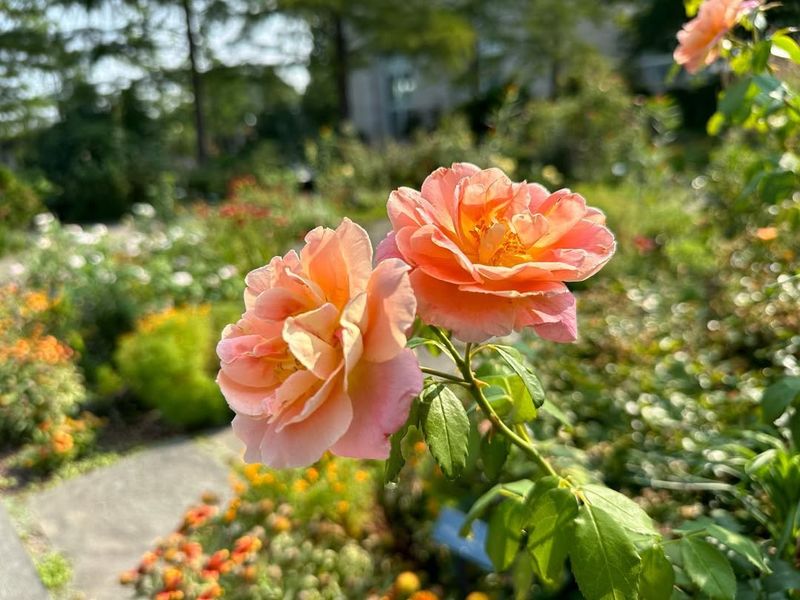
Roses require annual pruning to maintain their health and flowering capacity, and late December provides an ideal time for this important task across North Carolina gardens.
Gardeners should remove dead wood, crossing branches, and weak stems, then cut the remaining canes back to about eighteen to twenty-four inches from the ground.
This heavy pruning might look drastic, but it stimulates strong new growth that produces the best flowers when warm weather returns to the state in spring.
Making cuts at a forty-five-degree angle just above outward-facing buds encourages an open center that allows good air circulation and reduces disease problems throughout the season.
North Carolina’s mild winters mean roses sometimes retain foliage longer than in colder regions, but pruning should still happen once plants have entered their dormant phase completely.
Properly pruned roses develop sturdy canes that support heavy blooms without bending or breaking, creating more attractive plants that perform better throughout the entire growing season.
Annual cutbacks also remove overwintering pests and disease spores, giving homeowners across the state a clean start with healthier plants when spring growing conditions finally arrive.
9. Black-Eyed Susan
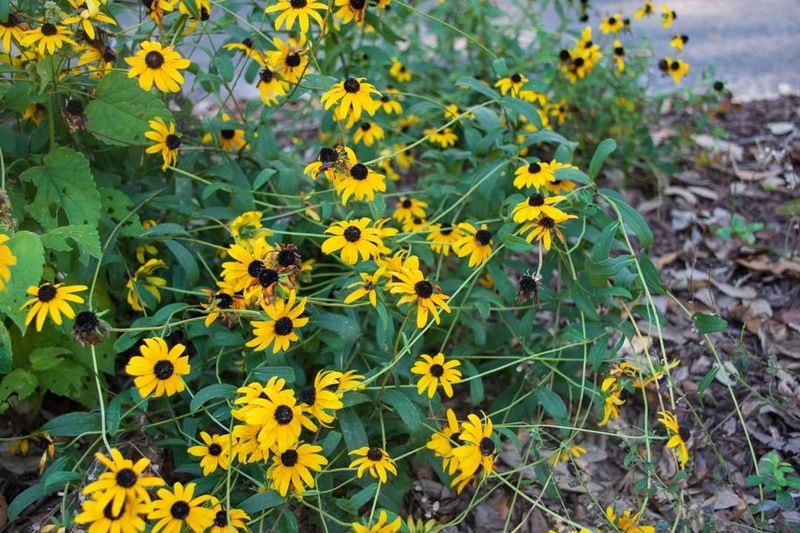
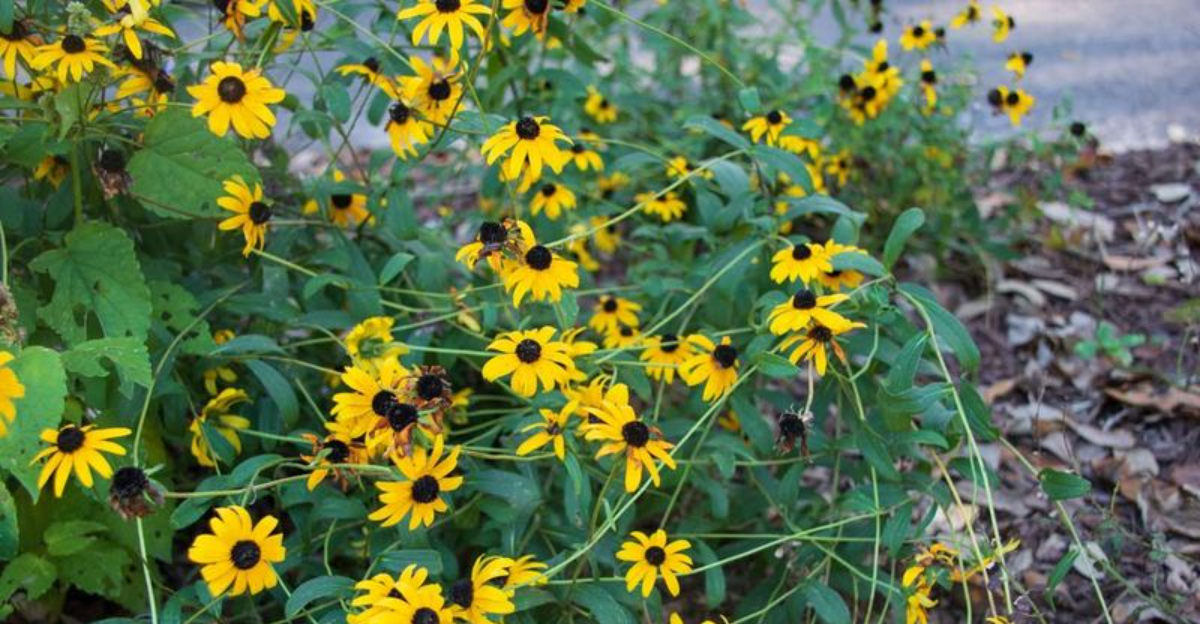
Black-eyed Susans bring cheerful golden blooms to North Carolina gardens all summer long, but their dried stems and seed heads turn brown and ragged after frost.
Cutting these native perennials back to ground level before the new year prevents excessive self-seeding that can turn them into garden thugs in subsequent seasons.
While birds enjoy feeding on the seeds through early winter, removing the spent stems by late December gives the plants a fresh start for spring.
This simple maintenance task eliminates hiding places for pests and removes plant debris that might harbor fungal diseases through the wet winter months across the state.
Black-eyed Susans grow from basal rosettes that remain green through mild North Carolina winters, and removing old stems allows more light to reach these leaves.
Fresh flowering stems emerge vigorously in spring, and pruned plants often produce more blooms than those left standing with all their dead growth intact throughout winter.
Homeowners find that annual cutbacks keep black-eyed Susan patches looking neat and under control, preventing them from spreading aggressively into areas where they’re not wanted in the landscape.
10. Hydrangea
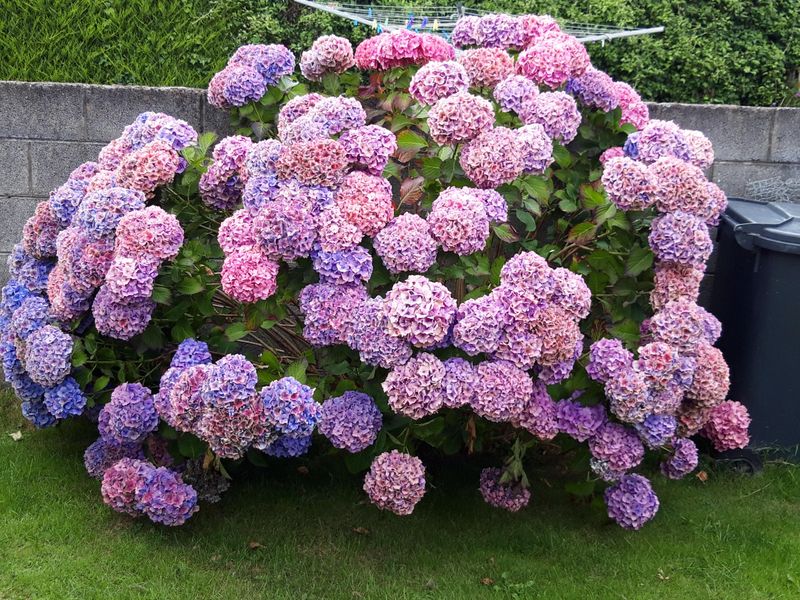
Hydrangeas rank among the most beloved flowering shrubs in North Carolina, but pruning requirements vary significantly depending on which species grows in your particular garden space.
Smooth hydrangeas and panicle types bloom on new wood and benefit from cutting back to about twelve to eighteen inches before the new year begins.
This heavy pruning encourages strong new stems that produce large flower heads in summer, creating more impressive displays throughout the growing season across the state.
Bigleaf and oakleaf hydrangeas bloom on old wood and require only light pruning to remove dead stems, leaving most of the framework intact through winter.
North Carolina gardeners must identify their hydrangea type before cutting to avoid removing next season’s flower buds and ending up with a disappointing bloomless shrub.
Proper pruning keeps hydrangeas at a manageable size and promotes better air circulation that reduces problems with leaf spot and other fungal diseases common in the state.
Annual maintenance creates healthier, more attractive shrubs that produce abundant flowers and maintain good form without becoming overgrown or developing weak, tangled branches that detract from overall appearance.