8 Plants Ohio Gardeners Often Regret Planting
Every Ohio gardener has a story about a plant that seemed perfect at first but quickly turned into a nuisance. Maybe it spread too aggressively, struggled with winter, or required more work than expected.
By mid-season, what seemed like a charming addition can start to dominate your yard.
Certain plants have a reputation among Ohio gardeners for creating more trouble than beauty. These are the ones that are prone to invasive growth, tricky maintenance, or simply don’t adapt well to the local climate.
Knowing which plants tend to frustrate gardeners can save you time, money, and a lot of frustration.
There’s a clear list of species that often cause regret, and understanding it helps you make smarter choices for a thriving, hassle-free garden.
1. English Ivy Taking Over With Lush Green Vines
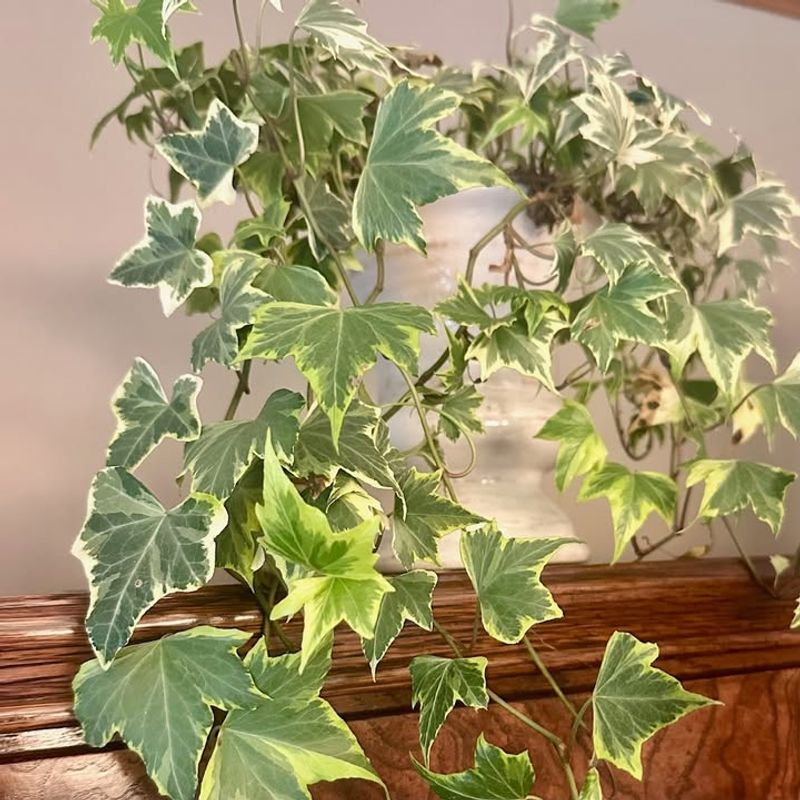
Walk through almost any older neighborhood in Ohio and you are likely to spot English Ivy creeping up fences, walls, and trees. It looks lush and elegant at first glance, which is exactly why so many gardeners plant it.
The problem starts when you realize it never stops growing.
English Ivy spreads both along the ground and upward, forming thick mats that block sunlight from reaching other plants. When it climbs trees, it adds extra weight and traps moisture against the bark, which weakens the tree over time.
In Ohio winters, this added stress can seriously damage even healthy, mature trees.
Beyond your own yard, English Ivy is listed as an invasive species in Ohio. Birds eat its berries and spread seeds into nearby natural areas, where it takes over forest floors and pushes out native wildflowers and ground covers.
Once it gets established in a wooded area, it is very difficult to remove.
If you love the look of a low-growing ground cover, consider planting native alternatives like wild ginger or Pennsylvania sedge instead. Both options spread slowly, support local wildlife, and will not take over your yard or your neighbor’s.
Removing established English Ivy requires consistent effort over multiple seasons, so it is much easier to simply avoid planting it in the first place. Ohio gardeners who have dealt with it agree: it is not worth the trouble.
2. Wintercreeper Spreading Rapidly Across Garden Spaces

Wintercreeper might be one of the most underestimated troublemakers in Ohio landscaping. Sold at garden centers as a neat, low-maintenance ground cover, it seems like a practical choice for filling in bare spots.
However, Ohio gardeners who have planted it often find themselves spending years trying to get rid of it.
This plant spreads both by runners along the ground and by seeds carried by birds. It can climb trees and shrubs just like English Ivy, forming a dense layer that smothers everything beneath it.
In Ohio’s natural areas, Wintercreeper has invaded forests and pushed out native plants that local wildlife depends on for food and shelter.
The Ohio Department of Natural Resources has flagged Wintercreeper as an invasive species, and for good reason. It thrives in shade and sun alike, which means there are very few conditions where it will not spread.
Pulling it out by hand is tedious work, and any small piece of root left behind can sprout again.
A much better option for Ohio gardens is native pachysandra or creeping phlox. These plants offer similar ground-covering benefits without the aggressive spreading habit.
If you already have Wintercreeper in your yard, start removing it in sections and replace it with native plants right away. Getting ahead of it early makes a big difference.
Ohio gardeners who wait often find the problem has doubled in size by the following spring.
3. Purple Loosestrife Dominating Wetlands With Color

At first sight, Purple Loosestrife is genuinely stunning. Its tall spikes of bright magenta-purple flowers look like something out of a wildflower painting.
Many Ohio gardeners planted it specifically for that dramatic color, especially near ponds or wet areas of the yard. The regret usually comes a season or two later.
Purple Loosestrife is a powerhouse when it comes to reproduction. A single mature plant can produce more than two million seeds in one growing season, and those seeds spread easily through wind and water.
In Ohio’s wetlands, marshes, and along riverbanks, it forms such dense colonies that native cattails, sedges, and other wetland plants simply cannot compete.
The loss of native wetland plants has a ripple effect on Ohio wildlife. Ducks, herons, and other birds that depend on native marsh vegetation for nesting and food find Purple Loosestrife colonies much less useful.
Frogs, turtles, and fish that rely on healthy wetland habitats are also affected when this plant takes over.
Ohio has listed Purple Loosestrife as a prohibited invasive plant, making it illegal to sell or plant in the state. If you want that gorgeous purple color in a wet or rain garden area, try native swamp milkweed or blue flag iris instead.
Both offer beautiful blooms, support pollinators, and play nicely with the surrounding ecosystem. Once you learn what Purple Loosestrife does to Ohio’s natural areas, it is easy to see why gardeners regret ever bringing it home.
4. Burning Bush Showing Off Its Fiery Fall Glow
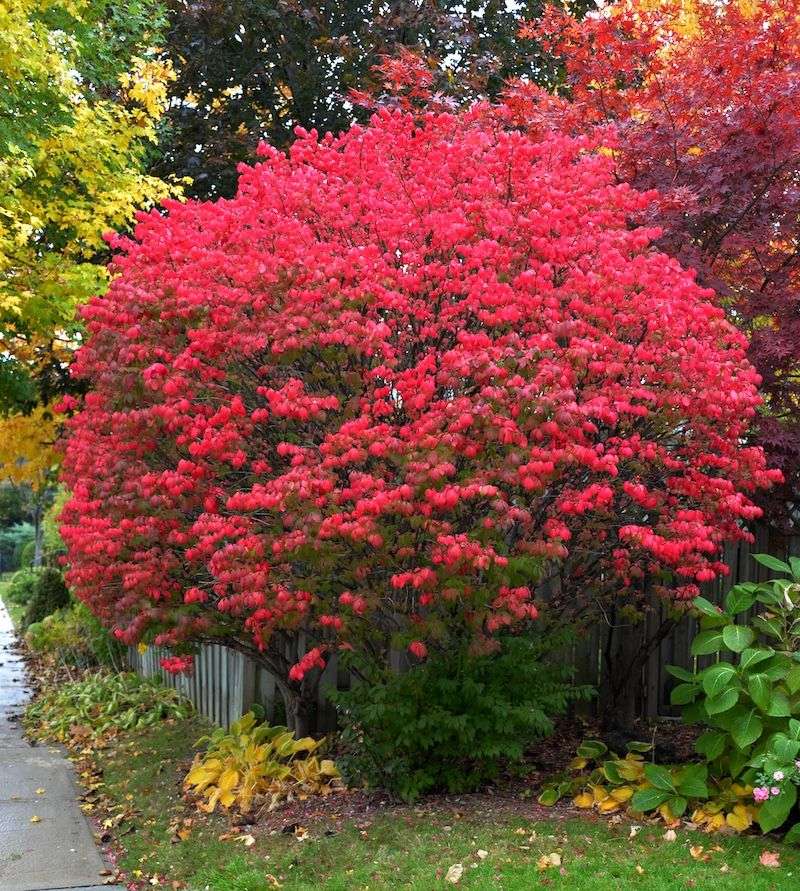
Every autumn, Burning Bush puts on a show that is hard to ignore. The fiery red leaves are so eye-catching that it became one of the best-selling ornamental shrubs in Ohio for decades.
Garden centers still carry it in many areas, which is part of why so many Ohio yards still have it growing today.
The issue with Burning Bush is what happens beyond your fence line. Birds love the small red berries and spread the seeds widely into natural areas.
Once it escapes into Ohio woodlands and open fields, Burning Bush forms thick stands that crowd out native shrubs and young trees. It is particularly problematic in the eastern and central parts of Ohio, where it has invaded natural areas that were once home to diverse native plant communities.
Ohio has added Burning Bush to its list of invasive plants, and many landscape professionals have stopped recommending it. The good news is that there are some truly gorgeous native alternatives that offer the same spectacular fall color without the ecological baggage.
Highbush blueberry, native viburnums, and itea all turn brilliant shades of red and orange in autumn.
Swapping out Burning Bush for a native shrub is one of the easiest ways Ohio gardeners can make their yards more wildlife-friendly. Native bees, birds, and butterflies benefit enormously from the change.
If you already have Burning Bush in your yard, removing it and replacing it with a native option is a worthwhile project that benefits the whole neighborhood.
5. Bradford Pear Standing Tall With Problematic Spread
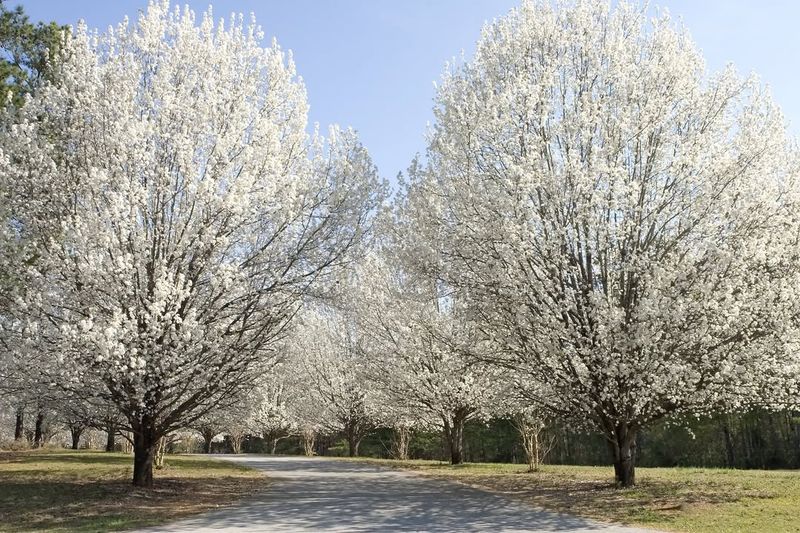
Once the darling of Ohio suburban landscaping, Bradford Pear was planted in rows along new streets, admired by homeowners for its tidy shape and stunning spring blooms. For a while, it seemed like the perfect ornamental tree.
Then Ohio gardeners started noticing the problems.
For starters, Bradford Pear trees have notoriously weak branch structure. The tight, upright growth pattern means branches are packed close together, and when ice storms or strong winds hit Ohio in winter and spring, entire sections of the tree can split off.
Some Ohio homeowners have found branches of Bradford Pear trees damaged or broken after storms.
Beyond the structural issues, Bradford Pear has become a serious invasive threat in Ohio. The trees cross-pollinate with other pear varieties and produce small fruits that birds eat and spread widely.
The resulting seedlings are thorny, aggressive, and incredibly difficult to remove. Drive through rural Ohio and you will see thickets of escaped Bradford Pear taking over old fields and roadsides.
Ohio has actually banned the sale of Bradford Pear, which tells you everything you need to know. If you want a flowering tree with a similar look, serviceberry is a wonderful native choice that blooms beautifully in spring, produces berries for wildlife, and offers gorgeous fall color.
Redbud is another beloved Ohio native that provides stunning spring interest without any of the invasive risks that Bradford Pear brought to the state.
6. Multiflora Rose Forming Dense Thorny Thickets
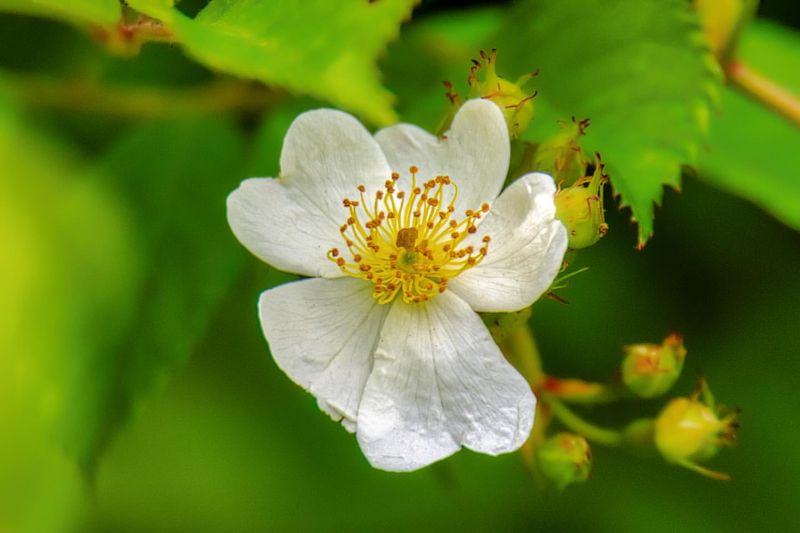
Believe it or not, Multiflora Rose was actually promoted by government agencies in the mid-1900s as a living fence for Ohio farms. It was planted widely to provide erosion control and wildlife habitat.
It seemed like a brilliant idea at the time. Decades later, Ohio farmers and gardeners are still dealing with the consequences.
Multiflora Rose spreads aggressively through bird-dispersed seeds and through canes that root wherever they touch the ground. A single plant can produce hundreds of thousands of seeds per year.
Once established, it forms impenetrable thorny thickets that make large sections of land unusable for farming or recreation.
In Ohio’s natural areas, Multiflora Rose has taken over old fields, forest edges, and roadsides across the state. It shades out native wildflowers and shrubs, and its dense growth makes it nearly impossible for native plants to re-establish.
Ohio has declared it a noxious weed, and landowners are required to control it on their property in many counties.
Getting rid of Multiflora Rose requires persistence. Cutting it back repeatedly over several seasons can weaken the plant, but complete removal often requires more intensive methods.
If you are looking for a flowering shrub with a cottage-garden feel, native wild roses like Rosa blanda or Rosa carolina are much better choices for Ohio landscapes. They offer beautiful blooms and rose hips that wildlife love, without the aggressive spreading habit that made Multiflora Rose such a regrettable introduction.
7. Garlic Mustard Popping Up Where You Least Expect
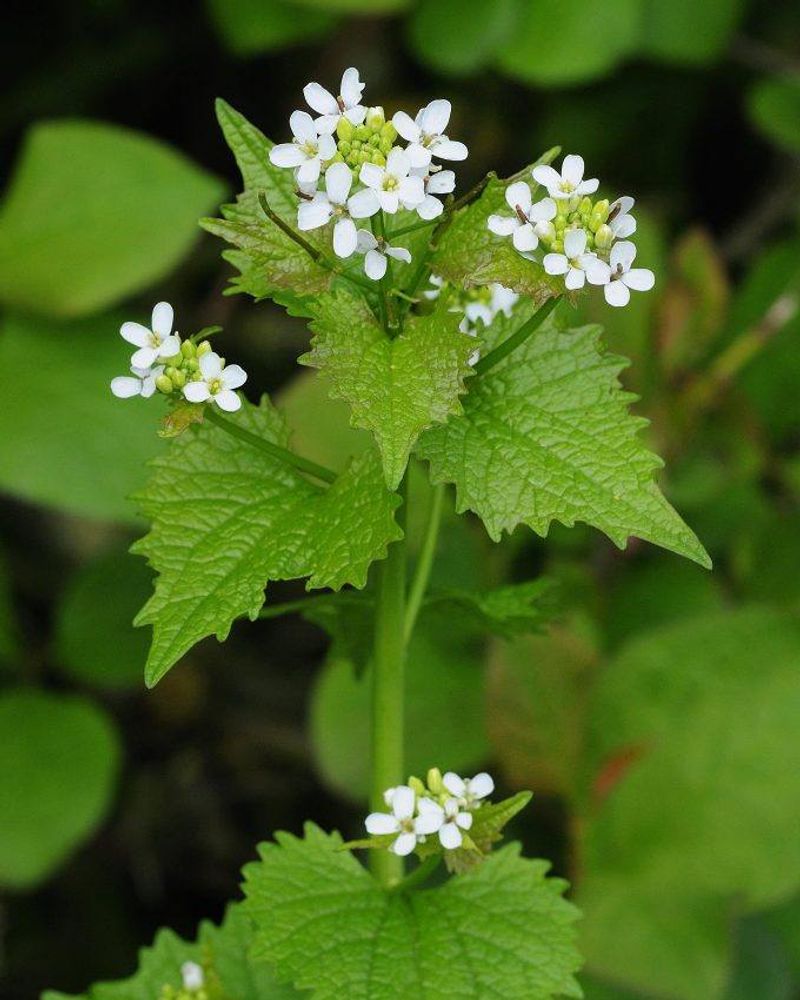
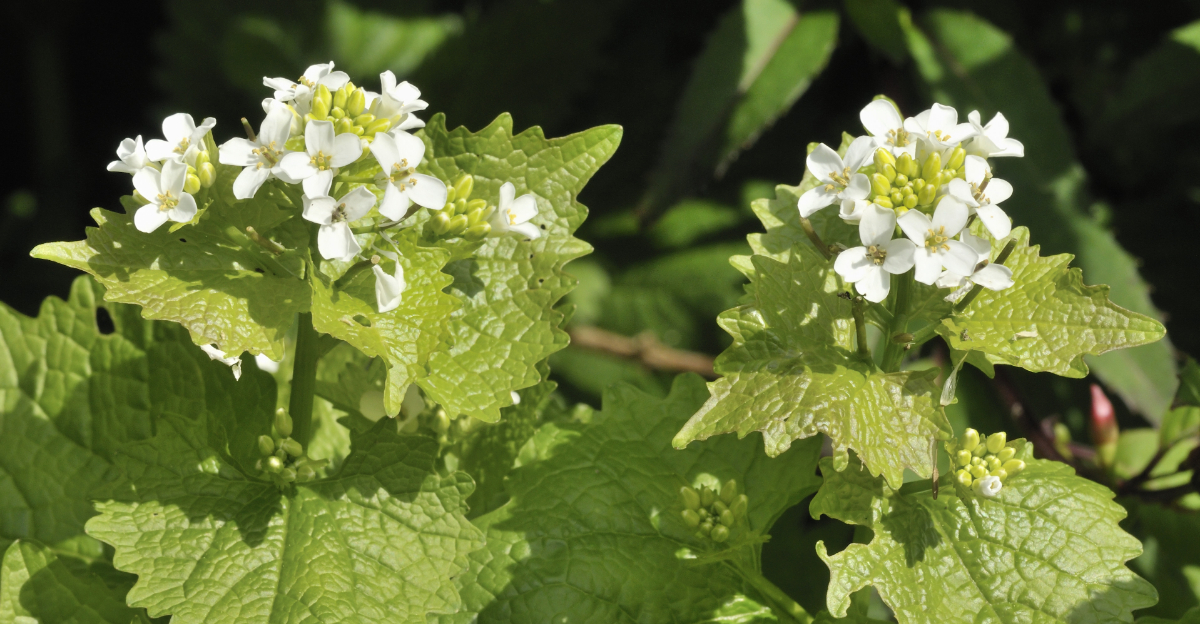
With its small white flowers and heart-shaped leaves, garlic mustard might look harmless, but it is one of the most ecologically damaging invasive species in Ohio. It thrives in shaded forest understories, which are exactly the spaces where native spring wildflowers like trillium, bloodroot, and wild ginger grow.
What makes Garlic Mustard especially problematic is a chemical trick it uses against other plants. It releases compounds into the soil that disrupt the underground fungal networks native plants depend on for nutrients.
In other words, Garlic Mustard does not just compete for space and light, it actually poisons the soil environment for its neighbors. Ohio forests that were once carpeted with native wildflowers have been transformed into seas of Garlic Mustard in just a few decades.
Garlic Mustard is a biennial, meaning it completes its life cycle over two years. In its first year it forms a low rosette, and in its second year it shoots up, flowers, and produces hundreds of seeds.
Hand-pulling is actually effective if done before the seeds set, and many Ohio conservation groups organize spring volunteer events to remove it from natural areas.
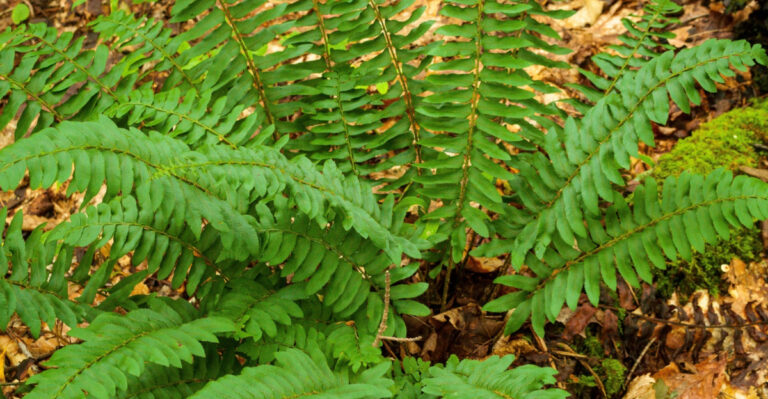
Gardeners should never intentionally plant Garlic Mustard, and if you find it growing near your Ohio property, removing it promptly is one of the best things you can do for local forests. Native shade plants like wild ginger, mayapple, or native ferns make wonderful alternatives that support the forest ecosystem rather than undermine it.
8. Oriental Bittersweet Twisting Through Trees And Shrubs
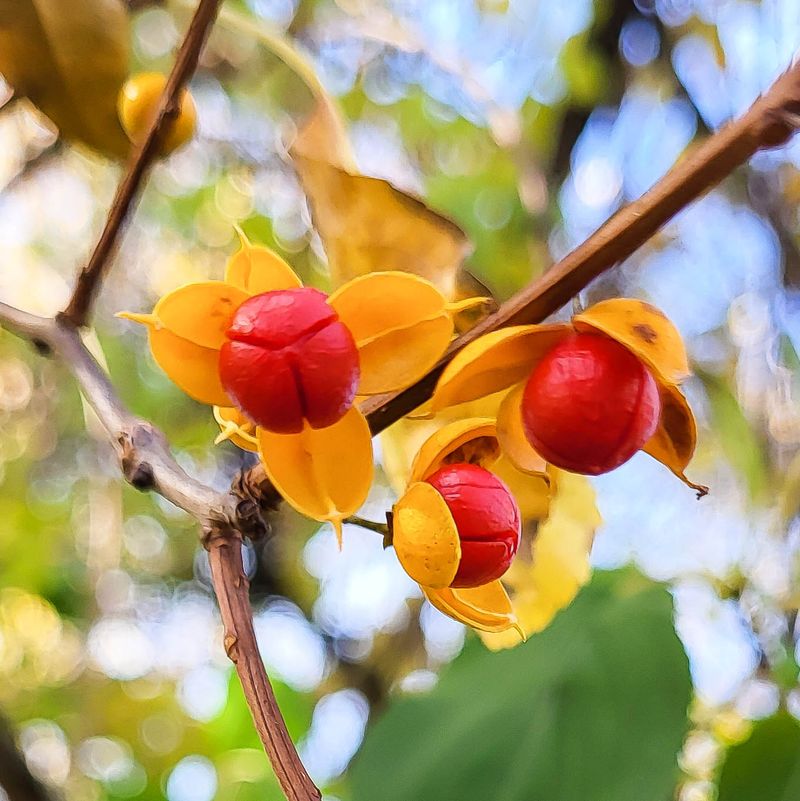
Few plants look as festive as Oriental Bittersweet in autumn. The orange and yellow berries clustered along the stems are so attractive that they are commonly used in fall wreaths and dried floral arrangements.
That popularity is actually part of the problem, because those decorative bunches spread seeds wherever they are taken.
Oriental Bittersweet is a vigorous climbing vine that wraps tightly around trees and shrubs. As it grows, it girdles the stems of its host plants, cutting off the flow of water and nutrients.
In Ohio woodlands, Oriental Bittersweet vines can damage trees by wrapping tightly around branches and restricting growth. It is a plant that looks lovely from a distance but causes serious damage up close.
The vine spreads quickly because birds are very attracted to the berries. Seeds get deposited across wide areas, and new plants establish easily in both disturbed and natural habitats.
Ohio has seen Oriental Bittersweet spread into forests, roadsides, and hedgerows throughout the state, where it forms dense tangles that shade out native shrubs and tree seedlings.
If you want a native vine with fall interest, American bittersweet is the right choice for Ohio gardens. It looks very similar but behaves responsibly, spreading slowly and supporting native wildlife without threatening the surrounding plants.
When buying bittersweet at a nursery, always double-check the label to make sure you are getting the native American species and not its invasive Oriental cousin.