10 Plants Oregon Gardeners Should Not Prune Right Now
It’s tempting to grab the pruners and tidy up your garden, especially after a long winter of wet weather.
I’ve definitely been there, thinking, “This shrub looks messy, I’ll just trim it back.”
But in Oregon, pruning at the wrong time can do more harm than good.
Some plants are still recovering from winter stress, while others are quietly preparing for spring growth.
A hasty snip now can stunt blooms, damage buds, or make plants more vulnerable to disease.
Knowing which plants to leave alone until the right season can save a lot of frustration, and keep your garden looking healthy and vibrant.
From flowering shrubs to fruit trees, understanding timing is key.
A little patience now pays off with stronger plants, bigger blooms, and a garden that thrives when the growing season really begins.
Not all pruning needs to happen now, and these plants do better if you wait for the right time.
1. Rhododendrons
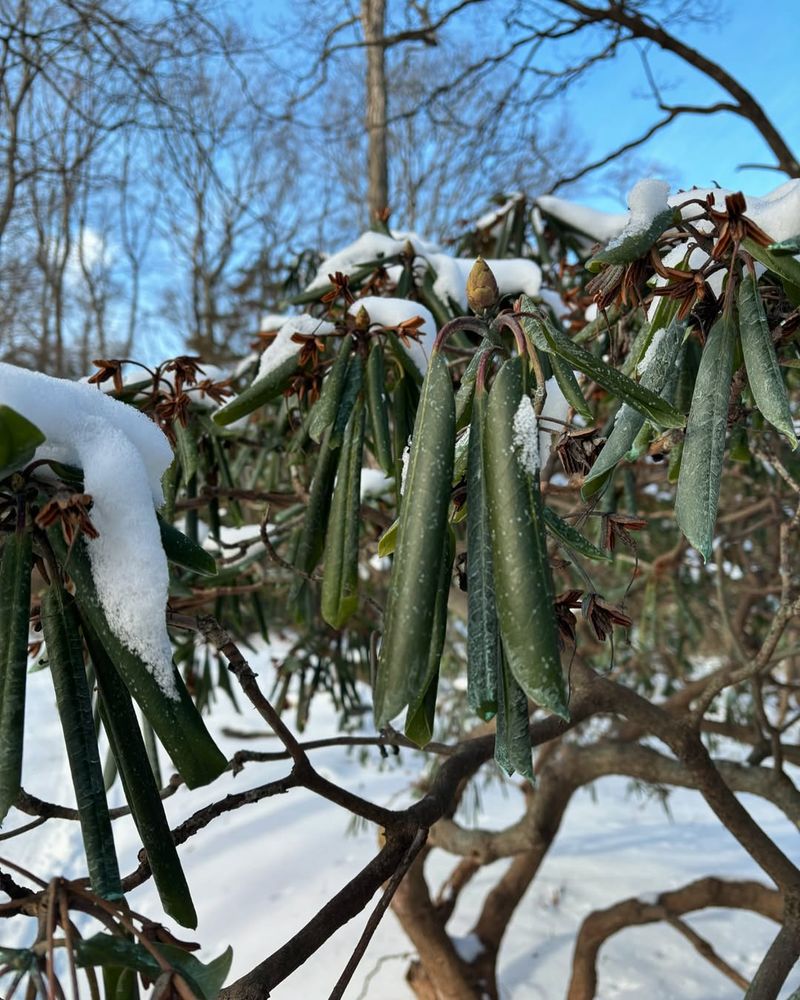
Rhododendrons are beloved across Oregon for their stunning spring blooms and evergreen foliage.
Right now, these shrubs are busy setting their flower buds for next season.
If you prune them during this period, you risk removing those precious buds before they ever get a chance to open.
The best time to trim rhododendrons is right after they finish blooming in late spring or early summer.
That way, you give the plant plenty of time to develop new buds for the following year.
Pruning now would mean fewer flowers and a less impressive display when spring arrives.
These plants also prefer minimal pruning overall, so only remove damaged or diseased branches if absolutely necessary.
Oregon’s mild winters make rhododendrons especially happy here, but they still need careful timing when it comes to trimming.
Keep your shears away for now and enjoy the anticipation of those gorgeous blooms.
Your patience will be rewarded with a burst of color that makes every Oregon garden feel like a woodland paradise.
Trust the process and wait until after flowering to do any shaping or cleanup work.
2. Azaleas
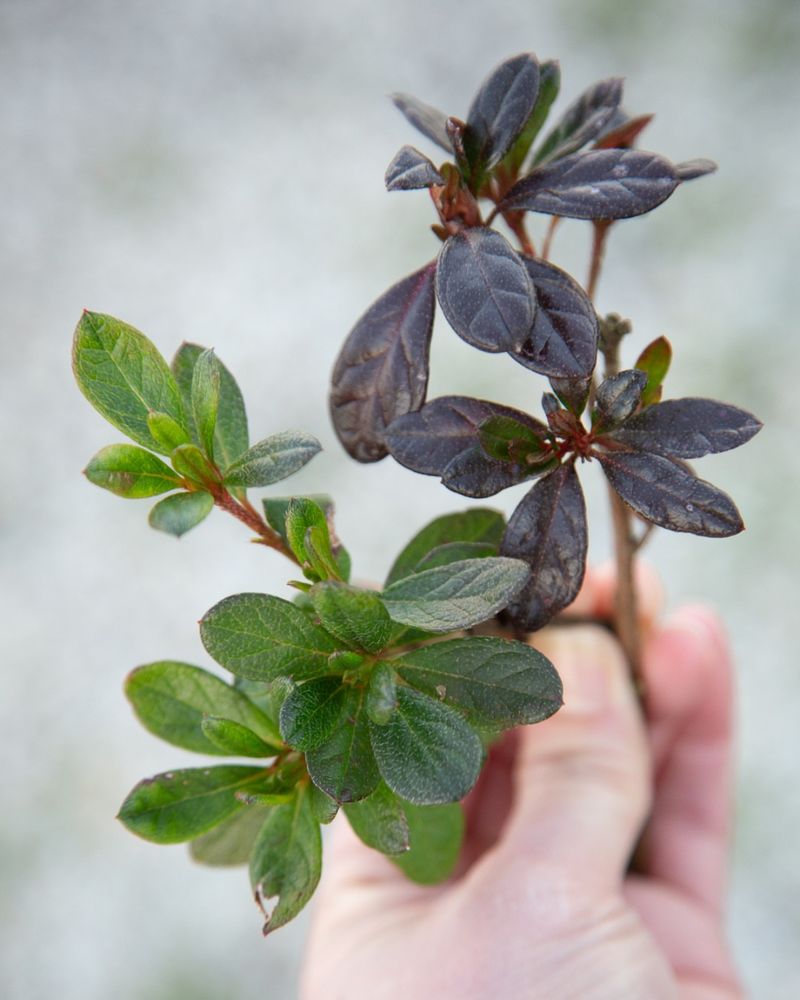
Azaleas share a close relationship with rhododendrons and follow similar rules when it comes to pruning.
These cheerful shrubs produce their flower buds in late summer and fall, which means they’re already locked and loaded for next spring’s show.
Cutting them back now would be like canceling a concert right before the band takes the stage.
You’d lose all those beautiful blossoms that make azaleas such a favorite among Oregon gardeners.
The ideal time to prune azaleas is immediately after they finish blooming, typically in late spring.
This gives them the entire growing season to recover and set new buds for the next year.
Azaleas are naturally compact and tidy, so they rarely need heavy pruning anyway.
If you notice any broken or unhealthy branches, you can gently remove those, but avoid shaping or thinning the plant right now.
Oregon’s climate is perfect for azaleas, and they thrive with minimal interference.
Hold off on the trimming and focus on mulching and watering instead.
Come spring, you’ll be rewarded with vibrant clusters of flowers that brighten up shady corners and woodland gardens beautifully.
3. Lilacs
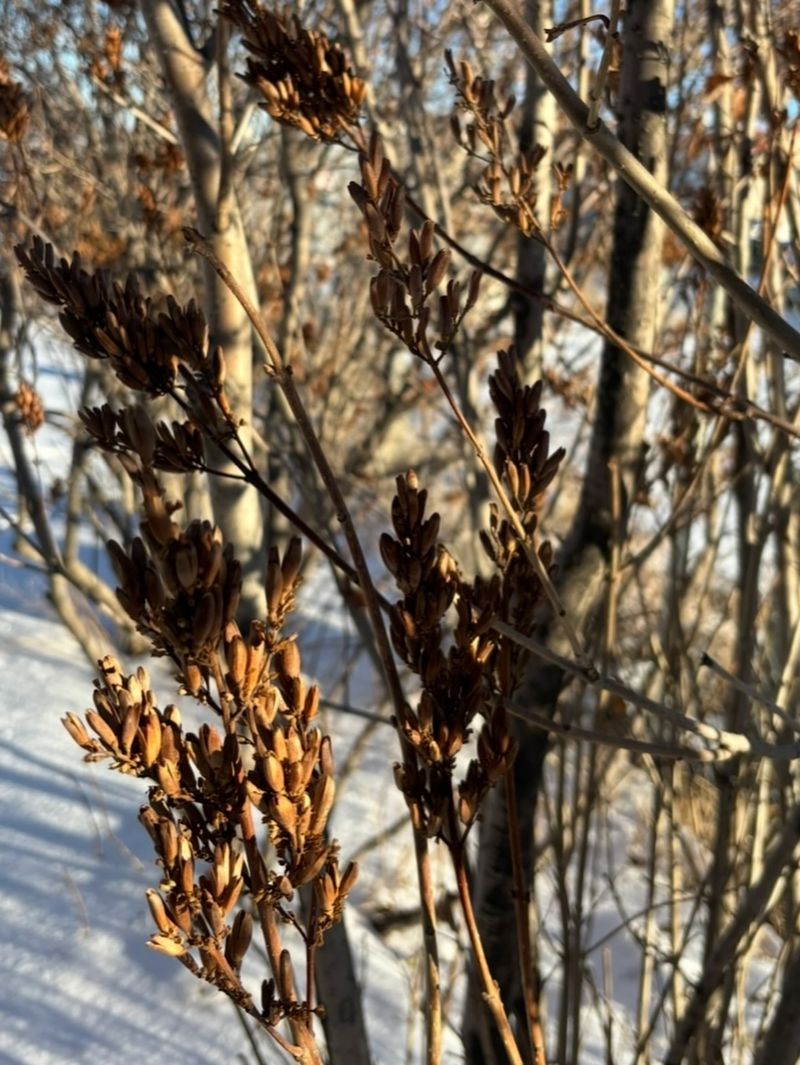
Few things smell as sweet as a lilac in full bloom, and Oregon gardeners treasure these fragrant shrubs.
Lilacs form their flower buds on old wood during the previous growing season.
That means any pruning done now will remove next spring’s blooms before they ever appear.
The best time to trim lilacs is right after they finish flowering, usually in late spring or early summer.
This allows the plant to grow new shoots that will develop buds for the following year.
Pruning in fall or winter is a common mistake that results in disappointment when spring arrives with no flowers.
Lilacs are tough and can handle Oregon’s weather, but they need their branches left alone during dormancy.
If you have overgrown or leggy lilacs, resist the urge to cut them back right now.
Wait until after they bloom, then shape them as needed.
You can remove any broken or damaged branches if necessary, but avoid heavy trimming.
With the right timing, your lilacs will reward you with cascades of purple, white, or pink blossoms that fill your garden with unforgettable fragrance.
4. Forsythia
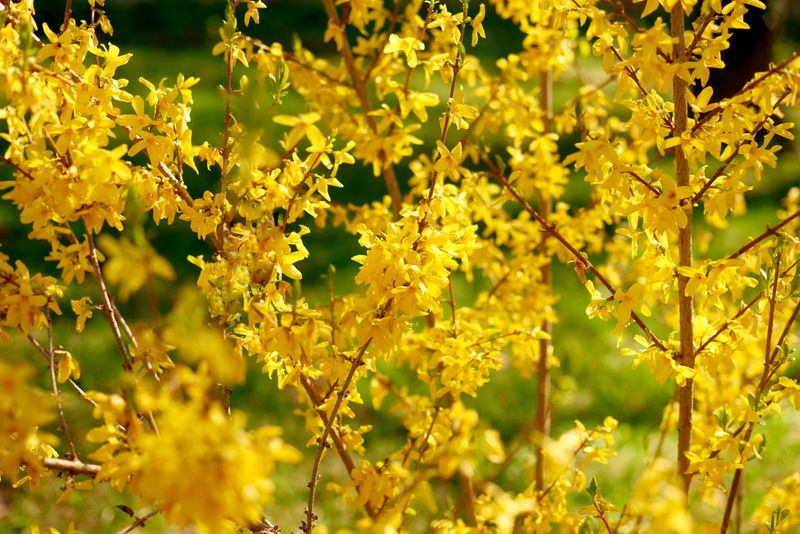
Forsythia is one of the first plants to announce spring’s arrival with its cheerful yellow flowers.
These bright blooms appear on bare branches before the leaves even show up, creating a stunning early-season display.
Right now, forsythia is storing energy and preparing those flower buds on the previous year’s growth.
Pruning at this time would cut away all those buds and leave you with a green bush instead of a golden spectacle.
The correct time to prune forsythia is immediately after it finishes blooming in early spring.
This gives the plant the rest of the growing season to produce new shoots that will flower next year.
Forsythia grows quickly and can become unruly, so many gardeners are tempted to trim it back during dormancy.
However, this timing mistake is one of the most common reasons people end up with forsythia that refuses to bloom.
Oregon’s climate suits forsythia well, and these shrubs are generally low-maintenance.
Just remember to keep your pruning shears in the shed until after those sunny yellow flowers have faded.
Your patience will be rewarded with a brilliant burst of color that lifts everyone’s spirits after a long, gray winter.
5. Flowering Cherry Trees
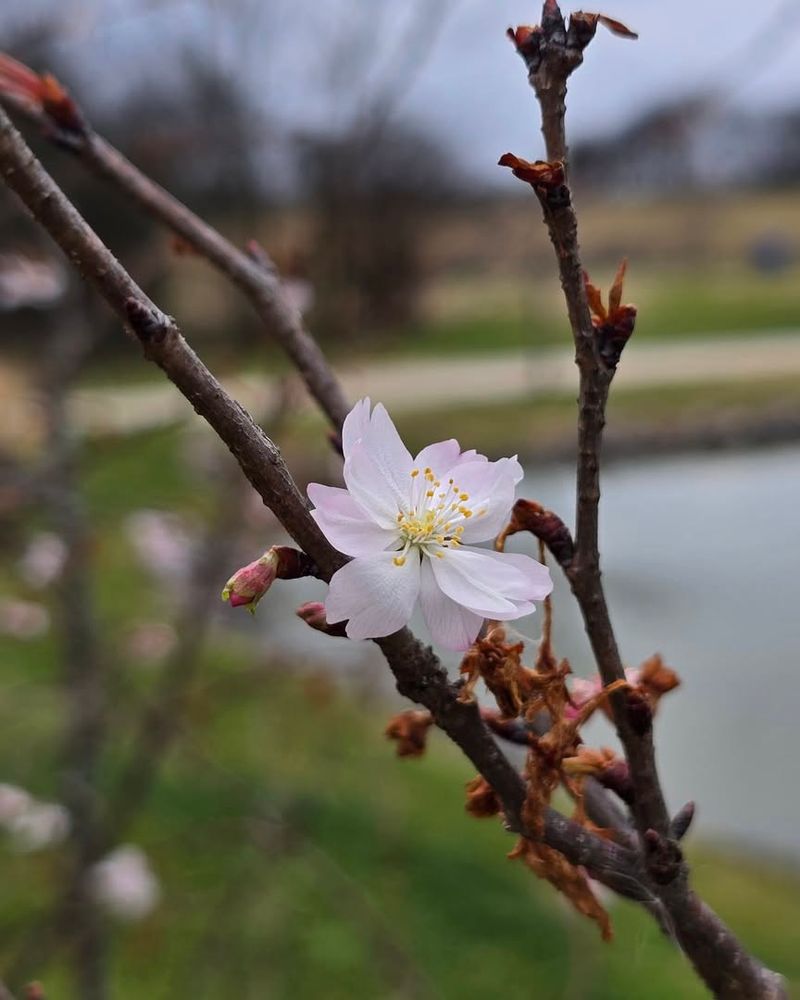
Flowering cherry trees are iconic in Oregon, especially during spring when they transform entire neighborhoods into pink and white wonderlands.
These trees set their flower buds during the previous growing season, so pruning them now would reduce or eliminate next spring’s blooms.
Beyond losing flowers, pruning during dormancy can also expose cherry trees to diseases and pests.
Many fungal infections are more likely to take hold when cuts are made during wet, cool weather, which is common in Oregon winters.
The best time to prune flowering cherries is in late spring or early summer, right after they finish blooming.
This timing allows wounds to heal quickly and reduces the risk of infection.
If you notice broken or damaged branches, you can remove those carefully, but avoid any major shaping or thinning right now.
Flowering cherries are relatively low-maintenance and often need very little pruning to stay healthy and beautiful.
Focus on enjoying their natural form and saving any trimming for the right season.
When spring arrives and those delicate blossoms cover the branches, you’ll be glad you waited.
The sight of a flowering cherry in full bloom is worth the patience and careful timing.
6. Magnolias
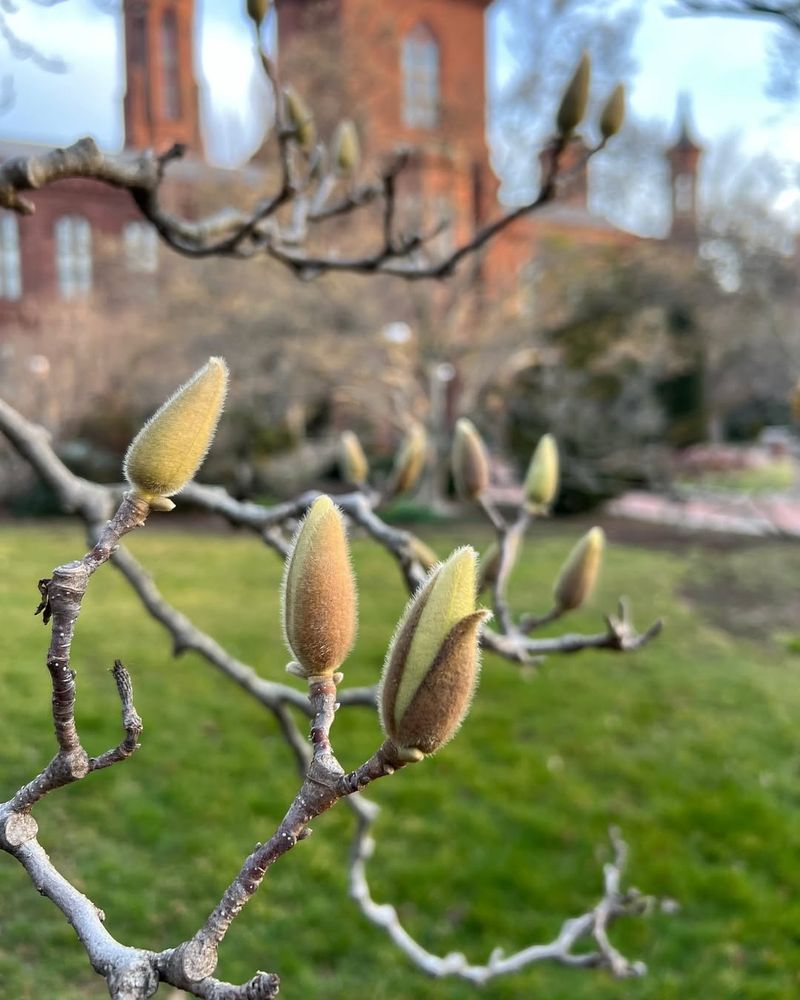
Magnolias are showstoppers with their large, fragrant flowers that appear in early spring.
These trees develop their flower buds months in advance, and those buds are already waiting on the branches right now.
Pruning at this time would mean cutting off the very blooms you’ve been looking forward to all winter.
Magnolias also have a reputation for being sensitive to pruning, and they often heal slowly from cuts.
The best approach is to prune magnolias as little as possible and only after they finish flowering in late spring.
If you absolutely must remove a branch due to damage or disease, do it carefully and sparingly.
Oregon’s climate is ideal for many magnolia varieties, and they thrive with minimal intervention.
These trees have a naturally elegant shape, so heavy pruning is rarely necessary anyway.
Keep your focus on enjoying their beauty rather than trying to reshape them.
When those big, bold flowers open in early spring, they’ll fill your garden with color and fragrance that’s hard to beat.
Magnolias are worth the wait, and respecting their blooming cycle will keep them healthy and stunning for years to come.
7. Hydrangeas (Bigleaf and Oakleaf)
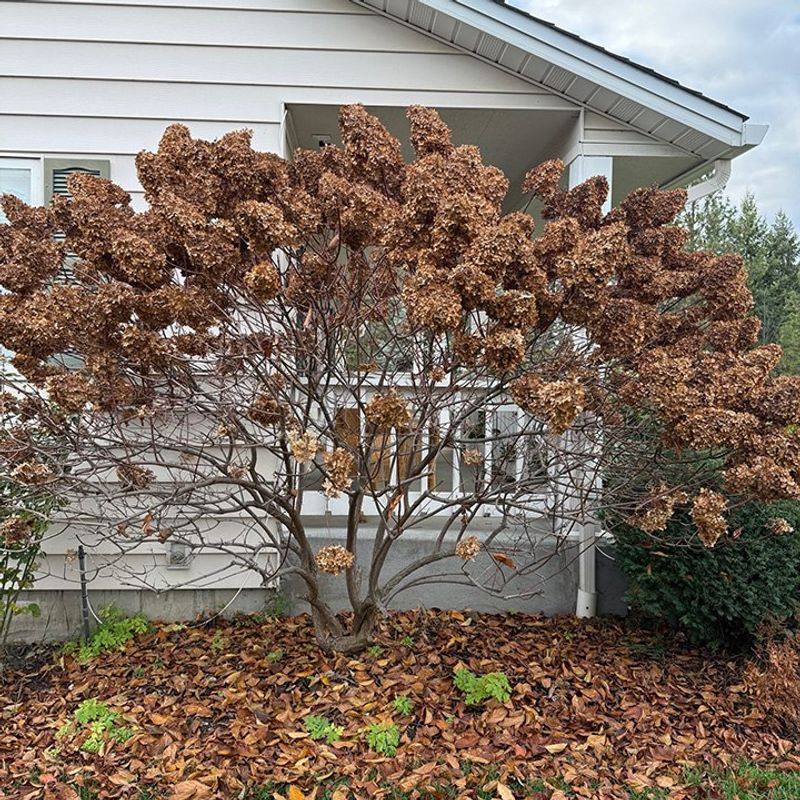
Hydrangeas are a garden favorite, but not all types should be pruned at the same time.
Bigleaf and oakleaf hydrangeas bloom on old wood, which means their flower buds form on stems from the previous year.
If you prune these varieties now, you’ll be cutting off next summer’s blooms before they even have a chance to develop.
Many gardeners make the mistake of tidying up hydrangeas in fall or winter, only to wonder why they don’t bloom the following season.
The key is to leave bigleaf and oakleaf hydrangeas alone until after they flower in summer.
Once the blooms fade, you can remove spent flowers and shape the plant if needed.
Some hydrangea varieties, like panicle and smooth hydrangeas, bloom on new wood and can be pruned in late winter or early spring.
However, bigleaf and oakleaf types need their old stems left intact to produce flowers.
Oregon’s mild climate is perfect for hydrangeas, and they can grow quite large and lush here.
Resist the urge to cut them back right now and enjoy the dried flower heads through winter.
Come summer, you’ll be rewarded with beautiful blooms in shades of blue, pink, purple, and white.
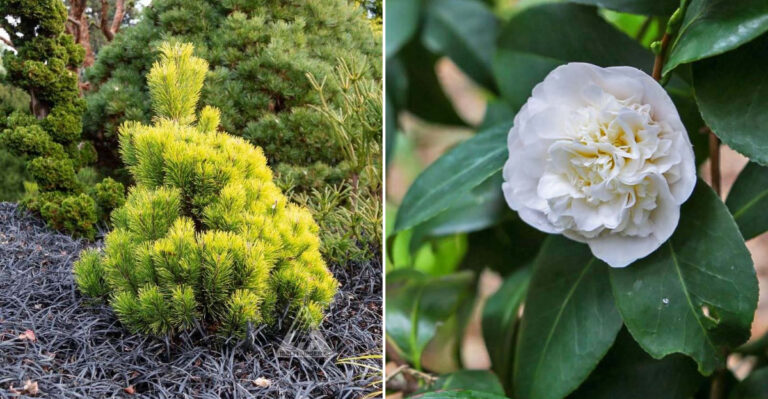
8. Camellias
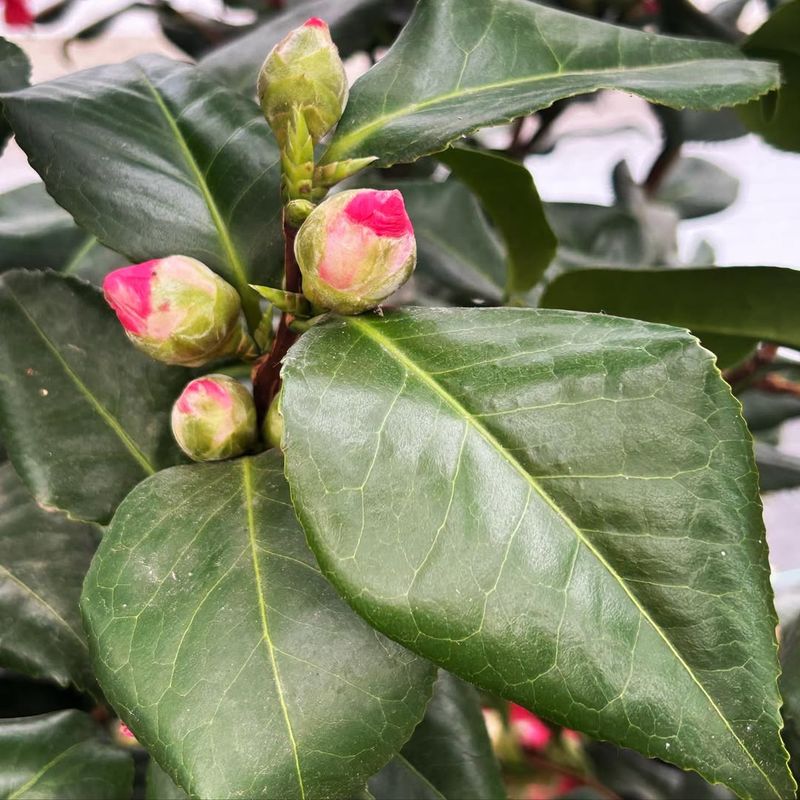
Camellias are evergreen treasures that bloom during fall, winter, or early spring depending on the variety.
Right now, many camellias are either in bloom or have buds forming for their upcoming flowering season.
Pruning at this time would remove those buds and flowers, leaving you with a plain green shrub instead of a floral display.
Camellias prefer to be pruned right after they finish blooming, which gives them time to set new buds for the next season.
These plants are generally low-maintenance and don’t require heavy pruning to stay healthy and attractive.
If you notice any branches that are damaged or crossing awkwardly, you can remove those carefully after flowering.
Oregon’s climate is ideal for camellias, and they thrive in the cool, moist conditions found in many parts of the state.
These shrubs are slow-growing and naturally well-shaped, so they rarely need much trimming.
Focus on mulching and watering instead of pruning, and let the plant do its thing.
When those elegant flowers open, they’ll add a touch of elegance to your winter or early spring garden.
Camellias are patient plants, and they reward gardeners who respect their blooming cycle with stunning, long-lasting flowers.
9. Witch Hazel
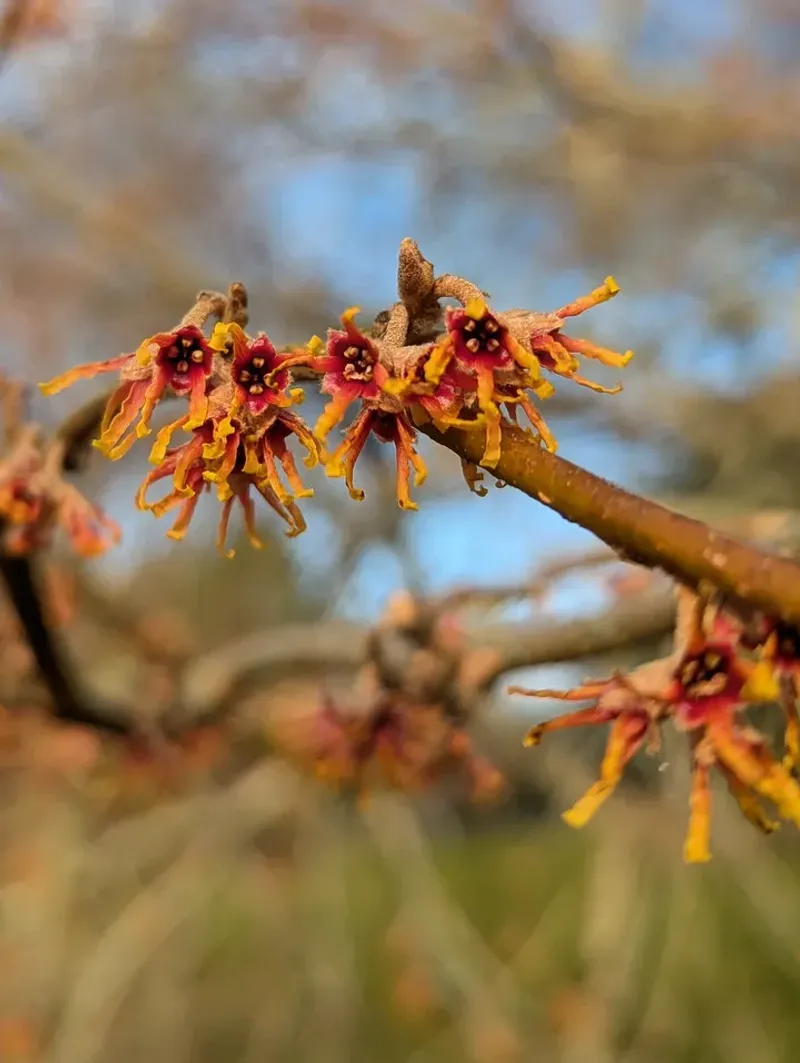
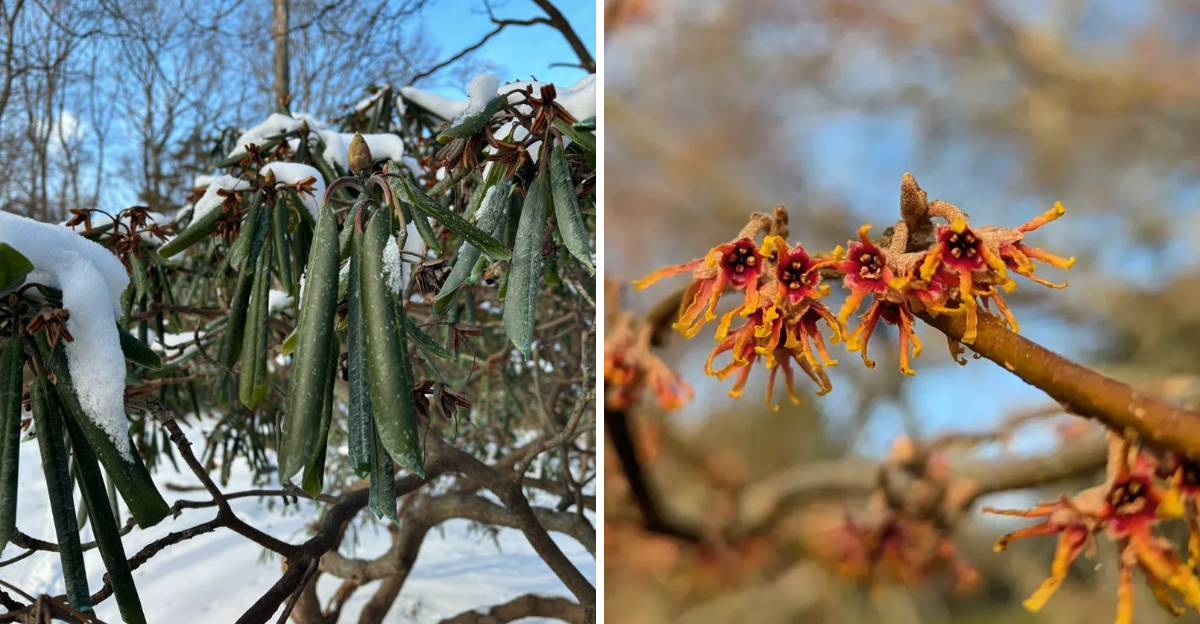
Witch hazel is a unique shrub that blooms in late winter or early spring, often while snow is still on the ground.
Its spidery yellow, orange, or red flowers appear on bare branches and bring a welcome splash of color during the coldest months.
Right now, witch hazel is preparing to bloom or may already be showing its first flowers.
Pruning at this time would remove those blooms and rob you of one of the few bright spots in a winter garden.
The best time to prune witch hazel is right after it finishes flowering in early spring.
This allows the plant to grow new shoots that will develop buds for the following year.
Witch hazel is naturally slow-growing and has an attractive, open form that rarely needs much shaping.
If you do need to remove any branches, wait until after the flowers fade.
Oregon gardeners appreciate witch hazel for its cold-weather blooms and its low-maintenance nature.
These shrubs are also valued for their fall foliage, which turns brilliant shades of yellow, orange, and red.
Leave your witch hazel alone for now and enjoy its cheerful winter flowers.
It’s one of the few plants that brightens up the garden when everything else is dormant.
10. Pieris (Japanese Andromeda)
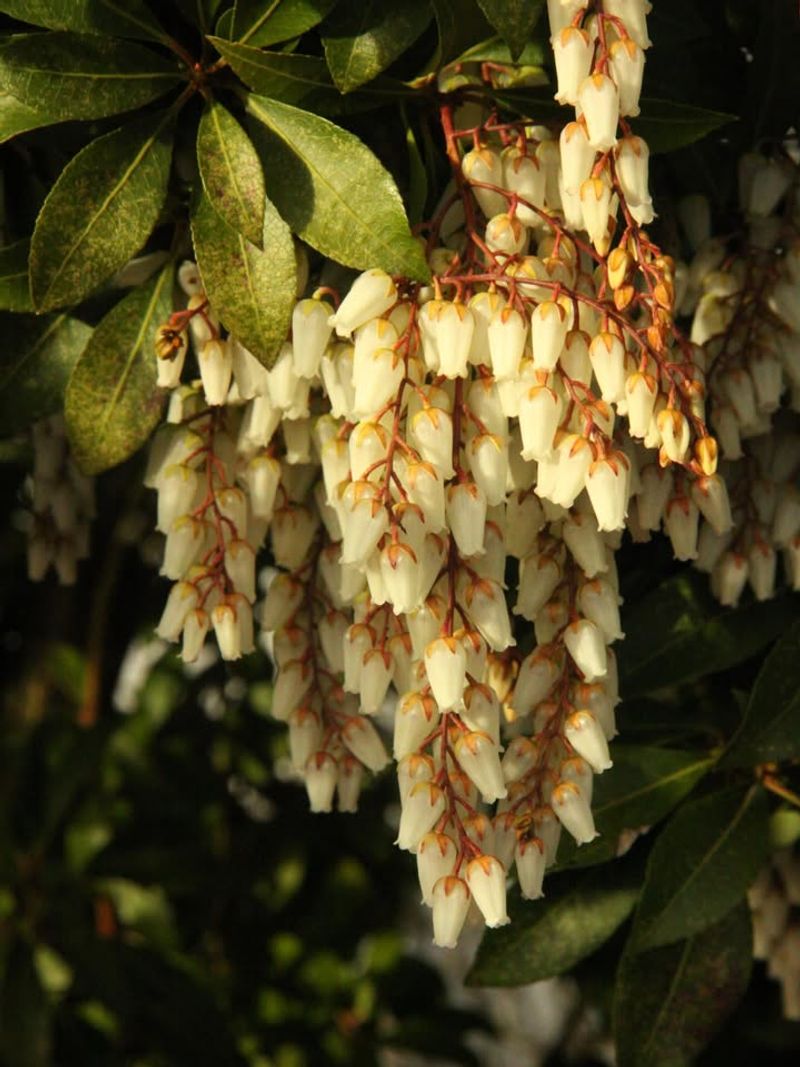
Pieris, also known as Japanese andromeda, is an evergreen shrub that produces cascading clusters of bell-shaped flowers in early spring.
Right now, this plant is covered in decorative flower buds that dangle like tiny ornaments from the branches.
These buds have been forming since late summer, and they’re just waiting for warmer weather to open into beautiful blooms.
Pruning pieris now would remove all those buds and leave you with nothing but green foliage when spring arrives.
The best time to trim pieris is right after it finishes flowering, usually in late spring or early summer.
This gives the plant plenty of time to grow new shoots and set buds for the next year.
Pieris is naturally compact and tidy, so it rarely needs heavy pruning anyway.
If you notice any damaged or diseased branches, you can remove those carefully, but avoid shaping or thinning the plant right now.
Oregon’s climate is perfect for pieris, and it thrives in shady, moist conditions.
These shrubs are also valued for their colorful new growth, which often emerges in shades of red, pink, or bronze.
Hold off on pruning and enjoy the anticipation of those graceful spring flowers that make pieris such a garden gem.