7 Plants Pennsylvania Gardeners Regret Planting (Plus What To Grow Instead)
Gardening in Pennsylvania can be rewarding, but sometimes even the most enthusiastic gardeners make choices they later regret. Certain plants struggle with local soil, weather, or pests, and what seems like a perfect addition at first can quickly become a headache.
Overgrown roots, invasive spread, or weak growth are just a few issues that can turn a garden from charming to frustrating.
The good news is that knowing which plants tend to cause problems can save you time, money, and stress. By avoiding these tricky varieties, you can focus on options that thrive in Pennsylvania’s climate and complement your existing garden.
There are plenty of alternatives that offer beauty, hardiness, and minimal fuss. With careful selection, your yard can be vibrant, well balanced, and low-maintenance.
Learning from common mistakes helps gardeners create spaces they can enjoy, rather than manage, throughout the growing season.
1. Bradford Pear: Beautiful But Problematic
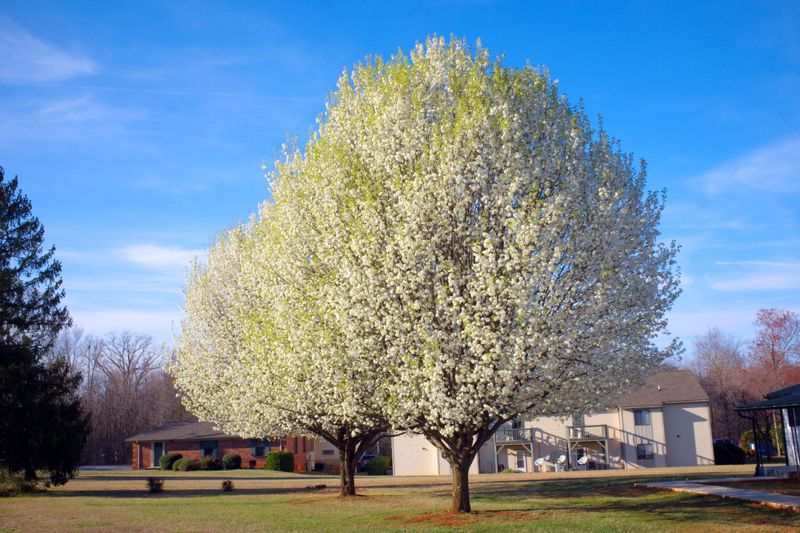
Few trees have had such a dramatic fall from grace as the Bradford pear. Back in the 1960s and 1970s, it was planted all over Pennsylvania neighborhoods because of its stunning white spring blossoms.
Homeowners loved the look, and nurseries could not keep them in stock. The problem is that Bradford pear trees are structurally weak. Their branches grow at tight angles, which makes them prone to splitting during storms.
Pennsylvania gets its fair share of heavy snow and strong winds, and Bradford pears often end up with large limbs crashing down onto roofs, cars, and fences.
On top of that, Bradford pear trees have become invasive. Birds eat the small fruit and spread seeds into wild areas, crowding out native plants across the state. The trees also produce a smell that many people find unpleasant when they bloom.
Luckily, there are much better options for Pennsylvania gardeners who love spring-blooming trees. Serviceberry, also called Juneberry, offers beautiful white flowers in early spring, followed by tasty berries that birds and people both enjoy.
Eastern Redbud is another fantastic choice, lighting up the landscape with rosy-pink blooms before its leaves even appear.
Both trees are native to Pennsylvania, meaning they support local pollinators and wildlife without spreading aggressively. They are also much sturdier in storms.
Swapping out a Bradford pear for one of these natives is one of the best upgrades a Pennsylvania gardener can make.
2. Japanese Barberry: A Spiky Troublemaker
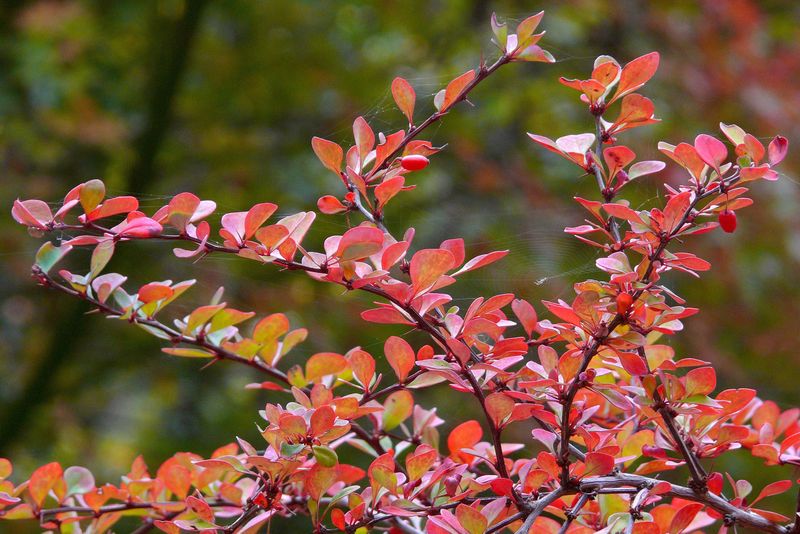
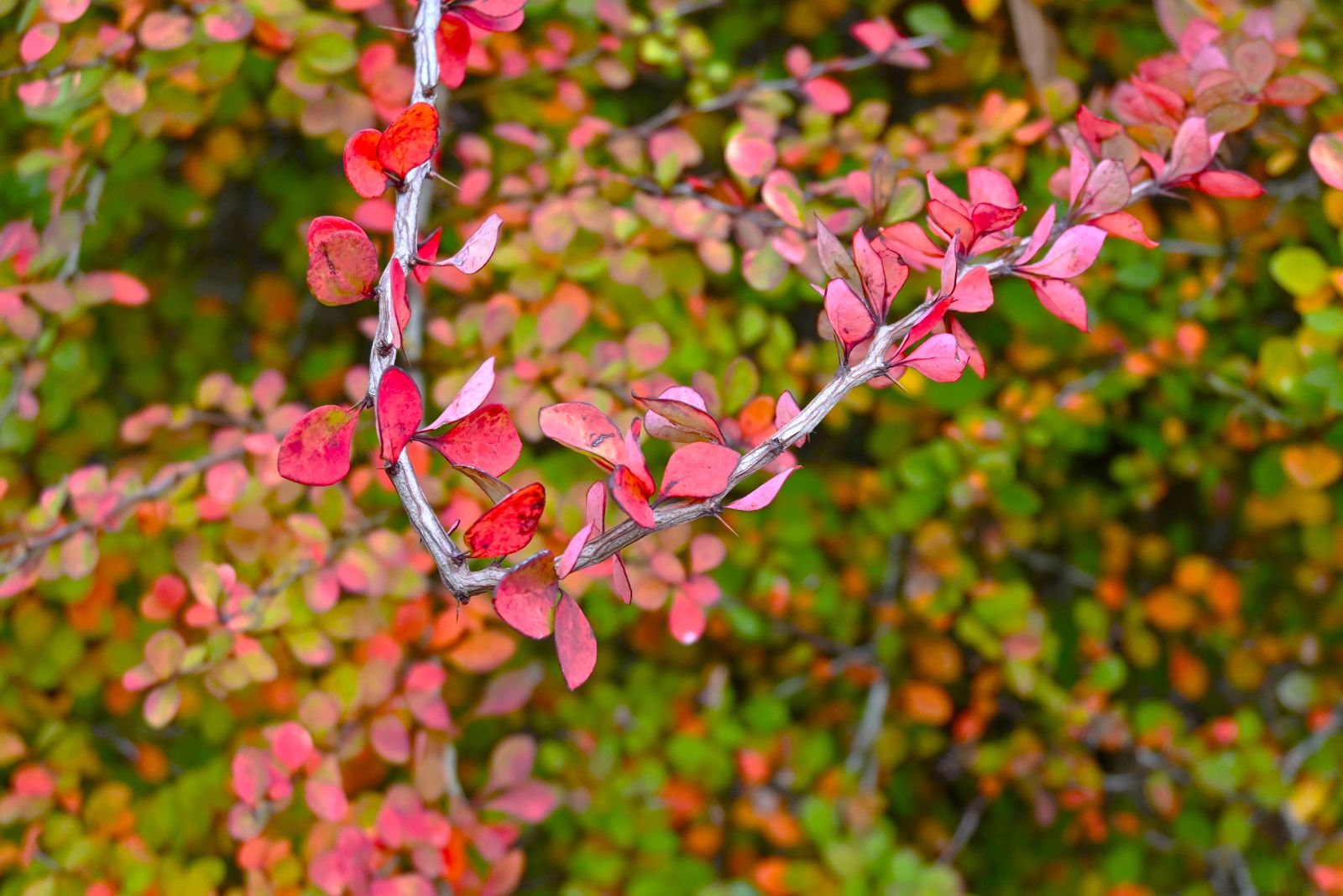
Japanese barberry might look harmless with its small red berries and colorful leaves, but this shrub has earned a bad reputation across Pennsylvania.
It was originally brought from Asia as an ornamental plant, and for a while, it was a popular choice for hedges and borders. That popularity came with serious consequences.
One of the biggest concerns with Japanese barberry is its connection to tick populations. Studies have found that the dense, low-growing branches create a humid environment that ticks love.
White-tailed deer avoid eating barberry because of its thorns, which means the shrub spreads freely while deer browse on other native plants around it. This has made tick-heavy areas even worse in parts of Pennsylvania.
Japanese barberry also changes the soil chemistry wherever it grows, making it harder for native plants to survive nearby. Several states have already banned its sale, and Pennsylvania gardeners are wise to pull it out whenever they find it.
For a similar look without the headaches, inkberry holly is a wonderful native substitute. It has a similar rounded shape and produces dark berries that songbirds adore.
Ninebark is another excellent option, offering peeling bark for winter interest and clusters of white flowers in summer. Both plants are tough, low-maintenance, and play well with Pennsylvania’s native ecosystem.
Making the switch from Japanese barberry to one of these plants is a smart move for any gardener who cares about their yard and their health.
3. Mint Planted In Garden Beds: A Spreading Nightmare
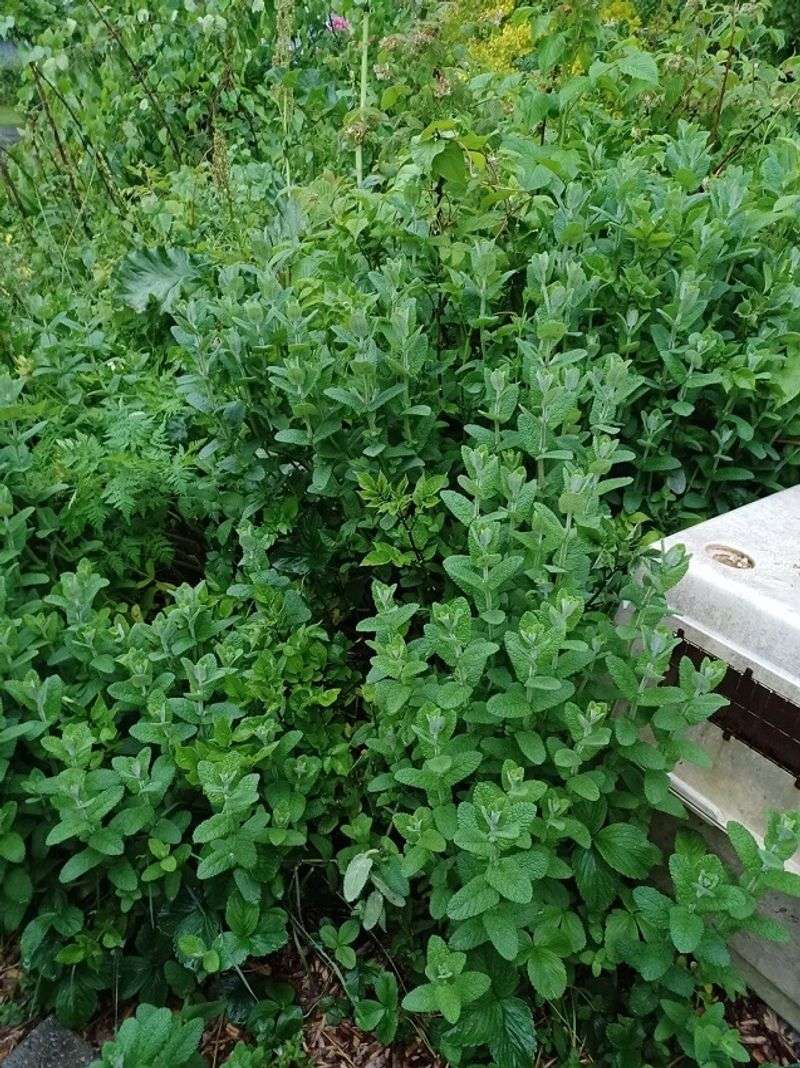
Mint smells amazing, tastes great in recipes, and seems like the perfect addition to any herb garden. Ask any experienced Pennsylvania gardener about planting mint directly in the ground, though, and you will likely get a groan in response.
Mint is one of those plants that seems innocent at first and then slowly takes over everything around it.
The reason mint spreads so aggressively is its underground root system, called rhizomes. These roots travel horizontally beneath the soil, sending up new shoots far from where you originally planted.
Within just one or two growing seasons, mint can push out other herbs, flowers, and vegetables in the same bed. Getting rid of established mint is a real challenge because even small pieces of root left in the soil will sprout new plants.
The good news is that you do not have to give up mint entirely. Planting it in containers is the most popular solution, and it works very well.
Keep the pot on a patio or deck, and mint stays right where you want it. Just make sure the container has drainage holes so the roots do not get waterlogged.
If you want a well-behaved herb with a pleasant scent for your Pennsylvania garden beds, lemon balm is a great alternative. It has a refreshing citrus fragrance, attracts pollinators, and spreads much more slowly than mint.
Lemon balm also makes a lovely herbal tea. It gives you the herby garden feel without the chaos that mint tends to bring.
4. Bamboo: The Underground Invader
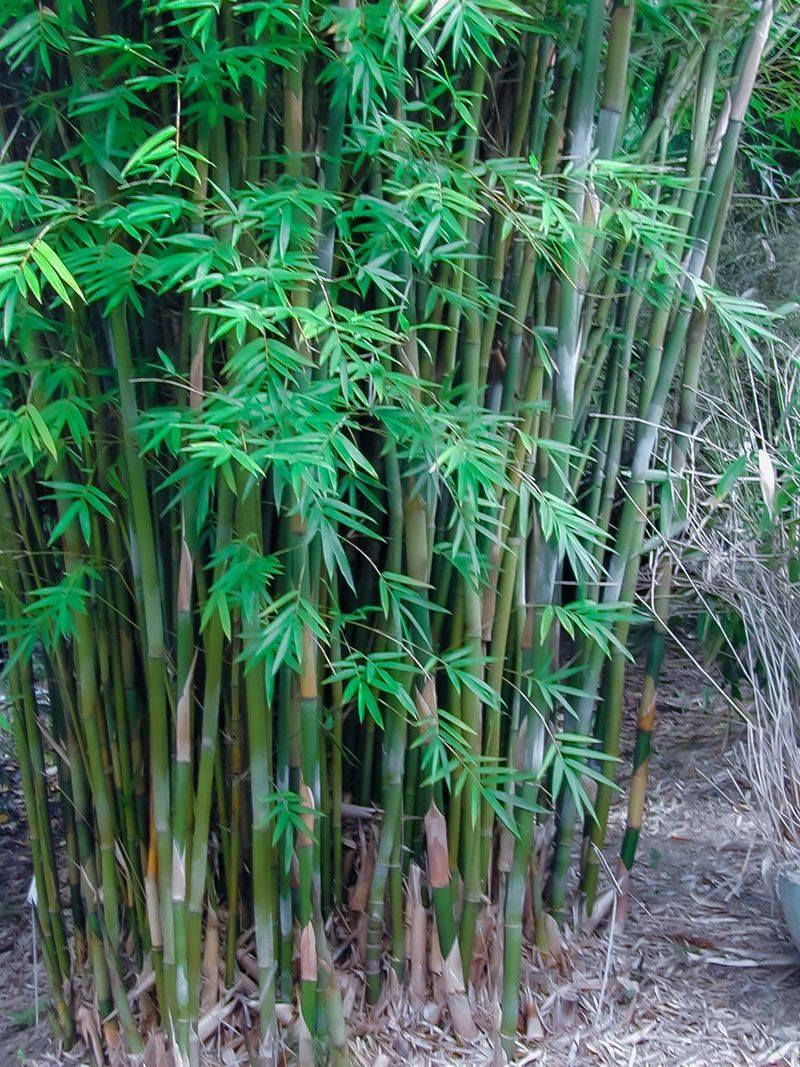
Bamboo has a certain exotic appeal. It grows tall, sways gracefully in the breeze, and can create an instant privacy screen.
Many Pennsylvania homeowners have planted running bamboo for exactly these reasons, only to regret it deeply a few years later.
Running bamboo spreads through underground stems called rhizomes, and it does so with shocking speed. Unlike clumping bamboo, which stays in a manageable mound, running bamboo can travel ten feet or more from the original plant in a single growing season.
It pushes under fences, pops up in vegetable gardens, and can even crack through pavement and foundations over time. Neighbors in Pennsylvania have ended up in disputes over bamboo that crossed property lines, and removing it can take years of persistent effort.
Pennsylvania’s climate is actually very friendly to certain bamboo species, which means the plant thrives here and shows no signs of slowing down on its own.
If you have already planted running bamboo, installing a deep root barrier around the perimeter can help slow the spread.
For gardeners who want height and movement in their landscape without the chaos, switchgrass is a spectacular native alternative. It grows in graceful clumps, moves beautifully in the wind, and supports native birds and insects throughout the seasons.
Other tall ornamental grasses like native big bluestem also work well in Pennsylvania yards. They offer privacy and visual drama without any of the underground drama that bamboo is notorious for bringing to the garden.
5. English Ivy: Pretty But Persistent
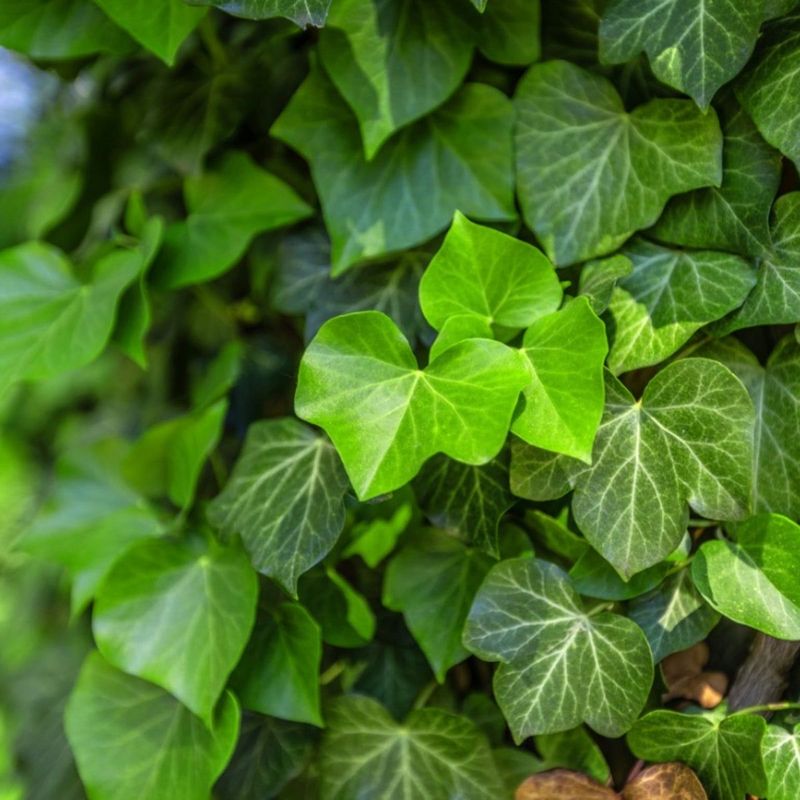
Walk through almost any older Pennsylvania neighborhood and you will spot English ivy creeping up walls, fences, and tree trunks. For decades, it was considered a classic, elegant groundcover.
Gardeners loved how it stayed green year-round and covered bare spots quickly. The reality, however, is much less charming once you see what English ivy actually does over time.
English ivy is one of the most aggressive groundcovers growing in Pennsylvania today. It forms dense mats that block sunlight from reaching the forest floor, preventing native wildflowers and seedlings from getting established.
When it climbs trees, it adds enormous weight to the trunk and branches, making the trees much more vulnerable to wind and ice damage. Foresters sometimes call heavily ivy-covered trees “ivy deserts” because nothing else can grow beneath them.
Removing established English ivy is a long, frustrating project. The vines attach tightly to bark and masonry, and any roots left in the soil will resprout.
Many Pennsylvania conservation groups actively work to remove English ivy from natural areas because of the damage it causes to native ecosystems.
Climbing hydrangea is a beautiful, well-behaved substitute for Pennsylvania gardeners who love the look of a climbing vine. It produces gorgeous white flower clusters in summer and clings to walls without damaging them.
Native Virginia creeper is another excellent option, offering fiery red fall color and berries that local birds rely on for food. Both plants add beauty to the landscape while supporting the environment rather than harming it.
6. Tree Of Heaven: Fast, Aggressive, And Dangerous
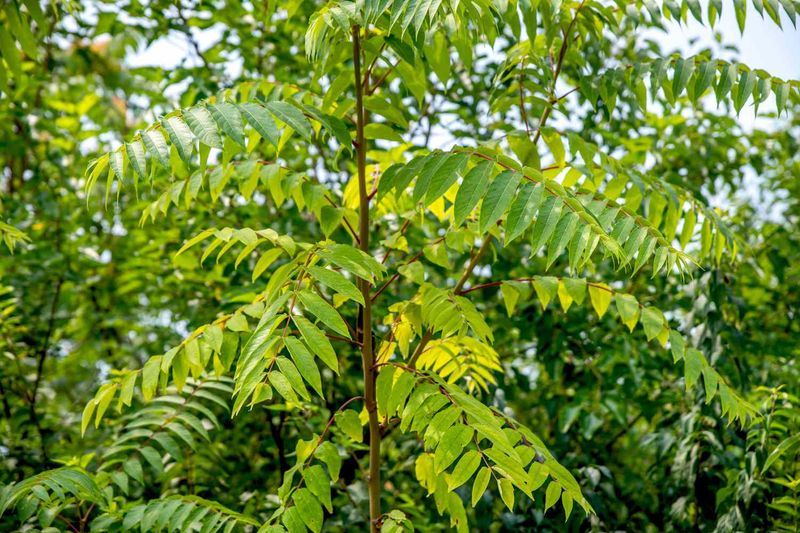
Despite its heavenly name, the Tree of Heaven is considered one of the most problematic invasive trees in Pennsylvania.
Originally brought from China in the 1700s as an ornamental tree, it has spread across the entire state and shows up in sidewalk cracks, roadsides, abandoned lots, and forest edges.
If you have ever noticed a fast-growing tree with long, feather-like leaves taking over a disturbed area, there is a good chance it was a Tree of Heaven.
One of the biggest reasons Pennsylvania officials are especially concerned about this tree right now is its relationship with the spotted lanternfly.
This invasive insect, which has caused serious damage to Pennsylvania’s agriculture and forests, strongly prefers the Tree of Heaven as a host plant.
By removing Tree of Heaven from your property, you can actually help reduce spotted lanternfly populations in your area. That is a meaningful contribution to Pennsylvania’s ongoing effort to control this pest.
Tree of Heaven also releases chemicals into the soil that prevent other plants from growing nearby, a process called allelopathy. It spreads rapidly from seeds and from root sprouts, making it very persistent once established.
Black gum, also known as tupelo, is a stunning native tree that makes a worthy replacement. Its fall foliage turns brilliant shades of red and orange, and it supports a wide range of native wildlife.
Red maple is another fantastic choice for Pennsylvania yards, offering fast growth, gorgeous fall color, and strong ecological value without any of the invasive behavior.
7. Purple Loosestrife: A Pretty Problem In Wetlands
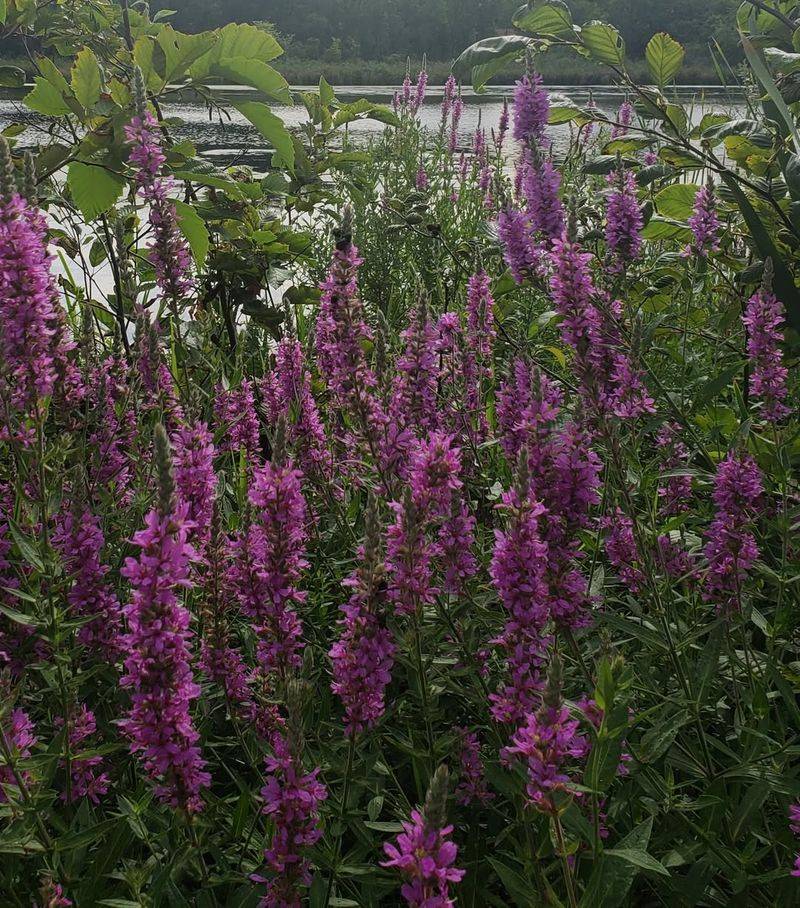
Purple loosestrife is genuinely stunning. Its tall spikes of bright magenta flowers look like something out of a fairy tale, especially when they bloom along Pennsylvania’s rivers, ponds, and wetland edges in midsummer.
For years, gardeners planted it deliberately because of its beauty and its ability to thrive in wet areas. Unfortunately, that beauty hides a destructive side.
Purple loosestrife is one of the most damaging invasive plants in Pennsylvania’s wetland ecosystems. A single mature plant can produce up to two million seeds in one season.
Those seeds spread by wind and water, allowing the plant to colonize new wetland areas with alarming speed.
Once established, it forms dense stands that push out native cattails, sedges, and other wetland plants that local wildlife depend on for food and shelter. Waterfowl, amphibians, and native insects all suffer when purple loosestrife takes over.
Pennsylvania has listed purple loosestrife as a noxious weed, which means selling it or planting it intentionally is not allowed. If you spot it along a waterway near your property, reporting it to local conservation authorities is a helpful step.
For Pennsylvania gardeners who want that same bold, colorful look in wet or moist areas, blue vervain is a wonderful native substitute. It produces slender purple flower spikes that pollinators absolutely love.
Swamp milkweed is another outstanding option, with clusters of soft pink blooms that support monarch butterflies and other native bees. Both plants bring color and life to moist garden areas while working with Pennsylvania’s natural ecosystem instead of against it.