10 Plants That Actually Thrive In Late-Winter Weather In Wisconsin
Late winter in Wisconsin can feel long, gray, and frozen—but some plants don’t just survive—they thrive.
While most gardens look dormant, these hardy species push through cold temperatures, icy winds, and lingering snow to bring early color, texture, and life to your outdoor spaces.
Winter doesn’t have to mean a barren garden—these plants prove it!
From evergreen shrubs and ornamental grasses to early-blooming perennials, these ten plants are perfectly suited to Wisconsin’s harsh late-winter conditions.
They tolerate frost, snow, and fluctuating temperatures, giving your landscape structure and interest when most plants are resting.
With proper placement and minimal care, they add beauty and resilience to even the coldest gardens. While other plants wait for spring, these hardy species get a head start.
For Wisconsin gardeners looking to combat winter doldrums, planting or highlighting these tough, reliable species ensures your garden has color, shape, and life all season long.
They’re proof that even in the coldest months, your landscape can thrive. Late-winter gardening isn’t impossible—it’s just a matter of choosing the right plants.
1. Hellebores (Lenten Rose)
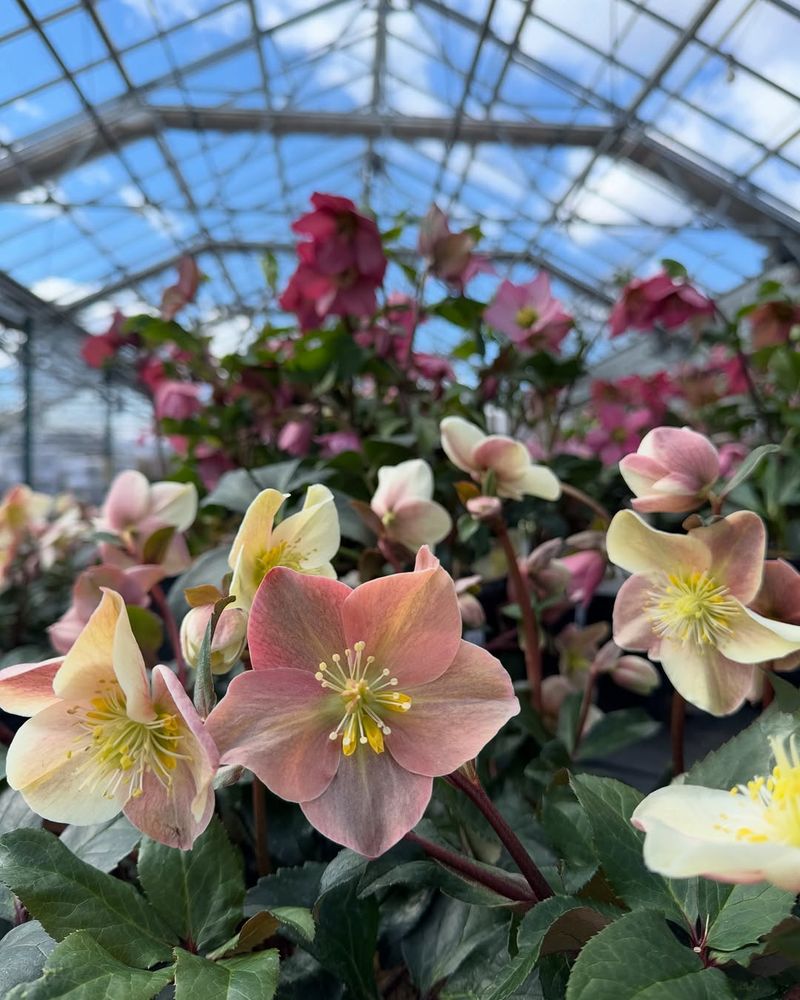
Imagine pushing through inches of snow to find delicate blooms nodding gracefully in the February chill, and you have discovered the remarkable hellebore.
This perennial wonder earns its nickname “Lenten Rose” because it often flowers during the Lenten season when most Wisconsin gardens still look barren and lifeless.
The thick, leathery leaves stay evergreen through brutal cold snaps, acting like natural insulation that protects the plant’s crown from temperature swings.
Hellebores produce stunning flowers in shades of white, pink, purple, and even green that hang downward like little lanterns, which helps protect their delicate reproductive parts from snow and ice.
Their waxy petals have a special coating that repels moisture, preventing frost damage that would devastate less adapted flowers.
Wisconsin gardeners love planting them under deciduous trees where they receive winter sunlight before the tree canopy fills in.
Once established, hellebores need very little attention and actually prefer being left alone to naturalize in their chosen spot.
They self-seed readily, creating beautiful colonies that expand year after year without any effort on your part.
The blooms last for months rather than weeks, providing continuous color from late winter straight through early spring when your garden desperately needs visual interest and your spirits need lifting after the long cold season.
2. Snowdrops (Galanthus)
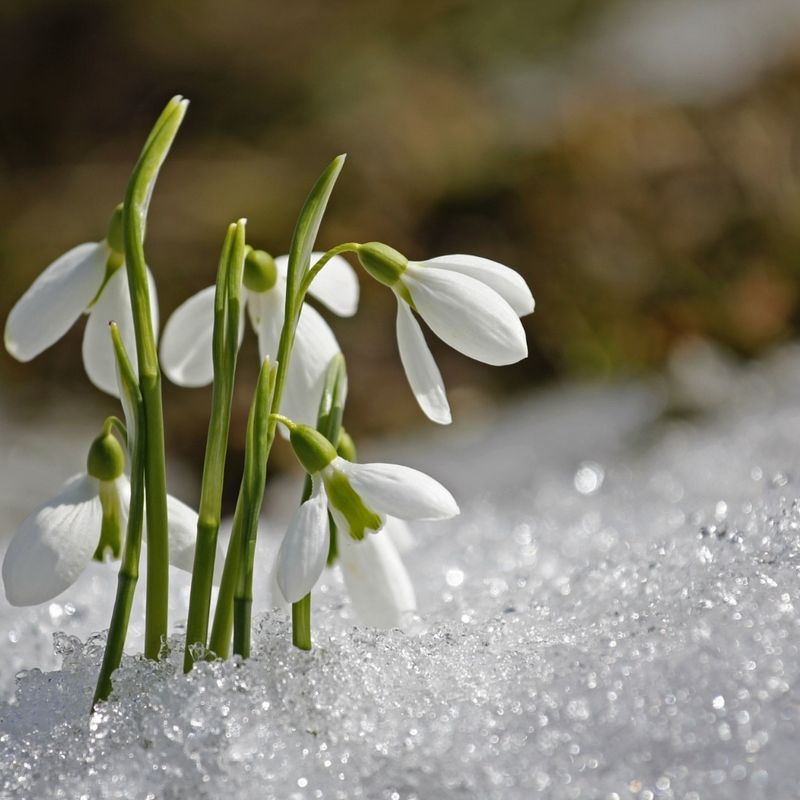
Few sights bring more joy to Wisconsin gardeners than spotting the first snowdrops pushing their way through frozen ground in late February or early March.
These tiny but mighty bulbs contain special antifreeze proteins that allow them to generate heat and literally melt their way through ice and compacted snow.
Their narrow, blade-like foliage acts like a drill bit, piercing through the hardest ground with surprising determination.
Snowdrops earned their common name honestly because they frequently bloom while surrounded by snow, creating magical scenes that look like something from a fairytale.
The small white flowers dangle like little bells, each petal marked with delicate green spots that add subtle beauty to their pure appearance.
Their early bloom time means they finish flowering and storing energy before trees leaf out, making them perfect for planting under deciduous shade trees.
These bulbs multiply naturally over time, forming thick carpets that become more impressive with each passing year.
Wisconsin’s cold winters actually benefit snowdrops because they need a proper chill period to bloom successfully, which means they perform better here than in warmer climates.
Plant them in fall about three inches deep, and they will reward you with reliable blooms year after year without demanding fertilizer, division, or special treatment of any kind.
3. Winter Aconite
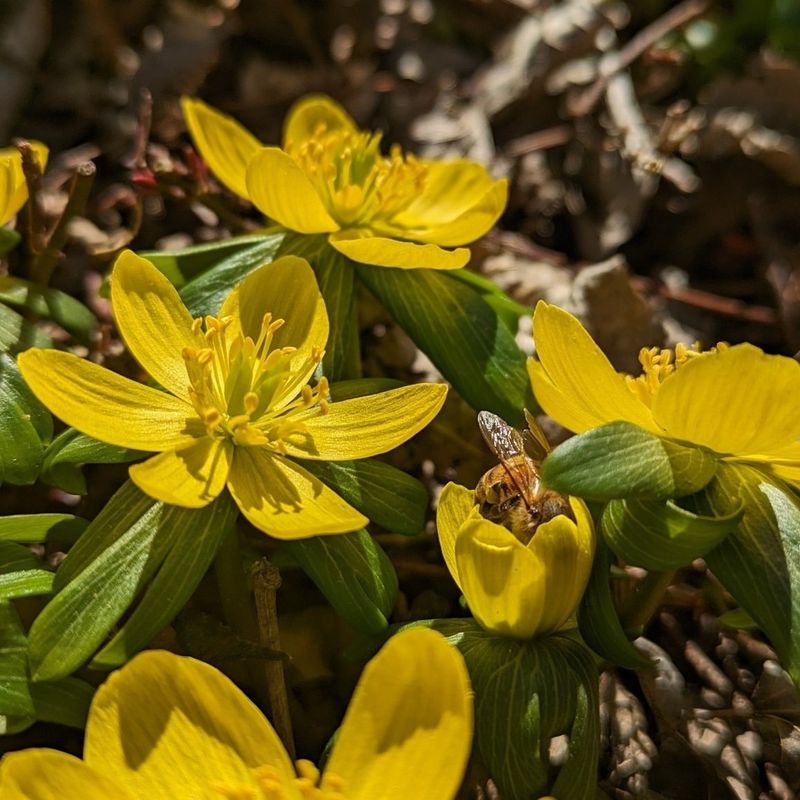
Bright golden-yellow flowers appearing while snow still covers the ground might seem impossible, but winter aconite makes this cheerful miracle happen every late winter across Wisconsin.
These low-growing perennials bloom even earlier than crocuses in many locations, sometimes appearing in late February when winter still feels firmly in control.
Their buttercup-like flowers sit atop a ruff of green leaves that looks like a fancy collar, creating a distinctive appearance you will recognize instantly.
Winter aconite grows from small tubers rather than true bulbs, and these underground storage organs contain enough energy to push through frozen soil and produce flowers before the plant even needs to photosynthesize.
The sunny yellow blooms open during warmer daytime hours and close up tight when temperatures plummet at night, protecting their reproductive parts from frost damage.
Bees and other early pollinators absolutely love them because they provide crucial nectar when almost nothing else is blooming.
Plant winter aconite tubers in fall, soaking them overnight first because they arrive quite dried out and rehydrate slowly.
They prefer spots under deciduous trees where they receive winter and early spring sunlight but summer shade after they go dormant.
Once established, they naturalize beautifully, spreading to form golden carpets that brighten the dreariest late-winter days and remind you that spring truly is coming, even when the forecast predicts another snowstorm.
4. Witch Hazel
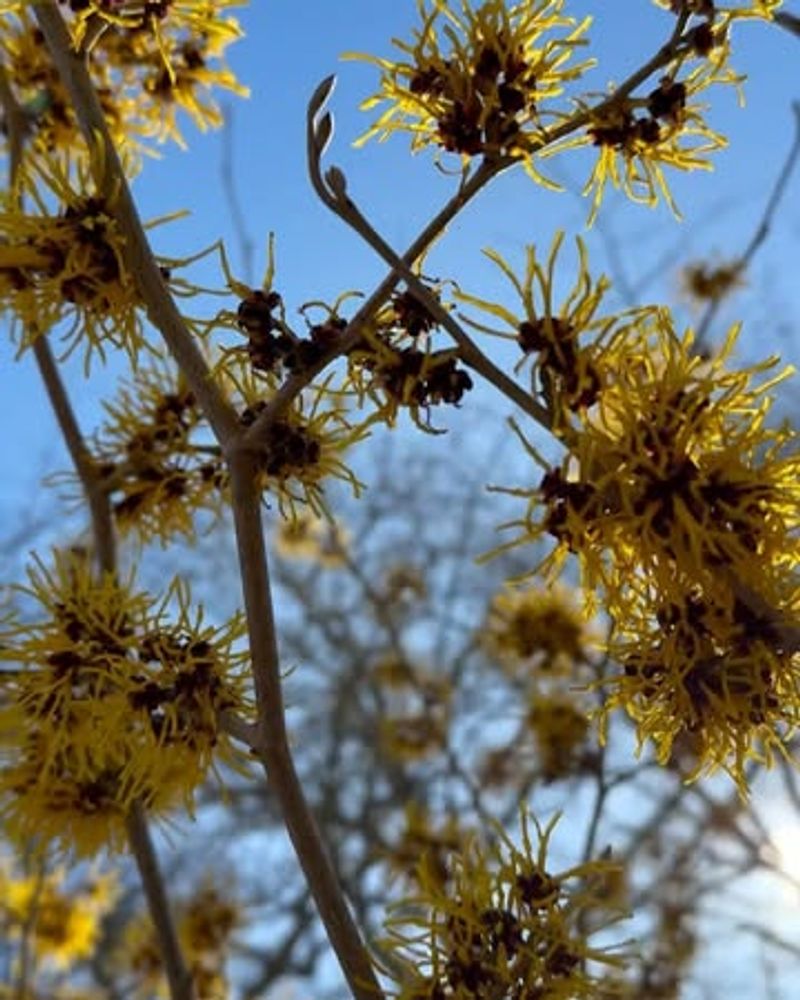
When absolutely nothing else dares to bloom in the Wisconsin landscape, witch hazel shrubs burst into fragrant flower, defying every expectation about when plants should blossom.
These remarkable shrubs produce spidery flowers with ribbon-like petals in shades of yellow, orange, or red that appear in late winter, sometimes even in January during milder years.
The blooms release a sweet, spicy fragrance that carries surprisingly far on cold air, attracting any insects brave enough to venture out during winter warm spells.
Witch hazel flowers have an amazing survival trick that protects them from sudden temperature drops and heavy snowfalls that would destroy ordinary blooms.
The delicate-looking petals can curl up tight when temperatures plummet, then unfurl again when conditions improve, allowing the same flowers to last for weeks despite harsh conditions.
This adaptation means witch hazel provides extended color and interest during the season when your landscape needs it most desperately.
These large shrubs eventually reach ten to fifteen feet tall and wide, making them substantial landscape features that offer multiple seasons of interest beyond their winter blooms.
Their leaves turn brilliant yellow, orange, and red in autumn before dropping to reveal smooth gray bark.
Wisconsin gardeners should choose native species or cultivars bred for cold hardiness to ensure reliable blooming and winter survival in our challenging climate conditions.
5. Crocus
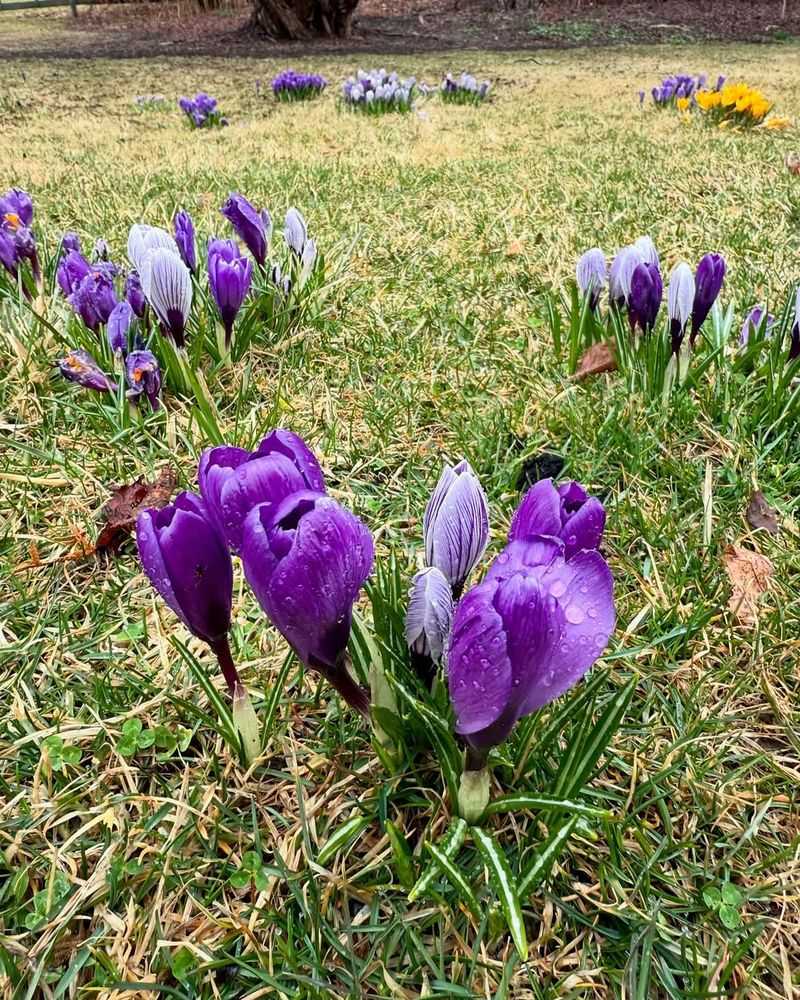
Ask any Wisconsin gardener about the first sign of spring, and they will probably mention crocuses pushing through cold soil to announce that warmer days are finally approaching.
These cheerful bulbs thrive in the cold temperatures that still dominate late winter, actually preferring to bloom when nighttime temperatures hover around freezing.
Their cup-shaped flowers come in vibrant purples, yellows, whites, and striped combinations that create stunning displays when planted in large groups or drifts.
Crocus bulbs contain all the energy needed to produce flowers stored from the previous growing season, which allows them to bloom before their leaves have even fully emerged or begun significant photosynthesis.
The flowers close up tight at night and during cloudy weather, then open wide when sunshine appears, tracking the sun across the sky like tiny solar panels.
This opening and closing behavior helps protect their reproductive parts from frost while maximizing pollination opportunities during warmer daylight hours.
Plant crocus bulbs in fall about three to four inches deep in well-draining soil, because they will rot quickly if water pools around them during spring snowmelt.
They naturalize beautifully in lawns if you can resist mowing until their foliage yellows and dies back naturally, which allows them to store energy for next year’s blooms.
Squirrels and chipmunks sometimes dig up newly planted bulbs, so covering planting areas with chicken wire until the ground freezes solid can prevent frustrating losses.
6. Siberian Iris
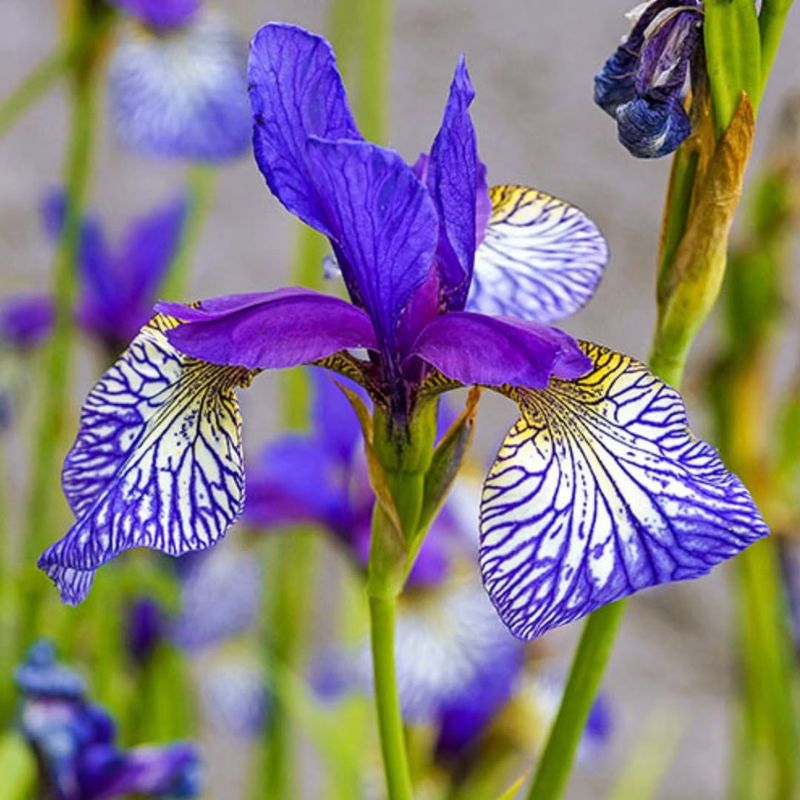
While most irises prefer well-drained conditions, Siberian iris actually thrives in the soggy, waterlogged soil that results from heavy Wisconsin snowmelt in late winter and early spring.
This tough perennial handles freezing temperatures without any protection, with its grass-like foliage emerging early in the season while frost still threatens regularly.
The foliage creates attractive clumps that add vertical interest and texture to garden beds even before the spectacular flowers appear later in spring.
Siberian iris develops an incredibly tough root system that anchors it firmly against spring winds and allows it to access moisture and nutrients even when the soil surface remains frozen.
Unlike bearded iris varieties that need division every few years and careful attention to planting depth, Siberian iris can remain undisturbed for decades once established in a spot it likes.
The plants actually perform better when left alone, forming larger clumps that produce more flower stalks as years pass.
Wisconsin gardeners appreciate how Siberian iris shrugs off our harsh winters without requiring any special mulching, wrapping, or other protective measures that more tender plants demand.
The foliage stays attractive all summer long, unlike bearded iris leaves that often look tattered and shabby by midsummer.
Plant them along pond edges, in rain gardens, or anywhere your soil stays consistently moist, and they will reward you with reliable performance and increasing beauty year after year without complaint or drama.
7. Ornamental Cabbage And Kale
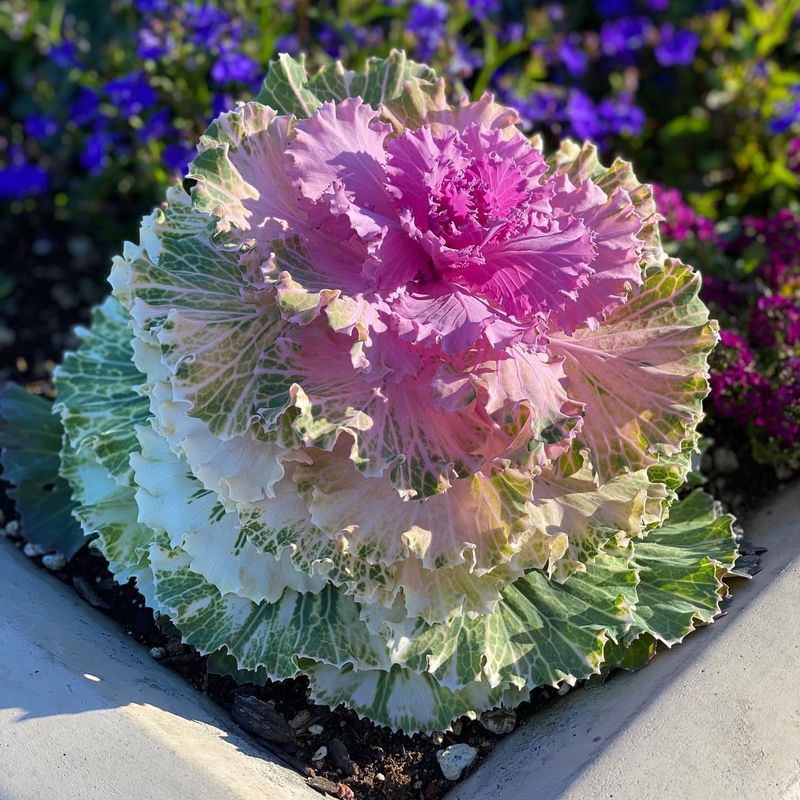
Most people think of vegetables when they hear “cabbage” or “kale,” but ornamental varieties create stunning displays that actually look better after frost and snow than they do in mild weather.
These colorful brassicas develop their most intense colors when temperatures drop below freezing, with centers that glow in shades of pink, purple, red, and white against outer leaves of blue-green or deep purple.
Light snow accumulating on their rosette-shaped leaves creates scenes that look almost too beautiful to be real.
Ornamental cabbage and kale can handle temperatures well below freezing without any damage, continuing to look spectacular through multiple snowfalls and cold snaps that would turn other annuals into brown mush.
Their leaves contain natural antifreeze compounds that prevent ice crystals from forming inside plant cells and causing the tissue damage that ends most plants’ lives when winter arrives.
Wisconsin gardeners often plant them in fall specifically to provide color after frost takes out summer annuals but before snow becomes too deep.
These plants work wonderfully in containers placed near entryways where you will see them daily and appreciate their cold-weather beauty.
They also make excellent additions to fall and winter garden beds, providing structure and color when perennials have gone dormant and deciduous shrubs have lost their leaves.
Choose varieties bred specifically for ornamental use rather than eating, as these have been selected for the most dramatic colors and most attractive leaf shapes that create the biggest visual impact.
8. Evergreen Boxwood
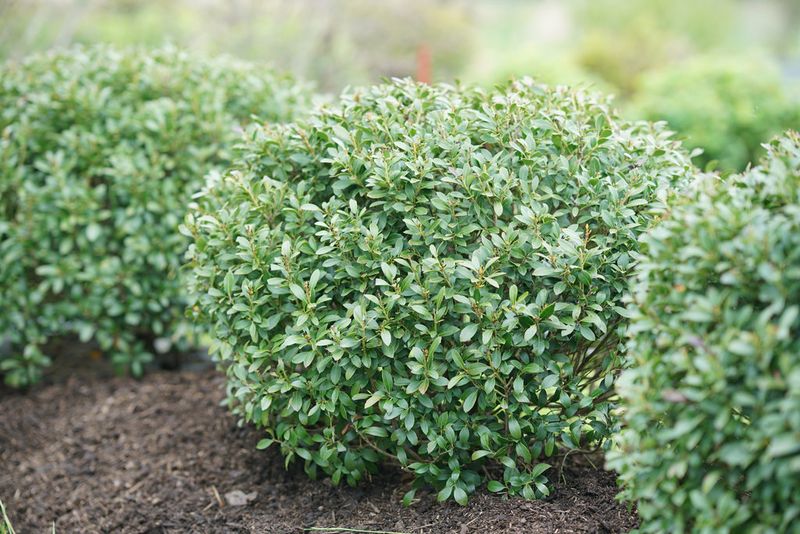
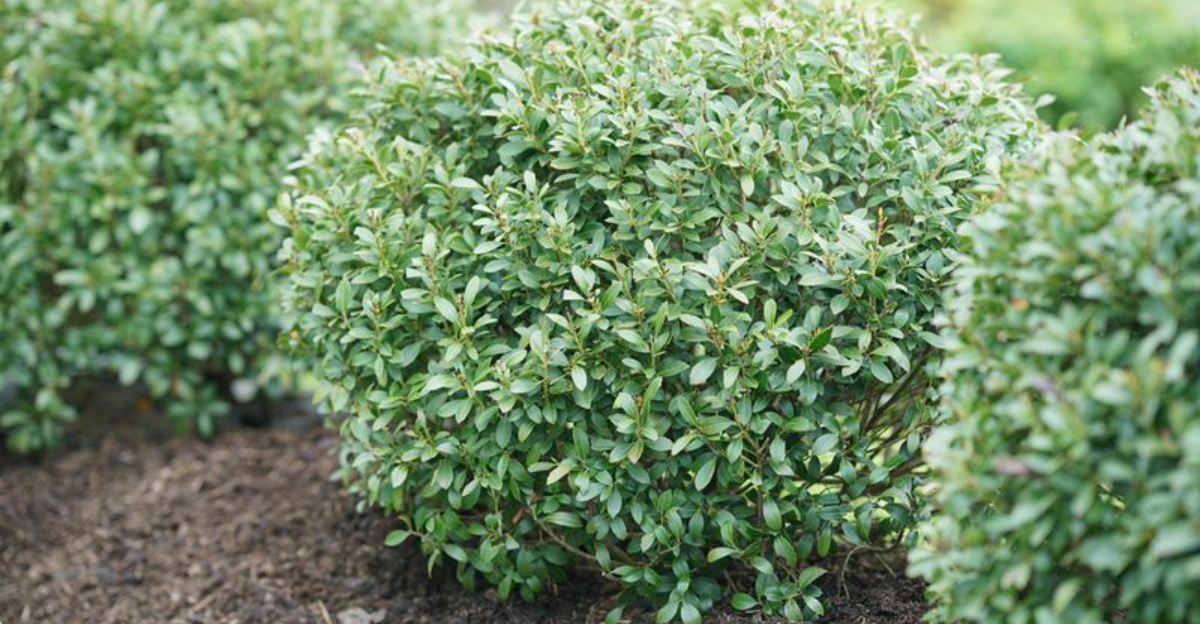
Boxwood shrubs maintain their rich green color throughout even the harshest Wisconsin winters, providing crucial structure and life to landscapes that would otherwise look completely barren until spring.
These versatile evergreens handle heavy snow loads surprisingly well, with flexible branches that bend under weight rather than snapping like more rigid plants.
Snow actually insulates boxwood plants, protecting them from harsh winds and extreme temperature fluctuations that cause more damage than simple cold.
The small, dense leaves create a tight canopy that holds snow like a blanket, creating beautiful sculptural forms when winter storms pass through your area.
Boxwood roots continue growing slowly even during winter whenever soil temperatures rise above freezing, which helps established plants access water and prevents the desiccation damage that affects many evergreens during our long cold season.
Wisconsin gardeners should choose cold-hardy varieties specifically bred for northern climates rather than English boxwood varieties that struggle in our Zone 4 and 5 conditions.
Plant boxwood in locations protected from harsh winter winds and afternoon sun, which can cause foliage burning when frozen leaves heat up quickly but cannot replace lost moisture because roots remain frozen.
A light burlap screen provides extra protection for young plants during their first few winters until they develop more extensive root systems.
Once established, boxwood requires minimal care beyond occasional shaping and provides year-round beauty that becomes especially valuable during the long months when deciduous plants offer only bare branches.
9. Heuchera (Coral Bells)
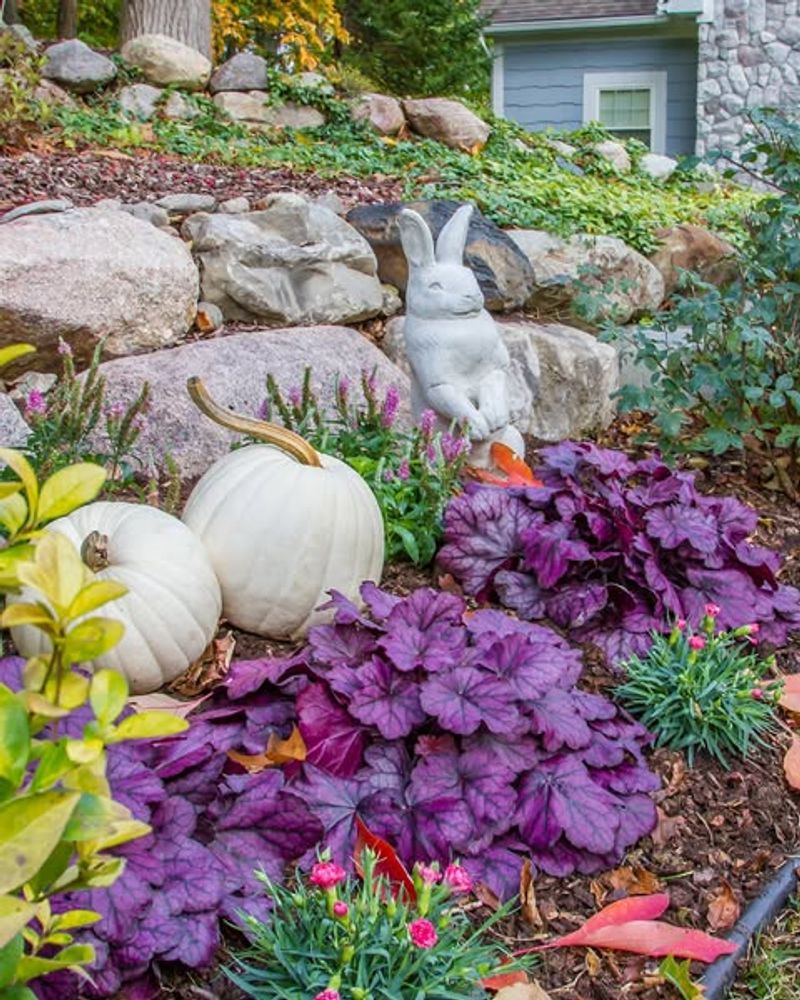
Coral bells create gorgeous foliage displays in shades of purple, bronze, lime, silver, and coral that persist well into winter before snow finally covers them completely.
Unlike plants that simply tolerate cold, heuchera actually develops more intense leaf colors when temperatures drop, with purples deepening and metallic sheens becoming more pronounced as autumn transitions to winter.
The leaves form attractive mounds that catch and hold snow in picturesque ways, creating natural sculptures in your winter garden.
Snow cover acts like a protective blanket for coral bells, insulating the crown and roots from temperature extremes and drying winds that cause more winter damage than simple freezing.
When spring arrives and snow melts away, you will often find that heuchera leaves look remarkably fresh considering they have spent months under ice and snow.
The plants emerge quickly once temperatures warm, producing new foliage and delicate flower spikes faster than many other perennials.
Wisconsin gardeners should choose varieties bred specifically for cold hardiness, as some of the newer fancy cultivars lack the toughness needed for reliable performance in our climate.
Plant coral bells in locations with good drainage because winter waterlogging causes more losses than cold temperatures alone.
They work beautifully along path edges, in container combinations that transition from fall through early winter, or as colorful groundcovers under deciduous trees where they receive winter light but summer shade after the tree canopy fills in completely.
10. Sedum (Stonecrop)
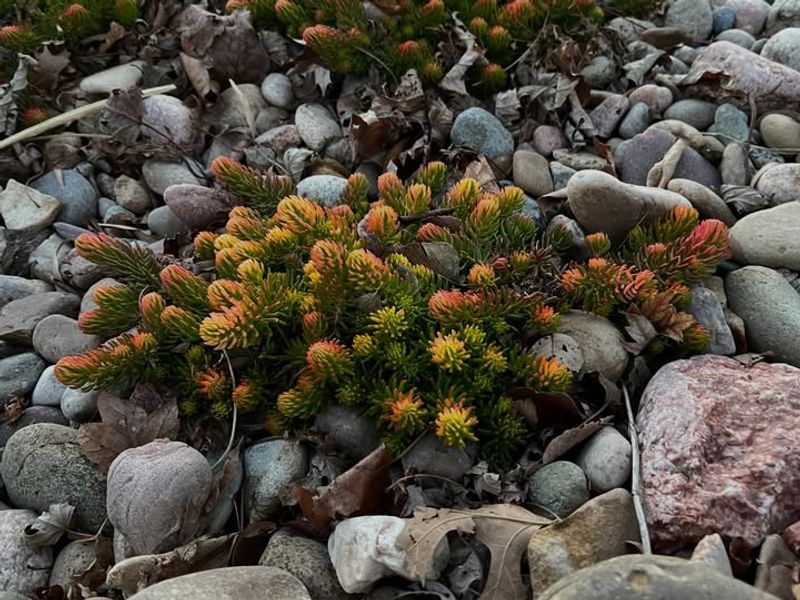
Stonecrop earns its common name honestly because these incredibly tough succulents seem capable of growing on nothing more than rocks and determination.
Sedum varieties handle Wisconsin’s freeze-thaw cycles, heavy snow loads, and bitter cold without showing any signs of stress or damage.
Their thick, fleshy leaves contain water-storing tissues that prevent the dehydration damage that affects many plants during winter, when frozen soil makes water unavailable even though cold, dry air continues pulling moisture from leaves.
Many Wisconsin gardeners specifically leave sedum flower heads standing through winter because they create architectural interest and catch snow in beautiful ways that add visual appeal to otherwise dormant gardens.
The dried flower clusters provide food for birds searching for seeds during lean winter months when other food sources have disappeared.
Come spring, simply cut back the previous year’s growth to make room for fresh new stems that emerge reliably from the plant’s crown.
Upright sedum varieties like ‘Autumn Joy’ create substantial clumps that get better every year, while low-growing creeping sedums form tough groundcovers that suppress weeds and prevent erosion on slopes.
Both types require essentially zero maintenance once established and actually perform better in lean soil than in rich, heavily fertilized conditions.
Plant them in full sun with good drainage, then step back and let them do their thing without interference, fussing, or concern about whether they will survive another brutal Wisconsin winter.