8 Plants That Are Banned Or Restricted In Arizona Yards
Not every plant you see in a catalog or on social media belongs in an Arizona yard, and some are actually illegal to grow in the state.
You might think a fast growing grass or colorful shrub is a simple landscaping choice, but certain species are classified as noxious weeds because they damage native habitats and increase wildfire risk.
One plant can spread beyond your fence line and create problems far outside your property.
Arizona’s desert ecosystem is fragile and slow to recover once invasive plants take hold. Some banned species crowd out native vegetation, while others dry out quickly and act as fuel during fire season.
That is why state officials restrict their sale, transport, and planting.
Before adding something new to your yard, it helps to know what is allowed and what is not. Avoiding illegal plants protects your landscape and the desert that surrounds it.
1. Buffelgrass Is Illegal In Arizona And A Major Desert Fire Risk
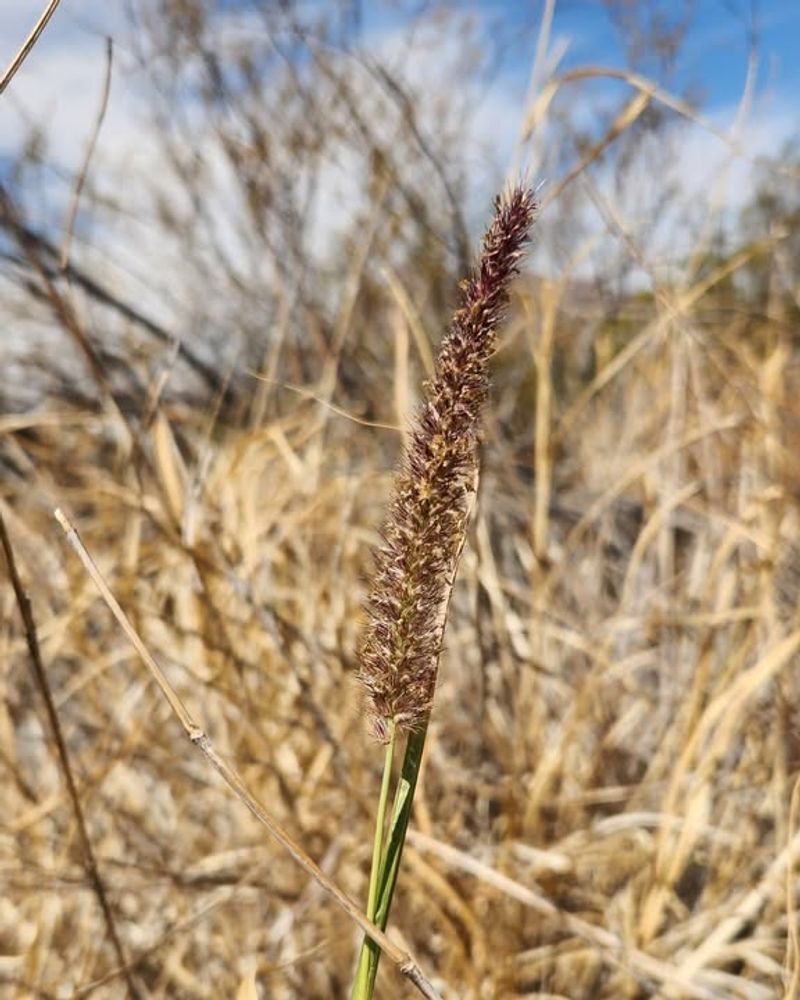
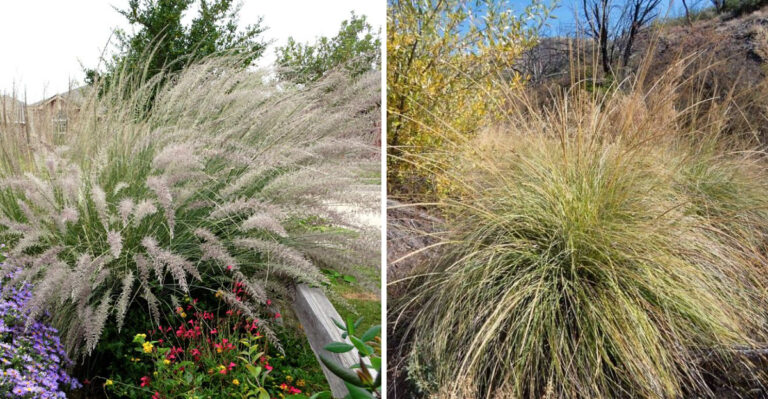
Buffelgrass looks harmless enough with its soft, feathery seed heads, but this African import has become one of Arizona’s most dangerous invasive species. It grows thick and fast, creating dense mats of dry grass that turn into explosive fuel during wildfire season.
Unlike native desert plants that grow far apart, buffelgrass forms continuous carpets that allow fires to spread rapidly across the landscape.
The problem gets worse every year as buffelgrass takes over more territory in Arizona. It can survive with very little water and bounces back quickly after fires, while native cacti and trees often don’t recover at all.
One small patch in your yard can produce thousands of seeds that spread to natural areas, putting entire neighborhoods at risk.
Arizona law prohibits planting, selling, or transporting buffelgrass anywhere in the state. The grass is so problematic that multiple agencies work together to control its spread, and volunteers regularly organize removal events across Arizona.
If you spot buffelgrass in your yard, contact your local cooperative extension office right away. They can help identify it correctly and advise on safe removal methods.
Getting rid of it early prevents bigger problems down the road for you and your Arizona community.
Early removal is far easier than dealing with a mature stand that has already spread seed across nearby lots and desert washes. Acting quickly protects not only your yard, but also the fragile desert ecosystems that make Arizona’s landscape unique.
2. Fountain Grass Might Look Soft And Decorative But It’s Banned In Arizona
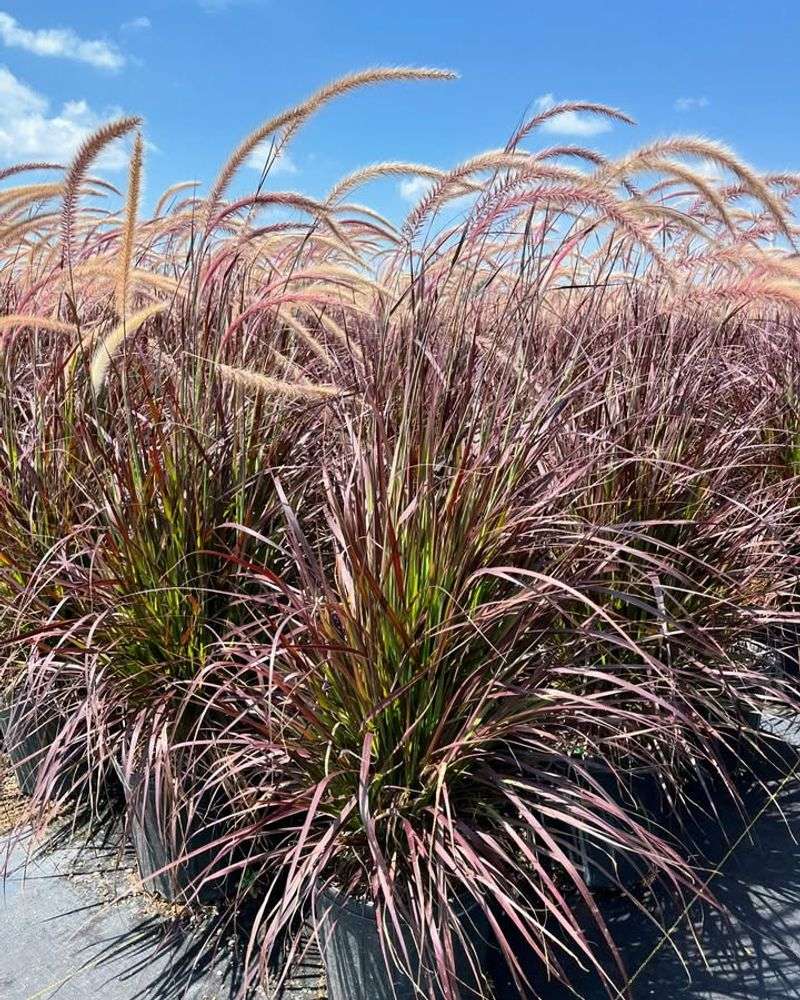
Garden centers in other states sell fountain grass as an attractive ornamental plant, and its purple-pink plumes do catch the eye. Many people don’t realize that bringing this pretty grass into Arizona violates state regulations.
The soft, fuzzy appearance that makes it popular in landscaping also helps it spread seeds far and wide across the desert.
Fountain grass escapes from yards easily because wind carries its lightweight seeds for miles. Once established in wild areas around Arizona, it outcompetes native grasses that wildlife depends on for food.
The plant also increases fire danger by creating more fuel in areas that naturally have sparse vegetation with bare ground between plants.
Several varieties of fountain grass appear on Arizona’s prohibited plant list, including both the common purple type and other colors. The ban covers growing, selling, and transporting all fountain grass species throughout the state.
Even if you bought it legally somewhere else, you cannot bring it into Arizona or keep it in your yard.
Homeowners who already have fountain grass must remove it completely, including the roots. Native Arizona grasses like deer grass or blue grama make much better choices for landscaping.
They need less water, support local wildlife, and won’t get you in trouble with state agricultural officials.
3. Tree Of Heaven Spreads Fast And Arizona Officials Don’t Allow It
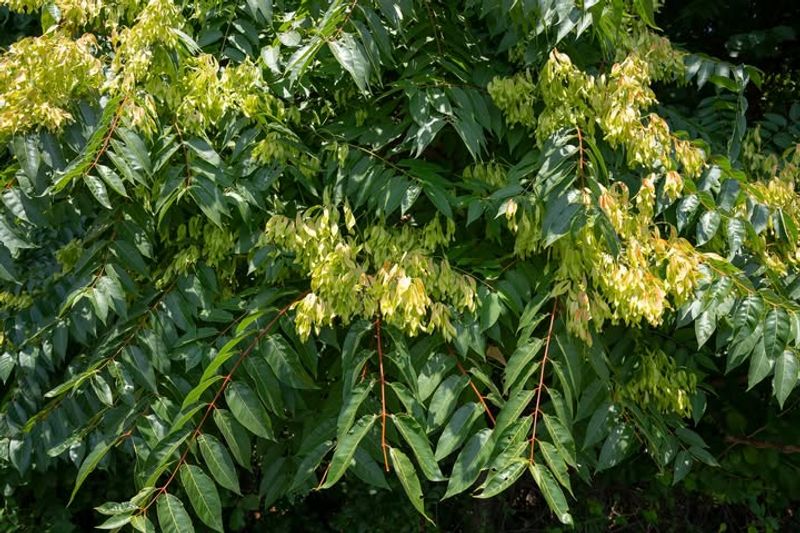
Despite its angelic name, Tree of Heaven causes nothing but trouble in Arizona yards and natural areas. This Asian import grows incredibly fast, sometimes shooting up several feet in a single growing season.
Its aggressive root system damages sidewalks, foundations, and underground pipes while sending up new shoots that quickly turn into a thicket.
The tree produces chemicals that prevent other plants from growing nearby, essentially poisoning the soil around it. This gives it an unfair advantage over native Arizona trees and shrubs that naturally belong in the ecosystem.
A single mature Tree of Heaven can produce over 300,000 seeds in one year, and each seed can travel quite far on the wind.
Arizona prohibits planting or keeping Tree of Heaven anywhere in the state. The tree also hosts an invasive insect called the spotted lanternfly in other regions, giving officials another reason to prevent its spread.
Removing established trees requires careful planning because cutting them down often triggers dozens of root sprouts to emerge.
If Tree of Heaven appears in your Arizona property, contact pest control experts who understand proper removal techniques. Simple cutting won’t solve the problem and might make it worse.
Professional removal protects your yard and prevents the tree from invading neighboring properties or nearby desert habitats.
4. Giant Reed Grows Towering And Wild And It’s Not Legal To Plant In Arizona
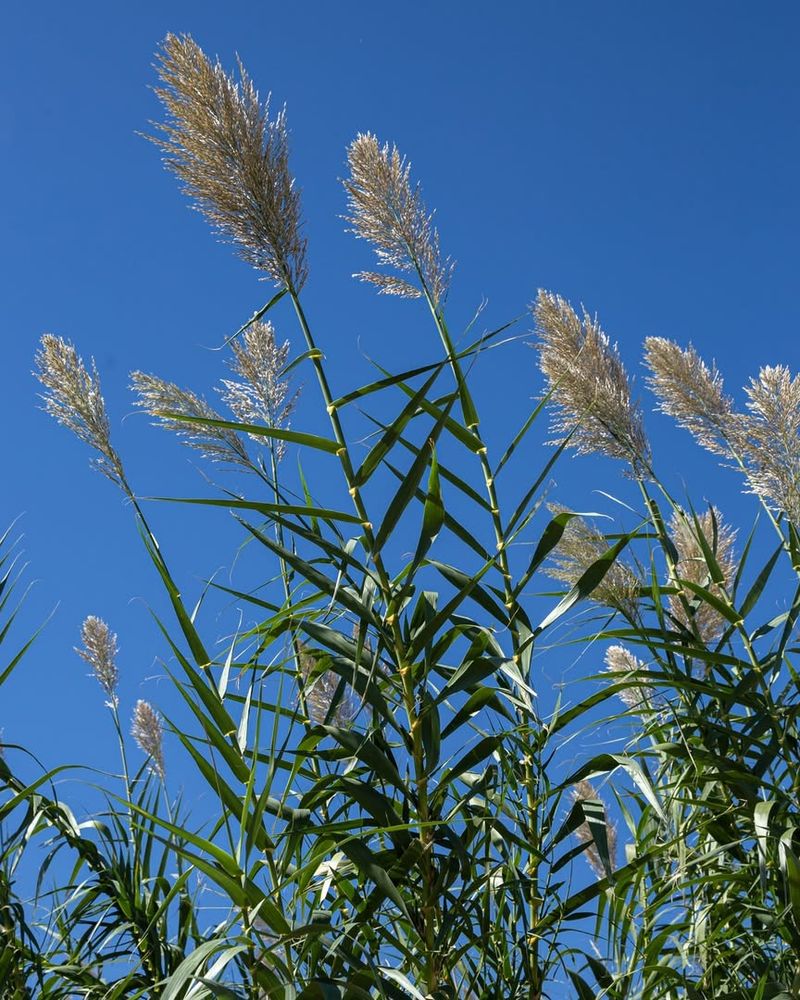
Giant reed shoots up like bamboo on steroids, reaching heights of twenty feet or more along Arizona waterways and irrigation ditches. This Mediterranean native looks impressive but chokes out everything around it once it gets established.
The thick canes grow so densely that nothing else can survive underneath them, creating biological deserts where diverse plant communities once thrived.
Water is precious in Arizona, and giant reed wastes enormous amounts of it. The plant drinks up to three times more water than native vegetation, depleting streams and rivers that people, farms, and wildlife all depend on.
Its root systems also destabilize riverbanks, leading to erosion that damages property and water quality throughout Arizona watersheds.
State law bans planting, selling, or transporting giant reed anywhere in Arizona. The plant spreads mainly through root fragments, so even small pieces can start new colonies.
Flooding carries broken stems and roots downstream, helping giant reed invade new territory after every major rain event.
Removing giant reed from Arizona properties requires persistence because the roots grow deep and tough. Simply cutting the canes allows them to regrow quickly.
Many Arizona counties offer assistance programs to help landowners eliminate giant reed from their property. Getting rid of it improves water availability and habitat quality for native species across the region.
5. Camelthorn Takes Over Quickly And It’s Prohibited In Arizona Yards
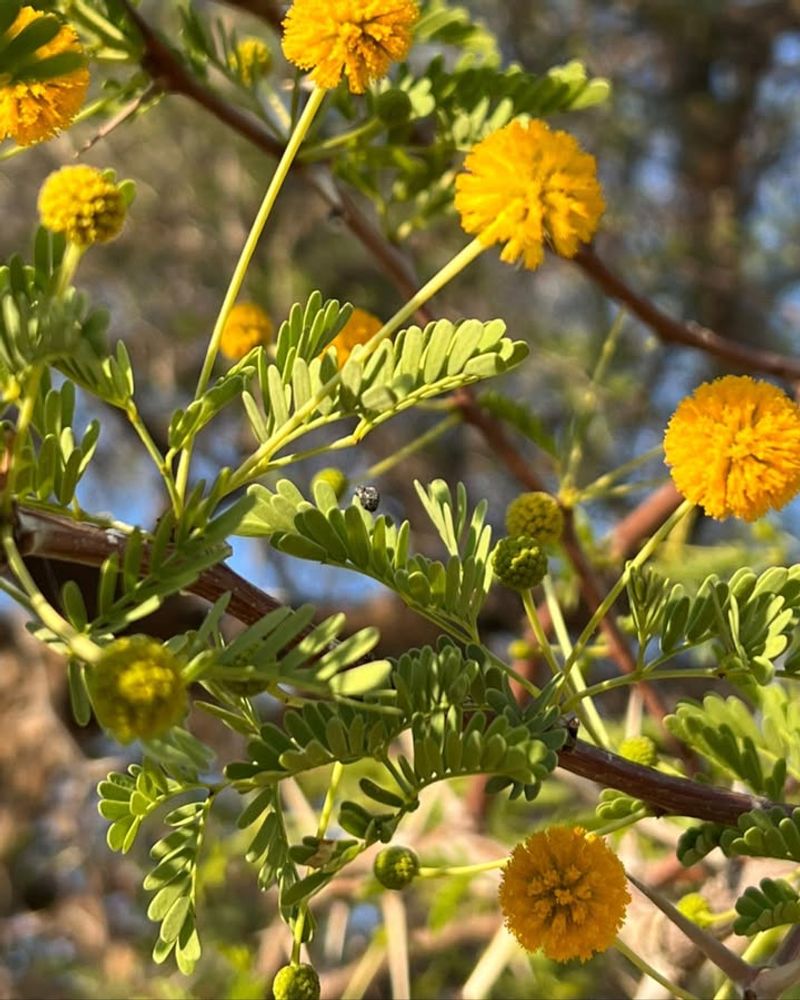
Camelthorn arrived in Arizona accidentally, probably mixed in with crop seeds or livestock feed from overseas. Now this thorny menace forms impenetrable thickets that take over pastures, roadsides, and vacant lots across the state.
The plant’s name comes from camels eating it in its native range, but Arizona wildlife avoids it, leaving more room for camelthorn to spread unchecked.
Each camelthorn plant produces thousands of hard-coated seeds that remain viable in soil for years, waiting for the right conditions to sprout. The seeds survive trips through animal digestive systems, hitching rides to new locations.
Sharp thorns make the plant difficult and painful to remove by hand, and protective clothing becomes necessary for any control work.
Arizona regulations prohibit growing, selling, or moving camelthorn within state boundaries. Property owners must control camelthorn infestations on their land to prevent seeds from spreading to neighboring areas.
The plant reduces property values and makes outdoor spaces unusable for recreation or agriculture.
Young camelthorn plants are easiest to remove before they develop extensive root systems. Pulling them after rain when soil is soft works better than trying to dig them from dry ground.
Larger infestations in Arizona often require professional help with specialized equipment and herbicide treatments. Staying vigilant and removing new seedlings quickly prevents camelthorn from gaining a permanent foothold in your yard.
6. African Rue Is Highly Invasive And Listed As A Noxious Weed In Arizona
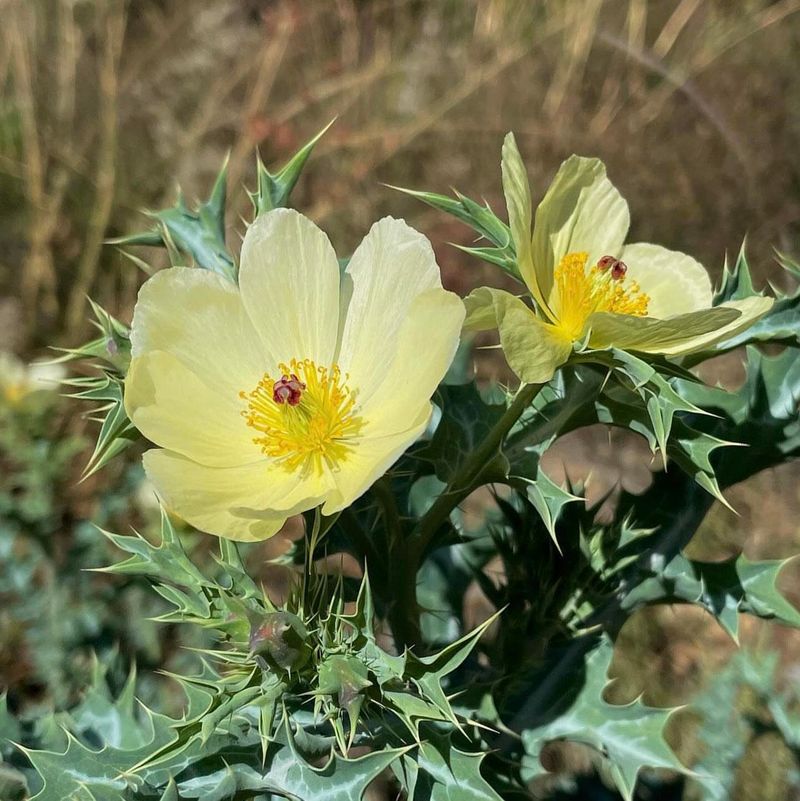
African rue might produce cheerful yellow flowers, but this plant earned its spot on Arizona’s noxious weed list for good reason. The entire plant contains toxic compounds that make livestock sick when they eat it, reducing the value of rangelands across the state.
It spreads aggressively in disturbed soils, quickly colonizing roadsides, construction sites, and overgrazed pastures throughout Arizona.
Each African rue plant produces hundreds of seeds inside distinctive capsules that split open when ripe. The seeds remain dormant in soil for many years, sprouting whenever conditions become favorable.
This seed bank makes eradication extremely difficult because new plants keep emerging long after you think you’ve removed them all.
Arizona law requires property owners to control African rue infestations and prohibits planting or selling the species anywhere in the state. The plant’s deep taproot helps it survive drought and makes mechanical removal challenging.
Young plants come out easier than mature ones, so early detection and quick action give you the best chance of success.
Some people mistakenly believe African rue has medicinal or spiritual uses, but possessing it in Arizona remains illegal regardless of intended purpose.
Native Arizona wildflowers provide better options for attracting pollinators without the legal problems or environmental damage.
Check with your local extension office if you need help identifying African rue or learning proper removal techniques for Arizona conditions.
7. Johnsongrass Spreads Underground And Falls Under Arizona Weed Restrictions
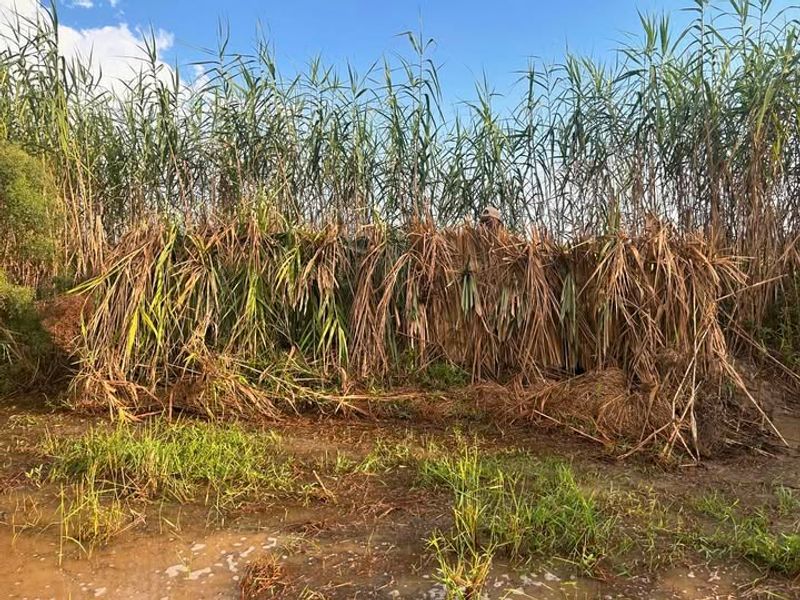
Johnsongrass looks like just another tall grass, but its underground network of rhizomes makes it one of the most persistent weeds in Arizona agriculture.
The plant sends out horizontal stems beneath the soil surface that can travel several feet before popping up as new shoots.
This spreading strategy allows Johnsongrass to quickly take over fields, gardens, and ditches across the state.
Farmers particularly dislike Johnsongrass because it competes with crops for water and nutrients while being extremely difficult to eliminate. The rhizomes break into pieces during plowing, and each fragment can grow into a new plant.
Arizona’s warm climate allows Johnsongrass to grow nearly year-round in irrigated areas, giving it an advantage over many desirable plants.
Arizona classifies Johnsongrass as a restricted weed, meaning property owners must take action to control it. The plant cannot be sold or intentionally cultivated anywhere in the state.
Young Johnsongrass also contains compounds that can harm livestock, adding another reason to keep it out of pastures and hay fields.
Controlling Johnsongrass in Arizona yards requires patience and persistence because the rhizome system runs deep. Repeated removal of top growth eventually exhausts the underground reserves, but this process takes time.
Covering infested areas with thick mulch or landscape fabric helps starve the rhizomes by blocking sunlight. Professional help may be necessary for large infestations that resist homeowner control efforts.
8. Yellow Starthistle Is Aggressive And Not Allowed In Arizona Landscapes
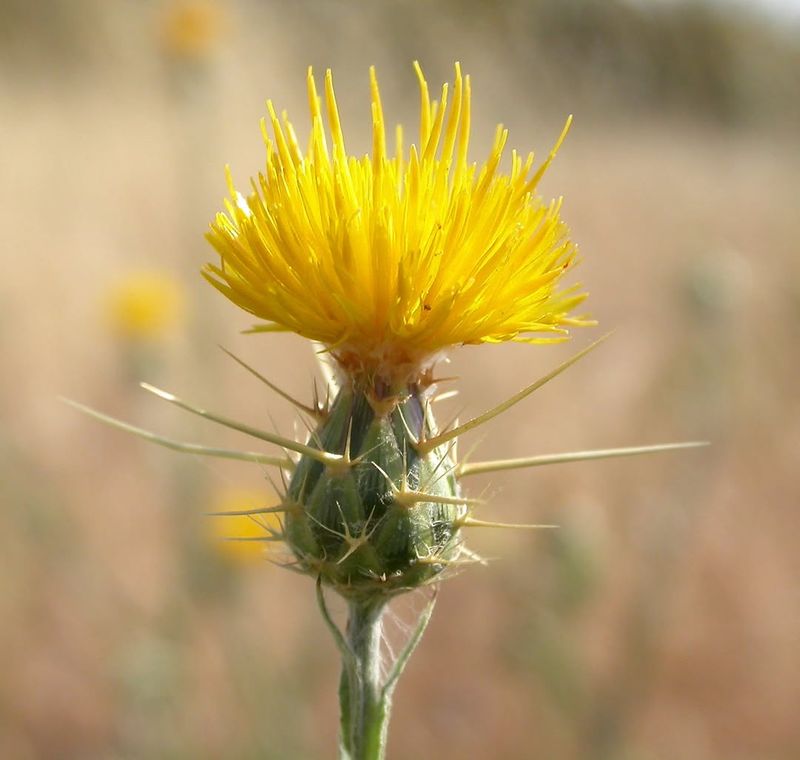
Yellow starthistle brings a triple threat to Arizona properties with its sharp spines, aggressive growth, and toxic effects on horses. The bright yellow flowers might look cheerful from a distance, but up close, vicious spines guard every bloom.
These spines make the plant nearly impossible to handle without thick gloves and protective clothing, turning infested areas into no-go zones.
Once yellow starthistle establishes itself in Arizona soil, it forms dense stands that exclude all other vegetation. The plant’s deep taproot allows it to access water far below the surface, helping it survive dry conditions that stress native species.
Each plant produces numerous seeds that remain viable for many years, building up a persistent seed bank in the soil.
Arizona prohibits planting, selling, or transporting yellow starthistle throughout the state. The plant poses special dangers to horses, causing a neurological condition when they eat it over time.
Even small amounts consumed regularly can lead to serious health problems, making yellow starthistle a particular concern around Arizona equestrian properties.
Early detection offers the best chance for controlling yellow starthistle before it spreads extensively. Young plants come out more easily than established ones with developed taproots.
Several Arizona counties provide identification assistance and control recommendations for property owners dealing with yellow starthistle.
Removing this invasive plant protects your yard, your neighbors, and Arizona’s native plant communities from an aggressive invader.