8 Plants That Are The Worst Companions For Hostas In A Shade Garden
Beneath the mulch, a quiet competition could be draining your hostas right now. You picked those companions for their looks, not their appetites.
Goutweed sends white rhizomes sideways, threading through hosta crowns within a season. English ivy climbs over your hosta clumps and steals the light they crave.
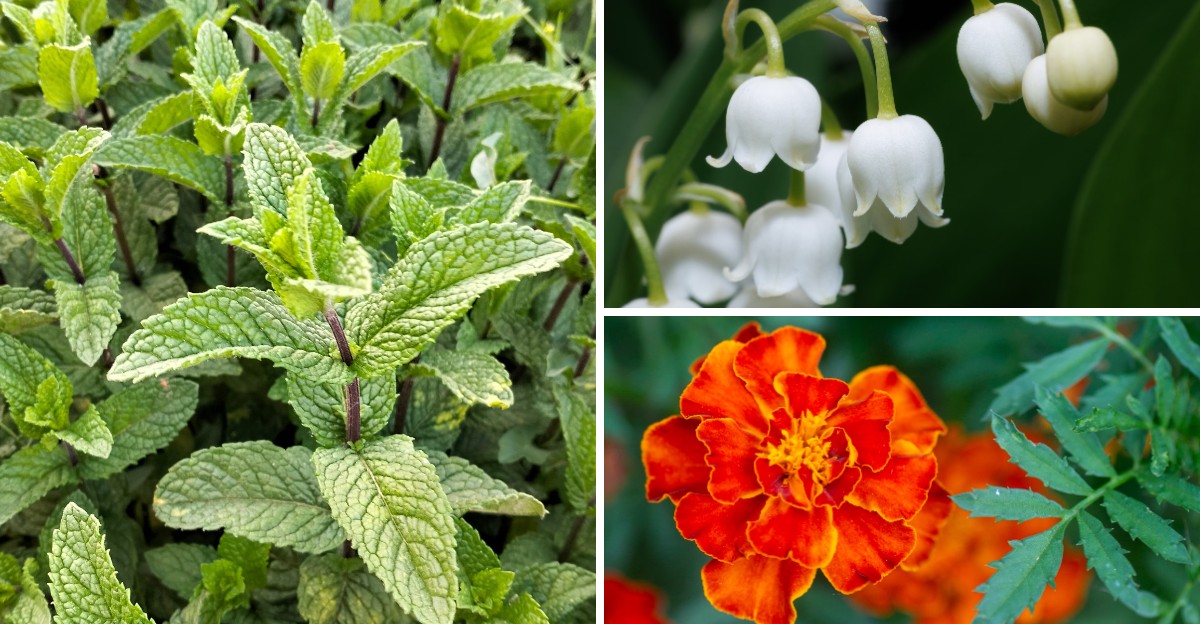
Mint spreads underground far faster than you can dig it out. Thirsty maple roots can pull moisture from the bed before hostas get a sip.
Dense groundcovers shelter hungry slugs, giving them cozy hideouts beside your tender leaves. Lily of the valley looks sweet, yet its roots spread steadily through shady beds.
Chewed edges, crowded crowns, and limp foliage often trace back to these neighbors. Smart pairing lets you skip hours of weeding and hauling out tangled roots. Knowing which plants to refuse keeps your hostas lush, calm, and gloriously in charge.
1. English Ivy Spreads Across Shady Ground
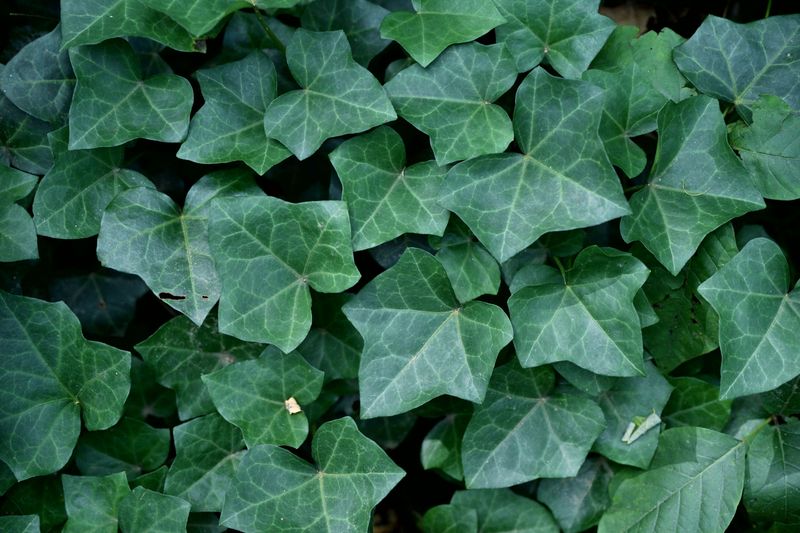
Ask any gardener who planted ivy ten years ago, and you might hear a long, tired sigh. English ivy looks charming at first, with glossy leaves that seem made for shady spots.
The trouble starts underground and along the soil surface, where ivy spreads its stems in every direction. It roots wherever a stem touches dirt, forming a thick mat that crowds out neighbors.
Hostas need room to send out new shoots each spring, and ivy gives them no space. Over a few seasons, the vines can creep right over the crowns and shade them out.
Water is another sore point in this unhappy friendship. Ivy competes for water, leaving hostas thirsty during hot, dry summer spells.
Slugs love ivy too, since the dense tangle gives them a cool, damp place to hide all day. At night they slide out and munch holes in your big hosta leaves.
In many states, English ivy is listed as invasive because it escapes gardens and outcompetes native woodland plants. That alone is a good reason to think twice before planting it.
If ivy already lives in your yard, pull it after a good rain when the soil is soft. Keep a wide strip of open ground between remaining patches and your hostas, checking often.
For a better ground cover, try wild ginger or foamflower instead. Both stay polite, love shade, and let your hostas shine.
Your back will thank you, and your hostas will finally have room to stretch out. A little effort now saves hours of tugging stubborn vines later.
2. Bishop’s Weed Hides Its Roots Beneath Hosta Crowns
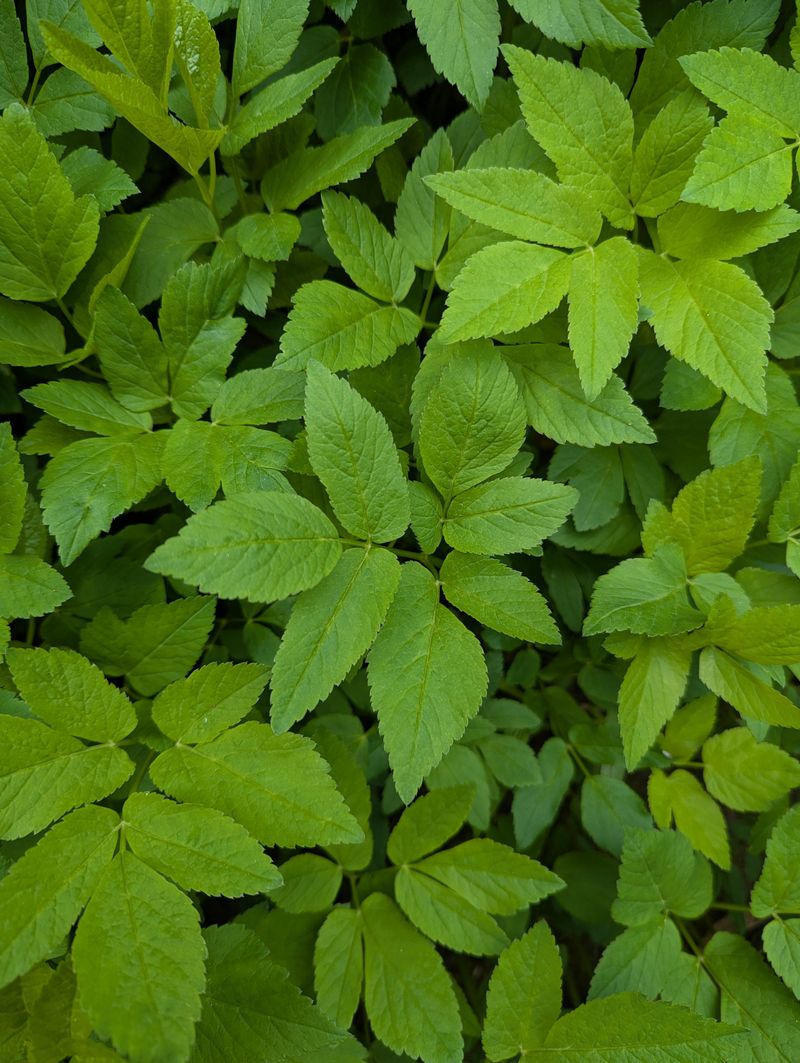
Garden centers still sell bishop’s weed as a cheerful ground cover with pretty white-edged leaves. Many gardeners later come to regret ever planting it in their shady beds.
Also known as goutweed, the plant spreads through fast underground roots called rhizomes. A single tiny piece left in the soil can sprout into a brand new patch.
Picture those roots weaving right through the base of your hosta clump like sneaky threads. Before long, you cannot dig out the weed without damaging your hosta’s roots.
Bishop’s weed also loves the same moist, shady conditions that hostas enjoy. Because it grows faster, it usually reaches water and nutrients before your slower hostas can.
The white flowers in early summer might look sweet, but they drop seeds that spread the problem further. Cutting off the blooms before they fade helps slow things down a bit.
Removing an established patch takes patience and plenty of steady, careful digging. Some gardeners cover the area with thick cardboard for a full season to block light from the roots.
If hostas are trapped inside the patch, dig them up and rinse their roots clean with a hose. Then pick out every white root thread before replanting them somewhere safe.
Some towns and states list goutweed as invasive, so check local rules before sharing plants with friends. Passing along a pot could hand them years of weeding.
For a safer ground cover with pretty leaves, try lungwort, or sweet woodruff behind edging, since it spreads. Your hostas will get the elbow room they need to grow into big, bold clumps.
3. Mint Wanders Far Beyond Its Welcome
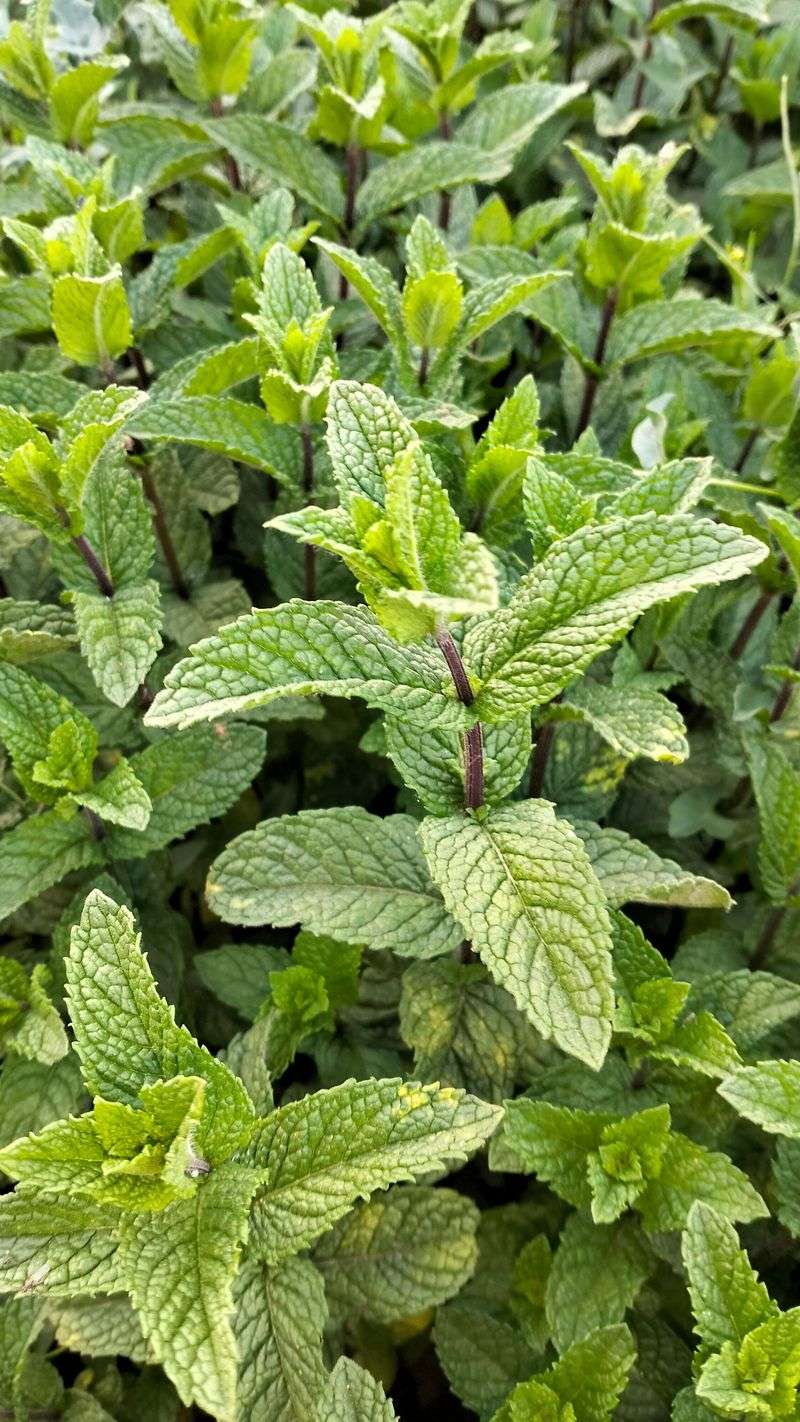
Crush a mint leaf between your fingers, and that cool scent feels like summer in a single breath. Sadly, mint spreads far more aggressively than you would expect from a friendly garden herb.
Its stems race sideways just under the soil, popping up new plants a foot or more away. In partly shaded beds, mint can easily sneak its way into the middle of a hosta clump.
Once tangled together, the two plants compete for the same water and food. Mint tends to win, leaving hostas smaller and paler than they should be.
Another issue is looks, believe it or not. Many gardeners feel the bright, busy mint leaves distract from the calm, broad shape of hostas.
Mint also enjoys moist soil, which is why it thrives in the same spots hostas love. That shared taste makes them rivals instead of roommates.
Plenty of gardeners learn the lesson the hard way after planting one tiny mint start. Two summers later, they find it poking through the lawn, the path, and the hosta bed.
If you love fresh mint for tea or lemonade, grow it in a pot on the patio instead. Set the pot on pavers, since roots can escape through drainage holes into the soil below.
Already dealing with mint near your hostas? Dig out every runner you can find, then check again every few weeks through the growing season.
Staying on top of it early keeps the job small and manageable. Your nose gets the mint, and your hostas get their space back.
4. Norway Maple Roots Drink Before Hostas Can

Sitting under a big maple on a hot day feels wonderful, but hostas below it may disagree. Norway maples have dense, shallow roots that spread like a web just under the surface.
Those roots soak up rain before it can reach anything else growing nearby. Hostas planted beneath them often look droopy, small, and stressed by midsummer.
The shade is another problem, and it surprises many people. Hostas like shade, yet the thick leafy canopy of a Norway maple can be too dark even for them.
Rain also struggles to get through that heavy canopy, so the ground stays dry even after storms. It is a bit like trying to grow a garden under an umbrella.
Norway maples are considered invasive in parts of North America, where their seedlings crowd out native plants. You may find baby maples sprouting all over your shade bed each spring.
If you already have one of these trees, you can still grow hostas with some smart planning. Plant them in large pots or raised containers set on top of the root zone.
Avoid piling lots of new soil around the trunk, since that can harm the tree. A few inches of mulch helps hold moisture without causing trouble.
Deep watering once a week during dry spells makes a big difference for struggling plants. Pay attention to the leaves, since crispy brown edges can signal drought or sun stress.
For shade, better tree partners include dogwoods, redbuds, or Japanese maples with gentler roots. They cast lighter, dappled shade that hostas soak up happily.
5. Lily Of The Valley Takes Up More Space Than It Seems
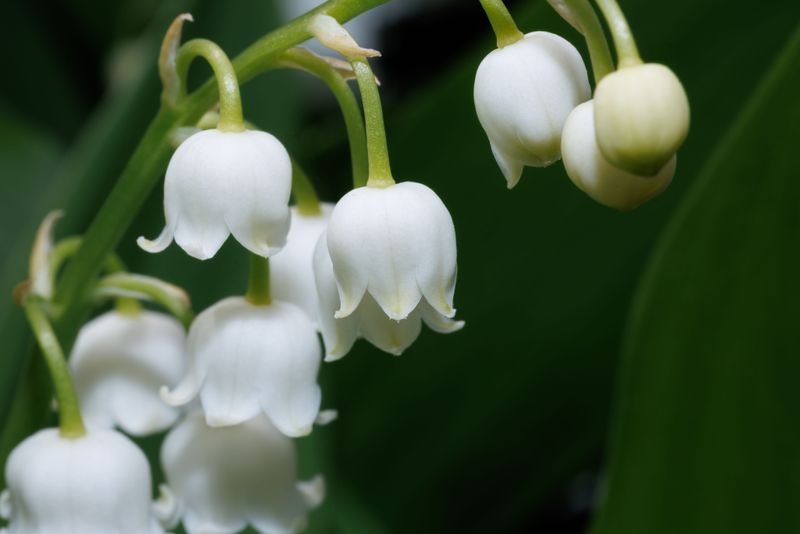
Tiny white bells, a perfume that drifts across the bed, and a spot in old wedding bouquets. Lily of the valley has a charming history, but it spreads aggressively in shady beds.
Beneath the ground, it spreads by creeping roots that form thick, crowded colonies. In rich, moist shade, a small patch can grow much larger within a couple of years.
Hostas rely on open soil around their crowns to expand each season. Lily of the valley packs that space so tightly that hosta clumps stop growing wider.
Its early spring timing adds to the trouble. The leaves pop up before most hostas wake, so they grab the first share of water, food, and light.
Safety matters too, especially in homes with kids or pets. Every part of the plant is poisonous if eaten, including its red berries.
Pulling it out takes steady effort, since broken root bits sprout again. Wear gloves while working, and bag the roots instead of tossing them in compost.
If you adore its scent, give it a spot of its own, far from other plants. A bed edged with deep metal or plastic barriers keeps the roots from wandering.
Some gardeners grow it in a large container by the front steps. That way, you still enjoy the sweet fragrance each May without the sprawl.
For a better hosta neighbor with spring charm, try bleeding heart or Solomon’s seal. Both bring grace to the shade and share space without crowding out their neighbors.
6. Marigolds Invite Slugs Into Shady Beds
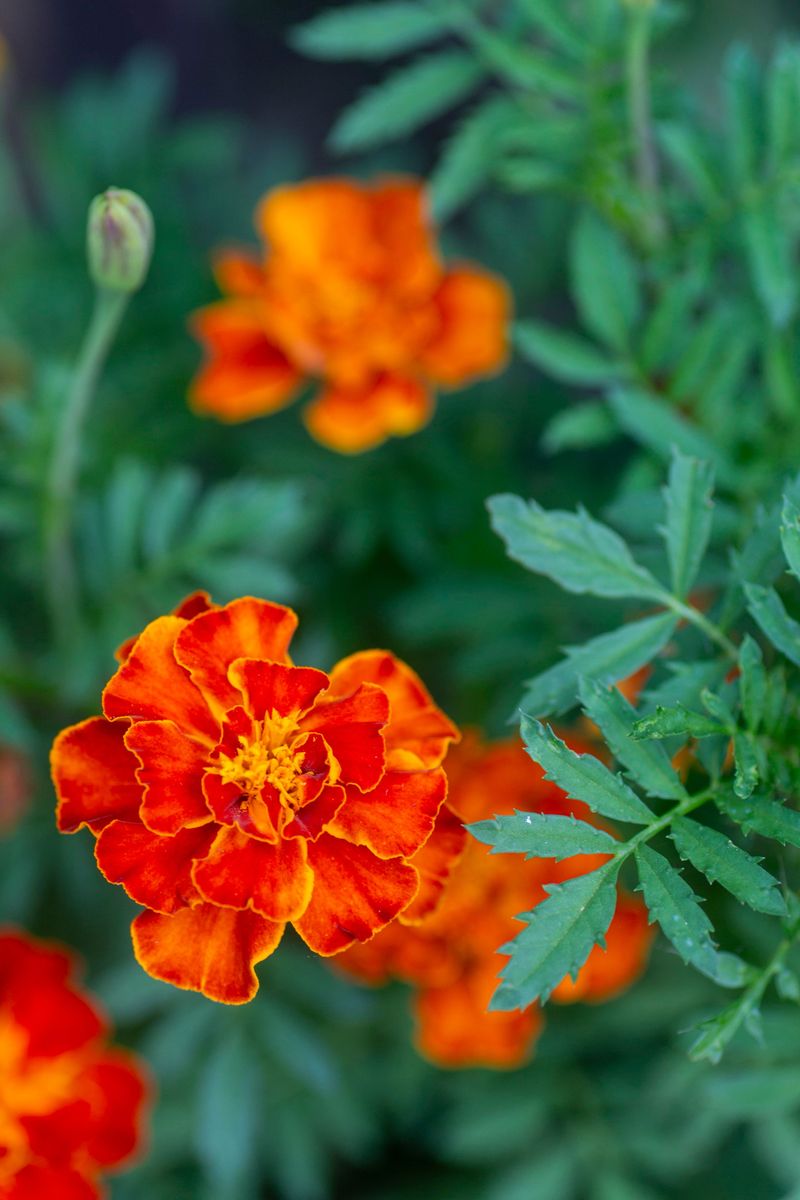
Bright orange marigolds look cheerful in almost any photo, which is why people tuck them everywhere. In a hosta bed, though, they bring more headaches than happy color.
For starters, marigolds crave full sun for most of the day. In deep shade, they stretch, flop over, and bloom poorly, making the whole bed look tired.
The bigger problem hides in the dark, after the sun goes down. Slugs and snails are strongly drawn to tender marigold leaves and gather on them in large numbers overnight.
Once slugs gather in your bed, they will not stop at the marigolds. Those soft, wide hosta leaves become the next course on their nightly menu.
Some gardeners even use marigolds as bait plants to lure slugs away from vegetables. That trick works in sunny gardens but draws slugs right toward your prized hostas.
Watering needs clash as well, which adds another layer of stress. Marigolds like to dry out between drinks, while hostas prefer steady moisture.
If you want a pop of warm color in shade, reach for impatiens, begonias, or coleus instead. They handle low light well and look lovely against blue or green leaves.
Already have slugs chewing on your hostas? Try shallow beer traps or scatter iron phosphate bait around the base of each plant.
Checking your plants with a flashlight after dark can also reveal just how many visitors you have. Picking them off by hand is gross but surprisingly satisfying.
Save the marigolds for sunny borders and vegetable patches, where they truly shine. Everyone ends up happier that way, except the slugs.
7. Yellow Archangel Covers Hostas In Silver Runners
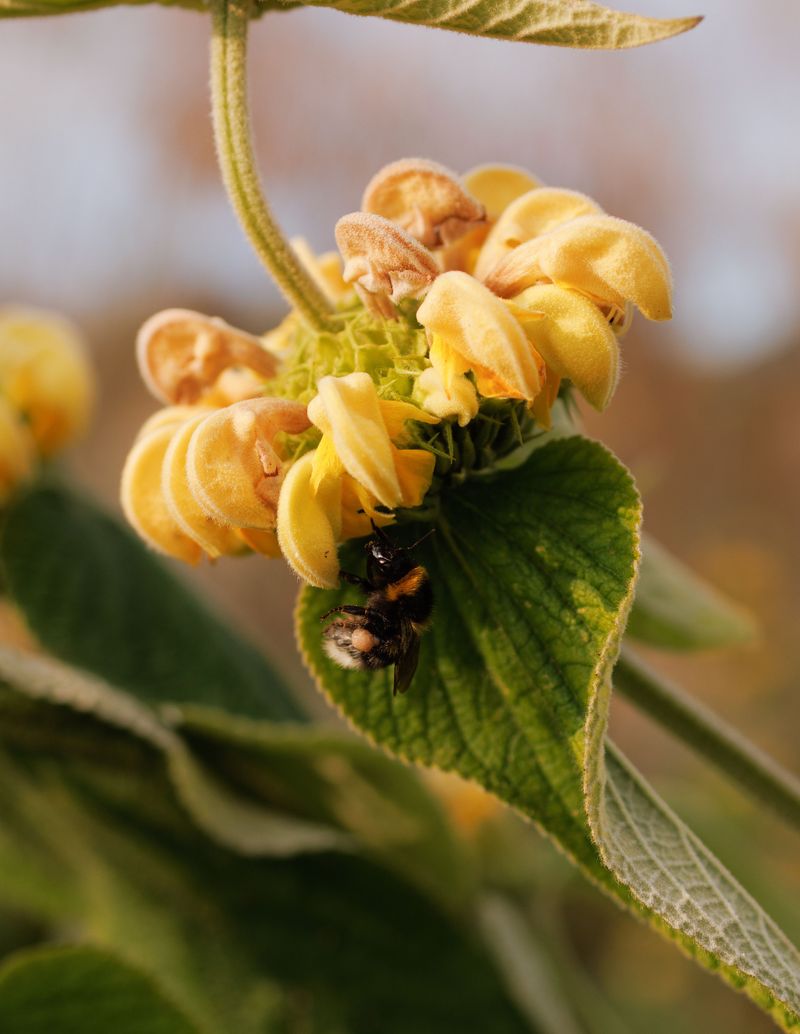
Silver-splashed leaves and soft yellow flowers make yellow archangel look like a shade garden dream. It can outgrow its spot within a season or two.
Its fancy scientific name is Lamium galeobdolon, and it spreads through long runners that root as they go. Stems can grow several feet in one summer, draping across anything in their path.
Hostas sitting nearby get covered by a silvery mat before you notice. Without sunlight reaching their crowns, the hostas slowly weaken and shrink year after year.
Yellow archangel also escapes into woods and stream banks, where it crowds out wildflowers. Both Washington and Oregon now list it as a Class B noxious weed.
Garden centers sometimes sell it in hanging baskets, which is how many people first bring it home. Tossing old basket soil into the yard is an easy way to start a patch.
To keep hostas safe, pull runners as soon as you see them creeping toward the bed. The shallow roots come up easily when the soil is moist.
Bag the stems and send them out with the trash rather than the compost pile. Even small pieces can root again if they land on damp soil.
Love that silvery look in the shade? Try Japanese painted fern or Brunnera ‘Jack Frost’ for similar sparkle without the takeover.
Both plants stay in their own lane and pair beautifully with blue or gold hostas. Your shade bed gets the shimmer, and your hostas keep their breathing room.
8. Big Periwinkle Keeps Creeping Across The Bed
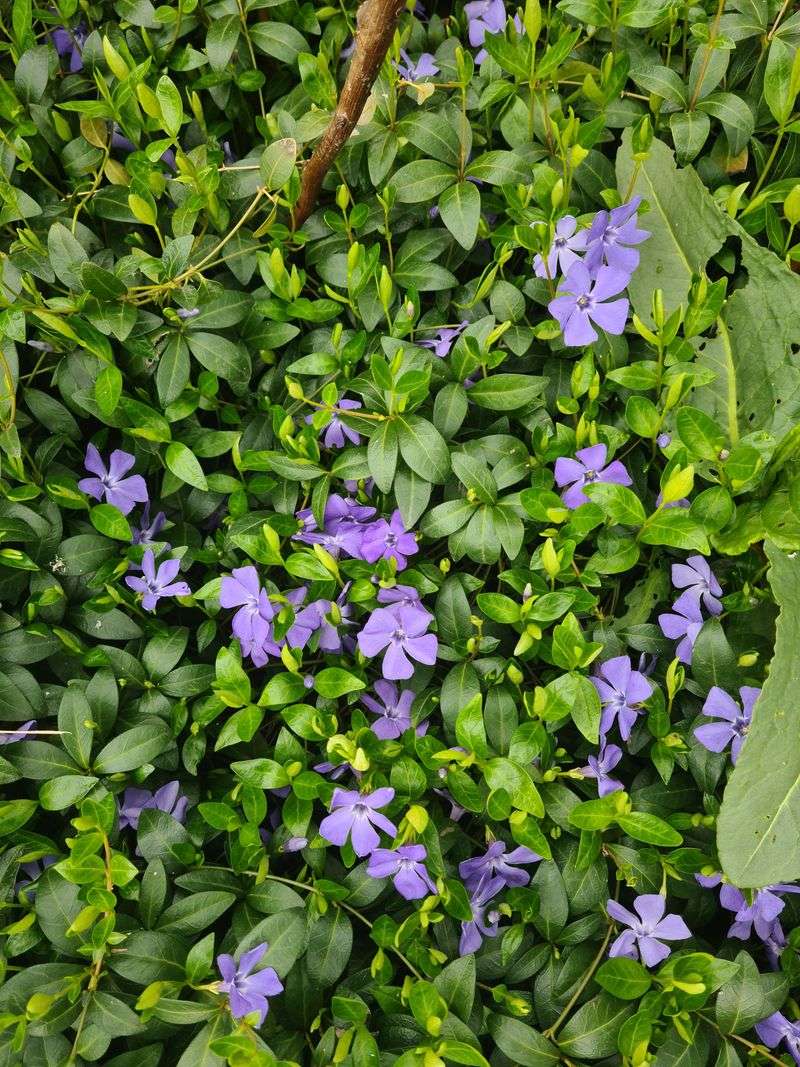
Periwinkle blue is a real crayon color, named after the pretty flowers on this trailing vine. Big periwinkle, or Vinca major, looks sweet but spreads with remarkable vigor.
Its long stems arch over the ground and root wherever their tips touch the soil. Within a few years, one plant can cover a surprising chunk of your yard.
Hostas decline when covered, and periwinkle forms a thick, shin-high tangle that does just that. New hosta shoots struggle to push through the mat each spring.
The shiny leaves also compete hard for moisture in dry shade under trees. Your hostas end up sharing a small drink with a very strong competitor.
Big periwinkle is invasive in many southern and western states, where it carpets creek banks. Its cousin, Vinca minor, is slower but invasive in many eastern states.
To reclaim a hosta bed, cut the vines low with shears and rake up the stems. Then dig out the roots, loosening the soil with a garden fork as you go.
Expect a few stubborn sprouts to return over the next couple of months. Keep pulling them, and they will run out of energy eventually.
Mulching the cleared area with shredded leaves helps block new growth and feeds the soil. Hostas planted afterward tend to bounce back quickly with that extra boost.
For flowering ground cover that behaves, try woodland creeping phlox, Phlox stolonifera, or native green-and-gold. Those picks bring color without crowding out your favorite leafy plants.