7 Plants That Attract Goldfinch To Your Pennsylvania Garden Instantly
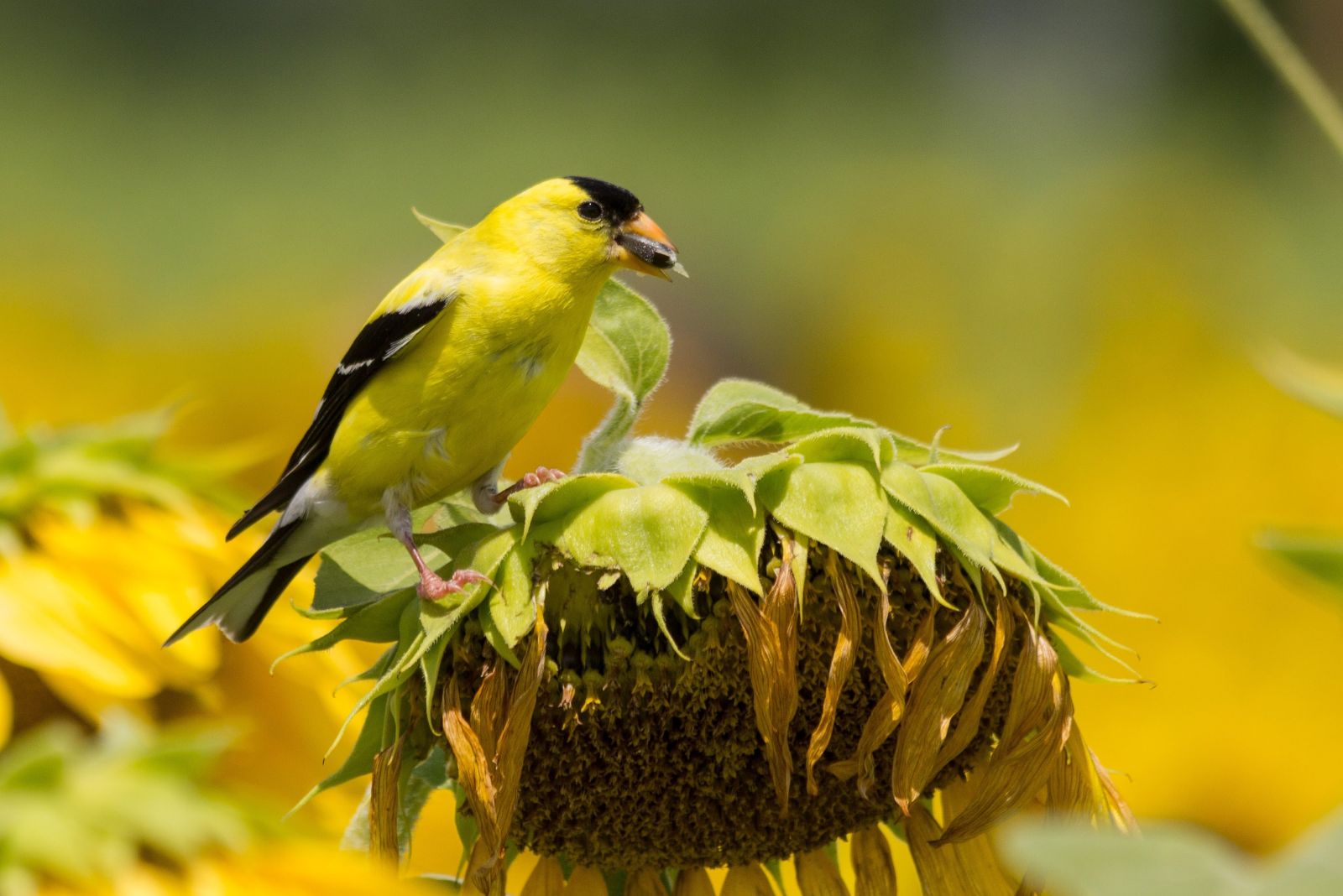
Few things make a garden feel more cheerful than the flash of a goldfinch landing nearby. In Pennsylvania, these bright little birds can turn an ordinary backyard into a much livelier place, especially when they show up in pairs or small flocks and start bouncing from flower to flower.
They bring color, movement, and that extra bit of life that makes spending time outside feel even better. The best part is that attracting them is often easier than people think.
You do not need a giant yard or some complicated bird setup to get their attention. In many cases, the right plants can do most of the work for you.
Goldfinches are naturally drawn to certain flowers and seed heads, and once they find a garden that offers both food and a comfortable place to hang around, they have a good reason to keep coming back. That is what makes plant choice so important.
A few smart additions can turn your Pennsylvania garden into a spot these birds notice fast, and once they do, your yard can feel a whole lot more alive.
1. Purple Coneflower (Echinacea Purpurea)
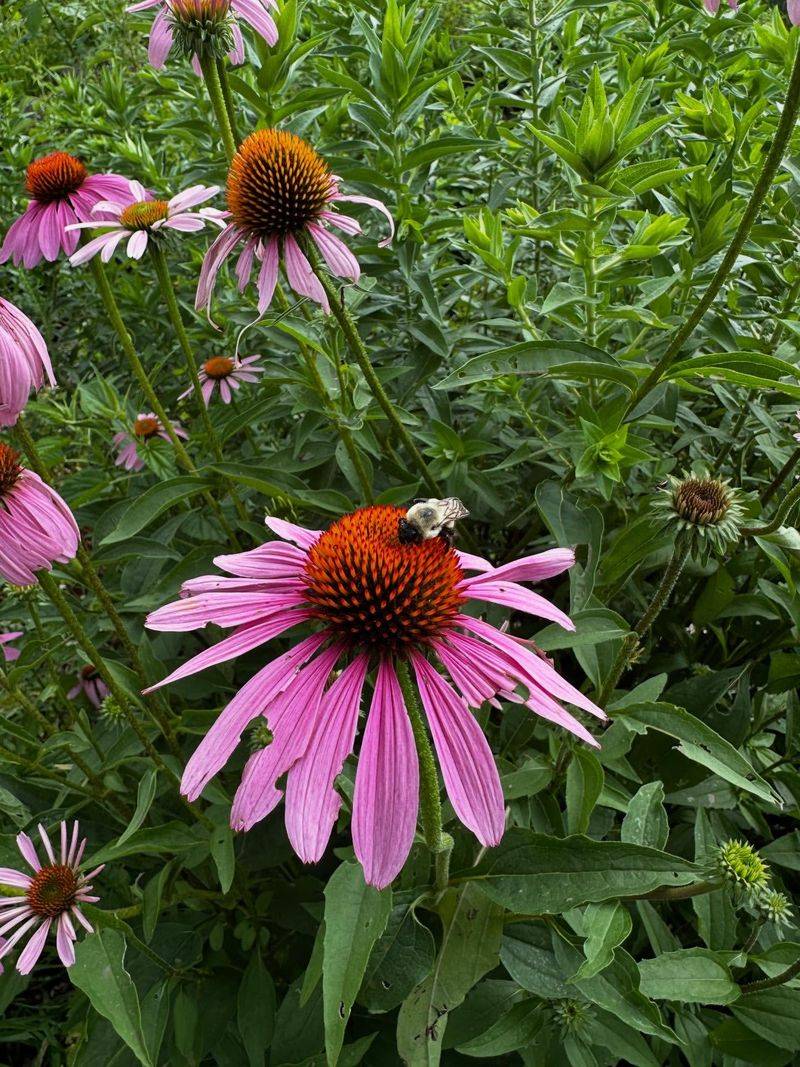
Walk through any Pennsylvania meadow in late summer, and you will almost certainly spot a goldfinch clinging to a purple coneflower. These birds are wild about the seed-rich cone centers that develop after the petals begin to fade.
It is one of the most reliable plants you can add to your garden if attracting goldfinches is your goal.
Purple coneflower is native to Pennsylvania, which means it is already perfectly suited to the local soil and weather conditions. It blooms from early summer all the way into fall, giving goldfinches a long window to visit your yard.
Once established, this plant comes back every year without much fuss, making it a true set-it-and-forget-it perennial.
Growing purple coneflower is straightforward even for beginner gardeners. It thrives in full sun and handles dry spells better than many other flowers.
You can start from seeds or buy young plants from a local nursery. Either way, you will see results fast.
One important tip: resist the urge to deadhead or cut back the flower heads at the end of the season. Leaving the seed-filled cones standing through fall and winter gives goldfinches a natural food source during cooler months.
Birds will cling to the stems and peck away at the seeds for weeks. Planting several coneflowers in a cluster rather than just one or two will draw even more birds to your Pennsylvania garden and keep them coming back season after season.
2. Sunflowers (Helianthus Spp.)
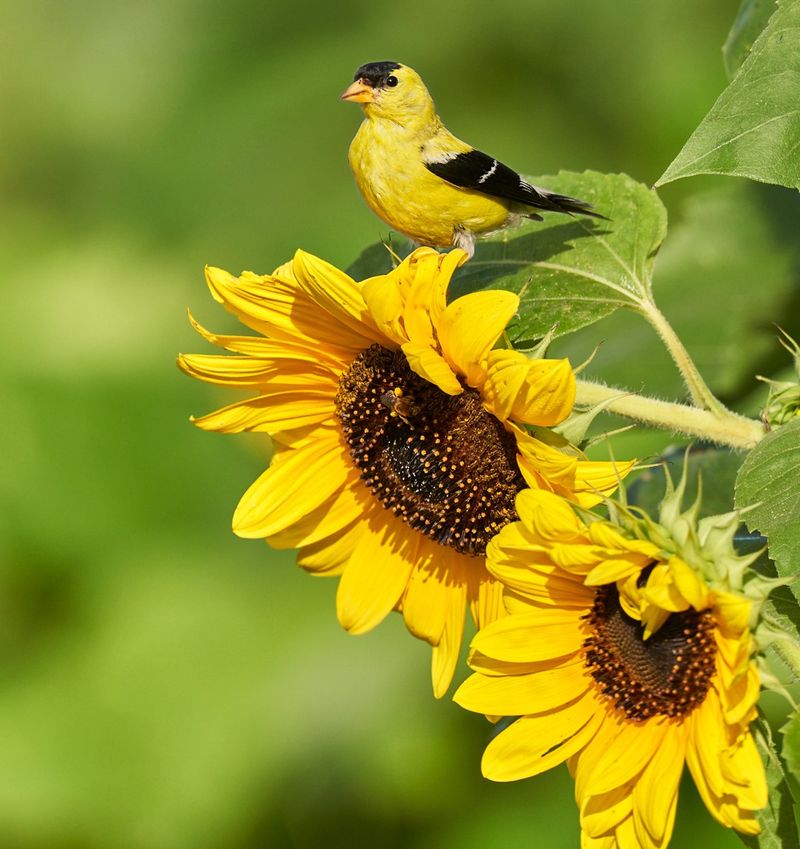
If there is one plant that almost every goldfinch in Pennsylvania will flock to, it is the sunflower. These towering beauties produce some of the largest and most seed-packed flower heads in the garden world.
A single mature sunflower head can hold hundreds of seeds, giving goldfinches a generous and easy-to-access feast.
Sunflowers are incredibly easy to grow from seed, even for kids or first-time gardeners. They love full sun and warm soil, which Pennsylvania summers provide in abundance.
Plant seeds directly in the ground after the last frost, usually around mid-May in most parts of the state, and watch them shoot up fast. Most varieties reach full height and begin producing seeds by mid to late summer.
One of the best things about sunflowers is their versatility. You can grow them along fences, in raised beds, at the back of garden borders, or even in large containers on a patio.
Taller varieties like Mammoth or Russian Giant produce especially large seed heads that goldfinches love to cling to while feeding. Shorter varieties work great in smaller garden spaces.
After the flowers fade and the heads begin to dry, goldfinches will move in and start picking out seeds one by one. It is one of the most entertaining wildlife shows you can watch from a Pennsylvania kitchen window.
For extra impact, plant sunflowers in groups of five or more. The bigger the patch, the more birds you will attract to your garden throughout the season.
3. Black-Eyed Susan (Rudbeckia Hirta)
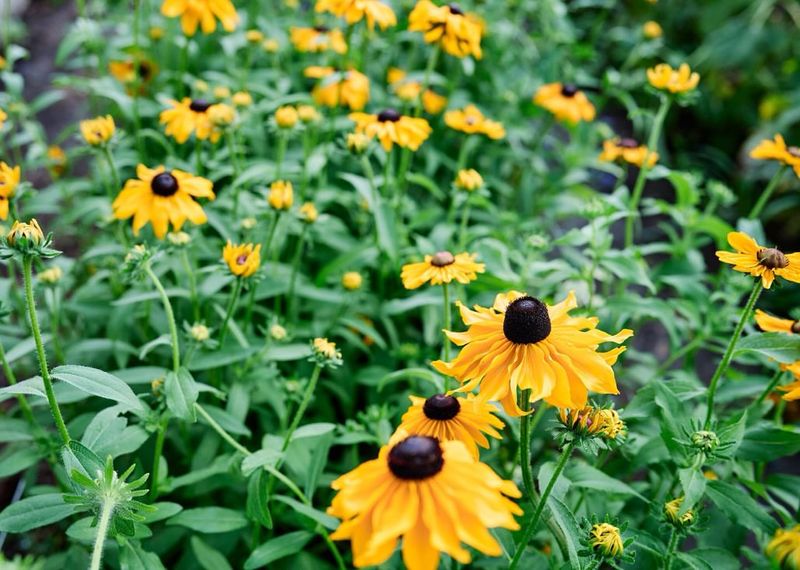
Few sights are as cheerful as a patch of Black-Eyed Susans lighting up a summer garden in Pennsylvania. These bold yellow flowers are not just pretty to look at.
Their cone-shaped centers pack in dozens of tiny seeds that goldfinches simply cannot resist. You might be surprised at how quickly these birds discover a new planting.
Black-Eyed Susan is a native wildflower that feels right at home across Pennsylvania. It handles heat, humidity, and even short dry stretches without much complaint.
Gardeners love it because it blooms reliably from June through September, filling that long stretch of summer when goldfinches are most active and feeding heavily.
Planting Black-Eyed Susans is easy. They prefer full sun but can handle a little shade without losing too much of their bloom power.
Direct sow seeds in spring or fall, or transplant young seedlings from a local garden center. Either method works well in Pennsylvania’s climate.
Here is a fun tip that many bird lovers in Pennsylvania swear by: mix Black-Eyed Susans with purple coneflowers in the same bed. The combination creates a colorful buffet that attracts goldfinches and other seed-eating birds all at once.
Like coneflowers, leaving the spent seed heads standing after blooming is key. Cutting them back too early removes the very food source that brings goldfinches in.
Let nature do its work, and your garden will buzz with bird activity from summer well into the cooler fall months.
4. Zinnias (Zinnia Elegans)
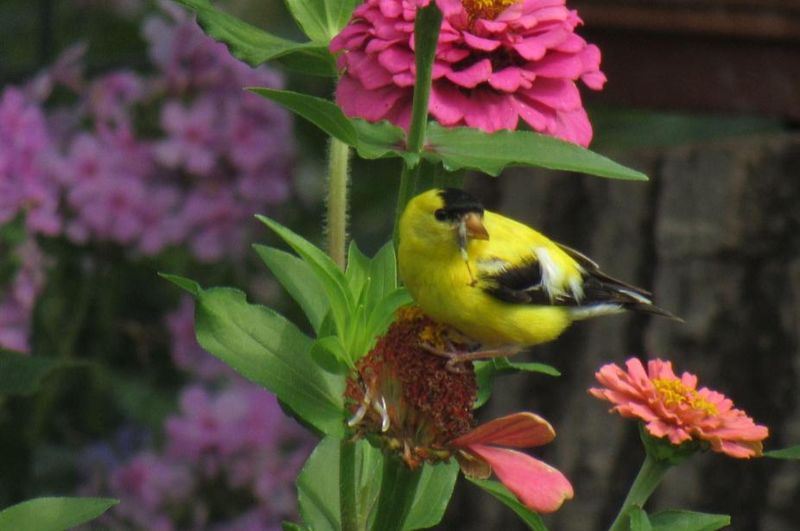
Zinnias are the kind of plant that pulls double duty in a garden. They bring a massive splash of color all season long, and once those flowers start to mature and dry out, goldfinches show up to claim the seeds inside.
It is honestly one of the best deals in gardening: you get months of beautiful blooms and a built-in bird feeder all in one.
These cheerful annuals are incredibly simple to grow from seed. In Pennsylvania, you can sow zinnia seeds directly into garden beds after the last frost, typically in mid to late May.
They sprout quickly, often within a week, and start blooming by midsummer. From that point on, the flowers just keep coming until the first hard frost of fall.
Goldfinches tend to visit zinnias most often once the flower petals begin to fade and dry. That is when the seed-filled center of each bloom becomes most accessible.
Planting a wide mix of zinnia varieties in different sizes and colors will keep your Pennsylvania garden looking vibrant while also offering birds more feeding options throughout the season.
A practical tip for gardeners in Pennsylvania: do not deadhead your zinnias if you want to attract goldfinches. Removing spent blooms too early takes away the seeds before birds get a chance to find them.
Instead, let some flowers fully mature and dry on the plant. You will be rewarded with repeat visits from goldfinches all the way through the end of the growing season, right until the weather turns cold.
5. Cosmos (Cosmos Bipinnatus)
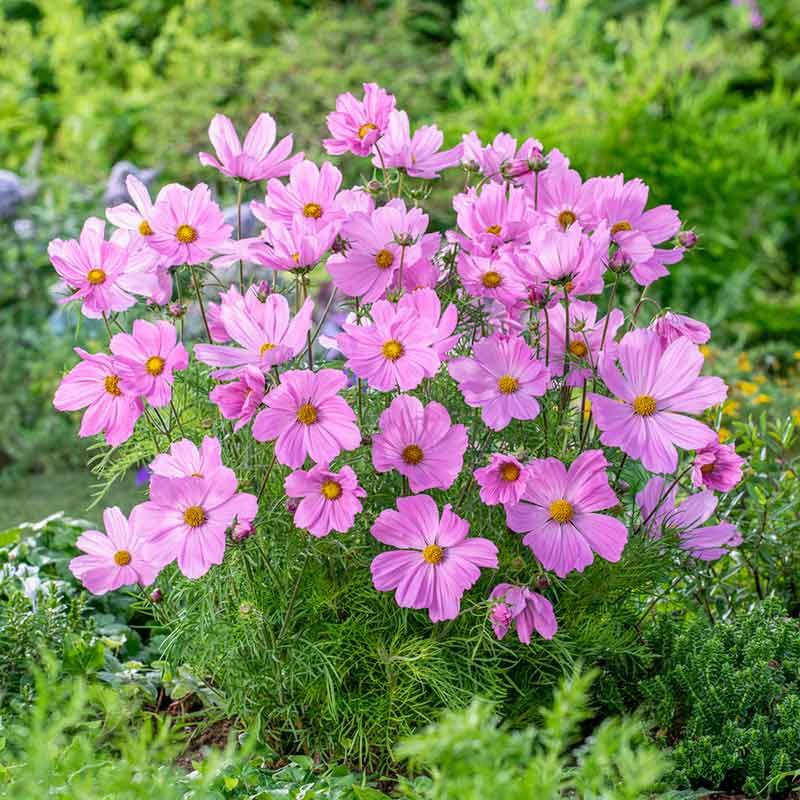
There is something almost magical about a cosmos plant in full bloom. The thin, feathery stems and delicate petals give the whole plant a light, wispy look that sways beautifully in the breeze.
Goldfinches seem to love this plant for exactly that reason. They can cling to the slender stems with ease and pick at the long, narrow seeds that form after each flower fades.
Cosmos is one of the easiest annuals you can grow in Pennsylvania. Scatter seeds directly on the soil after the last frost, water lightly, and step back.
These plants practically grow themselves. They prefer poor to average soil, which means you do not need to add fertilizer or do much prep work.
In fact, too-rich soil makes them produce more leaves than flowers.
One of the most impressive things about cosmos is how it self-seeds. Once established in your Pennsylvania garden, it drops seeds at the end of the season that sprout again the following spring.
Over time, your cosmos patch can grow and spread on its own, creating a larger and more attractive feeding area for goldfinches year after year without any extra effort from you.
Cosmos blooms from early summer all the way until frost, which gives goldfinches an extended reason to visit your yard. Plant them in large drifts for the biggest impact.
Pink, white, and magenta varieties are all equally appealing to birds. Mix cosmos with sunflowers or coneflowers to create a layered garden display that keeps goldfinches visiting your Pennsylvania yard all season long.
6. Coreopsis (Coreopsis Spp.)
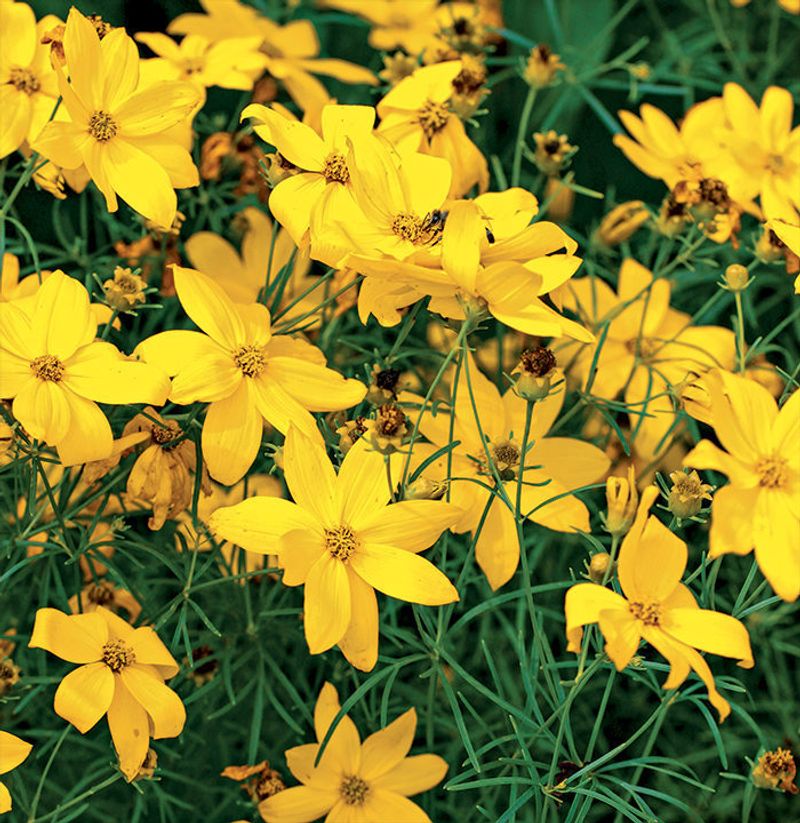
Coreopsis might not be the first plant that comes to mind when thinking about attracting goldfinches, but bird lovers in Pennsylvania who grow it are always glad they did.
Also called tickseed, this cheerful yellow flower produces small, plentiful seeds that goldfinches love to snack on. It is one of those quiet overachievers that earns its place in any wildlife-friendly garden.
Native varieties of coreopsis are especially valuable in Pennsylvania because they are already adapted to the local growing conditions. They handle summer heat well, tolerate dry stretches without wilting, and come back reliably year after year.
Once you plant them, they basically take care of themselves, which is great news for busy gardeners who do not have hours to spend on yard maintenance.
Coreopsis blooms for an impressively long time, often from late spring through early fall. That extended blooming season gives goldfinches a consistent food source over many months.
The more seed heads that develop, the more often birds will return to your Pennsylvania garden. Deadheading spent flowers can encourage more blooms, but leaving some to go to seed is essential for attracting birds.
Did you know that coreopsis was once widely used as a dye plant by Native Americans? The flowers produce a rich golden-orange dye.
That same vibrant color is part of what draws goldfinches to the plant in the first place. Group several plants together in a sunny border or along a garden path for the best results. Full sun and well-drained soil are all coreopsis really needs to thrive in Pennsylvania.
7. Blanket Flower (Gaillardia Spp.)
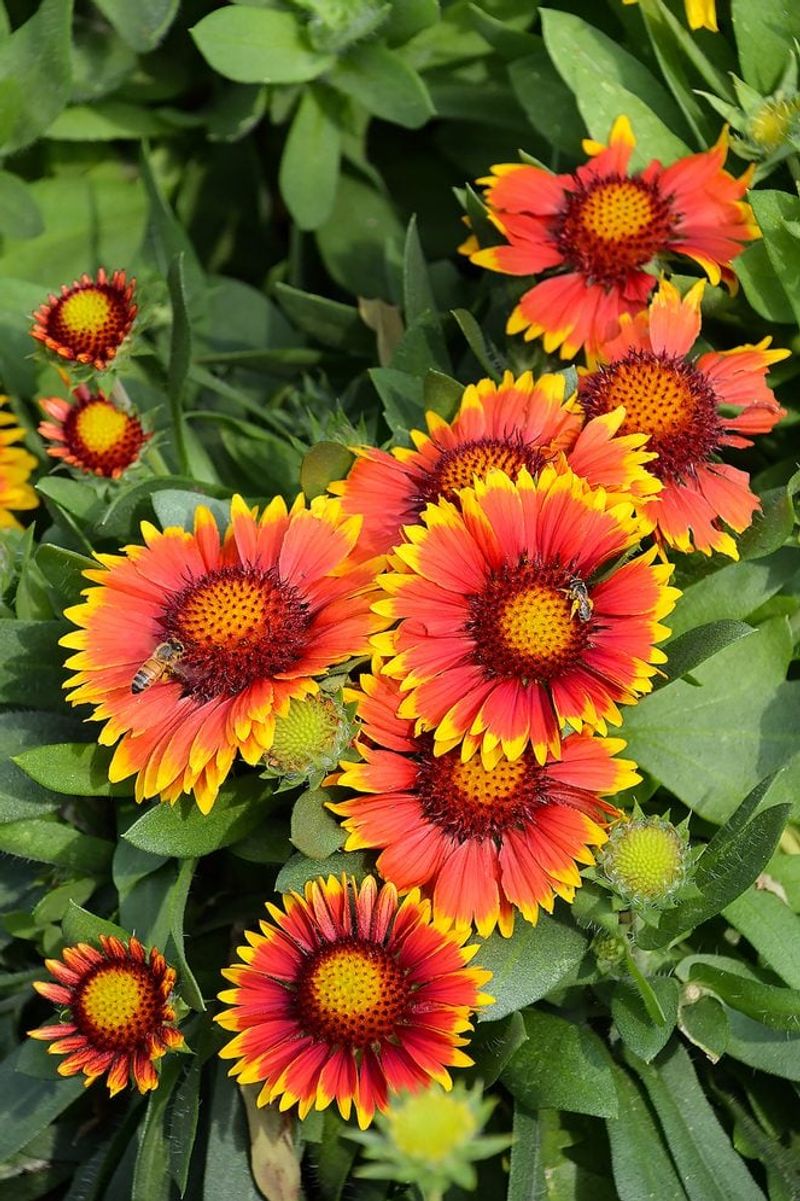
Blanket flower earns its name from the way it spreads across garden beds in bold waves of red, orange, and yellow, looking almost like a colorful woven blanket tossed across the soil. Beyond its stunning looks, this plant is a reliable goldfinch magnet in Pennsylvania.
Once the showy petals drop, the round, bristly seed heads left behind are packed with exactly the kind of tiny seeds goldfinches seek out.
One of the biggest advantages of growing blanket flower in Pennsylvania is its incredible toughness. It thrives in heat, handles poor and sandy soil without complaint, and stays strong even through dry summer stretches.
This makes it a fantastic choice for gardeners who want a low-maintenance plant that still delivers big results for wildlife.
The blooming season for blanket flower is one of the longest of any garden plant. It starts flowering in early summer and keeps going well into fall, sometimes right up until the first frost.
That means your Pennsylvania garden has a consistent seed source available for goldfinches over a stretch of four to five months. Few plants can match that kind of staying power.
Blanket flower is also non-invasive and easy to control, so you never have to worry about it taking over your garden beds. It plays nicely with other plants like coneflowers, coreopsis, and Black-Eyed Susans.
Planting a combination of these native and adapted species across your Pennsylvania garden creates a layered, season-long buffet that goldfinches will return to again and again, year after year.