9 Plants That Bring Good Lucky And Positive Energy To Pennsylvania Homes
Many Pennsylvania homeowners enjoy adding plants not just for beauty, but for the uplifting feeling they bring into a space.
Certain plants have long been associated with good luck, positive energy, and a sense of calm, making them popular choices for both indoor and outdoor settings.
Beyond symbolism, these plants often add fresh greenery, natural texture, and a welcoming atmosphere that makes a home feel more vibrant and alive.
Some are believed to encourage prosperity, while others are thought to promote balance, peace, and overall well being.
Whether placed near an entryway, in a sunny window, or as part of a garden, the right plant can subtly influence the mood of your surroundings.
Bringing these meaningful plants into your Pennsylvania home can create a space that feels brighter, more peaceful, and full of positive, refreshing energy every day.
1. Lucky Bamboo Brings Prosperity
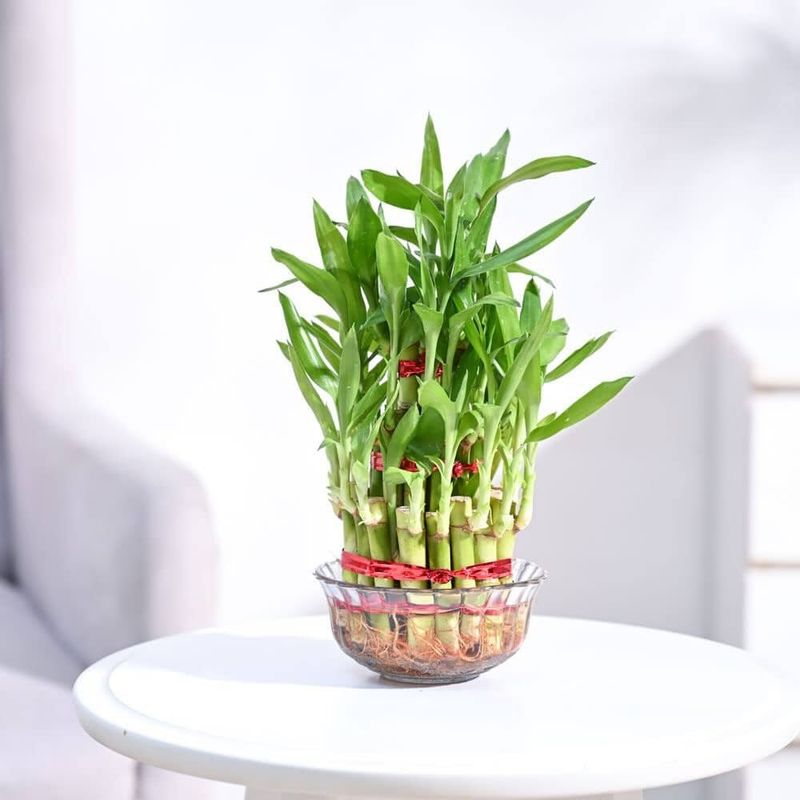
Lucky bamboo isn’t actually bamboo at all, but it sure looks like it. This plant comes from Africa and belongs to the lily family. Pennsylvania residents love it because it grows well indoors without much sunlight.
The number of stalks carries different meanings in Chinese tradition. Three stalks represent happiness, wealth, and long life.
Five stalks attract health to all areas of your life. Seven stalks brings good health specifically.
This plant needs very little care, making it perfect for busy households. You can grow it in just water with some pebbles to hold it upright. Change the water every week to keep it fresh and healthy.
Lucky bamboo tolerates low light conditions found in many Pennsylvania homes during winter months. Keep it away from direct sunlight which can scorch the leaves. Room temperature water works best for this tropical plant.
Many people place lucky bamboo near their front entrance to welcome positive energy. Others keep it on their desk for career success.
The curly shapes you see in stores are created by controlling light direction as the plant grows.
You can find lucky bamboo at most garden centers across Pennsylvania. It makes an excellent gift for friends moving into new homes. This plant symbolizes resilience and flexibility in life.
2. Money Tree Attracts Wealth
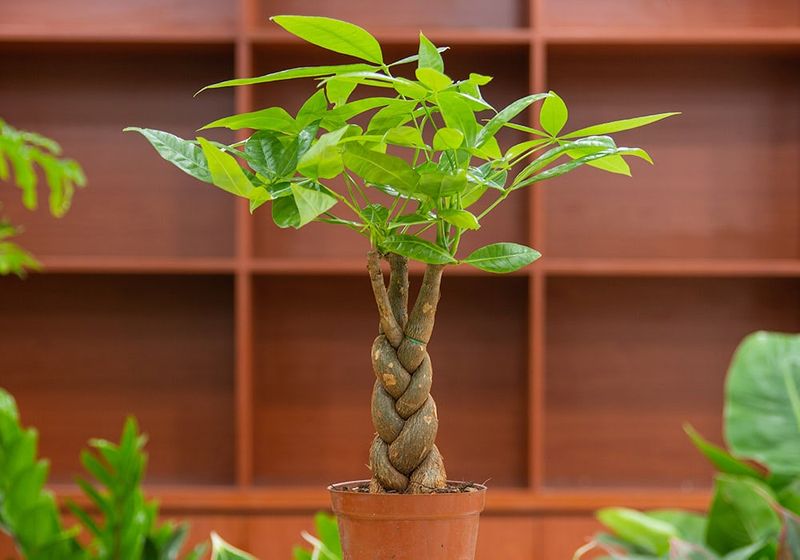
The money tree gets its name from an old story about a poor farmer who prayed for wealth.
Legend says he found this plant and took it home, then sold plants grown from its seeds. His fortune changed completely, and the plant became a symbol of financial luck.
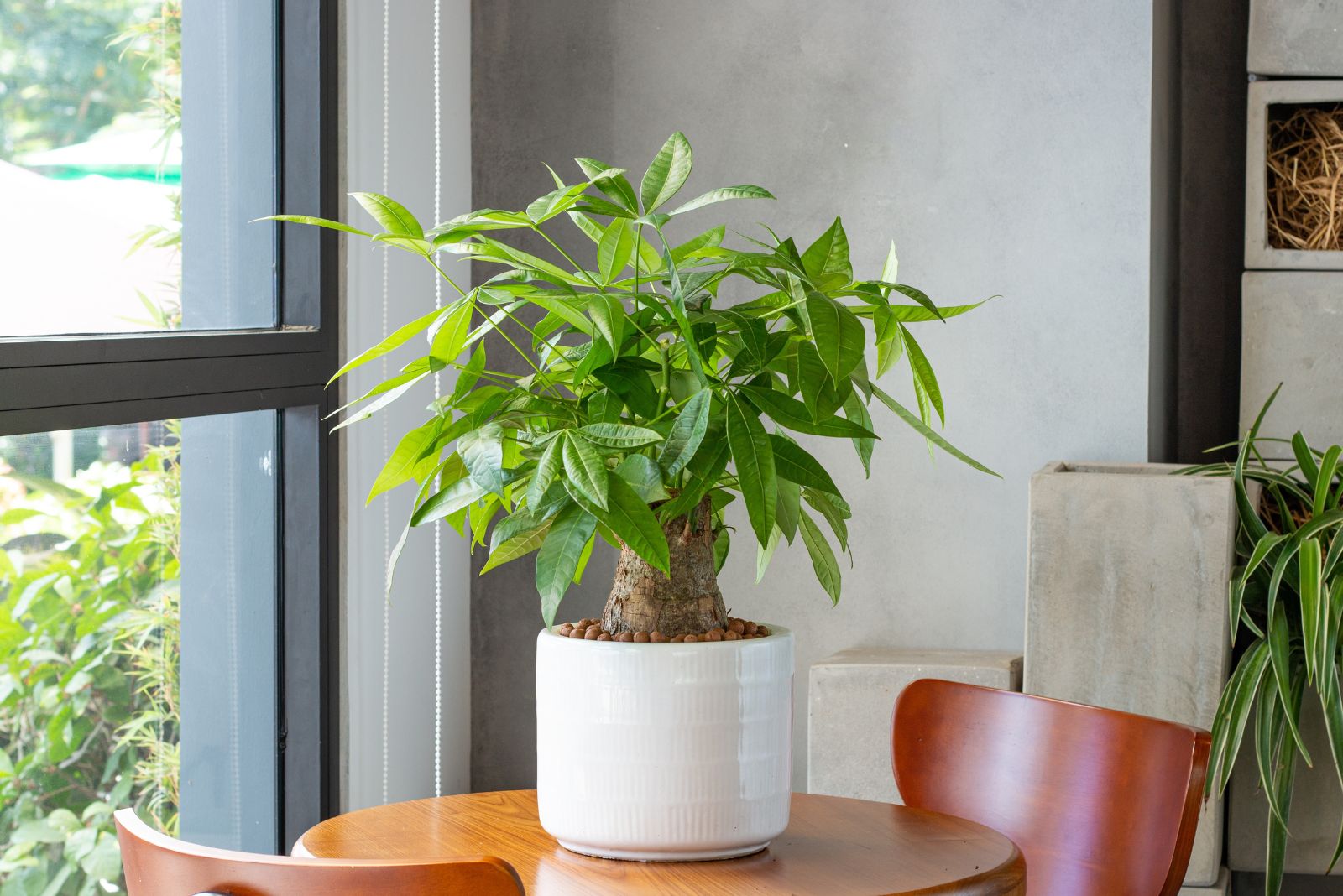
These trees have distinctive braided trunks that growers create when the plants are young. The five leaves on each stem represent the five elements: earth, water, fire, wind, and metal.
Together they bring balance and harmony to your space. Money trees adapt well to Pennsylvania’s indoor environments throughout the year. They prefer bright, indirect light but can handle some shade.
Water when the top two inches of soil feel dry to the touch. Place your money tree in the southeast corner of your home or office for maximum prosperity energy.
Some people tuck coins into the soil or tie red ribbons around the trunk. These traditions come from feng shui practices that enhance the plant’s lucky properties.
The glossy green leaves stay attractive year-round with minimal effort. Wipe dust off the leaves monthly to help the plant breathe better. Money trees can grow quite tall over time, sometimes reaching six feet indoors.
Garden centers throughout Pennsylvania stock these popular plants regularly. They make thoughtful gifts for business openings or graduations.
3. Jade Plant For Friendship And Success
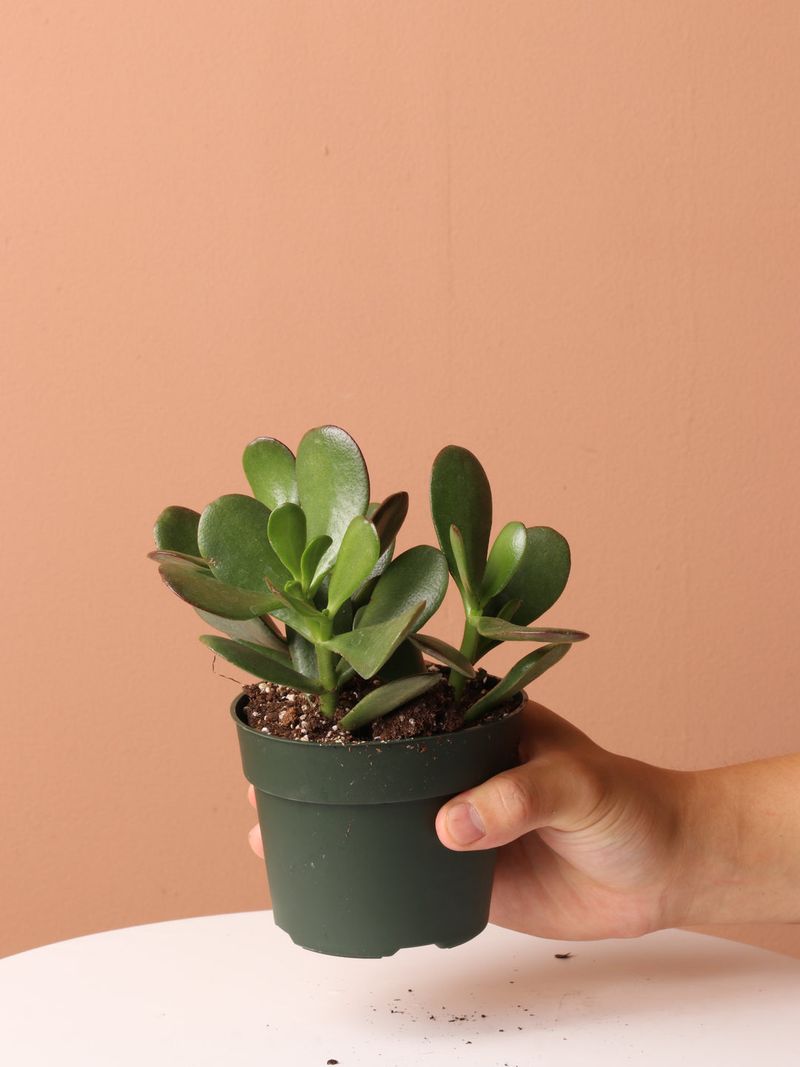
Jade plants have thick, rounded leaves that look like little coins. People call them friendship trees or money plants across different cultures. These succulents originally come from South Africa but thrive in Pennsylvania homes.
The fleshy leaves store water, so jade plants don’t need frequent watering. This makes them perfect for people who sometimes forget to care for plants. Overwatering causes more problems than underwatering with these tough little plants.
Jade plants symbolize growth, renewal, and prosperity in many traditions. Their ability to live for decades represents lasting friendship and enduring success. Some jade plants get passed down through Pennsylvania families for generations.
These plants prefer sunny windowsills where they get several hours of bright light daily. South-facing windows work perfectly in Pennsylvania homes. The leaves may develop a reddish tinge in very bright light, which is completely normal.
Small white or pink flowers sometimes appear on mature jade plants during winter. This blooming is considered especially lucky and means good things are coming. Not all jade plants flower, but proper care increases the chances.
You can easily propagate jade plants from leaf cuttings to share with friends. Just let the cut end dry for a few days before planting. New roots develop within weeks, creating new plants that carry the same good energy.
4. Snake Plant Guards Against Negative Energy
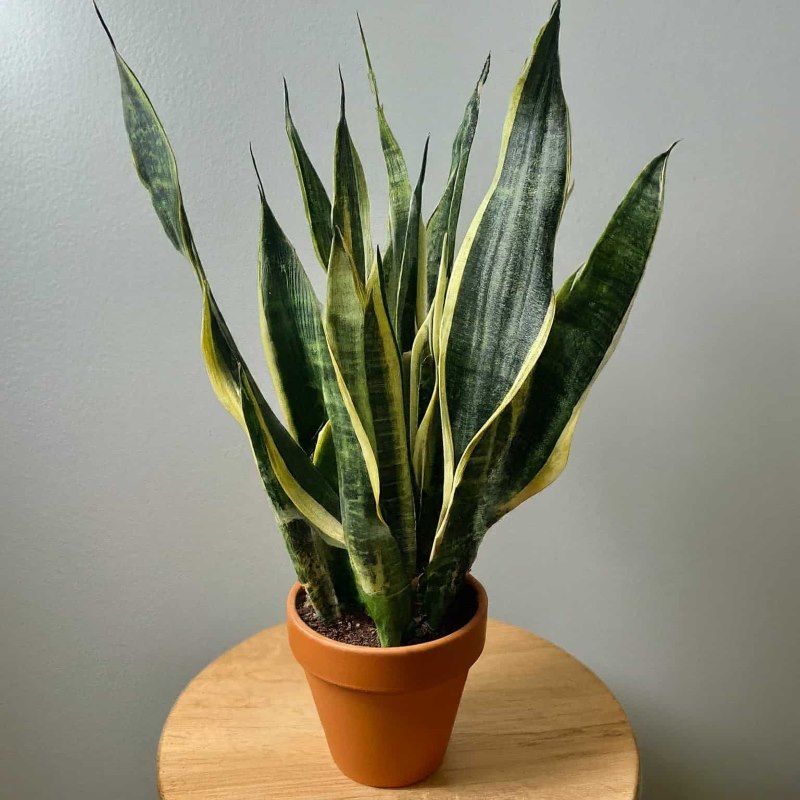
Snake plants stand tall like soldiers protecting your home from bad vibes. Their stiff, upright leaves with yellow edges make bold statements in any room.
These plants are nearly impossible to harm, surviving neglect better than most houseplants.
Many cultures believe snake plants absorb toxins and negative energy from the air. They release oxygen at night, unlike most plants that only do this during daytime. This makes them excellent bedroom companions throughout Pennsylvania.
The plant’s other name, mother-in-law’s tongue, comes from the sharp, pointed leaf tips. Despite the funny name, the plant represents cleansing and protection. Ancient traditions suggest placing it near entrances to filter out bad intentions.
Snake plants tolerate low light conditions that would weaken other houseplants. They handle Pennsylvania’s dry indoor winter air without complaint. Water sparingly, allowing soil to dry completely between waterings.
These plants grow slowly but steadily, eventually producing baby plants called pups. You can separate these pups to create new plants for other rooms. Each new plant carries the protective energy of the parent.
Some varieties have different patterns, from dark green to silvery blue. All types share the same hardy nature and positive properties. Snake plants rarely need repotting and can stay in the same container for years.
5. Peace Lily Promotes Harmony
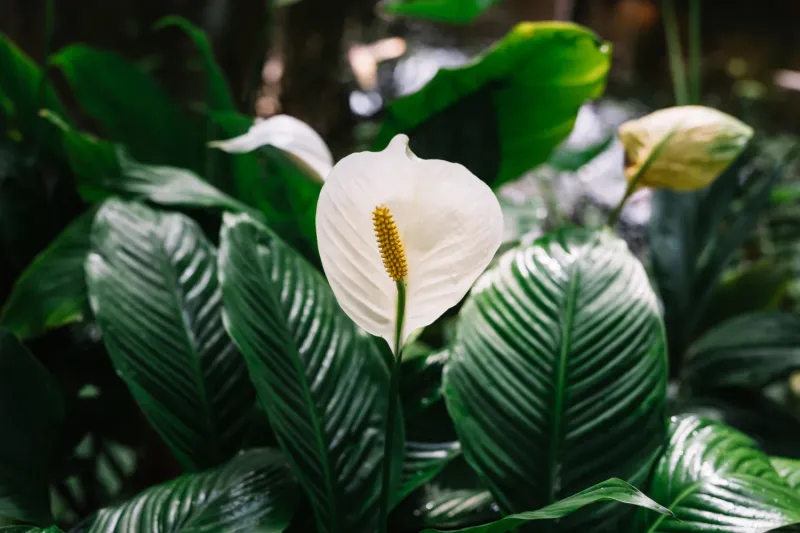
Peace lilies bloom with elegant white flowers that look like tiny sails. The flowers actually aren’t true petals but specialized leaves called spathes. These graceful plants bring a sense of calm to Pennsylvania homes year-round.
The name itself suggests the plant’s purpose: creating peaceful, harmonious spaces. Peace lilies help filter indoor air pollutants that build up in sealed homes during cold months. Cleaner air contributes to better moods and clearer thinking.
These plants tell you when they need water by drooping dramatically. Don’t panic when this happens in your Pennsylvania home. A good drink perks them right back up within hours.
Peace lilies prefer shadier spots away from direct sunlight. East-facing windows provide ideal conditions with gentle morning light. They appreciate humidity, so bathrooms and kitchens suit them well.
The dark green leaves contrast beautifully with the pure white blooms. Flowers can last for weeks before fading to green. Regular feeding during growing season encourages more blooms throughout the year.
According to feng shui principles, peace lilies in bedrooms promote restful sleep. They absorb negative energy and replace it with tranquility. Many Pennsylvania families keep them in common areas where everyone gathers.
Wipe the leaves occasionally to remove dust and keep them glossy. Brown leaf tips usually mean the plant wants more humidity or filtered water instead of tap water.
6. Pothos Vine Brings Perseverance
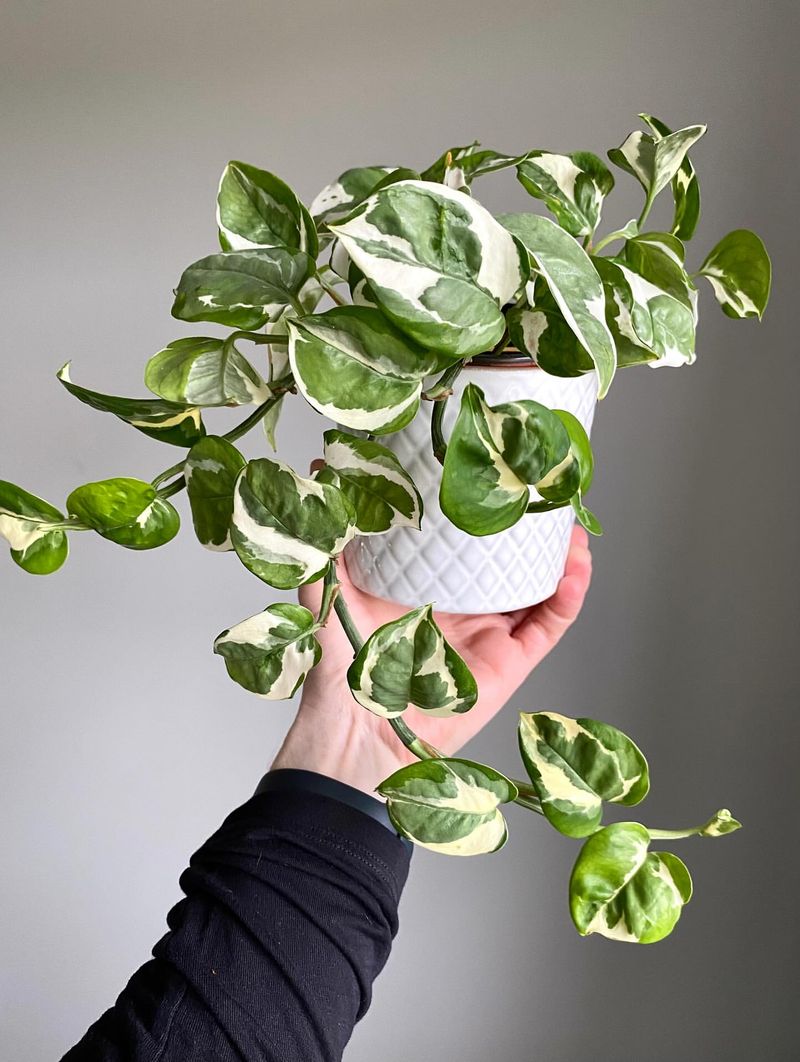
Pothos vines cascade beautifully from shelves and hanging baskets. The heart-shaped leaves come in various colors, from solid green to variegated yellow and white. These vigorous growers represent determination and the ability to thrive anywhere.
You’ll find pothos in offices, schools, and homes throughout Pennsylvania. They tolerate almost any light condition except complete darkness. Even beginners succeed with these forgiving plants that bounce back from mistakes.
Long vines can grow many feet in length, creating living curtains of greenery. Some people train them around windows or along walls. Others let them trail freely for a jungle-like atmosphere.
Pothos roots easily in water, making propagation incredibly simple. Cut below a node and place in water. Roots appear within days, and you can plant it or keep growing it in water indefinitely.
The plant’s ability to grow in water or soil symbolizes adaptability. This quality makes pothos a symbol of perseverance through changing circumstances.
Pennsylvania residents appreciate plants that handle variable indoor conditions during seasonal changes.
Golden pothos varieties brighten dark corners with their yellow-splashed leaves. Marble queen pothos shows more white coloring for a different look. All varieties share the same easy-care nature.
These plants help remove indoor air pollutants while requiring minimal attention. Water when soil feels dry and fertilize occasionally during spring and summer. Pothos rarely complain about anything.
7. Rubber Plant Removes Obstacles
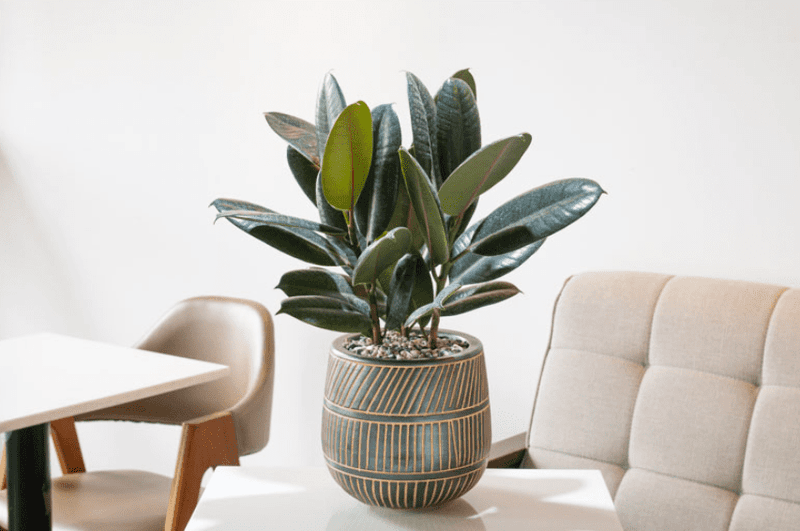
Rubber plants make bold statements with their large, shiny leaves. The deep green foliage reflects light beautifully in Pennsylvania homes. These plants originally come from India where they’re considered sacred and lucky.
Traditional beliefs say rubber plants remove obstacles from your path to success. The strong, upward growth represents rising above challenges. Their substantial presence commands attention in any room.
New leaves emerge in a reddish sheath before unfurling to full size. Watching this process brings a sense of anticipation and growth. Each new leaf represents fresh opportunities coming your way.
Rubber plants prefer bright, indirect light but adapt to medium light conditions. They don’t like being moved frequently, so choose their spot carefully. Pennsylvania’s stable indoor temperatures suit them perfectly.
Wipe the large leaves with a damp cloth to keep them dust-free and glossy. This simple care routine enhances their air-purifying abilities. Clean leaves also reflect more light, brightening your space.
These plants can grow quite tall, eventually reaching ceiling height. Pruning controls size and encourages bushier growth. The milky sap that appears when cutting contains latex, so wash hands afterward.
Burgundy varieties offer dark, almost black foliage for dramatic effect. Variegated types show cream and pink markings. All rubber plants share the same symbolic meaning of clearing your path forward.
8. Aloe Vera Provides Protection And Healing
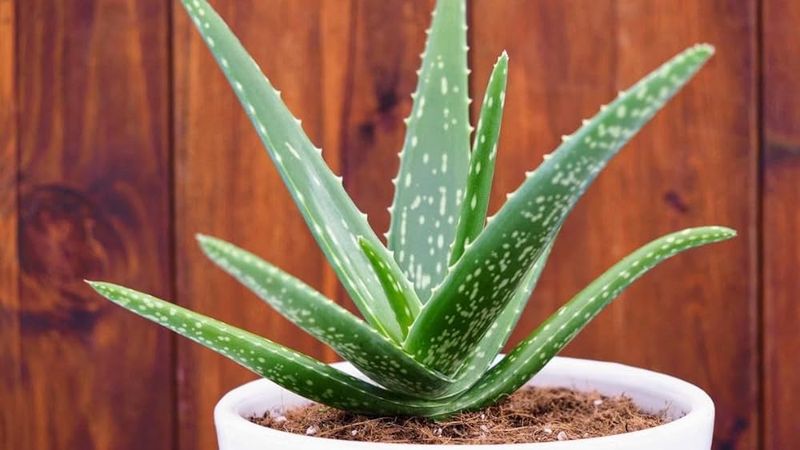
Aloe vera plants have been treasured for thousands of years. Ancient Egyptians called it the plant of immortality. The thick, gel-filled leaves provide natural healing for minor burns and skin irritations.
Many Pennsylvania families keep aloe vera in kitchens for quick access to the soothing gel. Simply break off a leaf and squeeze out the clear gel inside. This practical benefit combines with the plant’s reputation for protecting homes.
Aloe plants symbolize healing, protection, and good luck across many cultures. Some people hang them near doorways to ward off negative energy. The spiky leaves are thought to deflect bad intentions away from the home.
These succulents need very little water, especially during Pennsylvania winters. Let the soil dry completely between waterings. Too much moisture causes root rot, the main problem aloe plants face.
Bright, indirect light keeps aloe plants healthy and compact. Direct summer sun through windows can burn the leaves. A few hours of morning sun works well in Pennsylvania homes.
Mature aloe plants produce baby offsets called pups around their base. Separate these to create new plants for friends and family. Sharing aloe plants supposedly spreads good luck to others.
The fleshy leaves store water for survival during dry periods. This resilience makes aloe a symbol of endurance and strength. Some varieties have spotted or striped leaves for added visual interest.
9. Spider Plant Cleanses And Protects
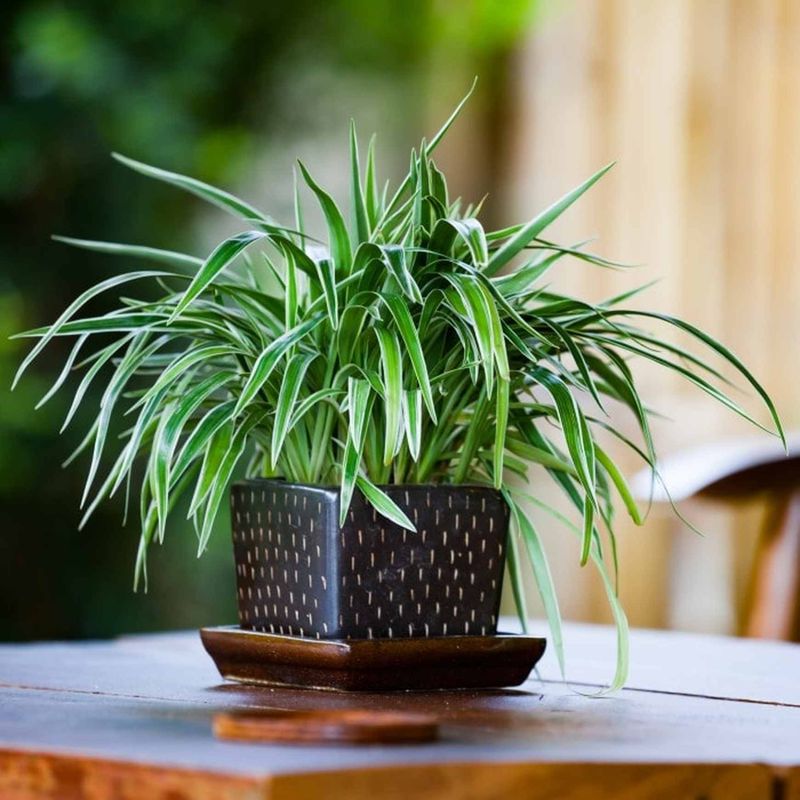
Spider plants earned their name from the baby plantlets that dangle like spiders on webs. These cheerful plants produce cascades of miniature versions of themselves. The arching leaves with white or yellow stripes brighten any Pennsylvania home.
Research shows spider plants remove harmful chemicals from indoor air effectively. They work hard to clean the air you breathe during long Pennsylvania winters. This purifying quality connects to their reputation for removing negative energy.
The abundant baby plants symbolize fertility, growth, and new beginnings. Each plantlet can become a full-sized plant when rooted. This generous reproduction represents abundance flowing into your life.
Spider plants tolerate various light conditions from bright indirect to partial shade. They’re perfect for Pennsylvania homes with limited natural light during winter. These adaptable plants rarely complain about anything.
The plants occasionally produce small white flowers on long stems. These delicate blooms appear before baby plantlets form. Both flowers and babies add to the plant’s cheerful appearance.
You can grow spider plants in hanging baskets or regular pots. The leaves arch gracefully regardless of the container. They make excellent gifts because they’re so easy to care for.
Water regularly during growing season but allow soil to dry between waterings. Spider plants store water in their thick roots, helping them survive occasional neglect. Brown leaf tips usually indicate too much fluoride in tap water.