13 Plants That Can Grow As Vines, Shrubs, Or Trees In Oregon
Have you ever walked through your yard and noticed how one plant seems to be climbing, another spreading out, and another slowly turning into something taller and sturdier?
Sometimes it’s hard to tell where a vine ends and a shrub begins, especially in an Oregon garden where plants love to grow in their own way.
You might even have one already and not realize how many forms it can take.
Some plants here don’t like to be boxed into just one role.
With a little guidance, they can grow along a fence, fill in a corner, or even become a small tree over time.
That kind of flexibility is helpful, especially if your space changes or you enjoy letting your garden evolve naturally.
Have you ever planted something small and been surprised by what it turned into a few years later?
If you like plants that adapt and keep things interesting, you’re not alone.
Many Oregon gardeners appreciate varieties that can do more than one job, whether it’s adding privacy, softening a walkway, or giving birds a place to rest.
These plants are great examples of how a single plant can grow in different directions, depending on how you let it grow.
1. Wisteria
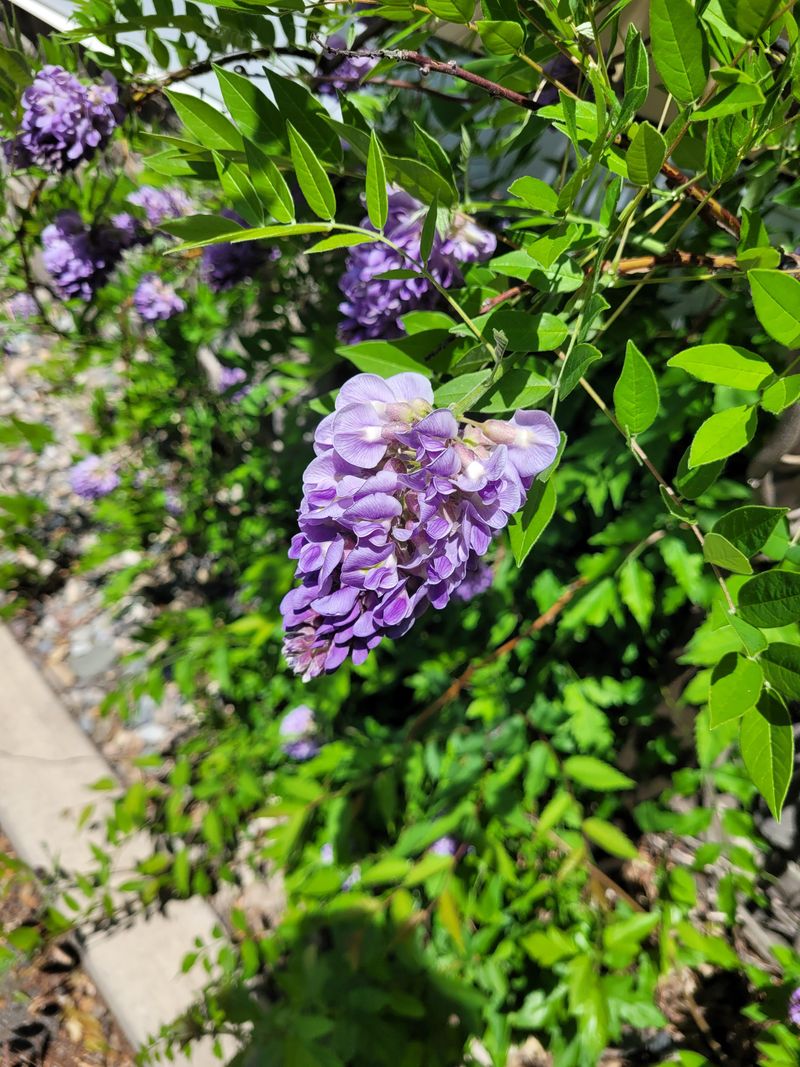
This plant can climb vigorously as a vine, sprawl as a shrub with proper pruning, or even be trained into a small tree form.
Its woody stems grow thick and strong over time, making it perfect for arbors, fences, or standalone displays.
Wisteria brings dramatic beauty to Oregon gardens with its cascading clusters of purple, blue, or white flowers.
Training wisteria takes patience but rewards you with stunning spring blooms.
If you want a vine, provide sturdy support because the stems get heavy.
For a shrub shape, prune regularly to control its spread and encourage bushier growth.
Tree forms require careful staking and trimming to develop a single trunk with a rounded canopy.
Wisteria thrives in full sun and well-drained soil, which Oregon provides in many regions.
It can handle some shade but blooms best with plenty of light.
Be mindful of its aggressive growth habit.
Without pruning, it can overtake structures or crowd other plants.
Once established, wisteria becomes quite hardy and drought-tolerant.
Its fragrant flowers attract pollinators, adding life to your garden.
With the right care, this plant transforms any space into a fragrant, colorful retreat.
2. Camellia
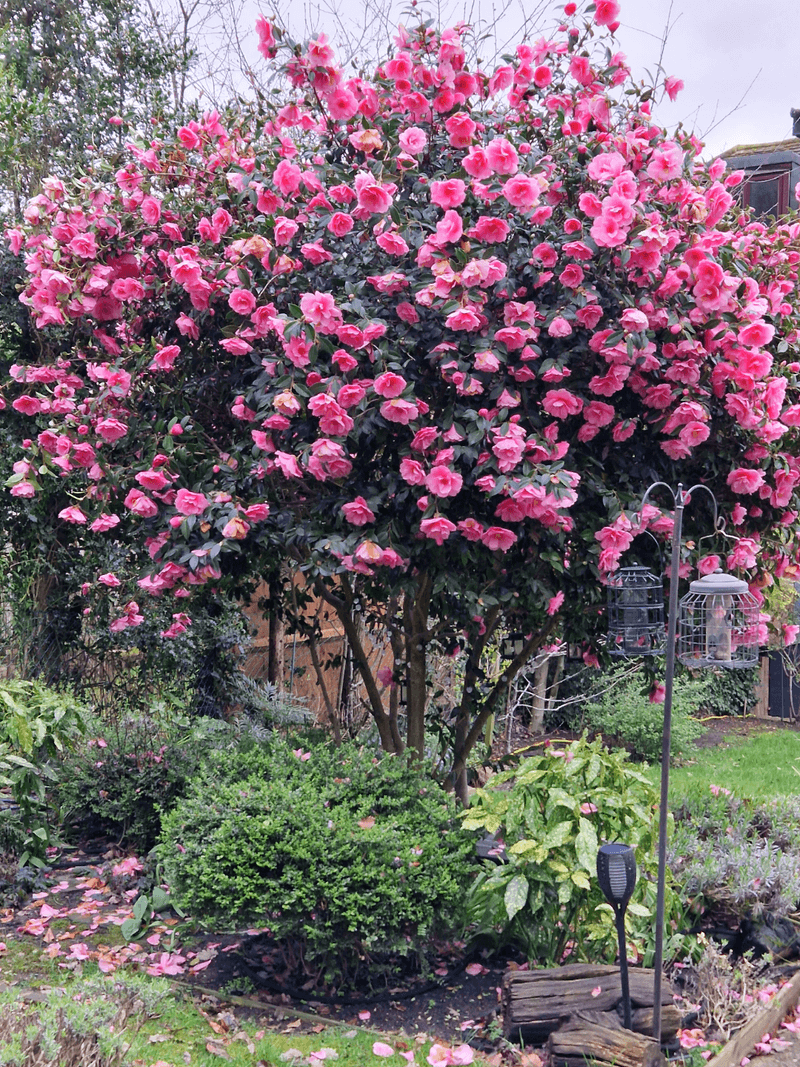
These plants adapt beautifully to different forms depending on how you grow them.
As a shrub, camellia stays compact and rounded.
With training, it can climb like a vine against walls or fences.
Some varieties even develop into small trees with proper pruning and time.
Oregon’s mild, moist climate suits camellias perfectly.
They prefer partial shade and acidic soil, conditions common in many Oregon gardens.
Their flowers come in shades of pink, red, white, and even variegated patterns.
Each bloom looks almost too perfect to be real.
Pruning camellias after flowering helps maintain their shape and encourages new growth.
If you want a tree form, remove lower branches and focus growth upward.
For a bushier shrub, trim back longer shoots to promote density.
Vine forms need support and gentle guidance as they grow.
Camellias tolerate cool temperatures and even some frost, making them reliable in Oregon winters.
They add year-round structure and seasonal color to your landscape.
With their versatility and beauty, camellias deserve a spot in any adaptable garden.
3. Hydrangea (climbing, panicle, and oakleaf types)
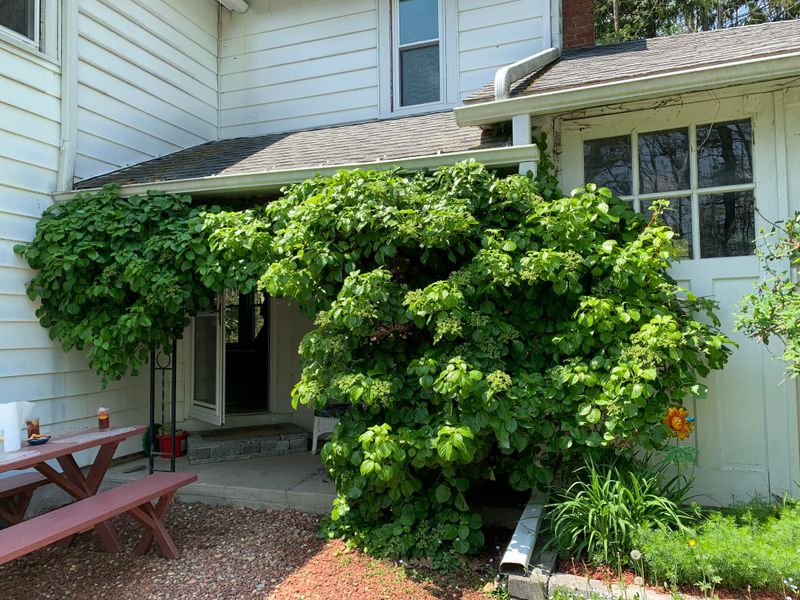
This versatile plant can fit into any garden and space!
Climbing hydrangeas attach to walls and trellises with aerial roots, creating lush green backdrops covered in white blooms.
Panicle hydrangeas grow naturally as shrubs but can be pruned into small tree forms with a single trunk.
Oakleaf hydrangeas stay shrubby, with distinctive lobed leaves that turn brilliant colors in fall.
Oregon’s climate supports all three types beautifully.
Climbing hydrangeas love cool, moist conditions and thrive in partial shade.
Panicle types tolerate more sun and handle drier spots better than other hydrangeas.
Oakleaf varieties bring unique texture and fall color, making them standout shrubs in any garden.
Training a panicle hydrangea into a tree form requires patience.
Start by selecting one strong stem and removing all others at the base.
Stake the main stem and prune lower branches as it grows taller.
Over a few years, you will develop a lovely tree with a flower-covered canopy.
All hydrangeas benefit from regular watering and mulch to keep roots cool.
Their blooms attract pollinators and provide long-lasting color from summer into fall.
Whether you need a vine, shrub, or tree, hydrangeas deliver beauty and flexibility to your Oregon landscape.
4. Honeysuckle (Lonicera)
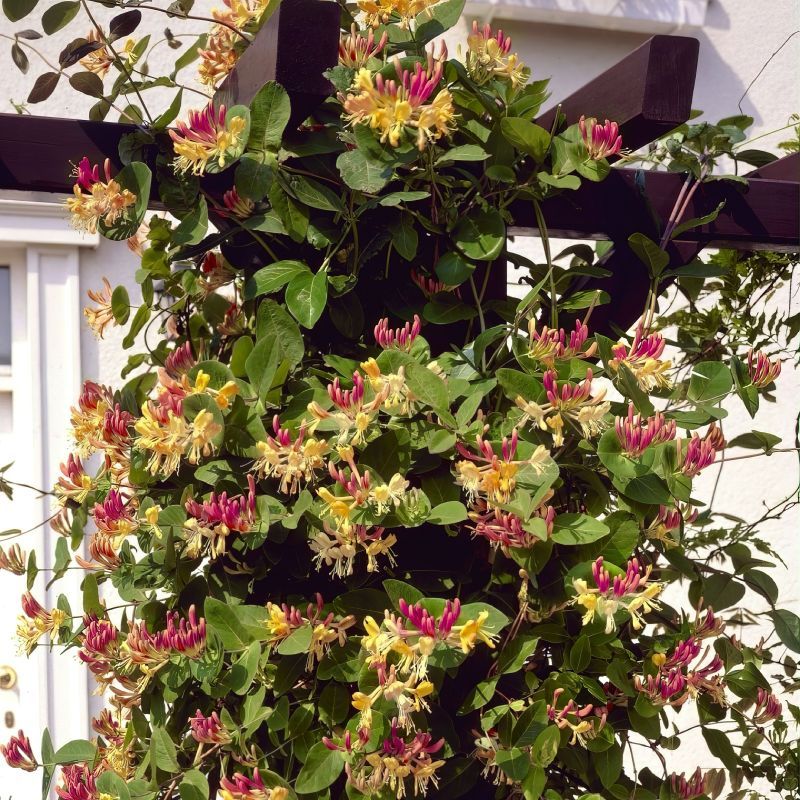
Honeysuckle fills the air with sweet fragrance and attracts hummingbirds with its tubular flowers.
This plant grows naturally as a vigorous vine, climbing fences, arbors, and trellises with twining stems.
With regular pruning, honeysuckle can also be shaped into a rounded shrub or even trained into a small tree form with a central trunk.
Oregon gardeners appreciate honeysuckle for its adaptability and low maintenance needs.
It tolerates a range of soil types and grows well in full sun to partial shade.
Flowers appear in shades of yellow, orange, pink, or white, depending on the variety.
Blooms often last from late spring through summer, providing continuous color.
To grow honeysuckle as a shrub, prune back long shoots regularly to encourage branching.
This keeps the plant compact and prevents it from sprawling.
For a tree form, select one strong stem and remove all others.
Stake it upright and trim lower growth to create a clear trunk.
Honeysuckle can spread aggressively if left unchecked, so monitor its growth and prune as needed.
Its dense foliage provides privacy and shelter for birds.
The sweet scent and bright blooms make honeysuckle a favorite for adding charm and wildlife appeal to Oregon gardens.
5. Roses (climbing, shrub, and standard forms)
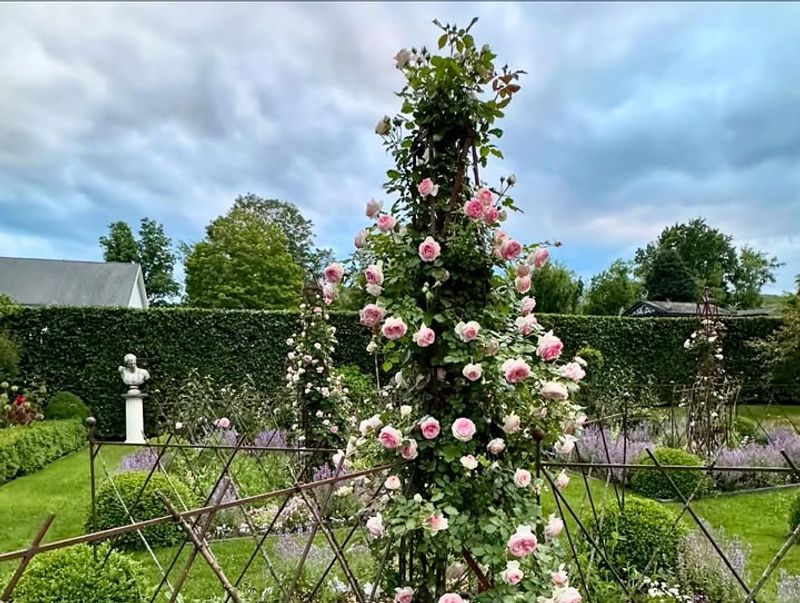
These flowers bring timeless beauty and romance to any garden, and their versatility makes them even more appealing.
Climbing roses produce long canes that can be trained up trellises, arbors, or walls.
Shrub roses grow in rounded, bushy forms that need minimal pruning.
Standard roses, also called tree roses, feature a single trunk topped with a rounded canopy of blooms.
Oregon’s climate supports a wide variety of roses, from classic hybrid teas to hardy landscape types.
Roses need full sun and well-drained soil to thrive.
Regular watering and feeding help them produce abundant flowers from spring through fall.
Many modern varieties resist common diseases, making them easier to grow.
Training climbing roses requires tying canes to supports as they grow.
This encourages upward growth and better flowering.
Shrub roses need occasional shaping to remove dead wood and maintain their form.
Standard roses require staking to support the trunk and protect against wind damage.
Roses attract pollinators and provide cut flowers for indoor arrangements.
Their fragrance and color range from soft pastels to bold reds and yellows.
Whether you choose a climbing, shrub, or tree form, roses add elegance and charm to your Oregon garden.
6. Fig
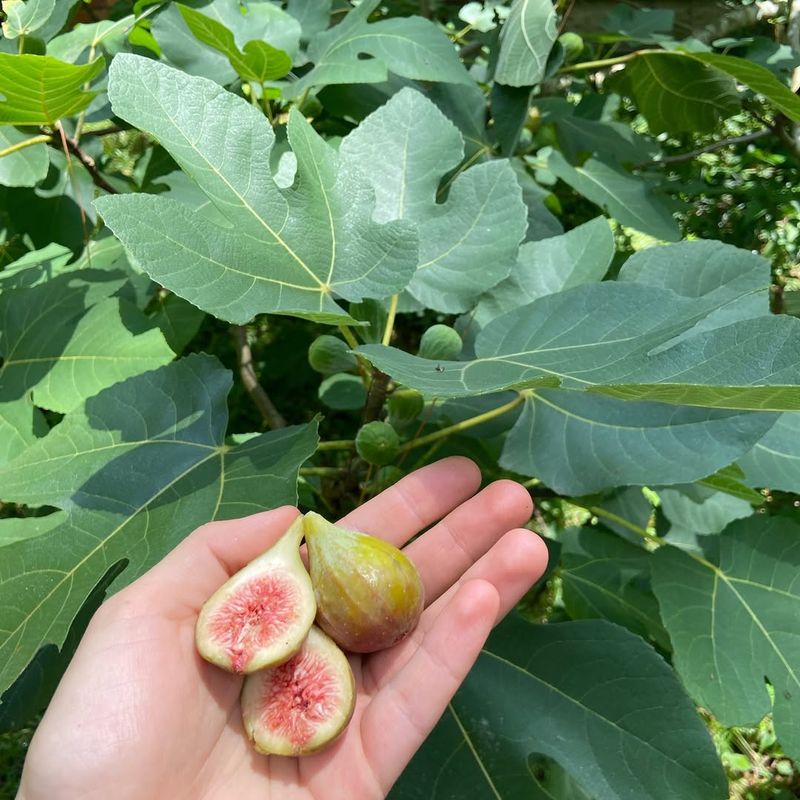
Figs offer delicious fruit and striking foliage, making them both productive and ornamental.
These plants can grow as multi-stemmed shrubs, single-trunk trees, or even trained as espalier vines against walls.
Oregon’s mild climate, especially in warmer areas, supports many fig varieties that produce sweet, flavorful fruit.
Figs prefer full sun and well-drained soil.
They tolerate heat and drought once established, though regular watering improves fruit production.
Their large, lobed leaves create a tropical look that stands out in temperate gardens.
In fall, the leaves turn golden yellow before dropping.
To grow a fig as a shrub, allow multiple stems to develop from the base.
This creates a bushy, spreading form that produces fruit on multiple branches.
For a tree shape, prune away all but one main stem and remove lower branches as it grows.
Espalier training involves tying branches to a flat support structure, creating a space-saving, decorative form.
Figs fruit on new growth, so pruning in late winter encourages fresh shoots and better harvests.
Some varieties produce two crops per year, one in early summer and another in fall.
With their adaptability and tasty rewards, figs make a wonderful addition to Oregon gardens.
7. Lilac
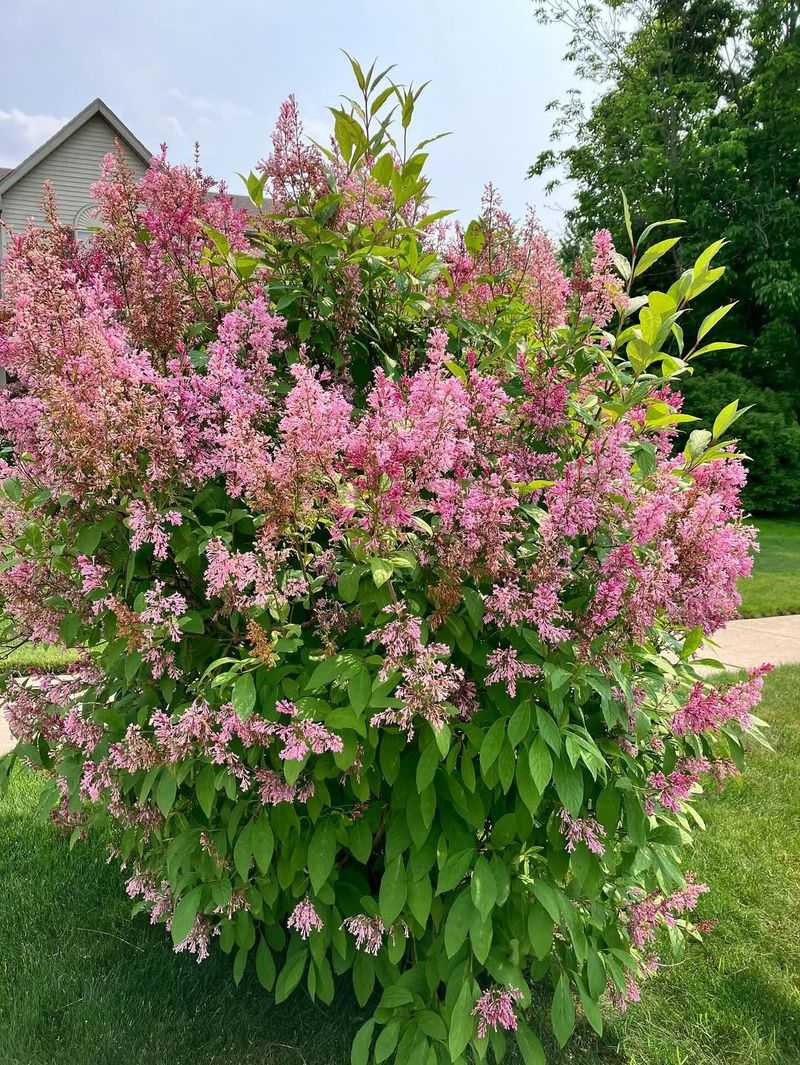
These plants typically grow as multi-stemmed shrubs, but with training, they can also develop into small trees with a single trunk.
Some varieties even produce long, arching branches that can be trained along fences or supports.
Lilacs fill spring gardens with their intoxicating fragrance and clusters of purple, white, or pink flowers.
Oregon’s cool springs and mild summers create ideal conditions for lilacs.
They need full sun and well-drained soil to bloom abundantly.
Lilacs tolerate cold winters and actually require some chill hours to set flower buds.
Once established, they become quite hardy and low-maintenance.
To shape a lilac into a tree, select one strong stem and remove all suckers and side shoots at the base.
Stake the main stem upright and prune lower branches to create a clear trunk.
Over time, the top will develop into a rounded canopy covered in blooms.
For a shrub form, allow multiple stems to grow and prune after flowering to control size.
Lilacs attract butterflies and other pollinators with their nectar-rich flowers.
Their blooms make excellent cut flowers that bring fragrance indoors.
With their nostalgic charm and adaptability, lilacs remain a favorite in Oregon gardens.
8. Grape
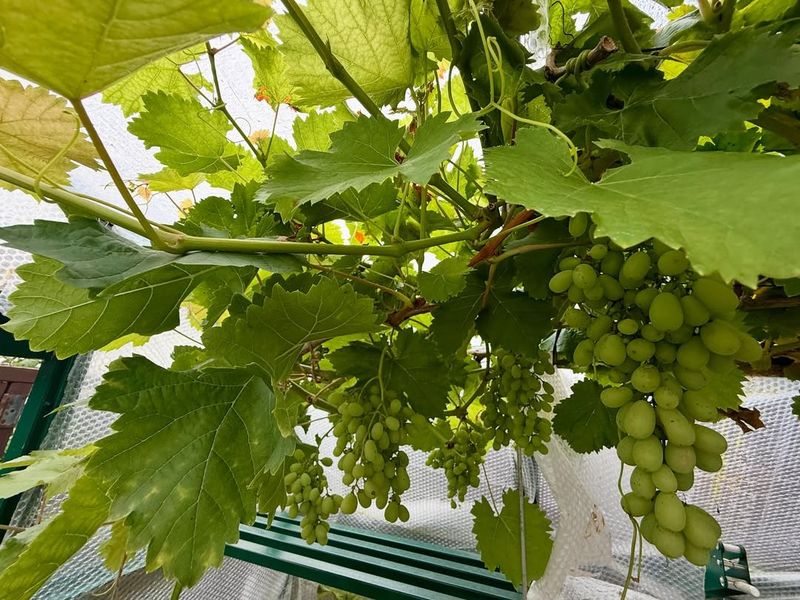
Grapes provide delicious fruit and beautiful foliage, making them both practical and decorative.
These plants naturally grow as climbing vines, using tendrils to attach to supports like arbors, trellises, or pergolas.
With pruning, grapes can also be trained into freestanding shrub forms or even small tree shapes on sturdy stakes.
Oregon’s wine country proves that grapes thrive in this climate.
They need full sun and well-drained soil to produce the best fruit.
Grapes grow vigorously, so regular pruning keeps them productive and manageable.
Their large leaves provide shade in summer and turn golden in fall.
Training grapes as vines involves selecting strong canes and tying them to supports.
Prune away excess growth each winter to encourage fruit production on new wood.
For a shrub form, prune heavily to create a bushy, self-supporting plant.
Tree forms require training a single trunk upward with a canopy of fruiting canes at the top.
Grapes attract birds and beneficial insects to your garden.
Their fruit ripens in late summer or fall, depending on the variety.
Whether you want fresh table grapes, juice, or wine, growing grapes in Oregon offers both beauty and bounty.
9. Jasmine (hardy types)
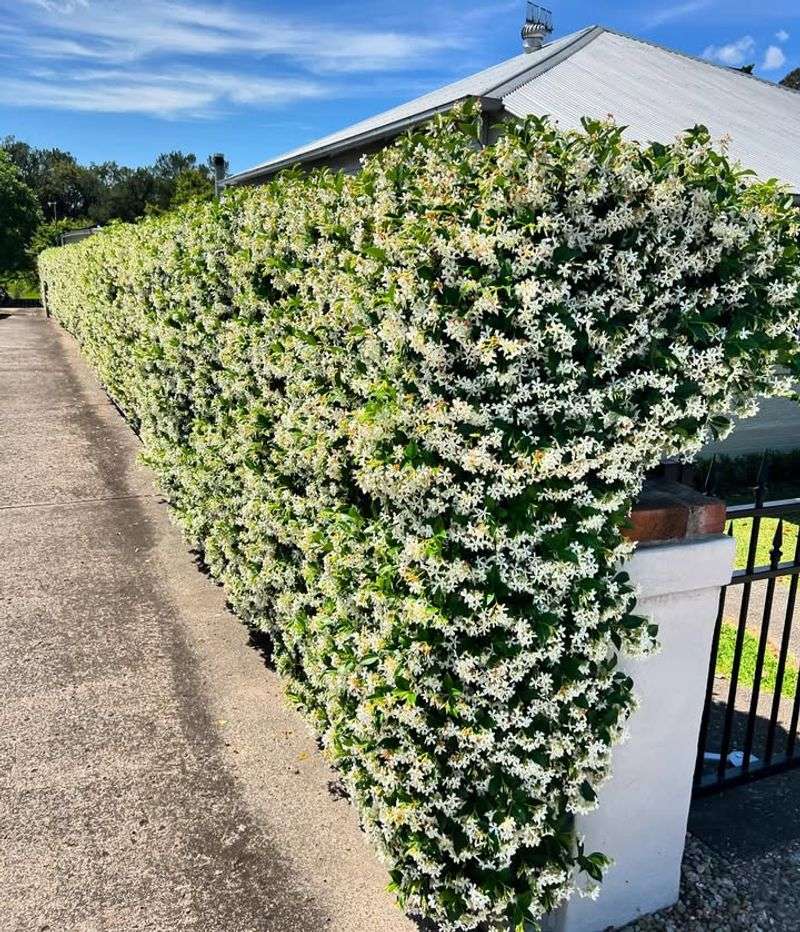
Hardy jasmine varieties bring fragrant flowers and evergreen foliage to Oregon gardens.
These plants grow naturally as vines, climbing fences, trellises, and walls with twining stems.
With pruning, jasmine can also be shaped into rounded shrubs or trained into small weeping tree forms on stakes.
Oregon’s mild winters suit hardy jasmine types like winter jasmine and star jasmine.
They prefer full sun to partial shade and well-drained soil.
Flowers appear in white or yellow, depending on the variety, and fill the air with sweet fragrance.
Some types bloom in winter, providing rare cold-season color.
To grow jasmine as a vine, provide sturdy support and guide stems as they grow.
Prune after flowering to control size and encourage branching.
For a shrub form, trim regularly to create a dense, rounded shape.
Tree forms require staking a single stem upright and removing lower growth to create a clear trunk.
Jasmine attracts pollinators and provides year-round greenery in mild climates.
Its flowers work beautifully in bouquets and arrangements.
The plant tolerates some neglect once established, making it a reliable choice for busy gardeners.
With its versatility and fragrance, jasmine adds romance and elegance to any Oregon landscape.
10. Viburnum
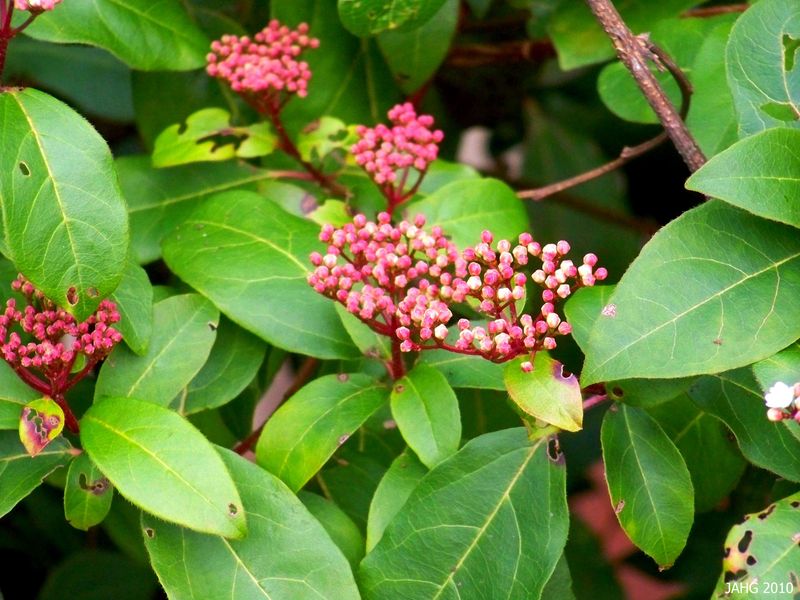
Viburnums offer year-round interest with their clusters of fragrant flowers, colorful berries, and attractive foliage.
These plants typically grow as multi-stemmed shrubs, but some varieties can be trained into small trees with a single trunk.
Certain types also produce long, arching branches that can be trained along supports like vines.
Oregon’s climate supports many viburnum species, from native types to ornamental varieties.
They prefer full sun to partial shade and adapt to various soil types.
Flowers appear in spring, often in white or pink clusters, and many varieties produce berries that attract birds in fall.
To shape a viburnum into a tree, select one main stem and remove all others at the base.
Prune lower branches as the plant grows taller to create a clear trunk.
The top will develop into a rounded canopy of foliage and flowers.
For shrub forms, allow multiple stems and prune after flowering to maintain shape.
Viburnums resist most pests and diseases, making them low-maintenance choices.
Their berries provide food for wildlife, and their flowers attract pollinators.
Fall foliage often turns shades of red, orange, or purple, adding seasonal color.
With their adaptability and beauty, viburnums enhance any Oregon garden.
11. Clematis (woody varieties)
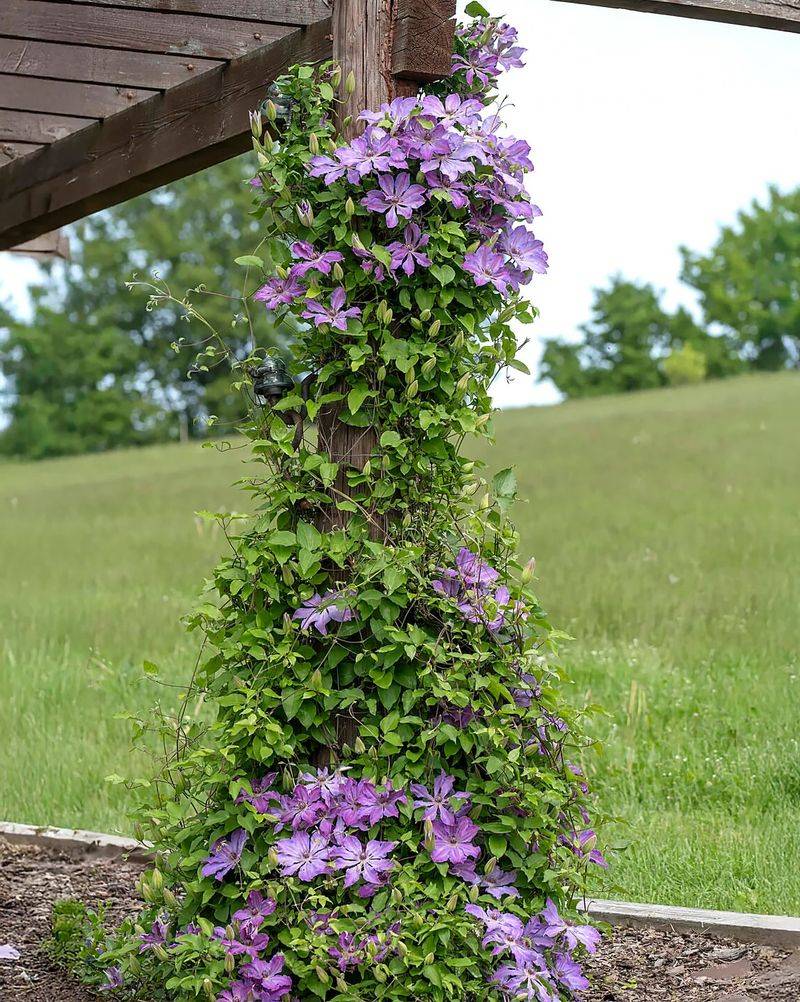
Woody varieties develop thick, sturdy stems over time and can grow as climbing vines, sprawling shrubs, or even trained into small tree forms.
Their large, showy blooms make them standout features in any garden.
Oregon’s cool, moist climate suits clematis perfectly.
They prefer full sun on their flowers but like their roots shaded and cool.
Planting them near shrubs or using mulch helps keep roots comfortable.
Clematis climbs by wrapping leaf stalks around supports like trellises, arbors, or fences.
To grow clematis as a shrub, prune it heavily each year to encourage bushy growth near the ground.
For vine forms, provide sturdy support and guide stems as they climb.
Tree forms require training a main stem upward on a stake and pruning side shoots to create a clear trunk with a flowering canopy.
Clematis blooms from spring through fall, depending on the variety.
Some types flower on old wood, while others bloom on new growth, so pruning timing varies.
Their flowers attract pollinators and provide long-lasting color.
With proper care, clematis transforms any Oregon garden into a floral showpiece.
12. Bay Laurel
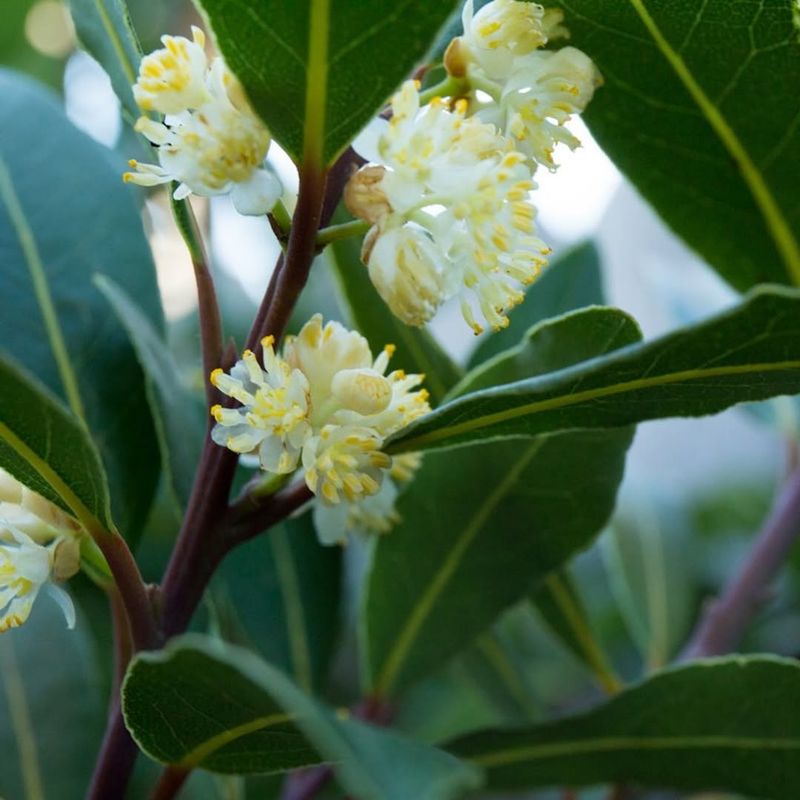
Bay laurel provides aromatic leaves used in cooking and attractive evergreen foliage for your landscape.
This plant grows naturally as a multi-stemmed shrub but can be trained into a single-trunk tree or even shaped as a topiary.
Some gardeners also train bay laurel as an espalier vine against walls or fences.
Oregon’s mild climate, especially in coastal and valley areas, suits bay laurel well.
It prefers full sun to partial shade and well-drained soil.
Bay laurel tolerates pruning and shaping, making it perfect for formal gardens or containers.
Its glossy green leaves stay attractive year-round.
To grow bay laurel as a tree, select one main stem and remove all others at the base.
Prune lower branches as it grows to create a clear trunk.
The top will develop into a dense, rounded canopy.
For shrub forms, allow multiple stems and prune to maintain size and shape.
Bay laurel leaves add flavor to soups, stews, and sauces.
Harvest leaves as needed, and they will regrow quickly.
The plant also produces small yellow flowers in spring, followed by dark berries.
With its culinary uses and ornamental value, bay laurel serves multiple purposes in Oregon gardens.
13. Pyracantha
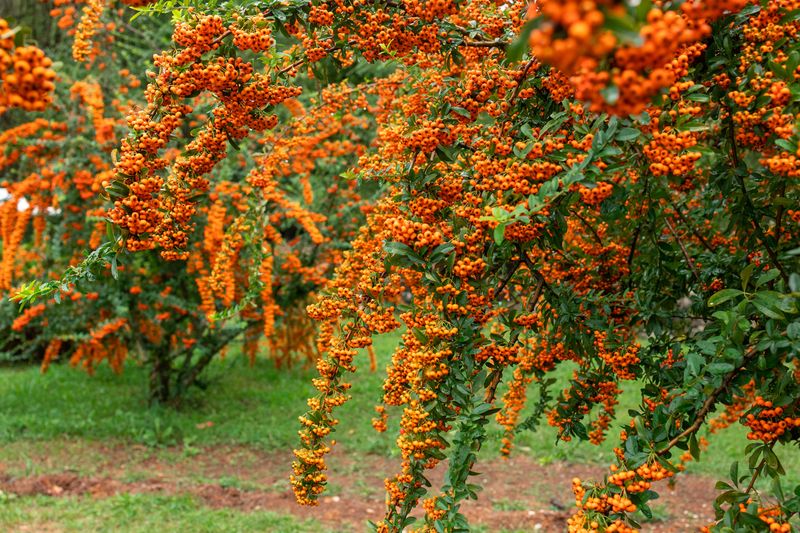
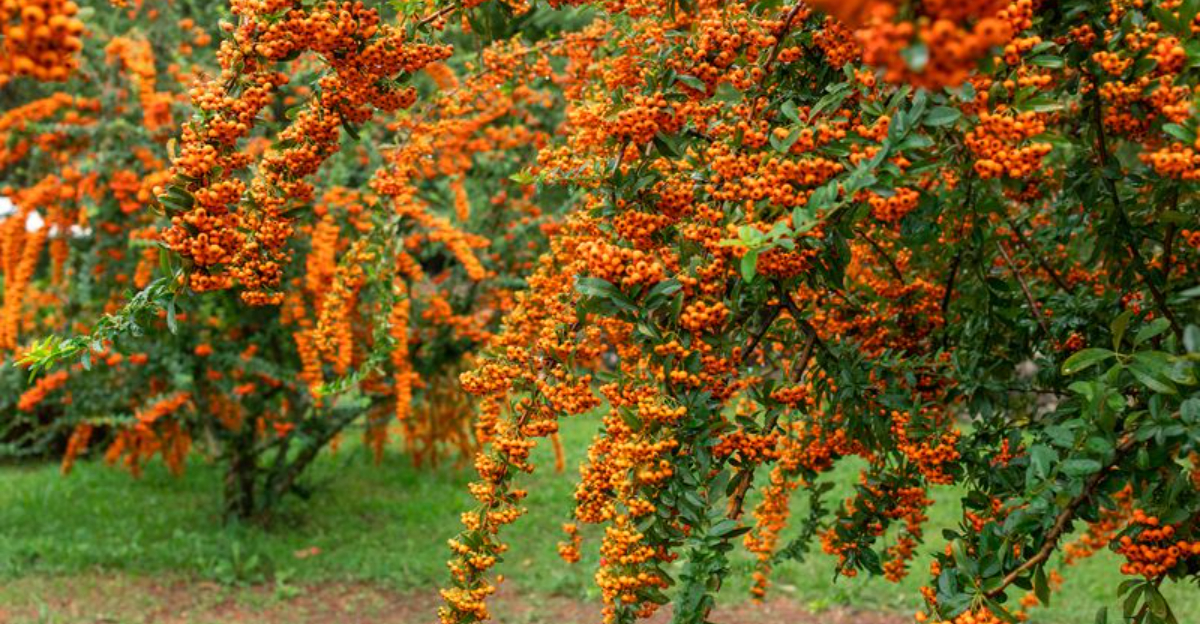
Also commonly called firethorn, Pyracantha dazzles with its masses of white spring flowers and brilliant orange or red berries in fall.
This plant grows naturally as a dense, thorny shrub but can be trained as a climbing vine against walls or fences.
With careful pruning, pyracantha can also develop into a small tree with a single trunk.
Oregon’s climate supports pyracantha beautifully, especially in areas with mild winters.
It thrives in full sun and tolerates various soil types.
The plant’s thorny branches make it excellent for security hedges or barriers.
Its evergreen foliage provides year-round structure and privacy.
To train pyracantha as a vine, tie branches to supports and prune to encourage flat, spreading growth.
This espalier technique creates stunning wall displays covered in flowers and berries.
For tree forms, select one main stem and remove all others.
Prune lower branches to create a clear trunk with a berry-covered canopy.
Pyracantha berries attract birds and provide winter food for wildlife.
The plant tolerates drought once established and resists most pests.
Its thorns can be sharp, so plant it away from pathways.
With its bright berries and adaptable forms, pyracantha adds color and interest to Oregon gardens throughout the year.