8 Plants That Can Help Stabilize Slopes And Heavy Soil In Ohio
One storm. That is all it takes to undo weeks of yard work in Ohio.
You step outside and suddenly the slope looks thinner, patches of soil have slid downhill, and that heavy clay has turned into a slick, stubborn mess. It is frustrating, and it happens fast.
Many homeowners keep trying to fix it with mulch, edging, or constant regrading, but the real solution usually starts underground. The right plants can lock soil in place, slow water down, and turn problem areas into something far more stable.
Some grow deep roots that anchor everything, while others spread and hold loose soil together over time. Once they settle in, the difference is hard to ignore.
Instead of chasing erosion after every rain, you can build a landscape that handles it for you.
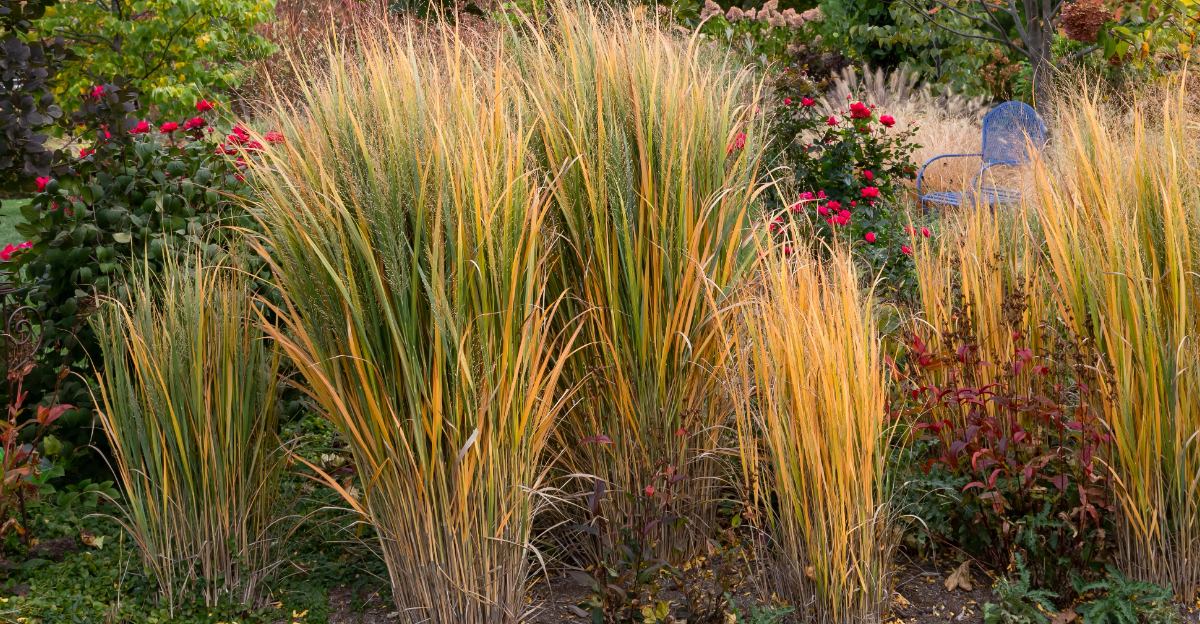
1. Switchgrass Sends Deep Roots That Lock Soil In Place
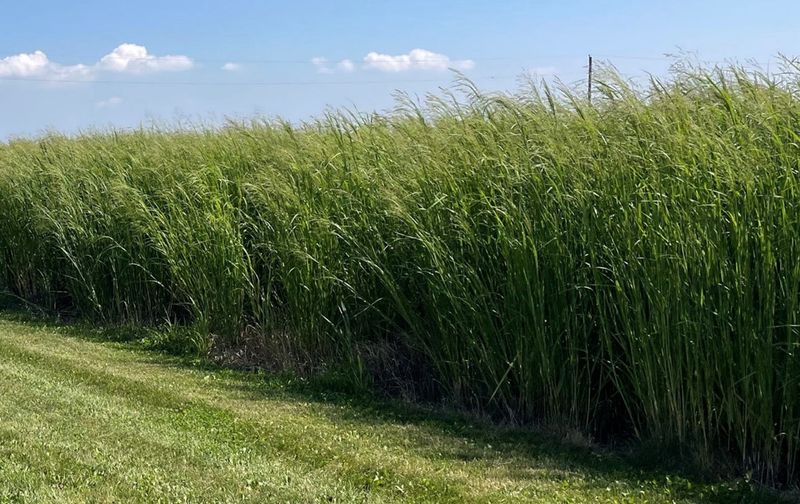
Walk past a stand of switchgrass on a windy Ohio afternoon and you will immediately notice how firmly it holds its ground. That stability is not an accident.
Switchgrass, known scientifically as Panicum virgatum, is a native prairie grass with roots that can push several feet deep into the soil, creating a web that grips even heavy Ohio clay. Ohio State University Extension recognizes it as one of the top native grasses for erosion control on slopes and disturbed areas.
What makes switchgrass especially valuable is how well it performs in full sun locations where other plants struggle. It tolerates compacted clay, poor drainage, and summer drought once it gets established.
On slopes, those deep roots act like anchors, preventing the kind of soil slippage that happens after heavy spring rains.
Plant switchgrass in clumps spaced about 18 to 24 inches apart for solid coverage. It grows between three and six feet tall, so it also works as a natural windbreak.
Give it a full growing season to establish, and by year two it will be doing serious work holding your slope together. It is a low-maintenance, high-reward choice for any Ohio yard with a drainage or erosion challenge.
2. Little Bluestem Forms Tough Clumps That Resist Erosion
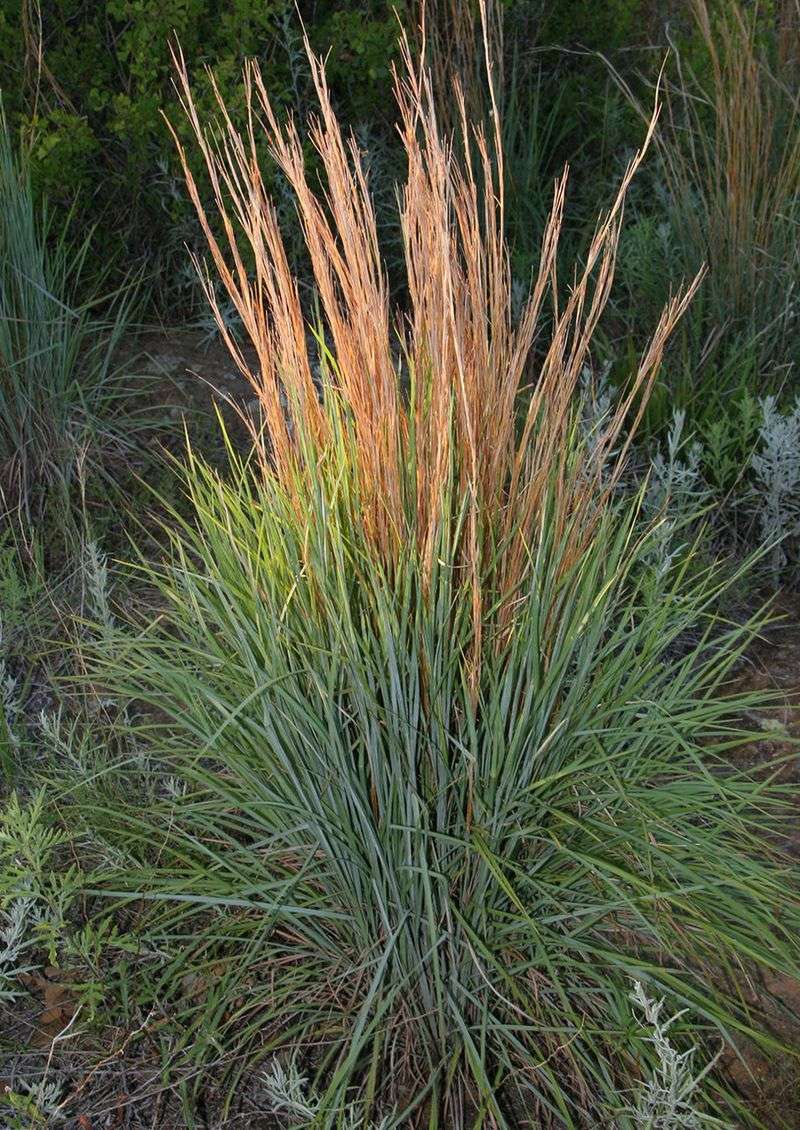
Few native grasses earn as much respect from Ohio horticulturists as little bluestem, and for good reason. This tough, clumping grass grows in tight bunches that physically interrupt water flow down a slope, slowing runoff and giving soil time to absorb moisture instead of washing away.
Its fibrous root system anchors into well-drained clay soils with impressive strength, making it a reliable choice for sunny slopes across Ohio.
Unlike some spreading grasses that can become invasive over time, little bluestem stays in its lane. It forms neat clumps rather than sending out aggressive runners, so you keep control of your planting while still getting solid erosion protection.
Once established after the first season, it handles drought remarkably well, which matters during Ohio’s unpredictable summer dry spells.
Plant little bluestem about 18 inches apart on slopes for good soil coverage without overcrowding. It reaches two to four feet tall and turns a stunning coppery-red in fall, adding seasonal beauty alongside its practical benefits.
This grass thrives in USDA zones 3 through 9, covering all of Ohio comfortably. If you want a low-fuss, native option that genuinely holds a slope, little bluestem delivers every season.
3. Red Twig Dogwood Spreads To Stabilize Wet Slopes And Heavy Soil
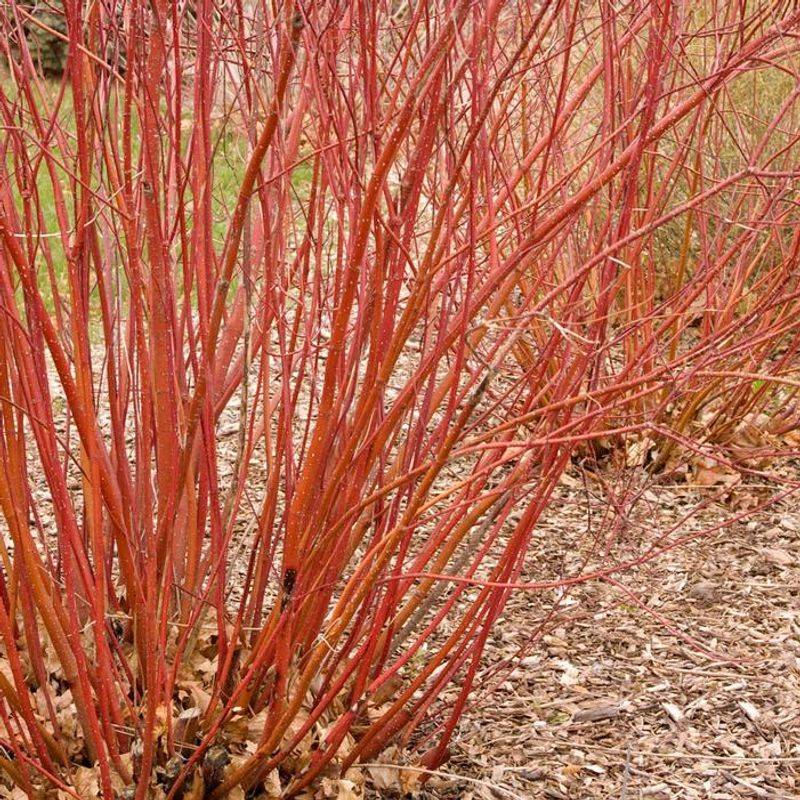
There is something almost electric about a stand of red twig dogwood in winter, with those vivid scarlet stems standing out against a gray Ohio sky. But beyond its good looks, this shrub is a serious workhorse when it comes to stabilizing wet, heavy soil on slopes.
Red twig dogwood, or Cornus sericea, spreads through a network of stems and roots that gradually colonizes a slope, creating a dense, living mat that holds soil firmly in place.
One of its biggest strengths is its tolerance for poorly drained and consistently wet soils, which is a common challenge in many Ohio yards. Areas near downspouts, drainage swales, or low spots on slopes are exactly where this shrub thrives.
Its root system reaches out broadly rather than just straight down, giving it a wide footprint that intercepts water flow and prevents washouts.
Space plants about three to five feet apart to allow room for natural spreading. Within a few years, individual plants will knit together into a solid thicket.
Red twig dogwood also supports native wildlife with its berries and dense branching. For Ohio homeowners dealing with wet, eroding slopes, few plants offer this combination of beauty, toughness, and practical soil-holding power.
4. Fragrant Sumac Creates Dense Thickets That Hold Slopes Together
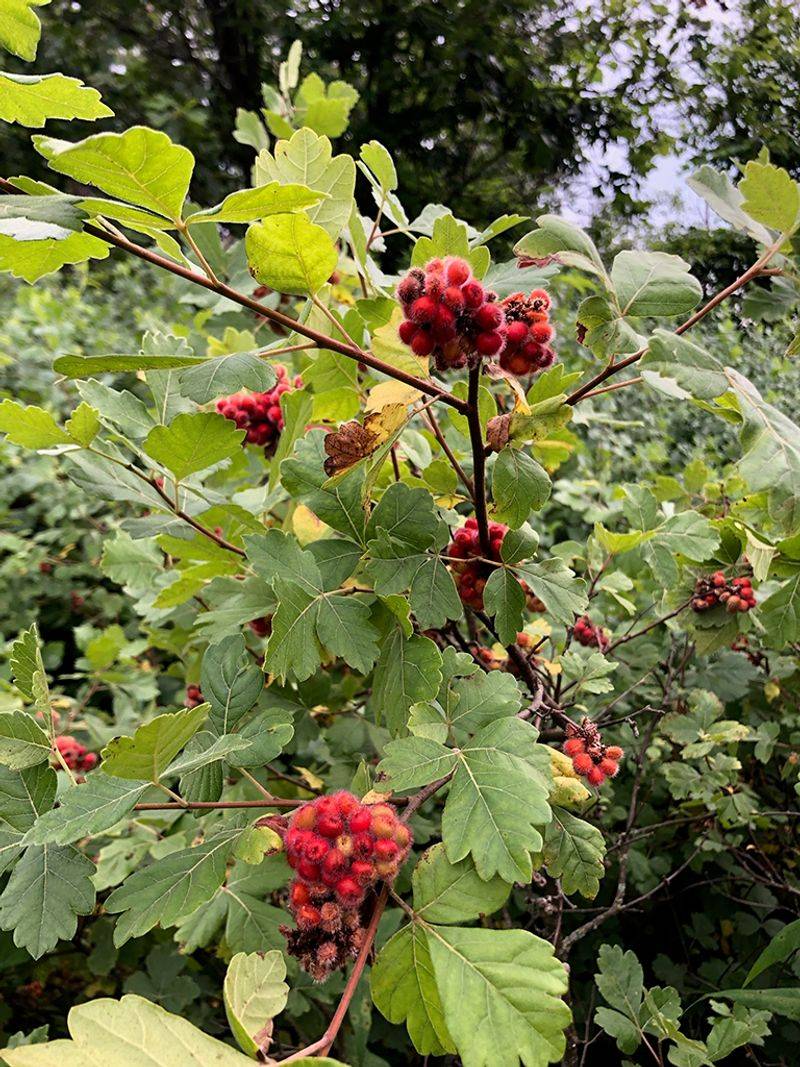
On a steep Ohio hillside where the soil is thin, dry, and stubbornly clay-heavy, fragrant sumac often thrives where other shrubs give up. This native shrub, Rhus aromatica, has a powerful suckering habit that allows it to spread outward over time, forming dense colonies that cover large areas of exposed slope.
Each new stem that emerges sends its own roots into the ground, multiplying the soil-anchoring effect across the entire planting area.
That colony-forming behavior is exactly what makes fragrant sumac so valuable for erosion control. As the thicket grows, it creates a living network of roots and stems that holds soil together even during heavy rains.
It adapts well to poor soils, compacted clay, and slopes with inconsistent moisture, all conditions found commonly throughout Ohio’s residential and rural landscapes.
Plant fragrant sumac on sunny to partly shaded slopes, spacing shrubs about three to four feet apart and allowing them to naturalize over time. It stays relatively low, usually reaching three to six feet tall, so it will not block views entirely.
The aromatic leaves and clusters of small red fruits add seasonal interest as a bonus. For slopes that need serious, long-term stabilization without much ongoing care, fragrant sumac is a smart native investment.
5. Prairie Dropseed Builds Fine Roots That Strengthen Loose Soil
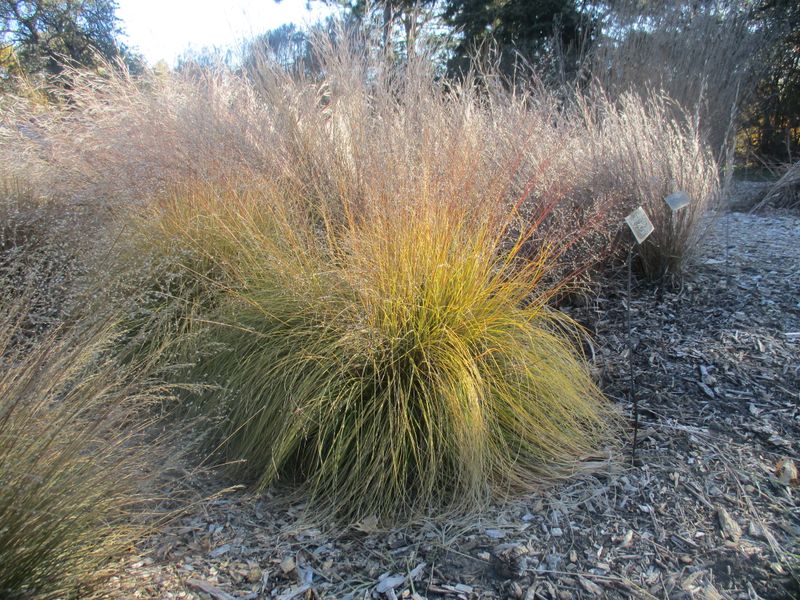
Prairie dropseed might look delicate with its fine, arching blades and airy seed clusters, but underground it is all business. Sporobolus heterolepis develops a remarkably dense, fibrous root system that threads through loose or sandy clay soils, binding particles together and reducing the risk of erosion on slopes with decent drainage.
Ohio State University Extension and native plant specialists consistently recommend it for naturalized plantings and slope stabilization projects.
What sets prairie dropseed apart from bulkier grasses is its tidy, well-behaved growth habit. It forms rounded clumps about two feet wide and does not spread aggressively, making it easy to manage in a home landscape.
The roots compensate for the modest above-ground size by going deep and spreading wide below the surface, where the real erosion-control work happens.
This grass performs best in full sun with well-drained soil, so pair it with other species on slopes where water tends to move through rather than pool. Space clumps about 18 to 24 inches apart for a natural, meadow-like effect that still provides solid soil coverage.
Prairie dropseed is slow to establish during the first year but becomes increasingly resilient afterward. Its fragrant blooms in late summer are a pleasant surprise for gardeners who expect utility without beauty.
6. Virginia Wild Rye Establishes Quickly In Tough Clay Slopes
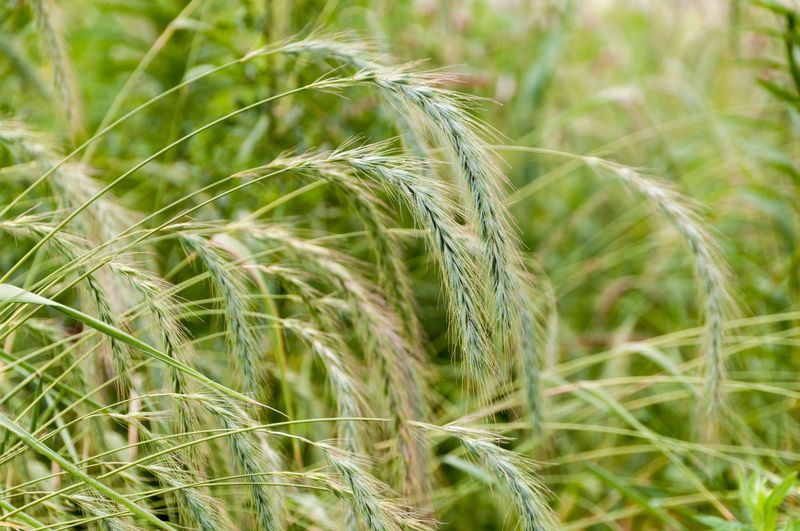
Speed matters when a bare clay slope is actively losing soil to every rainstorm. Virginia wild rye, Elymus virginicus, is one of the fastest-establishing native grasses available for Ohio conditions, making it an excellent first-responder plant for freshly graded slopes, disturbed areas, or any exposed bank that needs quick coverage.
It germinates and fills in rapidly, putting roots into the ground while slower-establishing plants are still getting started.
Its tolerance for heavy Ohio clay is genuinely impressive. Virginia wild rye does not need amended soil or ideal drainage to perform well.
It handles shaded slopes too, which is a real advantage over many sun-loving erosion control plants. That shade tolerance makes it useful along wooded banks, stream edges, and the shadier sides of hills where other grasses struggle to take hold.
Think of Virginia wild rye as a bridge plant, something that stabilizes the soil now while you give longer-lived natives like switchgrass or little bluestem time to mature and fill in. Broadcast seed across the slope in fall or early spring for best germination results.
It typically reaches two to four feet tall and produces distinctive nodding seed heads that add a quiet, natural charm. For Ohio homeowners dealing with urgent erosion on a tough clay slope, this grass is one of the fastest, most practical solutions available.
7. Fox Sedge Thrives In Heavy Soil And Helps Prevent Washouts
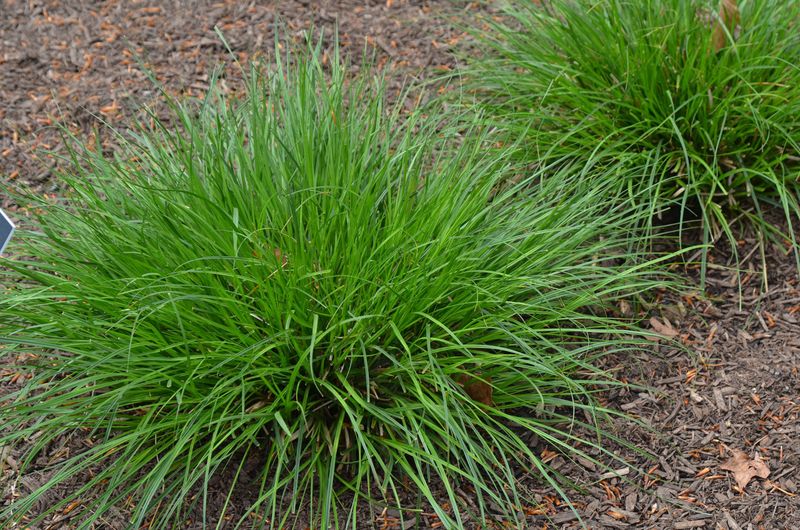
Not every slope problem involves a dry, sunny hillside. Many Ohio properties have low spots, drainage channels, and soggy clay banks that stay wet for days after a rainstorm, and that is exactly where fox sedge earns its place.
Carex vulpinoidea is a native sedge naturally found in moist meadows, stream banks, and wet ditches across Ohio. Its clumping, fibrous root system grips heavy, compacted soils with surprising tenacity.
Fox sedge handles the kind of wet, poorly drained clay that would waterlog most grasses. It does not need perfect drainage or amended soil to perform.
In fact, it actually prefers those challenging conditions, filling in areas where water tends to collect and where erosion from concentrated flow is a real risk. The dense root mass it builds over time physically holds soil particles together, reducing washout potential even during heavy rainfall events.
Plant fox sedge in full sun to partial shade, spacing clumps about 12 to 18 inches apart for quick coverage of problem areas. It stays relatively compact at one to three feet tall, so it fits naturally into rain gardens, bioswales, and drainage-prone slope bases.
For Ohio landscapes with heavy, wet soil that other plants avoid, fox sedge is a dependable native that turns a soggy liability into a stabilized, functional planting.
8. Buttonbush Handles Wet Clay While Anchoring Low Areas
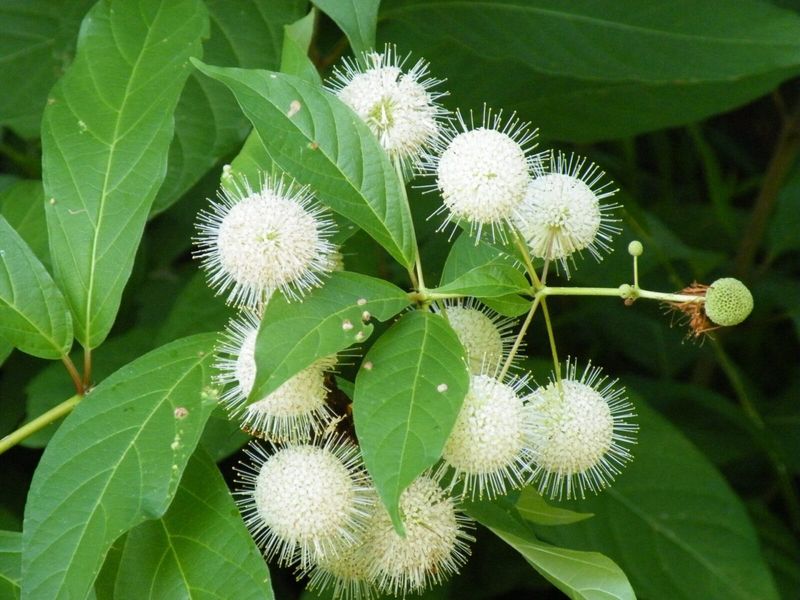
Some plants simply belong in the wet, low-lying corners of an Ohio property where water lingers long after everyone else has forgotten it rained. Buttonbush, Cephalanthus occidentalis, is one of those plants.
This native shrub naturally grows along stream banks, pond edges, and floodplains across Ohio, which means it is perfectly adapted to the heavy, saturated clay soils that cause the most persistent erosion problems in low areas and at the bases of slopes.
What makes buttonbush valuable for soil stabilization is the way its root system spreads laterally through wet soil, creating a structural network that resists the scouring effect of moving water. Where runoff concentrates at the bottom of a slope or flows through a drainage channel, buttonbush roots help hold the bank together and prevent the kind of undercutting that leads to larger collapses over time.
Plant buttonbush in full sun to partial shade, spacing shrubs about four to six feet apart in wet areas. It grows six to twelve feet tall and produces distinctive round white flower clusters in summer that attract pollinators, adding ecological value alongside its practical role.
For Ohio homeowners wrestling with wet clay in low spots or along drainage paths, buttonbush is a tough, native solution that gets better and more effective with every passing year.