Plants That Can Survive Pennsylvania’s April Cold Snaps
There’s something familiar about the way spring teases us in Pennsylvania. One day, the sun warms your back while you sip your morning coffee on the porch, and the next, a frosty wind sends the garden gloves straight back into the shed.
Anyone who’s tended a garden here knows that April can be a wild mix of sunshine and surprise chills.
For gardeners, this means choosing plants that can shrug off a sudden frost without missing a beat.
These hardy flowers, vegetables, and greens are built to handle cold snaps and still thrive, giving you early color and fresh produce when other plants might be sulking.
If you’re planning what to plant this month, you’ll want to focus on these resilient species that can take the cold in stride while keeping your garden looking lively. Let’s explore which plants can really handle Pennsylvania’s unpredictable April weather.
1. Pansies With Bright Cheerful Blooms
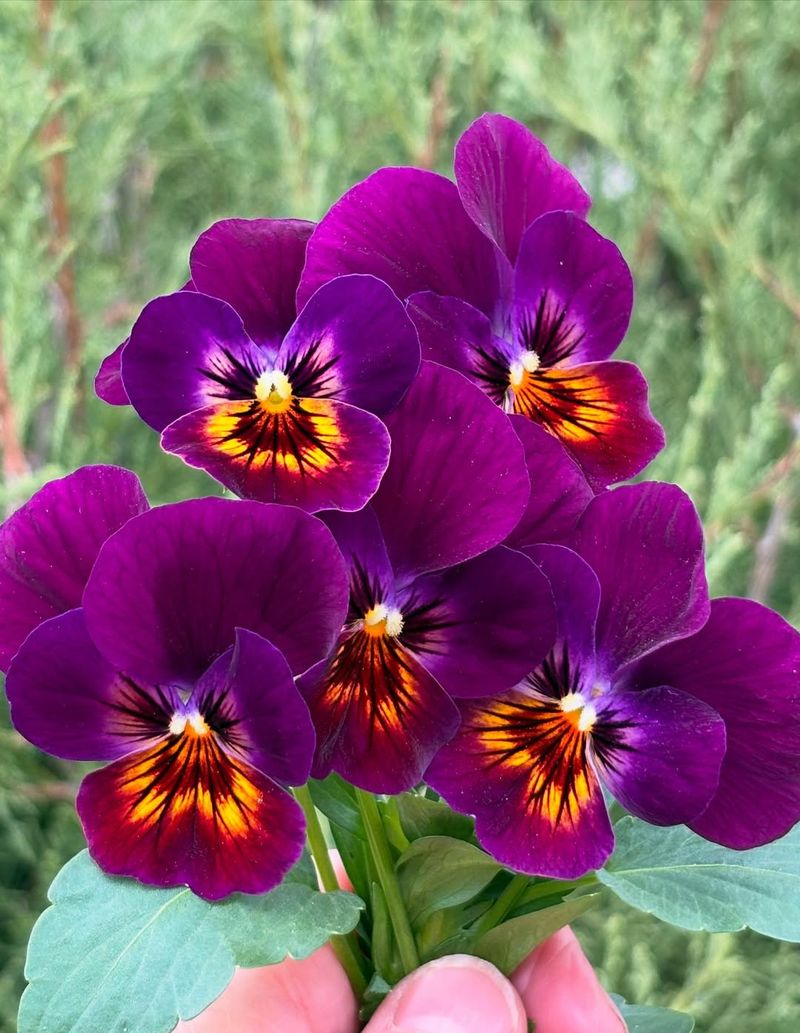
Few flowers bring as much cheerful color to a cold spring garden as pansies. With their bold, velvety petals in shades of purple, yellow, orange, and white, pansies are practically made for Pennsylvania’s unpredictable April weather.
These little flowers are not just pretty faces either. They are tough and can tolerate temperatures that dip below freezing, though some protection may be needed during severe frosts.
Pansies are one of the earliest flowers you can plant in Pennsylvania, often going into the ground as soon as late March. Gardeners across the state love them because they keep blooming even after a cold snap rolls through overnight.
If temperatures drop hard, the flowers may wilt temporarily, but once things warm back up, they bounce right back like nothing happened.
Plant pansies in a sunny spot with well-drained soil for the best results. They do well in garden beds, window boxes, and containers on your porch or patio.
Water them regularly but avoid letting their roots sit in soggy soil. Adding a thin layer of mulch around the base helps keep their roots protected during sudden temperature swings.
Pansies are a go-to choice for Pennsylvania gardeners who want reliable spring color without the stress.
2. Hellebores With Elegant Early Flowers
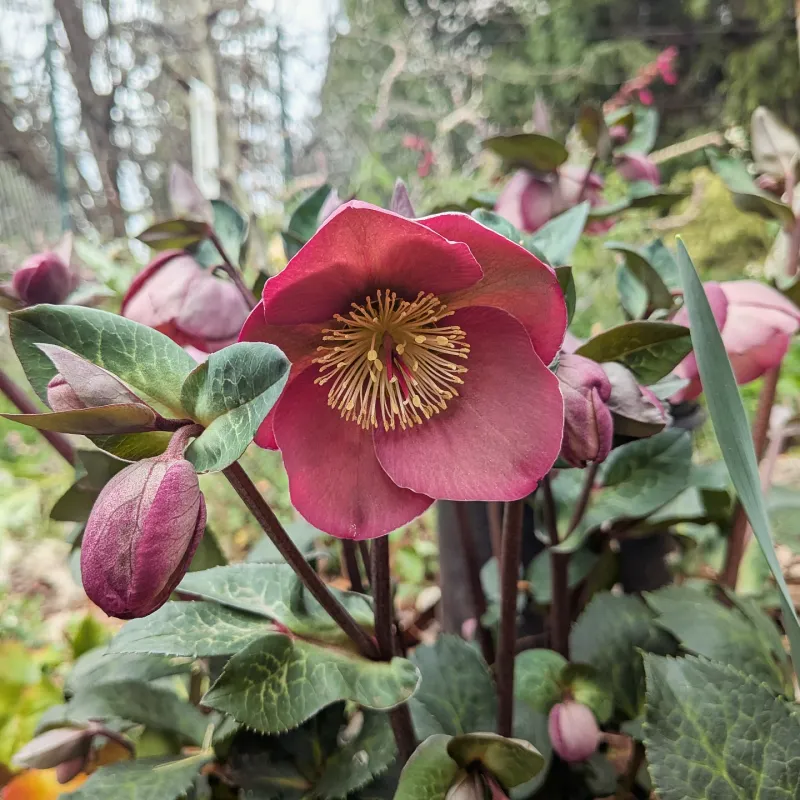
Sometimes called the Lenten Rose, hellebores are one of the most remarkable flowering plants you can grow in Pennsylvania. They actually bloom in late winter and early spring, often pushing up through frozen soil and even patches of snow.
That alone makes them stand out from just about every other flowering plant in your yard.
Hellebores tolerate Pennsylvania’s freeze-thaw cycles well. Their thick, leathery leaves stay green through cold snaps, and their nodding flowers in shades of pink, purple, cream, and deep burgundy add serious beauty to any shaded garden spot.
Unlike many spring flowers that fade fast, hellebore blooms last for weeks, making them a real standout in April.
These plants prefer partial to full shade, which makes them perfect for spots under trees or along the north side of your home. Once established, they are incredibly low-maintenance and will come back stronger every year.
Hellebores also spread slowly over time, filling in bare garden areas with lush, evergreen foliage. If you are looking for a plant that practically takes care of itself while surviving Pennsylvania’s toughest spring weather, hellebores belong in your garden without question.
3. Kale Packed With Hardy Greens
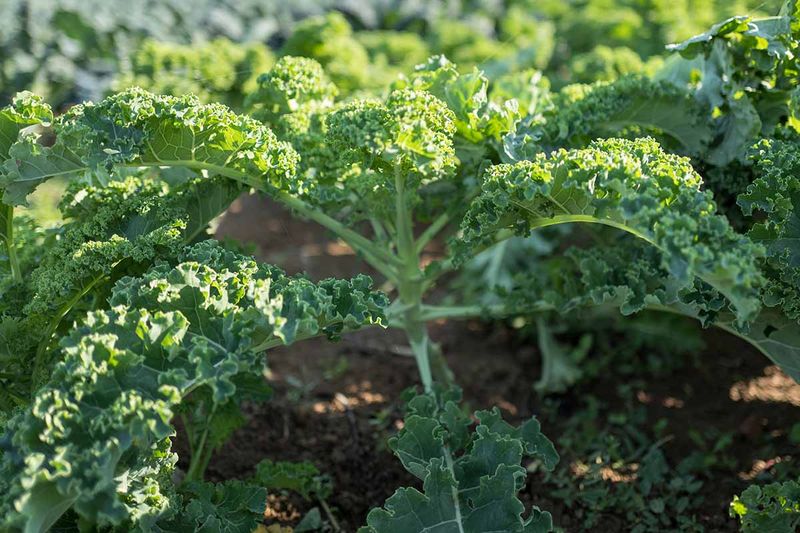
A very cold-hardy vegetable in Pennsylvania, kale can withstand frosty temperatures with ease. It can develop sweeter leaves after exposure to frost due to starch conversion.
So while other vegetables struggle during April cold snaps, kale quietly improves in flavor, making it a favorite among Pennsylvania home gardeners.
You can start kale outdoors in Pennsylvania as early as late March. It handles temperatures well below freezing, sometimes surviving down to the single digits when it is well-established.
Varieties like Winterbor, Red Russian, and Lacinato are especially hardy and perform beautifully through unpredictable spring weather. Plant kale in full sun with rich, well-drained soil and watch it take off.
One of the best things about kale is how versatile it is in the kitchen. Use it in salads, smoothies, soups, or saute it with garlic for a quick side dish.
From a gardening standpoint, kale is also very forgiving. It does not need a lot of fuss, just regular watering and occasional fertilizing to keep it producing fresh leaves all spring long.
For Pennsylvania gardeners who want both beauty and function in their garden beds, kale delivers on both counts with ease.
4. Cabbage With Crunchy, Classic Heads
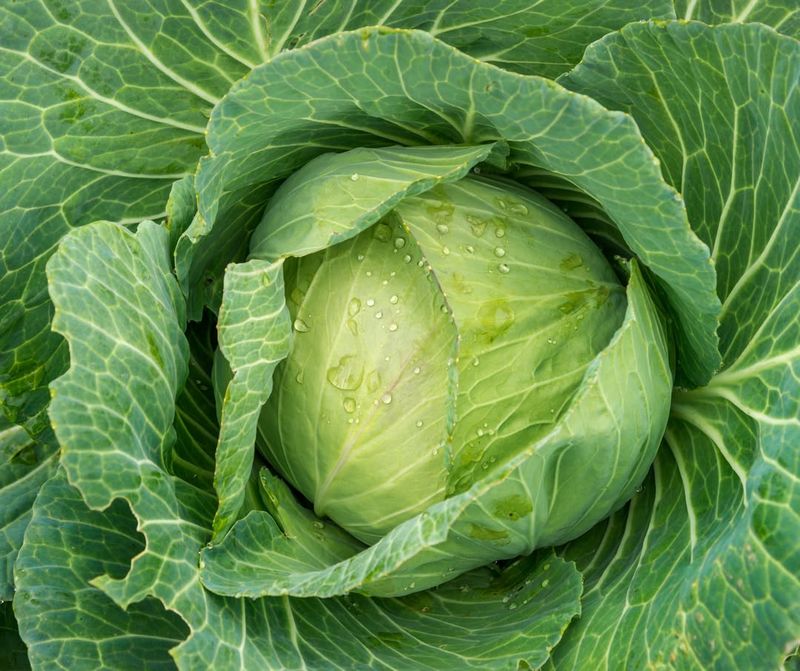
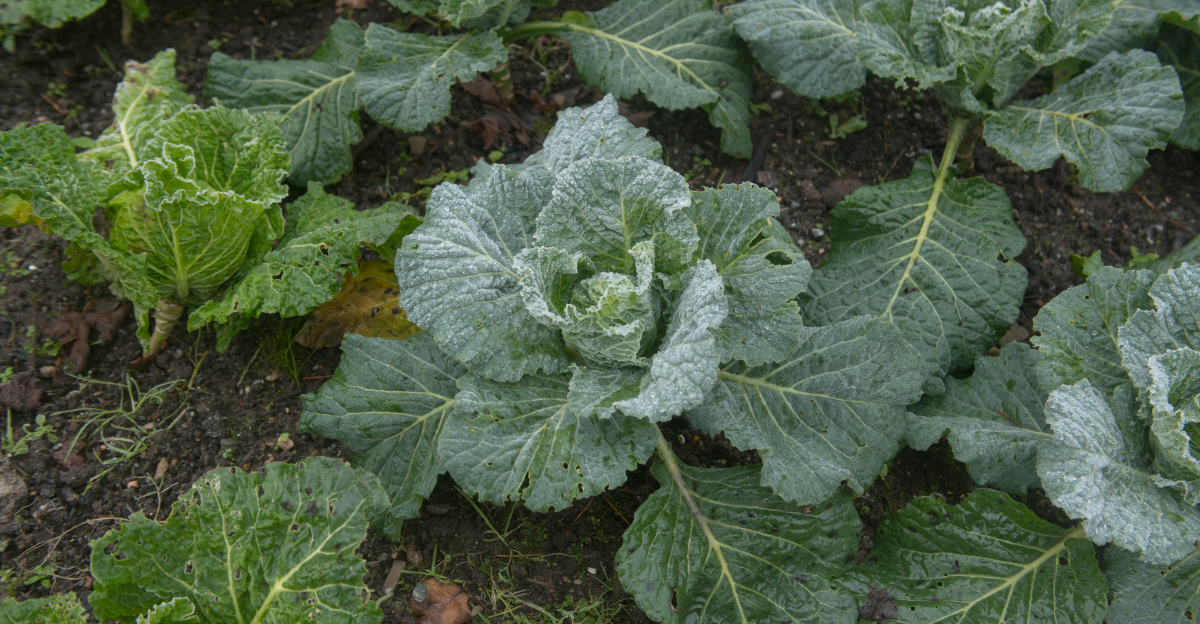
Cabbage is one of those old-fashioned vegetables that has been feeding families through tough springs for generations. In Pennsylvania, where April weather can turn cold without much warning, cabbage is a reliable choice because it handles frost like a champion.
Mature cabbage plants can survive temperatures down to about 20 degrees Fahrenheit, making them well suited for early spring cold snaps.
Start cabbage transplants indoors about six to eight weeks before your last expected frost date, then move them outside in early April. Pennsylvania gardeners in the central and northern parts of the state may want to wait until mid-April to be safe, but southern Pennsylvania gardeners can often get a head start.
Either way, once cabbage is in the ground, it gets to work fast.
Cabbage grows best in full sun with fertile, slightly acidic soil. Keep the soil consistently moist and add a balanced fertilizer every few weeks to encourage big, tight heads.
Watch out for cabbage worms and aphids, which can be a nuisance in spring. A light row cover can protect young plants from both pests and unexpected cold nights.
Whether you turn it into coleslaw, stuffed cabbage rolls, or a hearty soup, fresh Pennsylvania-grown cabbage is hard to beat.
5. Broccoli With Tight Nutritious Florets
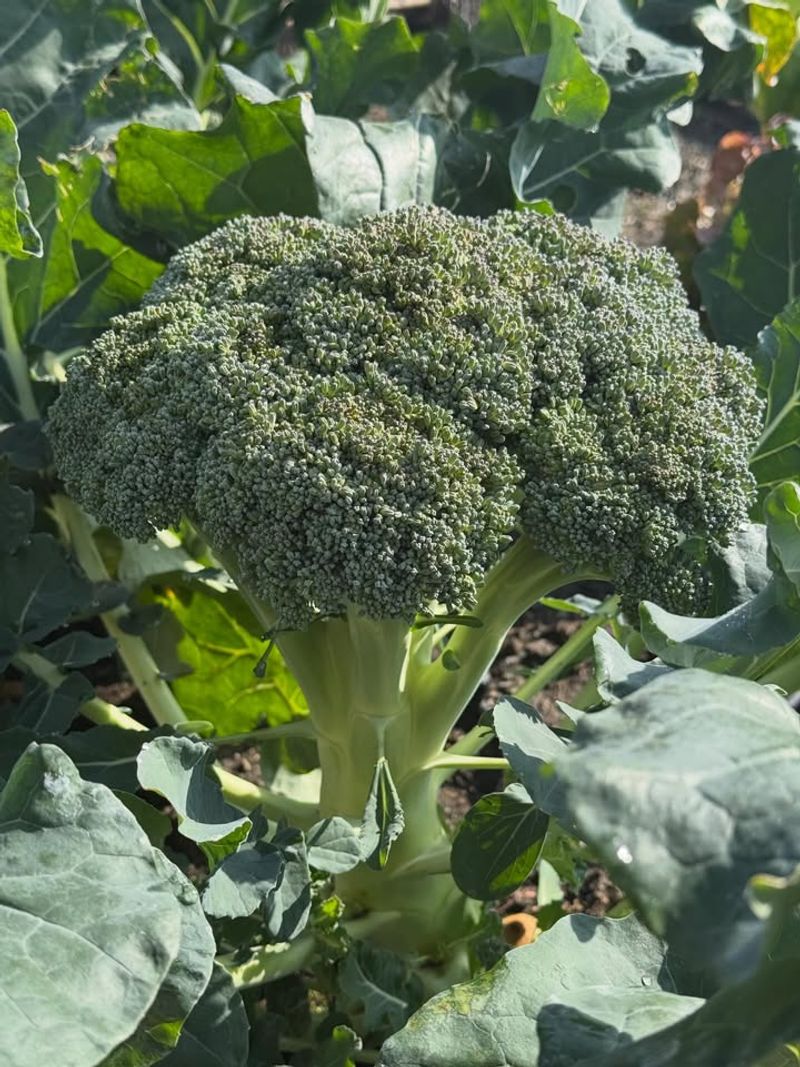
Pennsylvania’s cool April weather creates ideal conditions for broccoli to thrive and grow strong. Unlike warm-season vegetables that sulk when temperatures dip, broccoli actually prefers the cold.
It grows best when daytime temperatures stay between 45 and 65 degrees Fahrenheit, which is typical of Pennsylvania spring weather.
Start broccoli transplants indoors four to six weeks before you plan to set them outside, or purchase young plants from a local nursery. Once they go into the ground in early to mid-April, broccoli plants take off quickly.
They can handle light frosts without any problem, and even a harder freeze rarely causes serious damage to established plants. Pennsylvania gardeners in colder regions like the Pocono area can use a row cover for extra protection on especially cold nights.
Broccoli does best in full sun with rich, well-drained soil. Feed it regularly with a nitrogen-rich fertilizer to support strong, leafy growth.
Harvest the main head before it starts to flower for the best flavor, and do not pull the plant out right away. Side shoots will continue to produce smaller florets for several more weeks, giving you a longer harvest season.
Fresh Pennsylvania-grown broccoli is crunchier and more flavorful than anything from the grocery store.
6. Brussels Sprouts With Miniature Marvels
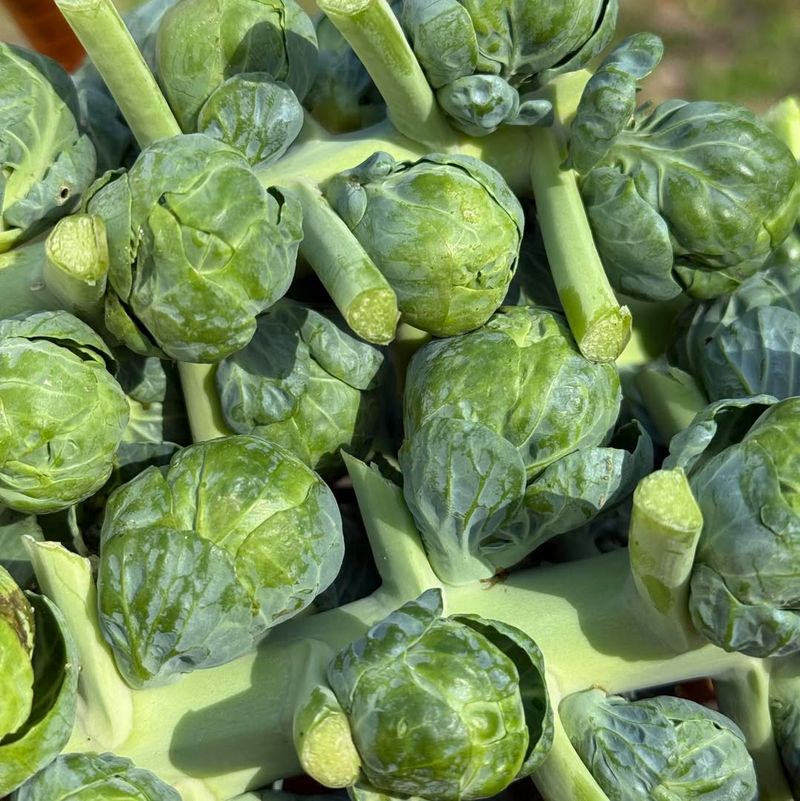
Like kale, they actually taste better after a frost because the cold converts starches into natural sugars, giving the sprouts a sweeter, milder flavor. If you have ever tried Brussels sprouts that tasted bitter, chances are they were never touched by frost.
In Pennsylvania, you can start Brussels sprouts indoors in late winter and transplant them outside in early April. They are slow-growing vegetables, so getting them in the ground early gives them more time to develop before summer heat arrives.
These plants can handle temperatures well below freezing, making them one of the most cold-tolerant vegetables in any Pennsylvania garden.
Brussels sprouts grow best in full sun with fertile, firm soil. Unlike loose, fluffy soil, firmer ground helps the plants stay upright as they grow tall.
Water them deeply and consistently, and stake taller plants if your area gets strong spring winds. Remove yellowing lower leaves as the season progresses to keep air moving through the plant.
Growing Brussels sprouts in Pennsylvania takes a bit of patience, but the reward of harvesting fresh, frost-kissed sprouts right from your own backyard makes every bit of effort completely worthwhile.
7. Carrots With Sweet, Crisp Roots
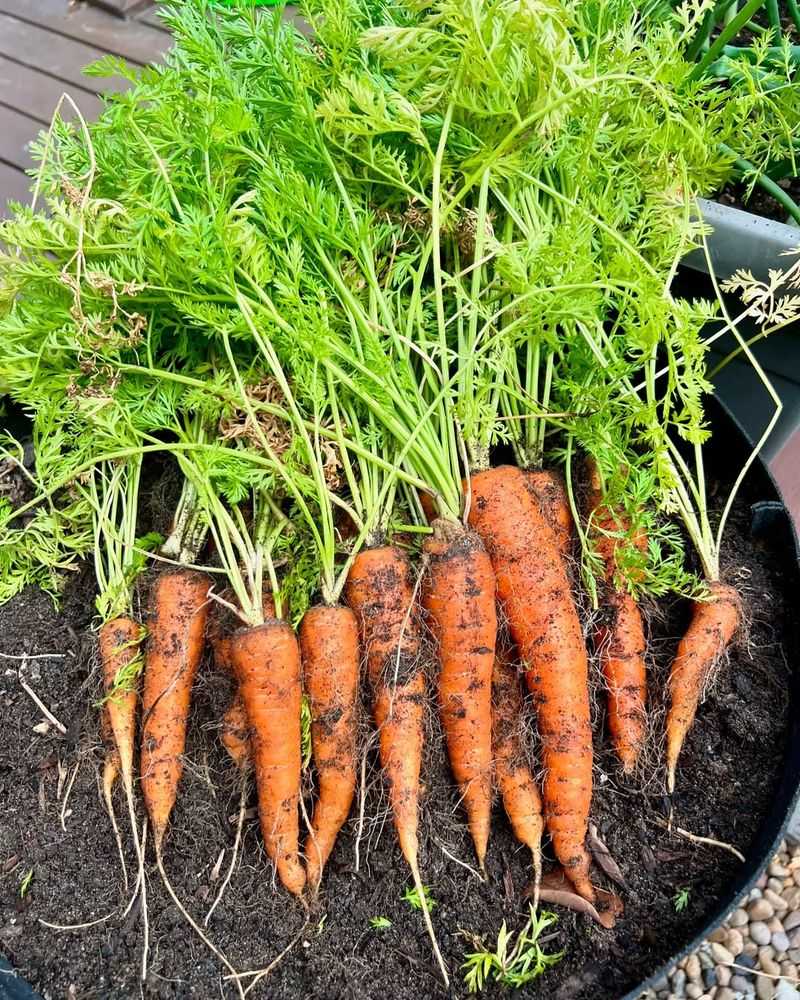
Most people think of carrots as a fall crop, but they actually do extremely well when planted in early spring, even when April cold snaps are still a real possibility. Carrot seeds can germinate in soil temperatures as low as 40 degrees Fahrenheit, which makes them one of the earliest vegetables you can direct-sow outdoors.
Sow carrot seeds directly into the garden in late March or early April in Pennsylvania. Unlike many vegetables, carrots do not like to be transplanted, so planting them straight into the ground is the way to go.
Choose a spot with loose, deep, well-drained soil free of rocks and clumps. Rocky or compacted soil causes carrots to fork and twist, so loosening the bed to a depth of at least 12 inches makes a big difference in the final harvest.
Young carrot plants handle light frosts easily, and established carrots can survive temperatures in the mid-20s Fahrenheit. A touch of frost can help enhance carrots’ sweetness, similar to other cool-season crops.
Thin the seedlings to about two inches apart once they sprout to give each carrot room to develop. Pennsylvania gardeners who plant carrots early in April often enjoy a generous harvest by late spring or early summer.
8. Spinach With Fast-Growing Leaves
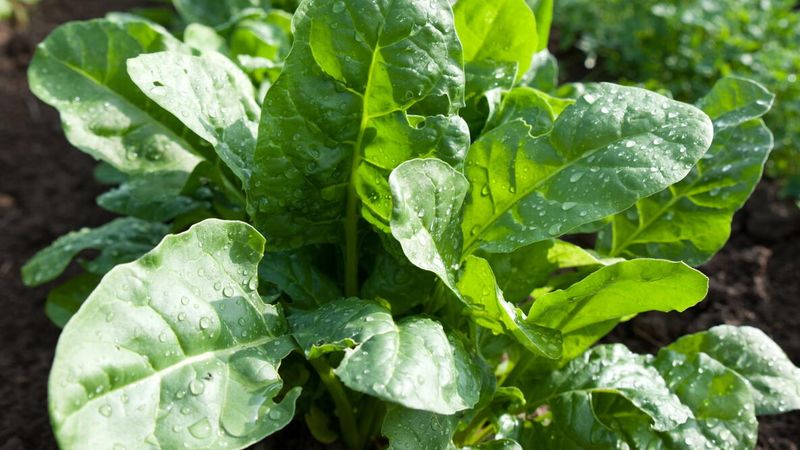
A cold-tolerant leafy green, spinach grows quickly and reliably in Pennsylvania. It germinates in soil temperatures as low as 35 degrees Fahrenheit, which means you can start sowing it outdoors in early April without any worry about a late cold snap ruining your crop.
In fact, spinach actually prefers cool weather and tends to struggle once summer heat arrives, so getting it in the ground early is the smartest move.
Pennsylvania gardeners love spinach because it goes from seed to harvest in as little as four to six weeks. That means you can enjoy fresh homegrown greens well before most other vegetables are even close to ready.
Varieties like Bloomsdale Long Standing and Tyee are especially reliable performers in Pennsylvania’s spring conditions, producing dark, crinkled leaves packed with flavor and nutrition.
Plant spinach seeds about half an inch deep in rows spaced six inches apart. Water regularly and keep the soil moist but not waterlogged.
Spinach grows best in full sun to partial shade, and a light layer of mulch helps retain moisture and regulate soil temperature during unpredictable spring weather. Harvest outer leaves as they grow for a continuous supply, or cut the whole plant at the base for one large harvest.
Either way, fresh Pennsylvania spinach is a spring garden treasure.
9. Swiss Chard With Colorful Stems
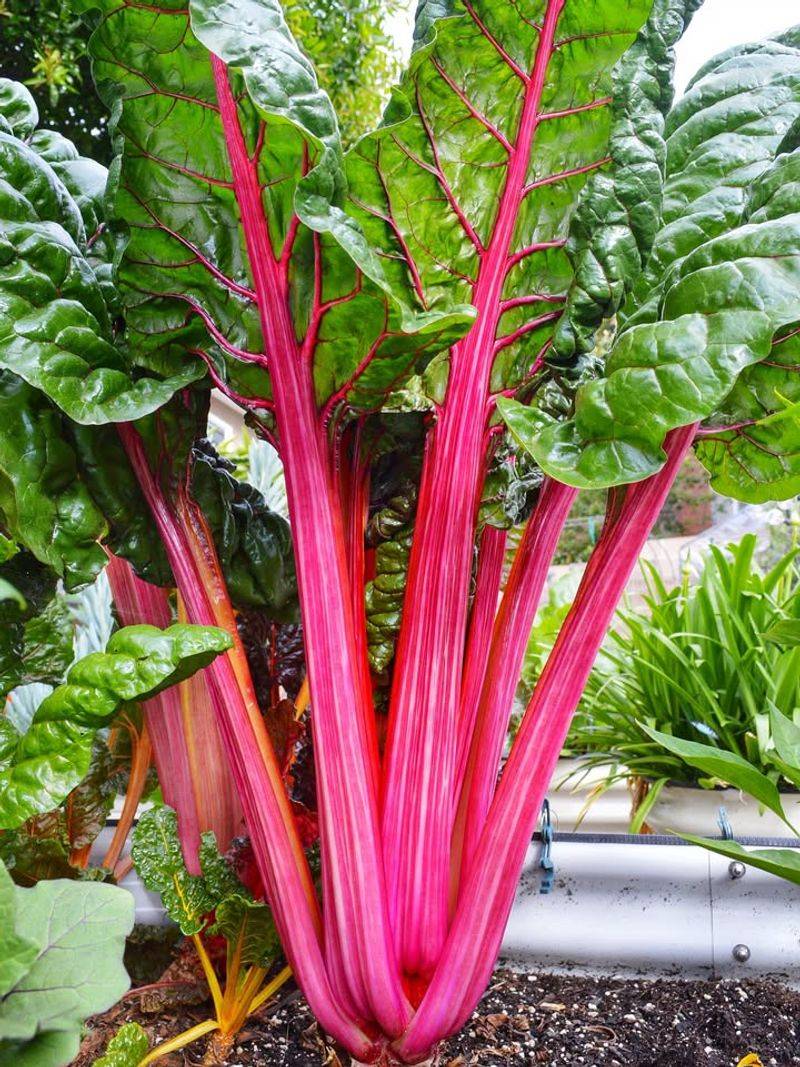
Unlike many vegetables that look sad after a frost, Swiss chard bounces back quickly and keeps producing vibrant, flavorful leaves throughout the cool spring months. Its bold stems in red, yellow, orange, and white make it one of the most visually striking plants in any garden bed.
You can direct-sow Swiss chard seeds outdoors in Pennsylvania starting in early April. It tolerates light frosts without any trouble, and established plants can handle temperatures down to about 25 degrees Fahrenheit.
This makes it a smart choice for Pennsylvania gardeners in areas like the Lehigh Valley or central Pennsylvania, where April cold snaps can linger longer than expected.
Swiss chard grows best in full sun with rich, well-drained soil. It does not need as much fertilizer as heavy feeders like broccoli or cabbage, but a balanced granular fertilizer worked into the soil at planting time gives it a strong start.
Harvest outer leaves regularly to encourage the plant to keep producing fresh growth. Swiss chard is incredibly versatile in the kitchen, working well in stir-fries, pasta dishes, soups, and egg scrambles.
It is a hardworking, beautiful plant that earns its place in any Pennsylvania spring garden.
10. Leek With Tall, Flavorful Stalks
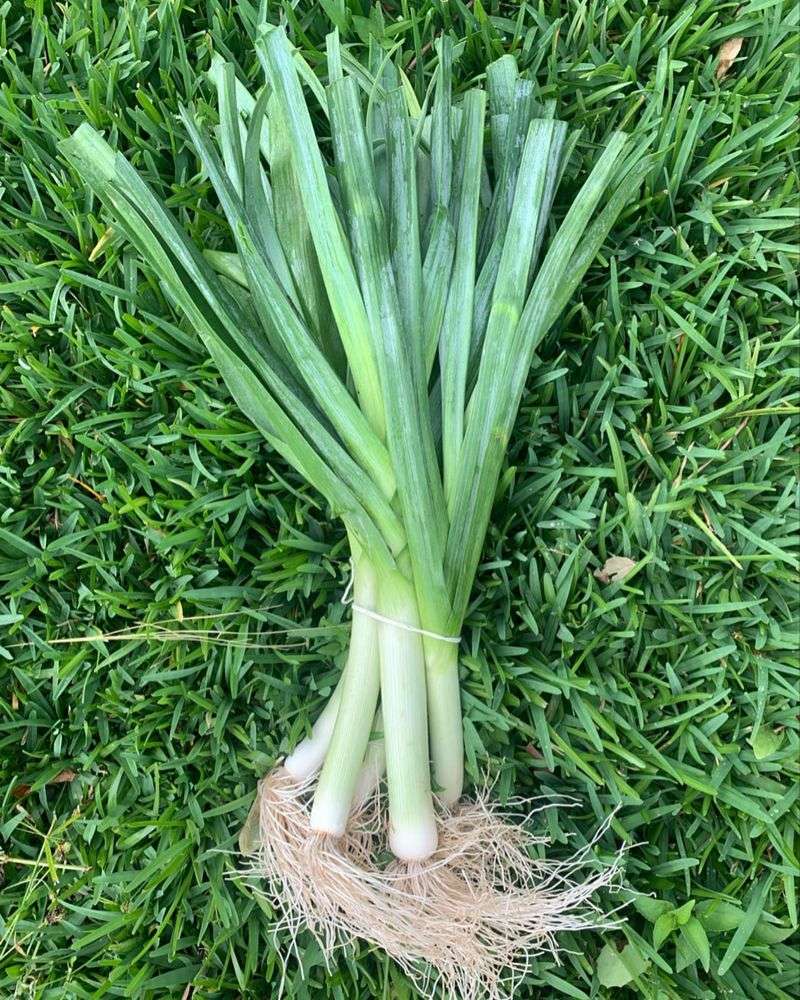
These tall, mild-flavored members of the onion family can handle temperatures well below freezing, making them a natural fit for Pennsylvania’s unpredictable April weather. While other vegetables need coddling during a cold snap, leeks just keep growing without complaint.
Start leek seeds indoors in Pennsylvania about ten to twelve weeks before your planned outdoor planting date, then transplant them outside in early April. Leeks take a while to mature, so getting them started early is key to a successful harvest.
When transplanting, plant them deeply in trenches or individual holes about six inches deep. As they grow, gradually fill in the soil around the stems to blanch the lower portion, which keeps it tender and mild-flavored.
Leeks prefer full sun and rich, well-drained soil with consistent moisture. They are not heavy feeders but benefit from a nitrogen-rich fertilizer early in the season.
One of the best things about leeks is that they can stay in the ground for a long time, allowing you to harvest them gradually as needed throughout spring. Their mild, buttery flavor works beautifully in soups, quiches, and roasted vegetable dishes.
For Pennsylvania gardeners who want a reliable, cold-hardy vegetable that delivers big flavor, leeks are an excellent choice.