10 Plants That Cost Too Much To Maintain In Ohio Gardens
A plant can look perfect at the garden center and turn into a headache a year later. Across Ohio, many homeowners fall for beautiful blooms, lush leaves, or fast growing shrubs that promise instant curb appeal.
The problem shows up after planting. Some plants demand constant pruning just to stay tidy.
Others struggle with Ohio humidity, clay soil, or cold winters and need extra care to survive. Watering, fertilizers, pest treatments, and replacements quietly start adding up.
What began as a simple landscaping choice slowly becomes one of the most expensive parts of maintaining a yard. Experienced gardeners across the state eventually learn that certain plants bring more work than reward.
Before filling a garden bed with something that looks stunning in spring, it helps to know which plants tend to drain time, money, and patience in Ohio gardens.
1. Hybrid Tea Roses Have High Maintenance Demands
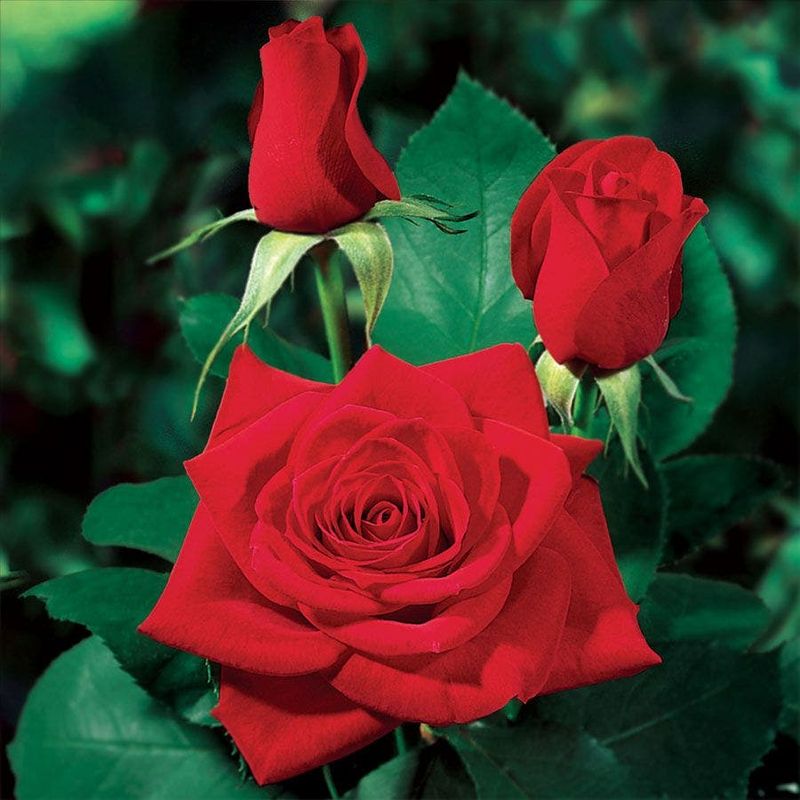
Walk through any Ohio neighborhood in July, and you will likely spot a gardener on their knees, carefully tending to a row of hybrid tea roses. These stunning flowers are famous for their large, perfectly shaped blooms, but that beauty comes with a surprisingly demanding care schedule that can wear out even experienced gardeners.
Black spot, powdery mildew, and Japanese beetle damage are constant threats throughout Ohio’s warm, humid summers. Controlling these problems requires regular fungicide and pesticide applications, which add up quickly over the growing season.
Skipping even one or two treatments can lead to defoliated canes and a plant that looks more sad than spectacular.
Pruning hybrid tea roses correctly takes both time and skill. Ohio gardeners need to prune in early spring, deadhead spent blooms throughout summer, and cut back canes before winter arrives.
Fertilizing every few weeks during the growing season is also necessary to support the heavy blooming cycle these roses are bred for.
Winter protection is another added expense. Mounding mulch around the base and wrapping canes helps prevent cold injury during Ohio’s harsh winters.
Between supplies, treatments, and labor, maintaining hybrid tea roses can cost significantly more each season than most homeowners expect when they first bring one home.
2. Gardenias Struggle In Ohio Climate
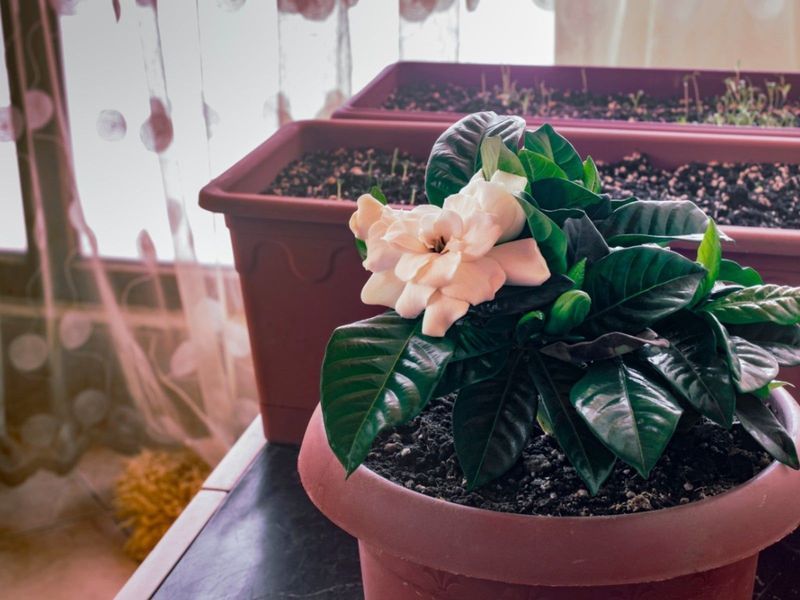
Few flowers smell as heavenly as a gardenia in full bloom, and that fragrance alone convinces many Ohio gardeners to give them a try. The reality, though, is that gardenias are native to subtropical regions and prefer the kind of warm, mild winters and consistently moist air that Ohio simply cannot reliably offer.
Ohio’s winters regularly drop well below the cold tolerance of most gardenia varieties. Even a brief cold snap can damage roots and woody stems, leaving the plant weakened and struggling to recover come spring.
Gardeners who want to keep gardenias alive through an Ohio winter often bring them indoors, which means investing in containers, potting soil, and suitable indoor lighting.
Soil chemistry is another ongoing challenge. Gardenias need acidic, well-draining soil, but much of Ohio’s native soil is heavy clay with a higher pH.
Adjusting soil with sulfur amendments and peat moss, then maintaining that balance over time, requires regular testing and consistent effort.
Yellowing leaves caused by iron chlorosis are common when the soil pH drifts even slightly. Treating this condition with chelated iron supplements adds yet another product to the shopping list.
When you factor in all the extra inputs and the risk of losing the plant entirely in a tough Ohio winter, gardenias become an expensive and uncertain gamble.
3. Japanese Maple Trees Need Careful Winter Protection
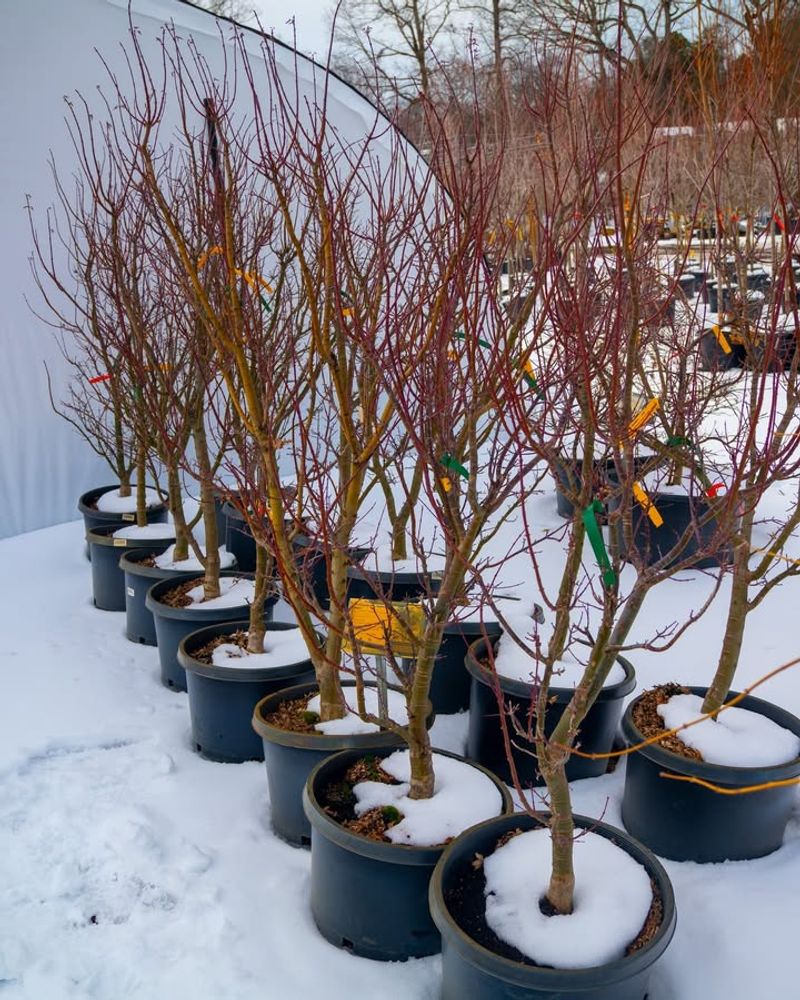
There is something genuinely breathtaking about a Japanese maple tree glowing red or orange in an autumn Ohio garden. Their lacy, delicate leaves and graceful branching structure make them one of the most desired ornamental trees in the country.
That appeal, however, comes paired with a sensitivity to Ohio’s climate that demands real attention and investment.
Late spring frosts are one of the biggest threats to Japanese maples in Ohio. New growth that emerges in early spring can be wiped out overnight by a surprise freeze, leaving the tree looking scorched and bare.
This kind of frost damage rarely ends the tree’s life, but it stresses the plant and sometimes requires removal of damaged growth.
Sun scorch is another problem, particularly for varieties with very fine, thin leaves. Hot afternoon sun combined with low humidity can cause leaf edges to brown and curl, reducing the tree’s ornamental value right when it should look its best.
Careful site selection, ideally with afternoon shade, is necessary to avoid this issue.
Younger trees and more tender varieties may need winter wrapping or windbreaks to survive harsh Ohio winters without significant dieback. Purchasing burlap, stakes, and protective mulch adds up each fall.
Over the years, the combination of site preparation, protection supplies, and occasional damage repair makes Japanese maples considerably more expensive to maintain than most gardeners anticipate.
4. Boxwood Shrubs Face Frequent Disease Problems
For decades, boxwood shrubs were considered the gold standard of low-maintenance landscaping in Ohio. Neat, tidy, and evergreen, they lined walkways and defined garden borders across the state.
That reputation has taken a serious hit in recent years as disease pressure has made boxwoods one of the more frustrating shrubs to keep healthy.
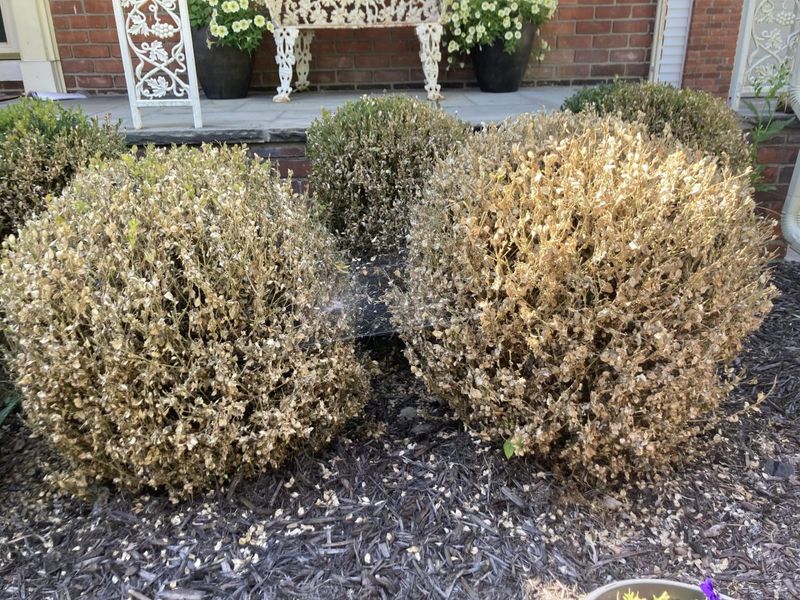
Boxwood blight, caused by a fungal pathogen, has spread widely across Ohio and can devastate a hedge in a single growing season. Infected plants develop brown spots on leaves, followed by rapid defoliation that leaves bare, twiggy stems.
Once the disease takes hold, recovery requires aggressive pruning and repeated fungicide applications throughout the season.
Boxwood leafminer, a tiny insect pest, is another persistent headache for Ohio gardeners. The larvae feed inside the leaves, causing blistered and discolored foliage that makes the shrubs look unhealthy.
Treating this pest effectively requires well-timed insecticide applications, which means monitoring plants closely and acting at exactly the right moment in the pest’s life cycle.
Boxwood psyllid and winter bronzing add even more to the maintenance list. Between fungicide sprays, insecticide treatments, and regular pruning to remove infected material, the annual cost of keeping a boxwood hedge looking presentable in Ohio adds up fast.
Many landscape professionals now recommend replacing boxwoods with disease-resistant alternatives to save both money and frustration.
5. Bigleaf Hydrangeas Suffer From Winter Damage
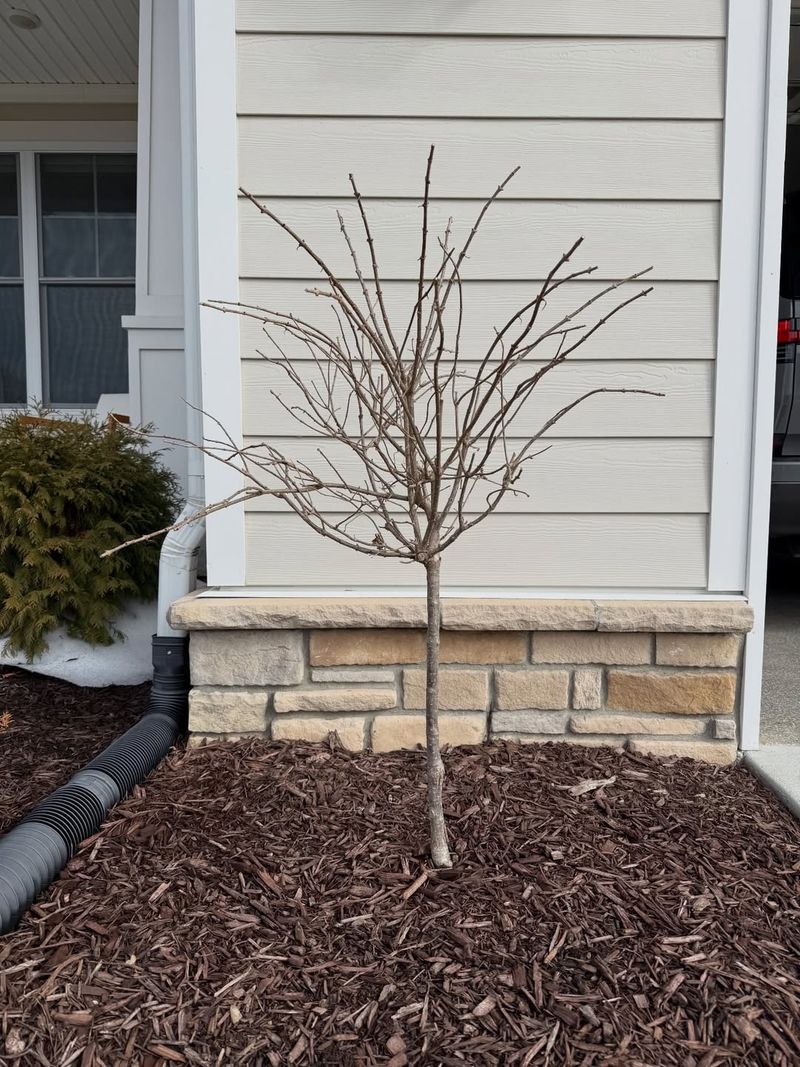
Every spring, countless Ohio gardeners stand in front of their bigleaf hydrangeas waiting for blooms that never come. Bigleaf hydrangeas, also known as mophead or lacecap varieties, are among the most popular flowering shrubs sold in Ohio, yet they are also among the most reliably disappointing for homeowners in colder parts of the state.
The problem is straightforward but frustrating. Bigleaf hydrangeas set their flower buds on old wood, meaning the buds that will produce next summer’s flowers form in fall and must survive the winter intact.
Ohio winters, with their cycles of freezing, thawing, and refreezing, are remarkably good at wiping out those tender buds before they ever get a chance to open.
Gardeners who want reliable blooms invest in winter protection measures like burlap wraps, wire cages filled with leaves, or thick layers of mulch mounded over the crown. These steps require materials, time, and careful timing each fall and spring.
Even with protection, a late freeze in April or May can still catch emerging growth and eliminate the season’s flower display.
Newer re-blooming varieties like Endless Summer have helped somewhat, as they can also bloom on new wood. But even these improved selections struggle in the coldest Ohio winters.
The ongoing cycle of protection, damage, and disappointment makes bigleaf hydrangeas one of the more emotionally and financially draining choices for Ohio gardeners.
6. English Lavender Struggles With Ohio Humidity
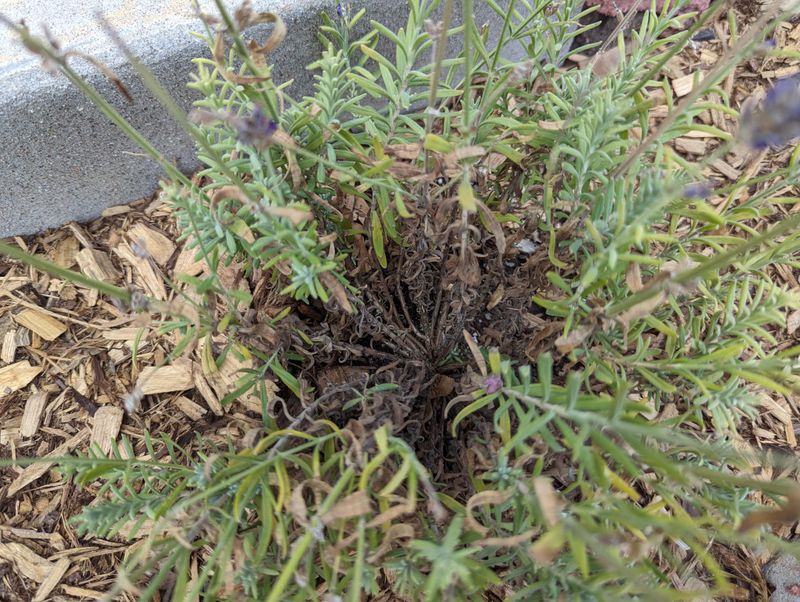
Lavender fields in the French countryside look effortless, but transplanting that dream to an Ohio backyard is a very different story. English lavender thrives in dry, sunny climates with excellent drainage and low humidity.
Ohio’s climate offers nearly the opposite conditions through much of the growing season, and that mismatch creates real problems for gardeners who fall in love with lavender’s purple blooms and soothing fragrance.
Humidity is lavender’s biggest enemy in Ohio. Consistently moist air promotes fungal diseases, particularly root rot and Botrytis blight, which can move through a lavender planting quickly.
Plants may look fine in early summer, then suddenly collapse by midsummer after weeks of warm, muggy weather. Ohio summers are reliably humid, making this an almost unavoidable challenge.
Ohio’s clay-heavy soils make drainage even worse. Lavender roots sitting in wet, compacted soil will begin to rot, and there is very little a gardener can do to reverse the damage once it starts.
Improving drainage by building raised beds or amending soil with significant amounts of gravel and coarse sand requires both labor and materials before the plant even goes in the ground.
Even with ideal soil preparation, many Ohio gardeners replace their lavender plants every two to three years rather than every decade as they might in drier climates. Repeated replanting, soil amendment, and bed preparation costs make lavender a surprisingly expensive perennial to maintain over time in Ohio’s challenging conditions.
7. Delphiniums Collapse In Summer Heat
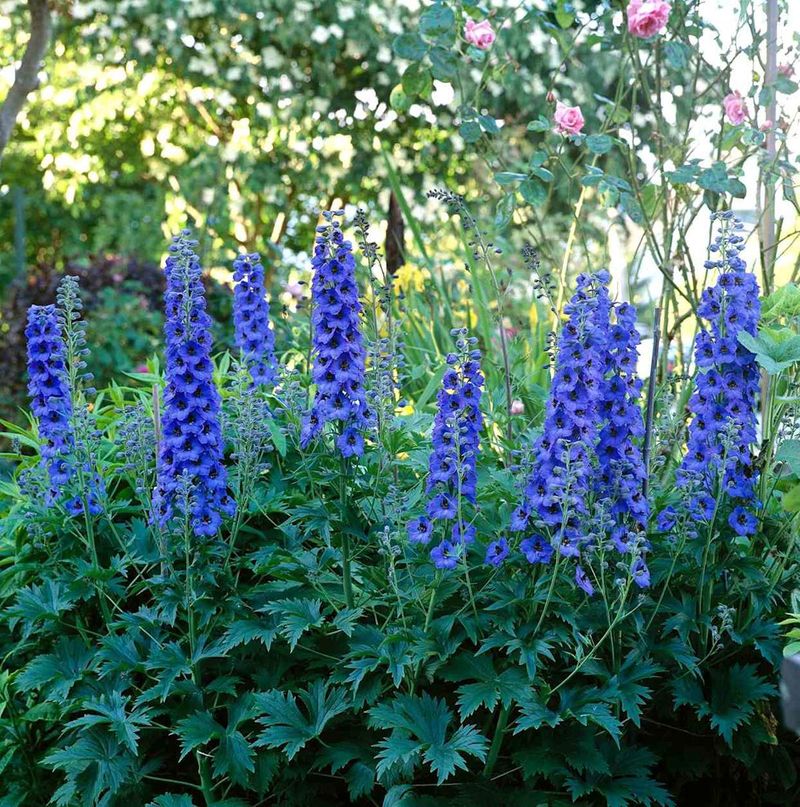
Delphiniums are the kind of flowers that stop people in their tracks. Those towering spikes of blue, purple, and white blooms look like something out of an English cottage garden, and Ohio gardeners are understandably drawn to them at the nursery.
The challenge is that delphiniums were practically designed for cool, moist climates, and Ohio summers are anything but that.
Heat and humidity are the two biggest obstacles. Delphiniums prefer temperatures that stay below 90 degrees Fahrenheit, and Ohio summers routinely exceed that threshold for weeks at a time.
When temperatures climb, the plants stop blooming, foliage looks ragged, and the entire plant can collapse before the season ends. Getting a second flush of blooms in late summer, which is possible in cooler climates, rarely works well in Ohio.
Staking is another unavoidable task. Delphinium flower spikes can reach five to six feet tall and are extremely vulnerable to wind and heavy rain.
Without sturdy staking, the stems snap or bend at the base, ruining the display. Installing stakes and tying plants takes time and materials, and it needs to be done early in the season before damage occurs.
Powdery mildew is also a constant presence on delphiniums grown in Ohio’s humid conditions. Treating it requires regular fungicide applications throughout the season.
Between staking supplies, fungicide costs, and the likelihood of losing plants to summer heat, delphiniums demand more investment than their relatively short bloom period justifies for most Ohio gardeners.
8. Camellias Fail In Harsh Northern Winters
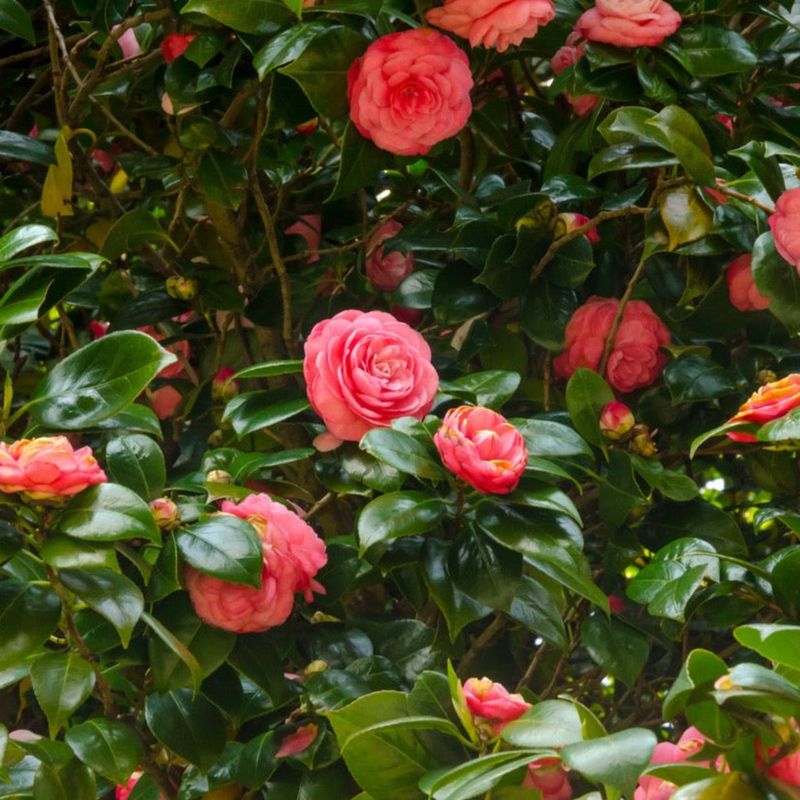
Camellias are one of the most elegant flowering shrubs in American gardening, with waxy blooms that look almost too perfect to be real. In the American South, they thrive with minimal fuss, blooming in fall and winter when most other plants are resting.
In Ohio, the situation is dramatically different, and most gardeners who try camellias eventually face the same disappointment.
Ohio winters, especially in the northern and central parts of the state, regularly push temperatures well below the survival threshold of most camellia varieties. Even cold-hardy selections bred specifically for northern gardens can suffer significant damage when temperatures drop below zero or when late-season cold snaps arrive after the plant has already broken dormancy.
Flower buds are particularly vulnerable. Camellias set buds in fall, and those buds can be destroyed by hard freezes before they ever open.
Gardeners who invest in large, established camellia plants may wait years for a reliable bloom display, only to see the flower buds wiped out by a single cold night in February or March.
Protecting camellias through an Ohio winter requires windbreaks, anti-desiccant sprays, and heavy mulching around the root zone. Some gardeners grow them in large containers that can be moved into a sheltered garage or basement for the coldest months.
That approach adds container costs, potting soil expenses, and significant physical effort to an already demanding plant that was never really suited to Ohio’s climate.
9. Impatiens Often Fall Victim To Downy Mildew
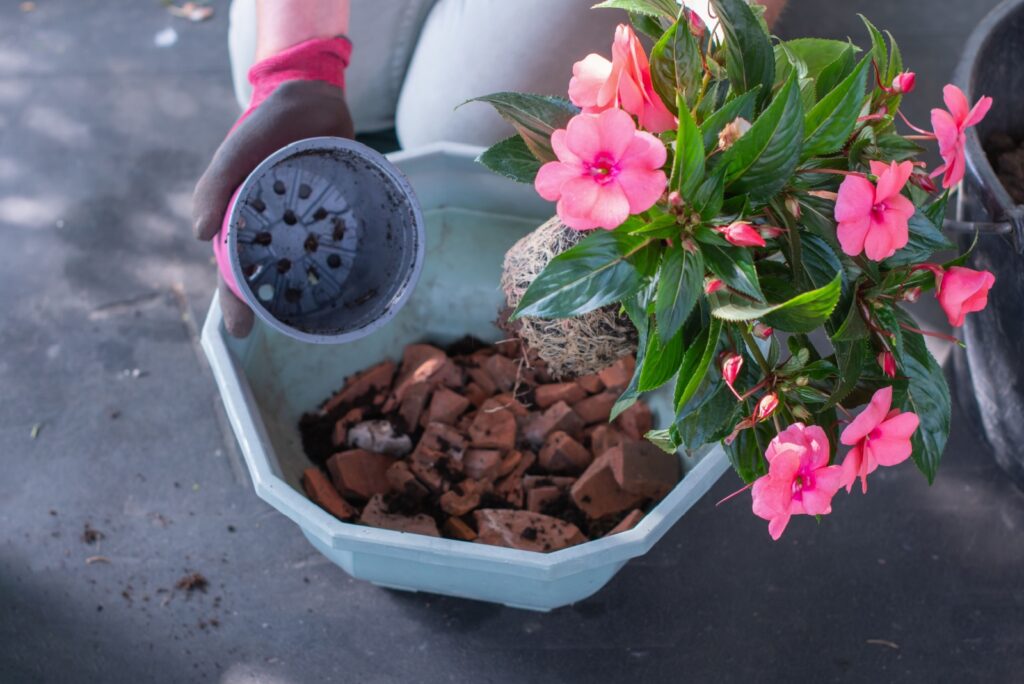
For generations, impatiens were the go-to annual for shady Ohio gardens. They were reliable, colorful, and easy to find at every garden center from May through summer.
That all changed when downy mildew swept through impatiens populations across the country, turning what had been a foolproof plant into a risky and often costly choice.
Impatiens downy mildew is caused by a water mold pathogen that spreads rapidly in cool, moist conditions, which Ohio springs provide in abundance. Infected plants appear to wilt suddenly, drop their leaves, and collapse within days of showing first symptoms.
Once the disease appears in a planting, there is no saving the affected plants. The entire bed typically needs to be cleared and replanted.
The financial hit comes from multiple directions. Gardeners who plant impatiens in spring may need to replace the entire bed by July, doubling their plant costs for the season.
Switching to New Guinea impatiens, which show better resistance to the disease, comes at a higher price per plant. Begonias and other shade-tolerant alternatives are also more expensive than the traditional common impatiens that Ohio gardeners relied on for decades.
Even gardeners who switch to resistant varieties often spend extra money on soil treatments and sanitation practices to prevent the pathogen from persisting in the ground. The era of cheap, easy impatiens in Ohio gardens has largely passed, making this once-simple annual a surprisingly complicated and expensive bedding plant choice.
10. Fiddle Leaf Fig Performs Poorly In Ohio Gardens
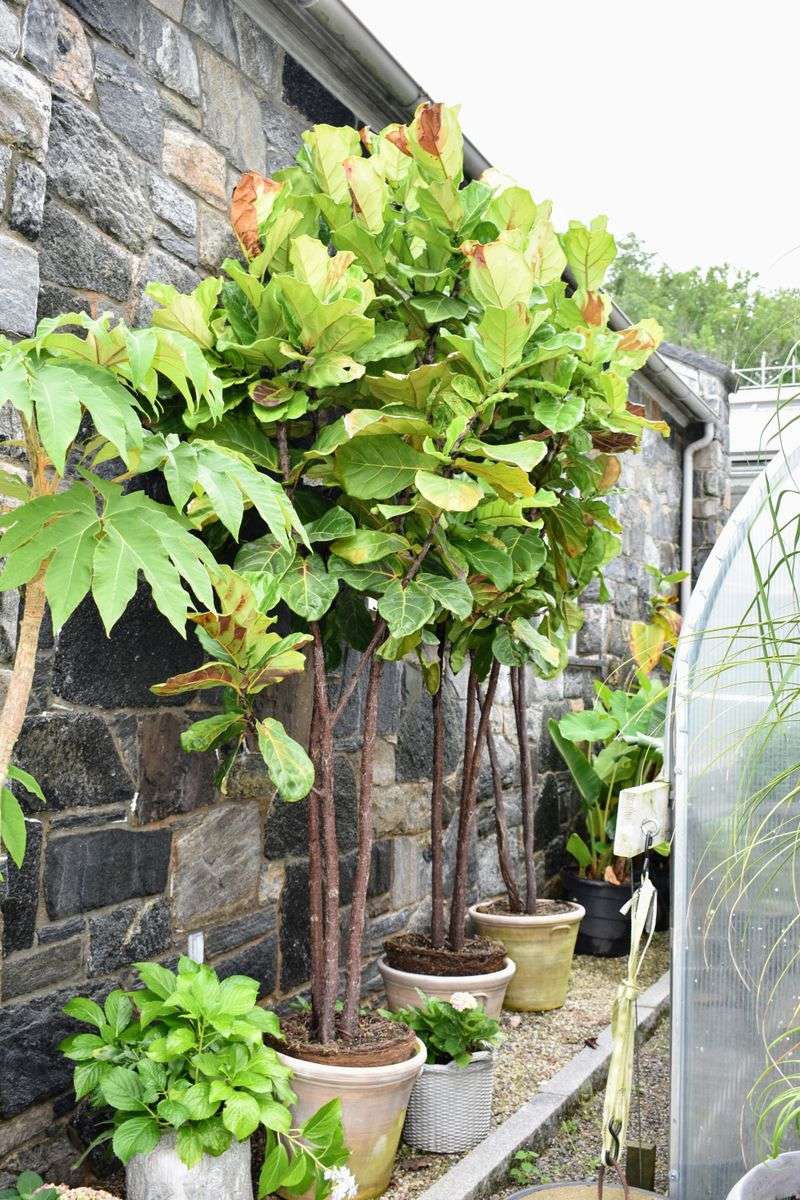
Social media made the fiddle leaf fig one of the most desired plants of the last decade, and its dramatic, large-lobed leaves genuinely do look stunning in photos.
The problem is that this trendy tropical plant is about as well-suited to Ohio’s outdoor conditions as a palm tree, and the gap between how good it looks in a lifestyle photo and how it performs in an Ohio garden is enormous.
Outdoors in Ohio, fiddle leaf figs face nearly every condition they cannot tolerate. They dislike temperature fluctuations, cold winds, direct hot sun, and inconsistent moisture, and Ohio reliably delivers all of those throughout the growing season.
Even during Ohio’s warmest summer months, nighttime temperatures can drop enough to stress a fiddle leaf fig that has been moved outside.
Most Ohio gardeners who try growing fiddle leaf figs outdoors do so in containers during summer, planning to bring them back inside before fall.
That process sounds simple, but transitioning the plant between indoor and outdoor environments often triggers dramatic leaf drop as the plant reacts to changes in light, humidity, and temperature.
Recovering from that stress takes weeks and sometimes months.
Replacing dropped leaves, treating spider mite infestations that commonly affect stressed plants, and purchasing high-quality potting mix and fertilizers specifically formulated for tropical foliage plants all add to the ongoing cost. For Ohio gardeners, the fiddle leaf fig is best appreciated as a strictly indoor plant rather than a garden investment worth making outdoors.