14 Plants That Do Not Belong Inside Pennsylvania Homes
Not all popular houseplants are well suited for indoor living in Pennsylvania homes, especially during long winters.
Low light levels, dry indoor air, and fluctuating temperatures create challenging conditions that many plants cannot tolerate.
Some species decline quickly, while others pose health risks to pets, children, or indoor air quality.
Homeowners often choose plants based on appearance without realizing they are toxic, allergenic, or simply incompatible with typical indoor conditions.
In many cases, constant leaf drop, mold growth, or plant death is the result.
Pennsylvania homeowners benefit from knowing which plants are better left outdoors or avoided entirely indoors.
Understanding these risks helps create safer, healthier living spaces while saving time, money, and frustration.
Choosing appropriate alternatives leads to better long-term success and reduces the need for frequent replacement.
An informed selection makes indoor gardening more enjoyable and sustainable throughout the year.
1. Poison Ivy
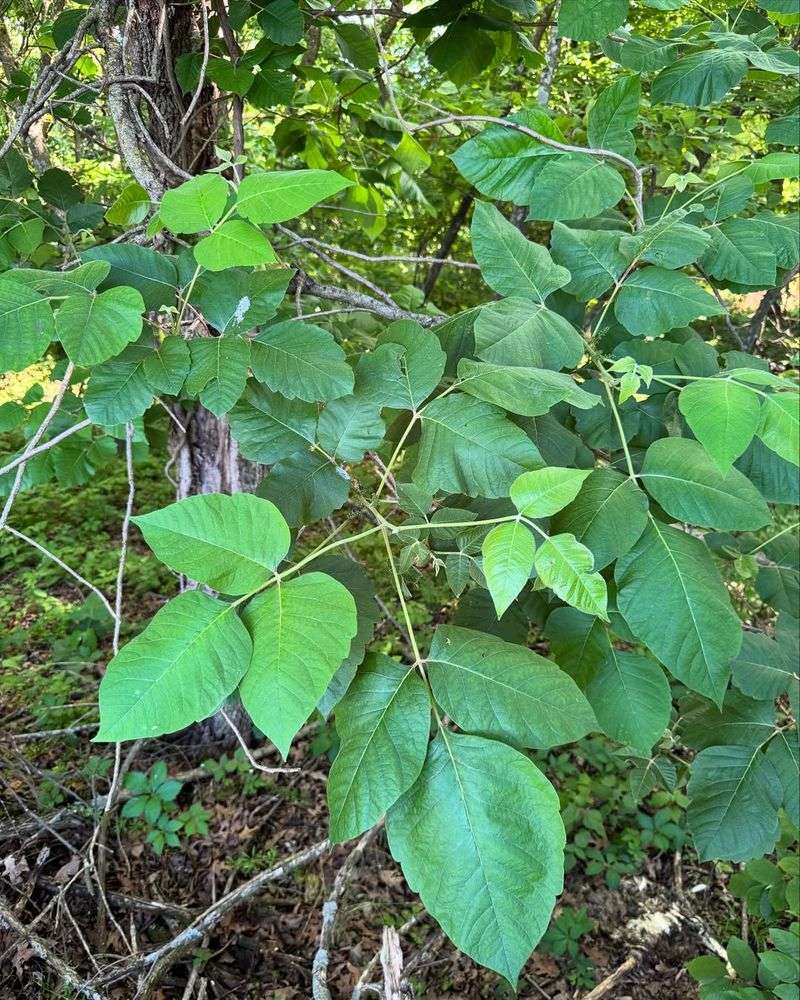
You might recognize poison ivy from outdoor hikes, but some people mistakenly bring it indoors as a decorative vine without realizing the danger.
The plant contains urushiol oil that causes painful, itchy rashes on contact with skin.
Even touching the leaves briefly can trigger severe allergic reactions that last for weeks.
Inside your home, the risk multiplies because family members and pets can accidentally brush against it while walking through rooms.
Children are especially vulnerable since they might not recognize the plant or understand why they should avoid it.
The oils can also spread to furniture, carpets, and clothing, contaminating your entire living space.
Pennsylvania’s climate makes poison ivy common outdoors, so it’s crucial to identify and remove any that accidentally gets brought inside on shoes or pet fur.
Never attempt to grow this plant intentionally indoors, no matter how attractive its fall colors might seem.
If you suspect poison ivy has entered your home, carefully remove it using gloves and sealed bags.
Wash all potentially contaminated surfaces with soap and hot water immediately.
Your family’s comfort and safety depend on keeping this notorious plant far away from indoor spaces.
2. Oleander
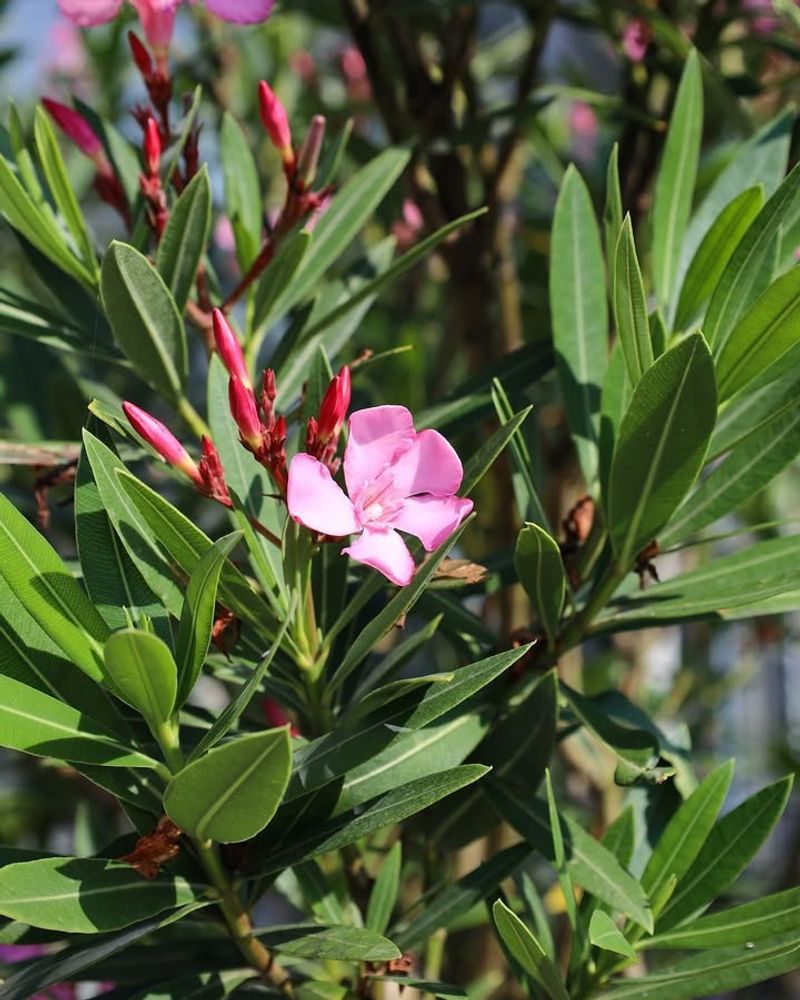
With its stunning pink or white blooms, oleander might seem like an elegant addition to your indoor garden.
However, every single part of this Mediterranean shrub contains cardiac glycosides that affect heart function.
Even small amounts can cause serious poisoning in humans and animals alike.
Pennsylvania families who bring oleander indoors during winter months face unnecessary risks in their own homes.
The toxins remain potent whether the plant is fresh or dried, and even the smoke from burning oleander branches is hazardous.
Pets who chew on leaves or flowers can experience vomiting, irregular heartbeat, and severe digestive distress.
Children attracted to the pretty flowers might touch their faces or mouths after handling the plant.
Indoor air circulation can spread tiny particles from the leaves, though the primary danger comes from direct contact.
Some people develop skin irritation just from touching the sap or foliage.
Pennsylvania’s cold winters might tempt you to protect this ornamental plant by moving it inside, but the health risks far outweigh any decorative benefits.
Choose safer flowering alternatives like African violets or orchids instead.
Your home should be a sanctuary, not a place where beautiful plants create hidden dangers.
3. Castor Bean Plant
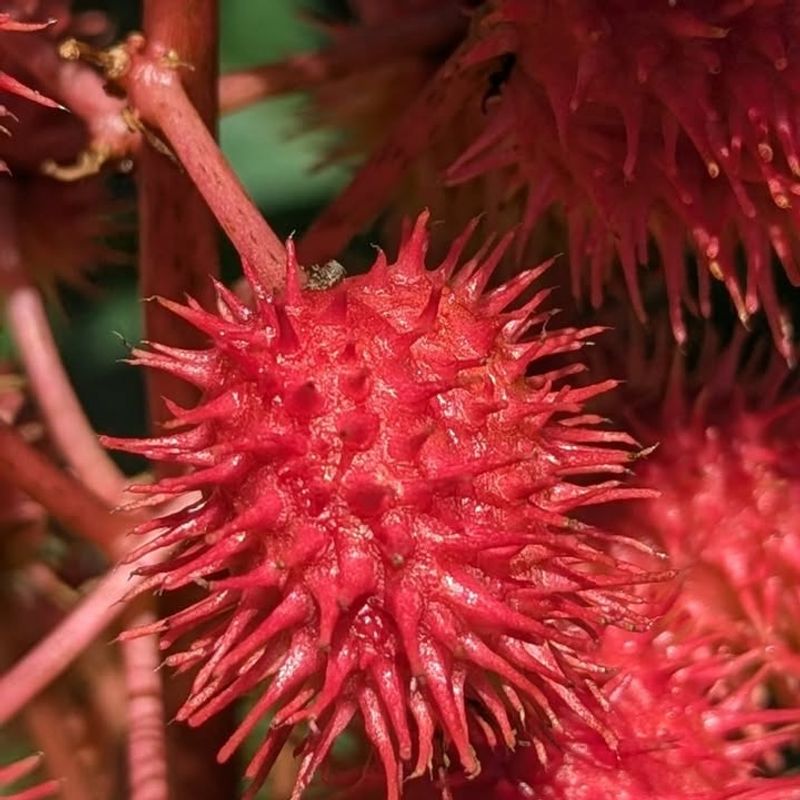
The castor bean plant grows quickly and features dramatic, tropical-looking foliage that catches many gardeners’ attention.
But those attractive seeds contain ricin, one of nature’s most potent toxins.
Just a single seed can cause life-threatening poisoning if chewed or swallowed.
Pennsylvania gardeners sometimes grow castor beans outdoors for their ornamental value, but bringing them inside multiplies the danger exponentially.
In enclosed spaces, curious children or pets can easily access the seeds.
The beans themselves look interesting and colorful, which makes them especially tempting to young kids who explore by putting things in their mouths.
Even handling the seeds can transfer ricin to your hands, and touching your face afterward creates risk.
Unlike some toxic plants that require large quantities to cause harm, castor beans are dangerous in tiny amounts.
Symptoms of ricin poisoning include severe stomach pain, vomiting, and dehydration.
No antidote exists for ricin exposure, making prevention absolutely critical.
Pennsylvania homes should never contain this plant, regardless of how attractive its foliage might appear.
The potential consequences are simply too severe to justify any decorative appeal.
4. Foxglove
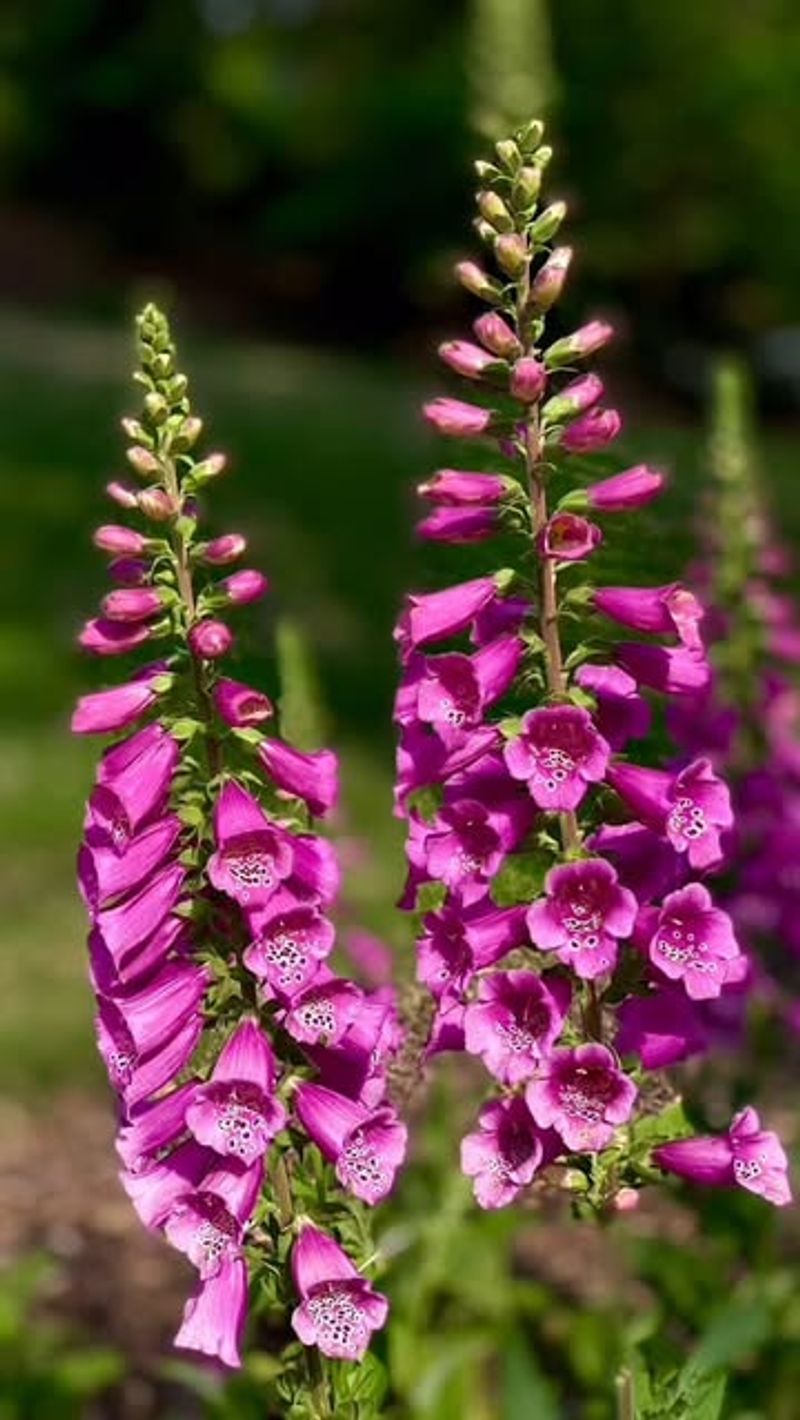
Foxglove produces magnificent spires of tubular flowers that look like they belong in a fairy tale garden.
These cottage garden favorites contain digitalis compounds used in heart medications, but in uncontrolled amounts they become extremely dangerous.
Every part of the foxglove plant carries these cardiac glycosides, from roots to petals.
Touching the leaves can cause skin irritation in sensitive individuals, while ingesting any portion leads to serious medical emergencies.
Pennsylvania’s climate suits foxglove well outdoors, but some people try bringing potted specimens inside during harsh weather.
This decision creates unnecessary hazards in your living space.
Children fascinated by the bell-shaped flowers might pick them to play or examine closely.
Pets who nibble on houseplants could ingest foxglove leaves or flowers.
The plant’s toxins affect heart rhythm and can cause nausea, confusion, and visual disturbances.
Even water that foxglove has been sitting in can contain dangerous compounds.
Some people mistakenly believe that drying the plant reduces its toxicity, but the dangerous chemicals remain active.
Appreciate foxglove’s beauty in outdoor gardens where you can maintain proper distance and supervision.
Indoor spaces require safer plant choices that won’t put your household at risk.
5. Angel Trumpet
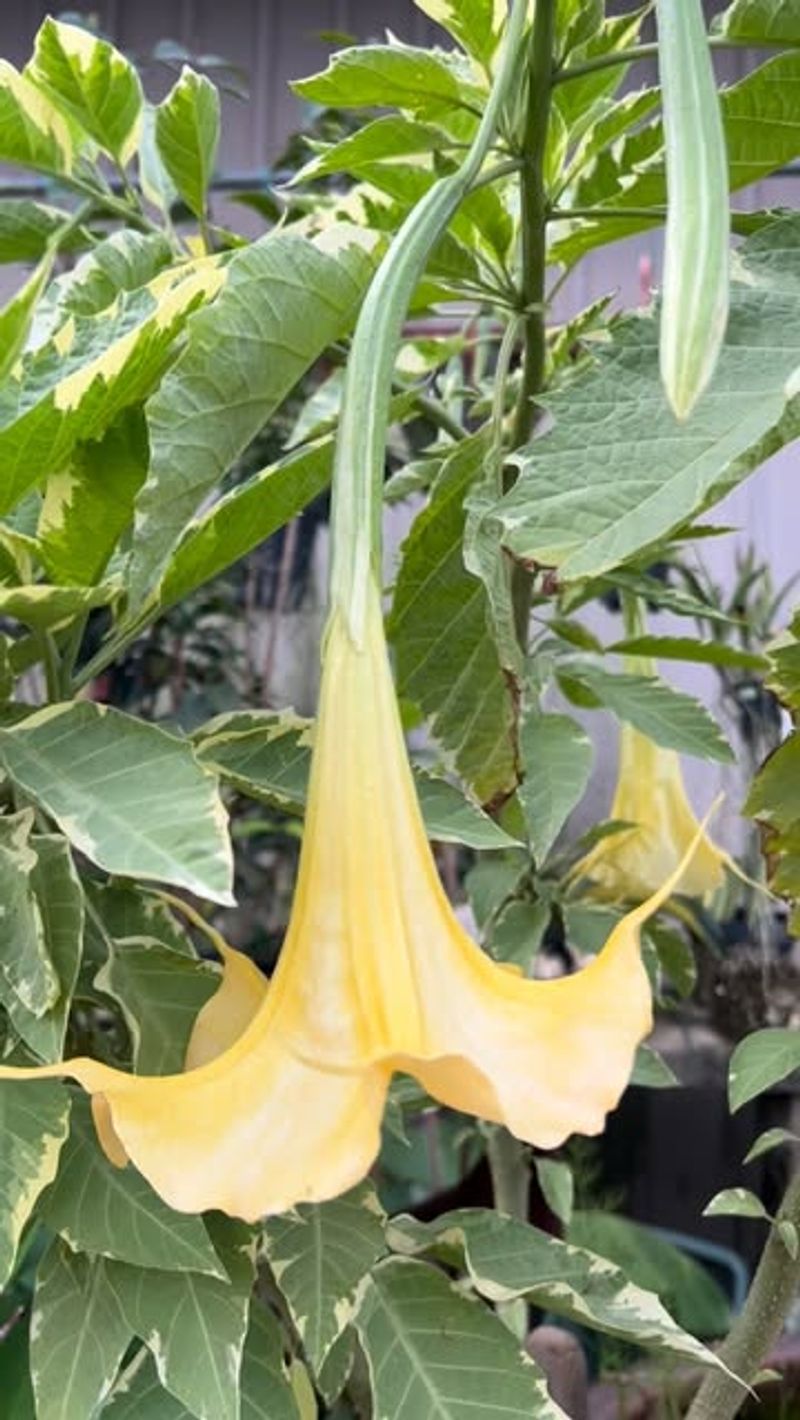
Angel trumpet earns its name from the enormous, fragrant flowers that hang like bells from its branches.
The intoxicating scent and dramatic blooms make it a showstopper in outdoor gardens.
However, this plant belongs to the nightshade family and contains tropane alkaloids that affect the nervous system.
All parts of angel trumpet are toxic, but the flowers and seeds contain especially high concentrations of these dangerous compounds.
When grown indoors, the plant’s fragrance intensifies in enclosed spaces, and the airborne compounds can cause headaches and dizziness.
Pennsylvania residents who overwinter angel trumpet inside their homes expose themselves to these risks throughout the cold months.
Ingesting any part of the plant can cause hallucinations, confusion, rapid heartbeat, and breathing difficulties.
Children and pets are particularly vulnerable because they might touch or taste the plant out of curiosity.
Even experienced gardeners can accidentally transfer plant residue to their mouths while handling angel trumpet.
The plant’s large size also means it takes up significant space indoors, increasing the likelihood of accidental contact.
Some people mistakenly believe the plant’s medicinal history makes it safe, but traditional uses required expert knowledge and careful dosing.
Keep this spectacular plant outdoors only, where its beauty can be admired from a safe distance.
6. English Ivy
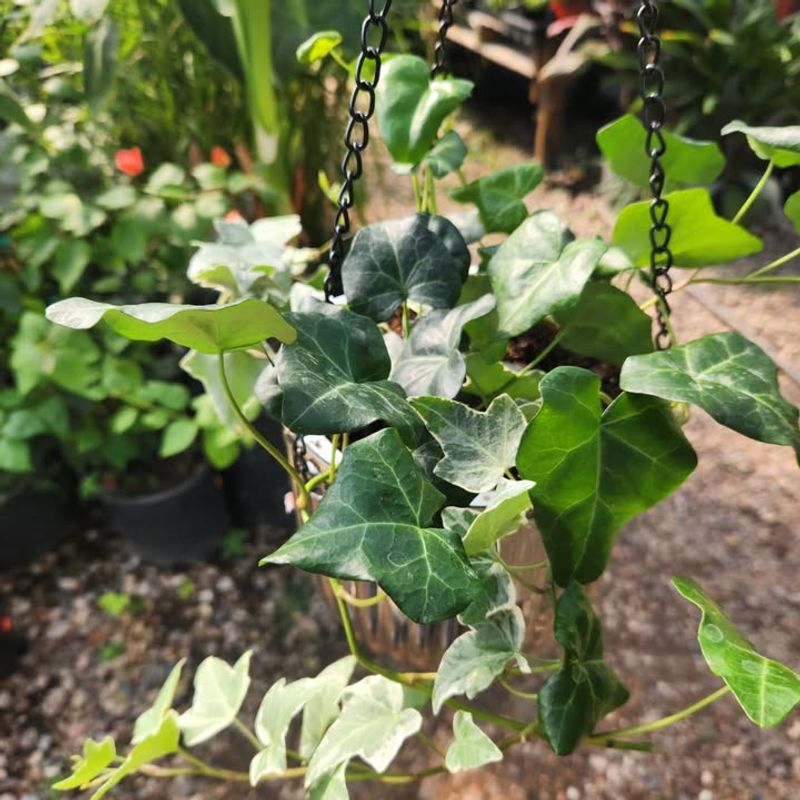
English ivy seems like the perfect indoor plant with its trailing vines and adaptability to low light conditions.
Many Pennsylvania homes feature this classic plant draped over bookcases or hanging in macrame holders.
Unfortunately, English ivy produces compounds that trigger allergic reactions in many people, especially during Pennsylvania’s long indoor season.
The plant releases particles into the air that can worsen respiratory issues and cause sneezing, watery eyes, and congestion.
People with asthma or existing allergies often experience intensified symptoms when English ivy grows indoors.
The leaves and berries also contain saponins that are toxic to dogs and cats.
Pets who chew on the trailing vines may experience excessive drooling, vomiting, and abdominal pain.
Children sometimes play with the long vines or pick the small berries, creating additional exposure risks.
The plant’s popularity means many households have it without understanding these drawbacks.
Pennsylvania’s humid summers and dry winter heating create conditions where English ivy can grow vigorously indoors, increasing allergen production.
While not as immediately dangerous as some other plants on this list, English ivy still poses enough risks to reconsider its place in your home.
Better alternatives include pothos or spider plants that offer similar visual appeal without the health concerns.
7. Euphorbia Varieties
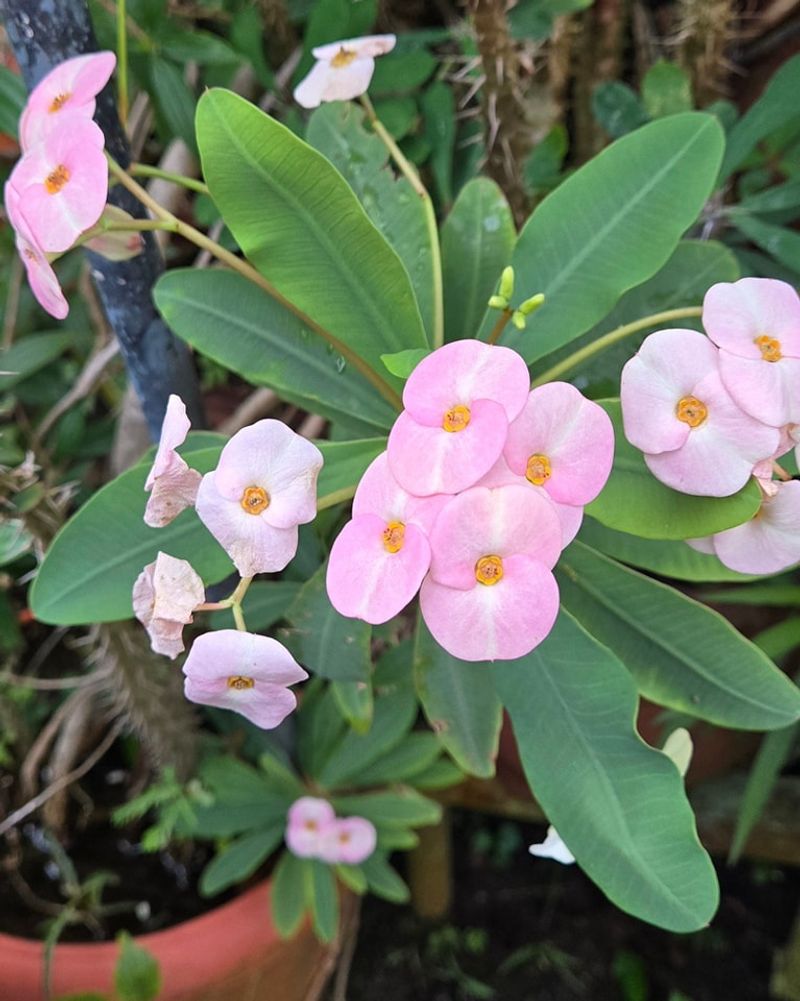
Euphorbia encompasses a huge family of plants including popular varieties like crown of thorns and pencil cactus.
These architectural succulents appeal to modern decorators who appreciate their unusual shapes and low maintenance requirements.
The problem lies in their milky white sap that oozes from any broken stem or damaged leaf.
This latex-like substance contains compounds that cause severe skin burns and intense eye irritation.
Pennsylvania households with children or pets face particular risks because accidental plant damage releases the caustic sap.
Even a small drop in your eye can cause temporary vision problems and excruciating pain.
Skin contact creates burning sensations, redness, and sometimes blistering that lasts for days.
Some people develop allergic reactions to euphorbia sap that worsen with repeated exposure.
The plant’s popularity as a houseplant means many people own euphorbia varieties without understanding the dangers.
Repotting or pruning these plants requires extreme caution, gloves, and eye protection.
In homes where such precautions might be overlooked, accidents become more likely.
Young children who bump into or grab plants while playing can easily break stems and get sap on their hands or faces.
Choose safer succulent alternatives like jade plants or aloe vera that don’t produce harmful sap.
8. Sago Palm
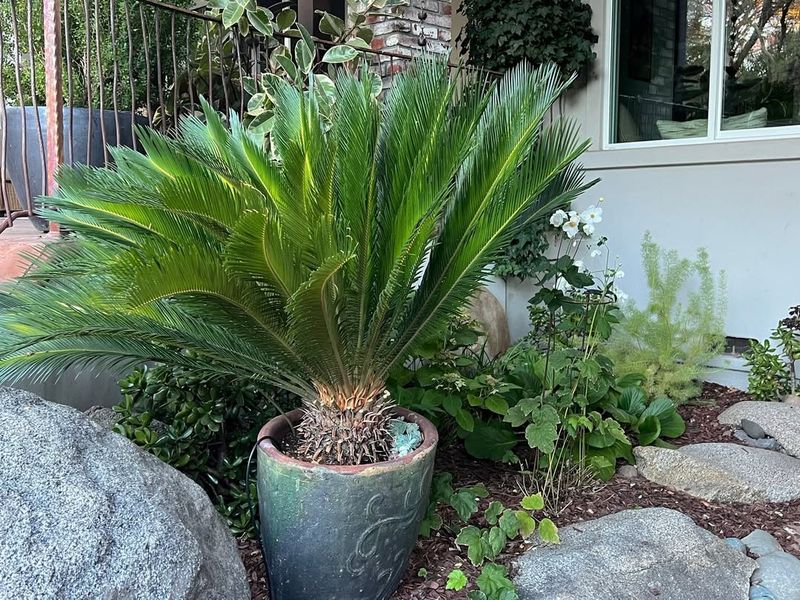
Sago palms bring tropical elegance to Pennsylvania homes with their feathery fronds and compact size.
Despite their common name, these aren’t true palms but ancient cycads that have existed for millions of years.
Every single part of the sago palm contains cycasin, a potent toxin that affects the liver.
The seeds are especially concentrated with this poison, but leaves, roots, and stems are all dangerous too.
Dogs seem particularly attracted to sago palms and frequently chew on them, often with tragic results.
Even small amounts can cause severe liver damage in pets.
Cats also face serious risks, though they tend to nibble plants less frequently than dogs.
Pennsylvania pet owners who keep sago palms indoors may not realize they’re creating a life-threatening hazard.
Children can also be poisoned by touching the plant and then putting their hands in their mouths.
The plant’s slow growth and attractive appearance make it a popular choice for indoor decor.
However, its extreme toxicity means it has no place in homes with animals or young children.
Many veterinarians consider sago palm one of the most dangerous houseplants available.
Choose genuinely pet-safe alternatives like parlor palms or areca palms instead.
9. Dumb Cane
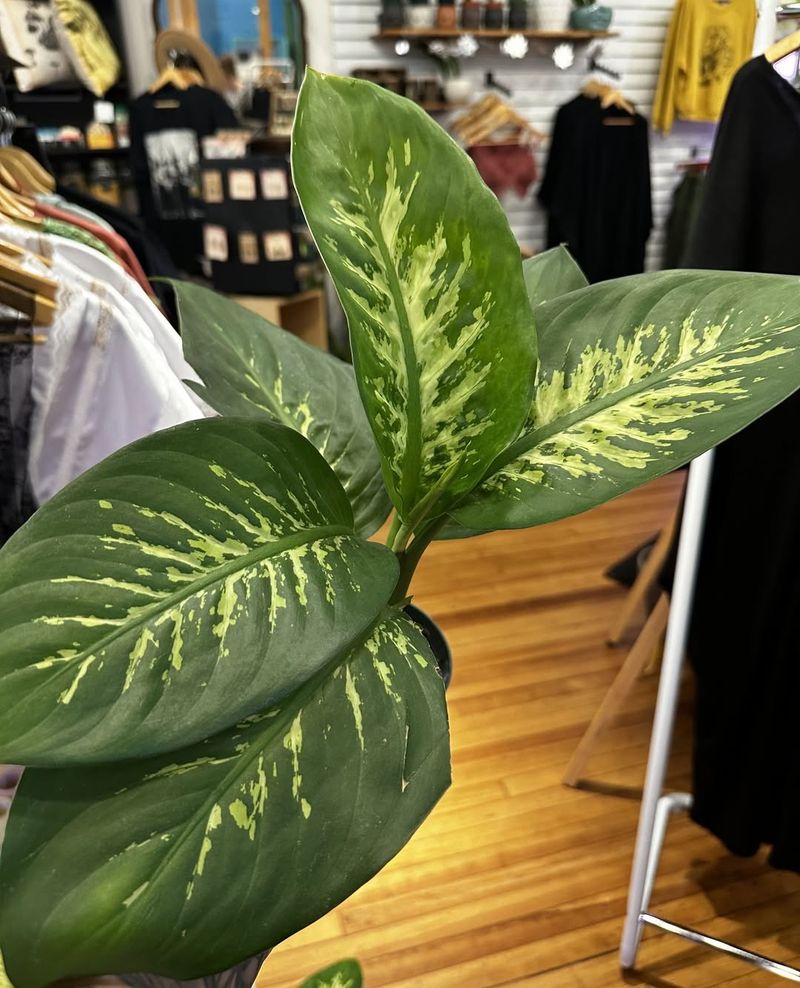
Dieffenbachia, commonly called dumb cane, ranks among the most popular houseplants for Pennsylvania homes.
Its large, variegated leaves create stunning visual interest and the plant tolerates typical indoor conditions well.
The unusual common name comes from the plant’s effect when chewed: it causes such severe mouth swelling that speech becomes temporarily impossible.
The leaves contain calcium oxalate crystals that act like tiny needles when crushed.
These microscopic crystals pierce soft tissue in the mouth, tongue, and throat, causing immediate intense pain and swelling.
Children who bite into dumb cane leaves experience burning sensations and may have difficulty swallowing or breathing.
Pets suffer similar effects, plus excessive drooling and pawing at their mouths.
Even adults who handle the plant and then touch their faces can transfer irritating sap to sensitive areas.
Pennsylvania families often keep dumb cane in living rooms or bedrooms where accidental contact is more likely.
The plant’s popularity means many households have it without fully understanding the risks.
While rarely life-threatening, the pain and discomfort from dumb cane exposure can be severe.
Emergency room visits for plant poisoning frequently involve this common houseplant.
Consider safer alternatives like prayer plants or calatheas that offer similar foliage interest without the danger.
10. Pokeweed
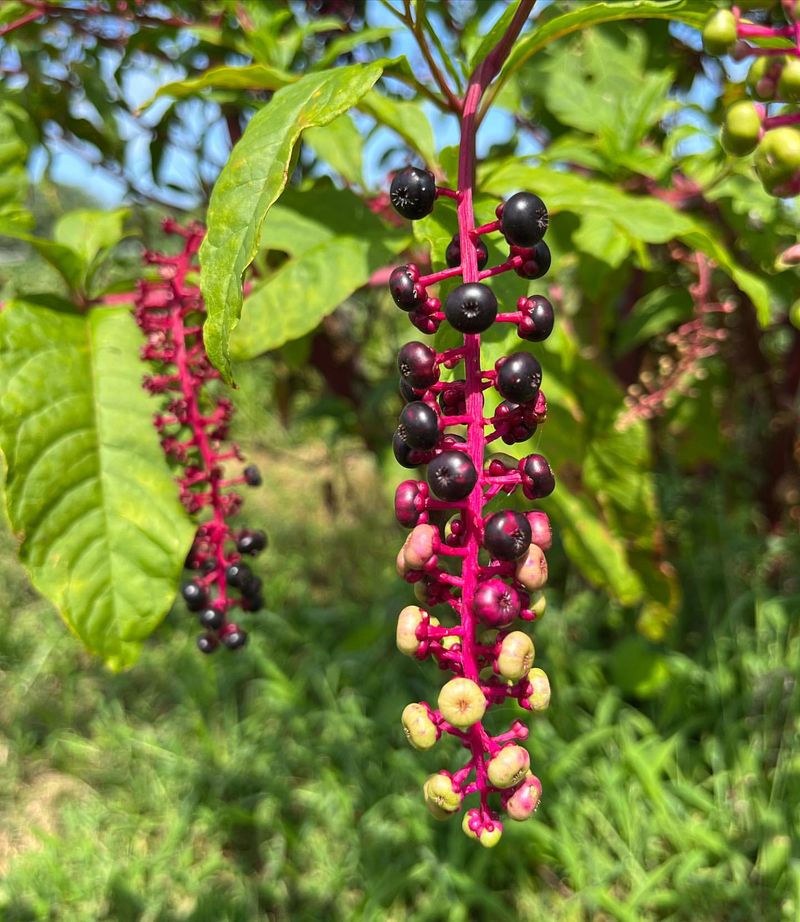
Pokeweed grows wild throughout Pennsylvania, and some people bring it indoors thinking it’s an interesting native plant to cultivate.
This tall perennial produces clusters of dark purple berries that look tempting but contain dangerous toxins.
The roots are especially poisonous, but leaves, stems, and berries all pose risks.
Young shoots are sometimes eaten after special preparation by experienced foragers, but this traditional practice requires specific knowledge and repeated boiling.
Growing pokeweed indoors eliminates any possible safe use while concentrating all the dangers.
Children might be attracted to the colorful berries that resemble blueberries or grapes.
Eating pokeweed berries causes burning mouth sensations, stomach cramps, and vomiting.
Pets who investigate the plant can experience similar symptoms.
The plant grows quickly and can reach several feet tall, making it impractical for indoor spaces anyway.
Pennsylvania’s native plant movement encourages appreciation of local species, but that doesn’t mean every native plant belongs inside your home.
Pokeweed serves important ecological functions outdoors where birds eat the berries and spread the seeds.
Admire this plant in its natural habitat rather than attempting to domesticate it indoors.
Your home should feature plants that enhance your life without creating unnecessary hazards.
11. Jimson Weed
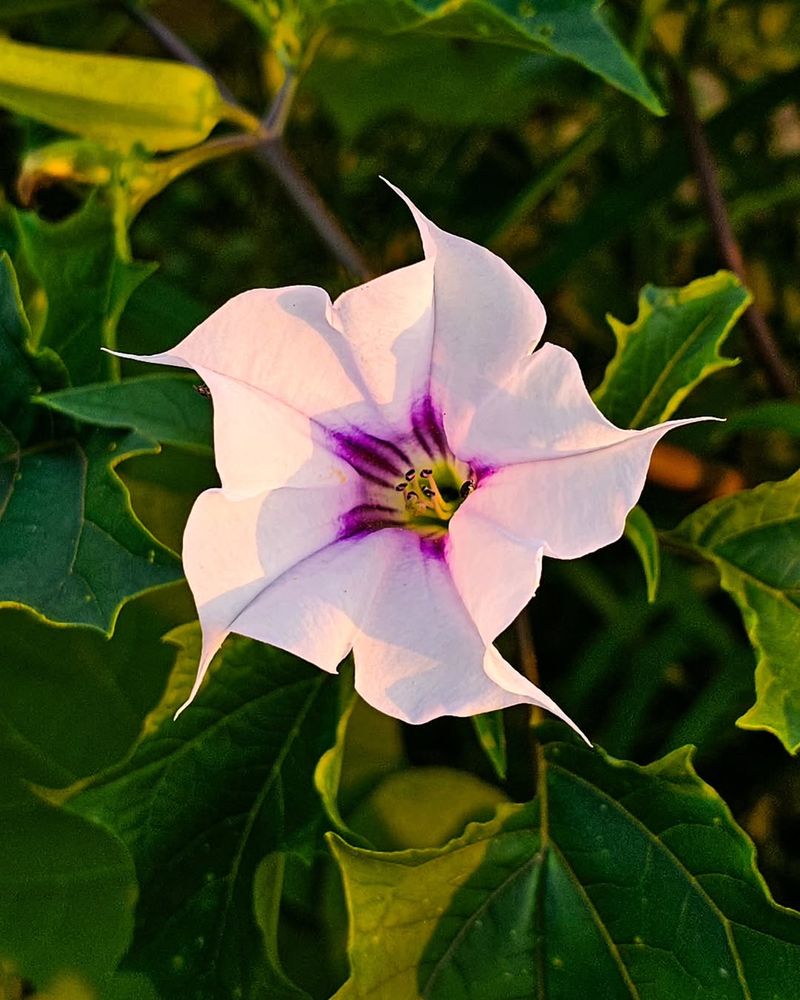
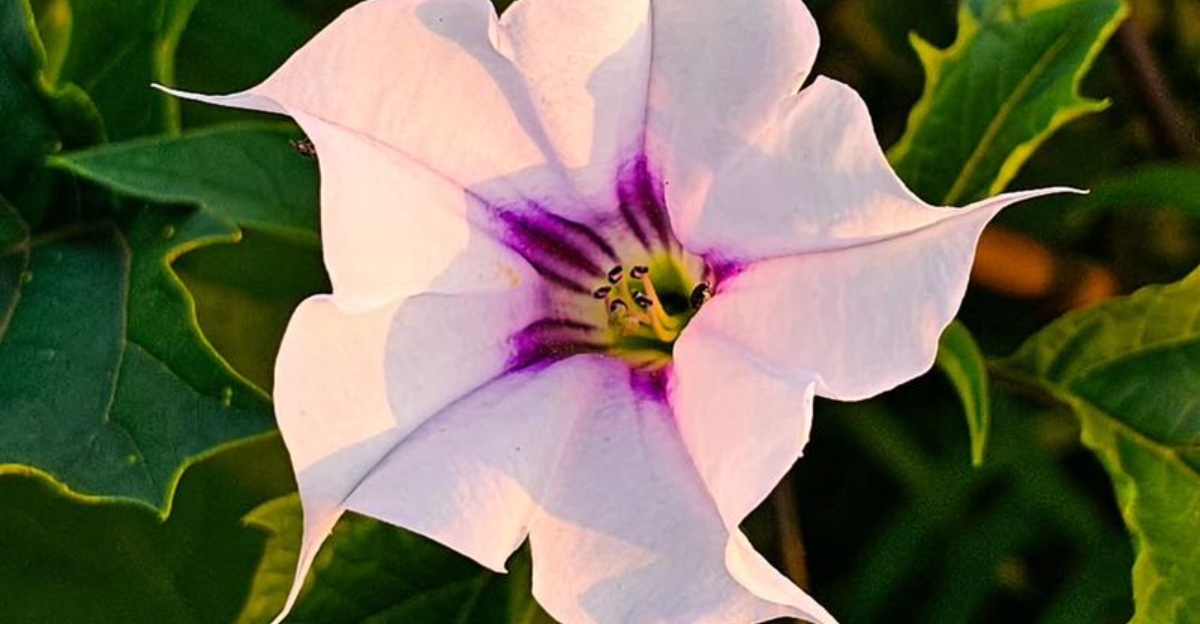
Jimson weed produces spectacular trumpet-shaped flowers that open in the evening and release a sweet fragrance.
Some people mistakenly think this makes it suitable for indoor growing, especially in Pennsylvania where outdoor growing seasons are limited.
Every part of jimson weed contains tropane alkaloids similar to those in angel trumpet.
These compounds affect the nervous system and can cause hallucinations, confusion, rapid heartbeat, and elevated body temperature.
The plant has a dark history of misuse by people seeking psychoactive effects, often with dangerous or tragic outcomes.
Children who encounter jimson weed might be attracted to its large flowers or spiky seed pods.
Even touching the plant and then rubbing your eyes can cause pupil dilation and vision problems.
Indoor cultivation concentrates the plant’s volatile compounds in enclosed spaces where air circulation is limited.
Pennsylvania’s agricultural history includes warnings about jimson weed contaminating livestock feed and causing poisoning in farm animals.
Modern homeowners should heed these lessons and keep this plant far from living spaces.
The seeds remain viable for years and can germinate unexpectedly if spilled indoors.
No decorative value justifies the serious health risks jimson weed presents.
Choose safe flowering alternatives that won’t endanger your household.
12. Calla Lily
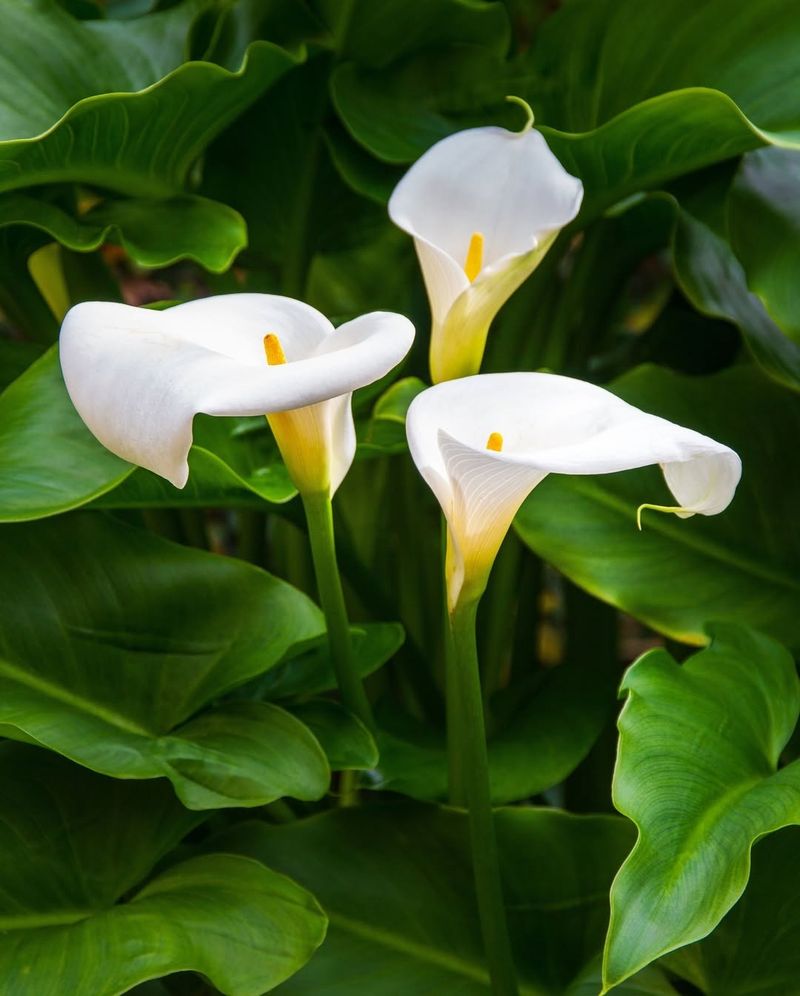
Calla lilies symbolize elegance and purity, making them popular choices for Pennsylvania homes during holidays and special occasions.
These sophisticated flowers feature a distinctive curved spathe that surrounds a central spike covered in tiny blooms.
Unfortunately, calla lilies contain calcium oxalate crystals throughout their tissues, similar to dumb cane.
When chewed or eaten, these crystals cause immediate mouth pain, swelling, and excessive drooling.
Children attracted to the unusual flower shape might touch or taste the plant.
Cats seem particularly drawn to calla lilies and may nibble the leaves or flowers.
Dogs who investigate the plant can also experience painful reactions.
The crystals cause such intense irritation that affected pets often refuse food and water.
Pennsylvania households frequently receive calla lilies as gifts or purchase them for seasonal decorating.
Many people don’t realize these beautiful plants pose risks to household members.
The elegant appearance makes calla lilies especially popular for dining room tables and entryway displays where they’re easily accessible.
If you receive calla lilies as a gift, enjoy them in a location where children and pets cannot reach them.
Better yet, choose safer flowering plants like orchids or bromeliads that offer similar visual impact without the health concerns.
13. Snake Plant In Pet Homes
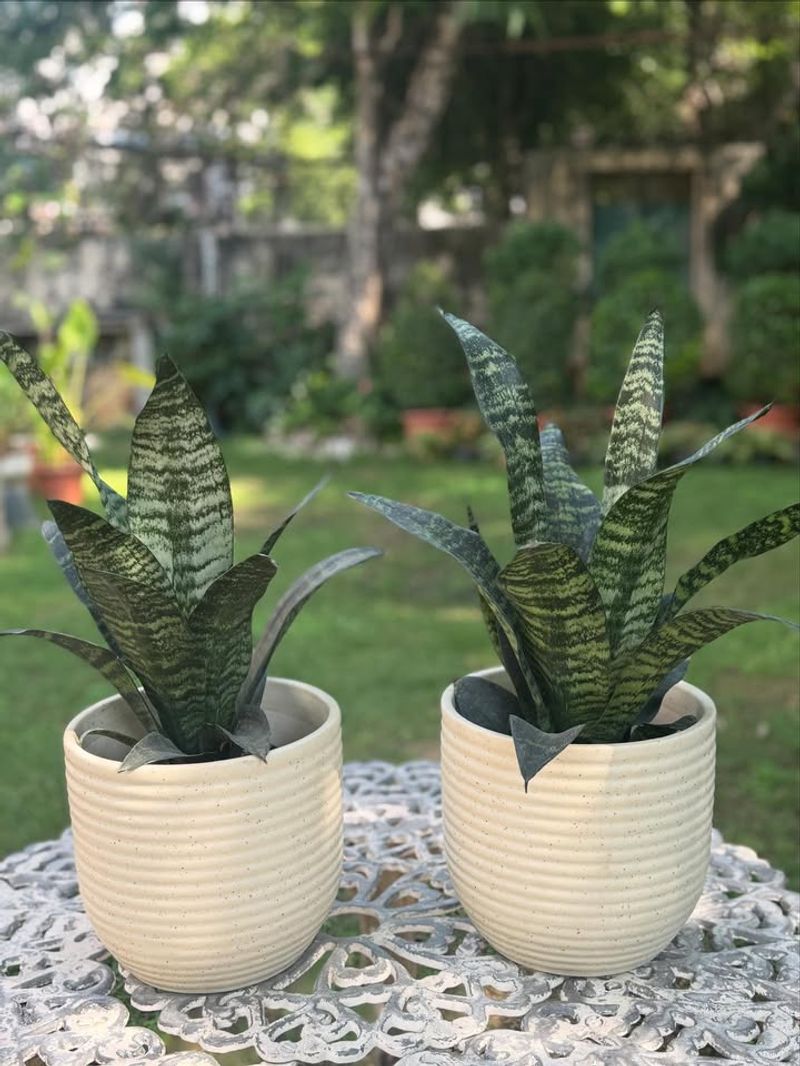
Snake plants have become incredibly trendy in Pennsylvania homes thanks to their architectural appearance and reputation as nearly indestructible houseplants.
These striking succulents feature tall, upright leaves with attractive variegation patterns.
They tolerate low light, irregular watering, and general neglect better than almost any other houseplant.
For households without pets, snake plants can be wonderful additions.
However, Pennsylvania families with cats or dogs need to reconsider this popular choice.
Snake plants contain saponins that cause nausea, vomiting, and diarrhea when ingested by animals.
Cats seem particularly likely to chew on the firm, upright leaves.
Dogs may knock over pots and then investigate the exposed plant material.
While snake plant toxicity rarely causes life-threatening emergencies, it does create significant discomfort for pets and worry for owners.
Veterinary visits for snake plant ingestion are common and could be avoided by choosing pet-safe alternatives.
The plant’s popularity means many pet owners have snake plants without realizing the potential problems.
Consider spider plants, Boston ferns, or prayer plants instead—these offer similar low-maintenance care while being completely safe for curious pets.
Your home can be both stylish and safe with thoughtful plant selection.
14. Fiddle Leaf Fig In Low Light
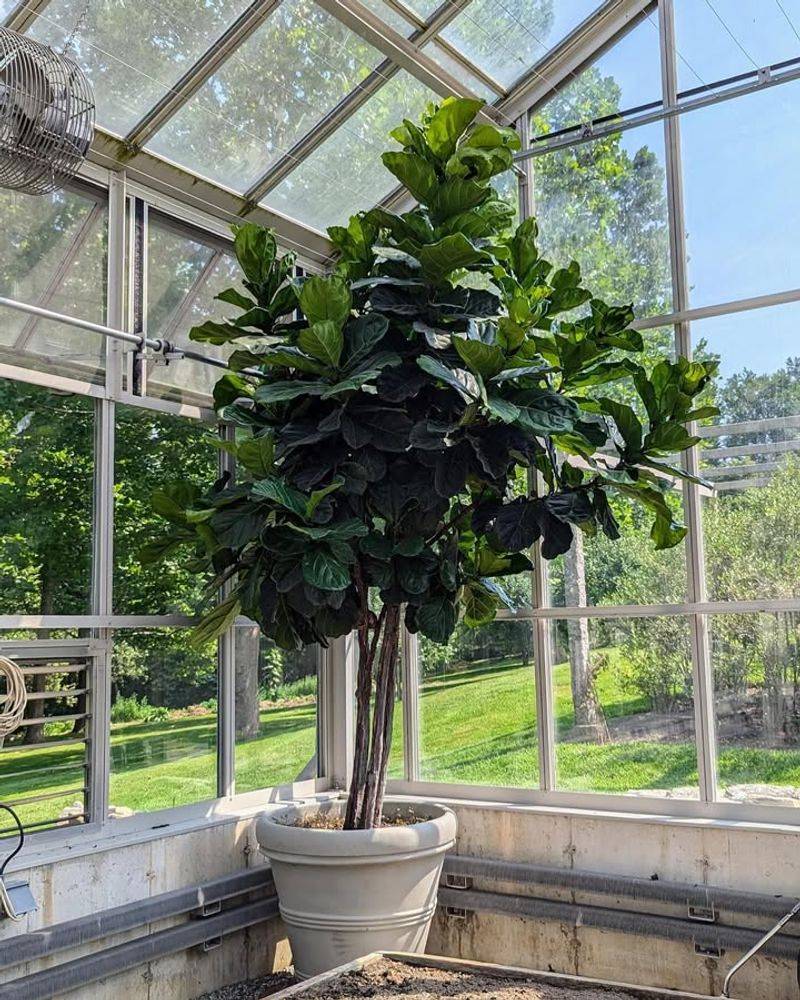
Fiddle leaf figs have dominated interior design trends for years, appearing in countless Pennsylvania homes and design magazines.
These dramatic trees feature enormous, violin-shaped leaves that create instant visual impact.
However, fiddle leaf figs demand bright, consistent light and stable conditions that Pennsylvania homes often can’t provide, especially during winter months.
The state’s long, dark winters mean indoor light levels drop significantly from November through March.
Fiddle leaf figs placed in typical Pennsylvania homes begin declining rapidly when they don’t receive adequate light.
Leaves develop brown spots, drop off, and the plant becomes weak and unsightly.
Struggling plants attract pests and may develop fungal problems in the humid conditions created by Pennsylvania’s heating systems.
While not toxic like other plants on this list, declining fiddle leaf figs create frustration and wasted money.
The sap can cause minor skin irritation in some people, adding another reason to reconsider this trendy choice.
Many Pennsylvania homeowners cycle through multiple fiddle leaf figs, repeatedly experiencing failure without understanding the fundamental light mismatch.
Instead of fighting against your home’s conditions, choose plants adapted to Pennsylvania’s indoor environment.
Rubber trees, dracaenas, or pothos thrive in lower light while still providing dramatic foliage.
Success with houseplants comes from matching plants to your specific conditions rather than forcing trendy choices into unsuitable spaces.