10 Plants That Flourish In Nevada Without Constant Watering
Nevada is one of the driest states in the entire country, and if you have ever tried to keep a garden alive here, you already know the struggle.
The blazing summer heat, rocky soil, and limited rainfall can make growing plants feel nearly impossible. But here is the good news: plenty of plants actually love these tough conditions and will reward you with beautiful color, texture, and life without demanding a ton of water.
These drought-tolerant plants are about to change the way you think about desert gardening.
1. Desert Marigold
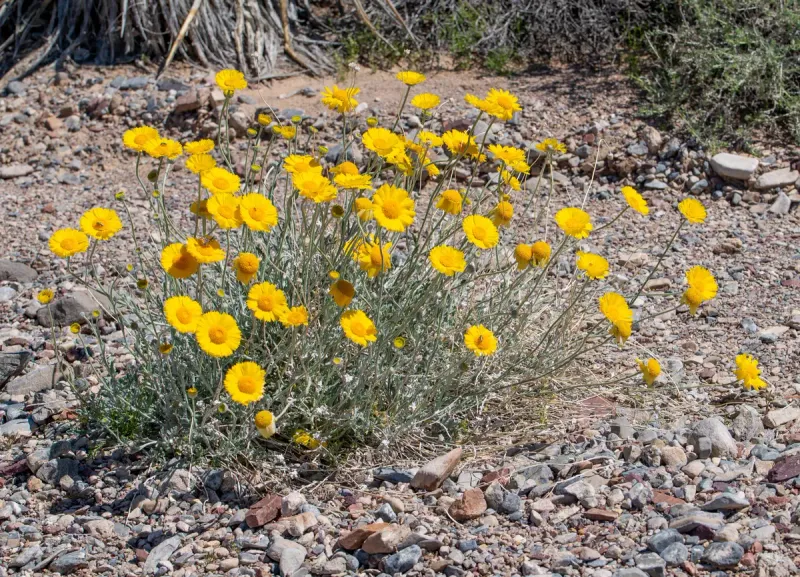
Bright yellow and bold, the Desert Marigold is basically Nevada’s version of sunshine you can plant in your yard. These cheerful flowers pop up across the Mojave and Great Basin regions, and they absolutely thrive in the kind of dry, hot weather that makes other plants wilt.
You do not need to fuss over them at all.
Desert Marigolds bloom for a surprisingly long season, often from spring all the way through fall. They love full sun and well-drained soil, which is exactly what most of the state naturally offers.
Even on the hottest days of summer, they keep on blooming without complaint.
One fun fact: the silvery-gray leaves on this plant are actually designed to reflect sunlight and reduce water loss. That is some seriously smart biology right there.
Plant them along walkways, in rock gardens, or in open desert spaces for a pop of golden color that practically takes care of itself. They also attract butterflies and bees, making your outdoor space feel alive and buzzing with activity all season long.
2. Blue Palo Verde
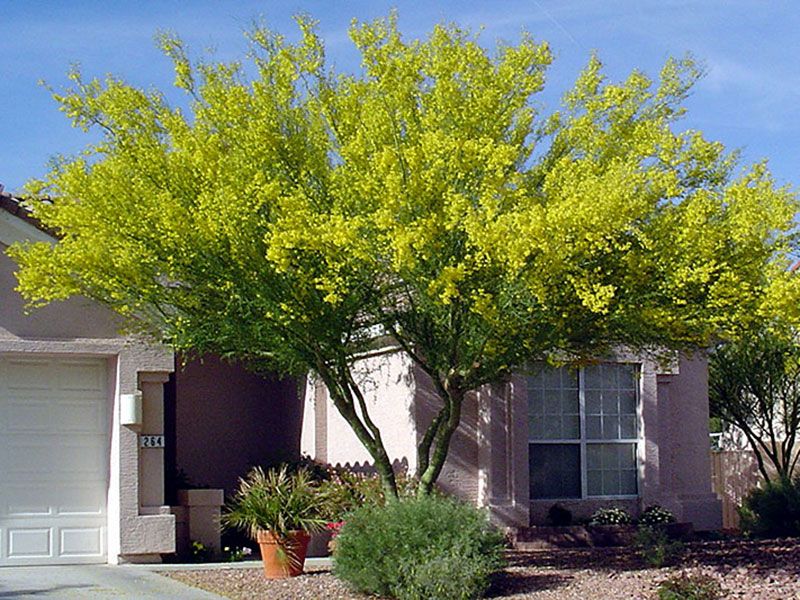
Walk past a Blue Palo Verde in bloom and you might stop in your tracks because this tree absolutely explodes with yellow flowers every spring.
It is one of the most eye-catching trees you can plant in southern Nevada, and the best part is it barely needs any water once it gets settled in. The name “Palo Verde” actually means “green stick” in Spanish, referring to its unique green bark.
That green bark is not just for looks. It actually performs photosynthesis, meaning the tree can keep making energy even when it drops its tiny leaves during dry spells.
Hot and arid climate is basically a dream environment for this tree.
Blue Palo Verde can grow up to 30 feet tall, offering real shade for patios, yards, and outdoor spaces. It is a fantastic choice for homeowners across southern part of the state who want a low-maintenance landscape tree that still looks impressive.
Plant it in a sunny spot with good drainage, water it occasionally during the first year, and then step back and let it do its thing. Wildlife like birds and bees absolutely love it too.
3. Beavertail Cactus
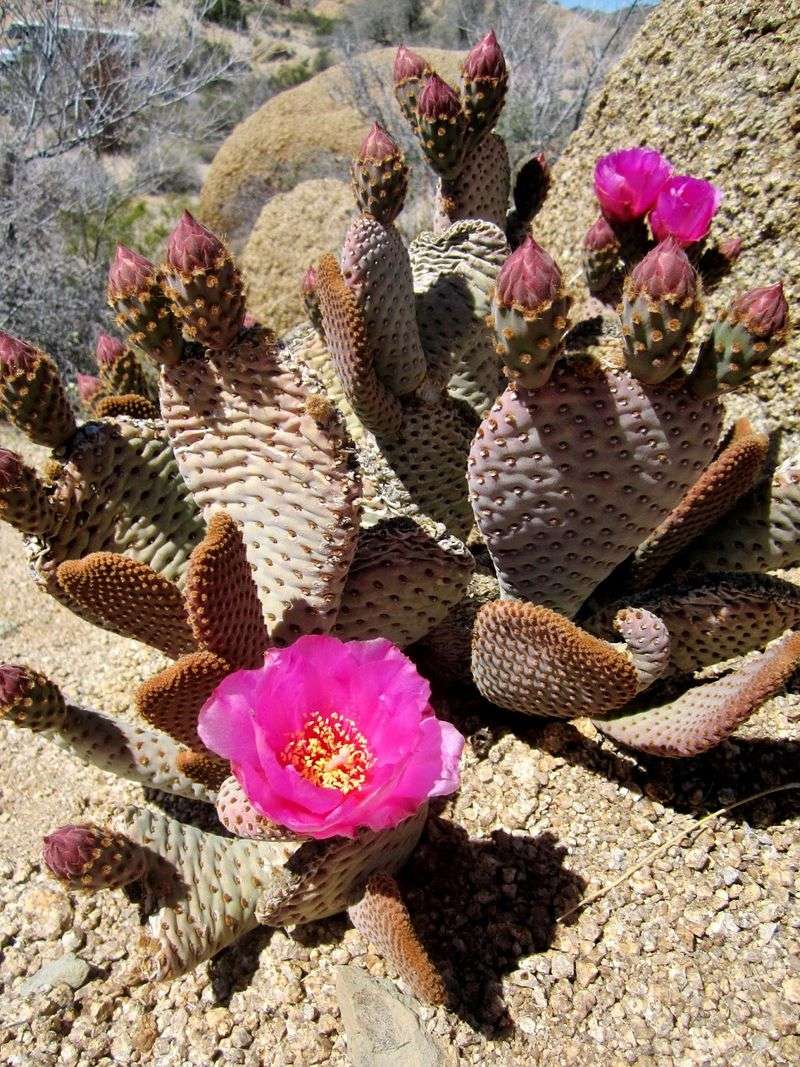
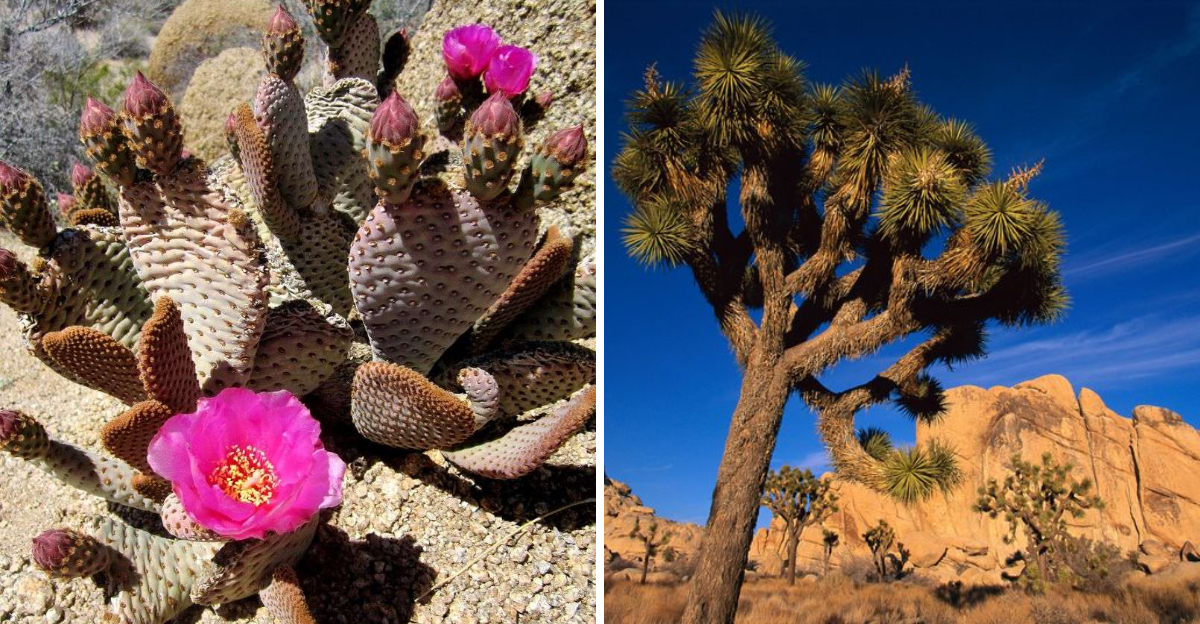
If a plant could have a personality, the Beavertail Cactus would be tough on the outside and surprisingly beautiful on the inside. Those flat, paddle-shaped pads look almost cartoonish, but when the hot pink and magenta flowers burst open in spring, it is genuinely stunning.
Native to the Mojave Desert, this cactus is perfectly built for harsh conditions.
One of the coolest things about Beavertail Cactus is that it stores water right inside those thick pads. That means even during long dry spells, it keeps itself hydrated without any help from you.
Rainfall in Nevada is enough to keep this plant happy for most of the year.
It grows low to the ground, usually reaching about 12 to 18 inches tall, which makes it perfect for rock gardens or as a natural border plant. Be careful when planting it though because even though it lacks large spines, it has tiny hair-like barbs called glochids that can irritate skin.
Wear gloves, plant it in full sun, and enjoy one of the most native and naturally beautiful desert plants without worrying about your water bill at all.
4. Apache Plume
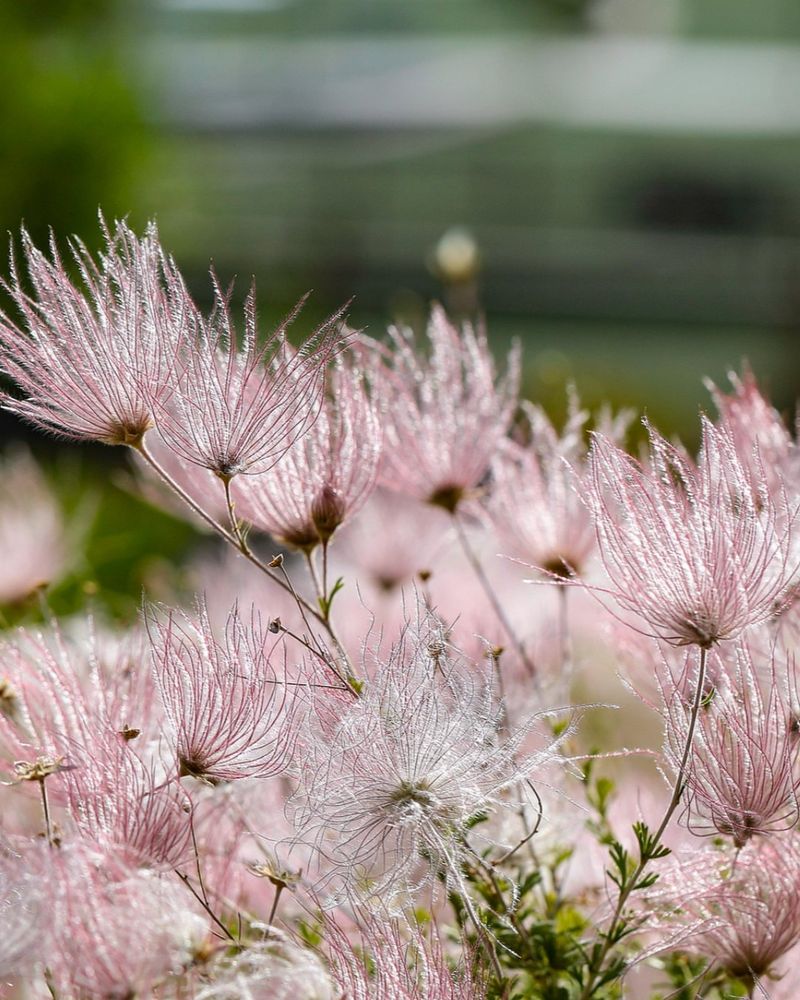
There is something almost magical about Apache Plume when its feathery, pinkish-purple seed plumes catch the light in a breeze. First come the white flowers, then those wispy plumes take over, making the shrub look like it is covered in tiny fireworks frozen in time.
It is one of the most visually interesting native plants you can add to your yard.
Apache Plume is incredibly tough and has been growing across high desert regions for centuries. It handles drought, rocky soil, and temperature swings without skipping a beat.
Once established, you can pretty much forget about watering it, which is exactly what busy homeowners want to hear.
This shrub typically grows between 3 and 6 feet tall and wide, making it a solid choice for natural hedges or as a standalone focal point in the yard. It is also a fantastic plant for erosion control on slopes and hillsides, which are common in many parts of the state.
Pollinators like bees and hummingbirds are drawn to it, so you are not just planting a pretty shrub but creating a small ecosystem. Plant it in full sun with minimal water and watch it thrive season after season.
5. Joshua Tree
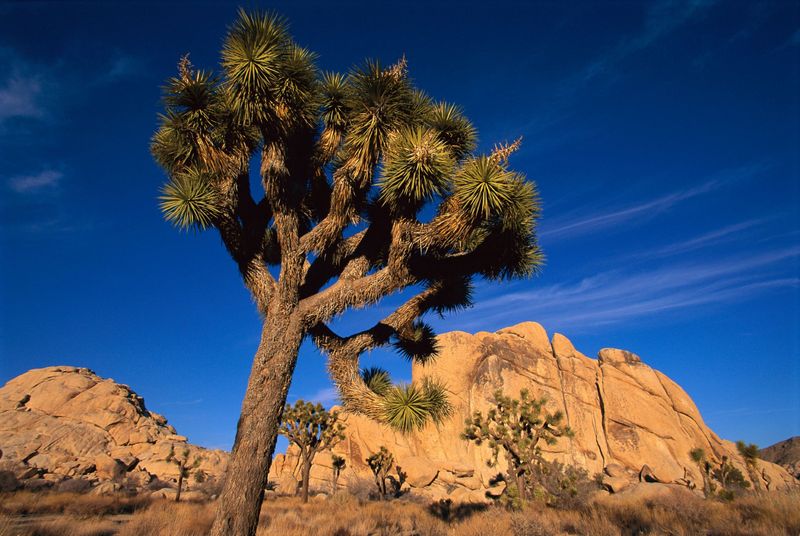
Few plants say “desert” quite like the iconic Joshua Tree. With its twisted arms reaching toward the sky and spiky clusters of leaves, this plant looks like something straight out of a science fiction movie.
It is actually a type of yucca, not a true tree, and it has been thriving in the Mojave Desert long before anyone was around to water it.
Joshua Trees are incredibly slow growers, sometimes adding only about an inch per year. But that slow growth is part of what makes them so resilient.
They have deep root systems that reach far into the ground to find whatever moisture is available, which is a clever survival strategy in Nevada’s famously dry climate.
Planting a Joshua Tree in your yard is like adding a living piece of history to your landscape. They can eventually grow up to 40 feet tall, though most residential ones stay much smaller.
They prefer full sun and well-drained, sandy or rocky soil, which is exactly what most of the state has in abundance. Fun fact: Joshua Trees rely entirely on the Yucca moth for pollination, making them one of the most fascinating examples of plant-animal teamwork in the natural world.
6. Autumn Sage
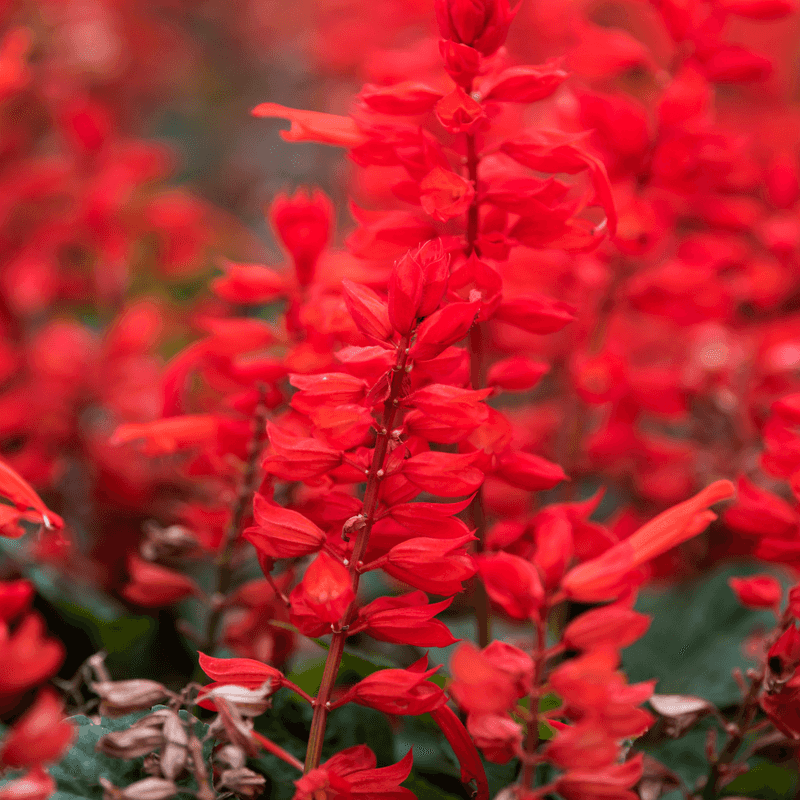
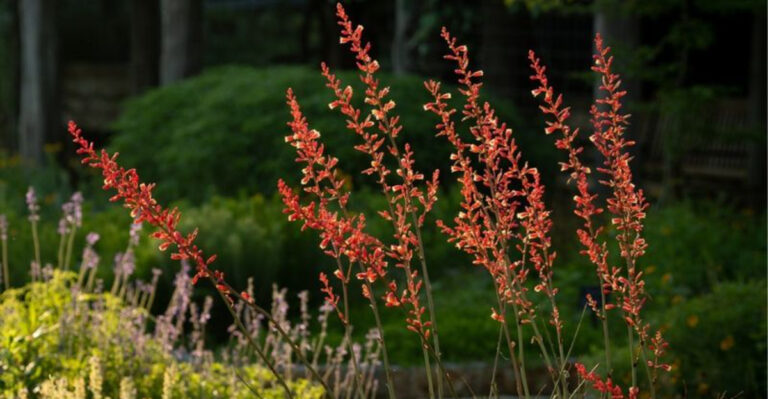
Autumn Sage might have the word autumn in its name, but this tough little shrub puts on a show from spring all the way through the first frost. The bright red tubular flowers are like tiny beacons for hummingbirds, and once you see one hovering near your Autumn Sage, you will want to plant more immediately.
It is that rewarding to grow.
What makes Autumn Sage such a smart pick for gardens is its ability to handle both heat and drought without any drama. It grows naturally in rocky, dry environments and actually prefers not to be overwatered.
Give it too much water and it can develop root problems, so the dry climate is genuinely perfect for it.
Autumn Sage typically grows about 2 to 3 feet tall and wide, making it a great mid-height plant for borders, slopes, or mixed garden beds. It pairs beautifully with other drought-tolerant plants like desert marigold and ornamental grasses.
Pruning it lightly after each bloom cycle encourages fresh new growth and more flowers. For gardeners who want year-round color with almost zero effort, Autumn Sage is one of the most reliable plants you can put in the ground.
7. Cliffrose
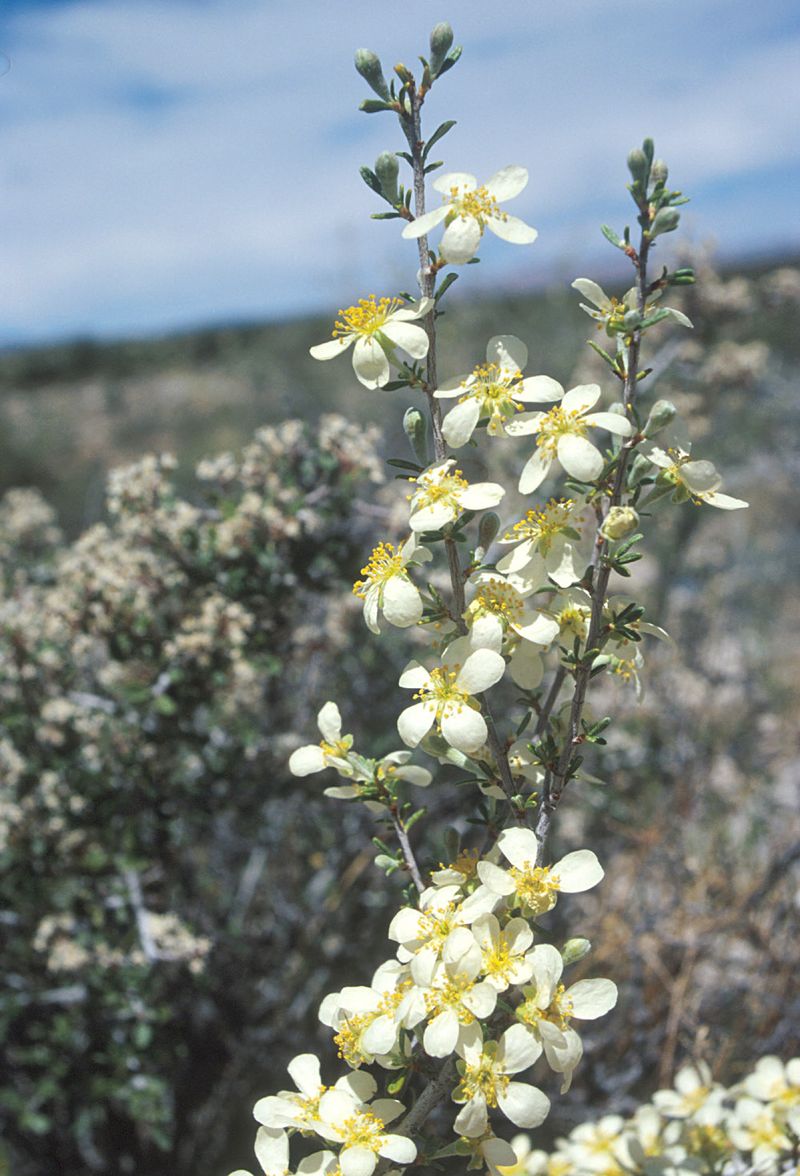
Imagine stepping outside on a warm Nevada morning and catching a sweet, honey-like fragrance drifting through the air. That is the gift Cliffrose gives you when it blooms in spring and early summer.
This native shrub is covered in small, creamy white flowers that smell absolutely wonderful, and the best part is it asks almost nothing in return.
Cliffrose is native to the Great Basin and Mojave Desert regions, which means it evolved specifically to handle the kind of dry, rocky terrain that Nevada is famous for. It has deep roots that help it find water far below the surface, so once it is established, rainfall alone is usually enough to keep it going strong all year.
Growing anywhere from 3 to 8 feet tall, Cliffrose works well as a natural privacy screen, a backdrop for smaller plants, or even as a standalone specimen in a rock garden. The feathery seed tails that appear after the flowers fade add a bonus visual texture that looks great through summer and fall.
Wildlife, especially mule deer, are known to browse on Cliffrose, so it also supports the local ecosystem. Plant it in full sun and enjoy years of beauty with almost no maintenance required at all.
8. Fourwing Saltbush
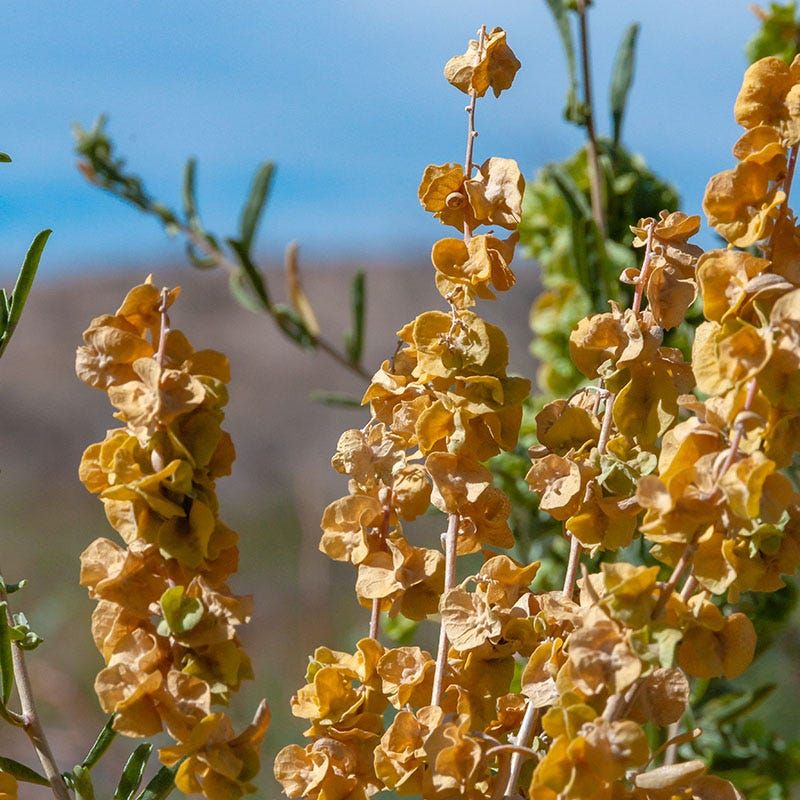
Not every great plant needs flashy flowers to earn its place in a yard, and Fourwing Saltbush proves that point beautifully. This tough, silvery-green shrub is one of the most drought-tolerant plants in the entire Great Basin region, and it has been anchoring desert landscapes across Nevada for thousands of years.
Its subtle beauty grows on you fast.
Fourwing Saltbush gets its name from the four papery wings that surround each seed, which are actually pretty charming up close. The silvery foliage reflects sunlight and helps the plant stay cool during brutal summer heat.
It can handle salty, alkaline soils that would stress most other plants, making it ideal for areas where nothing else seems to want to grow.
This shrub grows between 3 and 6 feet tall and is excellent for erosion control, windbreaks, and wildlife habitat. Birds and small mammals rely on Fourwing Saltbush for both food and shelter, so planting it means you are doing something genuinely good for the native wildlife.
It needs virtually no watering once established and thrives in full sun. For low-maintenance, eco-friendly landscaping, few plants come close to matching what Fourwing Saltbush quietly and reliably delivers every single year.
9. Purple Three-Awn Grass
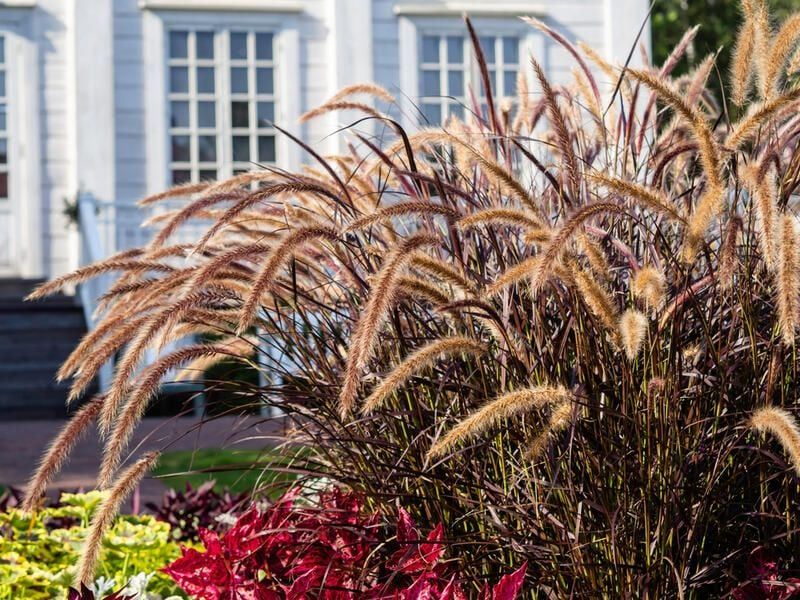
Ornamental grasses do not get nearly enough credit in gardens, and Purple Three-Awn is one of the most underrated options out there. When the light hits its reddish-purple blades just right, especially at sunrise or sunset, the whole clump seems to glow.
It is one of those plants that makes people stop and ask, what is that gorgeous grass?
Purple Three-Awn is native to the arid regions of the American West. It is built for dry conditions and does not need supplemental watering once it gets going.
The fine, thread-like leaves move gracefully in the breeze, adding soft movement to a landscape that might otherwise feel static.
It typically grows about 1 to 2 feet tall, making it a great choice for filling in gaps between larger shrubs or for lining pathways and garden edges. The seed heads that form in summer are the real showstopper, turning a warm amber color as the season progresses.
Mix it with flowering plants like Autumn Sage or Desert Marigold for a layered, textured look that feels both wild and intentional. For gardeners who want low-effort beauty, Purple Three-Awn grass delivers style without any fuss or regular watering needs.
10. Mojave Yucca
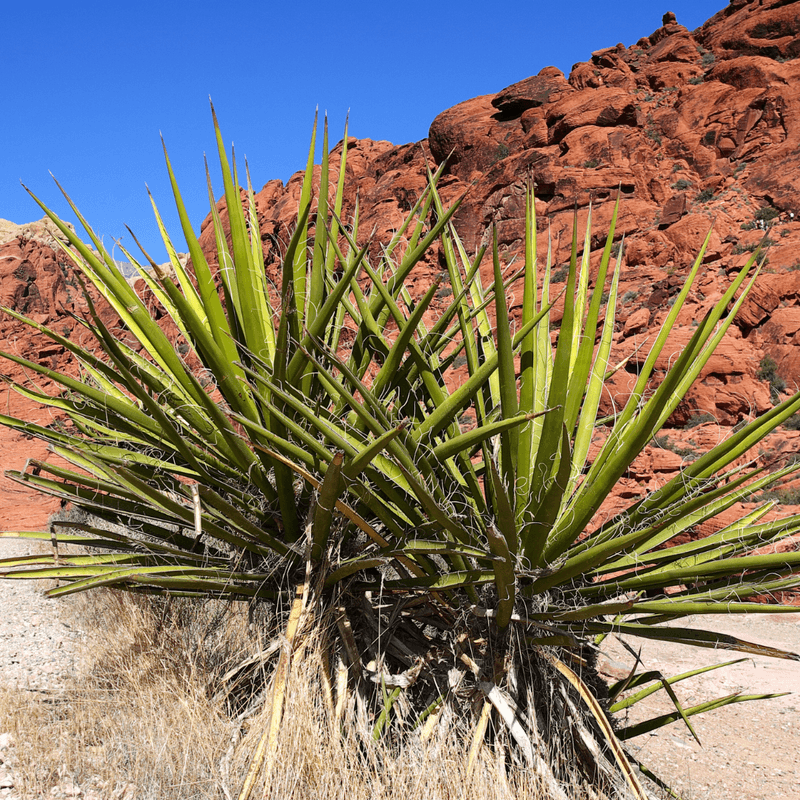
Bold, architectural, and completely unbothered by extreme heat, the Mojave Yucca is one of the most striking plants you can grow in the Silver State. Those long, rigid, sword-like leaves form a dramatic rosette that looks like it belongs in a modern landscape design catalog.
And when the towering flower spike shoots up in spring, the whole neighborhood takes notice.
Mojave Yucca is named after the Mojave Desert, where it grows naturally alongside Joshua Trees and other iconic plants. It has an incredible ability to store water in its thick leaves and roots, meaning it can go weeks or even months without rainfall and still look perfectly healthy.
That is the kind of resilience gardeners dream about.
Historically, Native American communities across the region used Mojave Yucca for food, fiber, and medicine, making it one of the most culturally significant plants in the area. Today, it works beautifully as a focal point in xeriscaped yards, along property borders, or in large container gardens.
Plant it in full sun with sandy or rocky well-draining soil and give it some space because it can spread up to 8 feet wide. Once established in dry climate, it is essentially self-sufficient and endlessly impressive year-round.