9 Plants That Give Your Arizona Yard Privacy Without Fences
It starts with a simple feeling that something is missing in your Arizona yard. The space looks open, maybe a little too exposed, and every glance from the street feels closer than it should.
Fences are not always the answer, especially when they can make a yard feel closed in or out of place with the desert around it.
In Arizona, the right plants can shape a yard in a way that feels natural while still giving that sense of privacy people look for.
Some grow dense enough to block views, others fill in gaps that would otherwise stay open, and a few do it so smoothly you barely notice how much they change the space.
What makes it interesting is how these plants work with the landscape instead of fighting it. Once they settle in, the yard starts to feel more defined, more comfortable, and a lot more intentional without adding anything harsh or out of character.
1. Ocotillo Creates A Natural Living Fence
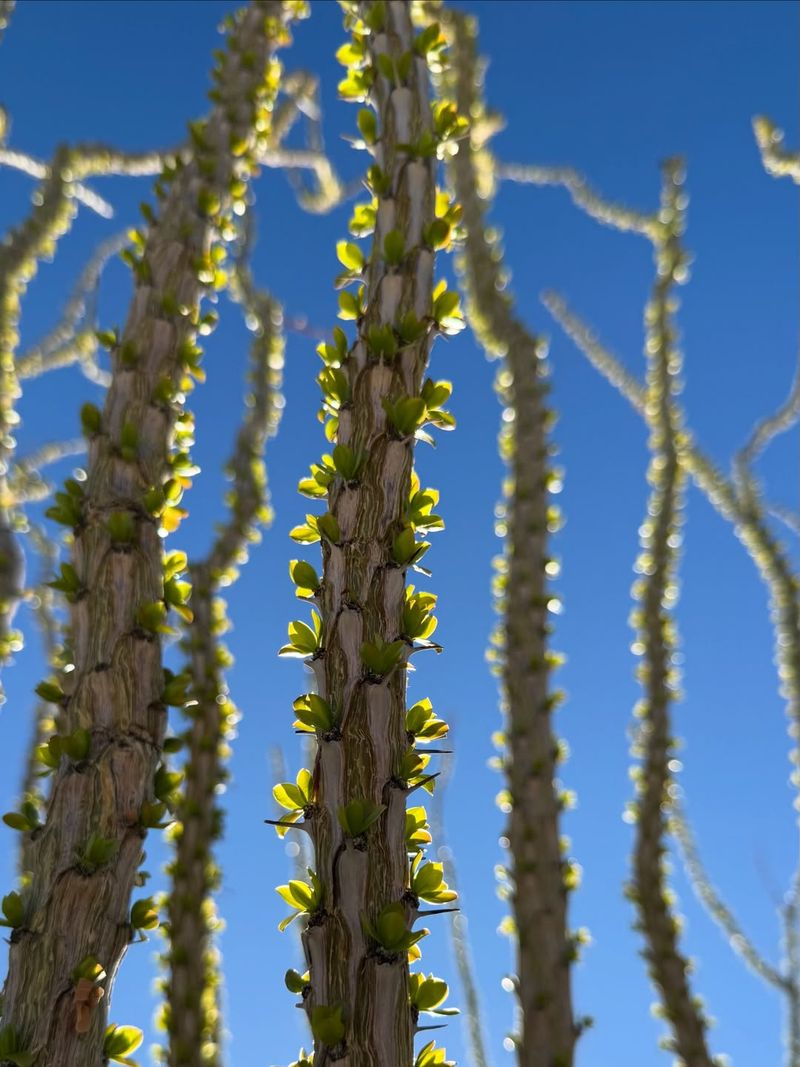
Ocotillo is one of the most striking plants you can put in an Arizona yard, and it actually works as a living fence when planted in a row.
Stems shoot up anywhere from 10 to 20 feet tall, and when they’re packed close together, you get a spiny wall that even people don’t want to push through.
It’s not just about the height either — the thorny canes overlap and tangle just enough to block sightlines without looking messy.
During the spring, ocotillo bursts out with bright red-orange flower clusters at the tips of every stem. Hummingbirds go absolutely wild for those blooms.
Even without leaves during dry stretches, the plant still holds its structure and keeps doing its job as a barrier.
Spacing them about 3 to 4 feet apart along a property line gives you solid coverage within a few seasons. Ocotillo handles full Arizona sun without any complaints and needs very little water once it gets its roots in.
If you want something that looks dramatic, creates real privacy, and holds up in desert heat, this plant is hard to beat.
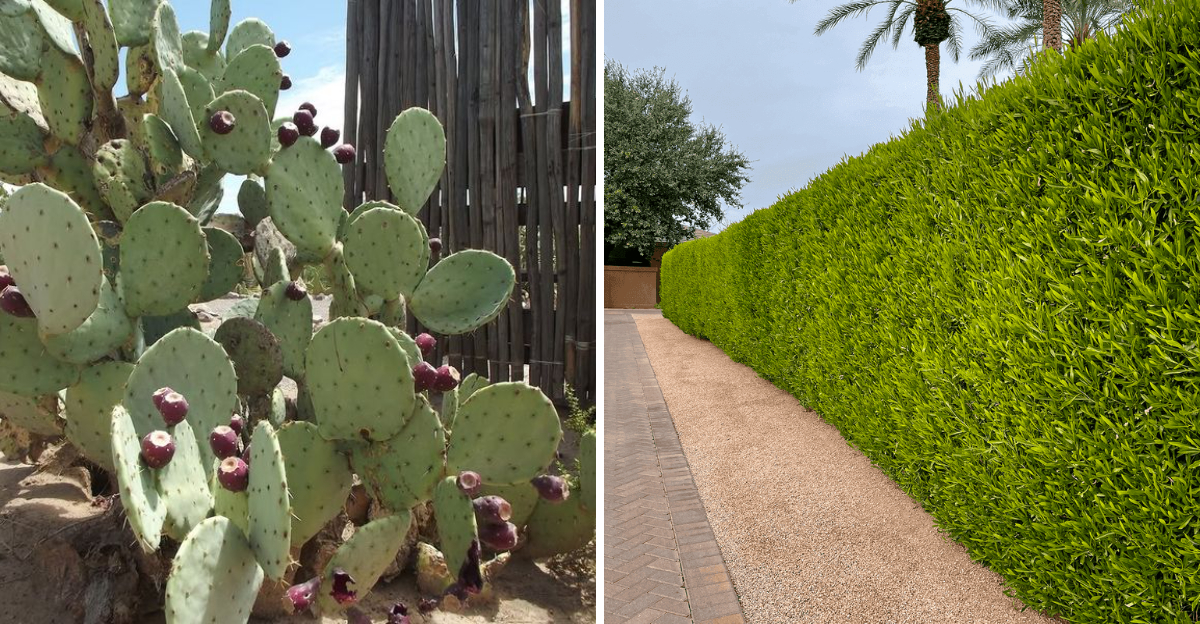
2. Prickly Pear Forms A Thick Barrier
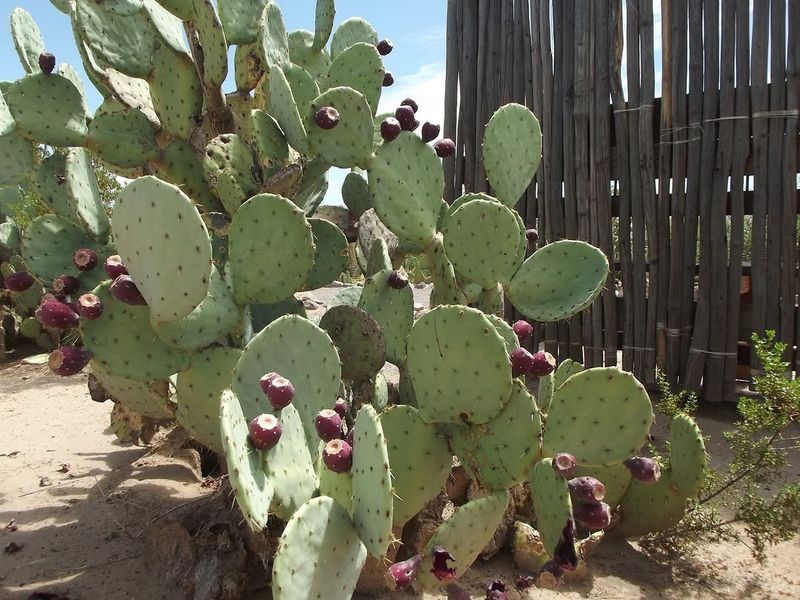
Nobody is sneaking through a row of prickly pear — that much is certain. Those flat, paddle-shaped pads are covered in clusters of fine spines that grab onto anything that brushes against them.
Plant enough of them together and you’ve got a barrier that’s honestly more effective than most wooden fences at keeping people and animals out.
Prickly pear grows wider and taller than most people expect. Left alone, it can reach 6 to 8 feet tall and spread just as wide.
That kind of size means a single row planted along your yard’s edge fills in surprisingly fast, especially in Arizona’s warm soil where it pushes out new pads every growing season.
Beyond the privacy factor, prickly pear actually produces edible fruit called tunas, which are a deep red-purple color and completely sweet. Birds love them too, so you’ll get some wildlife action right in your yard.
Watering is minimal — maybe once or twice a month during the hottest part of summer, and almost nothing the rest of the year. It’s a tough, no-fuss plant that earns its spot along any Arizona property line without much effort from you.
3. Mexican Fence Post Grows Tall And Tight
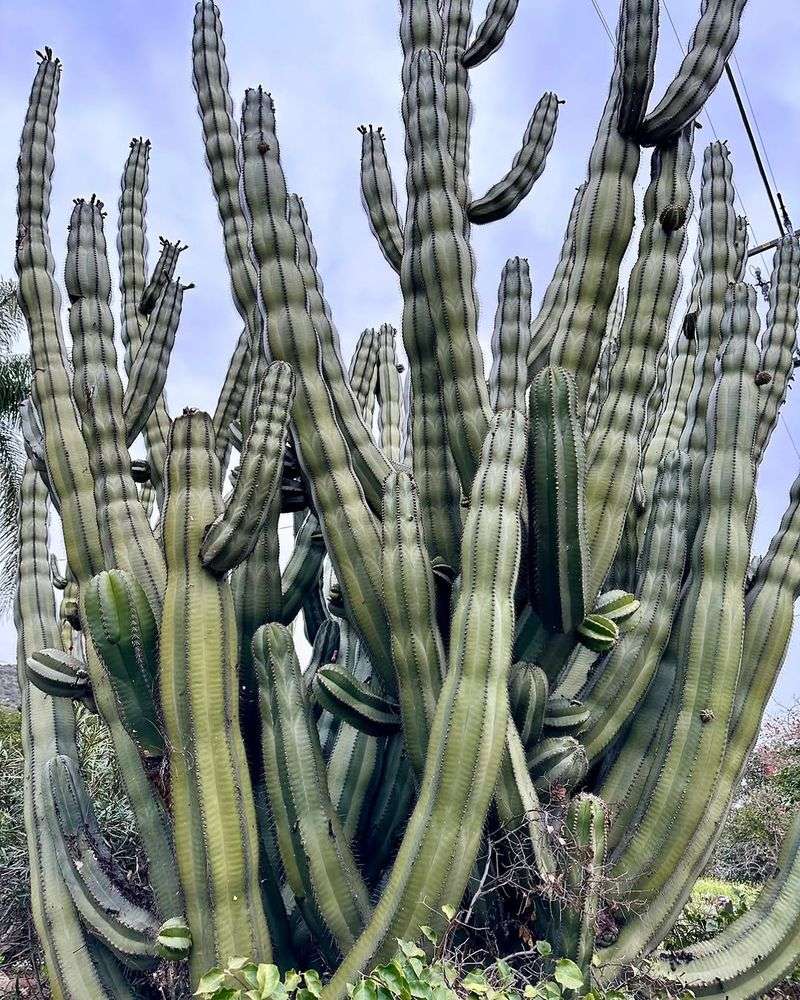
Right there in the name is everything you need to know — Mexican fence post cactus was practically built for this job. It grows in a tight, columnar shape that reaches up to 15 feet or more, and when you line several of them up, the effect is almost architectural.
Neighbors on the other side aren’t seeing into your yard at all.
What makes this cactus so useful in Arizona is how little space each plant actually takes up at ground level. Unlike sprawling shrubs that eat up your yard, Mexican fence post stays narrow and vertical.
You can plant a solid privacy screen without sacrificing much usable space, which matters a lot in smaller yards around Tucson or Phoenix.
Slow and steady describes how this one grows, but the payoff is worth it. Each plant adds a few inches of height every year, and the blue-green color of the stems looks sharp against adobe walls or desert gravel landscaping.
Full sun is ideal, and water needs are extremely low. Occasional deep watering during summer is about all it takes.
Once it reaches full height, you’ve got a permanent, living privacy wall that essentially takes care of itself.
4. Organ Pipe Cactus Builds Strong Vertical Coverage
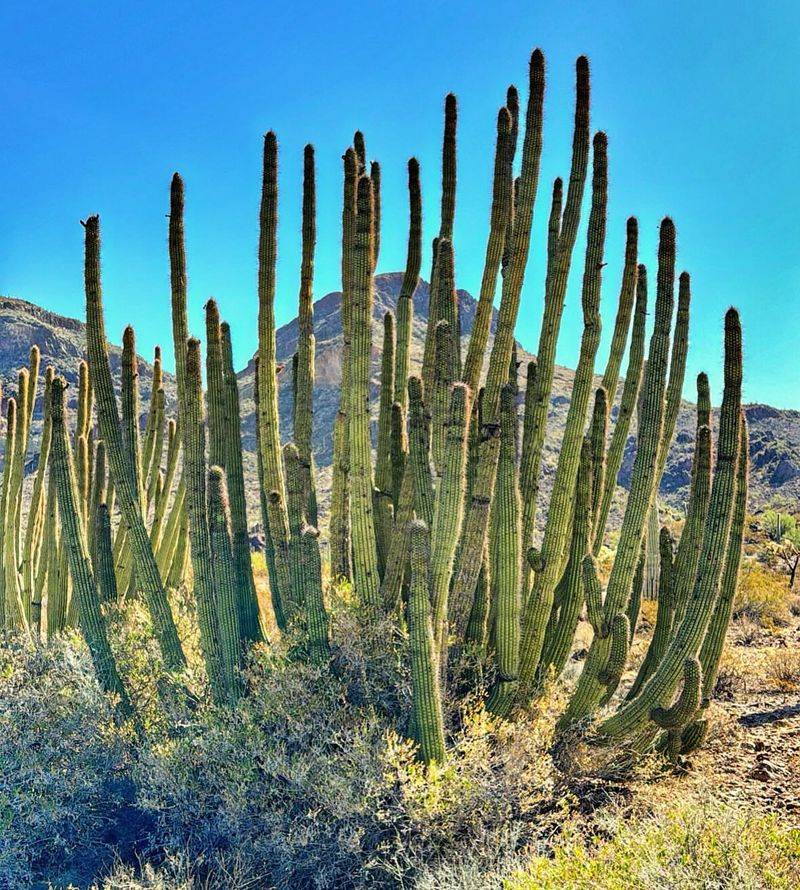
Organ pipe cactus has a presence that’s hard to ignore. Each plant sends up multiple thick stems from a single base, and those stems grow straight and tall — sometimes reaching 20 feet in the right conditions.
Cluster a few plants together and you get a wall of green that blocks views from neighbors, the street, or wherever you want coverage.
Arizona’s Sonoran Desert is actually where organ pipe cactus naturally grows, so putting it in your yard is about as locally appropriate as it gets. It’s completely adapted to the summer heat, the monsoon rains, and the dry stretches that follow.
No babying required once it gets established in the ground.
Flowering happens at night during late spring and early summer, with creamy white blooms that bats and moths visit after dark. By day, the fruit ripens into something birds and wildlife snack on regularly.
So beyond just privacy, you’re adding a whole mini-ecosystem to your yard. Give it full sun and well-drained soil, and it rewards you with years of steady vertical growth.
It won’t fill in as quickly as a shrub, but the height and drama it adds to an Arizona landscape is genuinely impressive.
5. Hopseed Bush Fills In Fast For Privacy
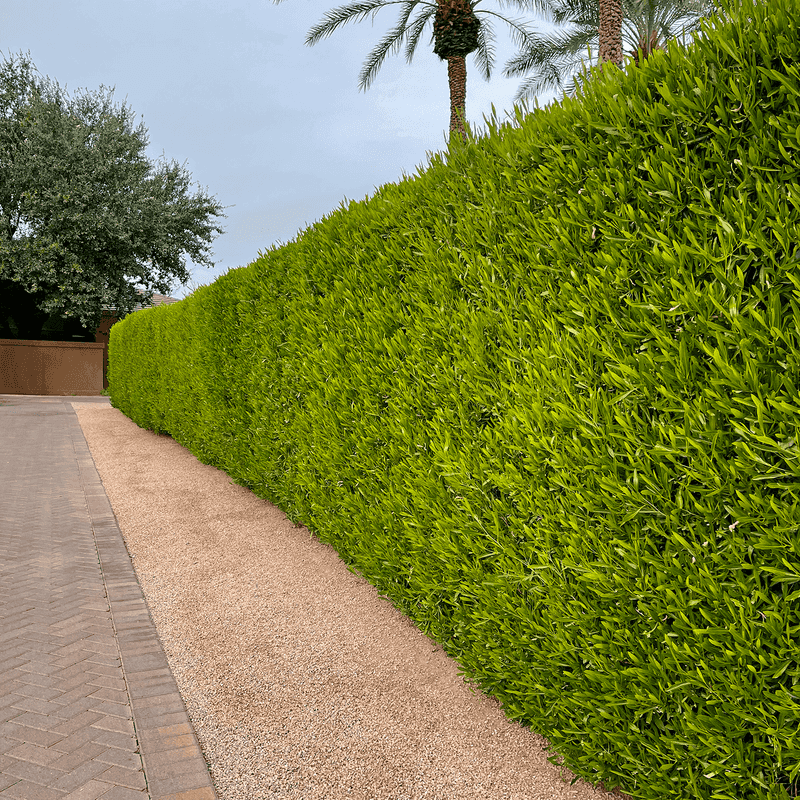
Speed matters when you want privacy, and hopseed bush delivers faster than almost anything else in Arizona landscaping.
Within two to three years, it can reach 10 to 12 feet tall and fill out into a thick, leafy screen that blocks views from every angle.
It’s evergreen too, so coverage doesn’t disappear in winter when you might actually want it most.
Hopseed bush handles a wide range of Arizona conditions — full sun, partial shade, rocky soil, clay soil, it adjusts without much drama. The leaves are a rich, dark green that stays attractive all year without special care.
Papery seed pods appear in clusters and add a bit of visual interest, though they’re subtle enough not to look messy.
Trimming it into a formal hedge shape is easy if you want clean lines, but it also looks natural and relaxed when left to grow on its own terms. Either way works.
Water it regularly for the first year to help roots settle in, then back off significantly. Mature plants handle Arizona summers on surprisingly little water.
For homeowners in Scottsdale, Mesa, or Chandler who want fast, reliable privacy without a lot of fuss, hopseed bush consistently gets the job done.
6. Oleander Creates A Dense Evergreen Screen
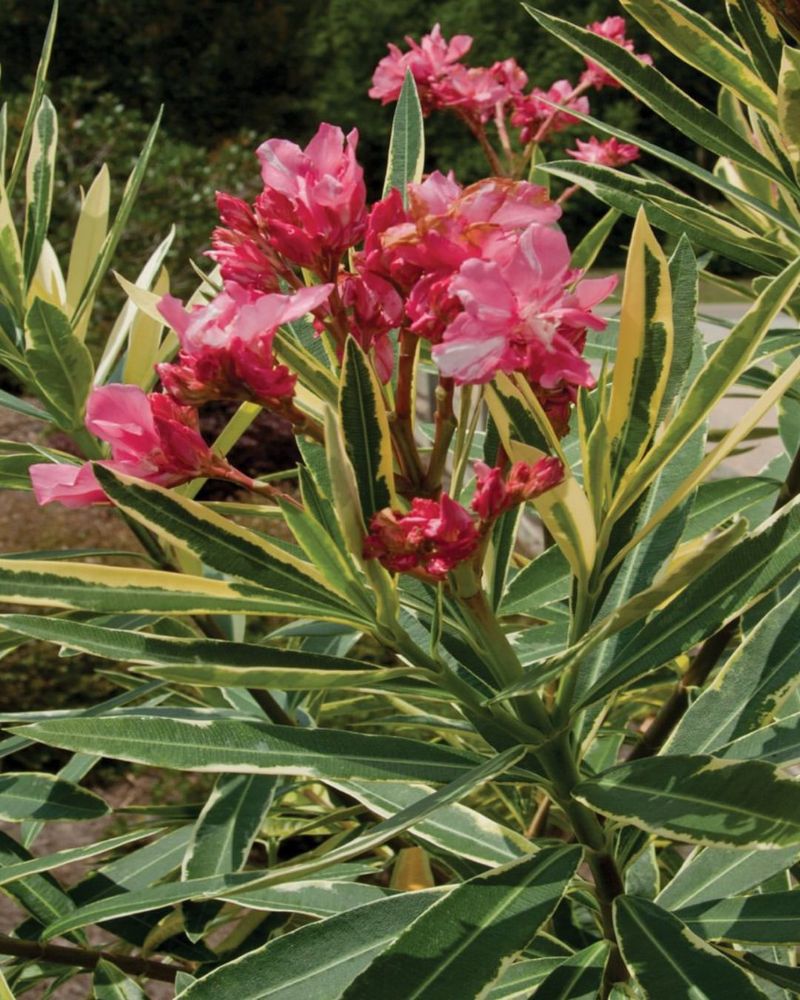
Few plants grow as thick and tall as oleander in Arizona’s climate, and that’s exactly why it’s been a go-to privacy screen in the Southwest for decades. Left unpruned, it pushes up to 12 or even 15 feet, creating a wall of glossy green leaves that stays full and dense through every season.
In summer, clusters of flowers in pink, red, white, or yellow cover the whole plant.
Phoenix and Tucson neighborhoods are full of oleander hedges, and there’s a good reason for that. Heat doesn’t slow it down, poor soil doesn’t bother it much, and it keeps putting out new growth even during the driest stretches of the year.
It’s genuinely one of the toughest screening plants available for Arizona conditions.
One important note — every part of oleander is toxic if eaten, so it’s worth keeping that in mind if you have young children or pets that tend to chew on things.
Planted along a back fence line or property border where access is limited, that concern mostly disappears.
Wear gloves when pruning and wash up afterward. Beyond that, oleander is straightforward to grow, responds well to shaping, and gives you year-round privacy coverage that looks lush even in the middle of a brutal Arizona summer.
7. Arizona Rosewood Forms A Solid Hedge
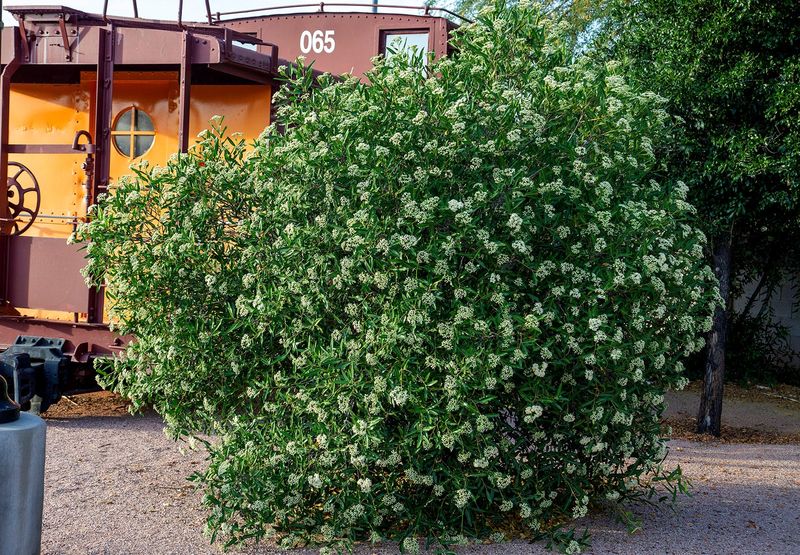
Arizona rosewood is one of those plants that serious local gardeners know about but doesn’t always get the attention it deserves. It’s a native shrub that grows slowly into a dense, rounded form, eventually reaching 8 to 10 feet tall.
The leaves are small and dark green with a slightly leathery texture, and the whole plant stays full from top to bottom without needing any trimming to maintain that shape.
Being native to Arizona means it’s completely dialed in to the local climate — the summer heat, the monsoon humidity, the dry winters. Wildlife like it too.
Small birds use it for nesting cover, and the tiny white flowers it produces attract pollinators when they bloom in spring.
Patience is required with Arizona rosewood since it doesn’t rush. But what you eventually get is a solid, permanent hedge that looks completely natural and blends beautifully into desert landscaping.
It doesn’t need shaping, doesn’t need much water after its first couple of seasons in the ground, and doesn’t attract pests in any serious way.
For homeowners who want a privacy hedge that feels like it belongs in Arizona rather than something imported from a wetter climate, rosewood is an excellent and underappreciated choice worth considering.
8. Texas Ranger Keeps Growth Thick And Full
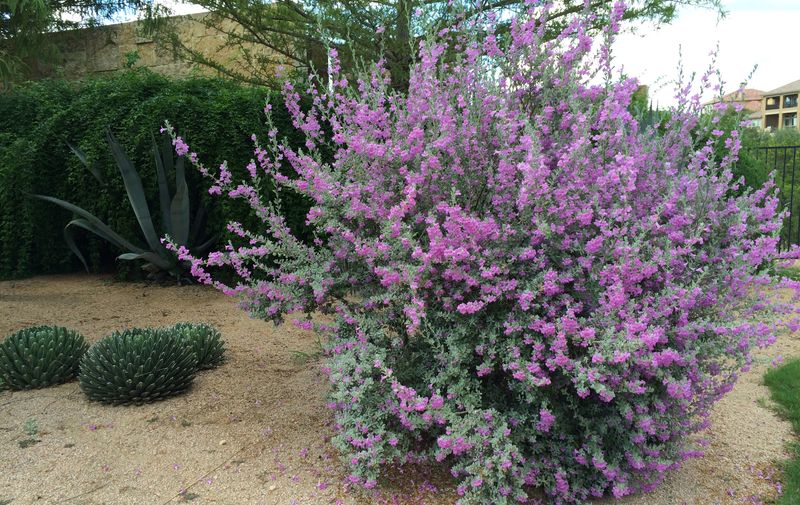
Walk through any established Arizona neighborhood after a monsoon rain and you’ll probably spot Texas ranger in full bloom — a cloud of purple flowers covering every branch, almost overnight.
That blooming response to humidity is one of its most recognizable traits, but the real reason to plant it for privacy is the thick, silvery-green foliage that stays full and bushy year-round.
Texas ranger grows 5 to 8 feet tall and nearly as wide, which means a row of them creates a solid, rounded screen along any property edge.
The soft gray-green color of the leaves looks sharp against red rock, adobe walls, or desert gravel, making it a natural fit for Arizona’s most common landscaping styles.
It’s not just functional — it genuinely looks good.
Water needs are very low once roots get settled, which usually takes one full growing season. After that, it handles drought stretches without losing its shape or dropping significant foliage.
Pruning once or twice a year keeps it tidy, but skipping that step entirely won’t hurt the plant. It just gets a bit wilder looking, which some people actually prefer.
In terms of combining reliable privacy coverage with year-round visual appeal, Texas ranger holds up as one of Arizona’s best shrub choices.
9. Red Bottlebrush Adds Height And Coverage
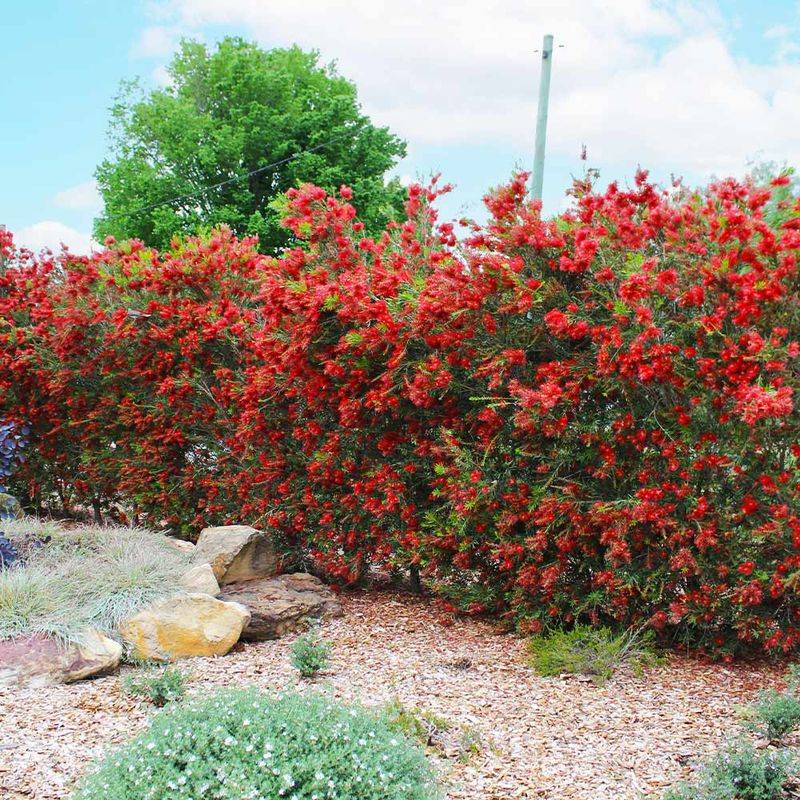
Red bottlebrush gets its name from those unmistakable flower spikes that look exactly like old-fashioned bottle brushes — bright red, cylindrical, and absolutely covered in soft bristles.
Hummingbirds are obsessed with them, which makes this plant a dual-purpose winner in any Arizona yard.
You get privacy coverage and a constant stream of pollinators visiting throughout the warmer months.
Height is where red bottlebrush really earns its place as a privacy plant. It can push 10 to 15 feet tall when it has room to grow, and the foliage stays dense enough to block views effectively from mid-height upward.
Pairing it with lower-growing shrubs in front fills in the gaps near the ground for complete coverage at every level.
Arizona’s heat doesn’t slow it down, and it handles the dry spells between monsoon rains better than you’d expect from something that looks this lush.
Regular watering during the first summer helps it establish quickly, but after that, deep watering every couple of weeks during hot months is generally enough.
It responds well to pruning if you want to shape it, but natural growth creates a full, casual look that suits relaxed desert landscaping. For Arizona homeowners who want height, color, and real screening ability all from one plant, red bottlebrush delivers on every count.