8 Plants That Give Your Georgia Yard Privacy Without Fences
Privacy starts to feel a lot different when it comes from living plants instead of a hard fence line.
In Georgia, the right planting choice can soften the look of a yard, bring in color and texture, and still give you that more tucked away feeling so many outdoor spaces need.
It is one of the easiest ways to make a yard feel calmer and more finished without making it look closed off.
The tricky part is knowing which plants actually do the job well in Georgia conditions. Some stay too thin, some grow more slowly than expected, and some end up needing far more upkeep than people planned for.
A better choice can give you coverage, good structure, and a yard that feels more private in a natural way.
If you have been thinking about blocking a view, creating a little separation, or making your outdoor area feel more comfortable, these are the kinds of plants worth paying attention to.
1. Grow Leyland Cypress When Fast Privacy Matters Most
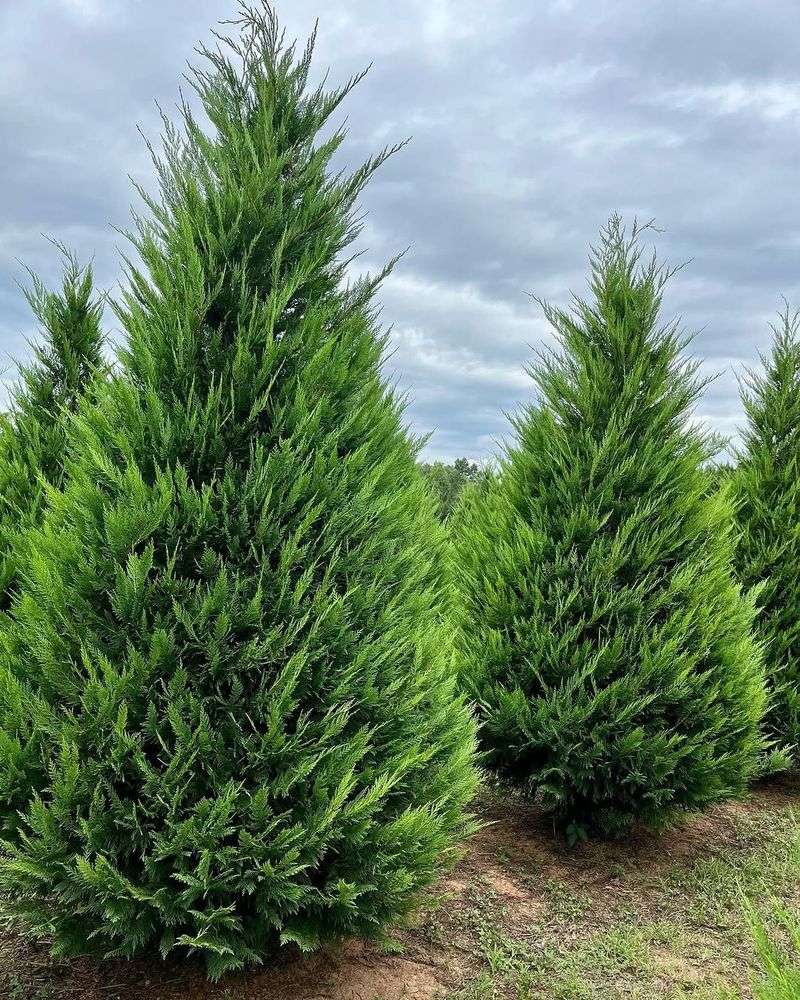
Speed is what makes Leyland Cypress stand out from almost every other privacy plant available to Georgia homeowners.
Under good conditions, these trees can push out three to five feet of new growth every single year, which means a bare property line can turn into a solid green wall in just a few seasons.
Plant them about six to eight feet apart if you want a tight screen, or stretch that to ten feet if you prefer a looser, more natural-looking row. Full sun is ideal, and Leyland Cypress handles Georgia’s red clay soil better than many trees will.
Sandy soils in the southern part of the state also work fine as long as drainage is decent.
One thing worth knowing upfront: these trees get big. Heights of forty to sixty feet are common at full maturity, so avoid planting them directly under power lines or too close to your house.
Trim them back each year if you want to keep them at a manageable height. Bagworm infestations can be an occasional problem in Georgia, so check the branches in late summer and remove any visible bags by hand before they spread.
Despite that, Leyland Cypress remains one of the most dependable fast-growing options for creating a solid, year-round privacy barrier across Georgia landscapes.
2. American Holly Brings Year Round Coverage Without Gaps
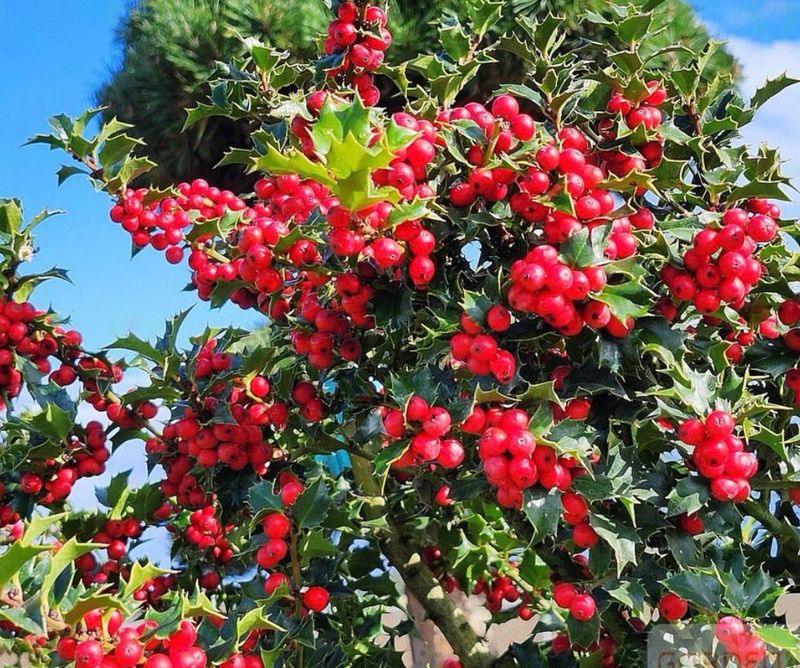
Bright red berries in winter, glossy leaves year-round, and a growth habit that fills in thick from top to bottom — American Holly earns its place in any Georgia privacy planting.
Unlike some shrubs that go bare during cold months, American Holly stays fully clothed in deep green foliage no matter the season, which is exactly what you want when privacy is the goal.
Spacing matters a lot with this plant. Set individual hollies about six feet apart for a hedge-style screen, and expect them to eventually close that gap into a solid wall of greenery.
Growth is moderate rather than explosive, so patience is part of the deal, but the payoff is a dense, structured screen that rarely needs heavy pruning to stay full.
Georgia’s native soil conditions suit American Holly well. It handles both clay-heavy and slightly sandy soils without much fuss, and it tolerates partial shade better than most privacy plants, making it a solid choice for yards where full sun is not guaranteed all day.
Birds absolutely love the berries, which is a bonus if you enjoy wildlife in your yard. Plant at least one male holly within about fifty feet of your female plants to ensure berry production.
Across Georgia, American Holly is a smart, no-drama choice for natural year-round coverage.
3. If Quick Growth Is The Goal, Wax Myrtle Delivers
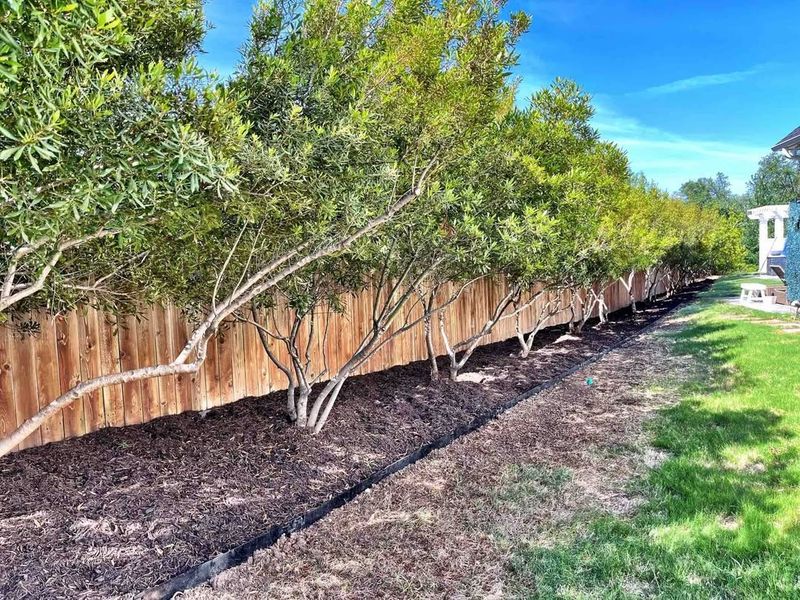
Wax Myrtle is one of those plants that Georgia gardeners either already know about or wish they had discovered sooner.
Growth rates of three to five feet per year are realistic in Georgia’s warm climate, and the plant fills in sideways just as aggressively as it grows upward, creating a dense, layered screen without much help from you.
Left alone, Wax Myrtle can reach fifteen to twenty feet tall and nearly as wide. Trim it as a formal hedge or let it grow into a loose, multi-stemmed thicket — both approaches work depending on your yard’s style.
Fragrant foliage is a nice side benefit; brush against the leaves and you get a clean, slightly spicy scent that is genuinely pleasant on a warm Georgia afternoon.
Soggy spots, dry slopes, full sun, part shade — Wax Myrtle handles all of it without complaint. That kind of flexibility is rare and genuinely useful in Georgia, where soil and sun conditions can vary dramatically from one corner of a property to the next.
Salt tolerance also makes it a good option for coastal Georgia properties near the islands or tidal areas.
Deer tend to leave it alone, which saves a lot of frustration in suburban or semi-rural Georgia neighborhoods where deer pressure is a real and ongoing issue for homeowners.
4. Eastern Red Cedar Handles Georgia Conditions With Ease
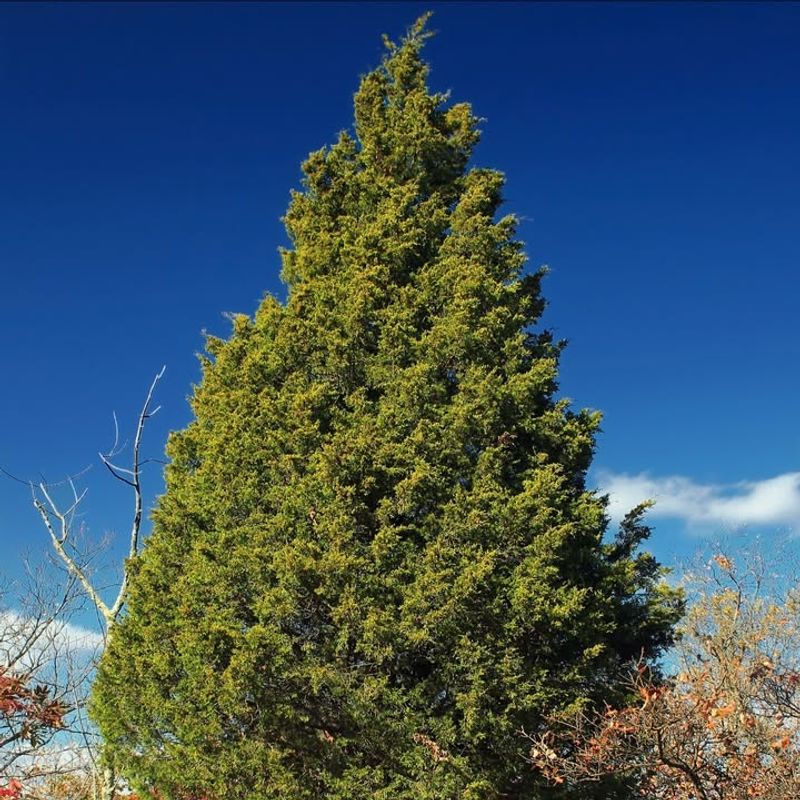
Rocky soil, drought, wind, clay, compacted ground — Eastern Red Cedar shrugs off conditions that would stop other trees cold. Georgia has no shortage of tough planting spots, and this tree is built for exactly that kind of challenge.
It is one of the most adaptable conifers you can put in the ground across the entire state.
Growth is steady rather than explosive, averaging one to two feet per year depending on soil quality and water availability. Mature trees develop a dense, columnar shape that works naturally as a privacy screen without needing much shaping.
Blue-green foliage holds its color through every season, and the small bluish berries that appear in fall add some visual interest while also attracting cedar waxwings and other birds common to Georgia.
Plant Eastern Red Cedar in full sun for the best results. Shade slows it down and thins out the interior branching, which reduces the privacy value over time.
Space trees about six to eight feet apart along a property line and let them grow together into a continuous screen. One practical note: avoid planting near apple trees or crabapples, as Eastern Red Cedar can harbor cedar-apple rust, a fungal issue that affects both plants.
Outside of that concern, this tree is a dependable, long-lived privacy solution well-suited to Georgia’s varied growing conditions from the mountains to the coast.
5. Camellias Double As A Privacy Screen With Winter Blooms
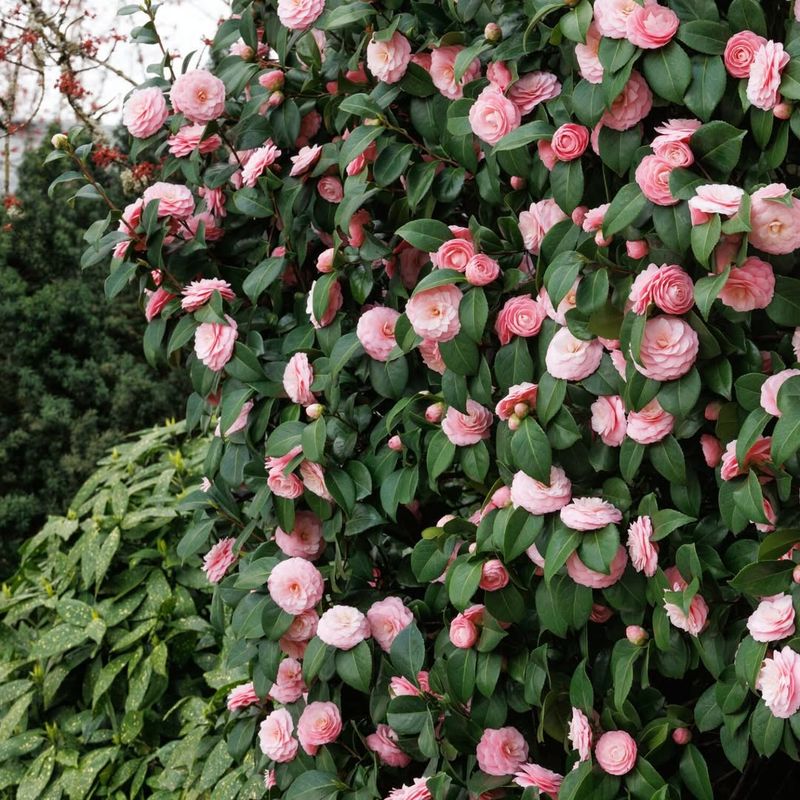
Most privacy plants give you green leaves and nothing else. Camellia gives you that plus stunning blooms in the middle of winter, which is a combination that is genuinely hard to beat in a Georgia garden.
Flowers appear from November through March depending on the variety, splashing pink, red, or white color across the yard during the quietest months of the growing season.
Camellias grow slowly at first but develop into substantial shrubs over time, often reaching eight to twelve feet tall with a spread nearly as wide.
Plant them six to eight feet apart along a fence line or property edge and they will eventually merge into a continuous, dense screen.
The thick, waxy leaves stay on the plant year-round, so the privacy function never drops off even when the blooms are finished.
Georgia’s climate suits Camellias particularly well, especially in the central and southern parts of the state where winters are mild enough to prevent hard freeze damage to buds.
In northern Georgia, choose cold-hardy varieties like ‘Winter’s Star’ or ‘April Remembered’ to avoid losing blooms to late frosts.
Afternoon shade is appreciated, especially in the hotter inland areas of Georgia. Acidic soil is a must, so mix in some pine bark or sulfur at planting time if your soil tests above a pH of six.
With the right setup, Camellias reward you with beauty and privacy for decades.
6. Cherry Laurel Creates A Thick Wall That Blocks Views Fast
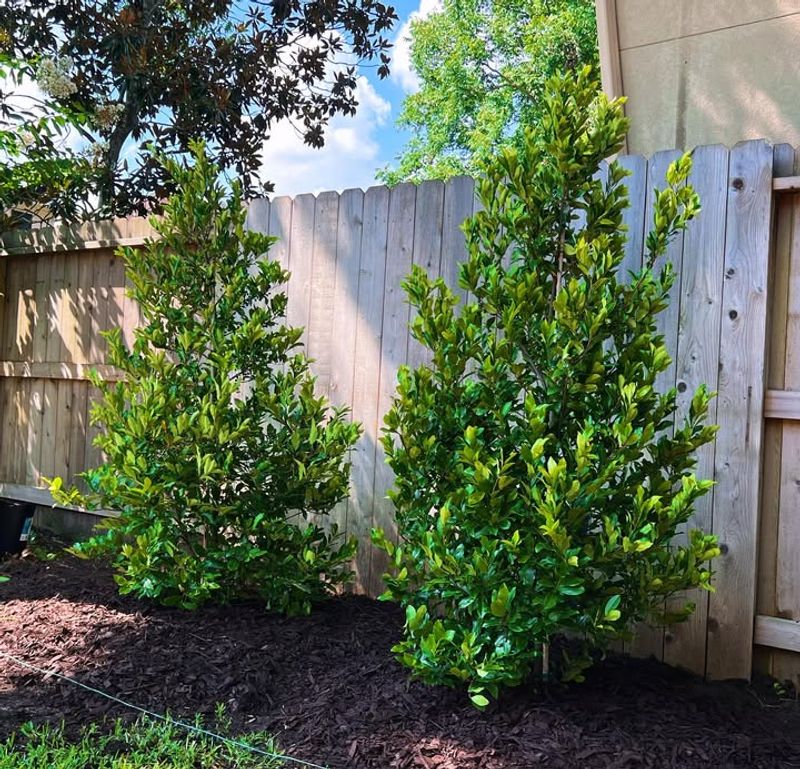
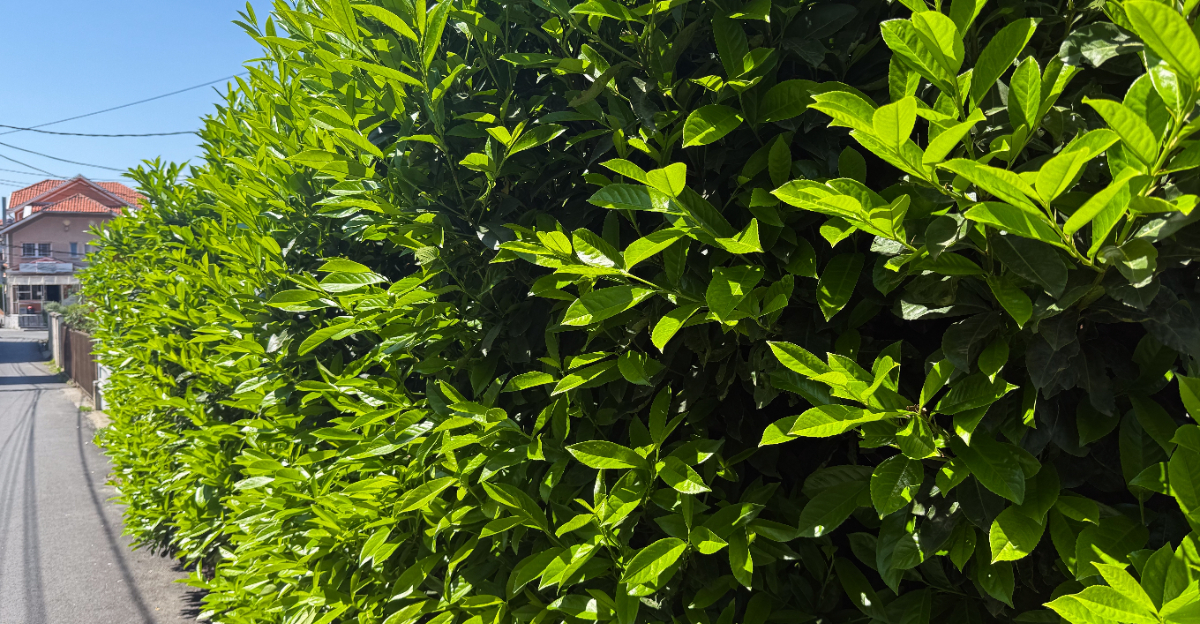
Want a wall of green that actually looks like a wall? Cherry Laurel is the answer.
Broad, glossy leaves overlap densely on every branch, and the plant grows fast enough in Georgia’s climate to deliver real privacy in two to three years from a small container-grown start. It is one of the most satisfying quick-privacy options available to Georgia homeowners.
Heights of ten to fifteen feet are standard at maturity, and some specimens push taller without any encouragement. Width fills in generously too, so give each plant at least six feet of lateral space unless you plan to shear it regularly into a tighter hedge form.
Both approaches work well — formal or informal, Cherry Laurel adapts to either style without losing density.
Soil flexibility is a real strength here. Clay, loam, sandy mixes — Cherry Laurel grows in all of them across Georgia.
Partial shade is tolerated better than most fast-growing privacy plants, which makes it useful in yards where large trees create dappled light conditions along the property line. Pruning twice a year, once in spring and again in midsummer, keeps the shape tidy and encourages dense new branching.
Note that the leaves and seeds contain compounds toxic to pets and livestock, so keep that in mind if animals have access to your yard. For pure screening power in Georgia, few plants match what Cherry Laurel delivers.
7. For Tight Spaces, Arborvitae Stays Neat And Vertical
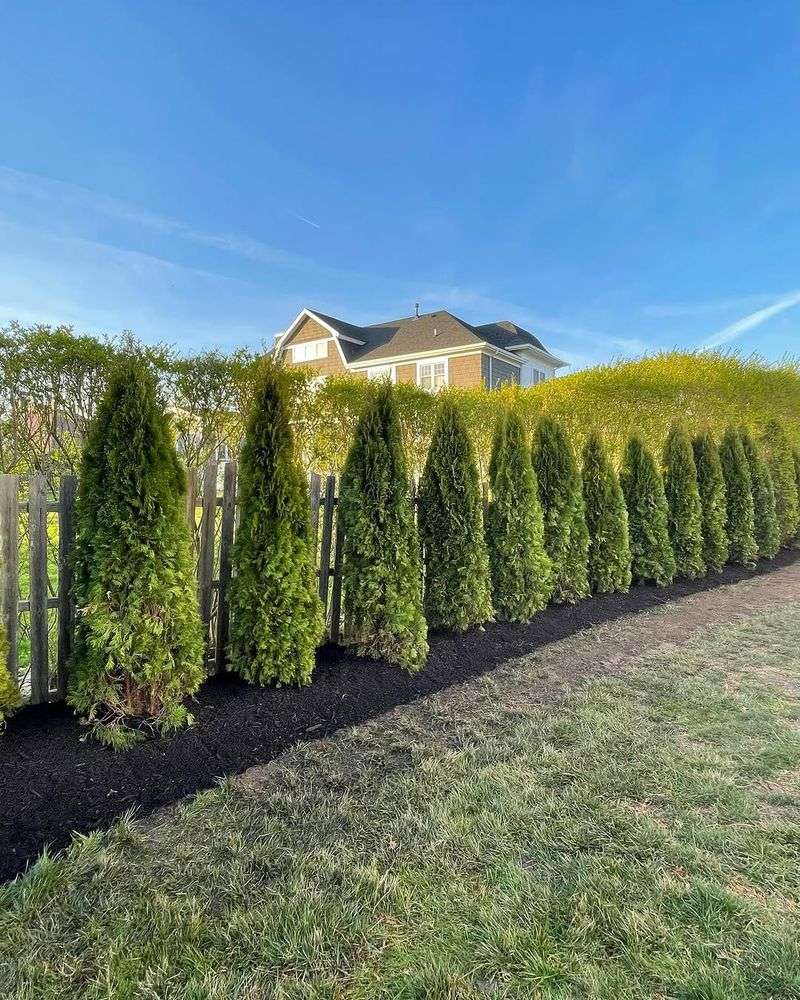
Side yards, narrow corridors between houses, tight property lines with barely five feet to work with — Arborvitae fits where other privacy plants simply cannot.
The Emerald Green variety tops out at around twelve to fourteen feet tall but stays only three to four feet wide, which makes it a genuinely practical solution when space is the main limitation in a Georgia yard.
Growth runs about six to nine inches per year, which is not as fast as Leyland Cypress but still respectable for a plant this compact. The foliage is a rich, bright green that holds its color well through Georgia winters without browning or looking tired.
Plant Arborvitae about three feet apart in a tight row and you will have a solid, seamless screen within a few growing seasons.
Full sun produces the best results, and good drainage is important since Arborvitae does not like sitting in waterlogged soil for extended periods. In Georgia’s heavier clay areas, amend the planting hole with compost and raise the root zone slightly above grade to improve drainage around the roots.
Bagworms are the main pest concern in Georgia, same as with Leyland Cypress, so inspect the trees in late summer and remove any caterpillar bags you spot before they spread.
Spider mites can also appear during hot, dry Georgia summers, but a strong spray of water usually knocks them back without needing chemical treatment.
8. Tea Olive Fills In Privacy While Adding Noticeable Fragrance
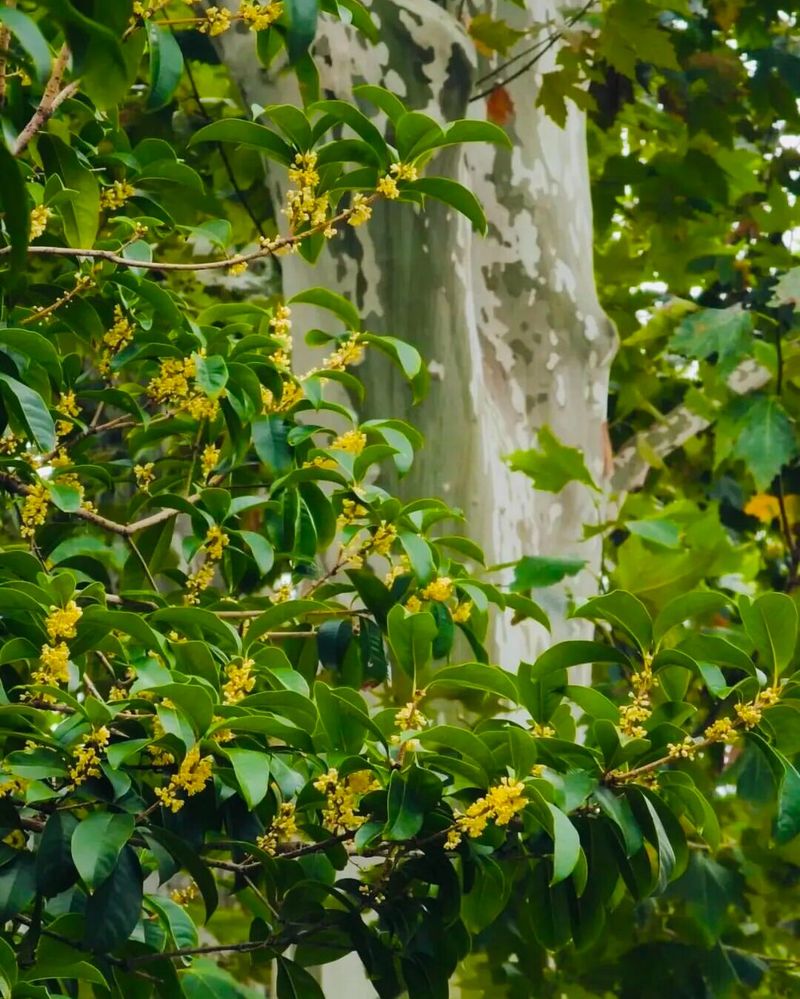
There is nothing quite like stepping into a Georgia backyard in October and catching a wave of fragrance so sweet it stops you mid-step. Tea Olive does that, reliably, season after season.
Tiny white flowers pack an outsized punch in the scent department, and the blooms appear multiple times a year rather than just once, which means the fragrance keeps returning through fall, winter, and even into spring.
As a privacy plant, Tea Olive grows into a dense, multi-branched shrub or small tree reaching eight to twenty feet depending on the variety and how much you prune it. Fortune’s Tea Olive and Sweet Olive are two varieties that perform particularly well across central and southern Georgia.
Leaves are small, glossy, and tightly packed, creating a solid visual screen even without the blooms.
Afternoon shade is appreciated in the hottest parts of Georgia, but morning sun is important for healthy growth and strong flowering. Acidic, well-drained soil suits Tea Olive best, so if your Georgia yard runs toward alkaline, work in some compost and pine bark before planting.
Established plants hold up well through typical Georgia winters, though a hard freeze below ten degrees can damage younger specimens.
Deer rarely bother Tea Olive, which is a practical advantage in suburban and semi-rural Georgia areas where deer browse through yards regularly.
Fragrance plus privacy is a rare combination, and Tea Olive delivers both.