Plants That Grow And Bloom In Water Perfect For North Carolina Homes
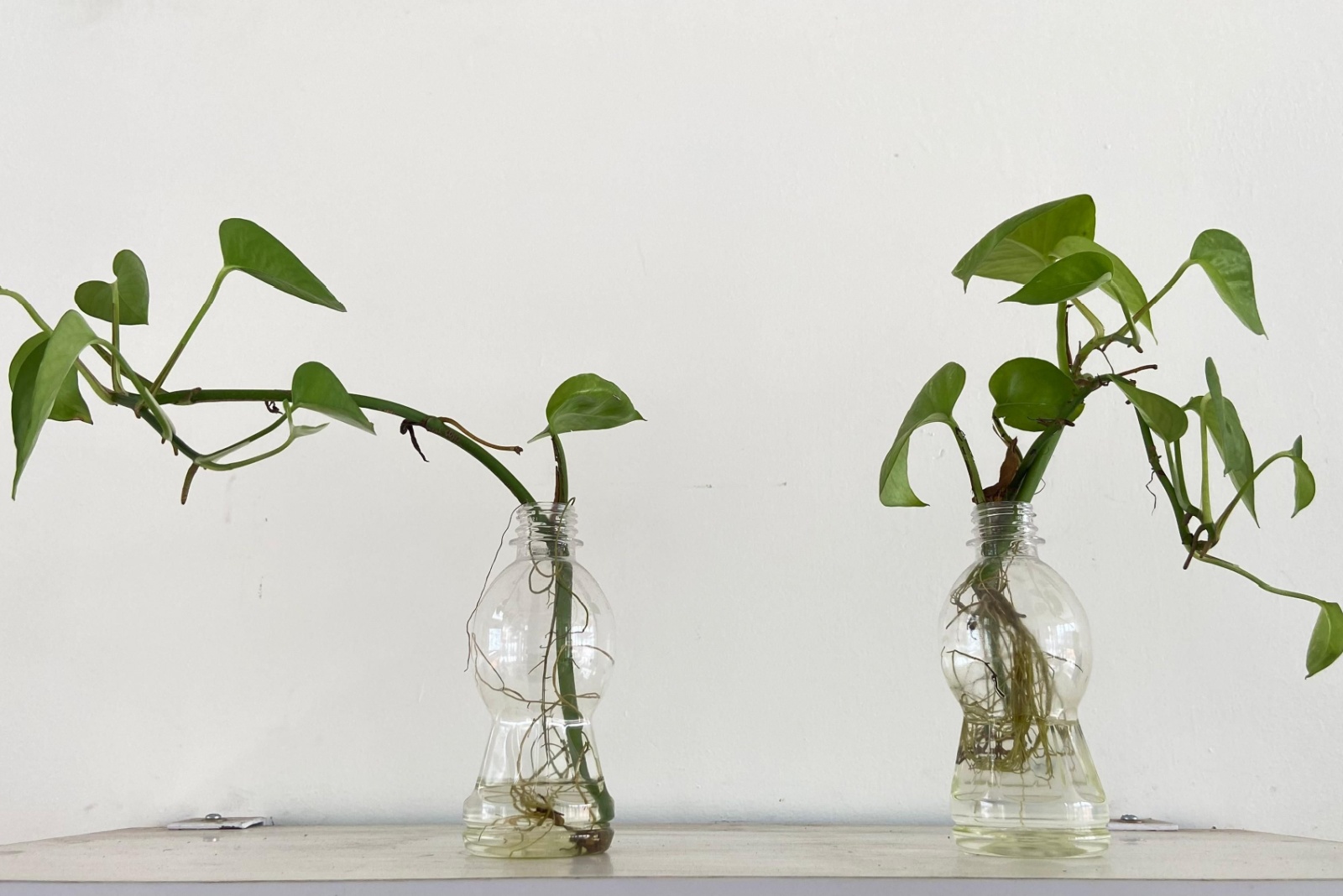
If you love houseplants but hate dealing with messy soil, you are going to love plants that grow and bloom right in water.
Many North Carolina plant lovers are switching to this simple, low-maintenance method, especially with our humid summers and cozy indoor winters.
No dirt, no gnats, and no guessing when to water. Just clear containers, healthy roots, and beautiful greenery that doubles as natural decor.
Watching roots grow through glass adds a modern, almost magical touch to any room, from sunny kitchen windows to shaded corners. Even better, several plants will not only survive in water but also bloom, giving you flowers without the fuss.
Whether you are new to houseplants or looking for an easier way to keep your indoor garden thriving, you are about to discover some stunning options that grow happily in water and look perfect in North Carolina homes year-round.
1. Peace Lily (Spathiphyllum Spp.)
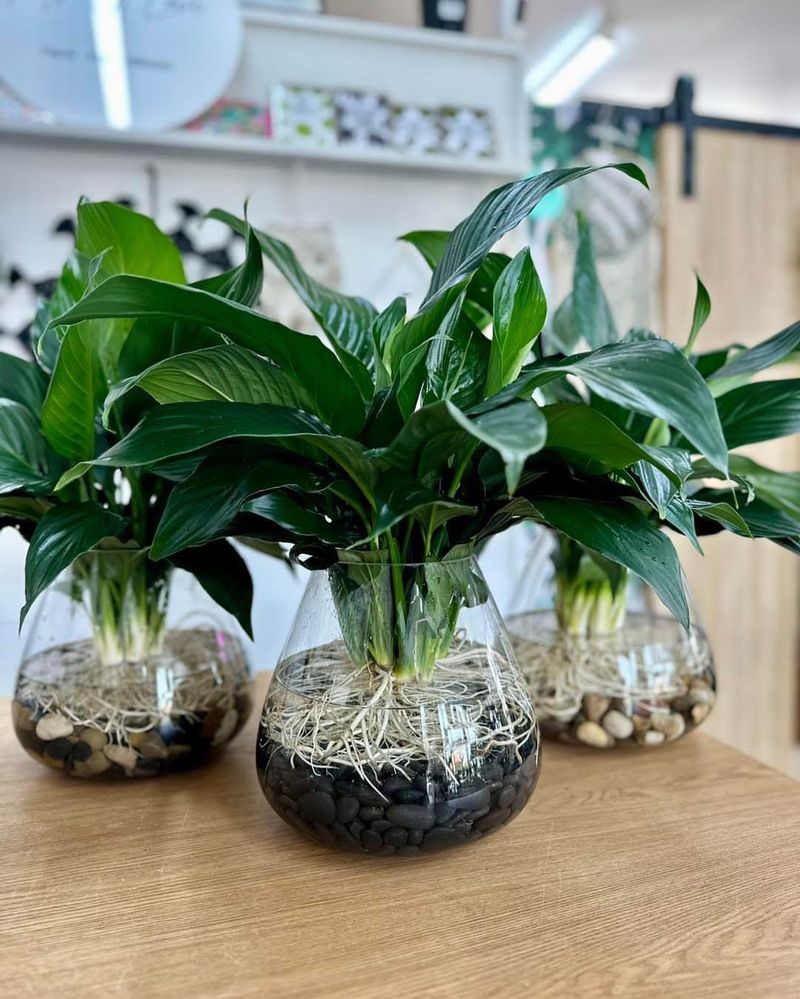
Peace lilies bring an air of elegance to any room while purifying the air around them. Their glossy green leaves and stunning white blooms create a focal point that catches everyone’s eye.
What makes them especially appealing is their ability to thrive with roots completely submerged in water, making them perfect for busy households.
Setting up your peace lily in water is remarkably simple. Choose a clear glass container that shows off the root system, which becomes an attractive feature in itself.
The plant needs indirect light to flourish, so placing it near a north-facing window works wonderfully in North Carolina homes. Direct sunlight can scorch the leaves, so avoid bright southern exposures.
Water quality matters more than you might think. Use filtered or distilled water when possible, and change it every two weeks to prevent algae growth and keep nutrients fresh.
If you notice the water turning cloudy or green, change it immediately. Adding a few drops of liquid fertilizer once a month keeps your peace lily blooming beautifully.
Watch for the plant’s signals to understand its needs. Drooping leaves usually mean it needs fresh water, while brown tips indicate too much direct sun or chemicals in tap water.
The white blooms can last for weeks, and with proper care, your peace lily will produce flowers multiple times throughout the year, bringing continuous beauty to your indoor space.
2. Lucky Bamboo (Dracaena Sanderiana)
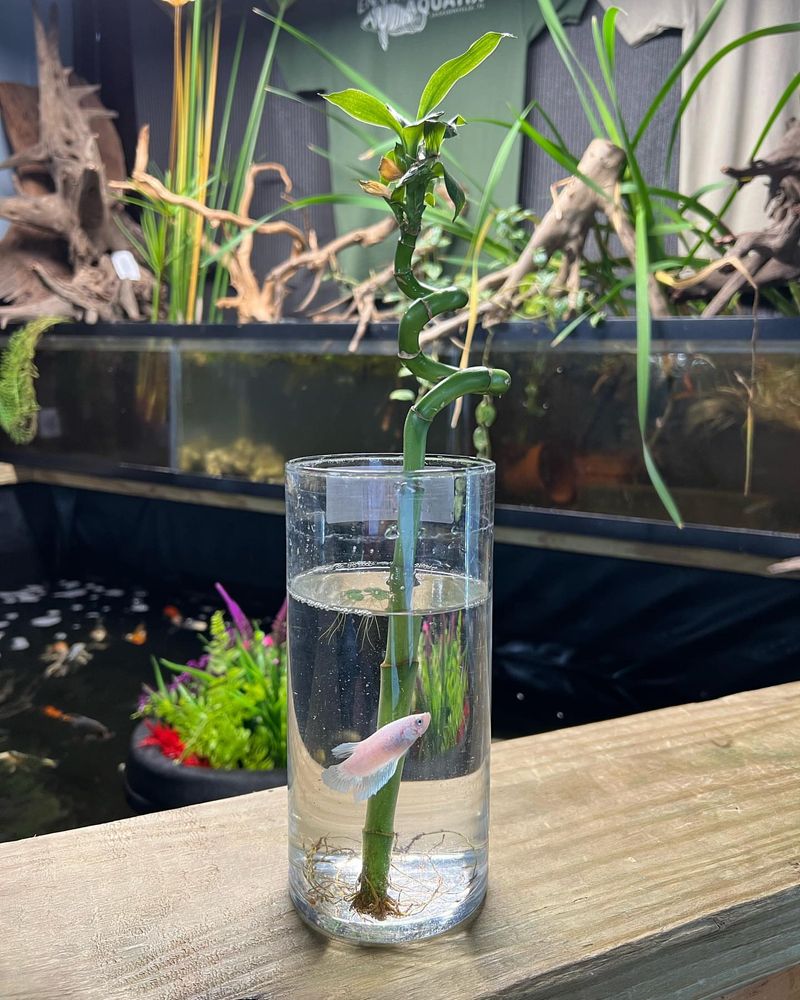
Despite its name, lucky bamboo isn’t actually bamboo at all but rather a resilient member of the Dracaena family. This plant has become a symbol of good fortune in many cultures, and its graceful stalks bring a zen-like quality to any space.
The best part? It asks for almost nothing in return for its beauty.
Creating the perfect environment for lucky bamboo couldn’t be easier. Fill a container with fresh water and add a layer of pebbles or decorative stones to anchor the stalks.
The roots will grow through the stones, creating an interesting display while keeping the plant stable. North Carolina’s indoor humidity levels work perfectly for this tropical native.
Light requirements are incredibly forgiving with this plant. It tolerates low-light conditions better than most houseplants, making it ideal for offices, bathrooms, or rooms without many windows.
Bright, indirect light encourages faster growth, but even fluorescent lighting provides enough energy for the plant to thrive.
Maintenance involves little more than keeping the water level consistent and changing it monthly. Use room-temperature water to avoid shocking the roots, and keep the water level about an inch above the roots.
If leaves turn yellow, the plant might be getting too much light or fertilizer. Lucky bamboo naturally grows slowly, so don’t worry if you don’t see dramatic changes quickly.
This steady, predictable growth pattern makes it perfect for beginners.
3. Spider Plant (Chlorophytum Comosum)
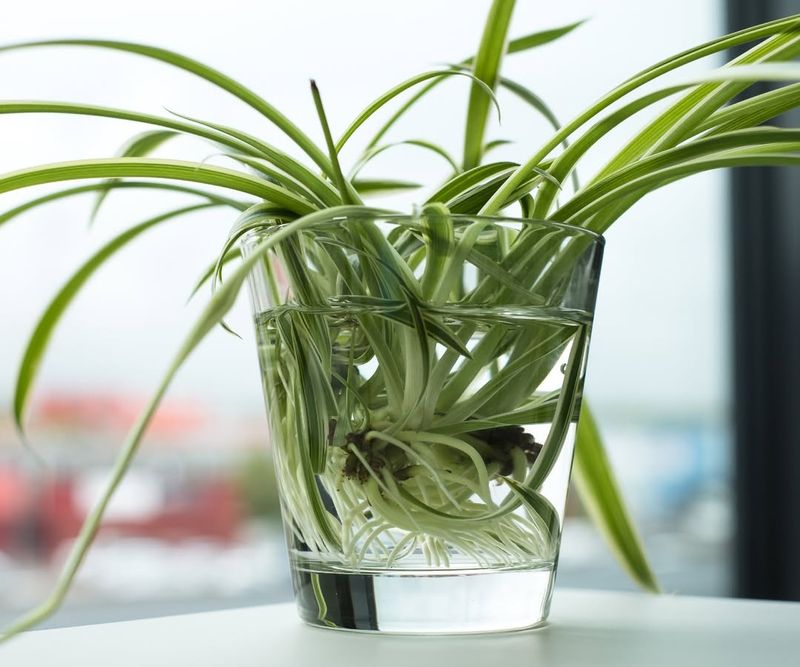
Spider plants produce adorable baby plantlets that dangle from long stems like tiny acrobats. These babies root incredibly fast in water, giving you an endless supply of new plants to share with friends or expand your own collection.
The striped leaves add visual interest whether you’re growing the parent plant or just the babies.
Propagating spider plants in water feels almost magical. Simply snip off a baby plantlet, place it in a glass of water, and watch as white roots appear within days.
North Carolina’s moderate indoor temperatures create ideal conditions for rapid root development. You can leave these plantlets in water indefinitely or transfer them to soil once roots reach about two inches long.
Positioning matters for optimal growth. Spider plants appreciate bright, indirect light but tolerate lower light levels reasonably well.
A spot near an east-facing window provides gentle morning sun without the harsh afternoon rays that can bleach the leaves. Rotate the container weekly to ensure even growth on all sides.
Caring for water-grown spider plants requires minimal effort. Change the water weekly to keep it fresh and oxygenated.
If you notice brown tips on the leaves, your tap water might contain too much fluoride or chlorine. Switching to filtered water usually solves this problem.
The plant occasionally produces small white flowers on long stems, which then develop into new baby plantlets, continuing the cycle of growth and propagation.
4. Philodendron (Philodendron Hederaceum / Cordatum)
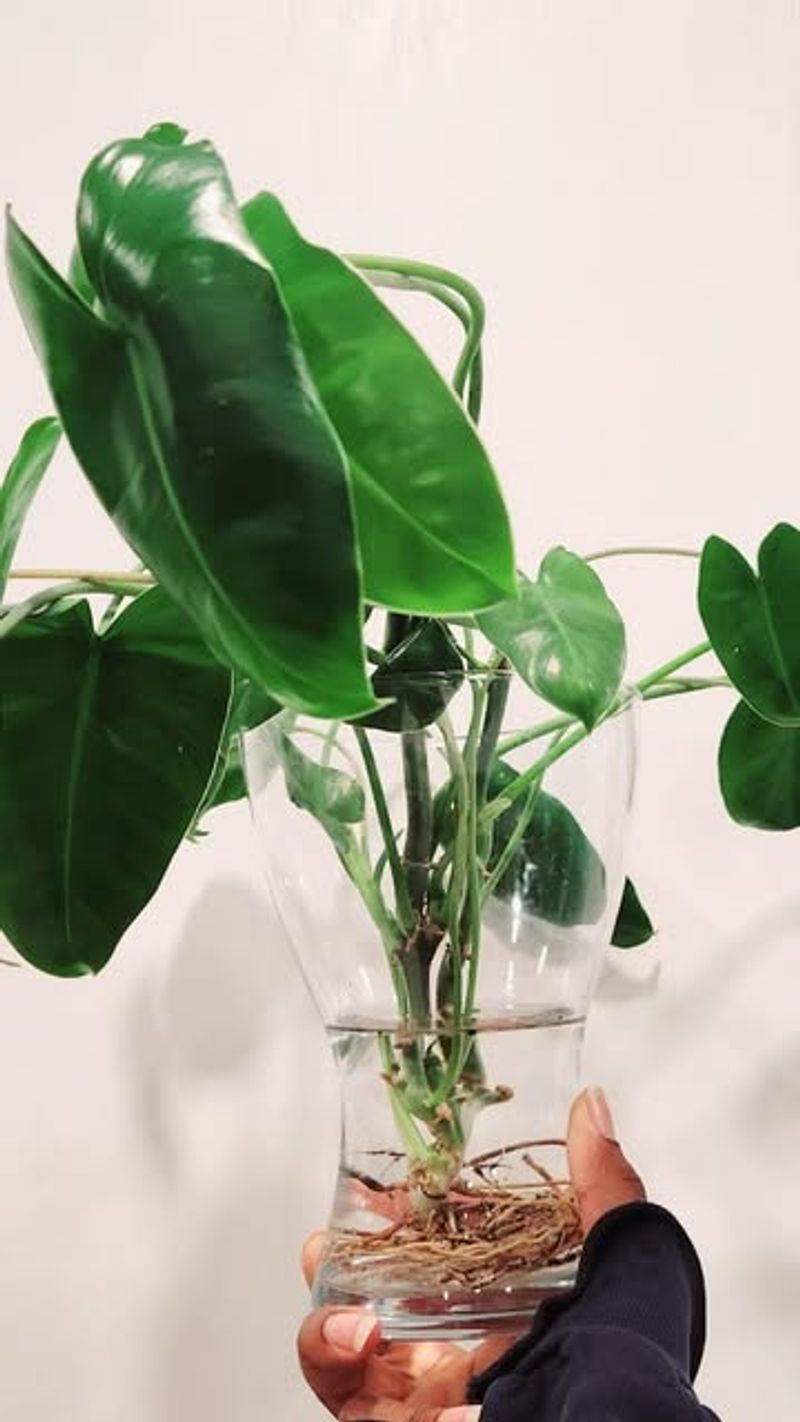
Heart-shaped leaves cascade gracefully from philodendron vines, creating living curtains of green that soften any room. These plants earned their reputation as nearly indestructible houseplants, and growing them in water only reinforces that claim.
A single cutting can transform into a lush display within weeks, making it perfect for impatient gardeners.
Starting your philodendron in water requires just a healthy stem cutting. Choose a section with at least two leaves and cut just below a node, which is the bump on the stem where leaves emerge.
Place the cutting in water with the node submerged, and roots will sprout within two weeks. North Carolina’s typical indoor temperatures between 65 and 75 degrees create perfect rooting conditions.
These adaptable plants handle various light situations with ease. They grow faster in bright, indirect light but survive in shadier spots where other plants struggle.
Avoid placing them in direct sunlight, which can fade the rich green color or cause brown patches on the leaves. A bathroom with a window makes an excellent location since philodendrons enjoy humidity.
Maintenance stays simple throughout the plant’s life. Refresh the water every week or two, and wipe dust from the leaves monthly to keep them glossy and healthy.
The vines can grow several feet long in water, so trim them back if they become too lengthy. Those cuttings can start new plants, giving you an expanding collection without spending a penny.
5. Pothos (Epipremnum Aureum)
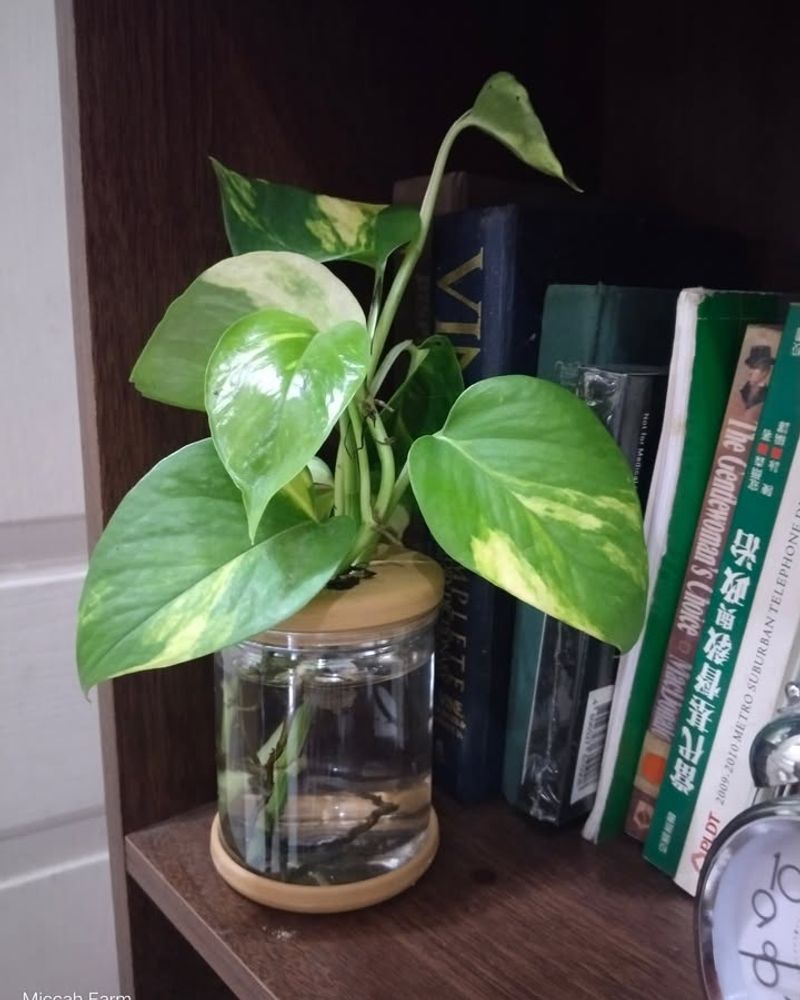
Pothos plants rank among the most forgiving houseplants you’ll ever encounter. Their trailing vines and variegated leaves bring color and movement to any space, while their ability to thrive in water makes them incredibly low-maintenance.
Some people call them devil’s ivy because they’re nearly impossible to harm, which makes them perfect for beginners.
Getting started with pothos in water takes minutes. Cut a stem section with several leaves, making sure to include at least one node.
Submerge the node in water, and within a week, you’ll see tiny white roots emerging. The roots grow remarkably fast in North Carolina’s indoor environment, often reaching several inches within a month.
Clear containers let you monitor root development and enjoy the underwater growth.
Light flexibility gives you options for placement throughout your home. Pothos tolerates everything from bright, indirect light to dim corners, though variegated varieties maintain better coloring with more light.
The leaves will tell you what they need. If new growth comes in solid green instead of variegated, move the plant to a brighter spot.
Yellowing leaves often indicate too much direct sun.
Keeping pothos happy requires almost no effort. Change the water when it looks cloudy, usually every one to two weeks.
Add a drop of liquid fertilizer monthly during spring and summer to encourage lush growth. The vines can grow incredibly long, creating dramatic displays when allowed to trail from high shelves or hang from ceiling hooks.
6. Coleus Cuttings (Solenostemon Scutellarioides)
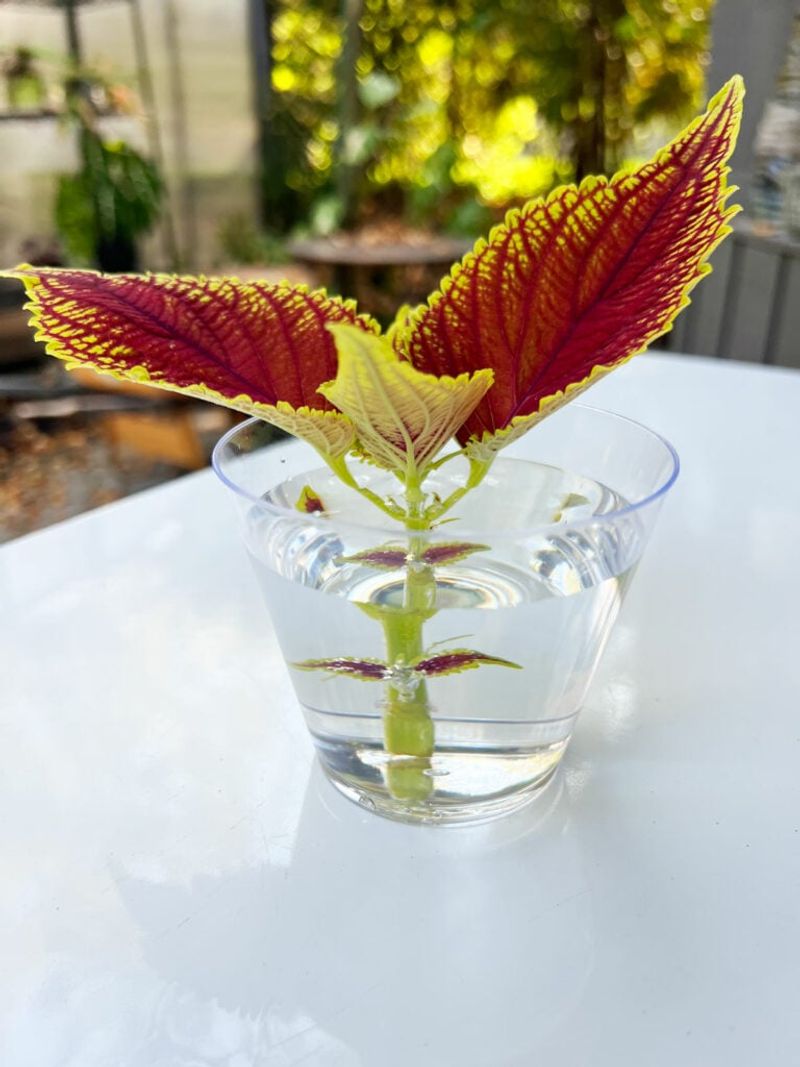
Coleus plants explode with color in ways that make them look almost unreal. Their leaves display intricate patterns in shades of burgundy, lime green, pink, orange, and purple, often combining multiple colors in a single leaf.
While typically grown in soil outdoors, coleus cuttings root beautifully in water, creating temporary indoor displays that brighten any space during North Carolina’s cooler months.
Propagating coleus couldn’t be simpler or more rewarding. Snip a healthy stem about four inches long, remove the lower leaves, and place it in water.
Roots emerge within a week, growing rapidly in warm indoor conditions. The colorful foliage remains vibrant for months in water, though the colors tend to be most intense with bright light.
Multiple cuttings in a single container create a bouquet-like arrangement of living color.
Light requirements lean toward the generous side for coleus. These plants need several hours of bright light daily to maintain their vivid coloring.
In North Carolina homes, a south or west-facing window provides ideal conditions during winter months. Without adequate light, the colors fade and stems become leggy.
Rotating the container daily ensures even growth and prevents the plant from leaning toward the light source.
Maintenance involves regular water changes and pinching back stems. Change the water weekly to keep it fresh and prevent algae growth.
Pinch off the growing tips every few weeks to encourage bushier growth and prevent flowering, which can reduce leaf color intensity.
Coleus in water typically lasts several months before declining, but by then, you can easily start fresh cuttings from the parent plant.
7. Orchids (Phalaenopsis Spp.)
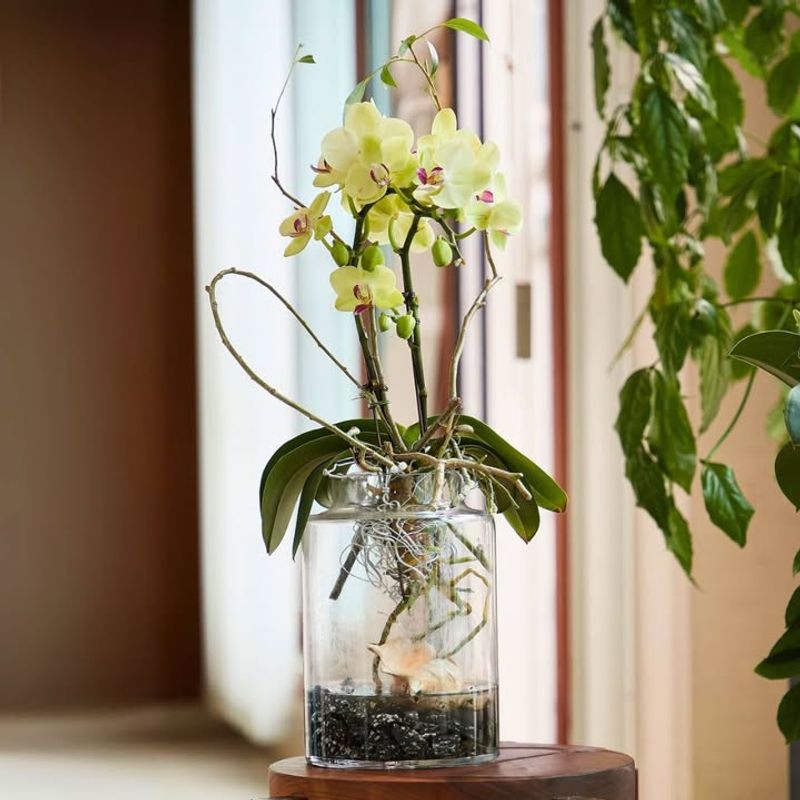
Orchids might seem intimidating, but growing them in water actually simplifies their care routine. Phalaenopsis orchids, commonly called moth orchids, adapt particularly well to semi-hydroponic growing methods.
Their exotic blooms last for months, providing stunning focal points that rival any floral arrangement. The visible root system becomes part of the display, adding architectural interest even when the plant isn’t flowering.
Transitioning orchids to water culture requires patience and the right technique. Remove all bark media from the roots, then rinse them thoroughly.
Place the orchid in a clear container with the roots partially submerged, leaving the top roots exposed to air. This method mimics their natural growing conditions as epiphytes.
North Carolina’s indoor humidity levels support this growing method well, though you might need a humidity tray during winter when heating systems dry the air.
Proper watering technique makes all the difference. Fill the container so water reaches about halfway up the roots, then drain completely after 30 minutes.
Leave the roots dry for two days before repeating this process. This wet-dry cycle prevents root rot while ensuring adequate hydration.
The roots should appear silvery-green when dry and bright green when wet.
Blooming happens more reliably with proper care and conditions. Orchids need bright, indirect light and a slight temperature drop at night to trigger flower spike development.
Adding orchid fertilizer at quarter strength weekly during active growth supports healthy blooms. With patience, your orchid will reward you with flowers that last three months or longer.
8. Hyacinths (Hyacinthus Orientalis)
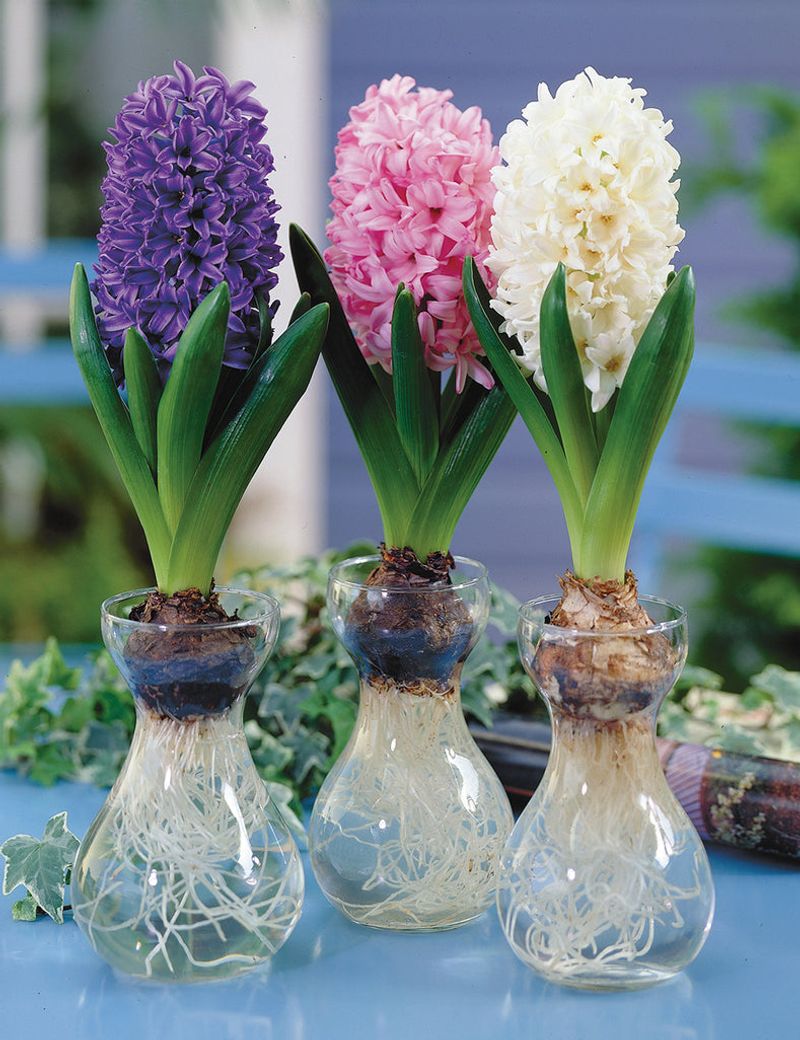
Nothing announces spring quite like the intoxicating fragrance of hyacinths. These bulbs can be forced to bloom indoors during winter, bringing color and perfume to North Carolina homes when outdoor gardens lie dormant.
The process of watching roots develop below while flower spikes emerge above creates an engaging display that fascinates both children and adults.
Forcing hyacinths in water starts with selecting quality bulbs. Purchase pre-chilled bulbs in fall, or chill regular bulbs in your refrigerator for 12 weeks before starting.
Special forcing vases hold the bulb just above water level, allowing roots to grow down while keeping the bulb itself dry to prevent rot. Regular vases work too if you support the bulb with pebbles or marbles.
Timing and temperature control success rates significantly. Place prepared bulbs in a cool, dark location for several weeks until roots develop and shoots reach about two inches tall.
Then move them to a bright, cool spot in your home. North Carolina’s winter temperatures provide ideal conditions, as hyacinths prefer temperatures between 60 and 65 degrees during forcing.
Warmer temperatures cause floppy growth and shorter bloom periods.
Blooming typically occurs six to eight weeks after starting the forcing process. The spectacular flower spikes can be white, pink, purple, yellow, or blue, with dozens of tiny blooms creating dense clusters.
The fragrance fills entire rooms, though some people find it overwhelming in small spaces. After blooming, these bulbs rarely perform well if forced again, so most gardeners plant them outdoors or compost them.
9. Chinese Evergreen (Aglaonema Spp.)
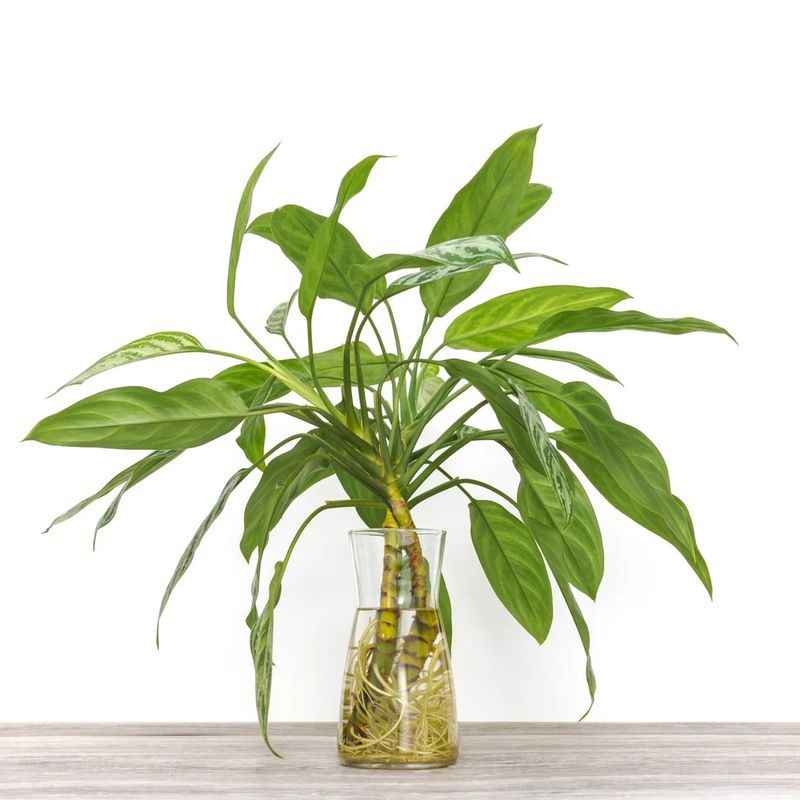
Chinese evergreens bring sophisticated beauty to spaces where other plants struggle. Their patterned leaves feature stunning combinations of green, silver, pink, or red, depending on the variety.
While typically grown in soil, these plants can transition to water culture temporarily or even long-term with proper care. Their tolerance for low light makes them ideal for North Carolina homes with limited natural lighting.
Propagating Chinese evergreen in water starts with a healthy stem cutting or by dividing an existing plant. Cut a section with several leaves attached, making sure to include a node.
Place it in water with the node submerged, and roots will develop over several weeks. North Carolina’s typical indoor temperatures support root development well, though growth happens faster in warmer conditions.
Patience pays off, as Chinese evergreens root more slowly than many other houseplants.
Light requirements remain minimal, which opens up placement possibilities throughout your home. These plants thrive in low to medium indirect light, making them perfect for offices, hallways, or north-facing rooms.
Brighter light intensifies leaf coloring, particularly in varieties with red or pink variegation. Avoid direct sunlight, which can scorch the leaves and fade the attractive patterns.
Long-term water culture succeeds with attention to water quality and nutrition. Change the water every two weeks and add diluted liquid fertilizer monthly during the growing season.
Watch for algae growth in the container, which indicates too much light or nutrients. The plant may grow more slowly in water than in soil, but it will remain healthy and attractive for extended periods with proper care.
10. Amaryllis (Hippeastrum Spp.)
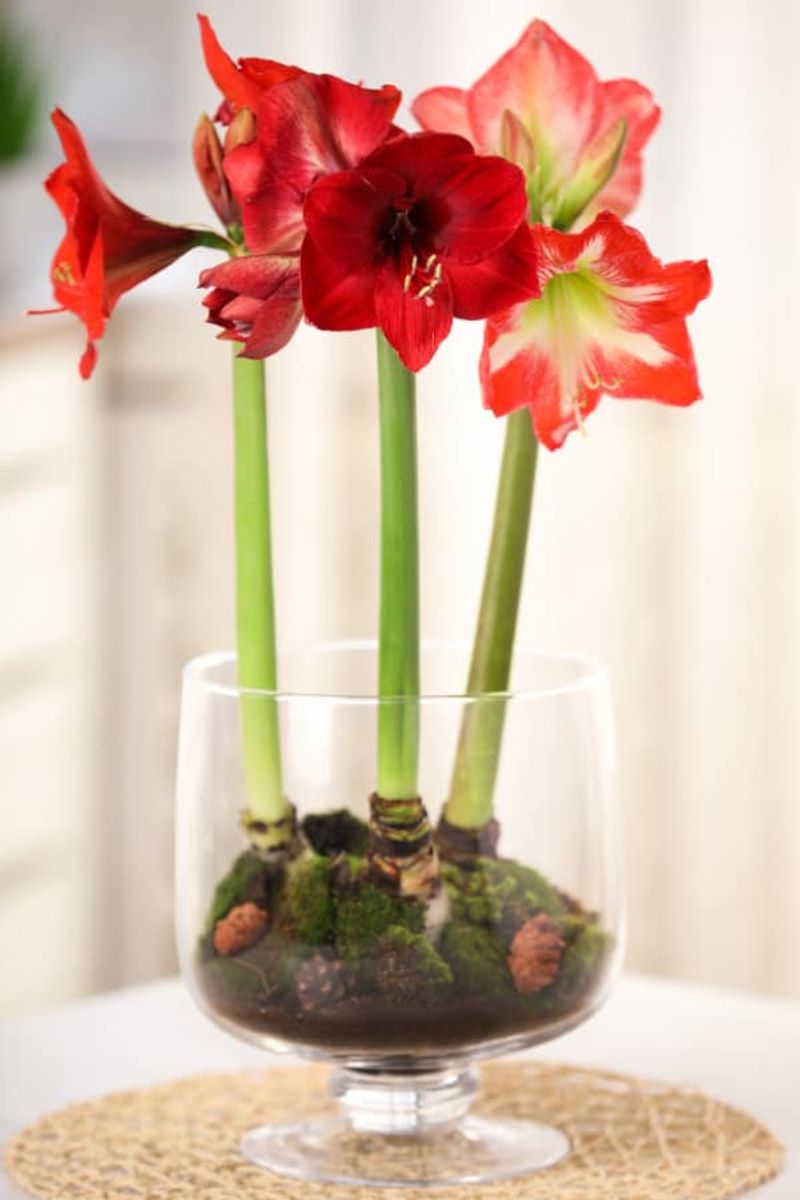
Amaryllis bulbs produce some of the most dramatic blooms you’ll ever see indoors. These massive flowers can measure eight inches across, appearing on tall stalks that seem to grow before your eyes.
Growing amaryllis in water has become increasingly popular because it showcases the bulb and root development while eliminating the mess of potting soil. The timing makes them perfect for holiday displays in North Carolina homes.
Setting up amaryllis in water requires a container tall enough to support the heavy flower stalk. Place the bulb in the container with pebbles, glass beads, or marbles supporting it so the bottom just touches the water.
The roots will grow down into the water while the bulb stays dry, preventing rot. Choose a location with bright, indirect light and turn the container daily to keep the stalk growing straight rather than leaning toward the light.
Growth happens remarkably fast once conditions are right. You’ll see the flower stalk emerge within weeks, growing several inches daily at its peak.
Most amaryllis produce one or two stalks, each bearing multiple blooms. The flowers open sequentially, extending the display period to several weeks.
Leaves typically emerge after the flowers, though some varieties produce leaves and flowers simultaneously.
Supporting the tall stalks becomes necessary as flowers develop. The blooms are heavy, and water-grown plants sometimes produce weaker stems than soil-grown ones.
Insert a decorative stake next to the stalk and gently tie them together with soft ribbon. After blooming, these bulbs can be planted in soil outdoors in North Carolina, where they may naturalize and return year after year.