12 Plants That Grow Large Flowers In Arizona
Arizona gardens face intense sun, dry heat, and challenging soil conditions, yet some plants thrive and reward gardeners with spectacular blooms.
Large-flowered plants not only add bold color and drama to landscapes but also attract pollinators like hummingbirds and butterflies, creating lively, dynamic yards.
Choosing species suited to Arizona’s climate ensures that flowers open fully, resist heat stress, and bloom reliably throughout the season.
From hardy perennials to vibrant annuals and sun-loving shrubs, these plants make a statement while withstanding the desert environment.
Proper placement, soil preparation, and watering strategies enhance their size and longevity, turning even small gardens into stunning displays.
1. Hibiscus

Tropical hibiscus varieties produce some of the most eye-catching blooms you will ever see in an Arizona landscape.
Each flower can reach six to eight inches across, featuring brilliant colors like red, pink, orange, yellow, and even multi-toned combinations.
The blooms open daily during warm months and attract hummingbirds and butterflies to your garden.
Plant hibiscus in a spot that receives morning sun and afternoon shade for best results.
Water deeply but allow the soil to dry slightly between waterings to prevent root problems.
Feed your hibiscus every two weeks during the growing season with a balanced fertilizer to encourage continuous flowering.
Prune lightly in early spring to maintain shape and promote bushier growth.
Protect plants from frost during occasional cold snaps by covering them or moving containers indoors.
Hibiscus responds well to Arizona’s heat as long as you provide adequate moisture and some relief from intense afternoon rays.
The glossy green foliage stays attractive even when flowers take a break during cooler months.
Consider planting several colors together for a tropical paradise feel right in your backyard.
2. Angel’s Trumpet

Few plants create as much drama as angel’s trumpet with its enormous pendant blooms that can measure up to twelve inches long.
The trumpet-shaped flowers dangle gracefully from branches and release an intoxicating fragrance, especially during evening hours.
Colors range from pure white to soft yellow, peach, and even pink depending on the variety you choose.
Angel’s trumpet grows rapidly in Arizona’s warm climate and can reach eight to ten feet tall within a couple of growing seasons.
Place this showstopper where you can enjoy both its visual appeal and delightful scent, perhaps near a patio or walkway.
Water regularly during summer months as the large leaves lose moisture quickly in hot, dry conditions.
Fertilize monthly with a bloom-boosting formula to keep flowers coming throughout the warm season.
Prune in late winter to control size and encourage branching for even more flowers.
The plant performs best with morning sun and afternoon shade, though it tolerates full sun with extra water.
Watch for aphids and whiteflies, which sometimes bother angel’s trumpet but are easily controlled with insecticidal soap.
3. Desert Rose

Desert rose earns its name with stunning blooms that rival any traditional rose but require far less fuss in Arizona gardens.
The thick, swollen trunk stores water like a natural reservoir, making this plant incredibly drought-tolerant once established.
Flowers emerge in shades of pink, red, white, or bicolor combinations and can reach three to four inches across.
Blooms appear most abundantly during spring and summer, though occasional flowers show up year-round in warm microclimates.
Plant desert rose in full sun and well-draining soil, as soggy roots cause problems quickly.
Water sparingly during winter when the plant enters a semi-dormant period and leaves may drop naturally.
Increase watering frequency as temperatures rise in spring to support new growth and flowering.
Feed with a balanced fertilizer diluted to half strength every month during active growth.
The sculptural form of desert rose makes it an excellent container specimen for patios and entryways.
Protect from frost by bringing containers indoors or covering outdoor plants during cold nights.
With minimal care, desert rose rewards you with exotic blooms that look far more complicated than they actually are to grow.
4. Moonflower

Moonflower vines create magic in Arizona gardens by unfurling massive white blooms just as the sun sets each evening.
Each fragrant flower can measure five to six inches across and glows almost luminescent in twilight and moonlight.
The blooms open rapidly in a fascinating display you can actually watch happen over about fifteen minutes.
Plant moonflower seeds directly in the ground after the last frost or start them indoors for earlier blooms.
Provide a sturdy trellis, fence, or arbor for the vigorous vines to climb as they can reach fifteen feet or more.
Water regularly and deeply to support the fast growth and abundant flowering throughout summer.
Moonflower thrives in full sun but also tolerates partial shade, making it versatile for different garden spots.
The heart-shaped leaves create attractive coverage even before flowers begin appearing.
Fertilize every few weeks with a bloom-promoting formula to maximize flower production.
Enjoy your evening patio time surrounded by the sweet fragrance and ethereal beauty of moonflower blooms.
The flowers close by mid-morning the next day, but fresh ones open each night throughout the growing season.
5. Texas Mountain Laurel

Springtime in Arizona becomes absolutely spectacular when Texas mountain laurel bursts into bloom with cascading purple flower clusters.
The fragrant blooms smell remarkably like grape soda and attract attention from both people and pollinators alike.
Each flower cluster can reach eight inches long and covers the tree in a stunning purple display for several weeks.
This evergreen tree grows slowly but steadily, eventually reaching fifteen to twenty feet tall with an attractive rounded shape.
The silvery-green foliage provides year-round interest even after the spectacular spring flower show ends.
Texas mountain laurel adapts perfectly to Arizona’s alkaline soils and requires minimal supplemental water once established.
Plant in full sun for best flowering, though the tree tolerates partial shade reasonably well.
Avoid overwatering, as this tough native prefers dry conditions and can develop problems in constantly moist soil.
Prune lightly after flowering if needed to maintain desired shape, but the natural form is quite beautiful.
The tree needs no fertilizer and actually performs better without it in most Arizona soils.
Consider planting near outdoor living spaces where you can fully appreciate the incredible fragrance during bloom time.
6. Bird of Paradise

Nothing says tropical quite like bird of paradise with its exotic orange and blue flowers that truly resemble a colorful bird in flight.
Each bloom can measure six to eight inches across and emerges from a pointed bract on a tall stem.
The flowers last for weeks, making them excellent for both garden display and cut flower arrangements.
Bird of paradise thrives in Arizona’s warmth and can bloom nearly year-round in the warmest areas.
The large, banana-like leaves create a lush backdrop that enhances any landscape even when flowers are not present.
Plant in rich, well-draining soil amended with compost for best growth and flowering.
Water regularly during summer but reduce frequency in winter when growth naturally slows down.
Provide afternoon shade in the hottest desert areas to prevent leaf burn, though morning sun encourages better blooming.
Feed monthly during the growing season with a balanced fertilizer to support continuous flower production.
Remove spent flower stalks and damaged leaves to keep plants looking tidy and attractive.
Bird of paradise reaches four to six feet tall and wide, making it perfect for creating a tropical focal point in your Arizona yard.
7. Magnolia

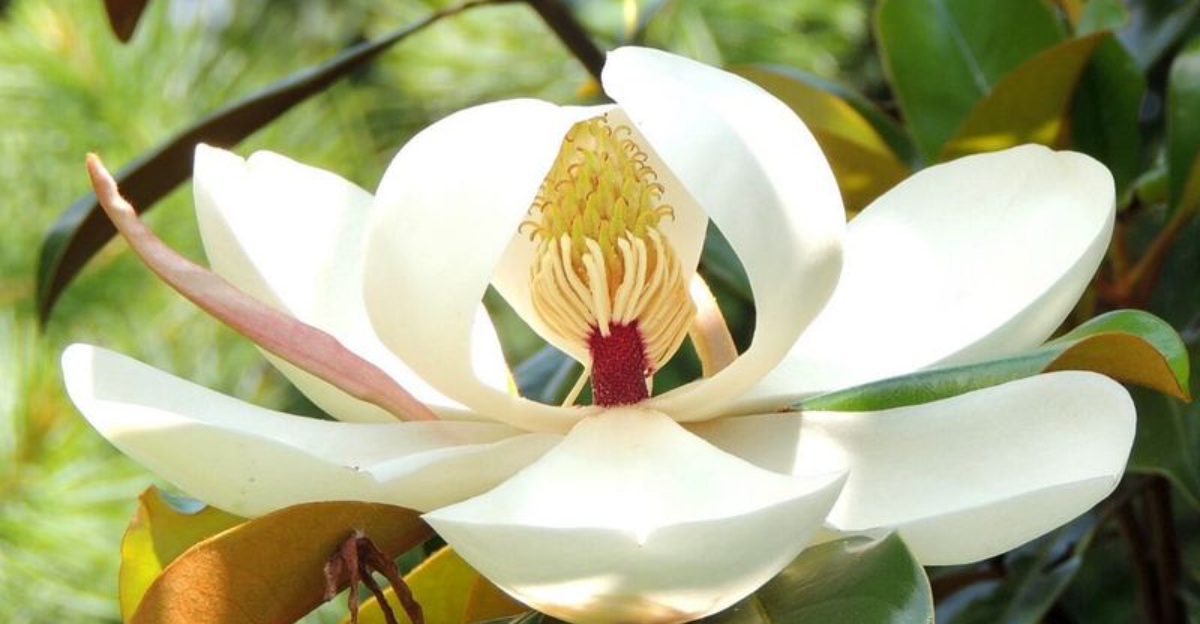
Southern magnolia brings elegance to Arizona landscapes with enormous white flowers that can reach twelve inches across when fully open.
The creamy white petals contrast beautifully against glossy dark green leaves that remain attractive throughout the year.
Each bloom releases a sweet, lemony fragrance that perfumes the entire garden during the flowering period.
Magnolia trees adapt surprisingly well to Arizona if you choose the right varieties and provide proper care.
Plant in a location with morning sun and afternoon shade to protect leaves from scorching in intense heat.
Amend the soil with sulfur and organic matter to lower pH slightly, as magnolias prefer more acidic conditions than typical Arizona soil.
Water deeply and regularly, especially during the first few years while the tree establishes a strong root system.
Mulch heavily around the base to conserve moisture and keep roots cooler during summer months.
Fertilize in early spring with an acid-loving plant formula to support healthy growth and abundant flowering.
Prune only to remove damaged branches, as magnolias naturally develop a beautiful shape without much intervention.
The impressive blooms appear in spring and sometimes sporadically through summer, creating memorable moments in your garden.
8. Prickly Pear Cactus

Prickly pear cactus surprises many people with its absolutely gorgeous flowers that can measure four to five inches across in brilliant colors.
Blooms appear in shades of yellow, orange, pink, or red depending on the species and variety you grow.
The flowers emerge from the edges of the flat, paddle-shaped pads in late spring and early summer.
After flowering, edible fruits develop that attract wildlife and can be harvested for jams and other culinary uses.
Prickly pear thrives in Arizona’s toughest conditions with virtually no care once established in the landscape.
Plant in full sun and rocky or sandy soil that drains quickly after occasional rains.
Water sparingly if at all, as these cacti actually perform better with neglect than with attention.
The sculptural pads create interesting architectural elements in xeriscapes and desert-themed gardens year-round.
Handle carefully when planting or pruning, as both large spines and tiny glochids can cause irritation.
Prickly pear needs no fertilizer and actually flowers more abundantly when grown in lean, nutrient-poor soil.
The combination of beautiful blooms, edible fruit, and zero-maintenance requirements makes prickly pear perfect for Arizona gardens.
9. Oleander

Oleander shrubs produce abundant clusters of large, showy flowers in colors ranging from white and yellow to pink, red, and salmon.
Each individual bloom measures two to three inches across, but they appear in such profusion that the entire shrub becomes a mass of color.
Flowering continues from spring through fall in Arizona, providing months of reliable color in the landscape.
The evergreen foliage stays attractive year-round and creates an excellent privacy screen or hedge when plants are spaced properly.
Oleander tolerates extreme heat, drought, and poor soil better than almost any other flowering shrub.
Plant in full sun for maximum flowering, though oleander also blooms reasonably well with some afternoon shade.
Water established plants every week or two during summer, but they survive on much less if necessary.
Prune in late winter or early spring to control size and shape before new growth begins.
Feed lightly in spring with a slow-release fertilizer, though oleander blooms well even without supplemental nutrition.
Choose dwarf varieties for smaller spaces or standard types for large hedges and screens.
The tough nature and beautiful blooms make oleander a landscape workhorse for Arizona gardens.
10. Tropical Milkweed

Tropical milkweed produces clusters of vibrant orange and yellow flowers that serve double duty as both beautiful blooms and monarch butterfly magnets.
Each flower cluster contains numerous individual blooms that create a showy display measuring three to four inches across.
The brilliant colors stand out dramatically against the narrow green leaves throughout the warm season.
Monarch butterflies seek out milkweed as the only plant where they lay eggs and caterpillars can feed.
Plant tropical milkweed in sunny spots where you can easily observe the fascinating butterfly life cycle unfolding.
Water regularly to keep plants vigorous and flowering continuously from spring through fall.
Fertilize monthly with a balanced formula to support both flower production and healthy foliage for caterpillars.
Cut plants back to about six inches in late fall to prevent disease issues and encourage fresh spring growth.
The flowers also attract numerous other beneficial pollinators including native bees and hummingbirds to your garden.
Tropical milkweed grows quickly and easily from seed or transplants, reaching two to three feet tall.
Creating a butterfly garden becomes simple when you include this colorful, easy-care plant that serves wildlife while beautifying your yard.
11. Yellow Bells

Yellow bells burst into bloom during Arizona’s hottest months when many other plants struggle, covering themselves with cheerful golden trumpet flowers.
Each bell-shaped bloom measures two to three inches long and appears in dense clusters at branch tips.
The bright yellow color practically glows in the landscape and attracts hummingbirds from impressive distances.
Flowering peaks during summer heat but continues sporadically throughout the year in mild Arizona winters.
The shrub grows quickly into a rounded form reaching six to eight feet tall and equally wide.
Plant yellow bells in full sun for best flowering, though they tolerate partial shade reasonably well.
Water deeply once or twice weekly during summer, but established plants survive on much less if needed.
Prune in late winter to maintain size and shape, or allow natural growth for a more informal appearance.
Feed in early spring with a slow-release fertilizer to support vigorous growth and abundant flowering.
The combination of heat tolerance, beautiful blooms, and hummingbird appeal makes yellow bells a top choice for Arizona landscapes.
Foliage may drop during occasional cold snaps but returns quickly when warm weather resumes in spring.
12. Lantana

Lantana produces dense, rounded flower clusters measuring two to three inches across in an incredible array of color combinations.
Individual flowers within each cluster often change color as they age, creating beautiful multicolored effects of yellow, orange, pink, red, and purple.
Blooms appear continuously from spring through fall and even year-round in the mildest Arizona locations.
Butterflies absolutely adore lantana and visit constantly throughout the day, creating a living garden show.
The tough plants thrive in Arizona’s heat and actually bloom more profusely during the hottest summer months.
Plant in full sun and well-draining soil for best performance and maximum flowering.
Water established lantana once or twice weekly during summer, but plants tolerate considerable drought once roots develop.
Deadheading spent flowers encourages more blooms, though lantana continues flowering even without this extra attention.
Prune back by about one-third in late winter to promote bushier growth and more flower production.
Choose from spreading groundcover types, mounding varieties, or upright forms depending on your landscape needs.
Lantana requires virtually no fertilizer and actually flowers better in lean soil than in overly rich conditions.