9 Plants That Handle Big Temperature Swings In Your Arizona Garden
Arizona weather can shift fast, with warm afternoons followed by cool nights that stress many garden plants. When plants cannot handle those swings, growth slows and leaves start to suffer.
You need plants that stay steady as temperatures rise and fall without warning.
Some plants are built for Arizona’s sharp day to night changes and keep performing while others struggle. They continue growing, blooming, and holding their shape through sudden heat and cooling periods.
Arizona gardens reward resilience over delicate growth.
If your garden has ever looked healthy one week and stressed the next, temperature swings are usually the cause. Choosing plants that tolerate those shifts makes gardening far more predictable.
With the right plants in place, your Arizona garden stays reliable and easier to manage through changing conditions.
1. Desert Zinnia Stays Stable Through Hot Days And Cool Nights
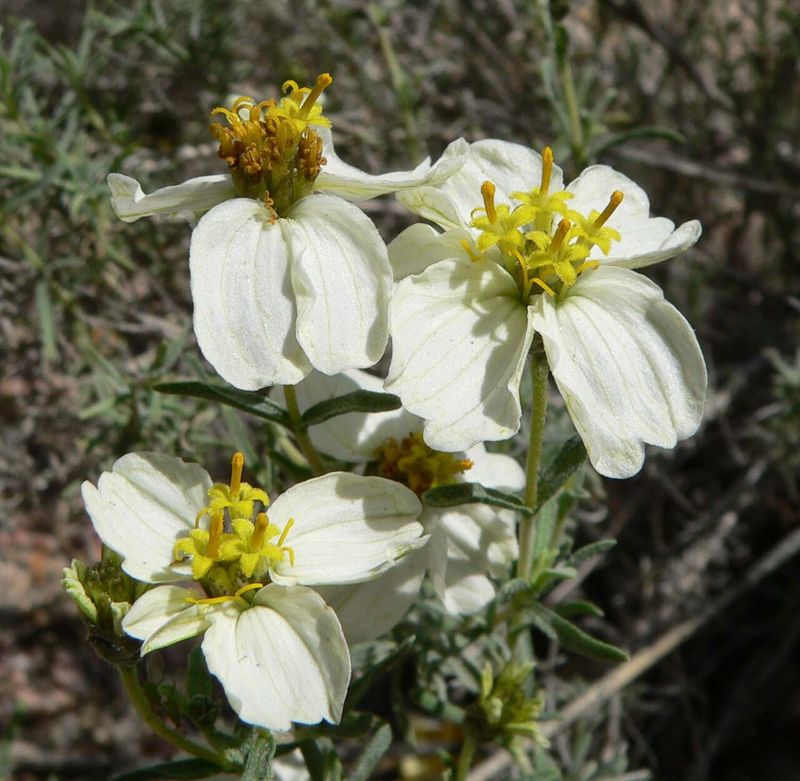
Bright yellow petals catch your eye instantly when Desert Zinnia starts blooming. This low-growing perennial spreads across the ground, creating cheerful patches of color from spring through fall.
Arizona gardeners love it because it never complains about temperature swings.
The secret lies in its compact size and deep roots. Desert Zinnia stays close to the soil, where temperatures remain more stable than the air above.
Its roots reach down to find moisture even when the surface dries out. This combination lets it sail through days that hit 105 degrees and nights that drop to 65 without missing a beat.
You’ll find this plant thriving in full sun across southern Arizona. It needs almost no water once established, making it perfect for xeriscaping.
The flowers attract butterflies and native bees, adding movement and life to your garden. Plant it along pathways or in rock gardens where its spreading habit looks natural.
Desert Zinnia goes dormant during the coldest winter months, then bounces back quickly when warmth returns. This dormancy actually protects it from frost damage.
When spring arrives, fresh green leaves emerge followed by waves of sunny blooms that last for months.
Its silvery-green foliage also reflects sunlight, helping the plant stay cool during extreme heat. Desert Zinnia requires almost no maintenance beyond occasional trimming to keep its spread in check.
Once established, it thrives for years with little intervention, even in tough desert conditions.
2. Blackfoot Daisy Tolerates Rapid Temperature Changes Without Stress
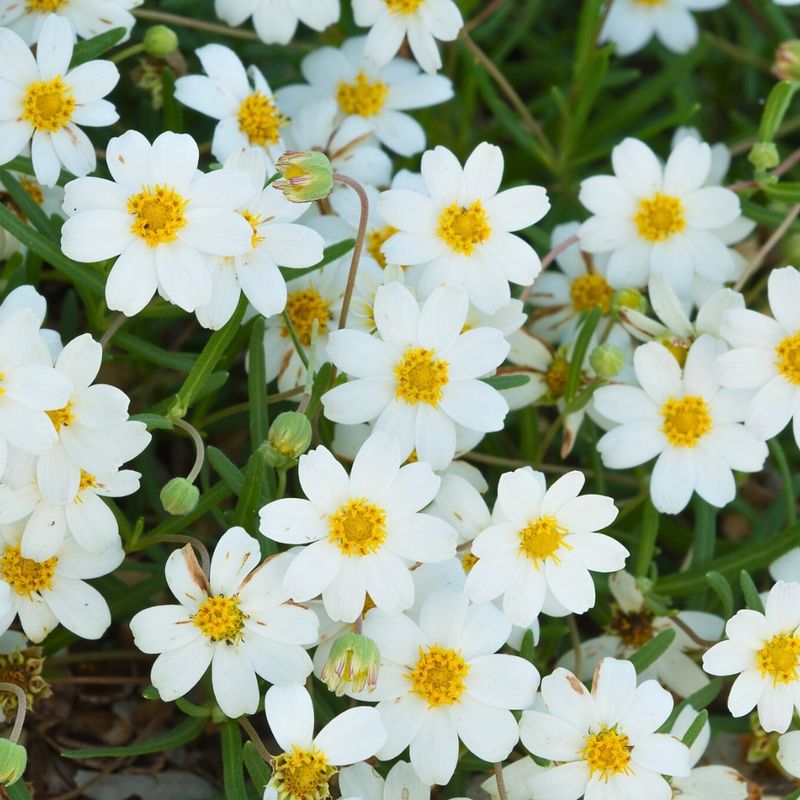
White petals surrounding golden centers make Blackfoot Daisy look delicate, but appearances deceive. This tough little plant laughs at Arizona’s temperature roller coaster.
It blooms nearly year-round in warmer parts of the state, pausing only during the harshest winter weeks.
Blackfoot Daisy grows as a rounded mound about one foot tall and wide. The fine-textured foliage stays evergreen in most Arizona locations, providing structure even when flowers take a break.
Its ability to handle sudden cold snaps followed by blazing sunshine makes it reliable where other daisies fail.
Plant it in well-draining soil with full sun exposure. This species actually prefers rocky, lean soil over rich garden beds.
Too much fertility makes it grow leggy and reduces flower production. Water deeply but infrequently once established, mimicking natural desert rainfall patterns.
The flowers appear in flushes throughout the growing season. After a particularly hot spell or cold night, you might worry the plant looks stressed.
Give it a few days and watch it rebound with fresh blooms. This resilience comes from generations of adapting to harsh desert conditions across the Southwest.
3. Parry’s Penstemon Thrives Despite Sharp Day-Night Swings
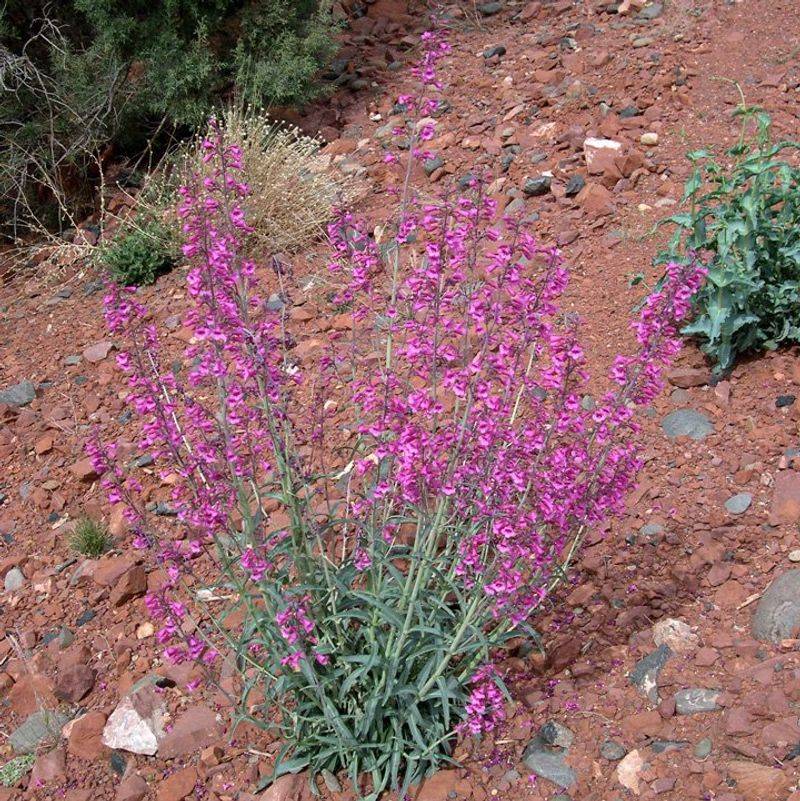
Tubular pink flowers rise on tall stalks, creating vertical interest in gardens from Flagstaff to Sedona. Parry’s Penstemon handles both high-elevation cold and low-desert heat, making it remarkably adaptable.
The temperature swings in Arizona’s transition zones would flatten most perennials, but this one keeps growing strong.
Its thick, waxy leaves help it conserve moisture and regulate internal temperature. When nights turn chilly, the leaves protect sensitive tissues from frost damage.
When days heat up quickly, that same coating prevents excessive water loss. This dual protection system works like built-in climate control.
Hummingbirds adore Parry’s Penstemon, visiting the tubular blooms constantly during spring and early summer. Plant it where you can watch these tiny birds hover and feed.
The flowers produce abundant nectar, making your garden a reliable food source for migrating hummers passing through Arizona.
This penstemon prefers afternoon shade in the hottest desert areas but tolerates full sun at higher elevations. It needs moderate water during establishment, then becomes quite drought-tolerant.
Cut back spent flower stalks to encourage a second bloom flush in fall when temperatures moderate.
Strong stems keep the flower spikes upright even when spring winds pick up.
The plant blends well with native grasses and desert perennials without overpowering nearby plants. Its natural form stays tidy, so it rarely needs staking or heavy pruning.
4. Chocolate Flower Keeps Blooming Through Fluctuating Conditions
Smell that? The rich chocolate scent gives this plant its common name and makes it unforgettable.
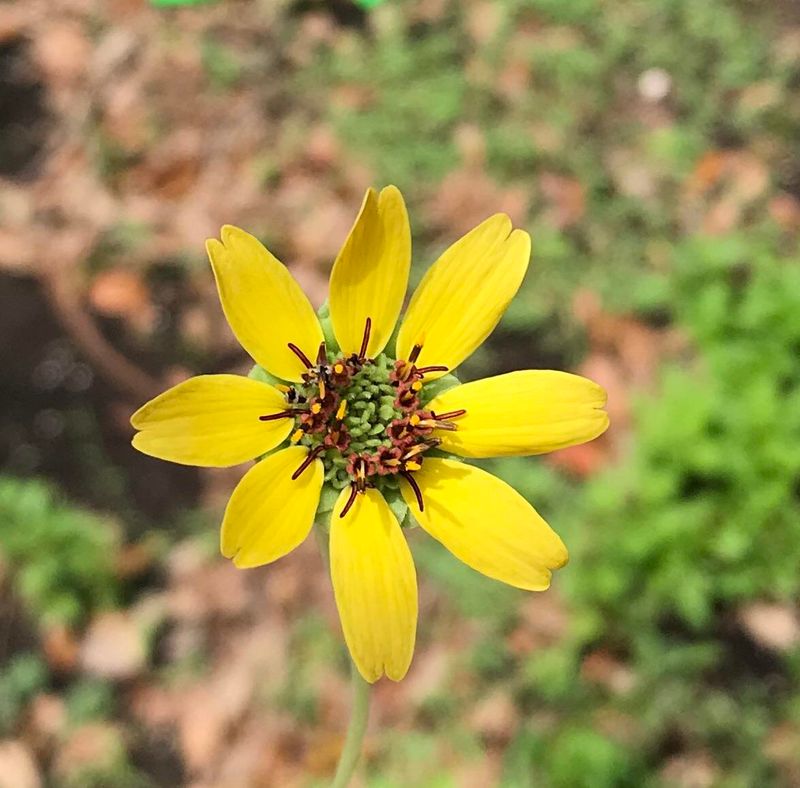
Chocolate Flower produces bright yellow, daisy-like blooms with dark burgundy centers that smell like cocoa, especially on warm afternoons.
Arizona’s temperature swings don’t diminish this fragrance or the plant’s vigor.
The flowers appear on wiry stems above low foliage clumps. Each bloom lasts for days, and the plant produces them continuously from spring through fall.
Even after a night that dips into the 40s followed by an afternoon reaching 95, Chocolate Flower keeps pushing out new buds.
Its secret weapon is a deep taproot that anchors it firmly and accesses water far below the surface. This root system also helps buffer temperature extremes by drawing on the earth’s more stable underground climate.
The plant essentially uses the soil as thermal insulation.
Plant Chocolate Flower in full sun to light shade across Arizona. It naturalizes easily, spreading slowly to form attractive drifts.
The chocolate scent intensifies in warm weather, making it perfect near patios or seating areas. Deadheading spent blooms extends the flowering season, though the plant blooms prolifically even without this attention.
Its gray-green foliage stays neat and compact, providing visual interest even when the plant is between bloom cycles.
Chocolate Flower handles rocky, poor soils with ease, which makes it a natural fit for desert-style landscapes and roadside plantings. Deer typically ignore it, giving this fragrant perennial an extra advantage in Arizona gardens.
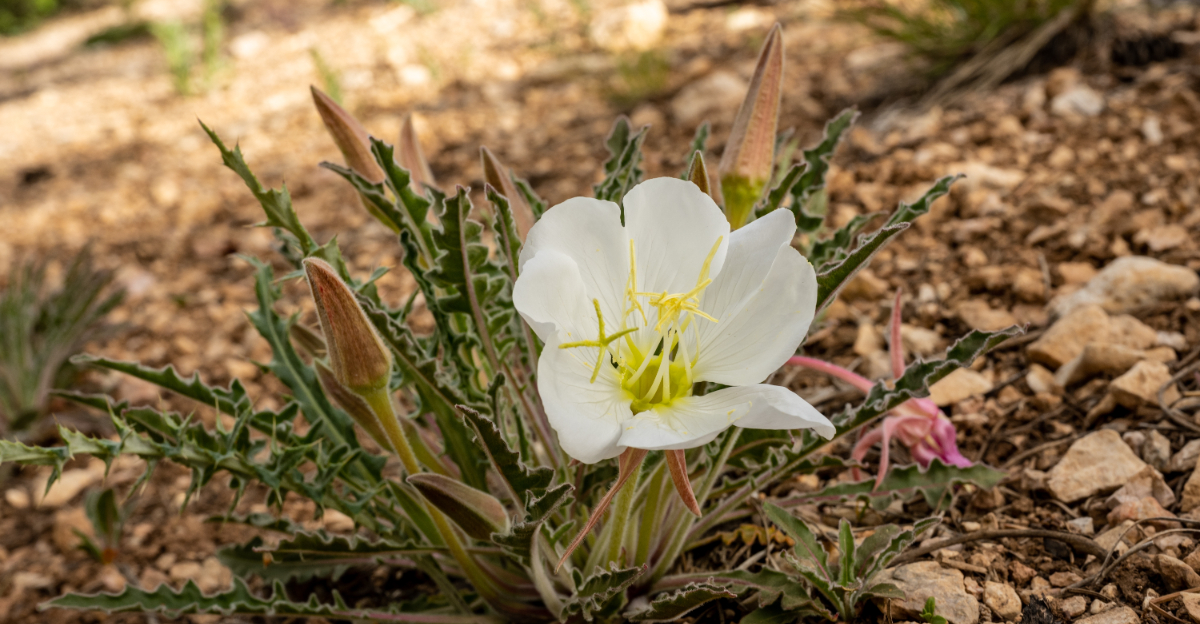
5. Desert Evening Primrose Handles Cold Nights And Warm Days
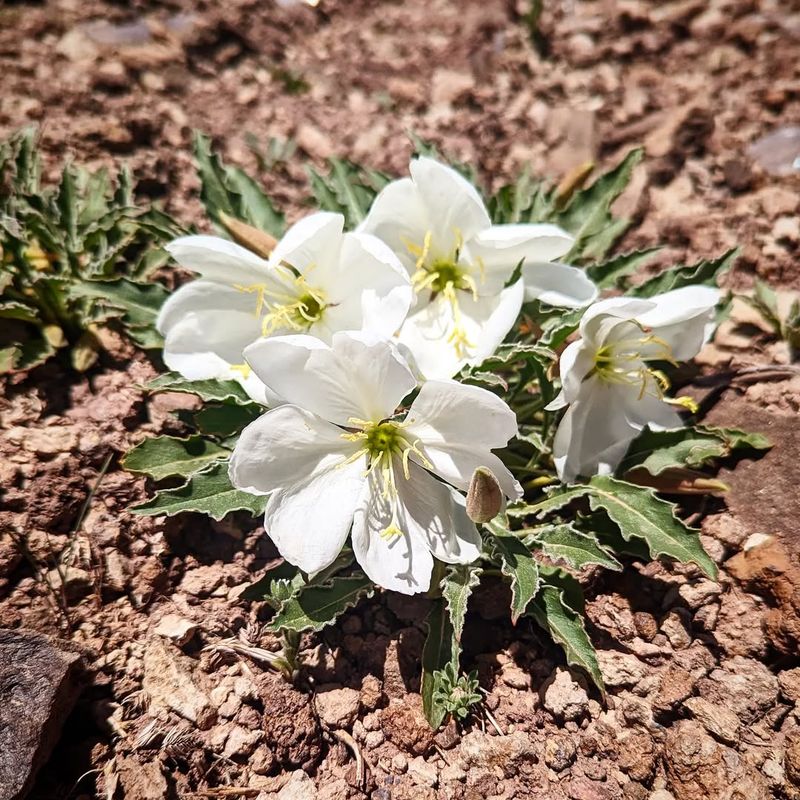
Four large white petals unfurl as the sun sets, transforming into soft pink by morning. Desert Evening Primrose puts on a nightly show that Arizona gardeners never tire of watching.
The plant thrives despite daily temperature ranges that would stress most flowering species.
This low-growing perennial spreads across the ground, rooting as it goes. The silvery-green foliage reflects intense sunlight, keeping the plant cooler during scorching afternoons.
At night, when temperatures plunge, the flowers actually benefit from the coolness, which intensifies their fragrance and helps them last longer.
Desert Evening Primrose blooms most heavily in spring but continues flowering sporadically through summer and fall in Arizona gardens. It needs minimal supplemental water once established and actually performs better with neglect than with coddling.
Overwatering causes root problems and reduces flowering.
Plant it where you spend time during evenings so you can enjoy the opening flowers and sweet scent. The blooms attract sphinx moths, which pollinate while hovering like tiny hummingbirds.
By morning, the flowers have faded to pink, creating a two-toned effect as fresh white blooms open alongside aging pink ones.
6. Goodding’s Verbena Adapts Well To Sudden Temperature Shifts
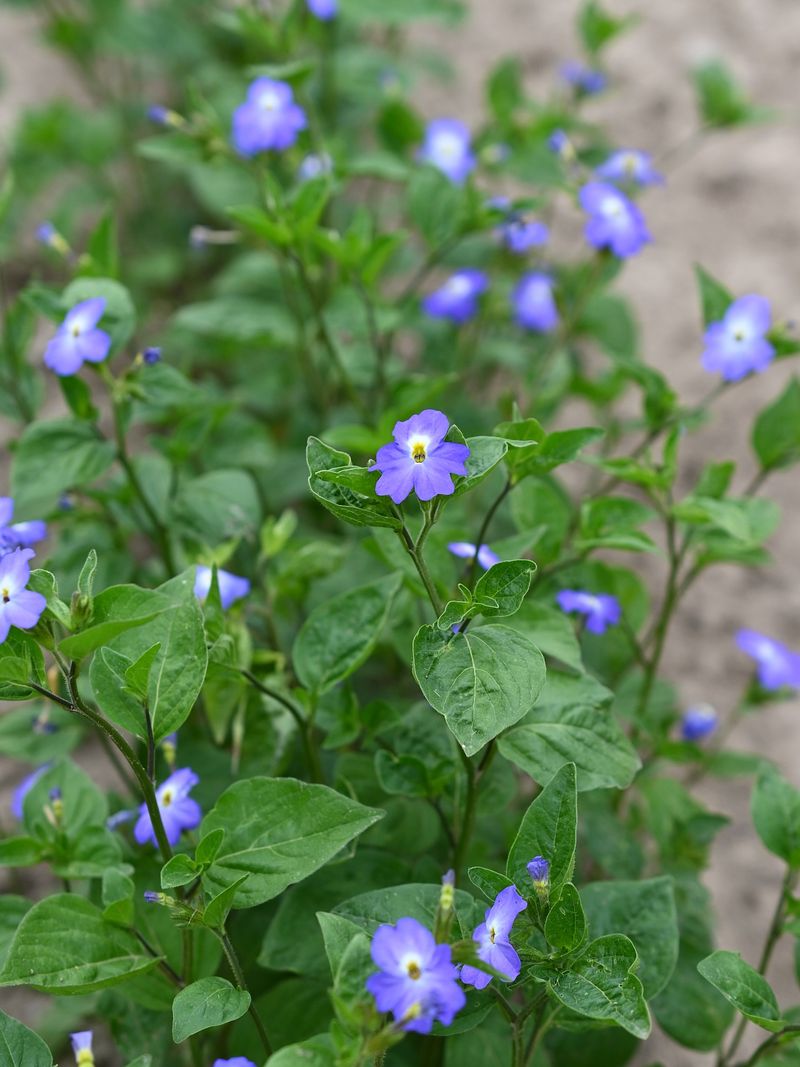
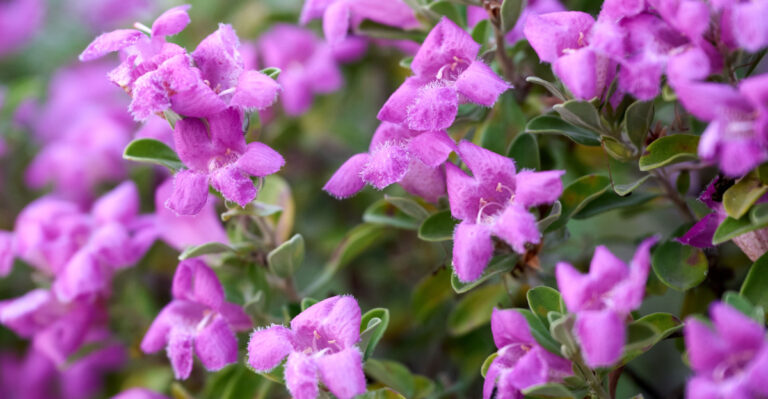
Lavender-purple flower clusters cover this spreading perennial from spring through fall. Goodding’s Verbena grows as a tough ground cover that tolerates foot traffic, poor soil, and Arizona’s unpredictable temperature patterns.
It looks delicate but performs like a champion.
The plant spreads by underground runners, quickly filling in bare spots between rocks or pavers. Its low profile keeps it close to the ground where temperatures stay more moderate.
The small leaves have a slightly fuzzy texture that helps reduce water loss during hot spells and provides some frost protection during cold snaps.
Butterflies and bees visit the flowers constantly, making Goodding’s Verbena valuable for pollinator gardens throughout Arizona. The nectar-rich blooms provide energy for insects traveling between feeding sites.
Plant it in masses for the greatest visual impact and to create substantial pollinator habitat.
This verbena needs full sun and excellent drainage. It tolerates reflected heat from walls and pavement, making it perfect for challenging spots where other plants struggle.
Water moderately during establishment, then reduce to occasional deep soakings. The plant actually blooms more prolifically with some drought stress between waterings.
7. Firecracker Penstemon Survives Heat Followed By Cool Evenings
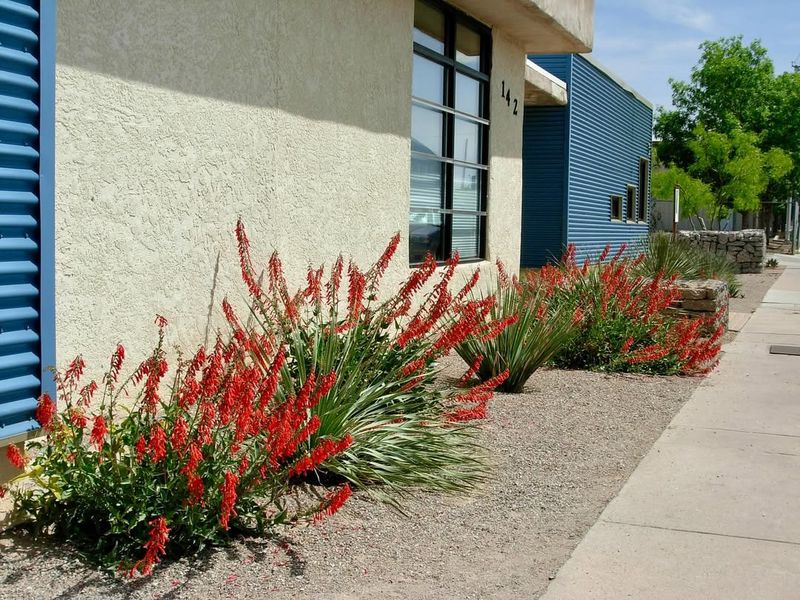
Scarlet tubular flowers explode like fireworks on tall stems, earning this plant its explosive name. Firecracker Penstemon stands out in any Arizona garden, demanding attention with its brilliant color.
The plant evolved in environments with huge temperature swings, so modern gardens present no challenge.
Each flower spike holds dozens of blooms that open sequentially from bottom to top. This extended blooming period means the show lasts for weeks.
Hummingbirds compete for access to the nectar-rich flowers, often defending favorite plants from rivals. Position Firecracker Penstemon where you can observe these territorial displays.
The plant grows best in full sun with moderate water during its first season. Once established, it becomes remarkably drought-tolerant and handles temperature extremes without wilting or leaf drop.
The thick stems and leaves store moisture, helping the plant coast through hot spells.
Firecracker Penstemon works beautifully in Arizona’s mountain communities and high-desert areas. It tolerates both the cold nights common at elevation and the warm sunny days.
Cut back spent flower stalks after blooming to keep the plant tidy and encourage possible rebloom in fall. The evergreen foliage provides year-round structure.
8. Four O’Clocks Go Dormant Briefly And Return Strong
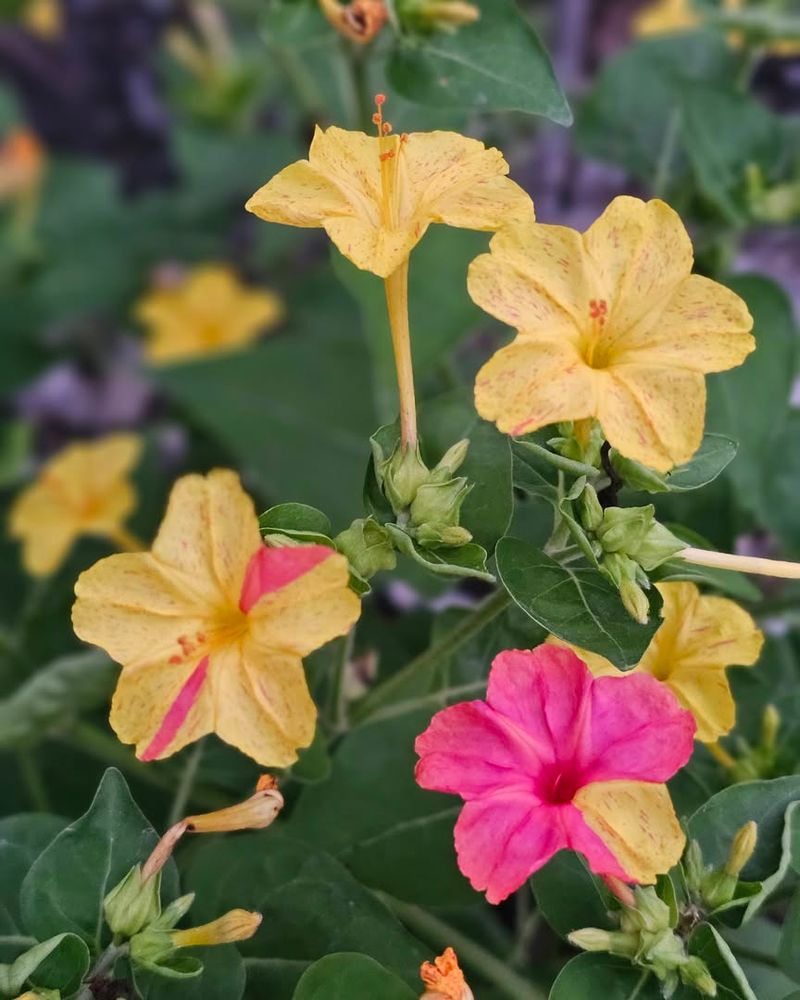
Trumpet-shaped flowers in magenta, yellow, white, or pink open around 4 p.m., giving this plant its clock-inspired name. Four O’Clocks grow from tuberous roots that store energy and moisture, allowing them to weather Arizona’s temperature extremes with ease.
The plants can look stressed during the hottest or coldest periods, then bounce back vigorously when conditions improve.
These bushy perennials grow quickly once warm weather arrives, reaching three feet tall and wide by midsummer. The fragrant flowers attract sphinx moths in the evening, creating a magical atmosphere in Arizona gardens.
Each bloom lasts only until morning, but the plant produces so many that fresh flowers appear daily.
Four O’Clocks may go dormant during the coldest winter weeks or the most intense summer heat. Don’t panic when the foliage disappears.
The tuberous roots remain alive underground, waiting for better conditions. When temperatures moderate, new growth emerges rapidly from those roots.
Plant Four O’Clocks in full sun to partial shade. They tolerate a wide range of soil types as long as drainage is adequate.
Water regularly during the growing season, then reduce watering when plants go dormant. The tuberous roots are frost-hardy in most Arizona locations.
9. Yarrow Adjusts Easily To Seasonal And Daily Temperature Changes
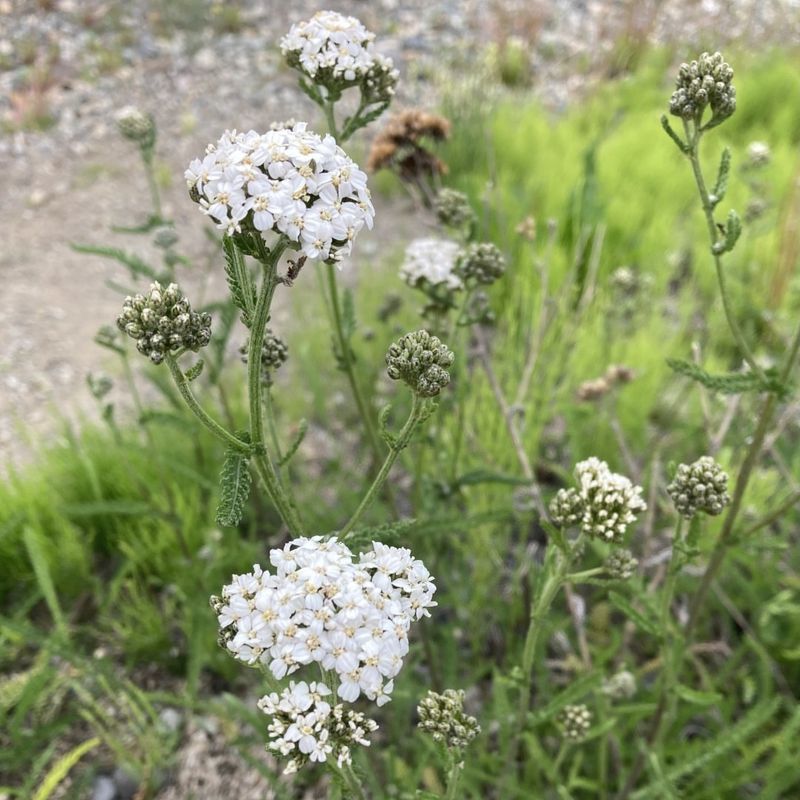
Flat-topped flower clusters in white, yellow, or pink rise above feathery foliage that looks almost fern-like. Yarrow has been used medicinally for centuries, but Arizona gardeners appreciate it simply for being nearly indestructible.
Temperature swings that flatten other perennials barely register with this tough plant.
The finely divided leaves give Yarrow a soft, delicate appearance that contrasts with its iron constitution. Those leaves actually help the plant survive temperature extremes by reducing surface area exposed to harsh conditions.
The plant also goes semi-dormant during the worst weather, conserving energy until better times return.
Yarrow blooms for months in Arizona gardens, especially with occasional deadheading. The flowers attract beneficial insects including ladybugs and lacewings that help control garden pests.
The dried flower heads also provide winter interest and food for seed-eating birds.
Plant Yarrow in full sun with moderate water during establishment. Once settled, it tolerates considerable drought and needs little care.
It spreads slowly by underground rhizomes, forming attractive clumps that can be divided every few years. Yarrow performs well throughout Arizona, from low deserts to mountain communities, adapting its growth pattern to local conditions.