8 Plants That Help Build A Rabbit-Resistant Backyard In Arizona
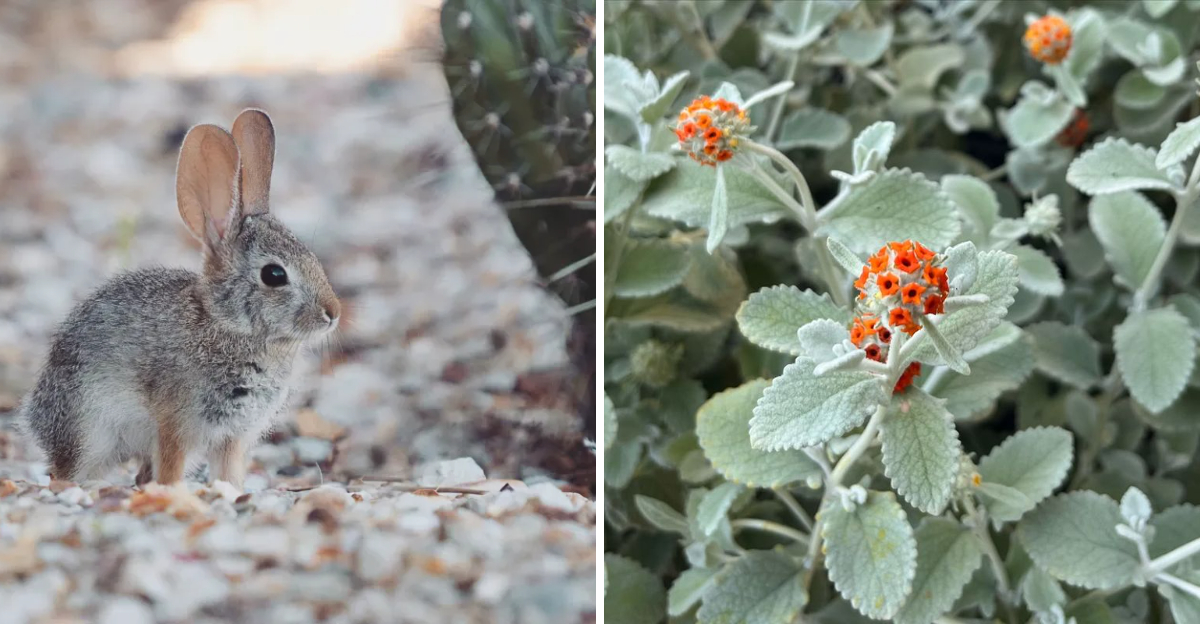
Spring in Arizona brings fresh growth, and rabbits notice it immediately. Soft new leaves and young stems attract attention fast, especially in dry stretches when food sources shrink.
One night of feeding can undo weeks of careful planting. A rabbit-resistant backyard starts with plant selection, not constant repairs.
Certain Arizona-friendly plants carry natural defenses such as strong scent, textured foliage, or bitter taste that discourage browsing without fencing every bed.
Choosing wisely from the beginning saves time, protects your investment, and keeps your design intact.
The right plant mix builds structure, color, and resilience all at once. Instead of watching damage spread across your yard, you gain a landscape that holds its shape and looks intentional through the toughest parts of the season.
1. Woolly Butterfly Bush Thrives In Heat And Discourages Rabbits
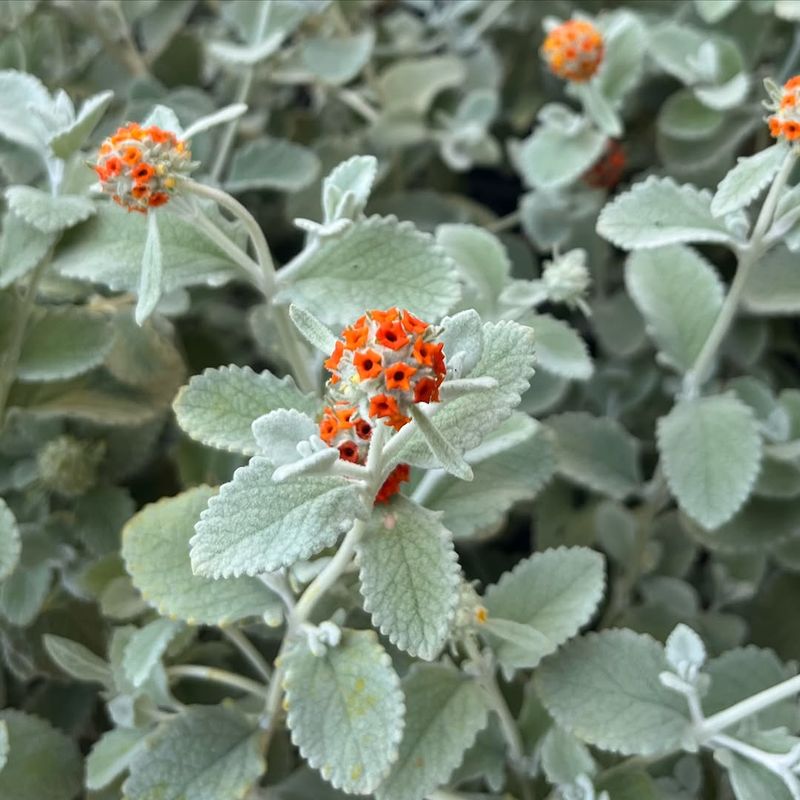
Fuzzy leaves act like a natural shield against hungry wildlife. Rabbits prefer smooth, tender vegetation and steer clear of anything that feels uncomfortable in their mouths.
The woolly butterfly bush earned its name from the soft, silver-gray coating covering every leaf and stem, creating a texture that sends rabbits hopping elsewhere.
Arizona gardeners appreciate how this shrub handles extreme temperatures without complaint. Summer heat rarely bothers it, and the plant keeps its attractive appearance through the toughest months.
Purple flower spikes emerge from late spring through fall, drawing butterflies and hummingbirds while the fuzzy foliage keeps unwanted nibblers away.
Drought tolerance makes this plant perfect for water-conscious landscapes throughout Arizona. Once established, it needs minimal watering and actually performs better with occasional dry spells.
The silvery leaves reflect sunlight beautifully, adding visual interest even when flowers fade.
Full sun locations work best for maximum growth and bloom production. Space plants about four feet apart since mature specimens can reach five feet tall and equally wide.
Pruning in late winter encourages bushier growth and more flower production. The combination of wildlife attraction and rabbit resistance makes this shrub a smart choice for any Arizona backyard looking to balance beauty with practicality.
It thrives in well-drained soil and struggles in heavy, soggy conditions. Gravel mulches help keep the crown dry and roots healthy.
With very little attention, it settles into the landscape as a reliable, long-lasting focal point.
2. Agave Makes A Bold Statement Rabbits Rarely Touch
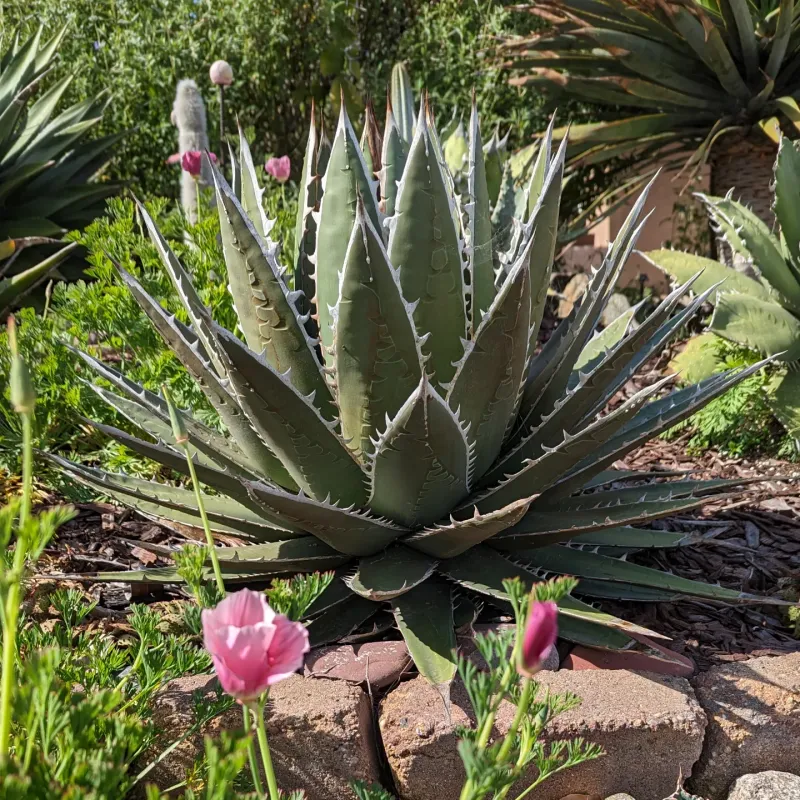
Sharp points and thick, waxy surfaces send a clear message to browsing animals. Agave plants developed these defenses over thousands of years in harsh desert conditions, and rabbits learned long ago to respect those spines.
The architectural beauty of these succulents adds dramatic focal points throughout Arizona landscapes while requiring almost zero maintenance.
Dozens of agave varieties thrive across different regions of Arizona, from low deserts to higher elevations. Blue-gray specimens create stunning contrast against warm-colored rocks and soil.
Some varieties stay compact at two feet across, while others spread to impressive six-foot rosettes. The variety means homeowners can choose sizes that fit their specific space requirements.
Water needs drop to nearly nothing once roots establish themselves. Agaves store moisture in their thick leaves, allowing them to survive months without rainfall.
Overwatering causes more problems than drought, making these plants ideal for busy homeowners or vacation properties across Arizona.
Rock gardens and modern landscape designs showcase agaves beautifully. Plant them where their sculptural forms stand out against walls, boulders, or simpler groundcovers.
Keep them away from walkways where those sharp leaf tips might catch clothing or skin. Rabbits give these plants a wide berth, and your yard gains a striking desert accent that lasts for years.
Excellent drainage keeps roots healthy and prevents rot during cooler months. With proper placement, agaves become long-lived statement plants that anchor the entire landscape design.
3. Brittlebush Handles Desert Life With Little Browsing
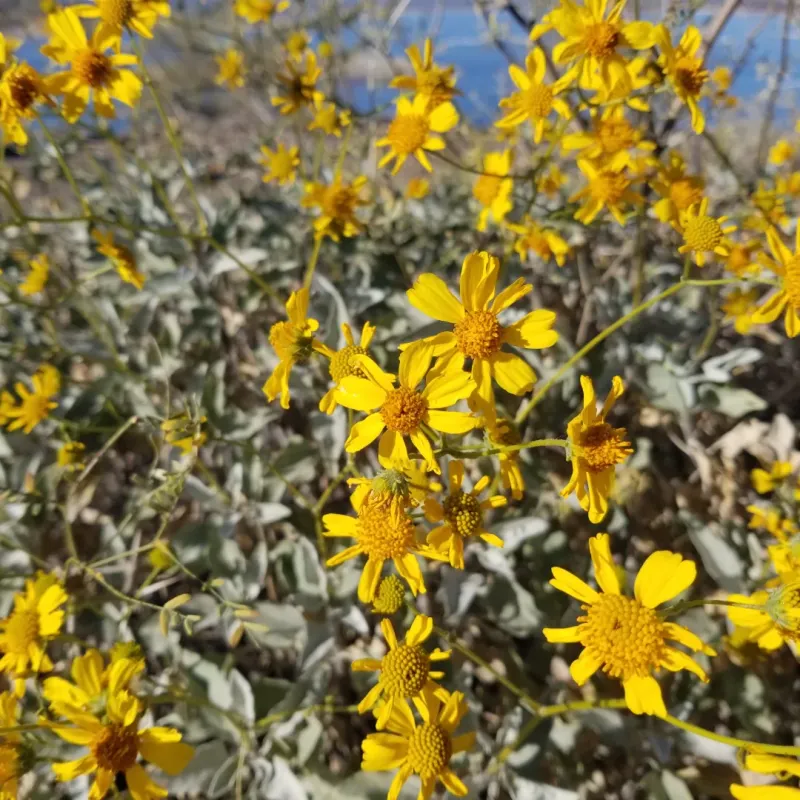
Silver foliage catches sunlight like scattered coins across the desert floor. Brittlebush grows naturally throughout Arizona’s lower elevations, carpeting hillsides with soft gray-green leaves that rabbits consistently ignore.
The fuzzy leaf surface and strong aromatic oils make this native plant unappealing to most wildlife, though pollinators absolutely love the cheerful yellow flowers.
Spring brings an explosion of golden blooms that last for weeks. Bright yellow daisies rise on tall stems above the mounding foliage, creating waves of color across Arizona yards.
Native bees and butterflies visit constantly, but rabbits pass by without taking a single bite. The resinous sap has a distinct smell that discourages browsing animals naturally.
Extreme heat tolerance puts brittlebush at the top of easy-care plant lists. It actually goes semi-dormant during the hottest summer months, losing some leaves to conserve energy.
Fall rains trigger fresh growth, and the plant bounces back quickly. This survival strategy works perfectly in Arizona’s climate patterns.
Slopes and challenging garden spots become easier with brittlebush plantings. Roots help prevent erosion while the spreading habit fills space efficiently.
Combine several plants for groundcover effect, or use individual specimens as accent plants. Water occasionally during establishment, then step back and let nature take over.
Your Arizona backyard gains a proven performer that rabbits leave completely alone.
It thrives in full sun and poor, rocky soil where many other plants struggle. Once established, it asks for very little and still delivers reliable color year after year.
4. Red Yucca Adds Color Without Becoming A Target
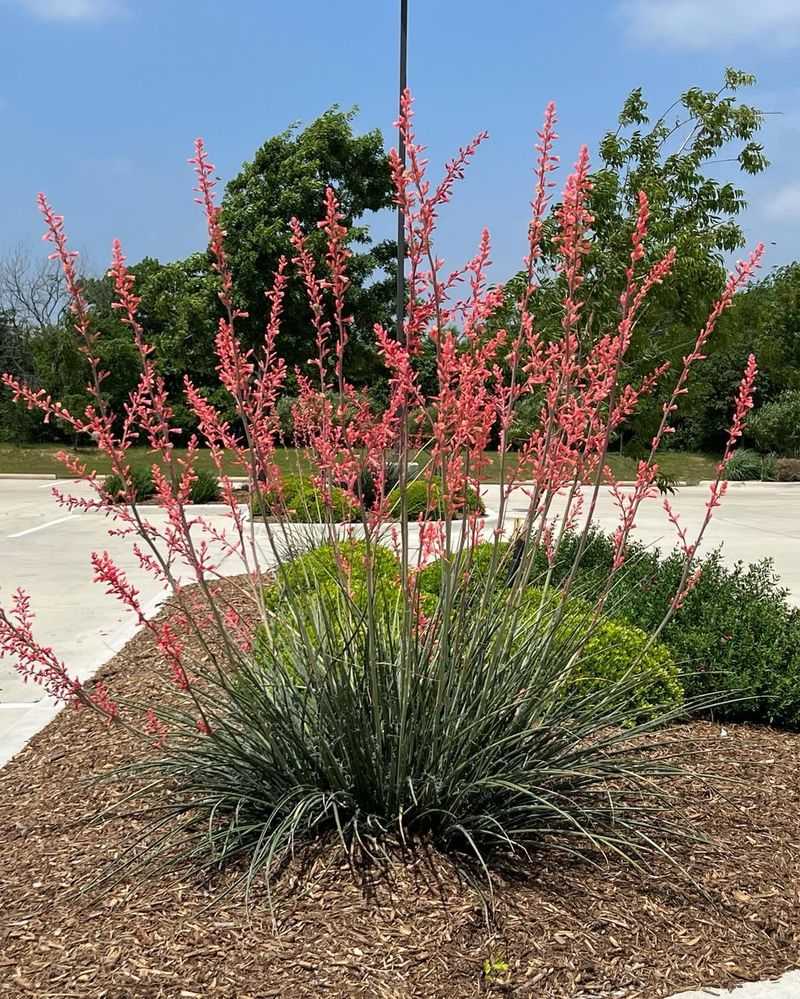
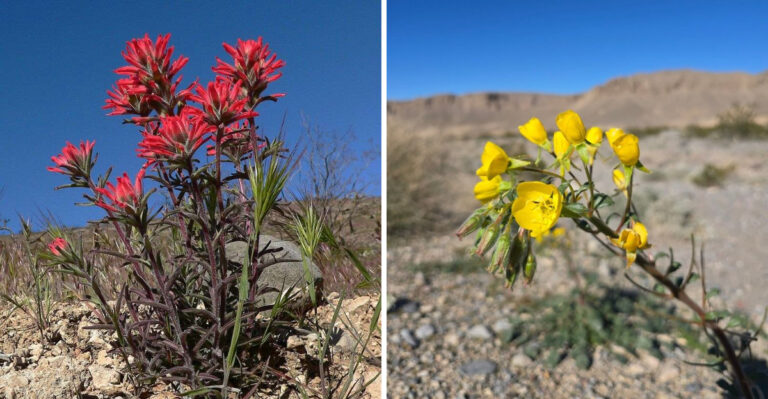
Coral-colored blooms rise like fireworks above grass-like foliage. Red yucca surprises people with its name since it belongs to a different plant family entirely, but the stunning flower display needs no explanation.
Tall spikes covered in tubular blossoms appear from spring through summer, and rabbits show zero interest in the tough, fibrous leaves below.
Hummingbirds treat red yucca like their personal fuel station. The nectar-rich flowers provide energy for these tiny birds throughout their feeding season.
Watching hummingbirds dart between blooms adds entertainment value to any Arizona garden. Meanwhile, the spiky leaf texture keeps rabbits from even attempting a taste.
Adaptability across Arizona’s varied climates makes red yucca incredibly reliable. It handles both low and high desert conditions, tolerating cold snaps better than many succulents.
The evergreen foliage maintains interest year-round, with flower stalks reaching four feet tall when conditions suit the plant perfectly.
Group plantings create flowing lines in landscape beds. The fountain-like growth habit works beautifully along walkways or as border plants.
Combine red yucca with other drought-tolerant perennials for layered texture and extended bloom times. Maintenance stays minimal with occasional removal of spent flower stalks and trimming of damaged leaves.
Arizona homeowners gain months of vibrant color without worrying about rabbit damage to this tough, beautiful perennial.
Its thick roots store moisture, allowing it to sail through long dry stretches without stress. Even reflected heat from gravel or walls does not slow its performance.
Over time, clumps slowly expand, creating an even stronger visual impact in the landscape.
5. Desert Marigold Brings Bright Blooms With Minimal Damage
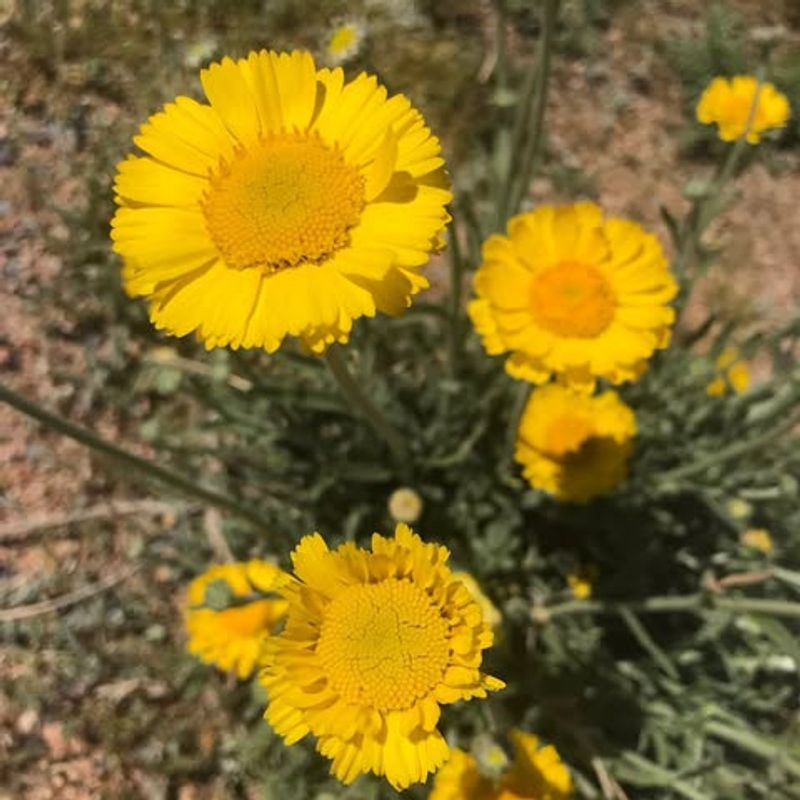
Golden petals shine like miniature suns across the garden. Desert marigold blooms nearly year-round in Arizona’s mild winters, with peak flowering from fall through spring.
The cheerful yellow flowers measure about an inch across and appear in such abundance that they nearly hide the foliage.
Rabbits occasionally nibble young plants but generally leave established desert marigolds alone, especially when other food sources are available.
Reseeding happens naturally, allowing these short-lived perennials to maintain themselves. Seeds drop near the parent plant, germinating with fall rains to create expanding patches over time.
This self-sufficient nature means less work for gardeners while providing reliable color throughout Arizona landscapes. The slightly fuzzy leaves and stems contribute to rabbit resistance.
Wildflower mixes often include desert marigold seeds for good reason. It establishes quickly, tolerates poor soil, and blooms enthusiastically with minimal care.
Once plants mature, they handle drought remarkably well, though occasional watering extends the flowering season. The compact size keeps plants under a foot tall, perfect for front borders or filling gaps between larger specimens.
Pollinator support comes naturally with desert marigold plantings. Native bees visit constantly, along with various beneficial insects.
Scatter seeds in fall across bare spots in your Arizona yard, water lightly until sprouting occurs, then watch these cheerful flowers take over the work of brightening your landscape while rabbits focus their attention elsewhere.
Deadheading is not required, but removing spent blooms can keep plants looking tidier. Excellent drainage helps prevent crown issues during cooler, wetter stretches.
In gravel gardens, desert marigold blends effortlessly with stone and other drought-adapted natives for a natural desert look.
6. Texas Sage Offers Silvery Foliage Rabbits Avoid
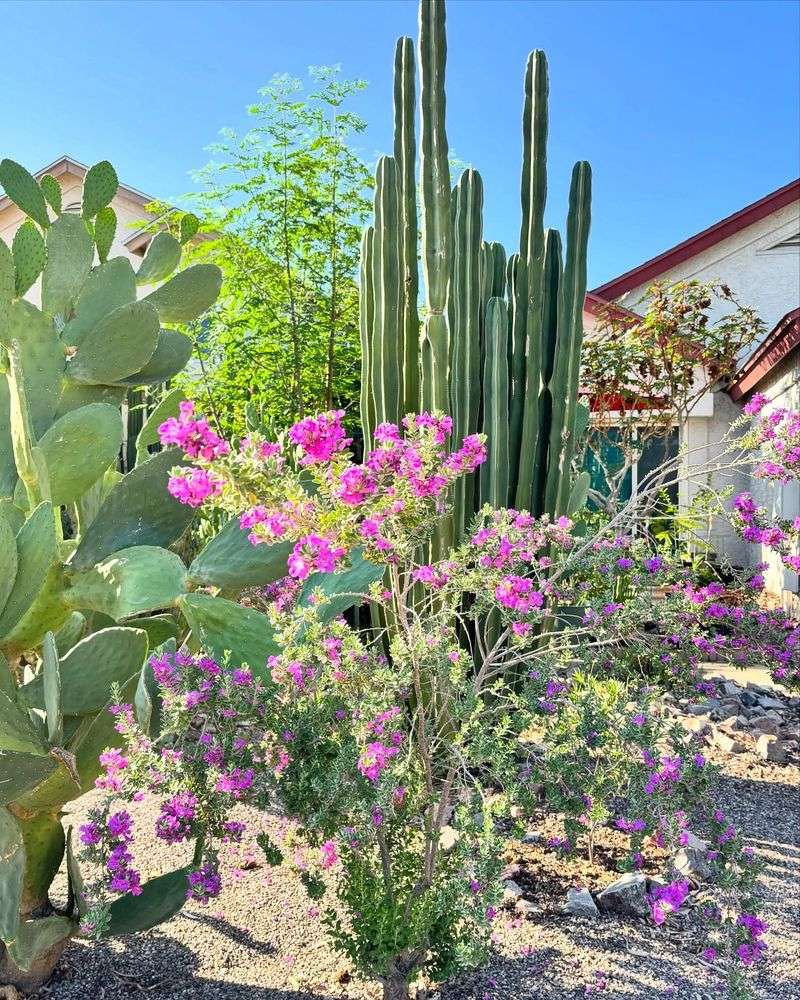
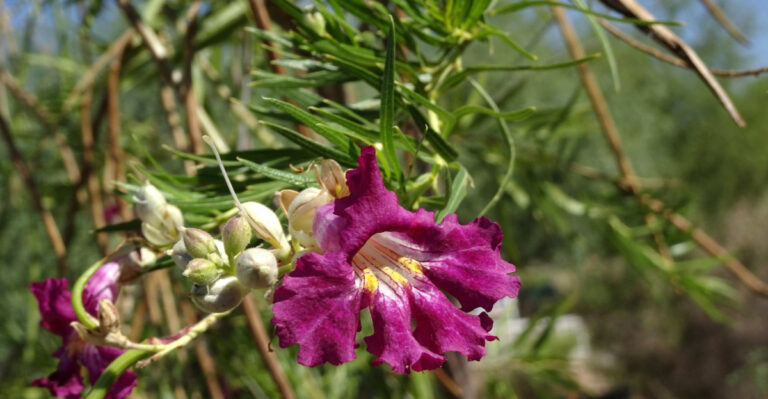
Purple blooms appear like magic after summer monsoon storms roll through Arizona. Texas sage responds to humidity changes in the atmosphere, often flowering before rain actually arrives.
This weather-predicting ability earned it the nickname “barometer bush” among long-time desert residents. The fuzzy, silver-gray leaves remain untouched by rabbits thanks to their woolly texture and aromatic oils.
Several cultivars provide options for different color preferences. Traditional varieties display vibrant purple flowers, while newer selections offer pink, white, or deep magenta blooms.
All share the same rabbit-resistant qualities and drought tolerance that make Texas sage a landscape staple throughout Arizona. The evergreen foliage maintains year-round structure even between flowering cycles.
Formal hedges or informal groupings both work beautifully with this versatile shrub. Mature plants reach four to six feet tall with similar spread, creating substantial presence in the landscape.
The silvery foliage contrasts wonderfully against darker green plants or warm-toned hardscaping. Pruning after flowering keeps plants compact and encourages bushier growth.
Heat reflection from the pale leaves helps keep surrounding areas slightly cooler. This makes Texas sage valuable near patios or sitting areas where every degree matters during Arizona summers.
Established plants need supplemental water only during extended dry periods. Your backyard gains a reliable performer that signals weather changes, attracts pollinators, and stays completely safe from rabbit browsing damage year after year.
7. Globe Mallow Grows Strong In Tough Desert Conditions
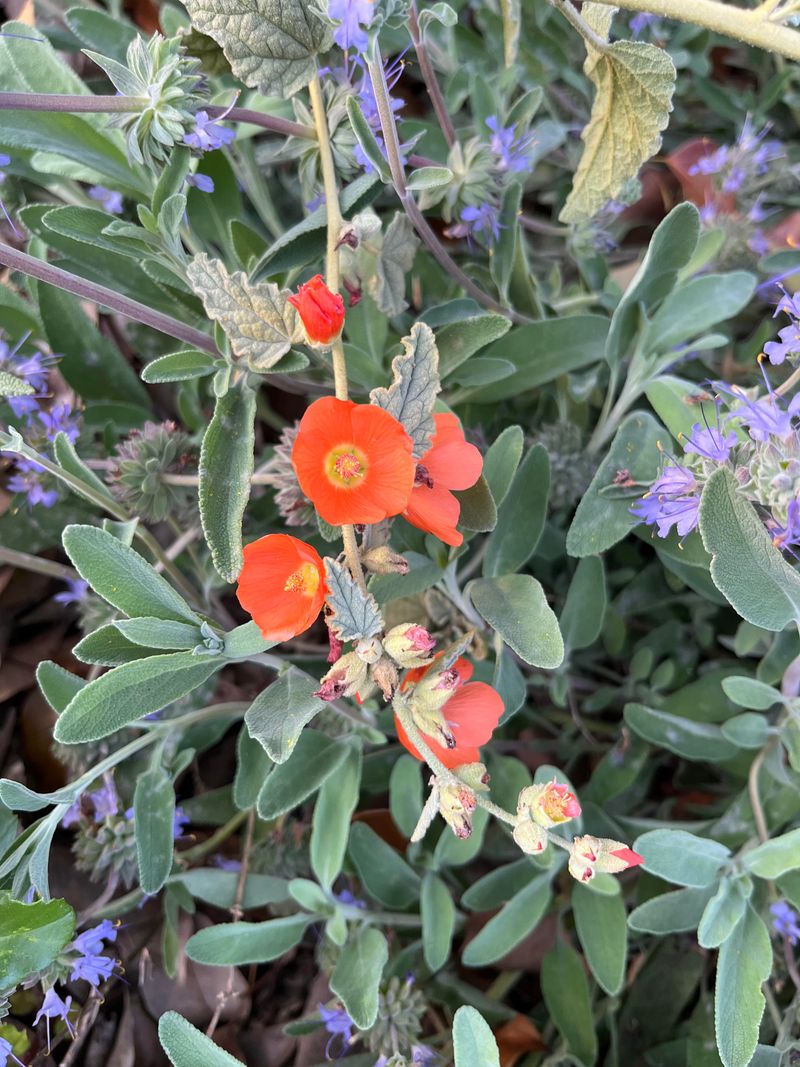
Orange and coral flowers dance on wiry stems throughout spring. Globe mallow grows wild across Arizona’s open spaces, thriving in conditions that challenge most garden plants.
The cup-shaped blooms attract native bees in impressive numbers, creating constant motion and sound in the garden. Rabbits avoid the fuzzy, gray-green foliage that feels rough and unpleasant compared to tender garden vegetables.
Native plant enthusiasts champion globe mallow for its low water requirements and wildlife value. Once established, it survives entirely on natural rainfall in many Arizona locations.
The plant goes dormant during extreme heat or drought, then rebounds quickly when conditions improve. This survival strategy evolved over millennia in harsh desert environments.
Informal garden styles suit globe mallow better than formal designs. The somewhat sprawling growth habit and casual flowering pattern create a naturalistic look that blends beautifully with other native plants.
Height varies from one to three feet depending on growing conditions and available moisture. Cut plants back hard in late winter to encourage fresh, compact growth.
Roadside plantings across Arizona demonstrate this plant’s toughness and adaptability. It handles reflected heat, poor soil, and neglect while still producing cheerful blooms.
Add globe mallow to areas where other plants struggle, or incorporate it into native plant gardens for authentic desert character.
Rabbits consistently leave it alone, and your Arizona landscape gains a resilient wildflower that performs reliably year after year with practically zero maintenance required.
Silver-gray foliage provides subtle contrast even when flowers fade. Excellent drainage keeps roots healthy through monsoon season.
Seeds often reseed naturally, filling gaps with new plants each spring.
8. Damianita Stays Bright And Largely Undisturbed
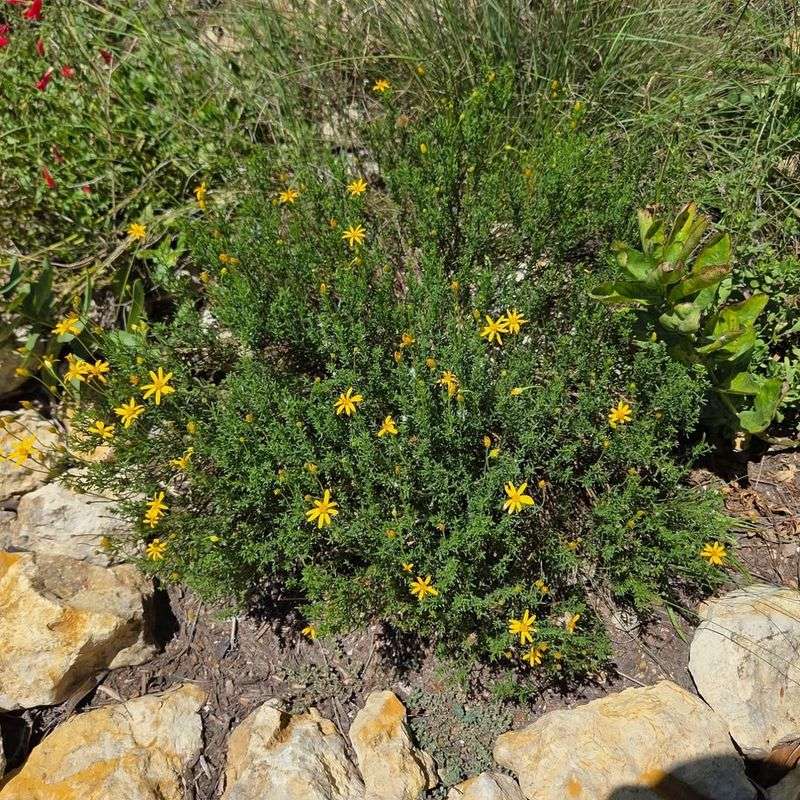
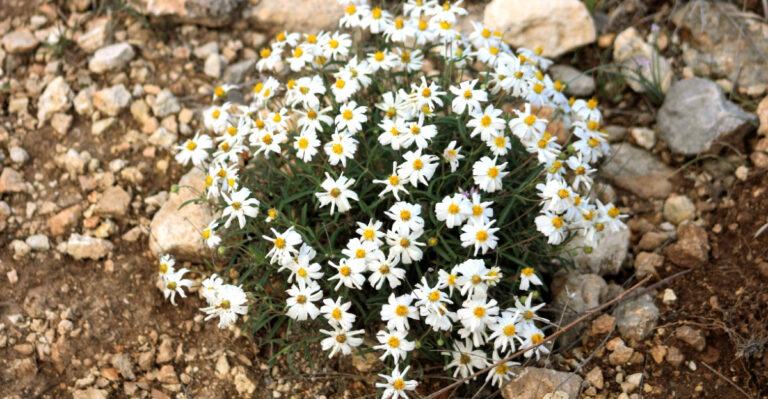
Tiny yellow flowers cover this compact plant like golden stars. Damianita blooms heaviest in spring and fall, with scattered flowers appearing throughout summer in Arizona gardens.
The fine, needle-like foliage releases a pleasant fragrance when brushed, but rabbits find the texture and aromatic oils unappealing. This small evergreen shrub packs serious visual impact despite its modest size.
Neat, rounded form makes damianita perfect for edging pathways or defining garden borders. Plants typically stay under eighteen inches tall and wide, creating tidy mounds that require almost no shaping.
The bright green foliage provides year-round color, with flower displays adding extra punch during peak blooming periods. Spacing plants about two feet apart creates a continuous low hedge effect.
Rocky or sandy soils suit damianita perfectly throughout Arizona. It actually prefers lean growing conditions over rich, amended soil.
Overwatering causes more problems than drought once roots establish themselves. This plant evolved in limestone hills where drainage stays sharp and nutrients run scarce, making it ideal for challenging garden spots.
Pollinator activity increases noticeably around blooming damianita plants. Small native bees and beneficial insects visit constantly, contributing to overall garden health.
Combine damianita with taller perennials and shrubs for layered planting beds, or use it alone for simple, elegant groundcover.
Full sun keeps growth compact and flowering strong. Light trimming after a heavy bloom cycle encourages a fresh flush of color.
Winter cold rarely affects established plants in lower desert regions. After planting, allow soil to dry between waterings to keep roots healthy and compact.
9. Extra Ways To Keep Rabbits Out Of Arizona Yards
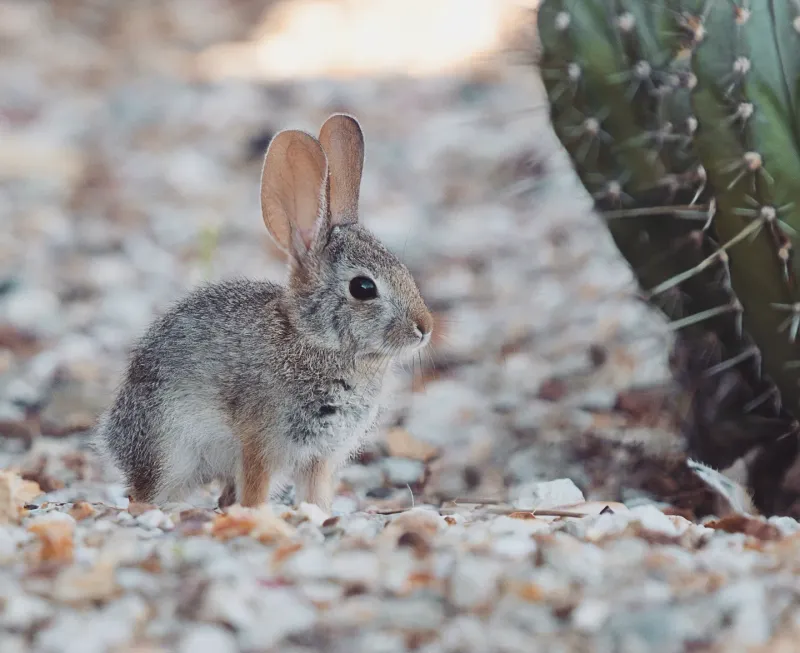
Rabbits are part of everyday life in Arizona, especially near open desert and natural washes. While tough textures and strong scents help reduce browsing, limiting access makes the biggest difference over time.
Low fencing made from hardware cloth or welded wire, buried a few inches underground, prevents digging and blocks common entry points. Sealing gaps under gates is equally important, since rabbits can squeeze through surprisingly small openings.
Remove brush piles, stacked lumber, and dense ground-level cover where rabbits rest during the day. Open sight lines make yards feel less secure to them.
Motion-activated sprinklers can interrupt feeding patterns and discourage repeat visits.
Avoid leaving pet food outside overnight, and clean up fallen fruit quickly. Trim back overgrown edges along walls and fences where rabbits travel unnoticed.
Reducing shade pockets near boundaries also limits comfortable hiding areas during hot afternoons.
When entry points, shelter, and easy food sources are reduced, rabbit activity typically declines and yards remain far less disturbed throughout the year.