12 Plants That Help Keep Air Clean While You Sleep In Ohio Homes
Night falls across Ohio homes, and bedrooms become sanctuaries.
Fresh air matters more than most people think, since stale rooms steal rest and clarity.
Certain plants pull their weight after lights go out, quiet partners that refresh space while you drift into dreams.
Leaves work like silent filters, that cut odors and add calm without fuss.
In winter, sealed windows trap dust and stress; in summer, heat lingers long after sunset.
A well chosen plant can tip the balance back toward comfort.
Each choice suits Midwest light, dry heat, and busy schedules.
Expect hardy favorites with style to spare, from upright greens to soft cascade forms.
Place one near the bed, add another by the door, and wake to a room that feels lighter.
Small choices pay off, and rest starts with what grows nearby inside.
1. Snake Plant
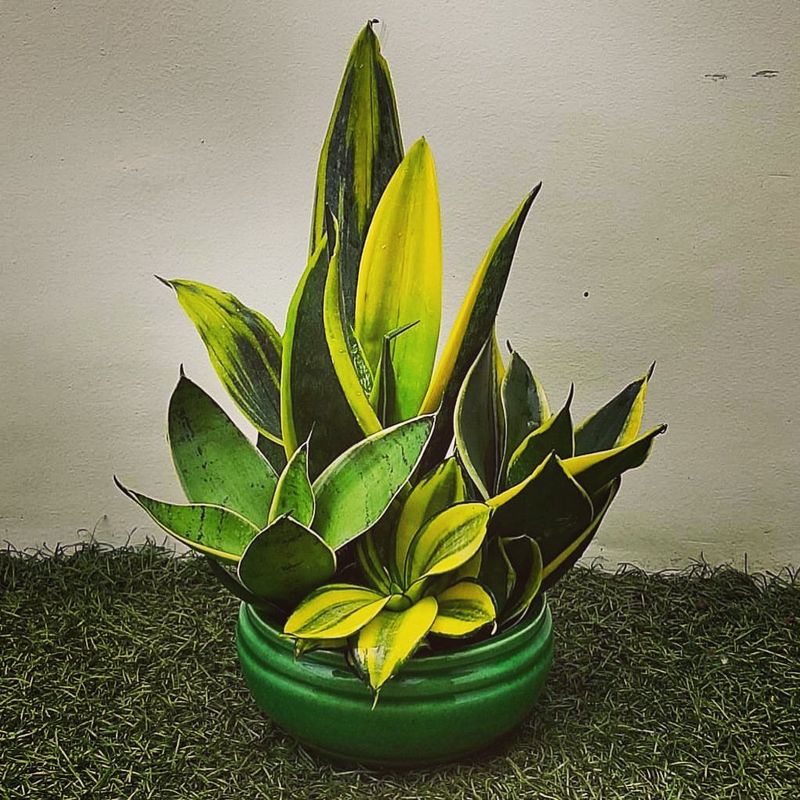
Few plants work as hard at night as this striped wonder does for your bedroom air.
Snake plants release oxygen after dark, making them perfect companions for your sleeping hours.
Most plants stop producing oxygen when the sun goes down, but this one keeps going strong.
Your Ohio bedroom will benefit from the constant air filtration this plant provides, removing formaldehyde and benzene from the air around you.
These chemicals often come from furniture, carpets, and cleaning products common in Midwest homes.
Care requirements are minimal, which means even busy families can enjoy cleaner air without extra work.
Water your snake plant only when the soil feels completely dry, usually every two to three weeks during Ohio winters.
Bright indirect light works best, but these tough plants can handle low-light corners too.
Temperature fluctuations common in Ohio homes during seasonal changes do not bother snake plants at all.
Their upright growth pattern takes up little floor space, making them ideal for smaller bedrooms.
Studies show that having just one snake plant in a bedroom can improve air quality noticeably within weeks.
2. Spider Plant
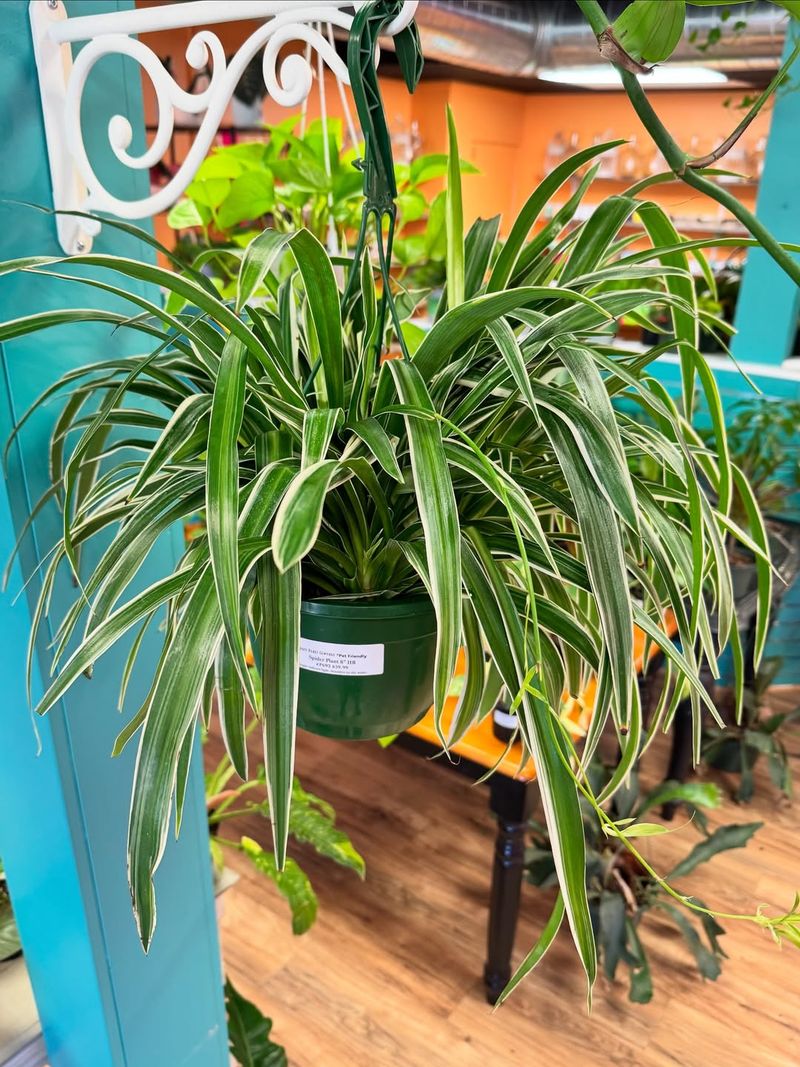
Arching leaves cascade gracefully from hanging baskets, creating a living air filter above your head.
Spider plants excel at removing carbon monoxide and xylene, two pollutants that can build up in tightly sealed Ohio homes during winter.
Gas furnaces and attached garages often introduce carbon monoxide into living spaces without anyone noticing.
This cheerful plant tackles the problem naturally while you rest.
Baby plantlets, called spiderettes, dangle from mature plants on long stems, giving you free plants to share with friends or place in other rooms.
Moderate watering keeps spider plants happy, about once a week during heating season when indoor air dries out.
Brown leaf tips sometimes appear when Ohio tap water contains too much fluoride, but switching to filtered water solves this issue quickly.
Room temperatures between 60 and 75 degrees suit spider plants perfectly, matching typical Ohio bedroom conditions.
Bright to medium indirect light helps them thrive, though they tolerate lower light better than many houseplants.
Their fast growth rate means you will notice new leaves appearing regularly, a sign your air-cleaning crew is expanding.
3. Peace Lily
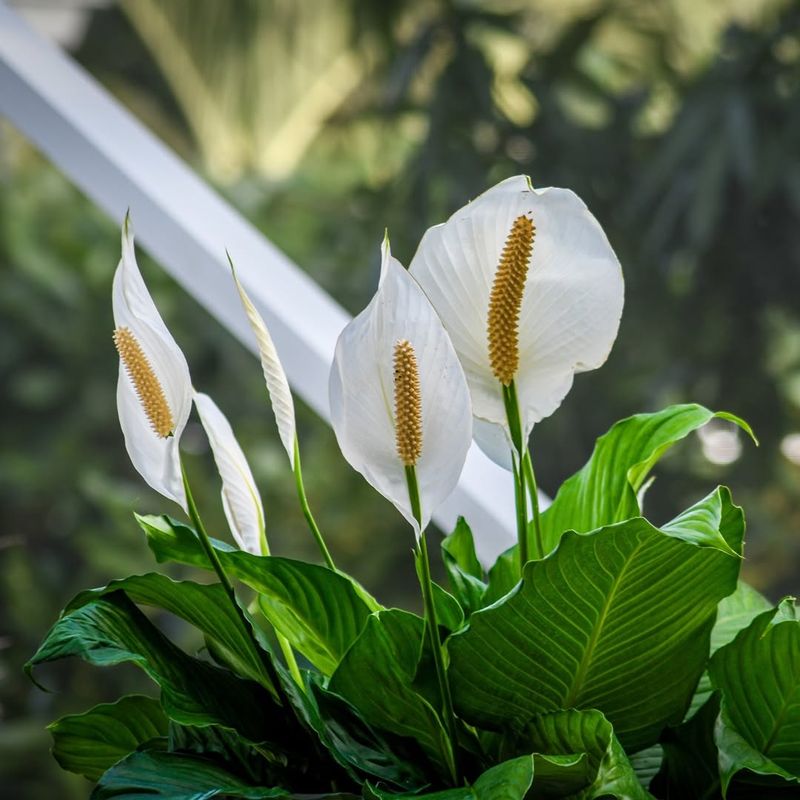
Elegant white blooms rise above glossy dark leaves, bringing beauty and cleaner air to your sleeping space.
Peace lilies ranked high in NASA studies for removing ammonia, benzene, and trichloroethylene from indoor environments.
These chemicals often come from household cleaners, paints, and personal care products stored in Ohio homes.
Your bedroom becomes a safer space when this plant works through the night filtering these toxins.
The plant actually tells you when it needs water by drooping slightly, then perks up within hours after a good drink.
This communication makes care simple even for people who forget about their plants sometimes.
Low to medium light suits peace lilies well, perfect for bedrooms without bright windows.
Weekly watering usually keeps them happy, though dry Ohio winter air might require slightly more frequent attention.
Humidity levels in heated homes can drop very low, so occasional misting helps peace lilies look their best.
Room temperatures comfortable for sleeping work perfectly for these tropical natives.
Their ability to bloom indoors adds a decorative bonus to their air-cleaning powers.
4. Aloe Vera
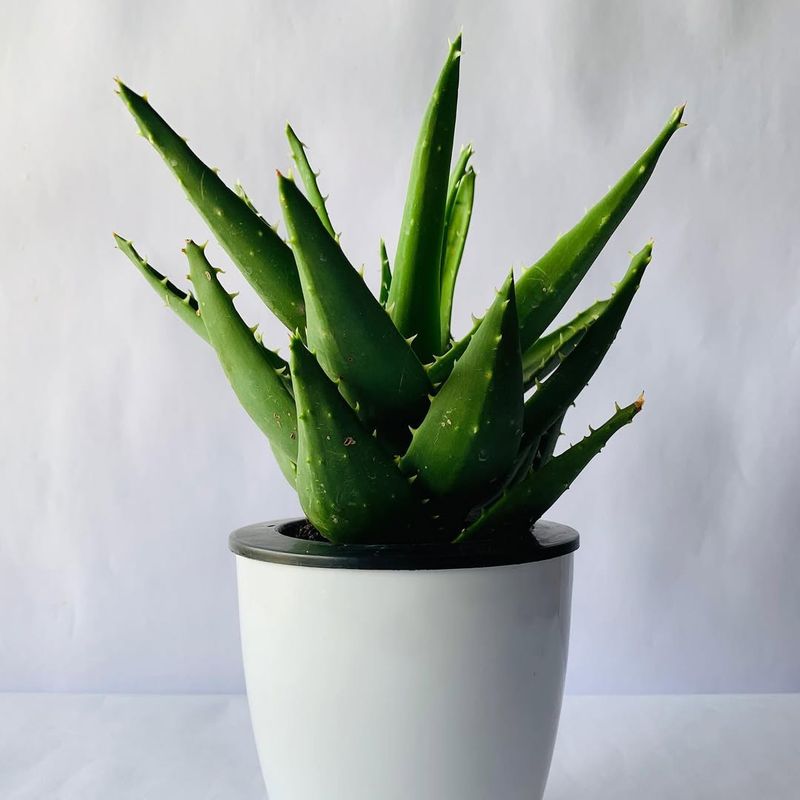
Thick, fleshy leaves store water and work overtime removing formaldehyde from your bedroom air.
Aloe vera thrives on neglect, making it perfect for Ohio residents with busy schedules or those new to houseplants.
This desert native actually prefers the dry air created by forced-air heating systems common throughout the state.
Formaldehyde often hides in pressed wood furniture, flooring, and insulation materials used in Ohio construction.
Your aloe plant quietly filters this chemical while you sleep, improving your breathing environment hour by hour.
Bright light from a bedroom window keeps aloe vera compact and healthy.
Water deeply but infrequently, allowing the soil to dry completely between waterings.
During Ohio winters, you might water only once every three weeks
The gel inside broken leaves soothes minor burns and skin irritations, giving you a natural first-aid station right in your bedroom.
Small offsets, called pups, grow around the base of mature plants, providing new plants for other rooms.
Temperature tolerance is excellent, handling the cool nighttime temperatures many Ohio residents prefer for sleeping.
5. Boston Fern
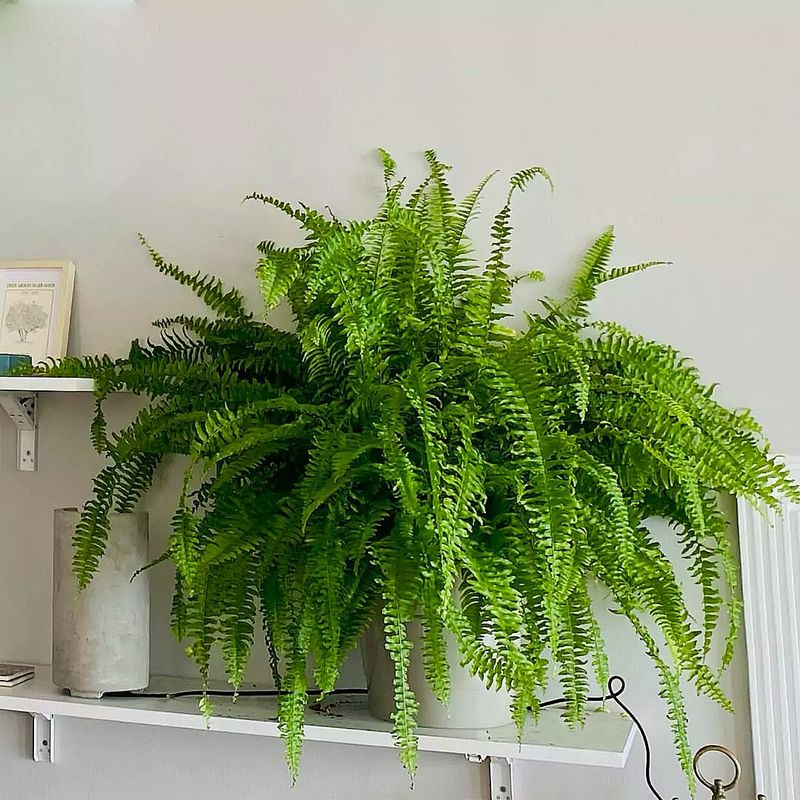
Delicate fronds create a lush curtain of green while adding moisture to dry Ohio bedroom air.
Boston ferns rank among the best plants for removing formaldehyde and increasing humidity naturally.
Winter heating systems can drop indoor humidity below 20 percent, leading to dry skin, irritated throats, and restless sleep.
A healthy Boston fern releases moisture through its many leaves, bringing humidity levels back to comfortable ranges.
This natural humidification benefits everyone sleeping in the room, especially during harsh Ohio winters.
These ferns prefer consistently moist soil, not soggy but never bone dry.
Check the soil every few days and water when the top inch feels dry to your touch.
Bright indirect light works best, though they tolerate medium light reasonably well.
Bathroom or bedroom locations with north or east-facing windows create ideal conditions.
Cool room temperatures suit Boston ferns perfectly, matching the comfortable sleeping temperatures most people prefer.
Their air-cleaning abilities combine with their humidity benefits, making them double-duty bedroom plants.
Regular misting or placing the pot on a pebble tray with water helps maintain the humidity these ferns love.
6. English Ivy

Trailing vines covered in small leaves work remarkably well at filtering airborne mold spores from your sleeping space.
Research shows English ivy can reduce airborne mold particles by up to 94 percent within just twelve hours.
Ohio homes, especially older ones with basements, often struggle with mold issues during humid summer months and damp spring seasons.
Placing this plant in your bedroom helps protect your respiratory system while you sleep.
The vines grow quickly, creating more leaf surface area to clean your air as the plant matures.
You can train English ivy to climb a small trellis or allow it to cascade from a hanging basket or shelf.
Moderate watering keeps the soil evenly moist but not waterlogged.
Cool temperatures between 50 and 70 degrees suit English ivy best, making unheated bedrooms or those kept cool for sleeping ideal locations.
Bright indirect light encourages healthy growth, though these adaptable plants handle medium light conditions too.
Pinching back the growing tips creates fuller, bushier plants with more air-cleaning capacity.
Their classic appearance fits any bedroom style, from modern to traditional.
7. Rubber Plant
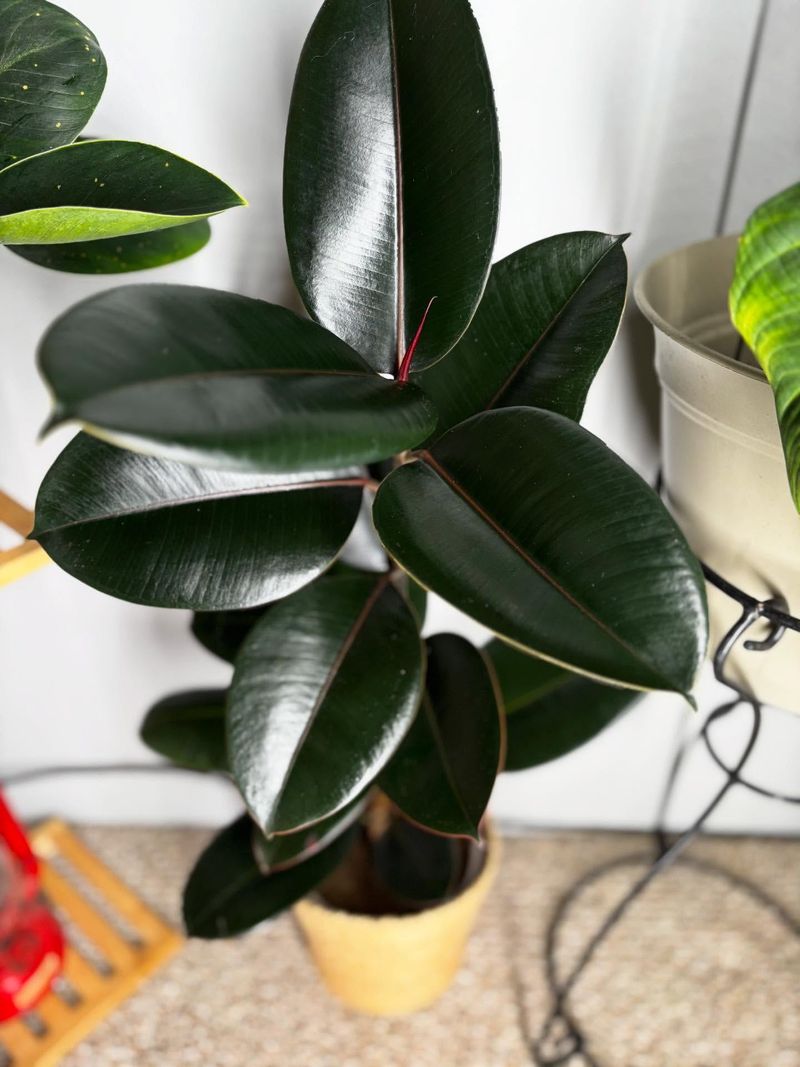
Large, glossy leaves capture and process significant amounts of airborne toxins throughout the night.
Rubber plants excel at removing formaldehyde, one of the most common indoor air pollutants in Ohio homes.
Their substantial leaf surface area means one rubber plant can clean as much air as several smaller plants combined.
Burgundy or variegated varieties add visual interest while performing the same air-cleaning duties as solid green types.
These plants grow steadily, reaching several feet tall over time, creating a dramatic focal point in larger bedrooms.
Wiping the leaves monthly with a damp cloth removes dust and helps the plant breathe better, improving its air-filtering efficiency.
Water when the top inch of soil feels dry, usually once a week during Ohio winters.
Rubber plants prefer bright indirect light but adapt to medium light situations without complaint.
Room temperatures comfortable for sleeping suit these tropical natives perfectly.
Their upright growth habit means they take up minimal floor space despite their impressive height.
Stable conditions work best, so avoid placing rubber plants near heating vents or drafty windows common in older Ohio homes.
8. Bamboo Palm
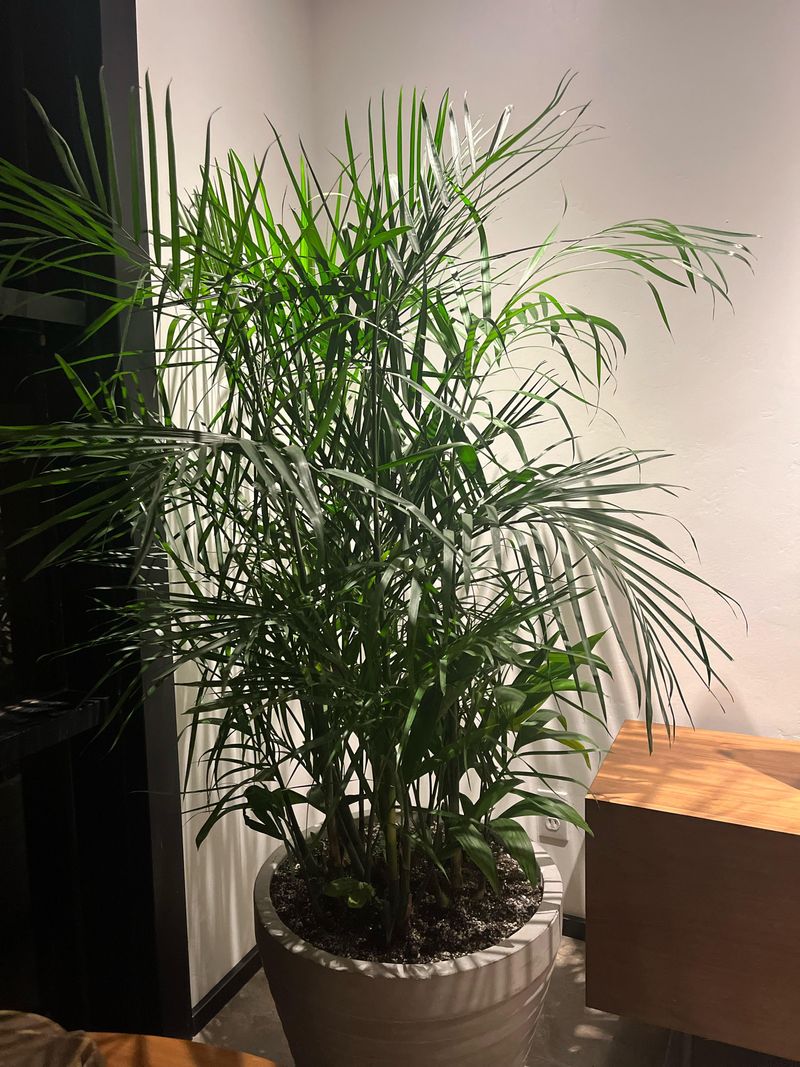
Graceful fronds sway gently in bedroom air currents while filtering benzene and trichloroethylene from your breathing space.
Bamboo palms ranked among the top air-purifying plants in NASA research, making them excellent bedroom companions.
These pollutants often come from furniture finishes, adhesives, and synthetic fabrics common in modern Ohio homes.
Your bamboo palm works continuously, removing these chemicals and releasing fresh oxygen.
The plant also adds moisture to dry indoor air, helping combat the effects of forced-air heating systems.
Bright indirect light keeps bamboo palms healthy, though they tolerate lower light better than many palm varieties.
Keep the soil consistently moist but not soggy, checking every few days during heating season.
Brown leaf tips sometimes appear when humidity drops too low, easily fixed by occasional misting or a nearby humidifier.
Room temperatures between 65 and 75 degrees work perfectly, matching comfortable sleeping conditions.
Multiple stems create a fuller appearance, giving you more air-cleaning leaf surface in a single pot.
Their tropical appearance brings a vacation-like feel to Ohio bedrooms during long winter months.
9. Dracaena
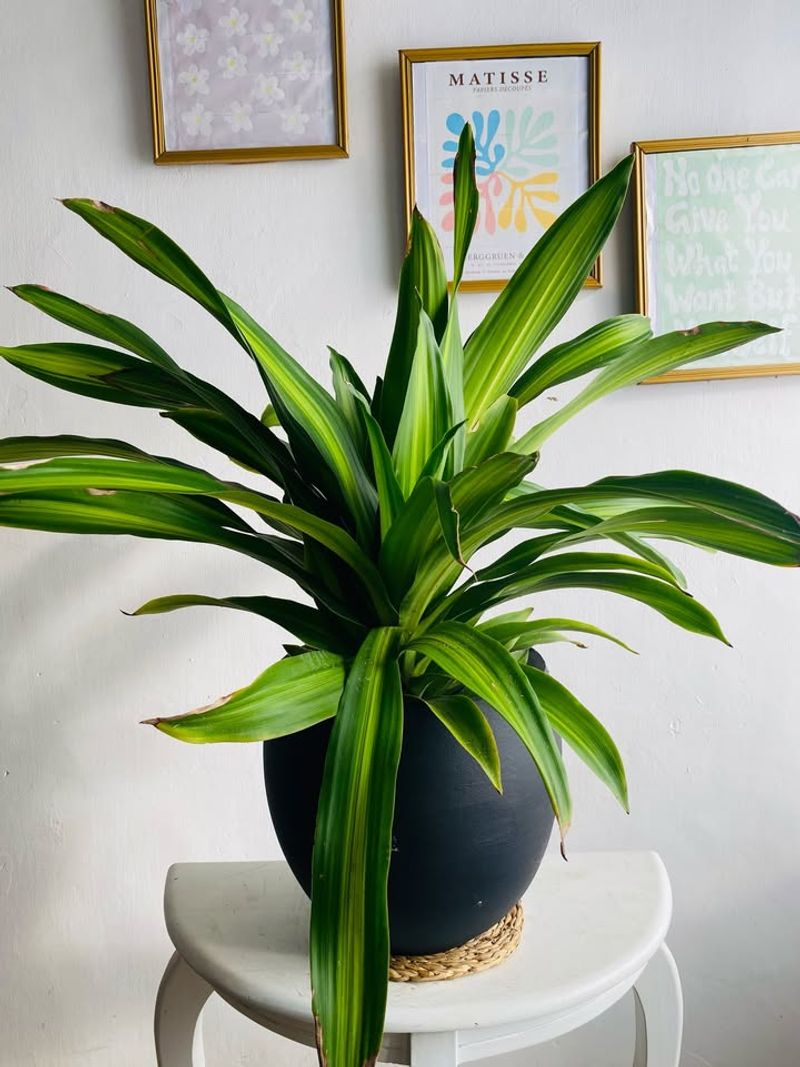
Sword-shaped leaves rise dramatically from central stems, creating architectural interest while cleaning bedroom air.
Several dracaena varieties work well indoors, including marginata, fragrans, and warneckii, all effective at removing multiple toxins.
These plants filter xylene, trichloroethylene, and formaldehyde, chemicals frequently found in Ohio homes from various sources.
Paints, varnishes, and even permanent press fabrics release these pollutants slowly over time.
Your dracaena captures and processes them, making your sleeping environment healthier night after night.
Low to medium light suits most dracaena varieties, perfect for bedrooms without bright windows.
Water when the top inch of soil dries out, usually every week to ten days during winter months.
These plants grow slowly but steadily, eventually reaching impressive heights without requiring much floor space.
Their narrow profile fits well in corners or alongside furniture where wider plants would not work.
Variegated types with cream, yellow, or red striping add color to bedrooms while performing air-cleaning duties.
Ohio tap water sometimes contains fluoride that causes brown leaf tips, so filtered water works better for sensitive varieties.
Temperature tolerance is excellent, handling the fluctuations common in homes throughout the seasons.
10. Pothos
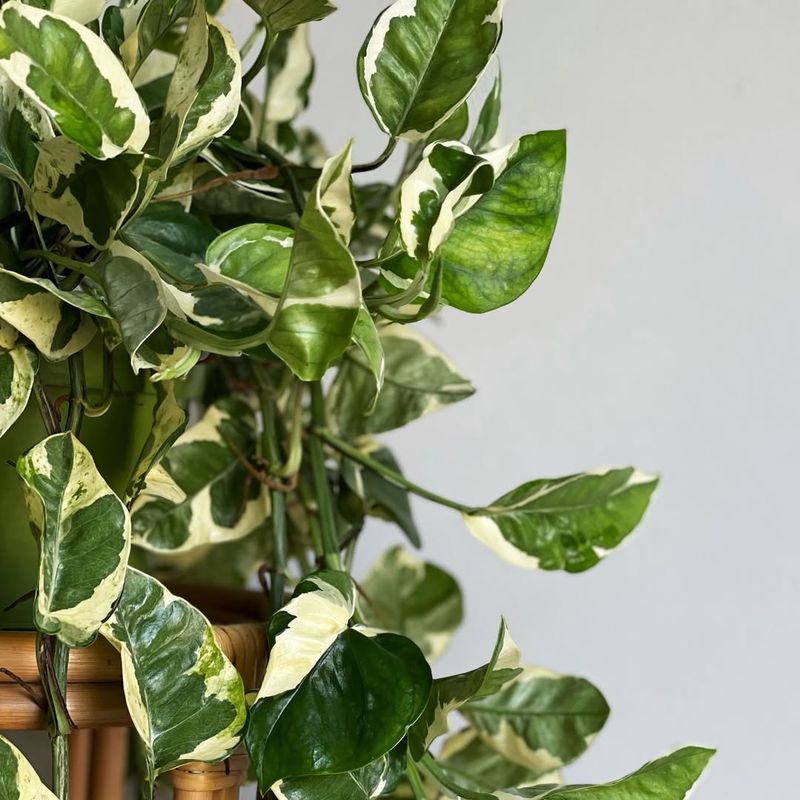
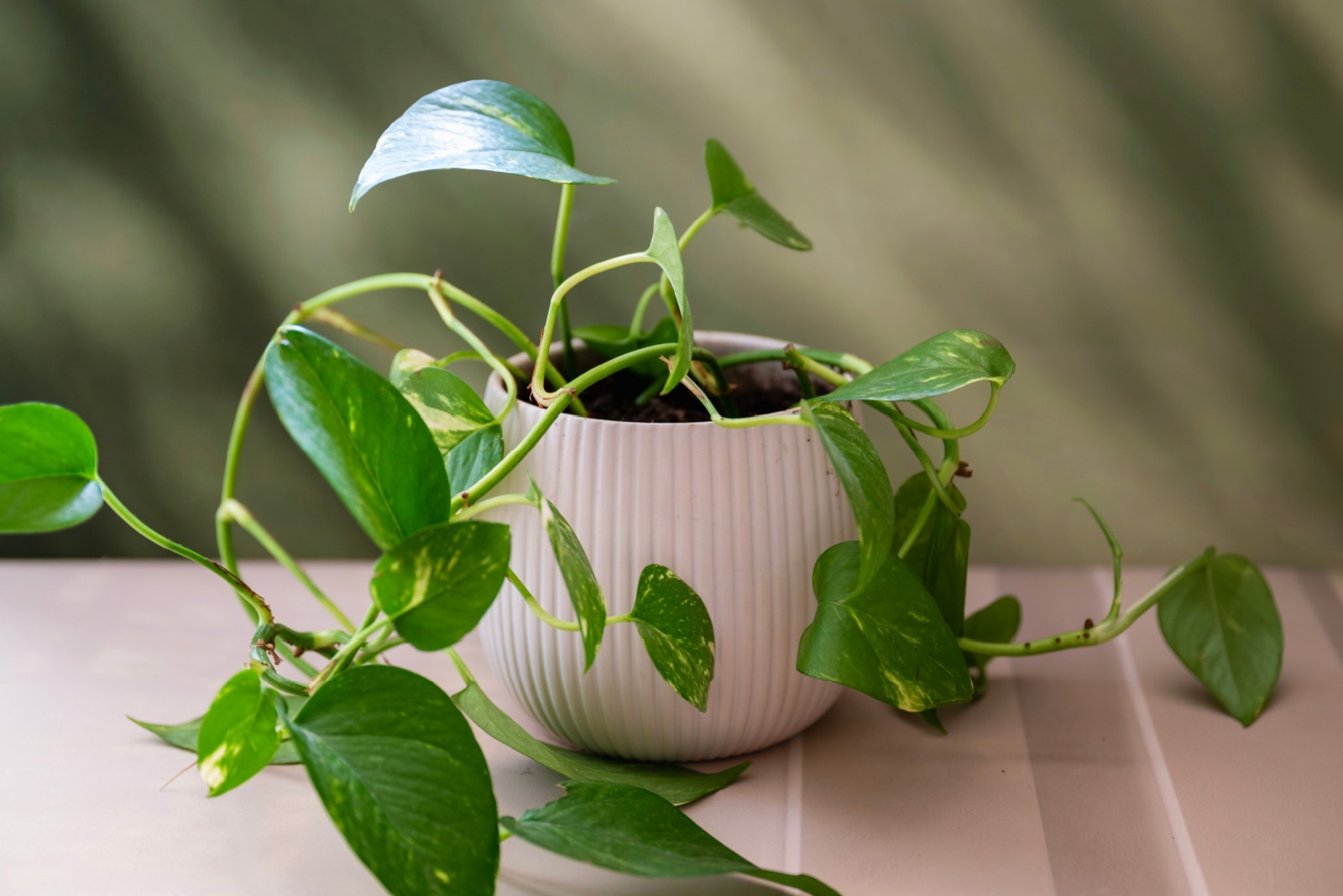
Heart-shaped leaves on trailing vines create a cheerful cascade while removing formaldehyde, benzene, and xylene from bedroom air.
Pothos ranks among the easiest houseplants to grow, making it perfect for Ohio residents just starting their indoor plant collection.
This tough plant tolerates neglect, low light, and irregular watering better than almost any other air-purifying variety.
The vines can grow quite long, creating impressive displays that clean more air as they expand.
You can trim them back anytime to maintain your preferred length, and the cuttings root easily in water for new plants.
Golden pothos features yellow variegation, while marble queen shows white patterns, both cleaning air equally well.
Water when the soil feels dry an inch below the surface, typically once a week during Ohio winters.
Low to bright indirect light all work fine, though brighter light intensifies the variegation patterns.
Room temperatures comfortable for sleeping suit pothos perfectly.
These plants actually grow faster in less-than-ideal conditions than many fussier varieties do with perfect care.
Their adaptability makes them reliable air cleaners regardless of your experience level or bedroom conditions.
11. Gerbera Daisy
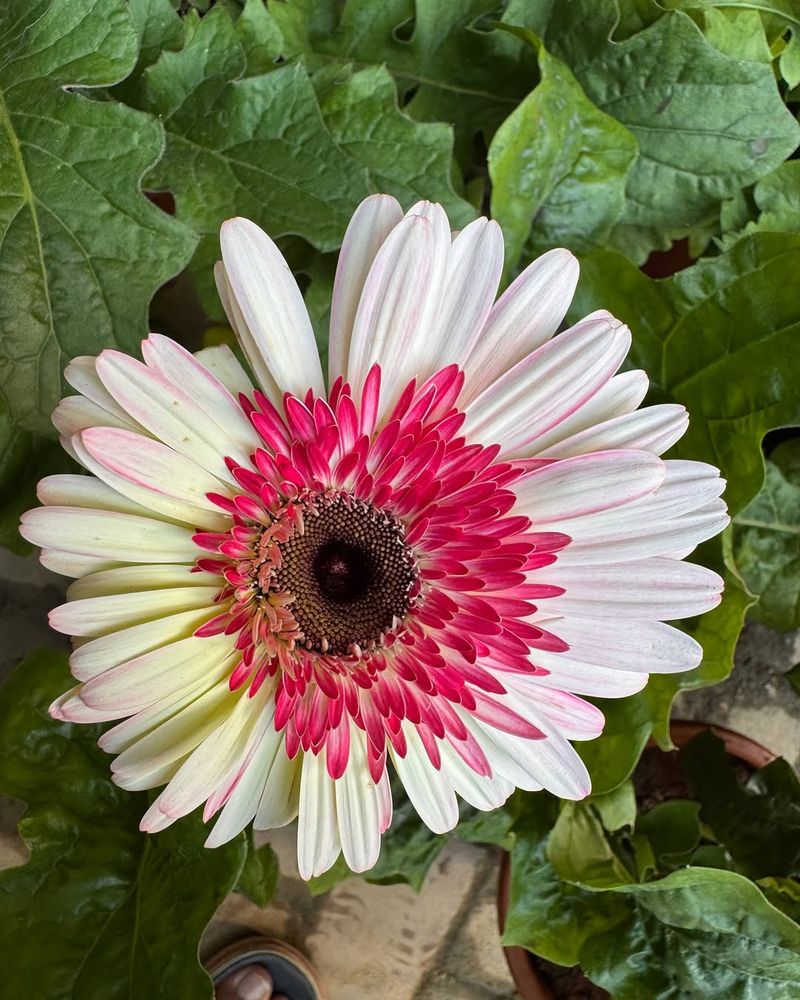
Cheerful blooms in vibrant colors brighten bedrooms while releasing oxygen throughout the night hours.
Gerbera daisies work similarly to snake plants, continuing their air-cleaning activities after sunset when most plants stop.
This nighttime oxygen production makes them especially valuable for bedroom placement in Ohio homes.
The flowers come in nearly every color imaginable, allowing you to match your bedroom decor while improving air quality.
Beyond oxygen production, these plants filter benzene from the air, a chemical often present in homes from attached garages and stored products.
Bright light from a south or west-facing window keeps gerbera daisies blooming and healthy.
They need more light than many other bedroom plants, so consider your window situation before adding one.
Keep the soil evenly moist but ensure good drainage, as soggy roots cause problems quickly.
Cool nighttime temperatures actually encourage better blooming, making Ohio bedrooms kept cool for sleeping ideal locations.
Remove spent flowers regularly to encourage continuous blooming throughout the growing season.
Their combination of beauty and air-cleaning power makes them worth the slightly higher maintenance they require compared to other bedroom plants.
12. Chrysanthemum

Abundant blooms in fall colors bring seasonal beauty while ranking among the most effective air-purifying plants available.
NASA research found chrysanthemums excel at removing ammonia, benzene, formaldehyde, and xylene from indoor air.
This impressive range of filtered pollutants makes them valuable additions to Ohio bedrooms, especially during seasons when windows stay closed.
The plants bloom for several weeks, providing both visual appeal and superior air cleaning during their flowering period.
Bright light is essential for healthy chrysanthemums and continued blooming, so place them near sunny bedroom windows.
Water regularly to keep soil moist, as these plants need consistent moisture while actively growing and blooming.
Cool room temperatures between 60 and 70 degrees help blooms last longer, matching comfortable sleeping conditions.
After blooming finishes, you can plant chrysanthemums outdoors in Ohio gardens where they often return the following year.
This gives you seasonal air cleaning indoors followed by outdoor beauty, maximizing your investment.
Many Ohio garden centers stock chrysanthemums in late summer and fall, making them easy to find locally.
Their powerful air-cleaning abilities during bloom time make them worth rotating into bedrooms seasonally even if you prefer other plants year-round.