8 Plants That Make Ohio Front Yards Look Beautiful Year-Round
There’s something familiar about walking through an Ohio neighborhood in any season and noticing a yard that always looks cared for.
The neatly trimmed shrubs, blooming flowers, and greenery that lasts through winter create a sense of pride and welcoming warmth for homeowners and visitors alike.
Choosing the right combination of plants can transform a front yard into a space that remains visually appealing throughout spring, summer, fall, and even into the quiet of winter.
From evergreens to flowering perennials, selecting durable, low-maintenance plants helps maintain that curb appeal without overwhelming effort.
With a little planning and thoughtful selection, your front yard can shine year-round. Learn which plants consistently perform well in Ohio’s climate, provide seasonal interest, and keep your home looking inviting from one season to the next.
1. Boxwood Adding Classic Structure Year-Round
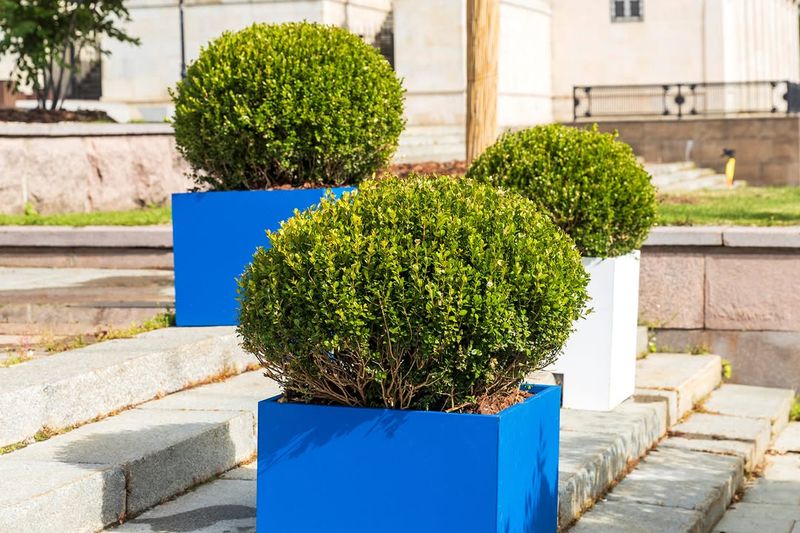
Few plants earn their place in the front yard quite like boxwood. Walk through almost any well-kept neighborhood in Ohio, and chances are you will spot these tidy, dark-green shrubs anchoring a front porch or framing a walkway.
There is something timeless and dependable about them that homeowners keep coming back to, season after season.
Boxwoods are evergreen, which means they usually retain their foliage even during Ohio’s coldest winter months, helping maintain structure and color in a front yard. While other plants go dormant or lose their leaves, boxwood stays full and green, giving your landscape a polished, well-maintained look without much effort.
They grow well in both full sun and partial shade, which makes them flexible for yards with different light conditions. Boxwoods also adapt to a range of soil types, though they prefer well-drained ground.
Planting them in soggy soil can cause root problems, so make sure water drains away from the base after heavy rain.
Pruning boxwood is easy and satisfying. You can shape them into neat spheres, low hedges, or natural mounded forms depending on the look you want.
Most people in Ohio trim them once or twice a year, usually in late spring and early fall. Slow-growing varieties like ‘Green Mountain’ or ‘Winter Gem’ are especially popular because they stay compact without needing constant cutting.
For a classic, structured front yard look in Ohio, boxwood is a reliable starting point.
2. Hydrangea With Big Show-Stopping Blooms
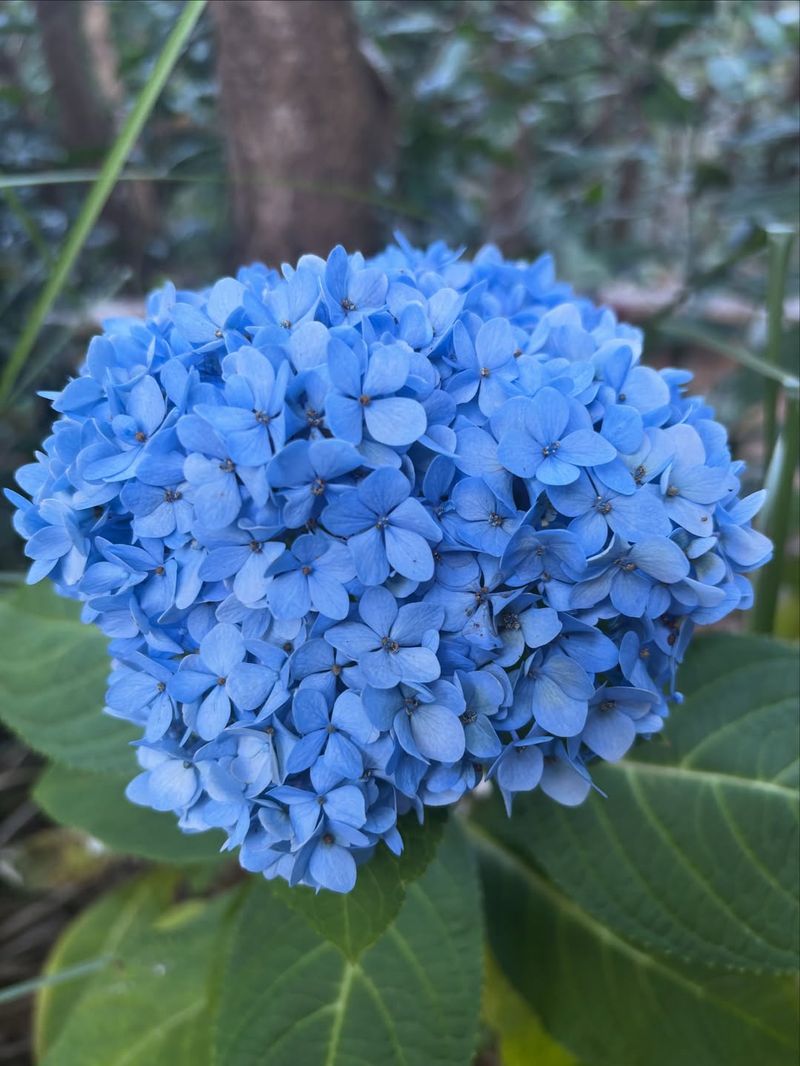
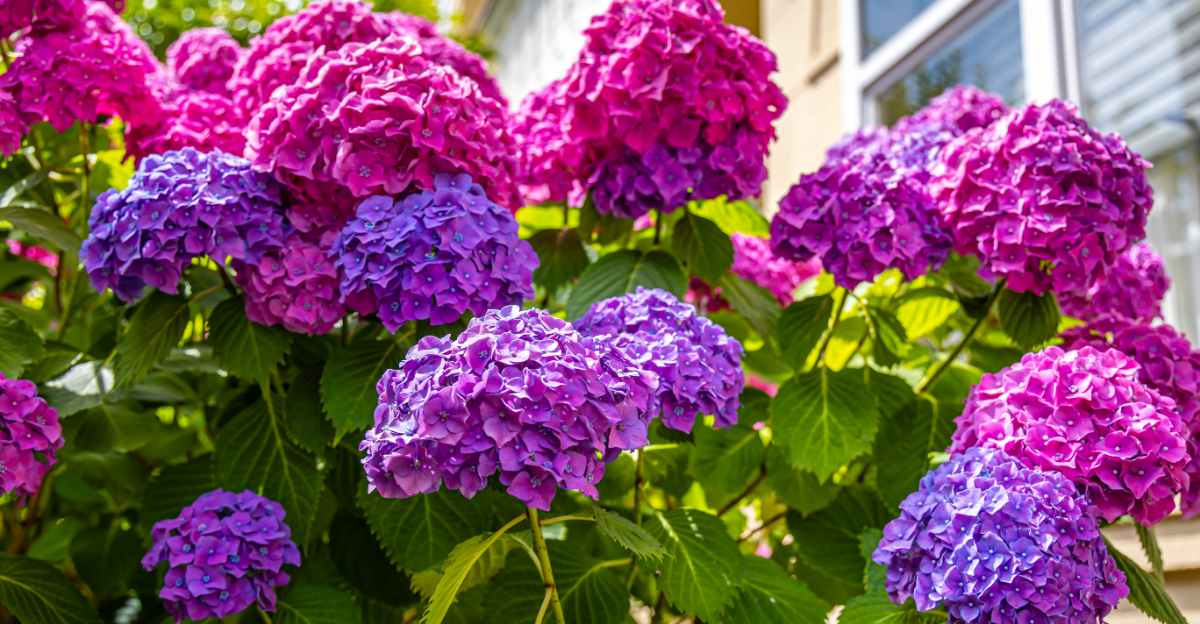
If you want a plant that genuinely stops people in their tracks, panicle hydrangea is the one. The blooms are enormous, cone-shaped, and packed with tiny flowers that open white in summer and slowly shift to shades of pink and cream as fall rolls in.
In Ohio front yards, these shrubs become a real focal point that neighbors will notice and admire.
One of the best things about panicle hydrangeas is how well they handle Ohio winters. Unlike some other hydrangea types that struggle with late frosts, panicle varieties bloom on new wood each year.
That means even if a late frost occurs in early spring, panicle hydrangeas can recover and often still produce strong blooms by midsummer. Varieties like ‘Limelight’ and ‘Little Lime’ are especially well suited to Ohio’s climate.
Hydrangeas prefer full sun to light shade and do best in moist, well-drained soil. They are not particularly fussy about soil type, but they do appreciate consistent watering during dry summer stretches.
Mulching around the base helps keep moisture in and roots cool during hot Ohio summers.
Pruning is simple with panicle hydrangeas. Cut them back by about one-third in late winter or early spring before new growth starts, and you will be rewarded with strong stems that can hold up those big blooms without flopping over.
Even in winter, the dried flower heads add lovely texture and structure to an Ohio front yard when everything else has gone quiet.
3. Black‑Eyed Susan Bringing Sunny Summer Cheer
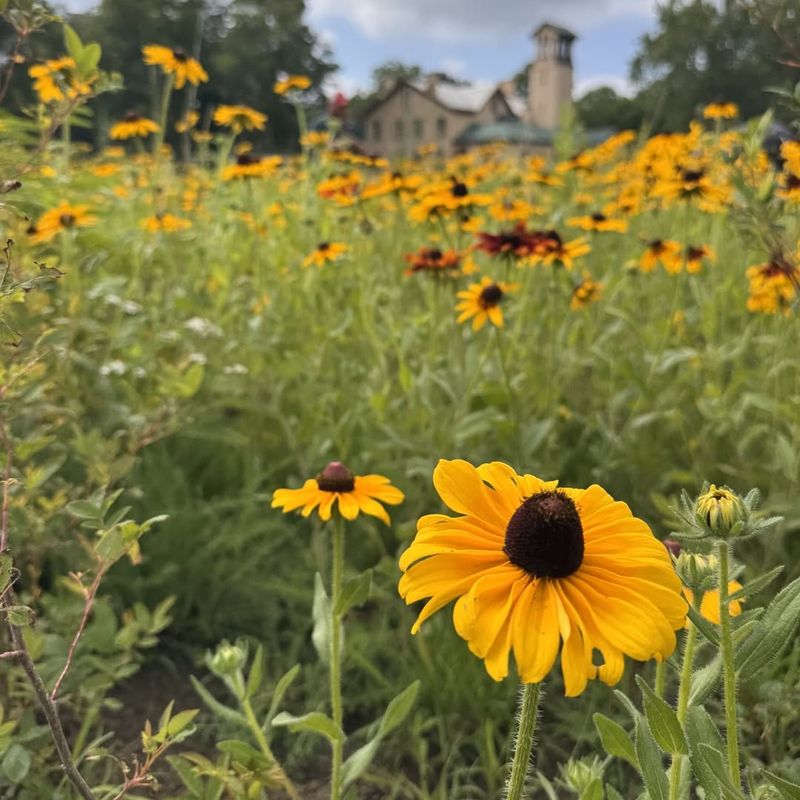
There is something cheerful and unapologetically sunny about Black-Eyed Susans that makes them feel like Ohio’s own wildflower. With their bold yellow petals and dark chocolate centers, these native perennials bring a burst of warm color to front yards from midsummer all the way through fall.
They bloom when a lot of other plants are starting to wind down, which makes them extra valuable in a year-round planting scheme.
As a native plant, Black-Eyed Susan is perfectly adapted to Ohio’s weather patterns. It handles summer heat, occasional dry spells, and heavy clay soils far better than many non-native plants.
Once established, it requires minimal care, usually needing a sunny spot and reasonably well-drained soil to perform well. That makes it a favorite for gardeners who want big impact without a lot of maintenance.
Pollinators absolutely love Black-Eyed Susans. Bees, butterflies, and even goldfinches flock to them throughout the season, making your front yard a little ecosystem that is both beautiful and beneficial.
Planting them in groups of five or more creates a bold, naturalistic look that feels both relaxed and intentional.
After the blooms fade, the seed heads stay on through winter and continue to attract birds looking for food during colder months. You can leave the dried stalks standing until early spring for added winter interest and wildlife support.
Rudbeckia hirta is the classic species, but ‘Goldsturm’ is a popular cultivar that stays compact and blooms especially heavily in Ohio gardens.
4. Coneflower Dominating Borders With Color
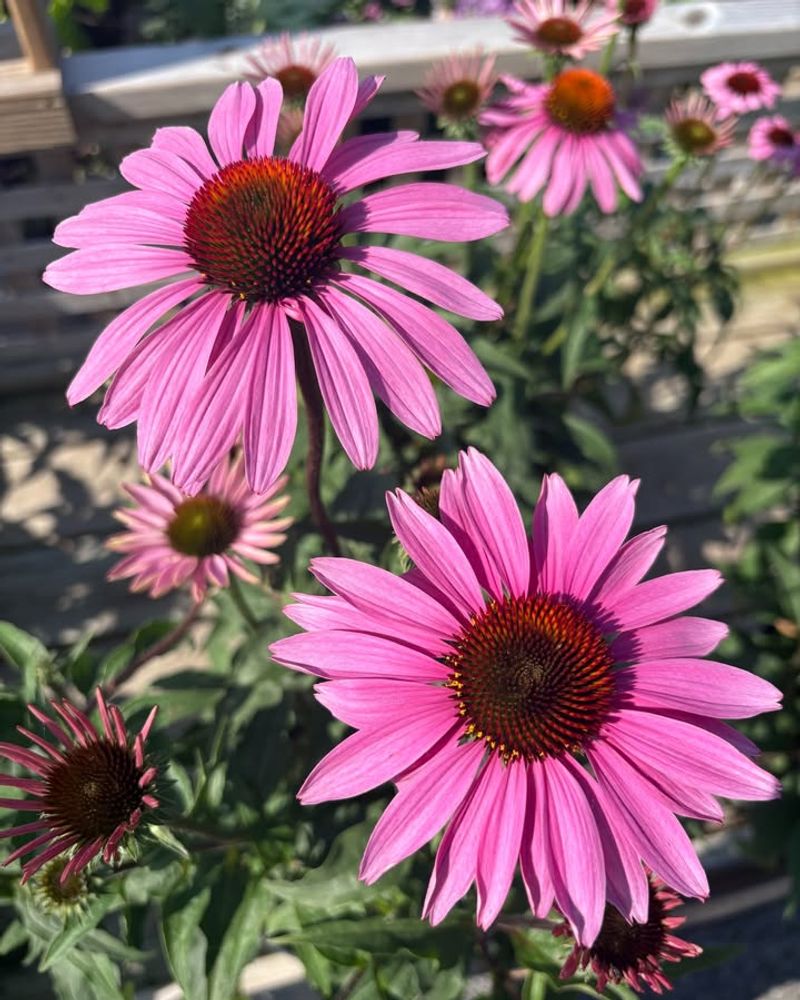
Coneflower has earned a well-deserved reputation as one of the hardest-working perennials you can grow in an Ohio front yard. Known scientifically as Echinacea, this native plant produces beautiful daisy-like flowers with raised, spiky centers that bees and butterflies find absolutely irresistible.
The blooms typically appear in early to midsummer and keep going strong through August and into September.
What sets coneflower apart from many other flowering plants is its staying power. Even after the petals drop in late summer, the spiky seed heads remain on the plant all through fall and winter.
Those seed heads are not just decorative either. Goldfinches and other seed-eating birds rely on them as a food source during colder months, turning your Ohio front yard into a little wildlife haven even in the depths of winter.
Coneflowers thrive in full sun and prefer well-drained soil, though they are surprisingly tolerant of clay-heavy ground, which is common across many parts of Ohio. They are drought-tolerant once established and rarely need extra watering after the first growing season.
Dividing clumps every three to four years keeps them vigorous and blooming at their best.
The color range available today goes well beyond the classic purple. Modern varieties like ‘Magnus,’ ‘White Swan,’ and ‘Cheyenne Spirit’ come in shades of pink, orange, red, yellow, and white.
Mixing a few different colors together in your garden bed creates a lively, cottage-style display that looks beautiful from the street and keeps your Ohio front yard feeling fresh and full of personality.
5. Inkberry Holly With Glossy Foliage And Berries
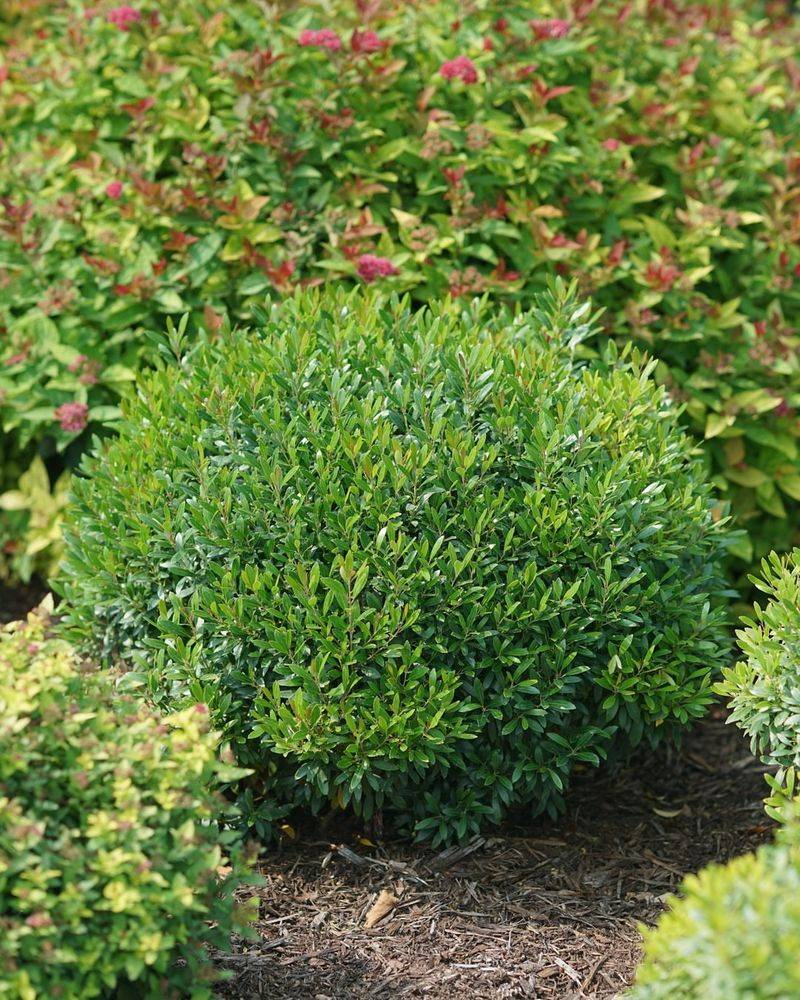
Not every great front yard plant needs showy flowers to make a statement. Inkberry holly is one of those quietly impressive shrubs that earns its place through year-round structure, glossy foliage, and the kind of low-key elegance that makes a yard look professionally designed.
Native to eastern North America, it is perfectly at home in Ohio’s varied climate and soil conditions.
Inkberry holly stays evergreen through Ohio winters, holding onto its small, dark green leaves even when temperatures drop well below freezing. In late summer and fall, it produces clusters of small, shiny black berries that cling to the branches through winter.
Birds love them, especially during cold months when other food sources are scarce. Planting inkberry near a window means you get a front-row seat to all that wildlife activity.
One of inkberry’s biggest advantages for Ohio homeowners is its tolerance for wet or poorly drained soil. Many yards in Ohio have areas where water tends to sit after heavy rain, and most plants struggle in those spots.
Inkberry actually thrives there, making it a smart solution for challenging low-lying areas along the front of a house or near downspouts.
Compact cultivars like ‘Shamrock’ and ‘Gem Box’ stay tidy and manageable without constant pruning. They work beautifully as foundation plantings, low hedges, or anchor plants in a mixed garden bed.
For Ohio homeowners who want a native, wildlife-friendly shrub that looks good in every season with minimal care, inkberry holly is a standout choice that rarely gets the credit it deserves.
6. Little Bluestem Transforming Lawns In Fall
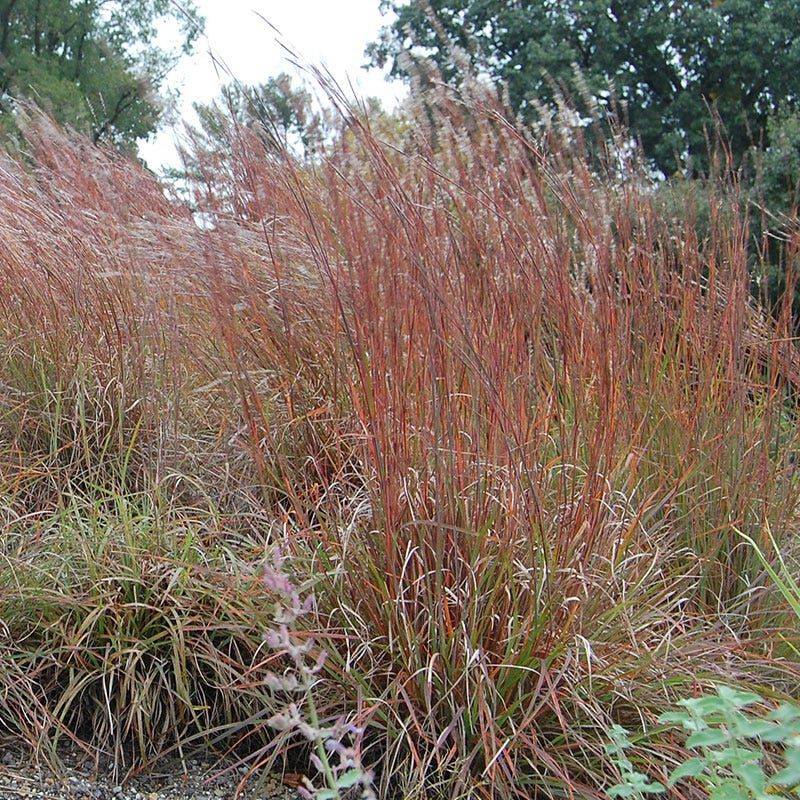
Most people do not think of grass as a showstopper, but Little Bluestem has a way of changing that opinion fast. This native prairie grass starts the season with blue-green blades that look clean and upright through spring and summer.
Then, as Ohio moves into fall, something almost magical happens. The foliage transforms into deep shades of copper, burgundy, and burnt orange that rival any flowering plant for pure visual drama.
Little Bluestem is native to Ohio and much of the central United States, which means it is completely in its element here. It thrives in poor, dry, rocky, or sandy soils where other plants struggle to survive.
That makes it a great choice for Ohio front yards with tough growing conditions, especially slopes or areas where the soil dries out quickly in summer heat.
The fluffy white seed heads that appear in fall add another layer of beauty and also provide food for birds through winter. Unlike some ornamental grasses that spread aggressively and become a headache, Little Bluestem forms well-behaved clumps that stay where you put them.
It grows about two to four feet tall, making it a great mid-height plant for adding vertical interest to a front yard planting.
Cut it back to about four to six inches in late winter or very early spring before new growth emerges. Beyond initial establishment and occasional pruning in late winter, it generally requires very little ongoing maintenance.
Varieties like ‘Standing Ovation’ and ‘The Blues’ are especially popular in Ohio landscapes for their upright habit and vivid fall color that keeps front yards looking striking long after summer plants have finished their show.
7. Virginia Sweetspire Filling Gardens With Fragrance
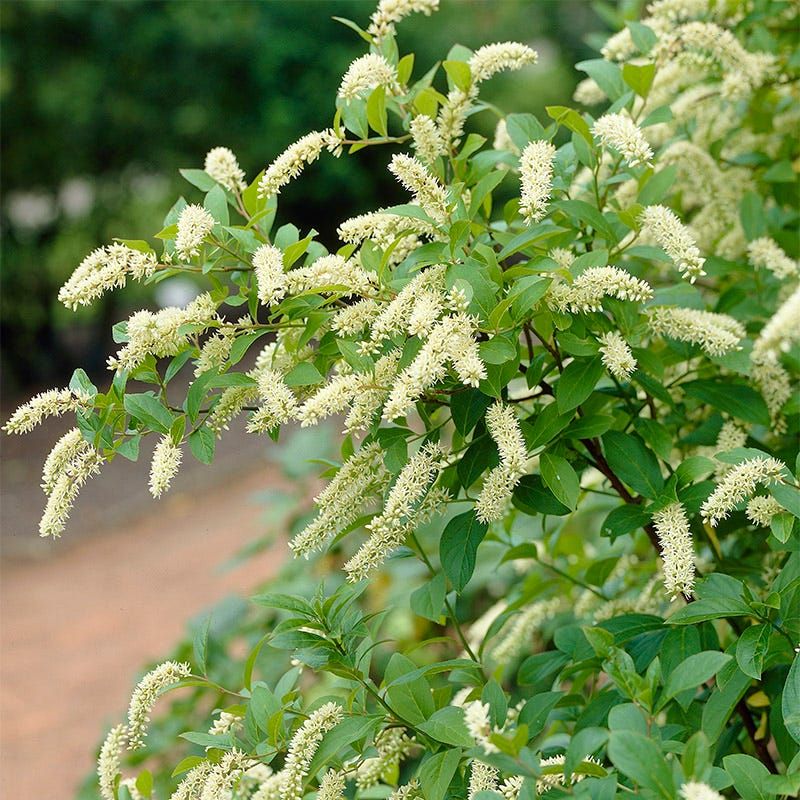
One of those plants that earns its spot in an Ohio front yard by delivering something beautiful in almost every season is Virginia Sweetspire. In early summer, arching branches are draped with long, fragrant white flower clusters that look delicate but are actually quite tough.
The sweet scent on a warm Ohio morning is a bonus that most gardeners did not expect but quickly come to love.
As summer fades into fall, Virginia Sweetspire puts on one of the most reliable color shows of any native shrub. The leaves turn brilliant shades of red, orange, and burgundy that can last for weeks before finally dropping.
Some years in Ohio, the fall color can be particularly vivid, showing bright shades of red, orange, and burgundy. Even after the leaves fall, the arching, reddish stems add quiet structure to the winter garden.
This shrub is native to eastern North America and handles Ohio’s climate with ease. It grows well in both full sun and partial shade, which gives it a lot of flexibility in different yard situations.
It is also one of the few ornamental shrubs that tolerates wet soil conditions without complaint, making it useful near downspouts or low areas of the yard.
Virginia Sweetspire typically reaches three to five feet tall and wide, though compact varieties like ‘Little Henry’ stay closer to two to three feet. It spreads slowly by suckers, which can be removed if you prefer a tidy look or left to naturalize into a soft, flowing mass.
For Ohio homeowners wanting a native shrub that truly earns its keep through multiple seasons, this one belongs on every planting list.
8. Viburnum With Multi-Season Blooms And Berries
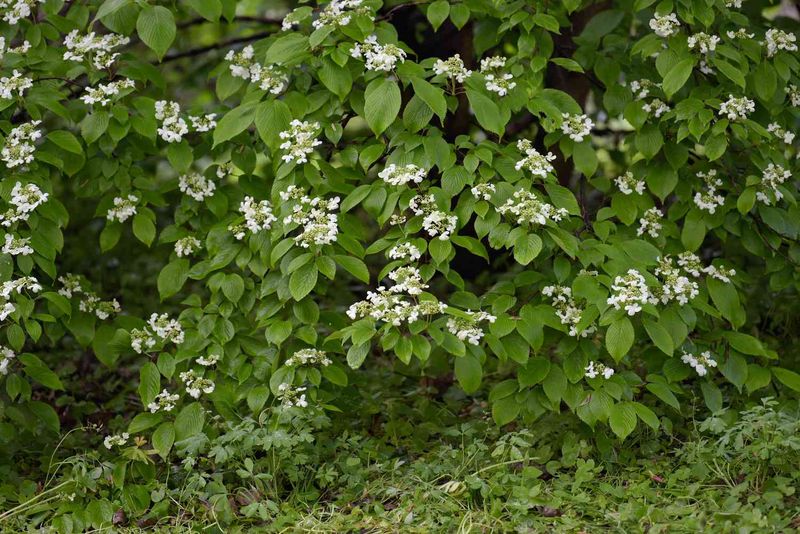
This is the kind of shrub that seasoned Ohio gardeners swear by, and once you see one in full bloom, it is easy to understand why. There are dozens of viburnum species and cultivars suited to Ohio’s climate, and they collectively offer something for every season.
Spring brings clusters of white or pink blooms, summer delivers attractive foliage, fall offers fiery leaf color and colorful berries, and winter reveals interesting branching structure.
One of the most popular choices for Ohio front yards is the doublefile viburnum (Viburnum plicatum f. tomentosum). Its horizontal branching pattern creates a layered, architectural look that stands out in any landscape.
The flat-topped white flower clusters appear in late spring and line up along the branches like rows of lace, creating a spectacular display that can stop traffic in a quiet Ohio neighborhood.
Viburnums are generally low-maintenance once established. They prefer full sun to partial shade and do best in moist, well-drained soil, though many species tolerate Ohio’s clay-heavy ground reasonably well.
Watering during the first growing season is important to help roots establish, but after that, most viburnums are quite self-sufficient through normal Ohio weather patterns.
The berries that follow the flowers are another major draw. Depending on the species, they can be red, blue, black, or yellow, and birds absolutely flock to them in fall and winter.
Native species like arrowwood viburnum (Viburnum dentatum) are especially beneficial to local wildlife and grow vigorously throughout Ohio. For a four-season plant that works hard and looks great doing it, viburnum is one of the smartest investments you can make in your front yard.