Plants That Need February Fertilizing In Your Arizona Garden
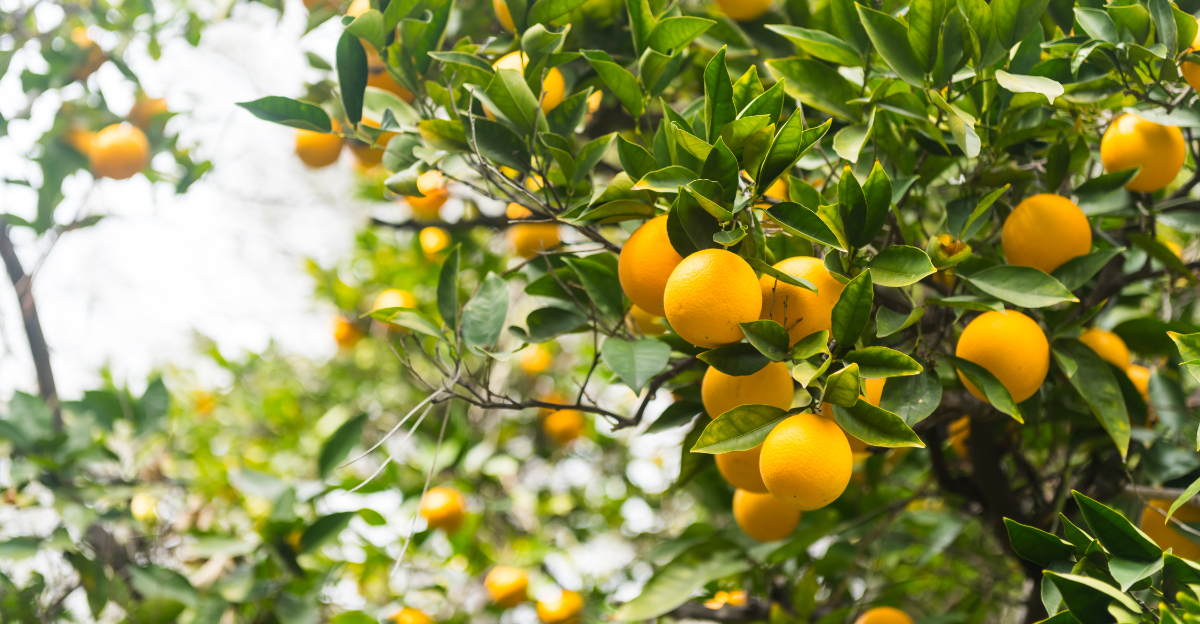
February can feel like a pause in an Arizona garden, but beneath the surface, plants are already preparing for what comes next. Ignoring them now often shows up later as slow growth or disappointing performance.
As days gradually warm and light increases, many plants shift out of rest and begin using nutrients again.
This early transition is subtle, which is why fertilizing at the right moment matters more than following a strict schedule. Feeding too late can mean plants struggle just as active growth begins.
February fertilizing isn’t about pushing plants to grow fast. It’s about giving them steady support so roots and new growth develop smoothly before heat arrives.
Knowing which plants actually benefit from feeding now can make the difference between a garden that coasts into spring and one that constantly needs fixing.
1. Citrus Trees
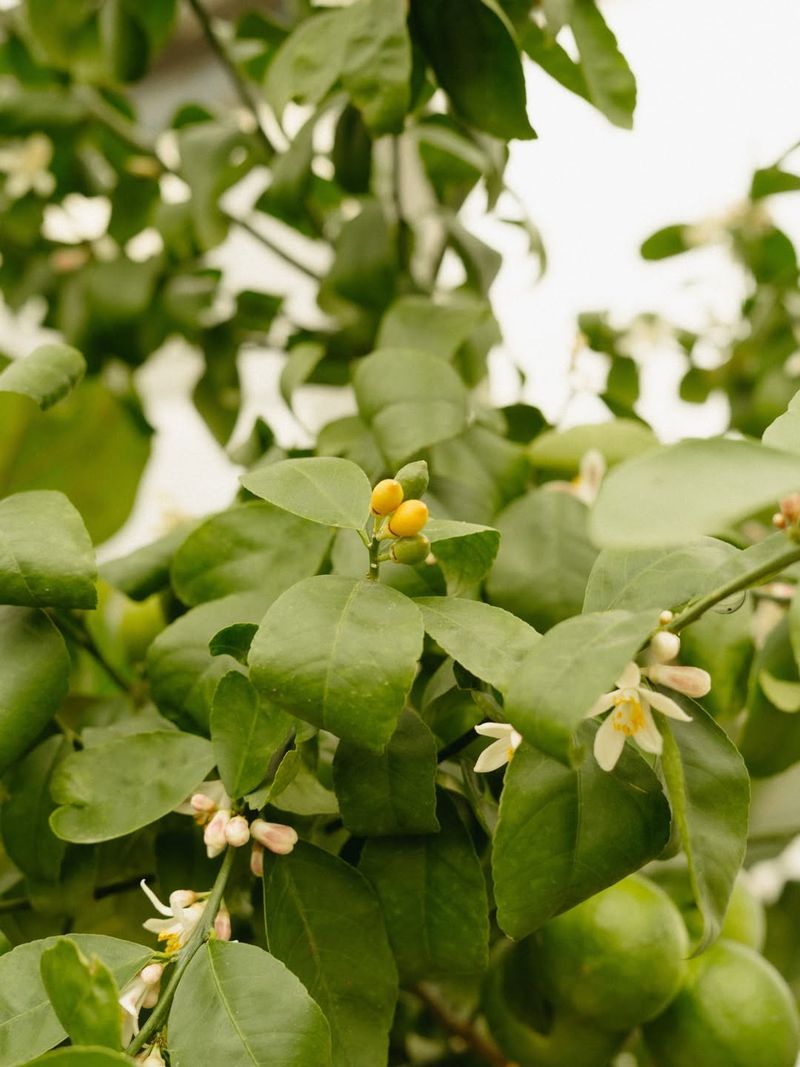
In low-desert Arizona, February is the right time to give citrus trees their first feeding of the year. Your lemon, orange, grapefruit, and lime trees are preparing for their big spring bloom, and they need plenty of nitrogen to support all that new growth.
A balanced citrus fertilizer applied now helps develop strong branches, healthy leaves, and sets the stage for a bountiful fruit crop later in the season.
Arizona’s climate allows citrus trees to produce fruit almost year-round in some cases, which means they’re constantly working hard. February feeding replenishes nutrients that got used up during winter fruit production.
Look for a fertilizer specifically formulated for citrus, as these contain the right balance of nitrogen, phosphorus, and potassium plus important micronutrients like iron, zinc, and manganese that citrus trees crave.
Spread the fertilizer evenly under the tree’s canopy, extending out to the drip line where the branches end. Water thoroughly after applying to help nutrients soak into the root zone.
Young trees need less fertilizer than mature ones, so always check the package directions for proper amounts. Most Arizona citrus trees benefit from feeding three to four times yearly, and this February application kicks off that schedule perfectly.
Watch your trees respond over the coming weeks with fresh green growth and fragrant white blossoms. The sweet scent of citrus flowers fills Arizona gardens in spring, attracting beneficial pollinators.
Proper February fertilizing ensures your trees have the energy reserves needed to support both flowering and fruit development simultaneously.
2. Roses
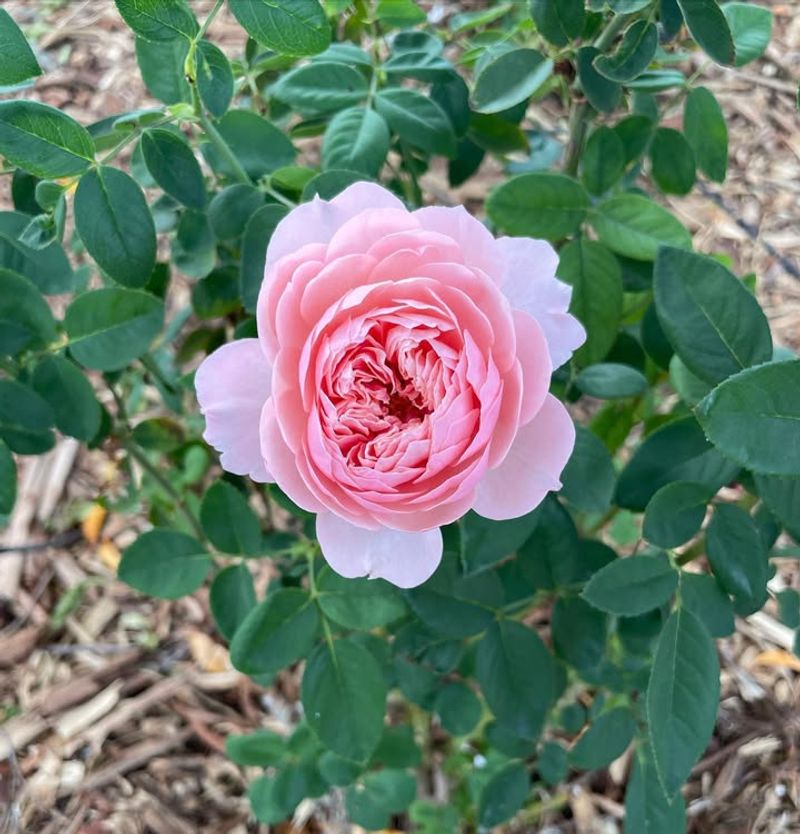
Roses wake up hungry in Arizona gardens, and after pruning, February marks the perfect time to satisfy their appetite. After their brief winter rest, rose bushes start pushing out new growth as temperatures warm.
Feeding them now provides the fuel they need for vigorous canes, abundant foliage, and those stunning blooms we all love. Arizona’s extended growing season means roses here can flower almost continuously from spring through fall if properly nourished.
Choose a rose-specific fertilizer or a balanced all-purpose formula with equal parts nitrogen, phosphorus, and potassium. Organic options like composted manure or fish emulsion work wonderfully, releasing nutrients slowly over time.
Chemical fertilizers act faster but need more frequent applications throughout the growing season. Either way, February feeding gets your roses off to a strong start.
Apply fertilizer around each plant’s base, keeping it several inches away from the main stem to avoid burning. Scratch it lightly into the soil surface, then water deeply to activate the nutrients.
Many Arizona rose gardeners also add a layer of mulch after fertilizing, which helps retain moisture and keeps roots cool during our intense summer heat ahead.
Hybrid teas, floribundas, and climbing roses all benefit from this February boost. Even desert-adapted varieties like the Arizona rose perform better with regular feeding.
Plan to fertilize again every six to eight weeks during the active growing season. Your roses will thank you with continuous color and fragrance that brightens your Arizona landscape month after month.
3. Bougainvillea
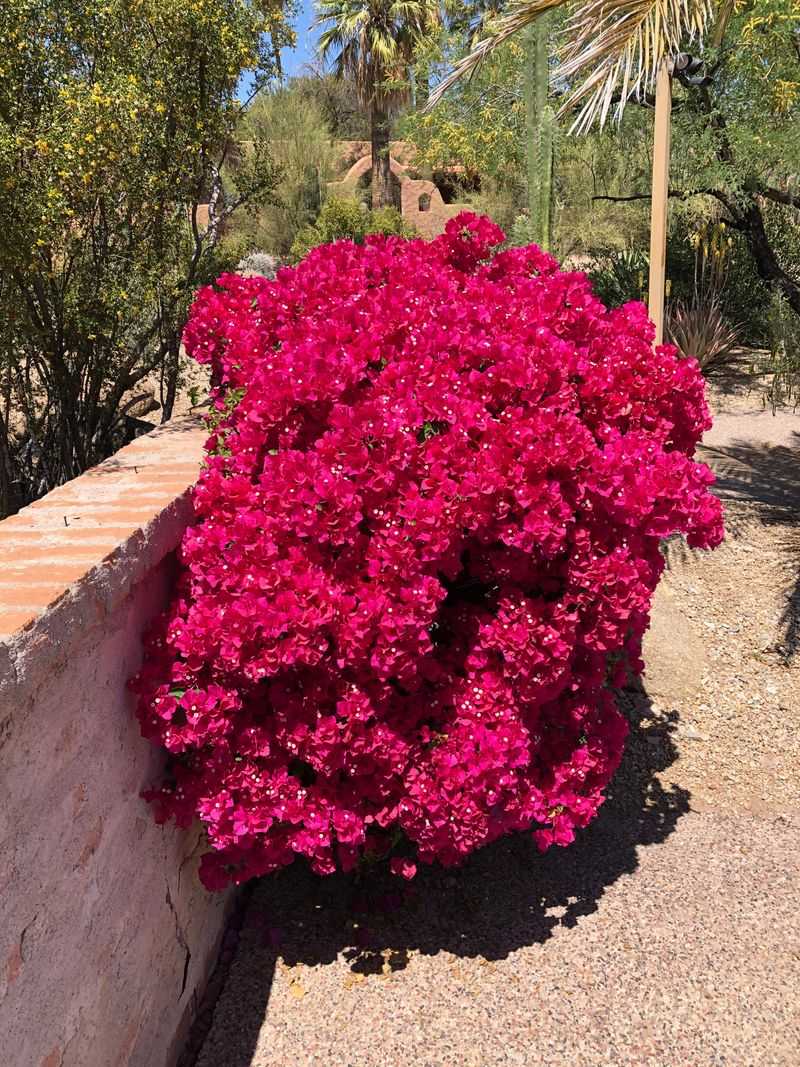
Bougainvillea puts on one of the most spectacular shows in Arizona gardens, and February feeding helps ensure maximum color production. These drought-tolerant beauties actually prefer slightly lean soil, but they still appreciate a nutrient boost as they prepare for their main blooming season.
The key with bougainvillea is using less fertilizer than you might think, focusing on formulas higher in phosphorus to promote those brilliant bracts we mistake for flowers.
A light application of balanced fertilizer or one formulated for flowering plants gives them exactly what they need without encouraging too much leafy growth at the expense of color. Too much nitrogen actually reduces blooming, so restraint pays off with these plants.
Water your bougainvillea thoroughly before fertilizing to prevent root burn, especially important in Arizona’s dry climate. Sprinkle the fertilizer around the plant’s base, extending outward to cover the root zone.
These plants develop extensive root systems, so spreading fertilizer over a wide area ensures better uptake. Water again lightly after application to start dissolving the nutrients.
Bougainvillea grown in containers needs more frequent feeding than those planted in the ground since nutrients wash out faster with regular watering. Container plants benefit from monthly applications of diluted liquid fertilizer throughout the growing season.
Ground-planted bougainvillea typically needs feeding only two or three times yearly, with February being the most important application for Arizona gardens.
4. Lantana
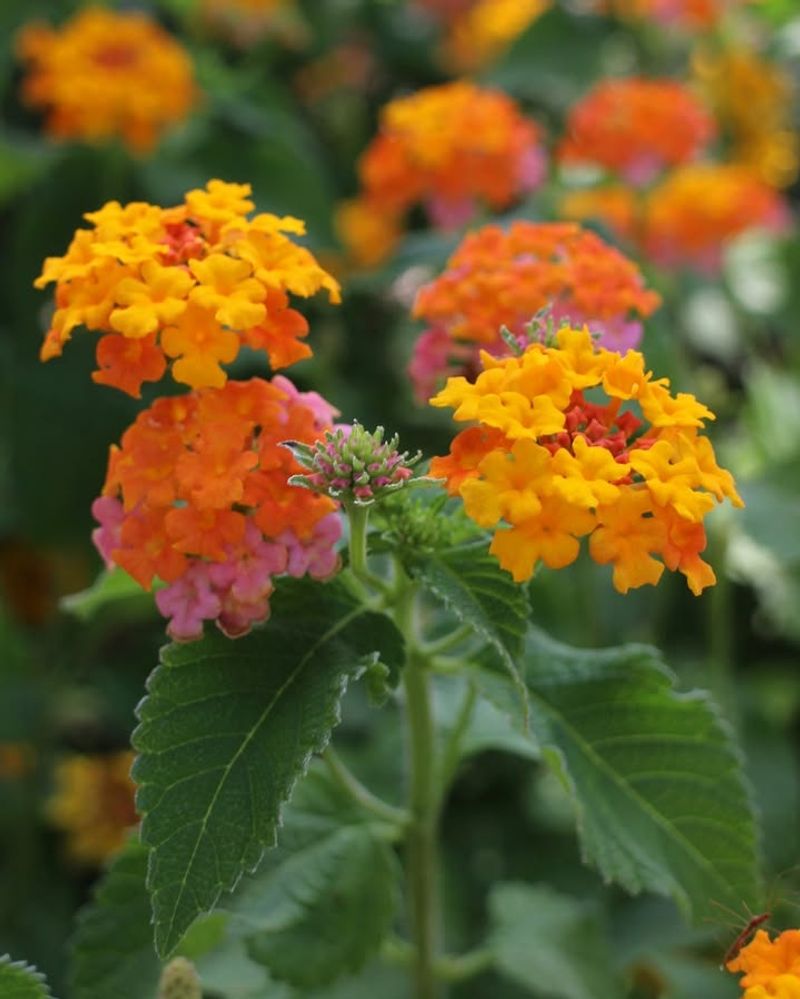
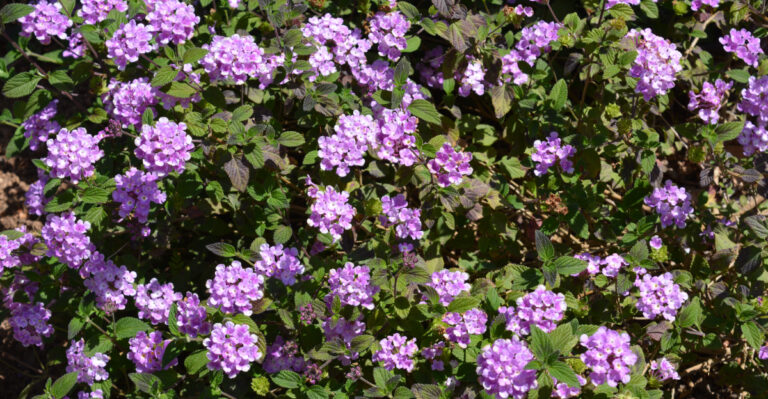
Lantana ranks among the toughest, most reliable bloomers for Arizona landscapes, thriving in our intense heat and producing colorful flower clusters from spring through fall. Late winter or early spring, once new growth appears, prepares these workhorses for months of continuous performance.
While lantana tolerates poor soil and drought conditions once established, feeding them in late winter encourages bushier growth and more prolific flowering when warm weather arrives.
These cheerful plants respond well to a balanced, slow-release fertilizer applied as new growth emerges.
Lantana doesn’t need heavy feeding; in fact, too much fertilizer produces excessive foliage with fewer flowers.
A light application in February, followed by one or two more feedings during the growing season, keeps lantana looking its best without overstimulating growth.
Spread fertilizer evenly around each plant, covering the area under the branches and slightly beyond. Lantana develops a spreading root system that extends outward, so wider coverage ensures better nutrient absorption.
Water thoroughly after fertilizing to help nutrients penetrate the soil. Arizona’s dry conditions mean you’ll need to water deeply rather than frequently to encourage strong root development.
Both groundcover and upright lantana varieties benefit from February feeding. These plants attract butterflies and hummingbirds throughout the growing season, adding movement and life to your Arizona garden.
Proper nutrition supports the continuous flower production that keeps pollinators visiting. Many Arizona gardeners cut lantana back hard in late winter before fertilizing, which promotes fresh, compact growth and even more blooms as temperatures rise.
5. Hibiscus
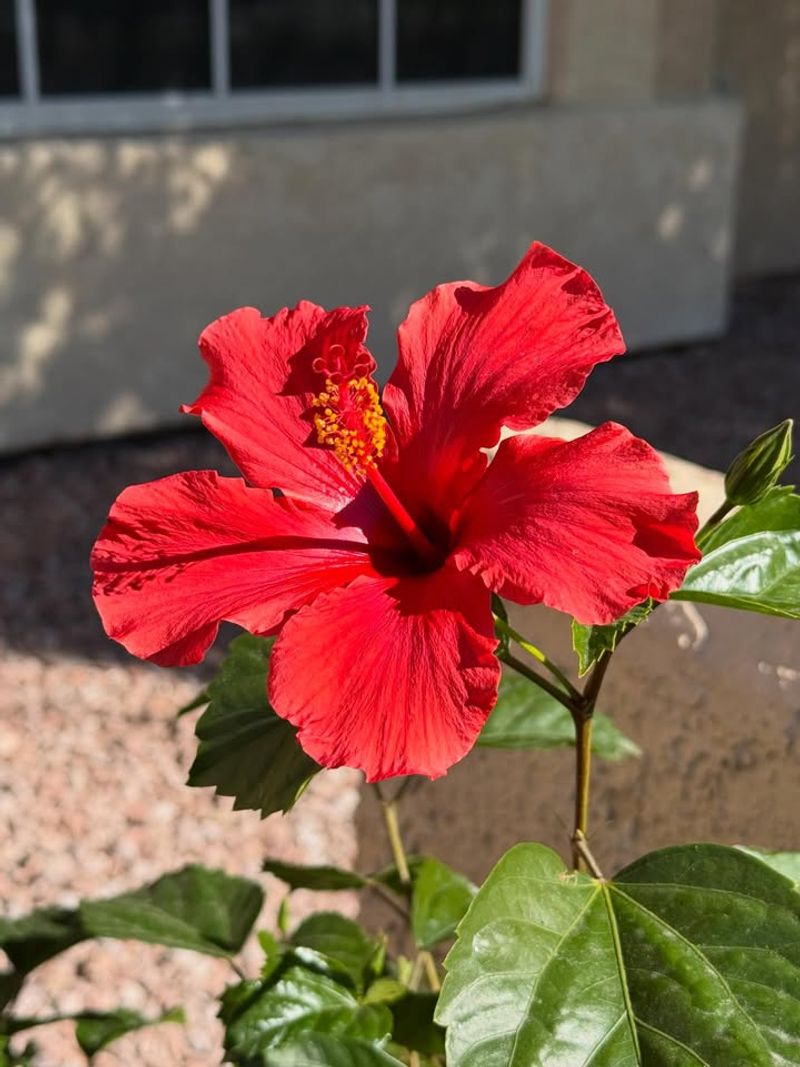
Hibiscus plants create tropical paradise vibes in Arizona gardens with their huge, showy flowers that can reach dinner-plate size. Both tropical and hardy hibiscus varieties grow successfully here, and both benefit tremendously from February fertilizing.
As temperatures begin warming, hibiscus plants shift from their slower winter pace into active growth mode, developing new branches and flower buds that will open into those stunning blooms.
Tropical hibiscus especially loves regular feeding throughout the growing season, but this February application sets the foundation for success. Use a fertilizer formulated for flowering plants or one specifically designed for hibiscus, which typically contains higher potassium levels to promote bloom production.
Apply fertilizer around the plant’s base, keeping it away from the trunk to prevent burning. Hibiscus plants are somewhat sensitive to fertilizer salts, common in Arizona soils, so watering thoroughly before and after feeding helps prevent damage.
Deep watering also encourages roots to grow downward, making plants more drought-tolerant and better able to access nutrients.
Plan to fertilize hibiscus monthly during the active growing season for best results. Container-grown hibiscus needs even more frequent feeding since nutrients leach out quickly with regular watering.
Your reward for this attention is months of spectacular flowers in colors ranging from pure white through yellow, orange, pink, and deep red.
Hibiscus blooms attract hummingbirds and add bold tropical color to Arizona landscapes.
6. Palms
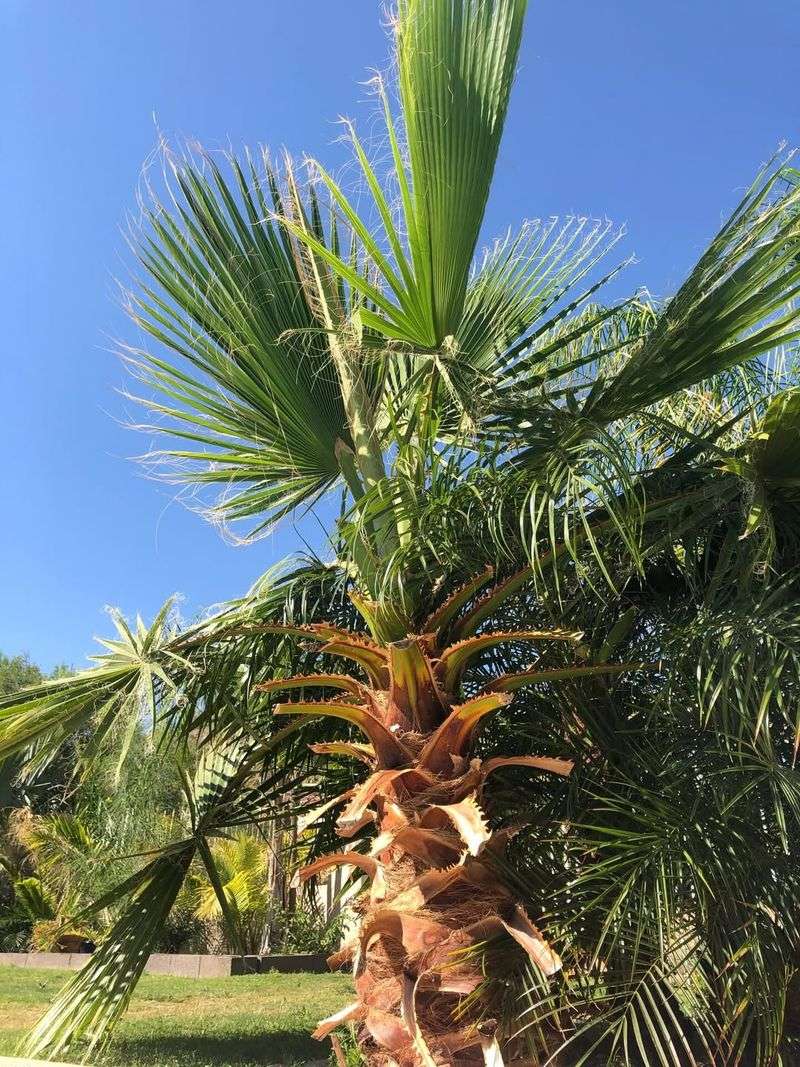
Palm trees define Arizona’s desert landscape, bringing that resort-style atmosphere to residential gardens throughout the state. While palms seem tough and self-sufficient, they actually have specific nutritional needs that February fertilizing addresses perfectly.
Palms are heavy feeders during their growing season, and applying specialized palm fertilizer now prevents the deficiency symptoms that commonly appear as temperatures rise.
Arizona’s alkaline soils often lack the micronutrients palms need, particularly manganese, magnesium, and iron. Without these elements, palms develop yellowing fronds and stunted growth.
Palm-specific fertilizers contain these micronutrients in forms palms can actually use, plus the major nutrients needed for healthy frond production. February application gives these nutrients time to become available before palms start their main growth push.
Spread fertilizer evenly in a circle around the palm, starting about two feet from the trunk and extending outward to the drip line. Palm roots spread widely but stay relatively shallow, so surface application works well.
Water deeply after fertilizing to move nutrients into the root zone. Arizona’s dry climate means you’ll need substantial water to effectively dissolve and distribute fertilizer.
Different palm species have varying nutrient requirements, but all benefit from February feeding. Mexican fan palms, California fan palms, and date palms all thrive with proper nutrition.
Plan to fertilize palms three to four times yearly for best results. Healthy, well-fed palms resist pests and diseases better while producing lush, green fronds that enhance your Arizona property’s curb appeal and create welcome shade.
7. Oleander
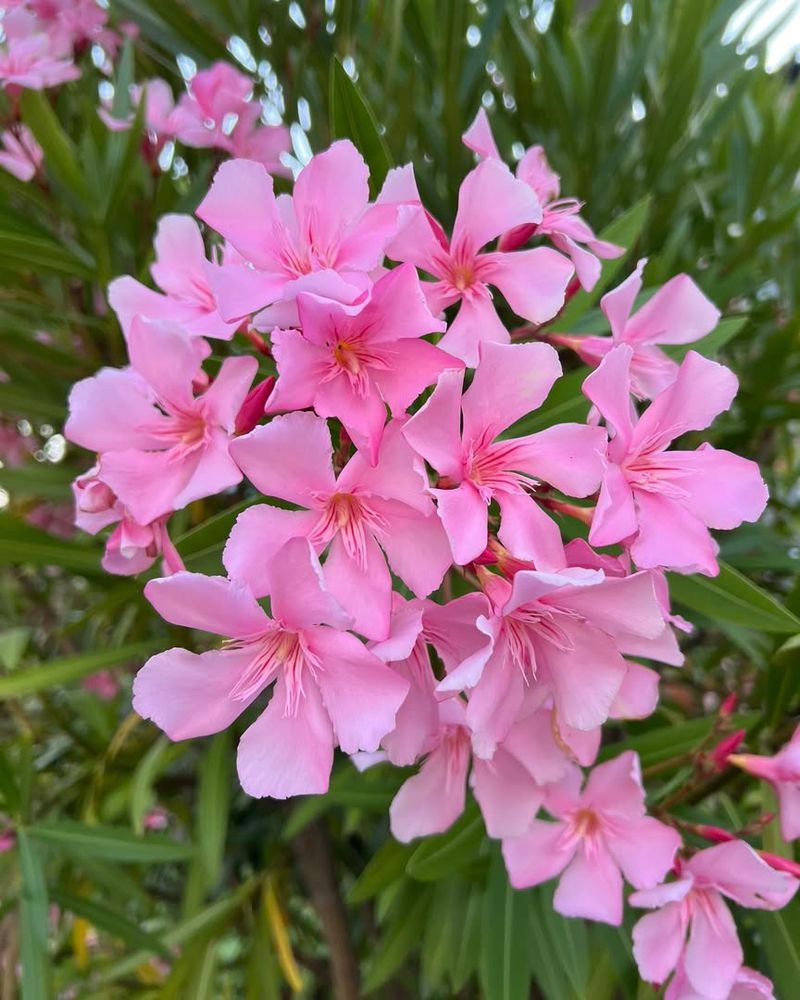
Oleander stands as one of Arizona’s most popular landscape plants, tolerating extreme heat, drought, and poor soil while producing masses of colorful flowers. These tough Mediterranean natives line highways and fill median strips across the state, proving their resilience.
Established oleanders survive without fertilizer, but feeding them encourages fuller growth, deeper green foliage, and more abundant flowering. A balanced, slow-release fertilizer applied in February provides steady nutrition throughout the growing season.
Oleanders aren’t particularly fussy about fertilizer type; they respond well to general-purpose formulas or organic options like composted manure.
Apply fertilizer around each plant’s base, spreading it over the root zone area. Oleanders develop extensive root systems that spread outward, so wider coverage ensures better nutrient uptake.
Water thoroughly after application, especially important in Arizona’s dry climate. Deep watering encourages roots to grow downward, making plants even more drought-tolerant while helping them access applied nutrients.
Both single-trunk tree forms and multi-stemmed shrub oleanders benefit from February feeding. These plants bloom from spring through fall in Arizona, producing flowers in shades of white, pink, red, salmon, and yellow.
Proper nutrition supports this extended flowering period. Remember that all parts of oleander plants are toxic if ingested, so take care when handling them and keep fertilizer away from areas where children or pets play.
Healthy oleanders create excellent privacy screens and windbreaks for Arizona properties.
8. Fruit Trees (Before Bud Break)
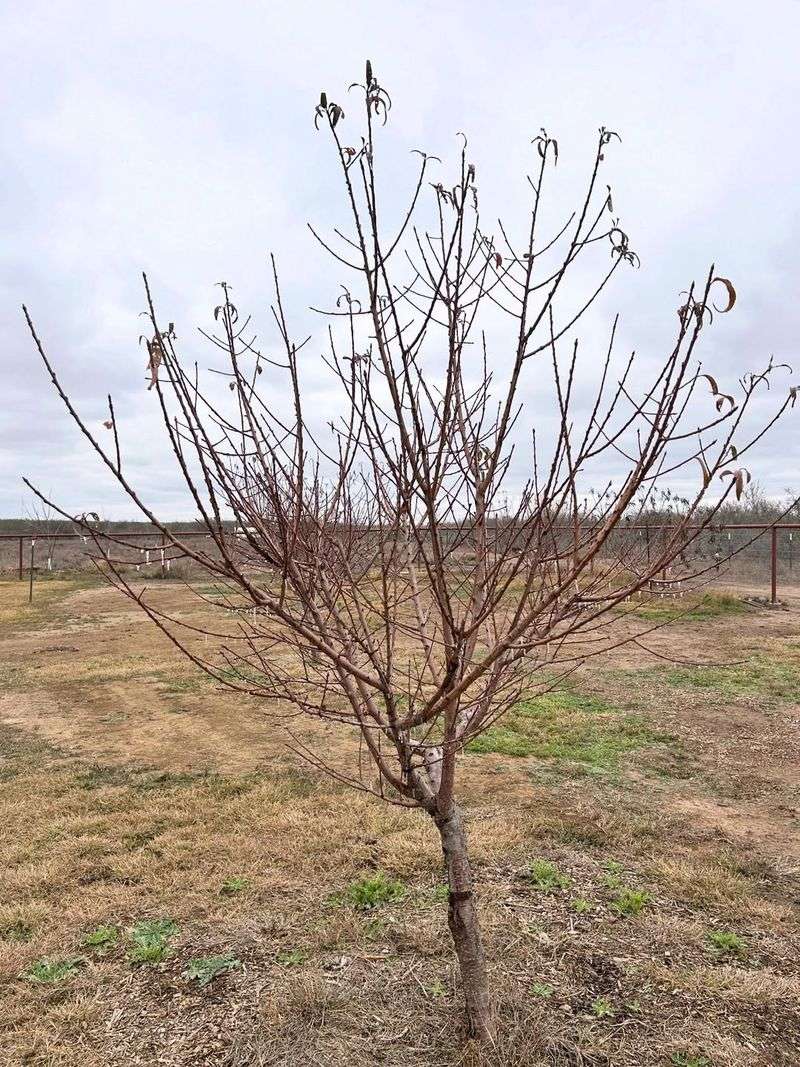
Deciduous fruit trees like peaches, plums, apricots, and apples need fertilizing in February depending on location and variety, before their buds swell and break into bloom. Arizona’s mild winters allow many fruit varieties to thrive here, and timing fertilizer application correctly makes a huge difference in fruit production.
Feeding too early wastes nutrients, while waiting too long means trees miss the boost they need for strong flowering and fruit set.
Watch your trees carefully as February progresses. When you notice buds starting to swell but before they actually open, that’s the perfect moment to apply fertilizer.
This timing gives trees access to nutrients right when they need them most for flower and leaf development. Use a balanced fertilizer or one formulated specifically for fruit trees, which typically contains the right ratios of nitrogen, phosphorus, and potassium plus important micronutrients.
Spread fertilizer in a circle around each tree, starting about a foot from the trunk and extending outward past the drip line. Fruit tree roots spread widely, often reaching twice as far as the branches extend.
Covering this entire area ensures better nutrient absorption. Scratch fertilizer lightly into the soil surface, then water deeply to activate it and move nutrients into the root zone.
Young fruit trees need less fertilizer than mature, producing trees, so adjust amounts based on tree size and age. Most Arizona fruit trees benefit from two to three fertilizer applications yearly, with this February feeding being the most critical.
Proper nutrition supports healthy fruit development, improves disease resistance, and ensures your harvest will be abundant and delicious when summer arrives.