Plants That Recover Quickly After Arizona’s Intense Heat
After a stretch of intense Arizona heat, you might walk into your garden and notice that some plants look slower to respond than others.
At first, it’s tempting to assume everything just needs time to settle, especially after weeks of high temperatures. Sometimes that’s true, and not every pause in growth means trouble.
But when certain plants stay thin or stalled while others begin filling back in, it usually points to how well they handle stress and recover from it.
Understanding why some plants rebound quickly and what supports that recovery can make it much easier to decide what actually needs attention.
1. Lantana
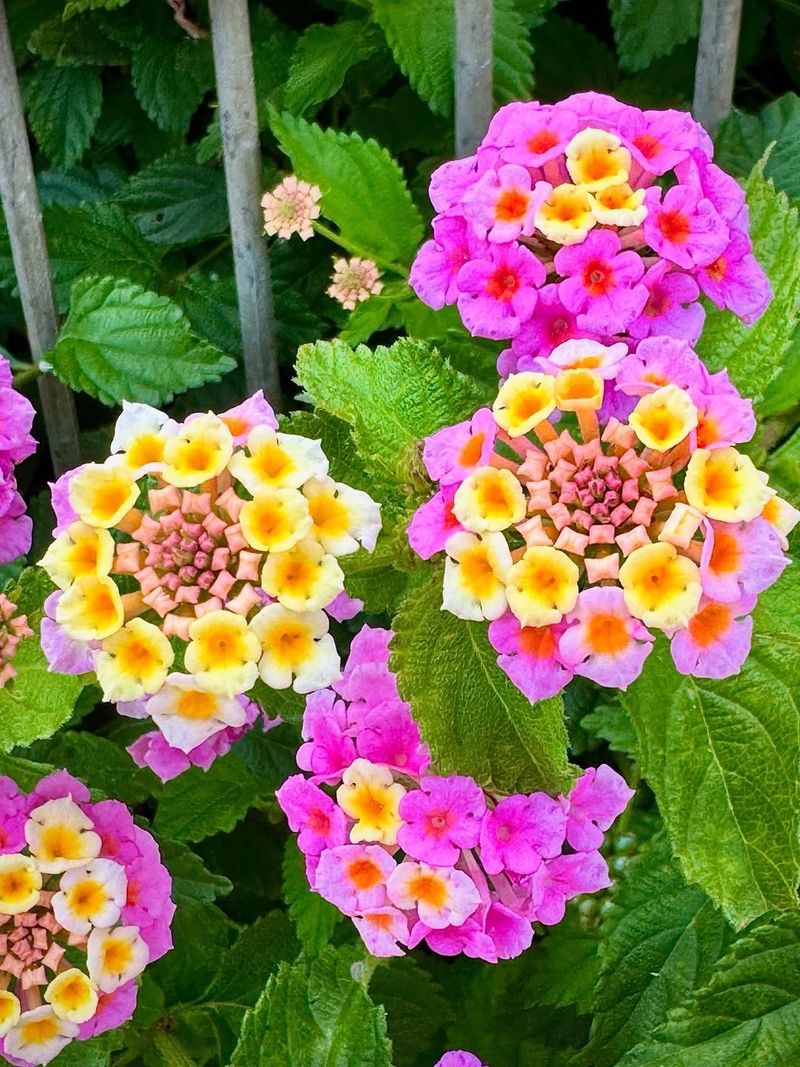
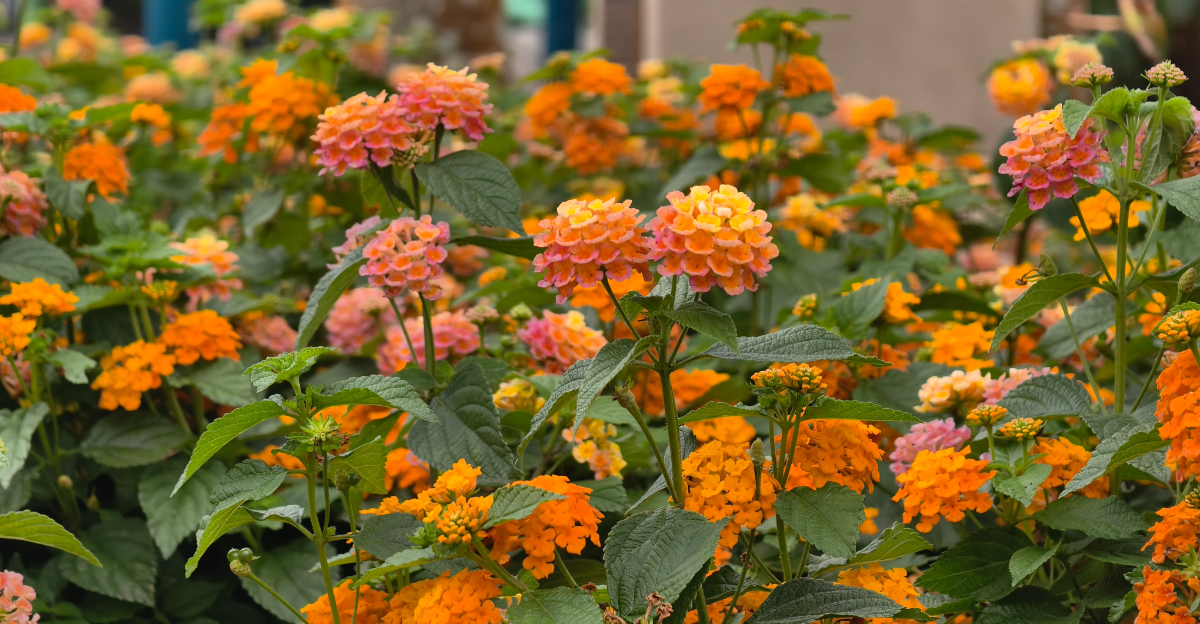
Few plants bounce back from Arizona’s brutal heat as effortlessly as this one. After weeks of scorching temperatures, these colorful clusters bounce back faster than almost anything else in your yard.
Your neighbors might wonder how you keep such vibrant blooms going when everything else looks stressed.
This plant produces flowers in shades ranging from bright orange to soft yellow, often mixing multiple colors in a single cluster. Butterflies and hummingbirds visit constantly, adding movement and life to your outdoor space.
Arizona gardeners love how little water lantana actually needs once established in the ground.
Heat doesn’t slow down lantana the way it affects other flowering plants. Even during triple-digit days, it keeps producing new growth from its stems.
Once temperatures drop slightly in late summer, you’ll notice an explosion of fresh blooms covering the entire plant.
Pruning helps maintain a compact shape, but lantana forgives mistakes better than most shrubs. Cut it back hard if it gets leggy, and new shoots appear within days.
Arizona’s intense sun actually encourages more flowers rather than burning the foliage.
Established lantana can handle weeks between waterings during summer. Root systems spread wide and deep, searching for moisture in Arizona’s dry soil.
This drought tolerance makes it ideal for water-conscious landscapes throughout the state.
Freezing temperatures can damage lantana in northern Arizona, but plants usually recover from the roots come spring. In warmer southern regions, it stays green year-round.
Your lantana becomes more resilient with each passing season as roots strengthen.
Pests rarely bother this tough plant, though whiteflies occasionally appear. A strong spray from your hose usually handles minor infestations.
Arizona’s dry climate actually prevents many common plant diseases from taking hold.
Lantana spreads nicely to fill empty spaces in your garden beds. You can control its size easily with occasional trimming.
This adaptable plant works equally well in containers or directly in the ground across Arizona landscapes.
2. Salvia
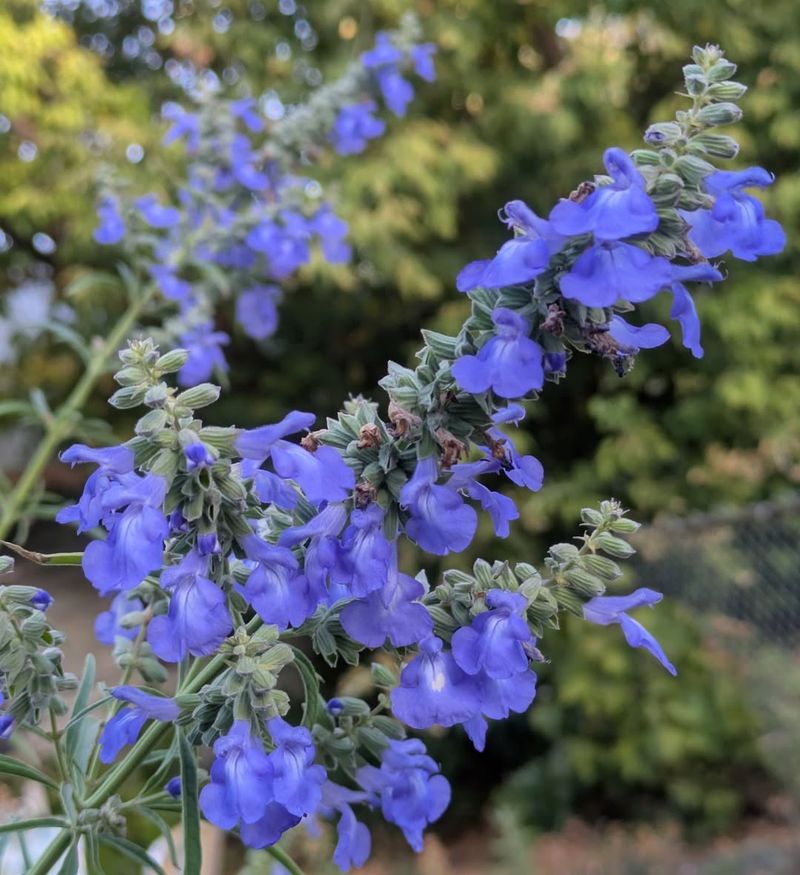
After Arizona’s toughest heat waves pass, this plant wastes no time coming back strong. These plants might look a bit tired by August, but they spring back to life once monsoon rains arrive.
Your garden gains vertical interest from their tall flower spikes that attract pollinators by the dozens.
Many salvia types thrive across Arizona’s different climate zones. Desert varieties handle extreme heat better than their woodland cousins.
Choose species like autumn sage or Texas sage for the most reliable performance in your specific region.
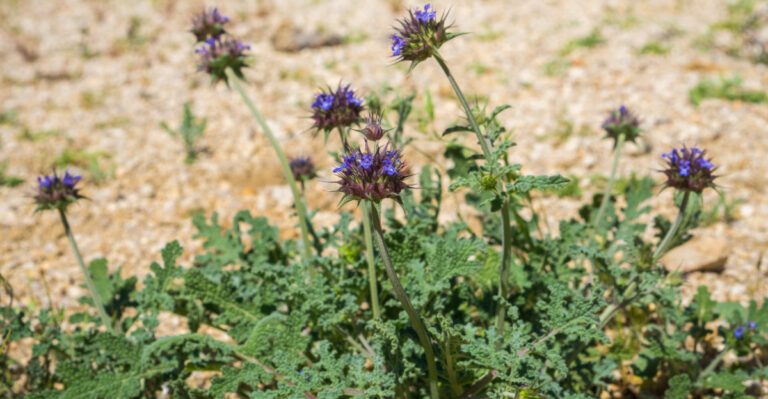
Flower spikes shoot up throughout the growing season, covered in tubular blooms that hummingbirds can’t resist. Colors range from deep purple to bright red, with some varieties offering white or pink options.
Arizona gardeners appreciate how these flowers keep coming even during the hottest months.
Salvia recovers quickly because its root system stays active even when top growth slows down. Underground, the plant conserves energy during peak heat, then pushes out fresh stems when conditions improve.
You’ll notice new leaves appearing within days of monsoon moisture reaching the soil.
Cutting back spent flower stalks encourages more blooms later in the season. Don’t worry about trimming too much—salvia handles aggressive pruning without complaint.
Arizona’s strong sun helps plants regrow faster than you might expect.
These plants need surprisingly little water once their roots establish in your garden. Deep watering every week or two keeps them healthy during summer.
Arizona’s low humidity actually benefits salvia by reducing fungal problems common in other regions.
Some varieties stay semi-evergreen through mild Arizona winters. In colder areas, plants might lose leaves but regrow from the base come spring.
Your salvia becomes tougher each year as its root system matures and spreads.
Salvia fits beautifully into both formal and cottage-style gardens throughout Arizona. Plant them in groups for maximum visual impact.
Their upright growth habit contrasts nicely with lower, spreading plants in mixed borders.
3. Texas Sage (Leucophyllum)
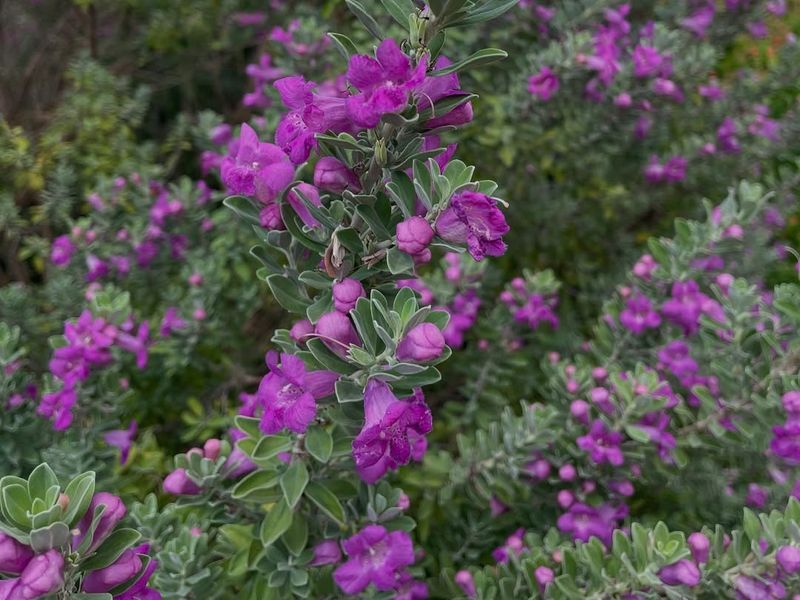
Some shrubs barely notice months of extreme heat, and this one proves it every summer. After enduring months of blistering heat, this plant still manages to produce stunning purple blooms when monsoon humidity arrives.
Your landscape gains a soft, silvery texture from its fuzzy leaves that seem to glow in bright sunlight.
Arizona gardeners rely on Texas sage for dependable color with almost no maintenance required. The plant’s natural rounded shape looks good year-round without constant pruning.
Heat stress barely shows on these hardy shrubs, even during the most intense summer weeks.
Silvery-gray foliage reflects sunlight rather than absorbing it, helping the plant stay cooler naturally. This adaptation allows Texas sage to thrive in full Arizona sun where other shrubs struggle.
Your water bill stays lower because established plants need irrigation only every few weeks.
Monsoon season triggers spectacular flowering displays across Arizona. Within days of humidity rising, purple blooms cover the entire plant.
This response happens so reliably that some people call it the “barometer bush” for predicting rain.
Root systems go deep into Arizona soil, accessing moisture that surface-dwelling plants can’t reach. This drought adaptation explains why Texas sage recovers so quickly after heat stress.
Underground reserves keep the plant alive even when conditions above ground look harsh.
Multiple varieties offer different flower colors and foliage shades for Arizona landscapes. Some bloom pink or white instead of purple.
Leaf colors range from bright silver to deeper gray-green, giving you options for various design schemes.
Pruning needs stay minimal compared to other flowering shrubs. Shape plants lightly after blooming if desired, but they look attractive even without trimming.
Arizona’s dry climate prevents the legginess that affects Texas sage in humid regions.
Cold tolerance varies by variety, but most handle winter temperatures throughout Arizona. Northern gardeners should choose cold-hardy selections.
Southern Arizona landscapes can grow almost any variety successfully.
4. Red Yucca (Hesperaloe)
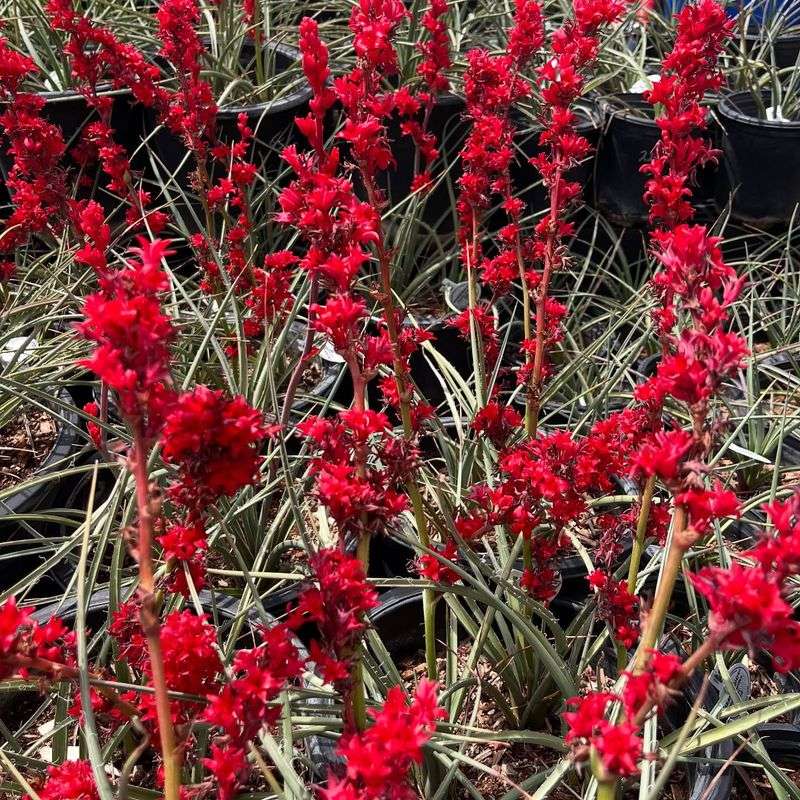
Strong shape and steady performance make this plant stand out even during Arizona’s hottest stretches.
Those tall coral-pink flower stalks rise above grass-like foliage from spring through fall. Your hummingbirds will visit constantly, hovering around the tubular blooms that seem purpose-built for their beaks.
Arizona’s harsh conditions barely affect this desert native. Even when temperatures stay above 110 degrees for weeks, red yucca continues blooming without missing a beat.
The plant’s succulent-like leaves store moisture, helping it survive extended dry periods between waterings.
Flower stalks can reach four to five feet tall, creating vertical accents in low-growing landscapes. Multiple stalks emerge from a single plant throughout the growing season across Arizona.
Each stalk produces dozens of individual flowers that open gradually from bottom to top.
Established red yucca needs water only once or twice monthly during summer. Root systems spread wide rather than deep, efficiently capturing rainfall when it comes.
Arizona gardeners appreciate how this plant looks intentionally placed rather than just surviving.
Heat recovery happens so smoothly you might not notice any stress period. While other plants show crispy leaf tips or faded colors, red yucca maintains its appearance.
Fresh foliage grows continuously from the center of the plant, replacing older outer leaves naturally.
This plant works beautifully in contemporary Arizona landscapes with clean lines and minimal plantings. It also fits traditional desert gardens mixed with cacti and other succulents.
Red yucca’s soft texture contrasts nicely with spiky agaves and rigid architectural plants.
Maintenance stays incredibly low once plants establish in your garden. Remove spent flower stalks if you prefer a tidier look, or leave them for hummingbirds to continue visiting.
5. Bougainvillea
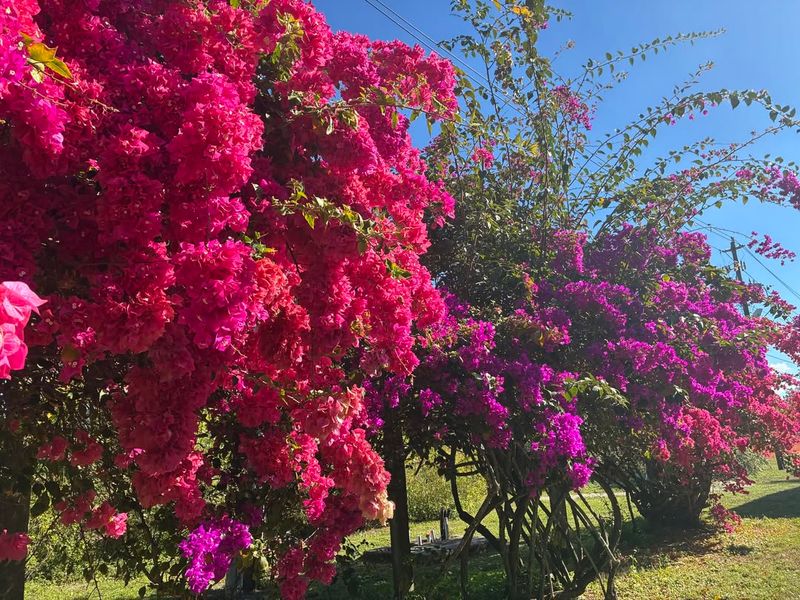
When most plants fade under desert heat, this one does the opposite and puts on a show.
These vigorous vines produce brilliant bracts in shades of magenta, orange, red, or white that last for months. Your outdoor space becomes a tropical oasis despite Arizona’s dry climate and scorching temperatures.
Heat actually encourages more blooms rather than slowing down production. Bougainvillea thrives in Arizona’s intense sunlight, producing the most vibrant colors when temperatures soar.
Other flowering plants fade by midsummer, but bougainvillea just keeps getting more spectacular.
These plants can grow as sprawling groundcovers, cascading container specimens, or climbing vines in Arizona gardens. Training them onto walls or arbors creates living privacy screens covered in color.
Your landscape gains instant maturity and impact from bougainvillea’s fast growth rate.
Recovery from heat stress happens within days once monsoon rains arrive. New growth flushes out quickly, covered in fresh bracts that brighten even the hottest Arizona afternoons.
Established plants show remarkable resilience, bouncing back from conditions that would flatten less adapted species.
Bougainvillea needs regular water during its first year in Arizona soil. Once roots establish deeply, you can cut back irrigation significantly.
Mature plants actually bloom better with less frequent watering, making them ideal for water-wise landscapes throughout the state.
Frost sensitivity means northern Arizona gardeners should treat bougainvillea as an annual or protect it during winter. Southern regions enjoy year-round color from plants that never go dormant.
Your bougainvillea becomes more cold-tolerant as it matures, surviving brief freezes that would damage young plants.
Pruning controls size and encourages bushier growth with more flowering branches. Don’t fear cutting back hard—bougainvillea regrows vigorously from old wood.
Arizona’s long growing season gives plants plenty of time to recover and bloom again after trimming.
Thorns along the stems require careful handling during maintenance. Wear gloves and long sleeves when working around bougainvillea.
These thorns help the plant climb naturally by catching onto support structures in Arizona landscapes.
6. Angelita Daisy
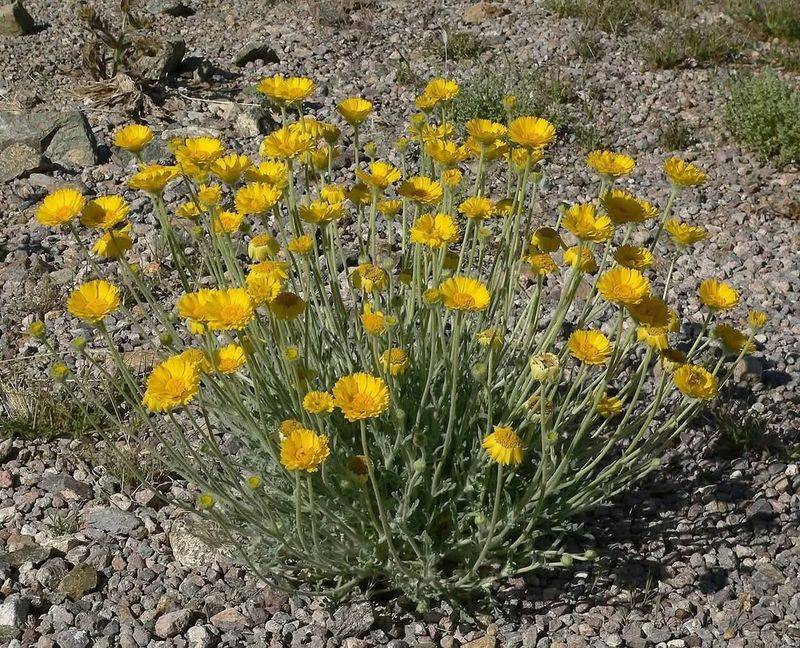
Reliable color is hard to come by in extreme heat, but this plant delivers it consistently.
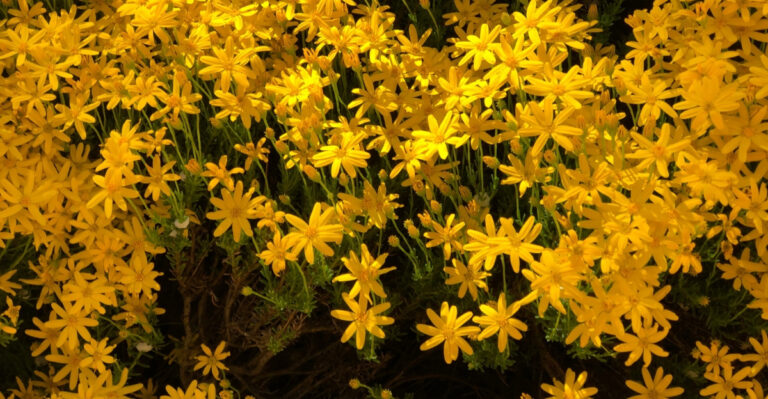
These compact plants stay covered in bright yellow flowers from spring through fall. Your garden gains reliable color from a plant that actually prefers the challenging conditions Arizona offers.
Heat resistance makes angelita daisy a standout performer during summer months across the state. While other flowering perennials take breaks during extreme temperatures, this plant keeps blooming.
Arizona gardeners depend on it for consistent color when everything else looks stressed.
Each plant forms a neat dome shape about two feet wide and tall. Hundreds of small daisy flowers cover the fine-textured foliage continuously.
Your landscape stays tidy without constant deadheading because spent blooms drop cleanly on their own.
Angelita daisy recovers from heat stress so quickly you might not realize it was affected. Monsoon rains trigger fresh flowering flushes that rival spring displays.
Arizona’s intense sunlight keeps plants compact rather than causing the legginess common in shadier climates.
Established plants survive on natural rainfall in many Arizona locations. Supplemental water every two to three weeks during dry spells keeps blooms coming.
Root systems adapt to available moisture, growing deeper in drier sites to access underground reserves.
This plant works beautifully as an edging along pathways in Arizona landscapes. Mass plantings create rivers of gold flowing through garden beds.
Angelita daisy also thrives in containers on patios where you can enjoy the flowers up close.
Cold tolerance allows angelita daisy to grow successfully throughout most of Arizona. Northern regions might see some winter browning, but plants bounce back quickly in spring.
Southern areas enjoy nearly evergreen foliage with year-round flowering potential.
Pruning needs stay minimal compared to many flowering perennials. Trim plants lightly in late winter to remove any frost-damaged growth.
Arizona’s climate allows angelita daisy to maintain its natural shape without constant intervention.
7. Blackfoot Daisy
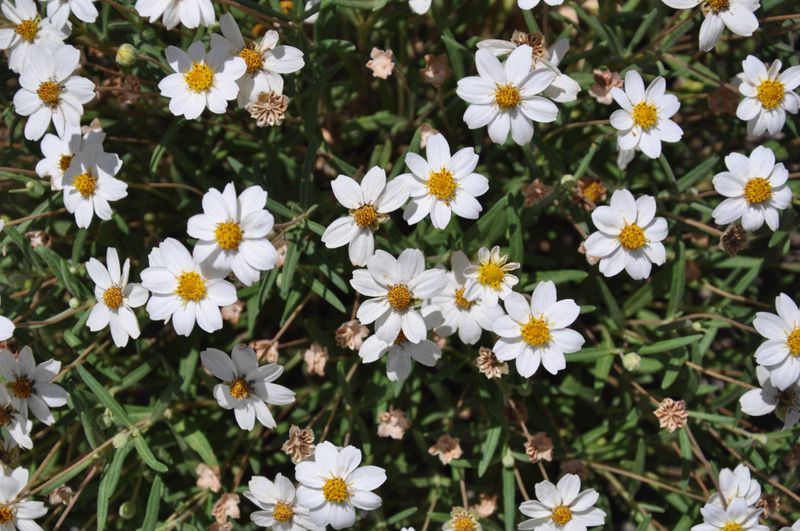
Soft color and constant blooms give this low grower an easy, effortless presence. This low-growing perennial blooms almost continuously from spring through fall.
Your garden gains a cottage-style softness that contrasts beautifully with bolder desert plants.
Arizona’s heat barely slows down blackfoot daisy’s flowering performance. Even during the most intense summer weeks, fresh blooms keep opening.
The plant’s compact size makes it perfect for tucking into tight spaces between rocks or along pathway edges throughout the state.
Each flower features white petals surrounding a yellow center that attracts beneficial insects. Blooms appear in such abundance that foliage nearly disappears beneath them.
Your landscape stays bright and cheerful even when temperatures make outdoor time uncomfortable.
Recovery from heat stress happens almost invisibly with blackfoot daisy. The plant maintains its appearance throughout summer without showing obvious signs of struggle.
Arizona gardeners appreciate how this perennial keeps performing when other flowering plants take dormancy breaks.
Water needs stay remarkably low once plants establish in your garden. Blackfoot daisy actually blooms better with occasional dry periods between irrigations.
Overwatering causes more problems than underwatering for this drought-adapted Arizona native.
Spreading growth habit allows blackfoot daisy to fill in gaps naturally. Plants grow about six inches tall but spread two feet wide over time.
Your landscape gains a naturalized look as colonies expand gradually without becoming invasive.
This plant thrives in Arizona’s rockiest, poorest soils where other perennials struggle. No soil amendments or fertilizers are needed for healthy growth.
Blackfoot daisy actually prefers lean conditions that would starve more demanding plants.
Cold hardiness makes blackfoot daisy suitable for gardens throughout Arizona. Northern regions see plants go dormant in winter, returning vigorously in spring.
Southern areas often enjoy year-round foliage with sporadic winter blooms during warm spells.
8. Brittlebush
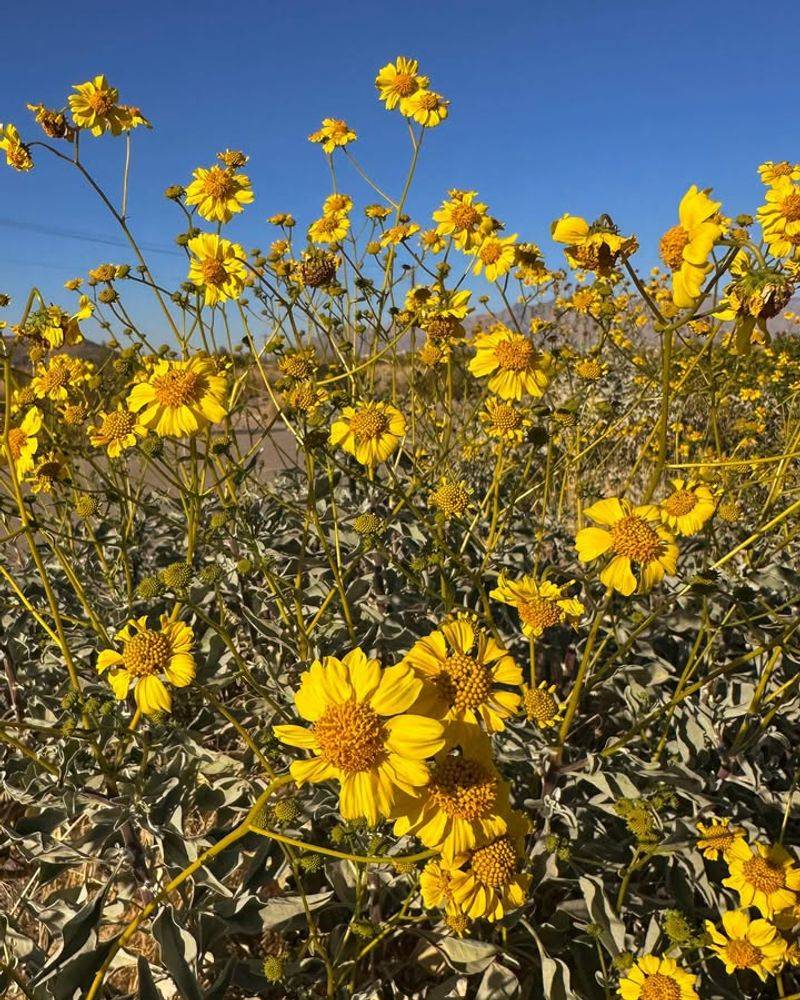
Few plants represent the desert’s toughness and beauty as clearly as this one. This native shrub handles extreme heat better than almost anything else you can grow.
Your landscape gains authentic desert character while requiring virtually no maintenance or supplemental water.
Arizona roadsides and natural areas showcase brittlebush’s ability to thrive in harsh conditions. Silvery-gray leaves reflect intense sunlight, keeping the plant cooler naturally.
Heat that would wilt other plants barely affects brittlebush’s appearance or health.
Bright yellow flowers appear on tall stalks in late winter and spring across Arizona. Each plant produces dozens of flowering stems that create a spectacular show.
Your garden becomes a beacon for native bees and butterflies emerging from winter dormancy.
Summer heat causes brittlebush to go semi-dormant in many Arizona locations. Leaves might drop partially, and flowering stops until cooler weather returns.
This dormancy strategy helps the plant conserve resources during the toughest conditions.
Recovery begins as soon as temperatures moderate and moisture becomes available. Within weeks of monsoon rains, fresh foliage emerges from seemingly bare stems.
Arizona gardeners learn to appreciate brittlebush’s seasonal rhythm rather than expecting year-round lushness.
Established plants survive entirely on natural rainfall in most Arizona regions. No supplemental irrigation is needed once roots penetrate deeply into native soil.
This extreme drought tolerance makes brittlebush ideal for truly water-free landscapes.
Brittlebush works beautifully in naturalistic Arizona landscapes mixed with other native plants. Its soft texture and rounded form contrast nicely with spiky agaves and columnar cacti.
Your garden looks intentionally designed while functioning as habitat for native wildlife.
Size stays manageable without constant pruning in Arizona gardens. Plants typically reach three feet tall and wide at maturity.
Trim back frost-damaged growth in spring if needed, but otherwise leave brittlebush to its natural shape.
9. Desert Marigold
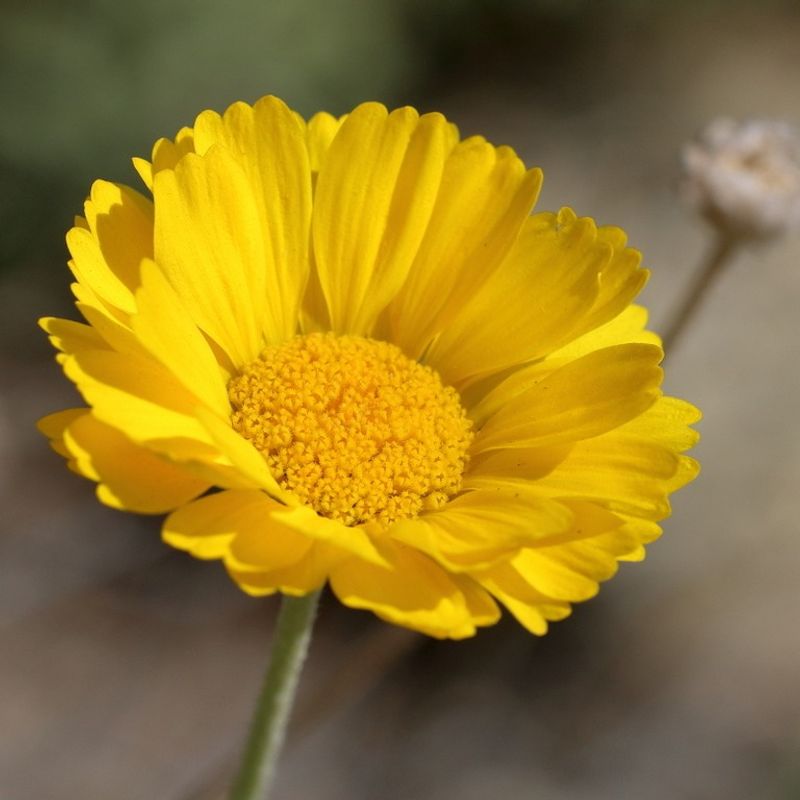
Bright color shows up where you least expect it, even in the harshest conditions. This compact perennial flowers most heavily in spring and fall but produces scattered blooms even during summer.
Your garden stays colorful through all seasons with this reliable desert native.
Heat tolerance makes desert marigold a smart choice for the hottest Arizona locations. Plants continue flowering even when temperatures exceed 110 degrees.
The bright yellow petals seem to capture and reflect Arizona’s intense sunlight, creating glowing spots in your landscape.
Each plant stays relatively small, reaching about one foot tall and wide. The compact size makes desert marigold perfect for small spaces or container plantings.
Your patio or courtyard gains color without plants overwhelming the available space.
Recovery from heat stress happens continuously rather than in distinct cycles. Desert marigold doesn’t show obvious signs of struggle during extreme weather.
Arizona gardeners appreciate how this plant maintains its appearance throughout challenging growing conditions.
Water needs stay minimal once plants establish their root systems. Desert marigold survives on rainfall alone in many Arizona regions.
Occasional supplemental water during extended dry spells encourages more prolific blooming.
This plant reseeds readily in favorable locations across Arizona. Volunteer seedlings appear naturally around parent plants, gradually expanding your display.
You can easily control spread by removing unwanted seedlings or let colonies develop for a naturalized look.
Desert marigold attracts butterflies and native bees throughout Arizona’s growing season. The open flower form provides easy access to nectar and pollen.
Your landscape becomes more ecologically valuable while looking beautiful with minimal effort from you.
Cold hardiness allows desert marigold to thrive in most Arizona climate zones. Northern regions might see plants go dormant during the coldest weeks, but they return quickly in spring.
Southern Arizona landscapes often enjoy continuous flowering with only brief pauses during winter.