7 Plants That Recruit Your Pest Control Squad In Pennsylvania
A good garden does not have to depend on sprays and constant pest battles to stay in shape. Sometimes the smartest move is planting the kinds of flowers and herbs that bring in the helpers you actually want around.
In Pennsylvania, plenty of beneficial insects are ready to do the dirty work for you, from ladybugs and lacewings to hoverflies and tiny parasitic wasps. The trick is giving them a reason to stick around.
Once they do, your garden starts working a whole lot smarter. That is what makes certain plants so useful. They do more than add color or fill empty space.
They help attract the natural predators that feed on aphids, caterpillars, and other common troublemakers before those pests get out of hand. It is a simple idea, but it can completely change the way a yard functions.
Instead of fighting every bug that shows up, you build a space that keeps better balance on its own. For Pennsylvania gardeners, that is a pretty satisfying upgrade.
1. Clustered Mountain Mint (Pycnanthemum Muticum)
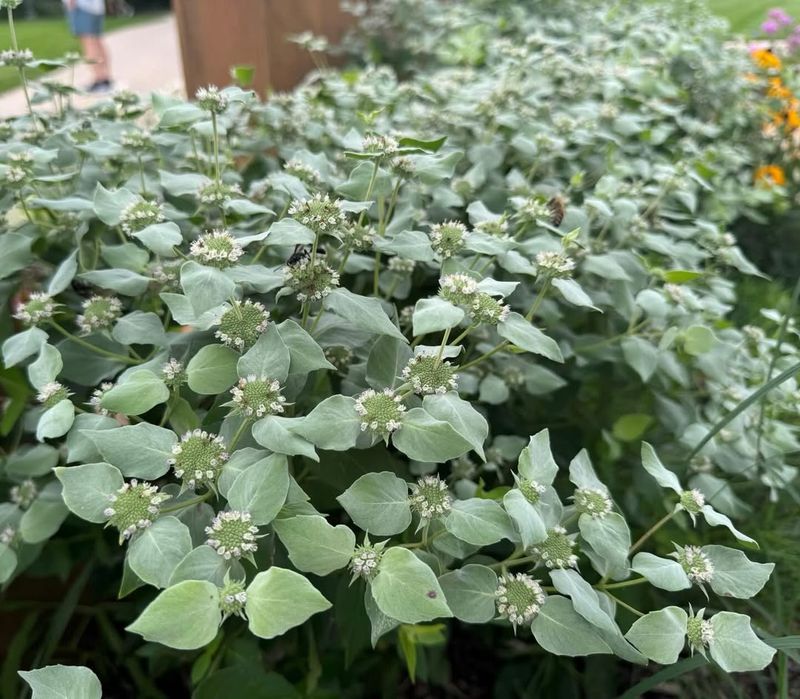
Walk past a patch of Clustered Mountain Mint on a warm Pennsylvania summer day and you will notice something right away: it is absolutely buzzing with insect activity. Few native plants draw in such a wide variety of beneficial insects as reliably as this one does.
Gardeners across Pennsylvania have started calling it the “insect diner” because so many creatures stop by for a visit.
Predatory wasps, parasitoid flies, ground beetles, and hoverflies all love this plant. Many of these insects are natural hunters that target aphids, caterpillars, and other common garden pests.
When you plant Clustered Mountain Mint, you are essentially hiring a full crew of pest managers who work around the clock for free.
The flowers bloom from mid-summer into fall, giving beneficial insects a long window to feed and reproduce near your garden.
That extended bloom time is especially helpful in Pennsylvania, where pest pressure can last well into September. The plant also has a pleasant minty scent that most gardeners enjoy.
Clustered Mountain Mint is a tough, low-maintenance native perennial that grows well in average to moist soil and full to partial sun.
It spreads steadily over time, which means more habitat for beneficial insects each year. Plant it in borders, rain gardens, or naturalized areas for the best results.
If you are serious about reducing pest pressure in your Pennsylvania garden without chemicals, this plant belongs at the top of your list. It is reliable, beautiful, and genuinely useful to the local ecosystem.
2. Golden Alexanders (Zizia Aurea)
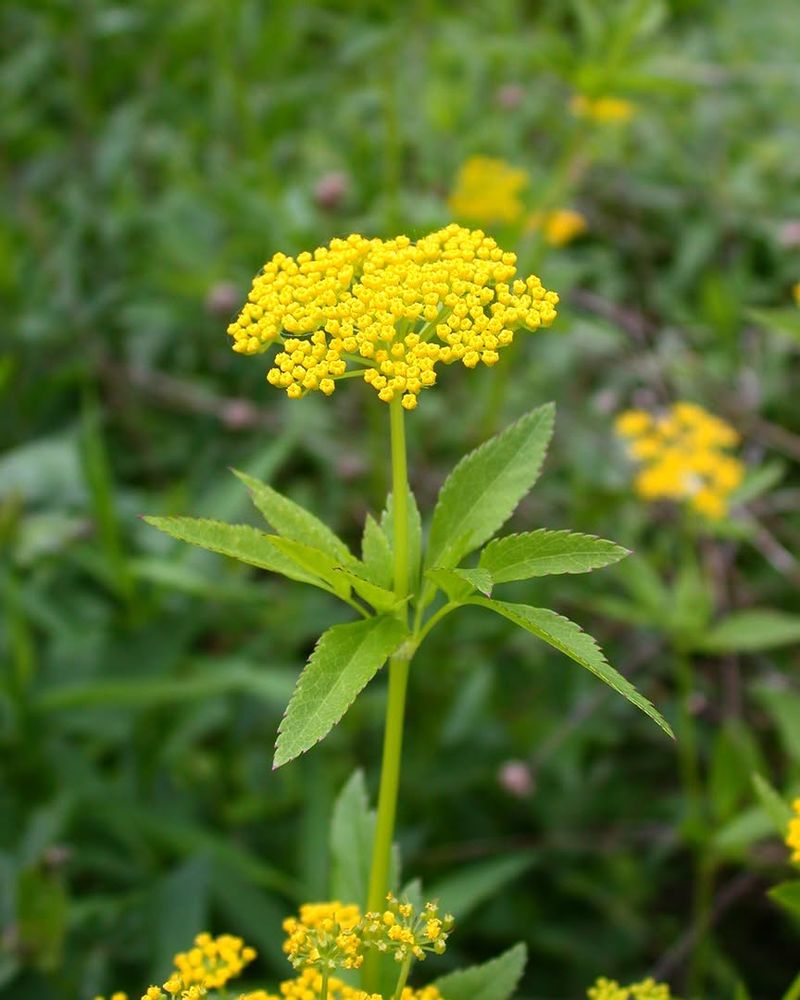
Spring in Pennsylvania can feel like a race against time when it comes to garden pests. Pest populations can build fast in warm weather, and if beneficial insects do not have food available early enough, those pest numbers get a head start.
Golden Alexanders solves that problem by being one of the earliest native plants to bloom in Pennsylvania, often flowering in April and May.
Early-season blooms are a big deal for beneficial insects. Parasitoid wasps and predatory flies need nectar and pollen to survive and reproduce, and Golden Alexanders gives them exactly that before most other plants are even leafing out.
By supporting these natural enemies early in the season, you help build up their populations before pest pressure spikes.
The flat-topped yellow flower clusters are easy for small insects to land on and access. That open flower shape is important because many beneficial insects have short mouthparts and cannot reach nectar hidden deep inside tubular flowers.
Golden Alexanders makes feeding simple and accessible for the insects doing the most pest-control work.
This native perennial thrives in a range of Pennsylvania conditions, including moist meadows, woodland edges, and rain gardens. It grows about two to three feet tall and pairs beautifully with other native wildflowers.
Bonus: it also serves as a host plant for the black swallowtail butterfly caterpillar, adding even more ecological value.
Adding Golden Alexanders to your Pennsylvania garden is one of the most strategic early-season moves you can make for natural pest management.
3. Yarrow (Achillea Spp.)
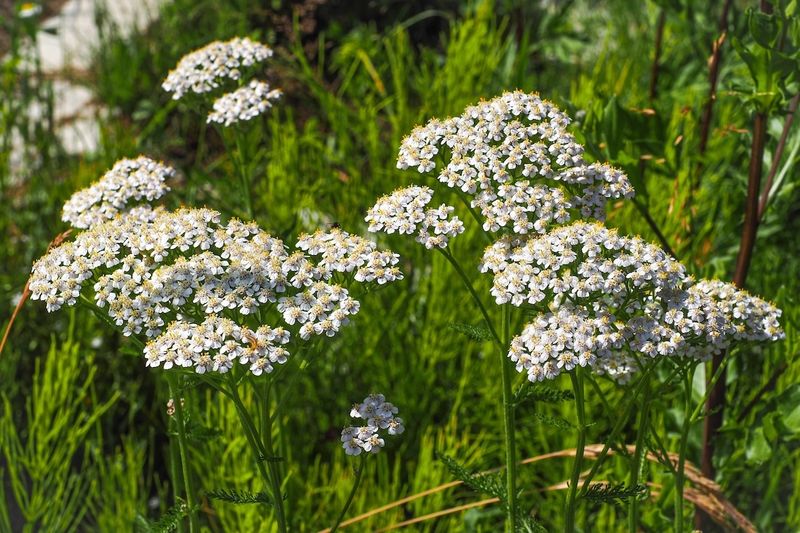
Yarrow has been a garden staple for centuries, and for good reason. Farmers and gardeners figured out long ago that wherever yarrow grew, the pest situation seemed a little more manageable.
Modern research has backed that up, showing that yarrow is particularly attractive to parasitoid wasps, hoverflies, and minute pirate bugs, all of which are serious pest predators.
What makes yarrow especially effective is the structure of its flowers. The wide, flat clusters create a kind of landing pad that small beneficial insects can walk across while feeding.
Many of the most valuable predatory and parasitoid insects are tiny, and they need flowers with easy nectar access. Yarrow delivers that better than almost any other plant in a Pennsylvania garden.
Yarrow blooms from late spring through midsummer and comes in white, yellow, pink, and red varieties. All of them support beneficial insects, though white and yellow varieties tend to draw the widest range of species.
Deadheading spent blooms can encourage a second flush of flowers, extending the feeding window for your pest-control crew.
Growing yarrow in Pennsylvania is straightforward. It handles dry to average soil well, thrives in full sun, and does not need much fertilizer or water once established.
It is actually one of those plants that performs better when you leave it alone. Overcrowding and excess moisture are the main things to avoid.
Plant yarrow along sunny borders or in cottage-style beds where its feathery foliage and cheerful blooms can shine while quietly building up your garden’s natural defenses.
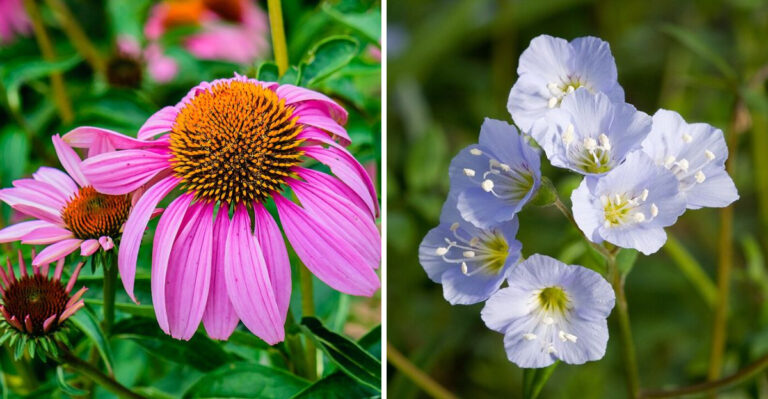
4. Purple Coneflower (Echinacea Purpurea)
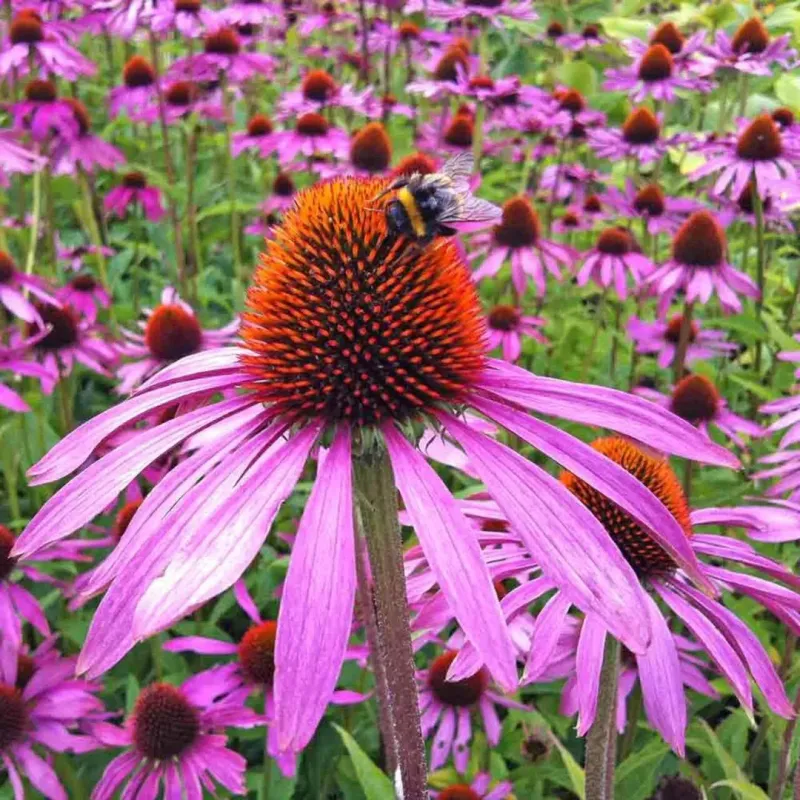
Purple Coneflower might be the most recognizable native wildflower in Pennsylvania, and it earns its fame for good reason.
Beyond its gorgeous purple-pink petals and bold orange-brown centers, this plant is a powerhouse for supporting the kinds of insects that keep garden pests in check. It is beauty and function rolled into one tough perennial.
Beneficial insects, including parasitoid wasps, soldier beetles, and various native bees, visit coneflower blooms regularly throughout summer.
Soldier beetles are especially worth mentioning because they actively feed on aphids and small caterpillars while also pollinating flowers.
Having them around is a genuine win for any Pennsylvania garden dealing with pest pressure.
One practical advantage of Purple Coneflower is that it tends to have fewer pest problems of its own compared to many other flowering plants.
A healthy coneflower patch does not usually attract aphid colonies or become a breeding ground for harmful insects. That means you get the ecological benefits without adding a new problem to manage.
Purple Coneflower blooms from midsummer into early fall, and if you leave the seed heads standing after blooming, goldfinches and other birds will visit through winter. That extended value makes it one of the most rewarding plants you can grow in Pennsylvania.
It grows well in average, well-drained soil with full to partial sun and handles summer heat without complaint. Plant it in groups of three or more for the strongest visual impact and the best insect habitat. Few plants offer this much for so little effort.
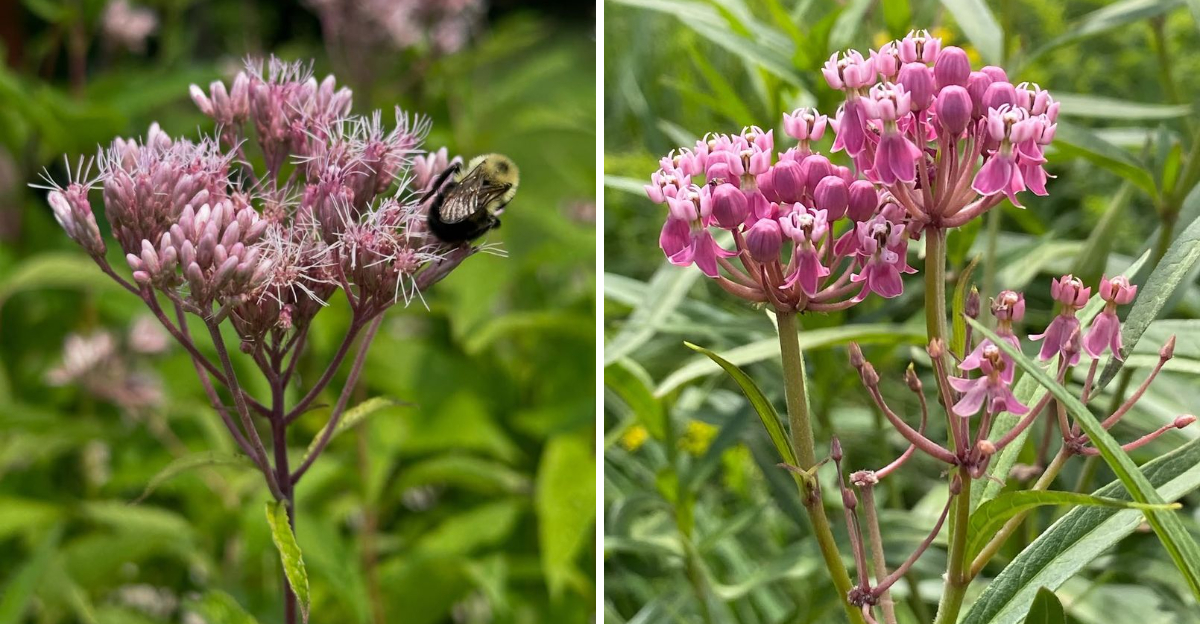
5. Milkweed (Asclepias Spp.)
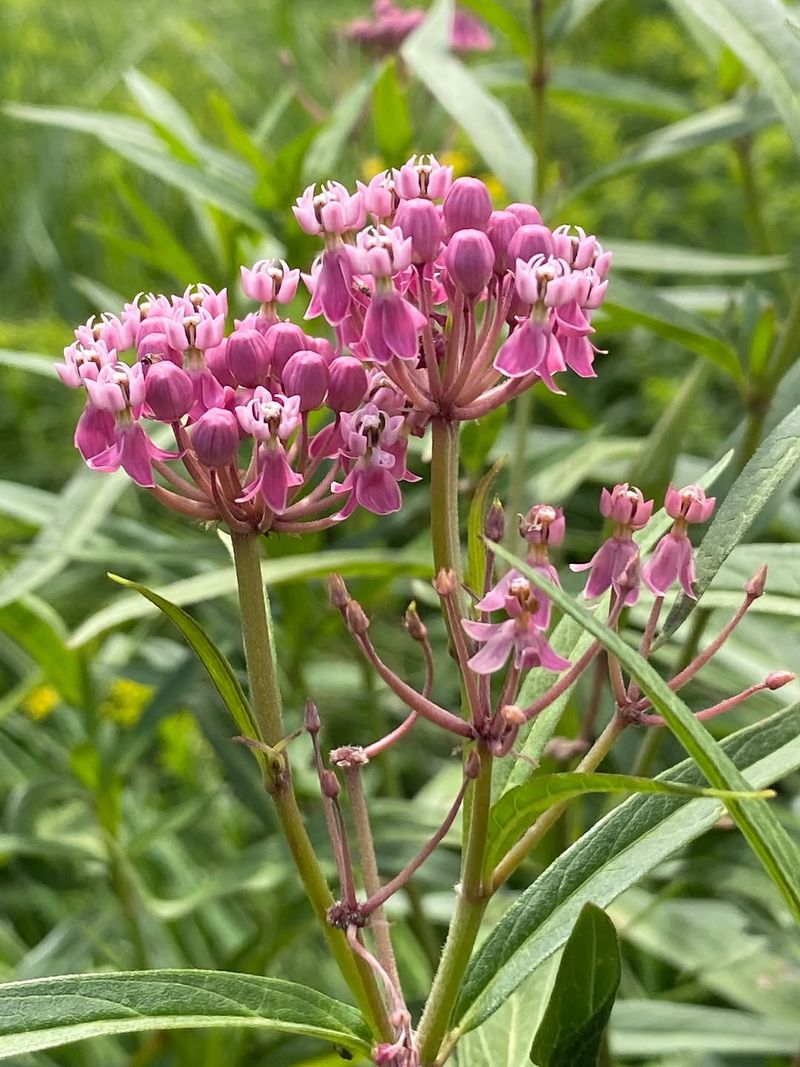
Most people think of milkweed as a monarch butterfly plant, and it absolutely is. But here is something that often gets overlooked: milkweed is also one of the most nectar-rich plants you can grow in a Pennsylvania garden, and that nectar attracts a wide community of beneficial insects that go well beyond butterflies.
Parasitoid wasps, predatory flies, and native bees all visit milkweed flowers regularly. These insects need high-quality nectar sources to fuel their activity, and milkweed delivers in abundance.
When these insects are well-fed and thriving near your garden, they are also actively hunting and parasitizing the pest insects you want gone.
Common Milkweed (Asclepias syriaca) is the most widespread species in Pennsylvania and one of the easiest to establish. Butterfly Weed (Asclepias tuberosa) is another excellent choice with bright orange flowers that look stunning in sunny borders.
Both species support a rich insect community and are well-adapted to Pennsylvania’s climate and soils.
Milkweed does attract milkweed bugs and occasionally aphids, but those pest insects also draw in predators like lacewings and lady beetles, which then spread out to hunt other pests in your garden. Think of it as a starter habitat that builds the whole food web.
Plant milkweed in sunny spots with well-drained to average soil. Give it room to spread because most species form colonies over time.
Once established, milkweed is incredibly low-maintenance and comes back reliably each year across Pennsylvania.
6. Joe-Pye Weed (Eutrochium Spp.)
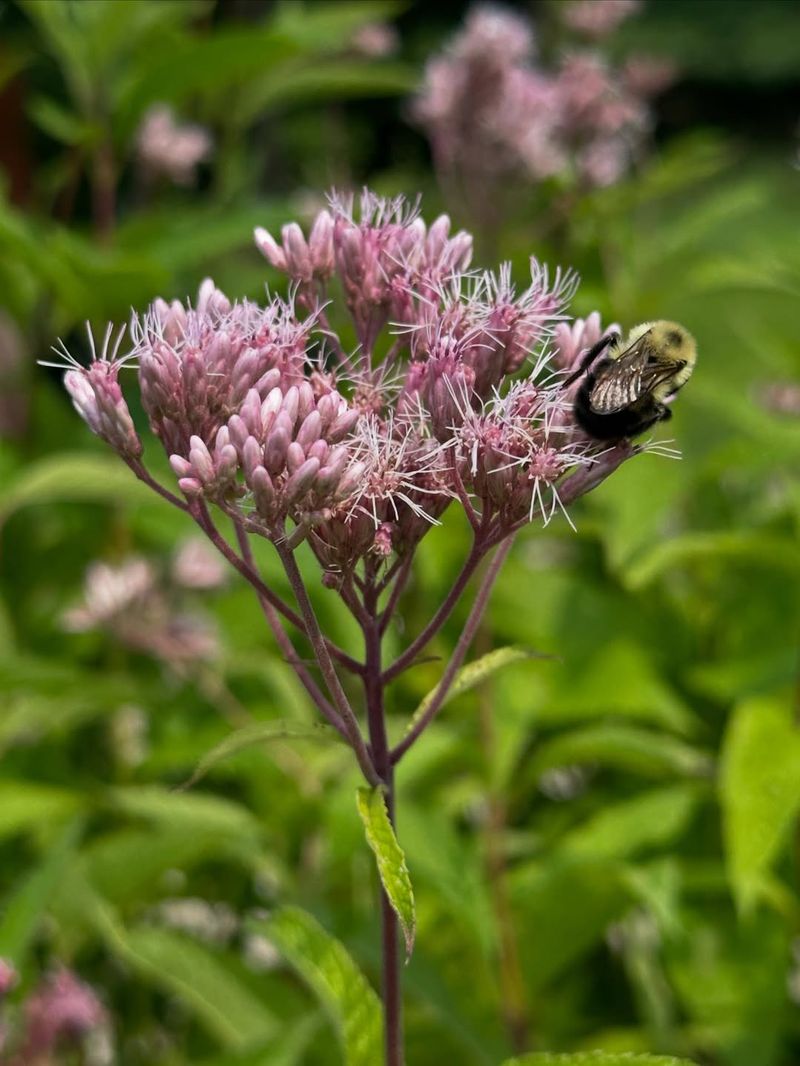
By late summer in Pennsylvania, a lot of garden plants have already finished blooming. Pest pressure, though, does not slow down just because the calendar is moving toward fall.
Joe-Pye Weed steps into that gap in a big way, producing massive clusters of dusty pink-purple flowers right when many other nectar sources are fading out.
Tall and commanding, Joe-Pye Weed can reach six to eight feet in the right conditions. That height makes it a dramatic presence in larger Pennsylvania garden beds, rain gardens, and naturalized areas along property edges.
It is the kind of plant that stops people in their tracks when it is in full bloom. The flower clusters are magnets for beneficial insects in late summer and early fall. Parasitoid wasps, predatory flies, and bumble bees all visit heavily.
Keeping these insects fed and active through late season is important because pest populations like aphids and caterpillars can still be active in Pennsylvania well into September and October.
Joe-Pye Weed grows best in moist to average soil with full to partial sun. It is a natural fit for rain gardens and low spots in the yard where other plants might struggle.
Native to the eastern United States, it is perfectly adapted to Pennsylvania’s climate and requires almost no care once established.
Fun fact: Joe-Pye Weed is named after a Native American healer who reportedly used the plant medicinally. Whether or not the legend is fully accurate, the plant’s value in the modern Pennsylvania garden is very real and well-documented.
7. Goldenrod (Solidago Spp.)
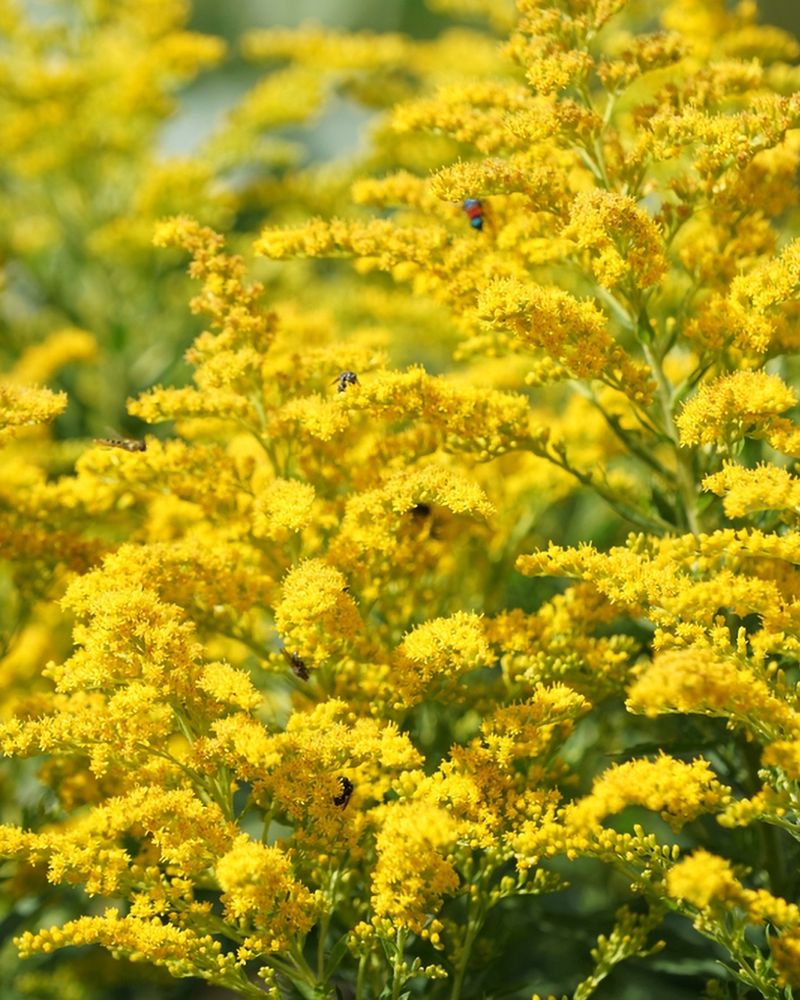
Goldenrod gets blamed for a lot of hay fever misery it did not actually cause. That reputation belongs to ragweed, which blooms at the same time but spreads pollen through the wind.
Goldenrod, on the other hand, relies on insects to move its pollen, which is exactly why it is so attractive to beneficial insects and so important for Pennsylvania gardens in fall.
Late-season pest control depends on having active beneficial insect populations right up until frost. Goldenrod is one of the best plants in Pennsylvania for keeping that network alive and working.
Its bright yellow flower plumes bloom from late summer through October, providing a rich nectar and pollen source when almost everything else has stopped flowering.
Research has shown that goldenrod supports over 100 species of beneficial insects, including many that are active predators of garden pests.
Soldier beetles, parasitoid wasps, syrphid flies, and native bees all rely on goldenrod as a late-season fuel source. Keeping them fed keeps them hunting.
There are many goldenrod species native to Pennsylvania, and most of them work well in garden settings. Stiff Goldenrod (Solidago rigida) and Showy Goldenrod (Solidago speciosa) are excellent choices for formal garden beds.
Gray Goldenrod (Solidago nemoralis) works well in dry, poor soils where other plants struggle.
Goldenrod spreads by rhizomes, so planting it where it has room to roam is a smart move. Used thoughtfully, it is one of the most ecologically valuable plants you can add to a Pennsylvania garden heading into fall.